

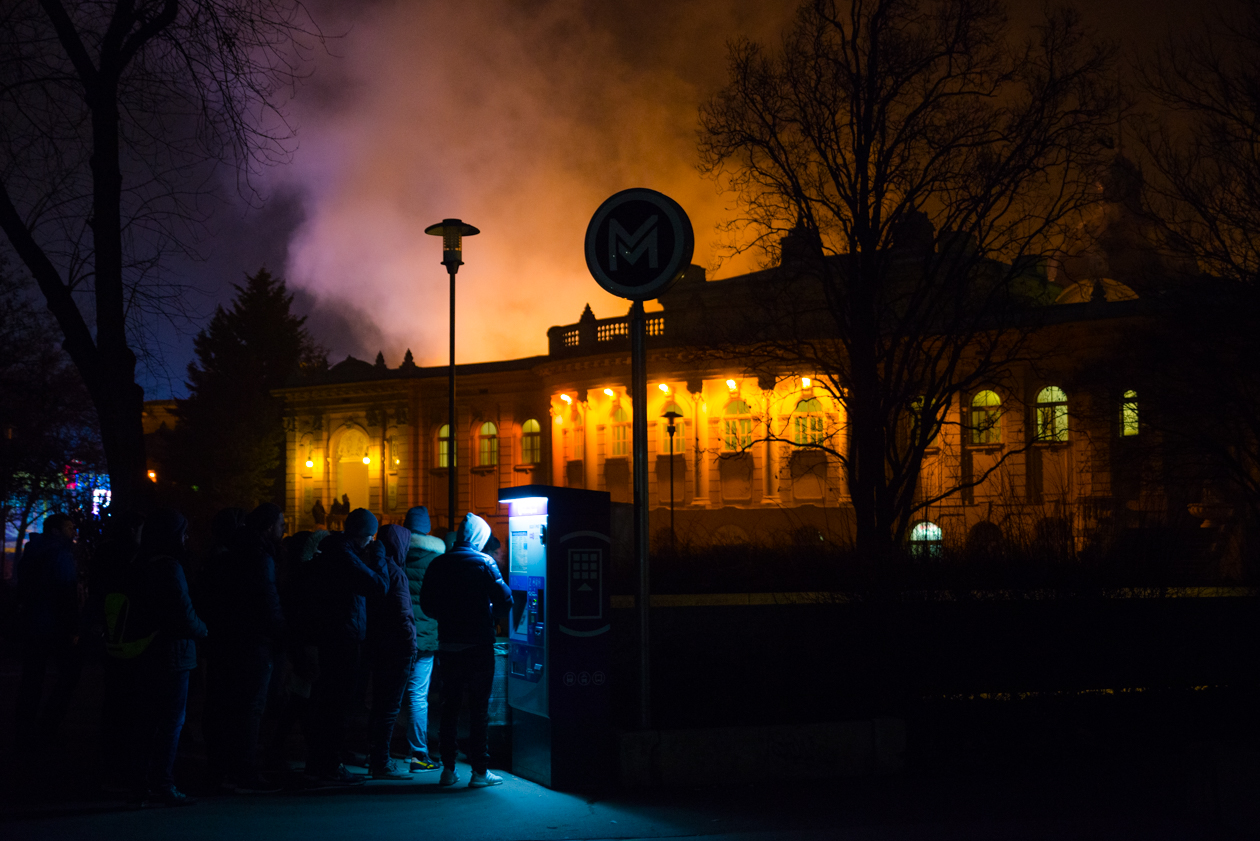
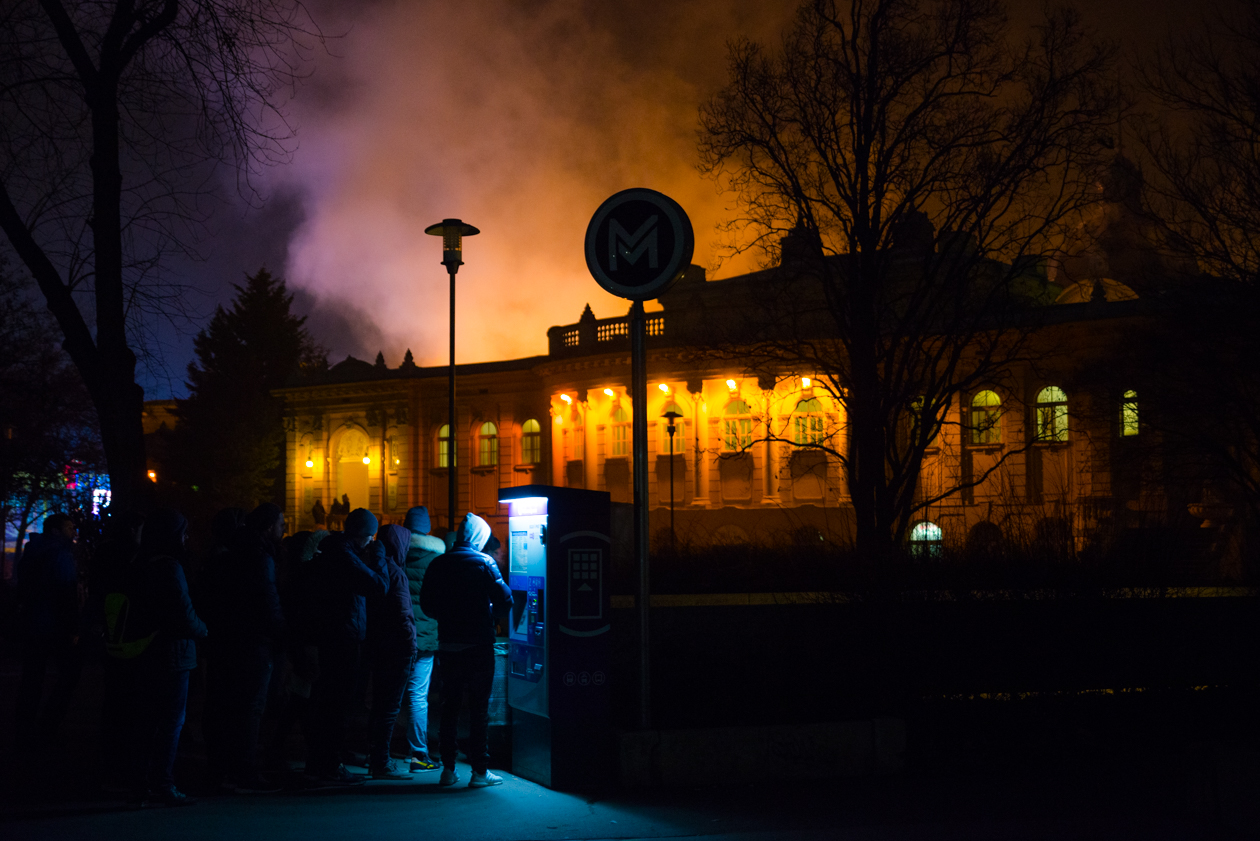
Budapest, the Danube makes the beautiful.
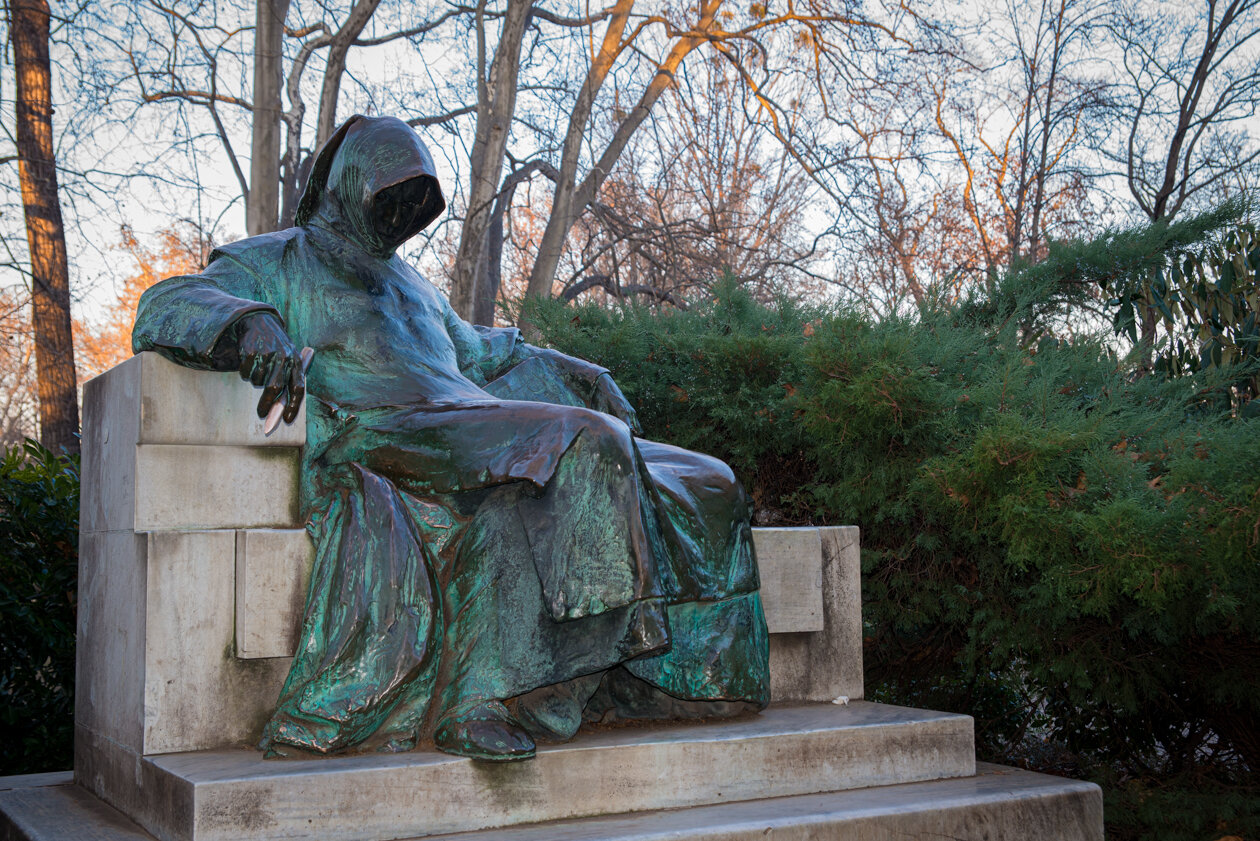

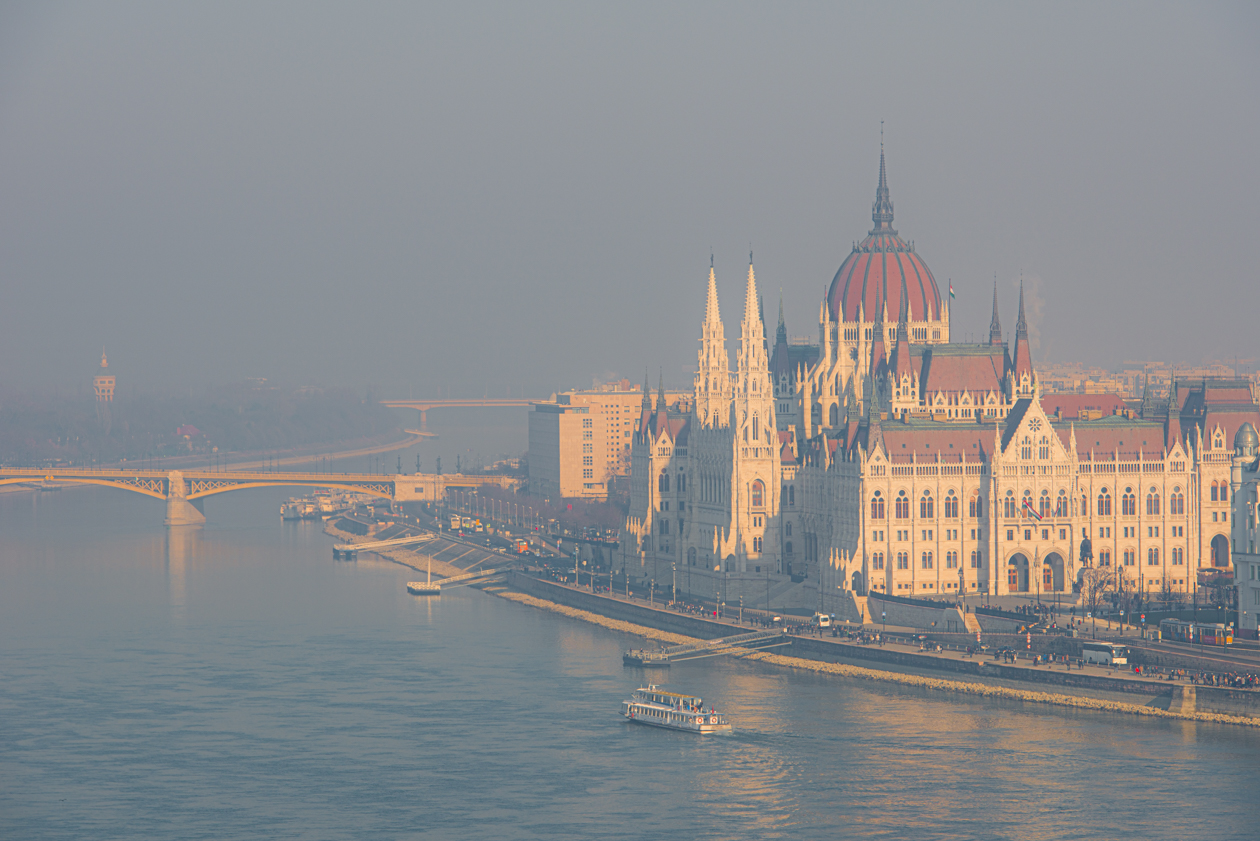
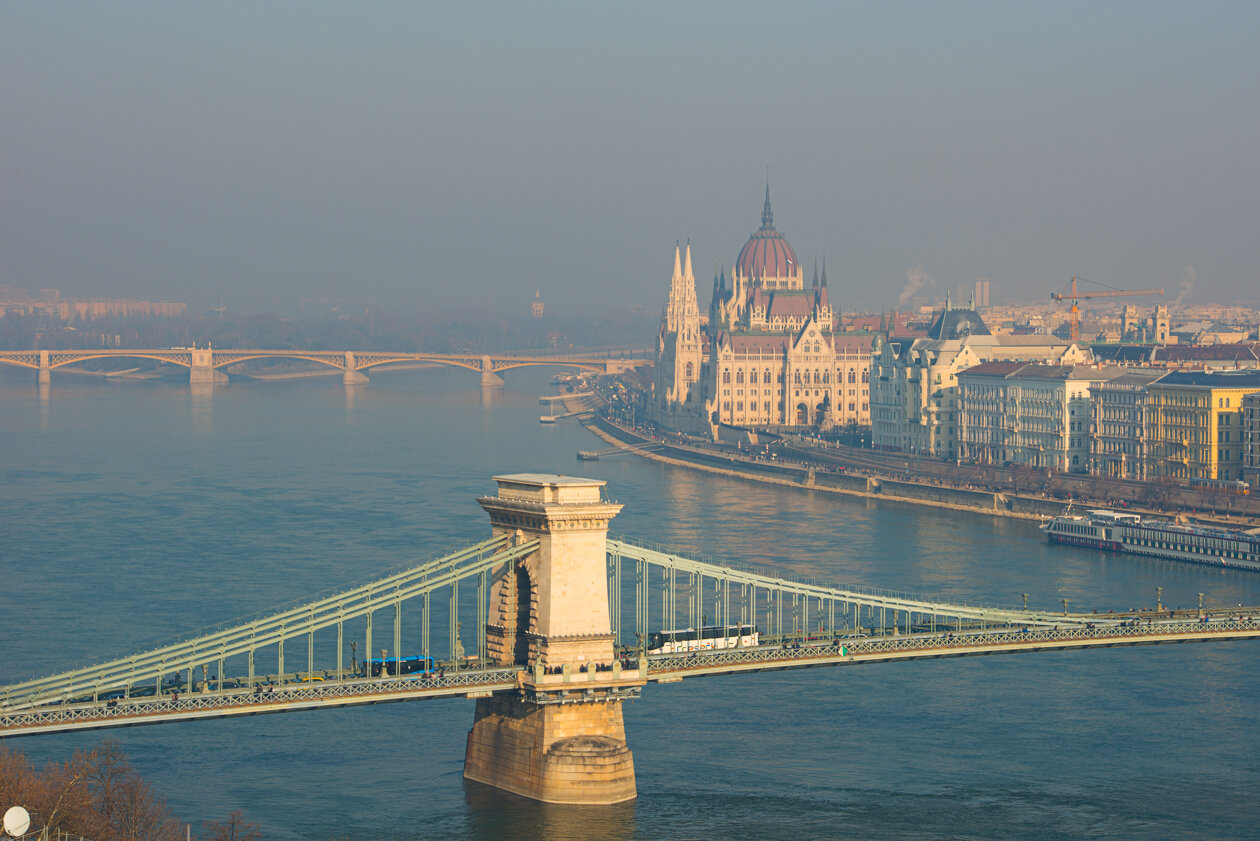

If there is one city in Europe steeped in history, it is indeed Budapest. The history of Budapest begins with the oldest part of the city: Obuda was occupied by Celtic tribes until the Roman conquest in the 1st century BC. Obuda, which the Romans called ‘Aquincum’, was founded in 89 AD on the site of an ancient Celtic settlement. For four centuries, it was the capital of the Roman province of Pannonia. The name ‘Aquincum’ derives from the word ‘aqua’ (meaning ‘water’), in honour of the numerous thermal springs for which Budapest was renowned. The Magyars arrived in the region in 896 AD, when seven Magyar tribes, made up of formidable warriors, united to defeat the Romans. The modern city was founded on 17 November 1873 through the merger of Buda — then the capital of Hungary —, Pest and Óbuda.
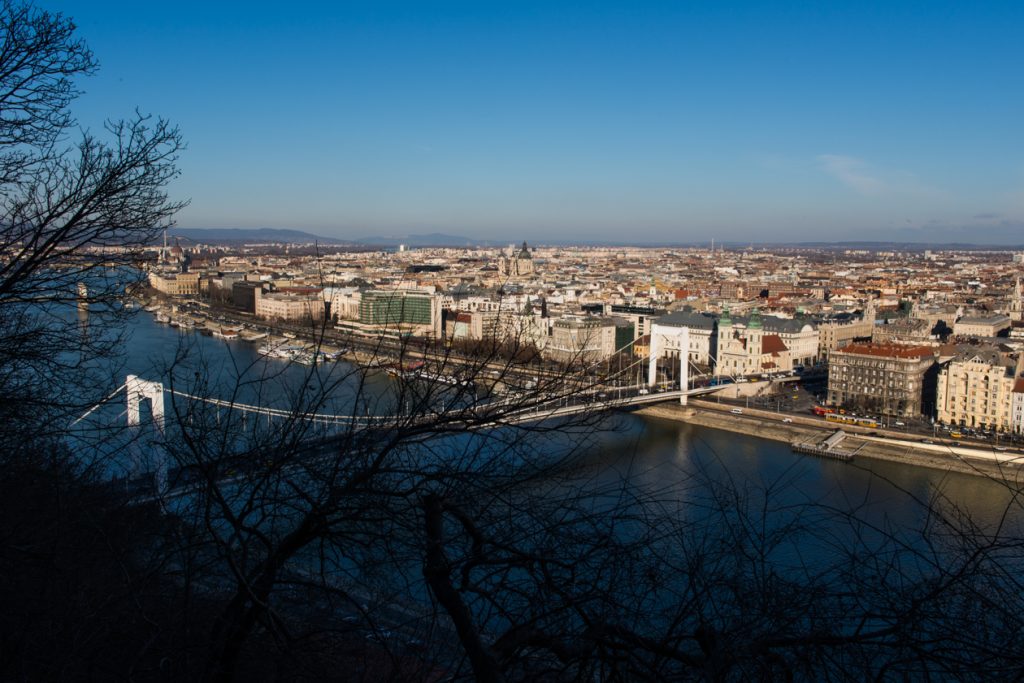
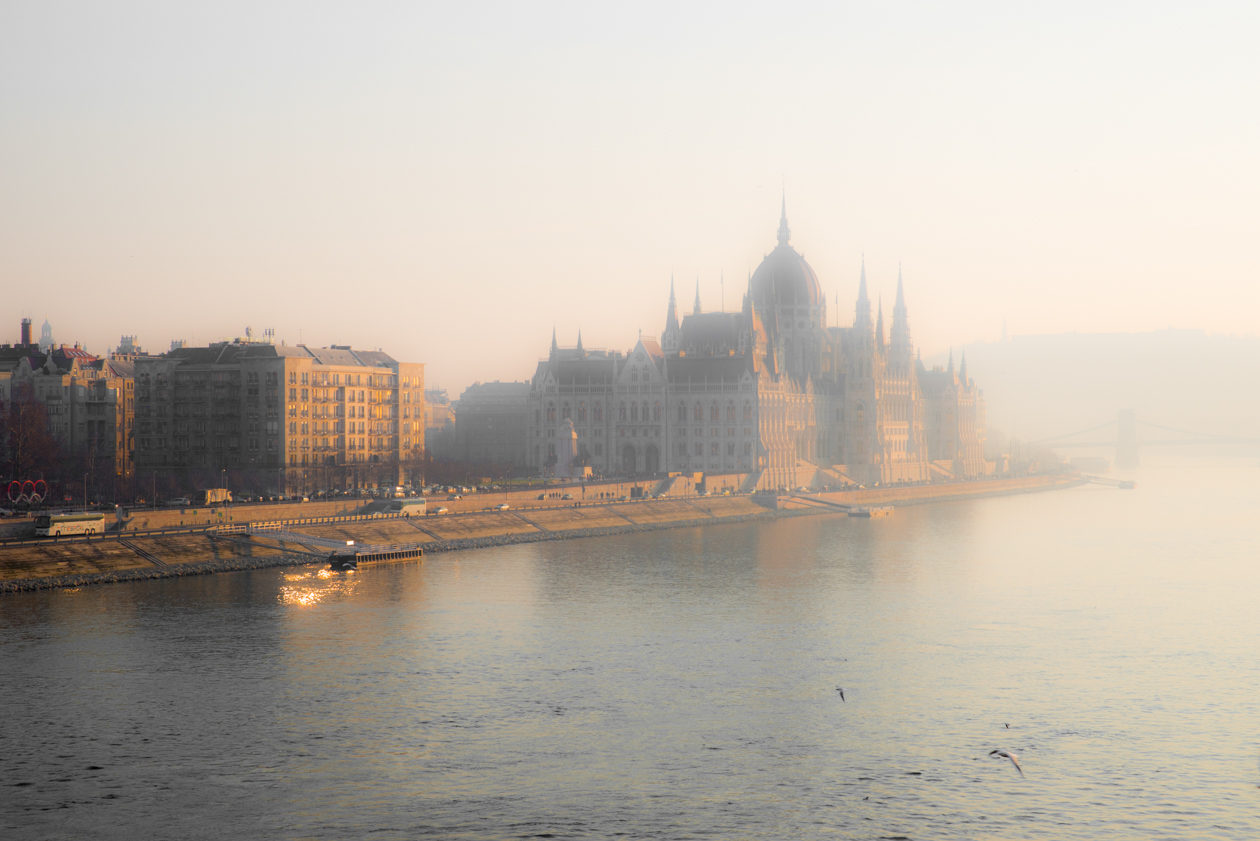
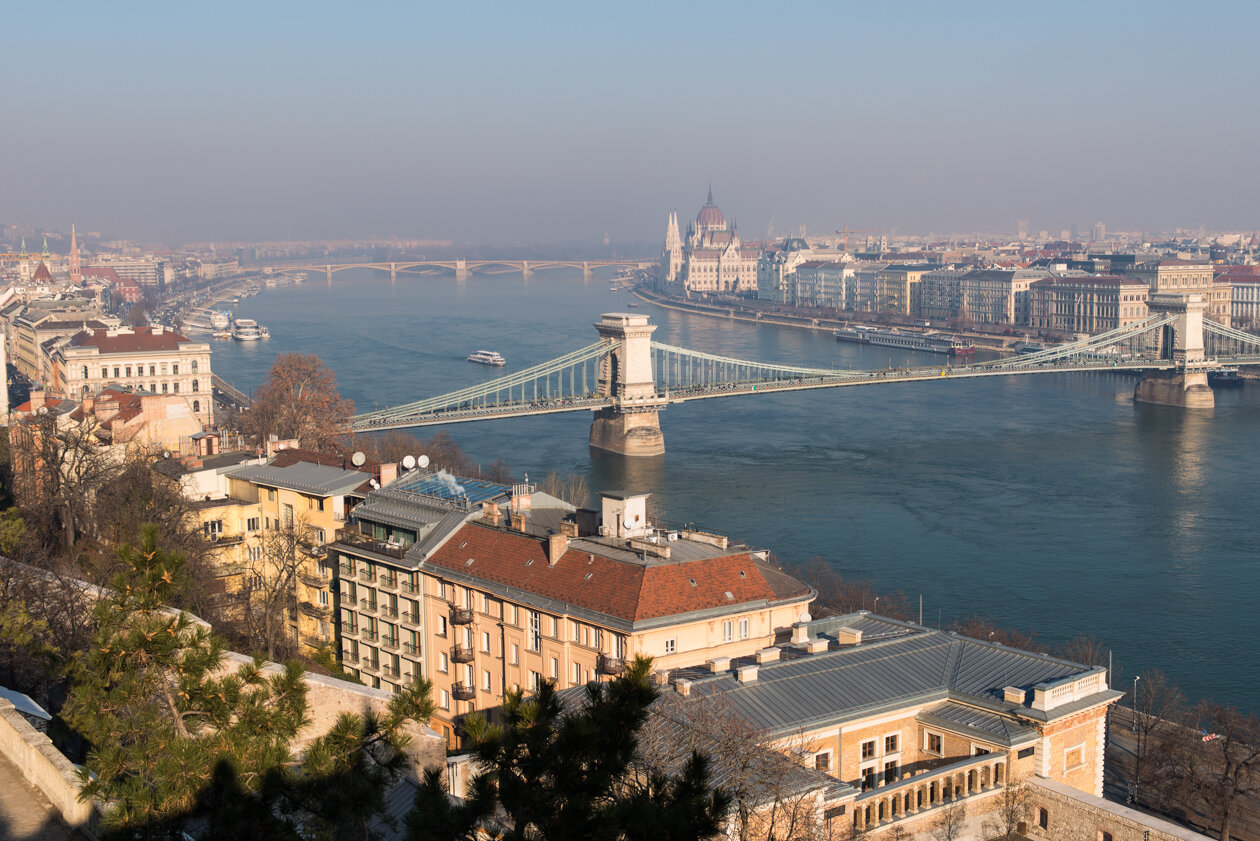
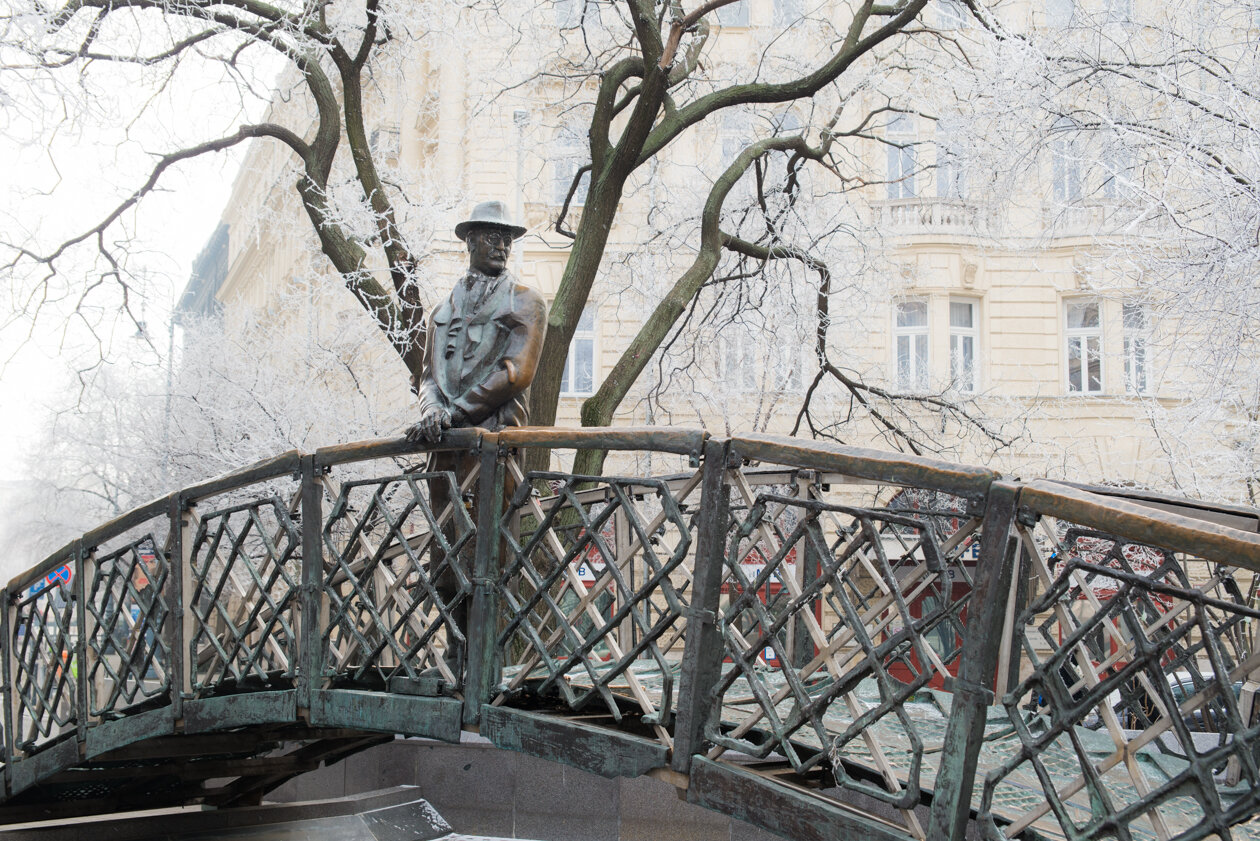
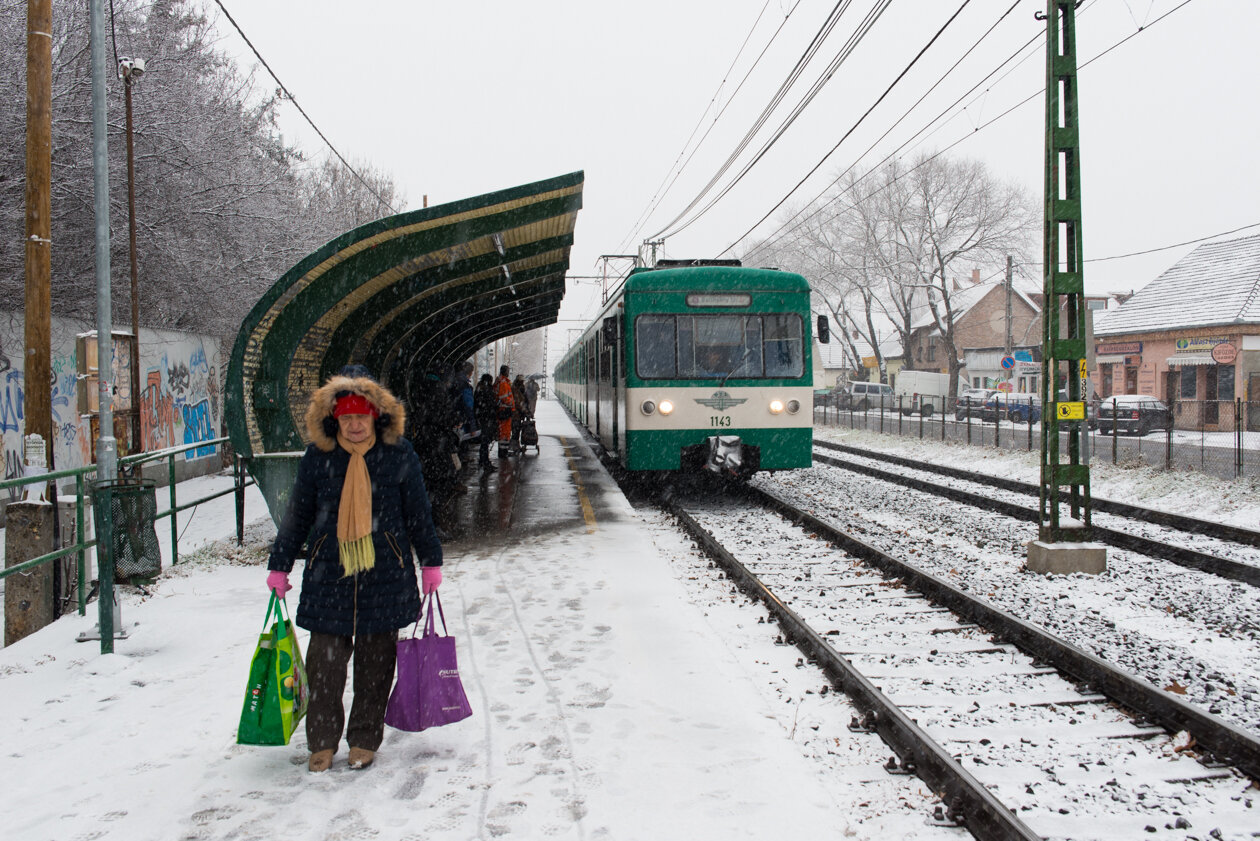
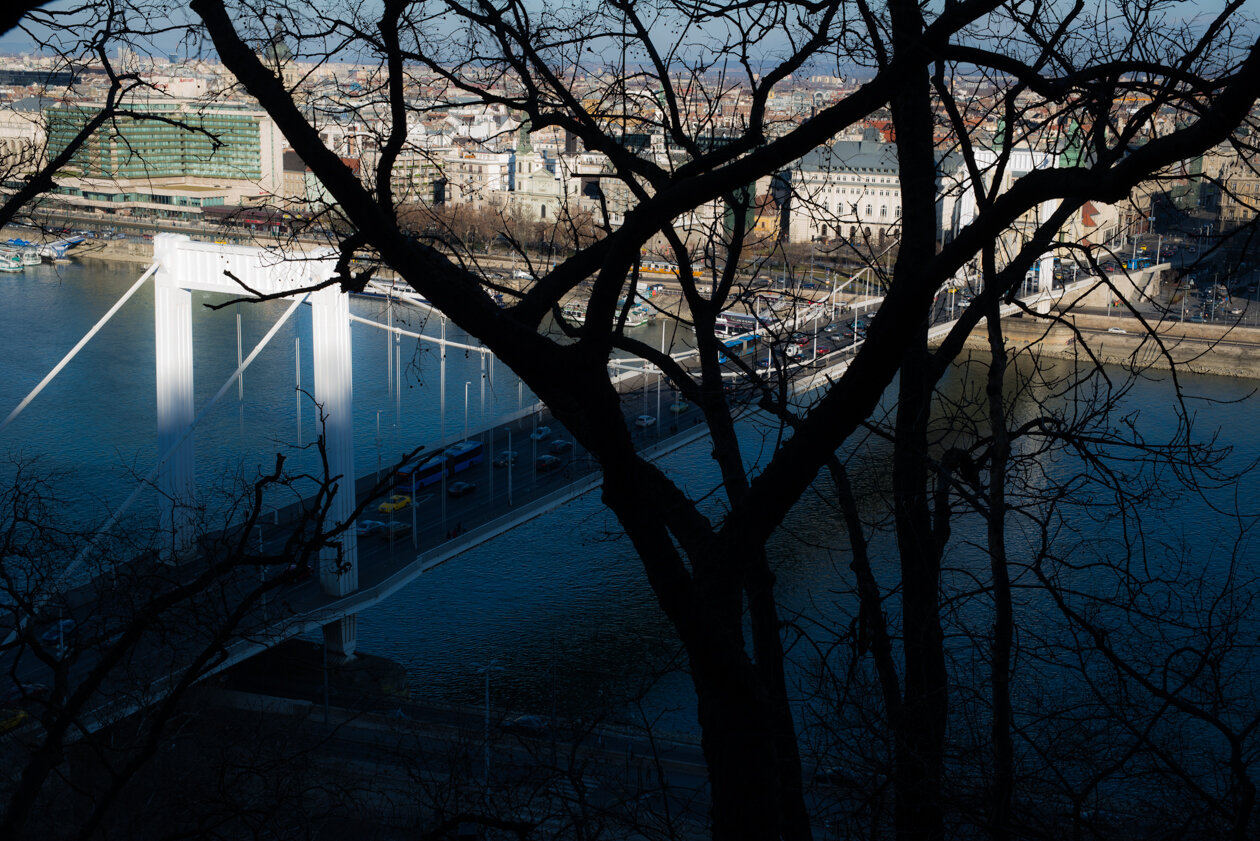
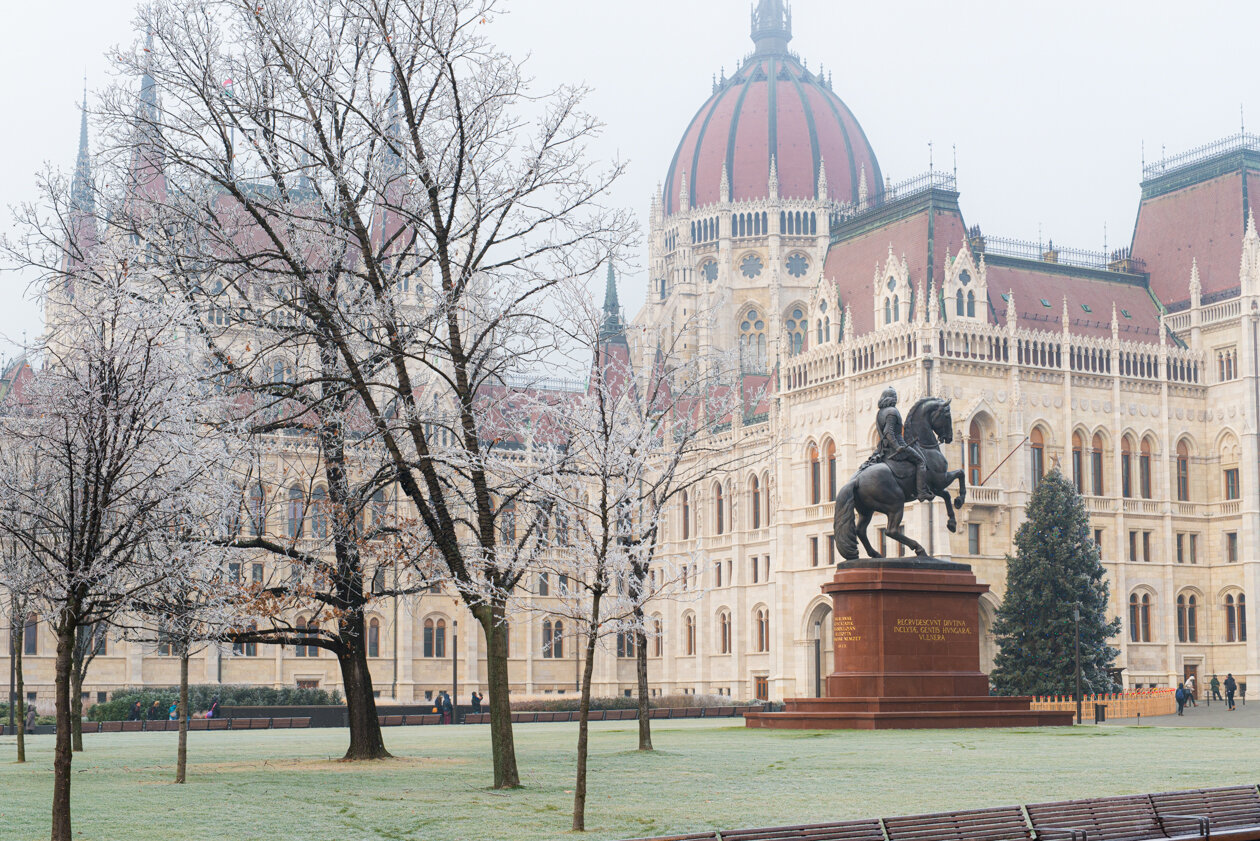
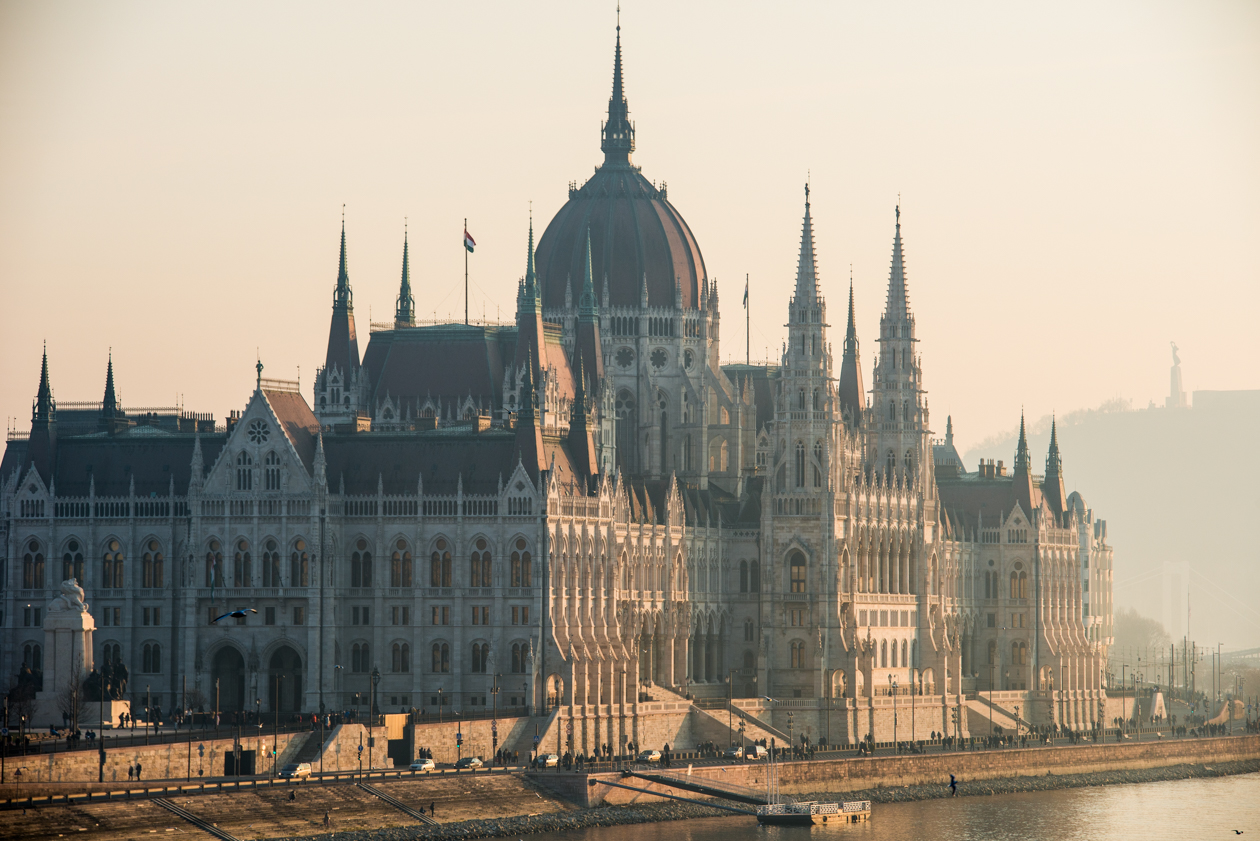
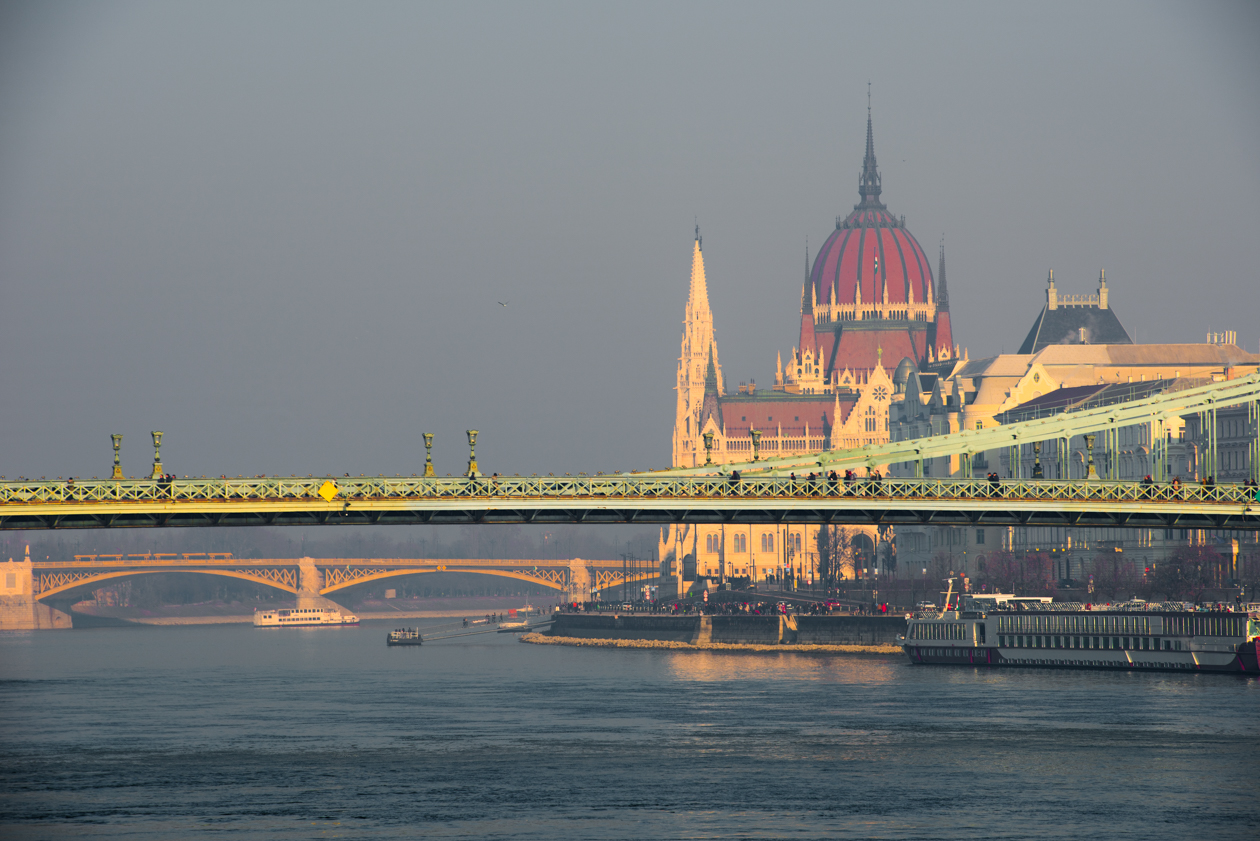
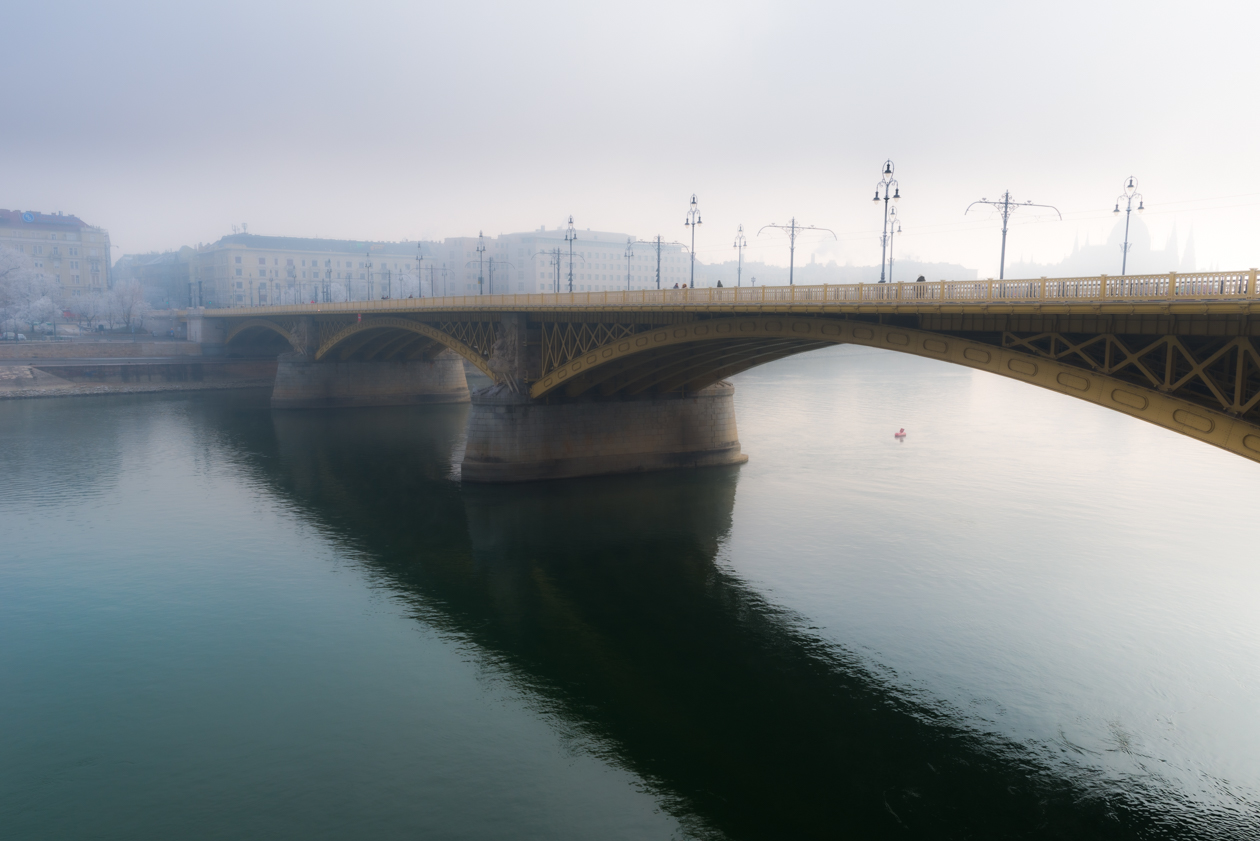
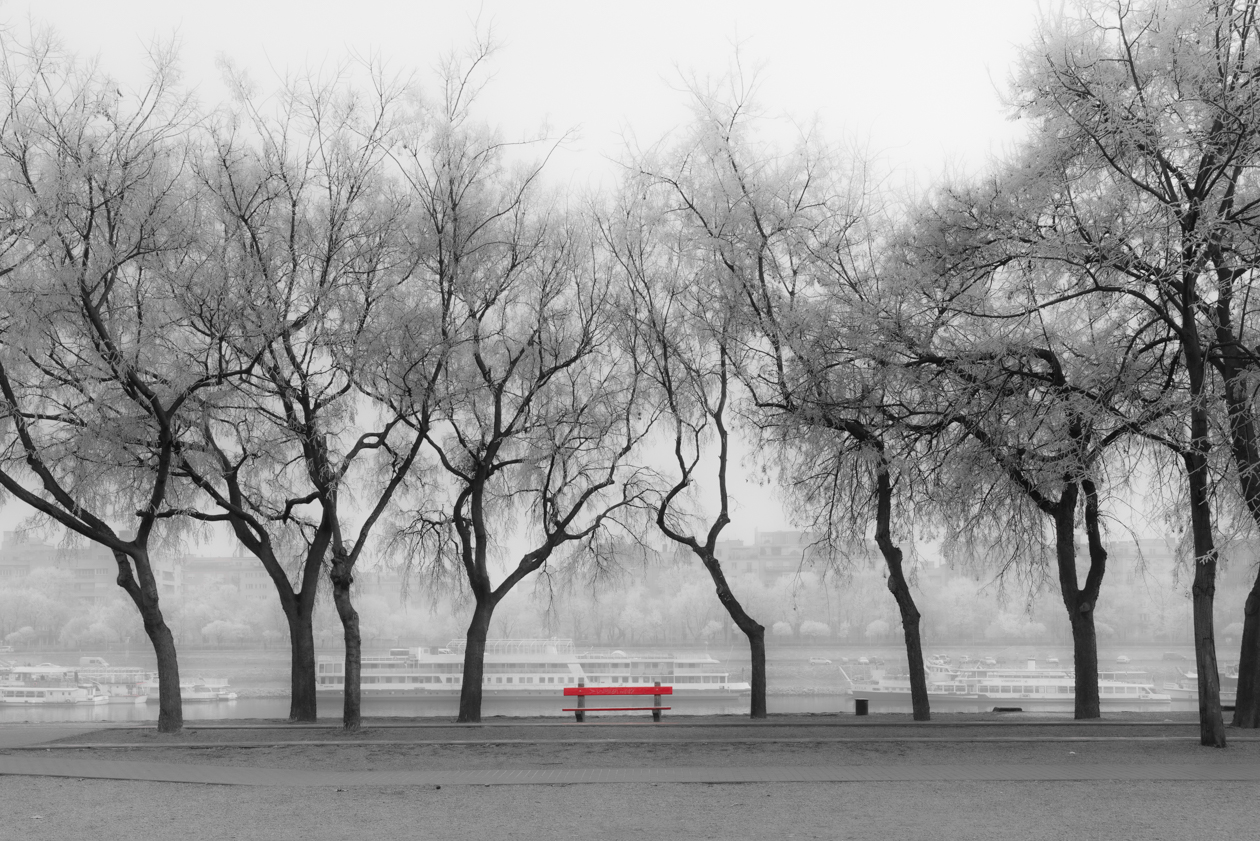
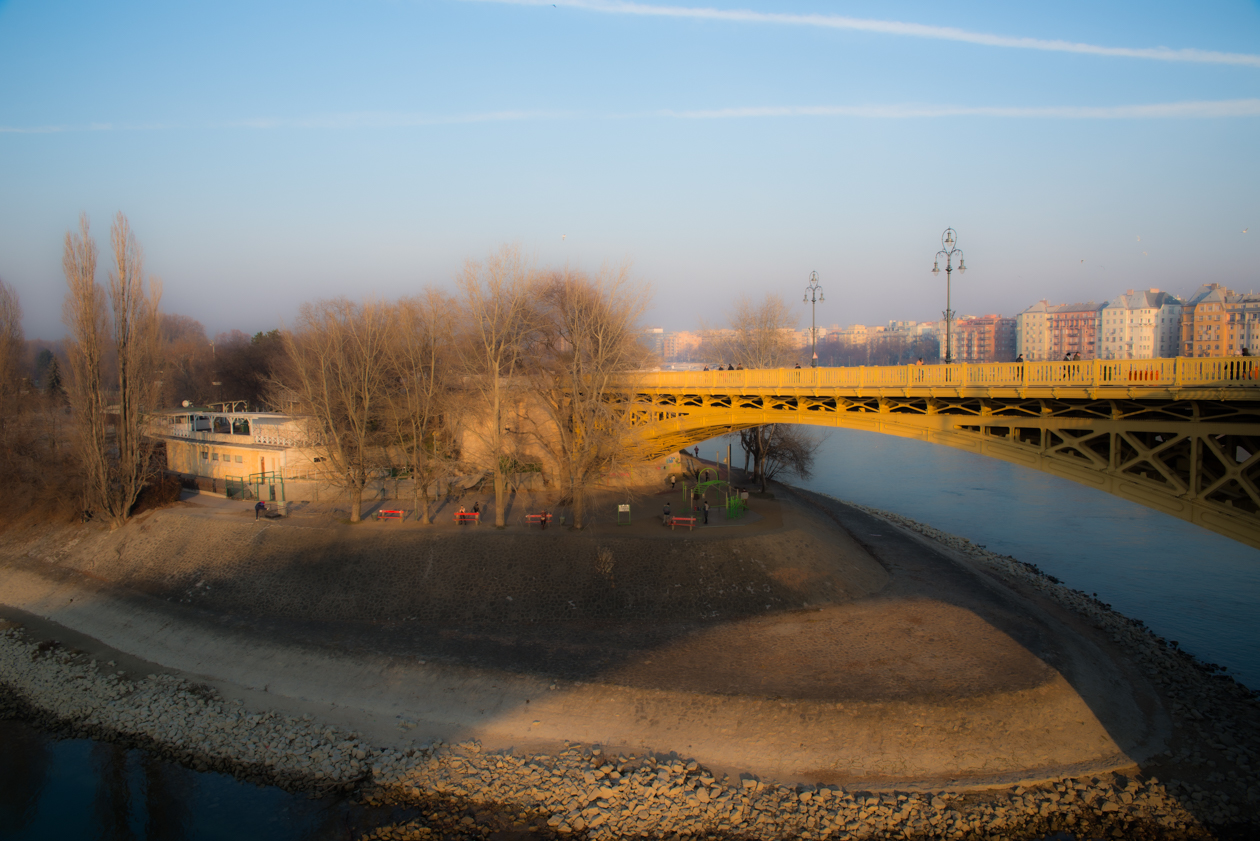
The Danube, Europe’s longest river, flows through the heart of the city; its waterways have played a major role in the country’s history. This is the first sight that greets you as you stroll through the city, and it is reminiscent of Paris with its majestic bridges connecting one bank to the other. That wasn’t the case in ancient times. It’s cold here in the winter of 2017. This isn’t unusual, as the climate is continental, and dawn often offers gentle scenes with plenty of mist that sometimes doesn’t clear until the afternoon, shrouding the landscape in mystery.
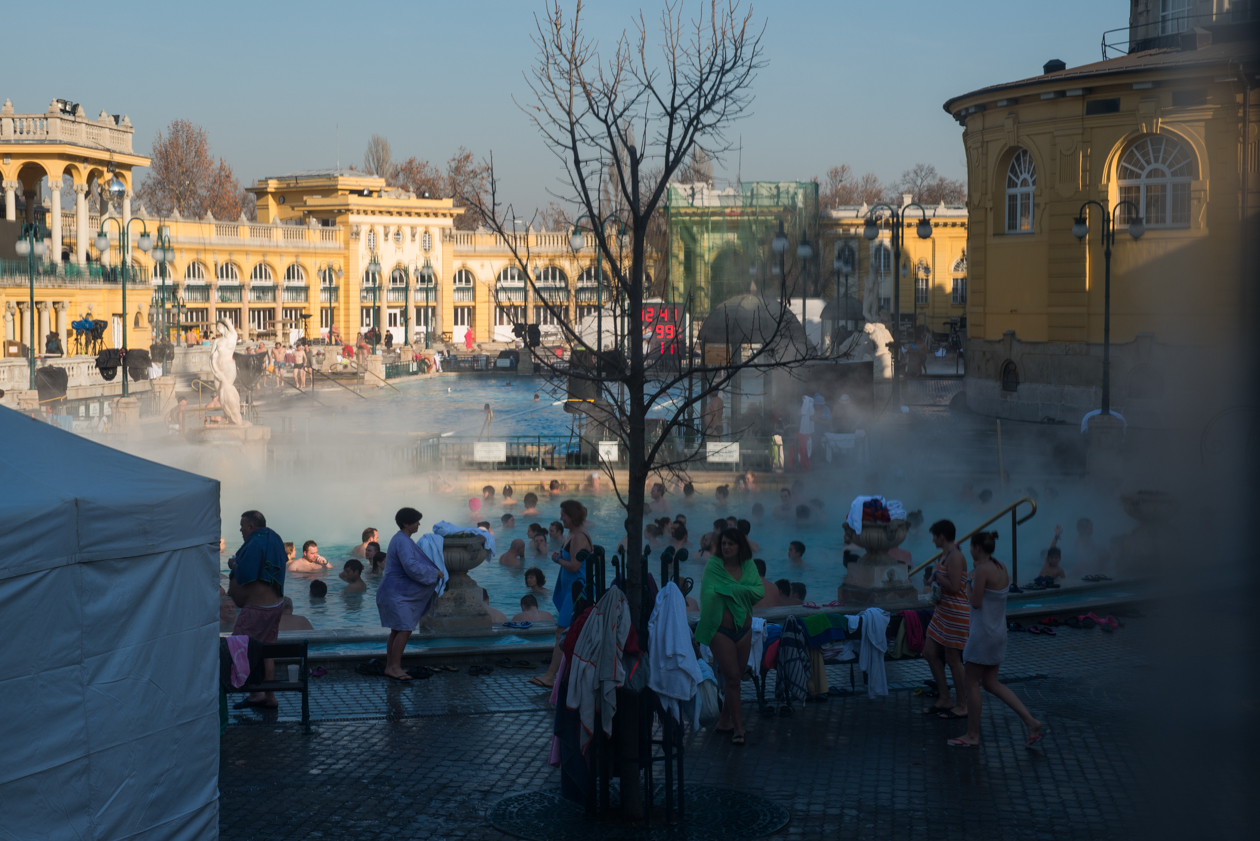
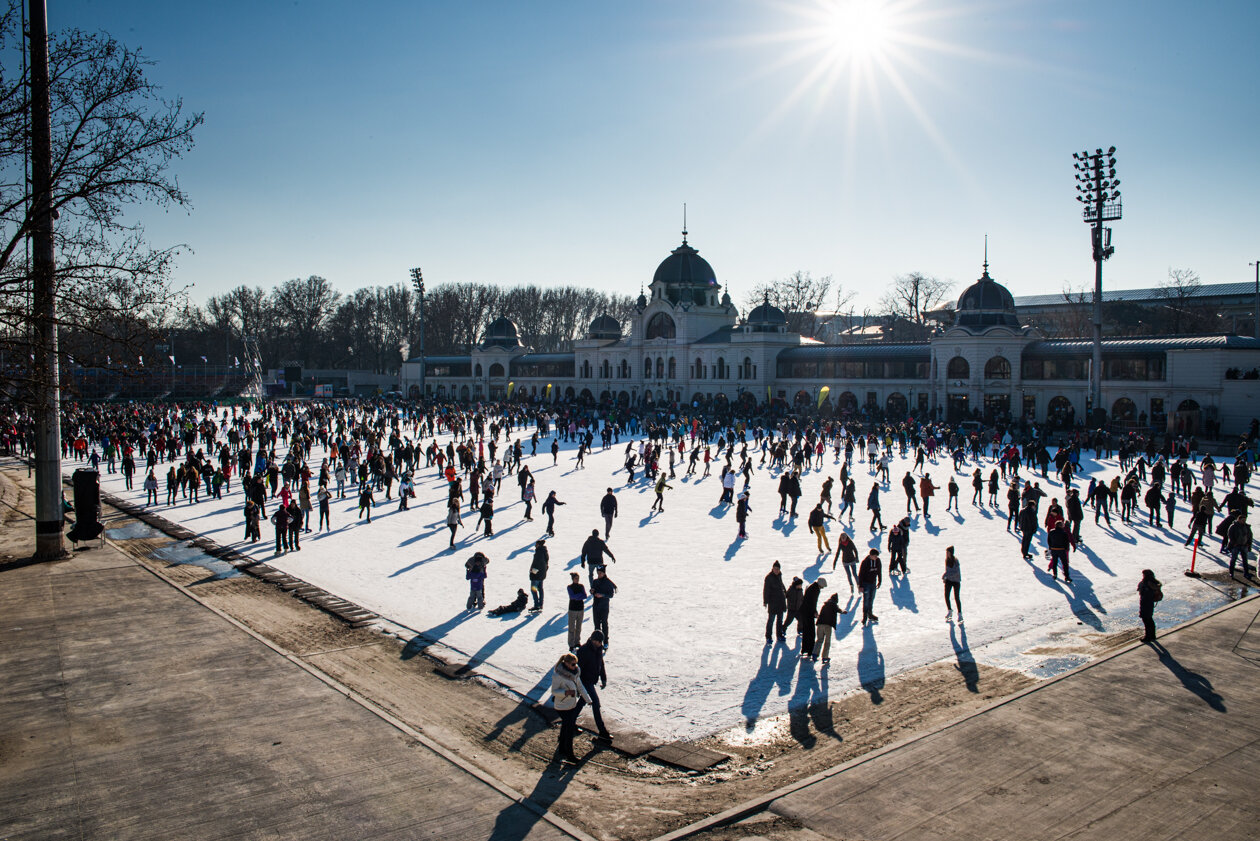
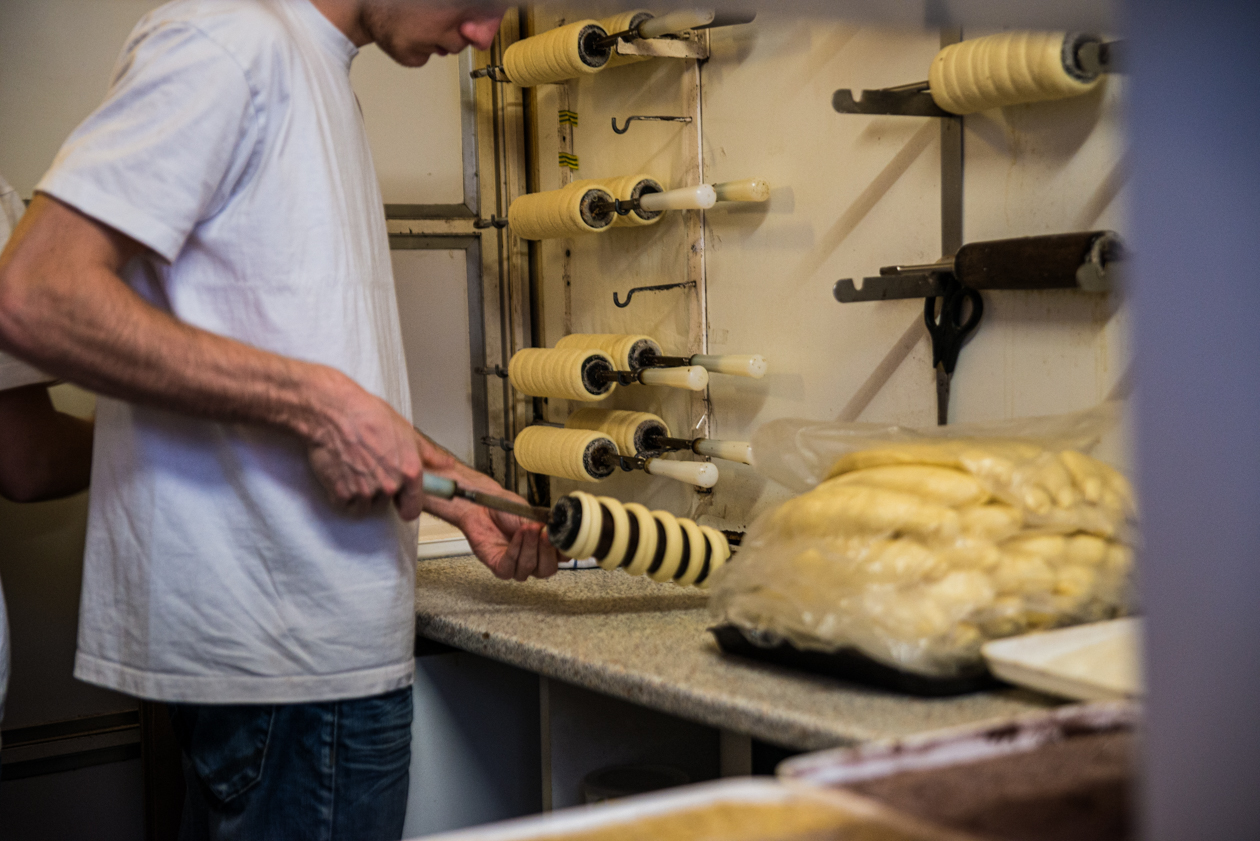
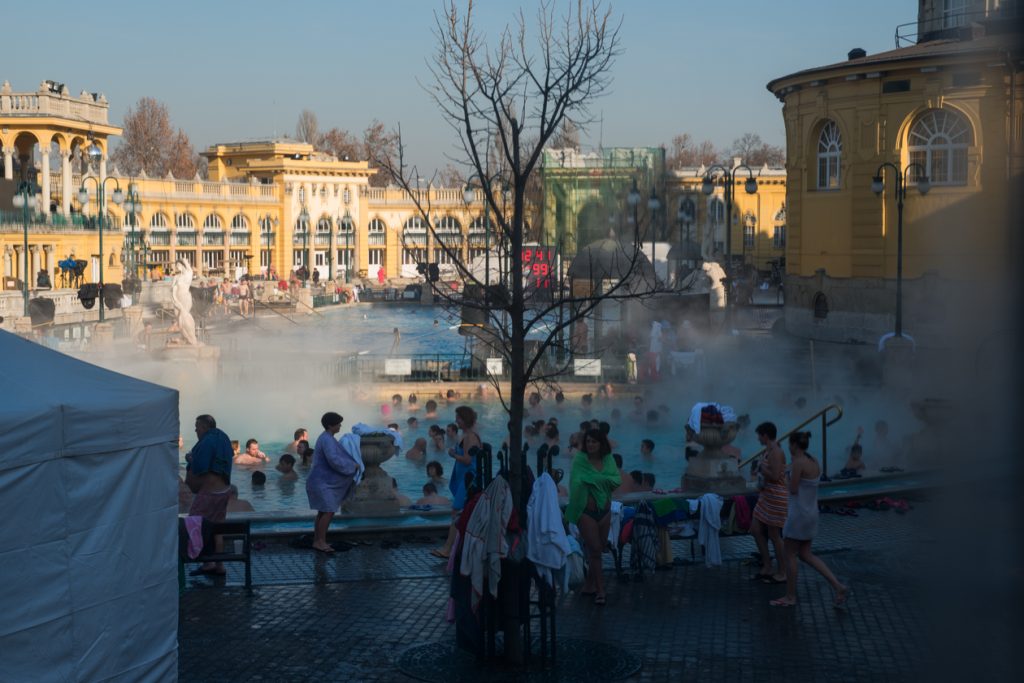
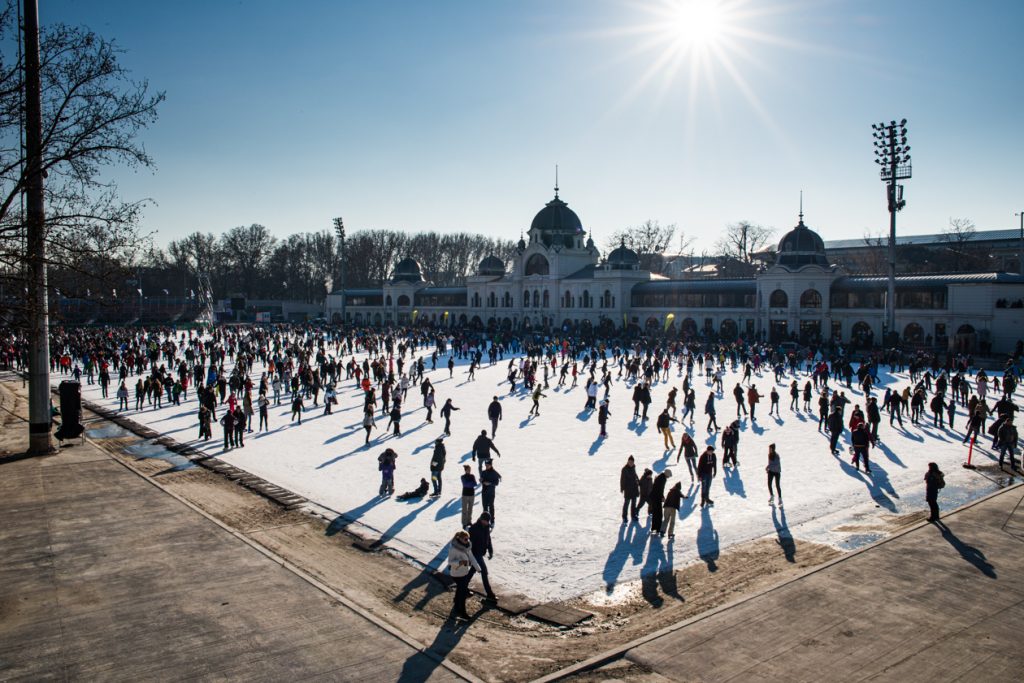
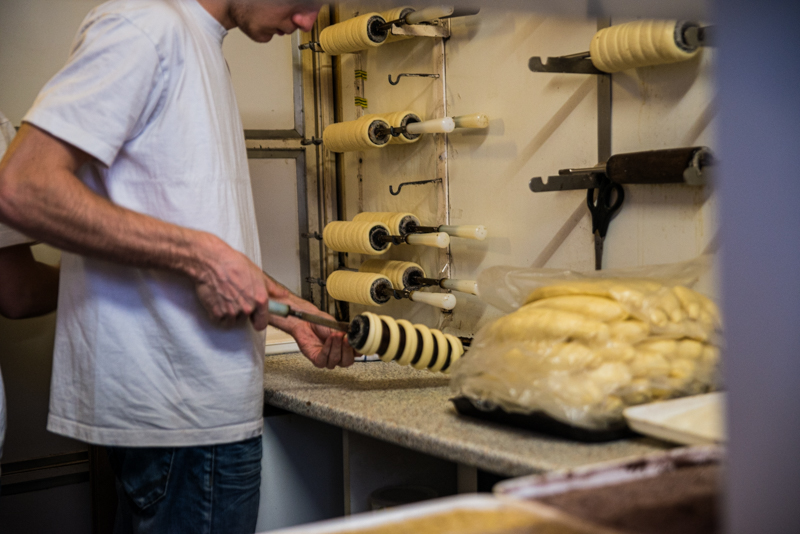
Budapest is such a pleasant city that you shouldn’t forget to pack your swimsuit—no matter what the temperature is or what time of day it is. In fact, it was the Romans who gave Budapest the name Aquincum, in reference to the thermal baths they were already frequenting. So it’s with mixed feelings that I step into the water, determined to stay in for a long time to avoid facing the biting cold. Just enough time to strap on my ice skates for a little show at the local public rink before warming up with a coffee or hot chocolate and the famous “< 1 >kürtőskalács” chimney cake, originally from Transylvania. But the cold and the snow always bring the mind back to the reality on the ground before setting off again on imaginary or real nocturnal adventures, as described by the poet Domagoj Sirotinja.
Budapest
by Domagoj Sirotinja
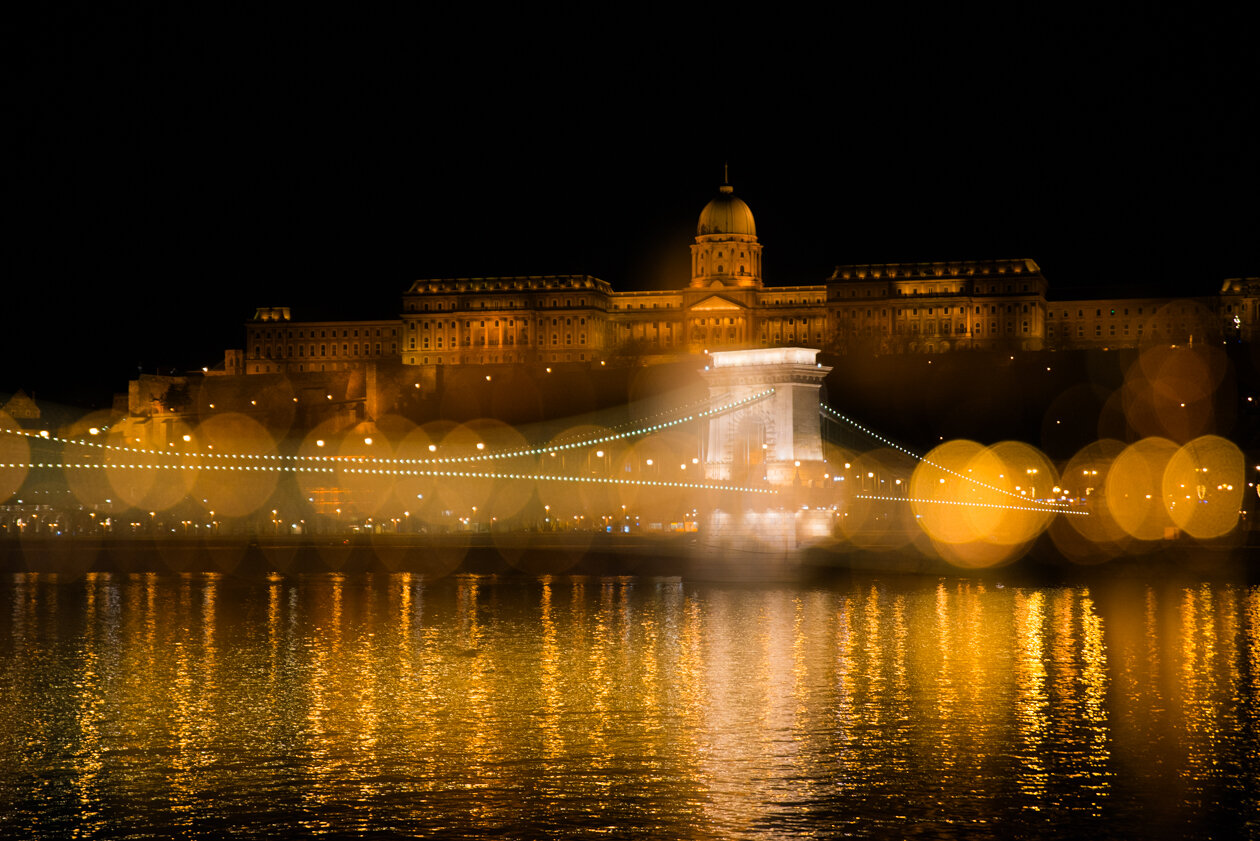
Thousands of bulbs present, giant bulbs, carved by rain, lights in the heart of Pest, in the lair of Buda la royale, in the eyes of sporty girls, on bridges that are as many legs, in the still-present flame of Petőfi. And this big wheel that overlooks the city, these lanterns which fall in free figures in the deep movement of the night, when the Jewish quarter and these ruin pubs become the center of the party. And wine will send its stars, and the moon will be full of surprise, and Cseh Tamás will echo on the fronts of his rolling worms until dawn! It will be for the awakening a constant journey, perched on the ridge between east and west, nestled in this country surrounded by Slavic lands, open to all winds of character, embracing the Danube and its solitary wolves. @ Edi Sorić
Budapest (Hungary) – January 2017