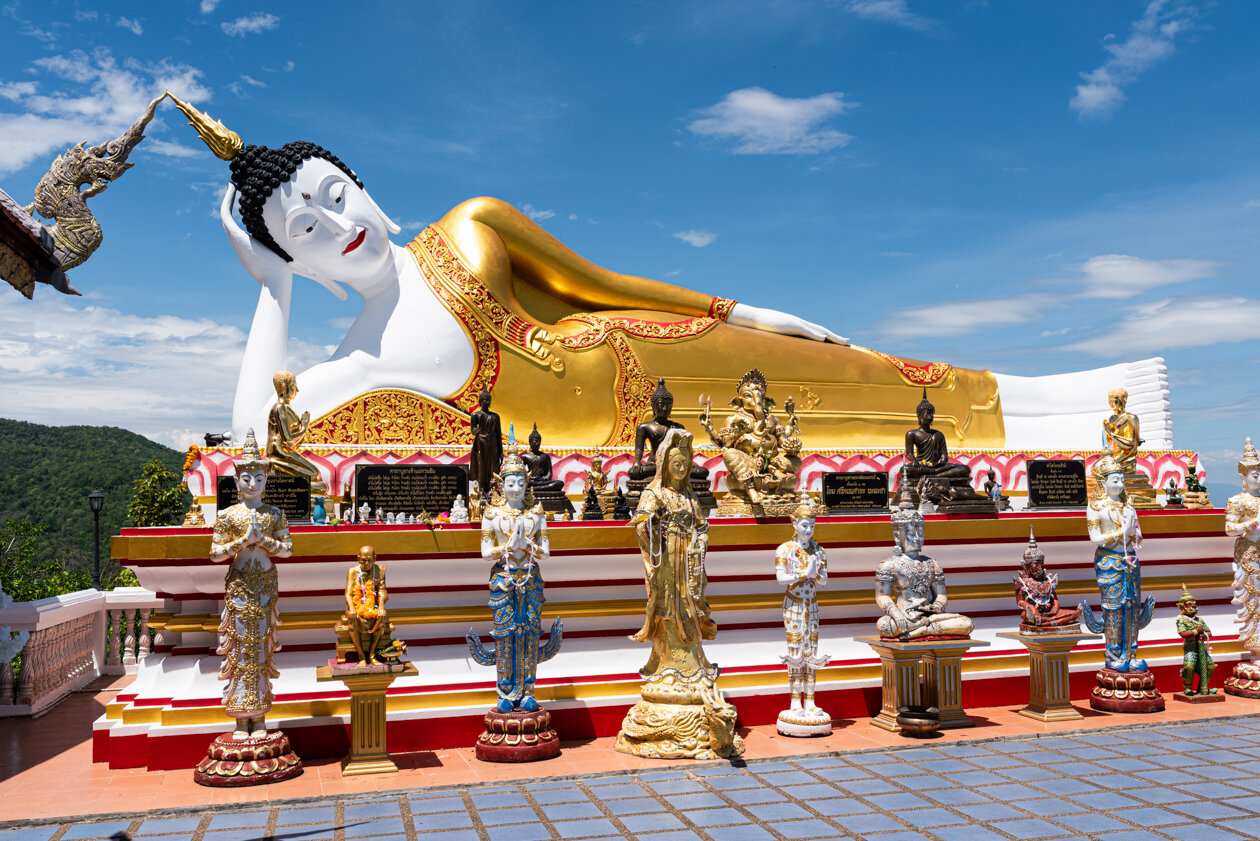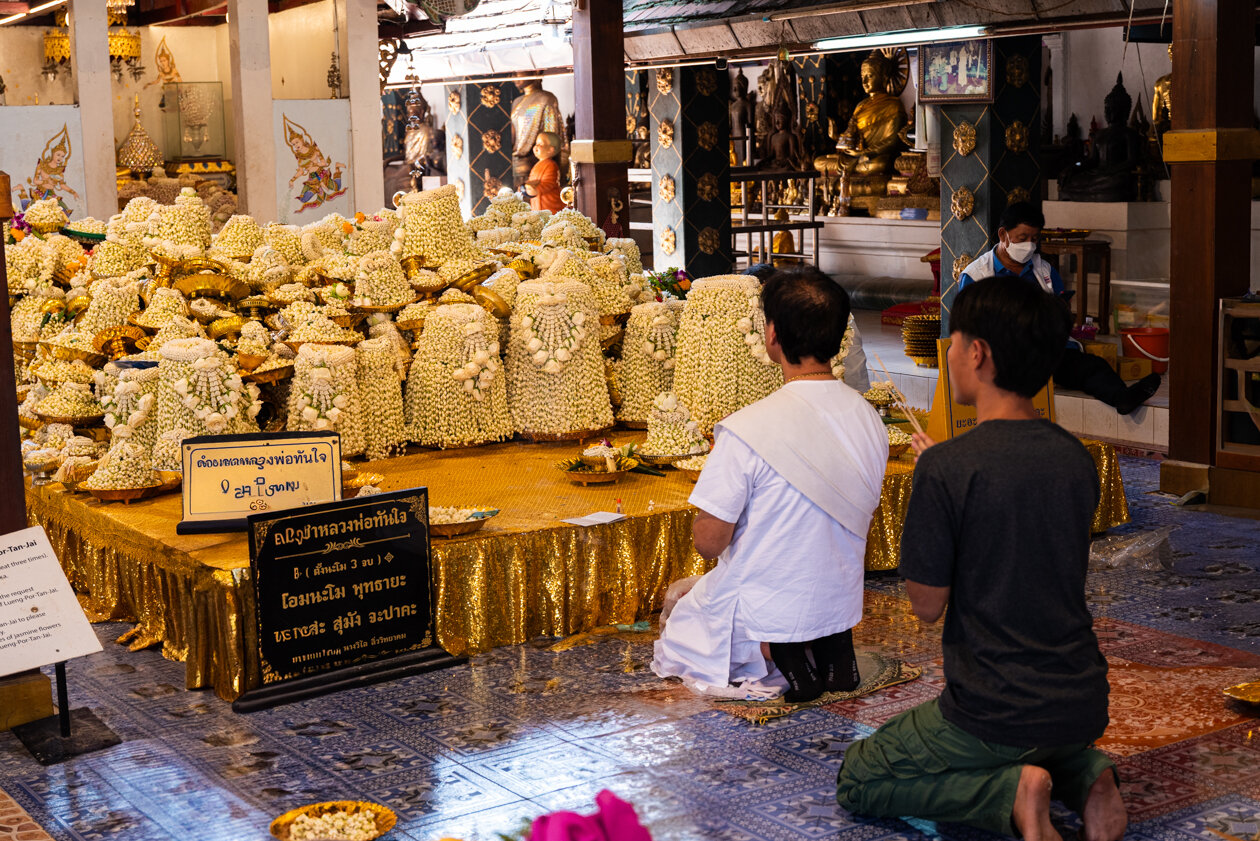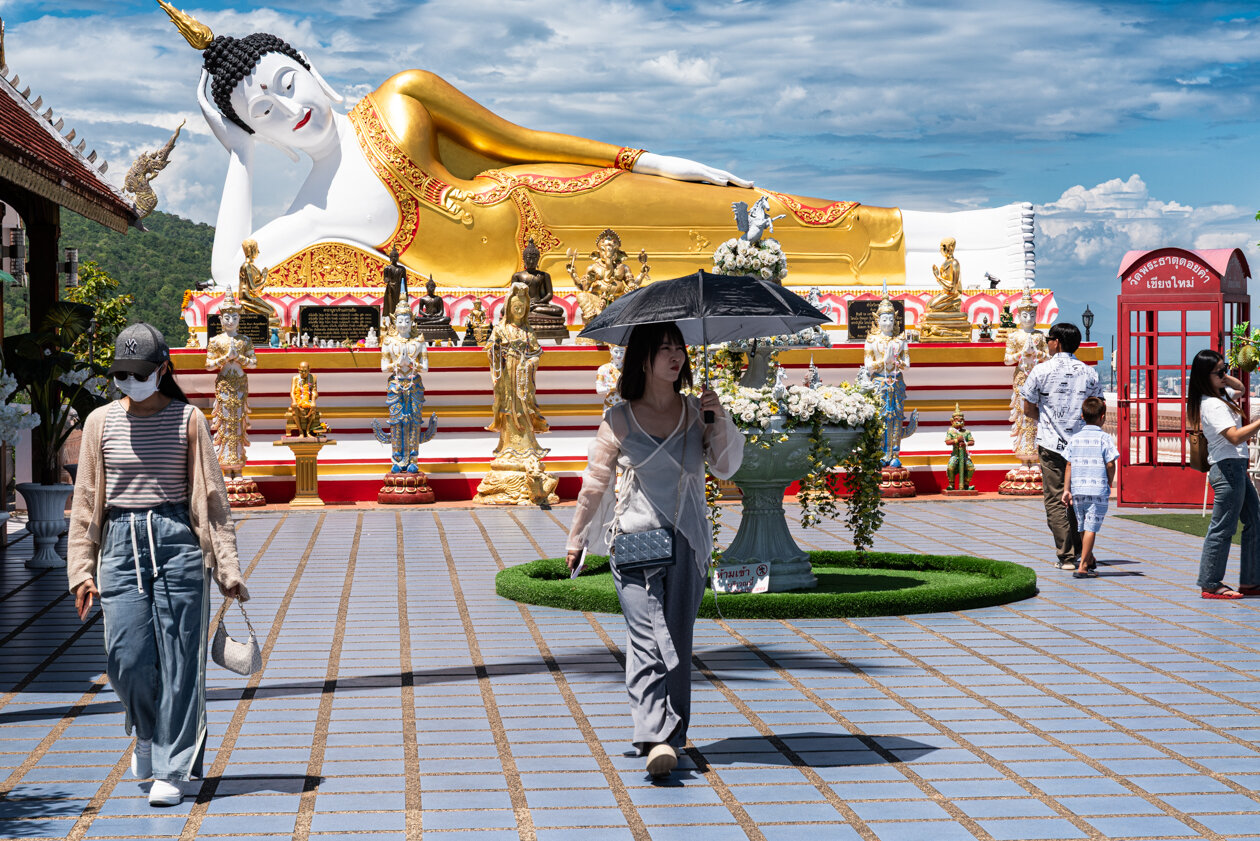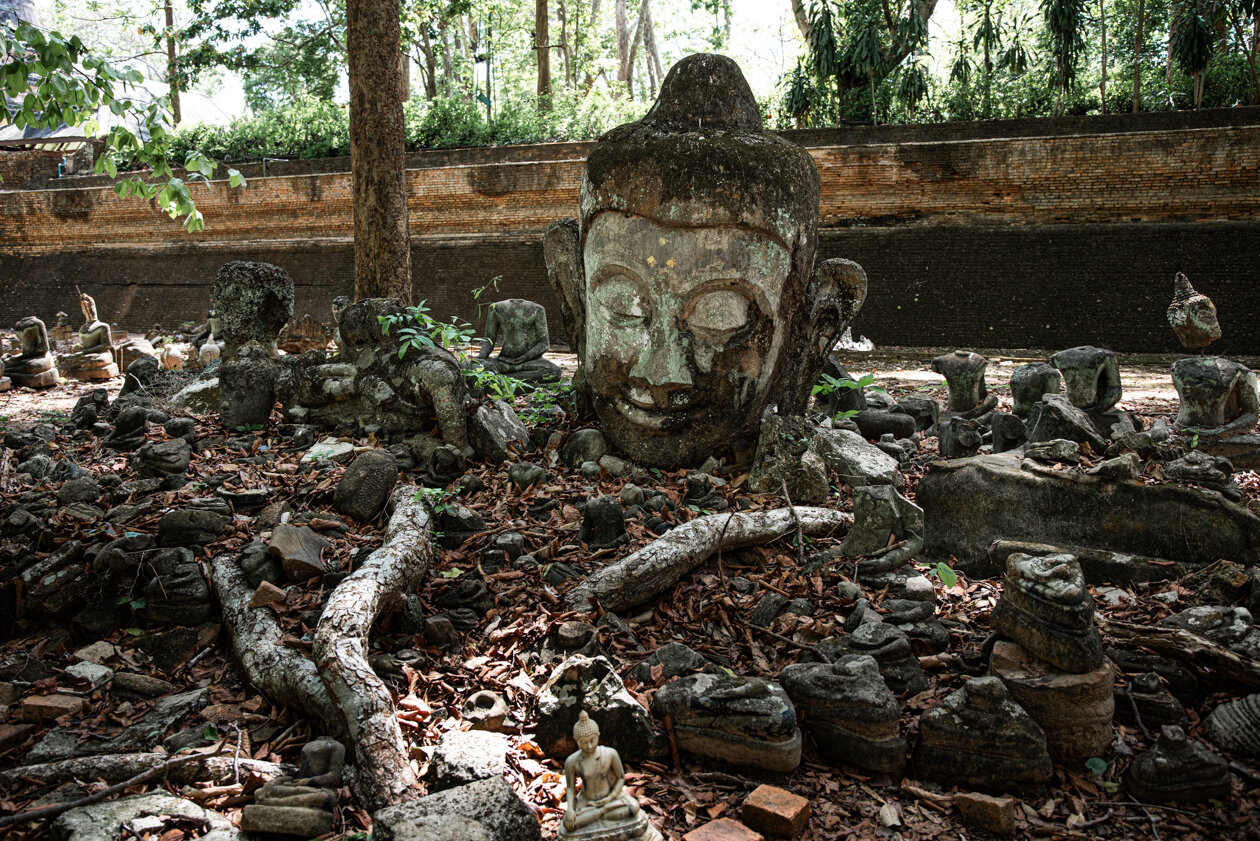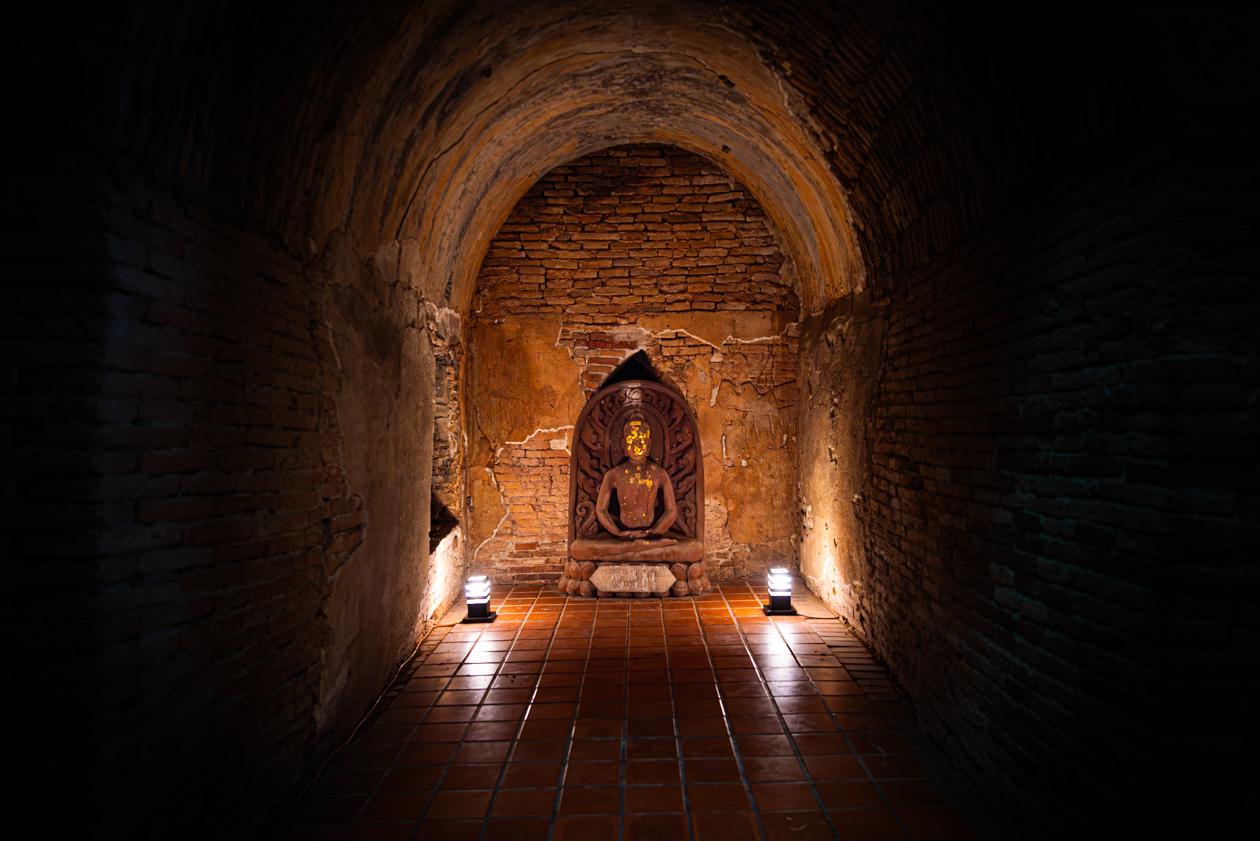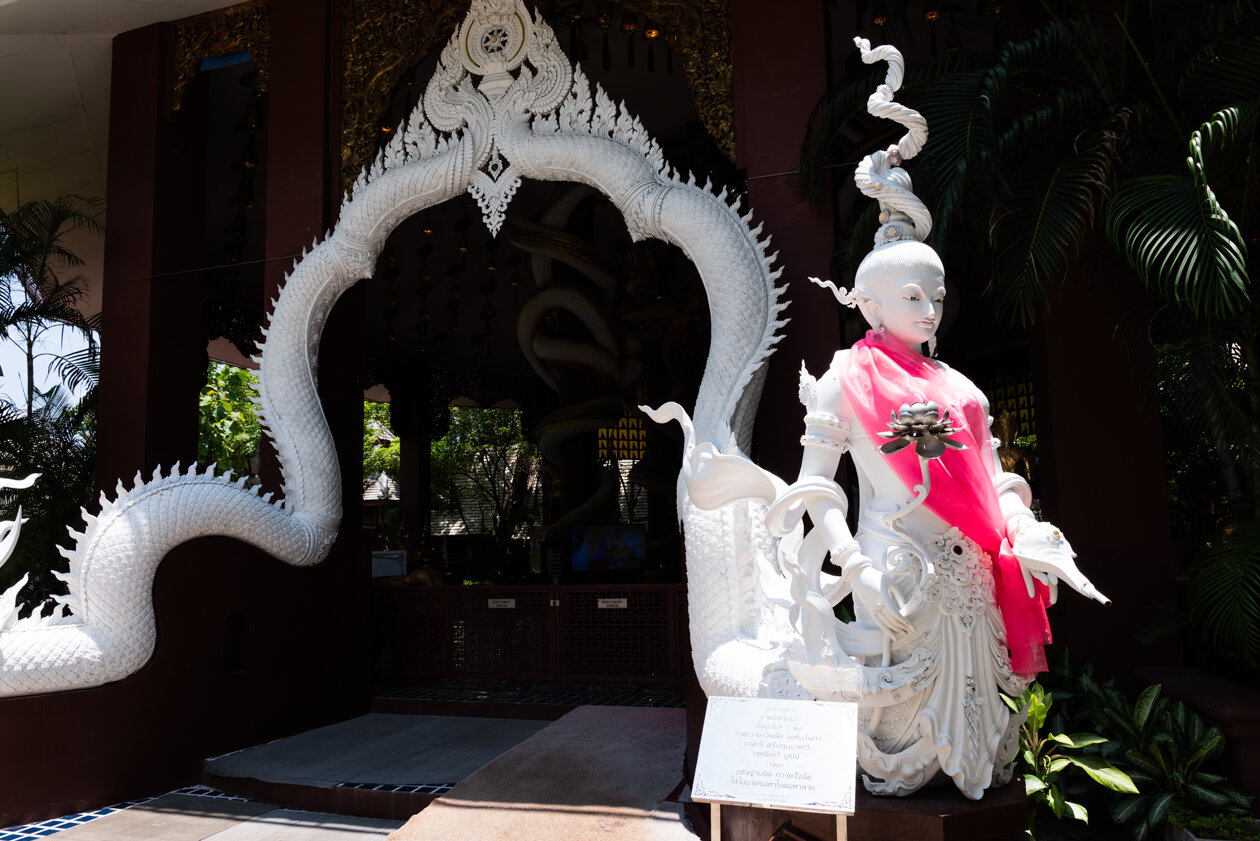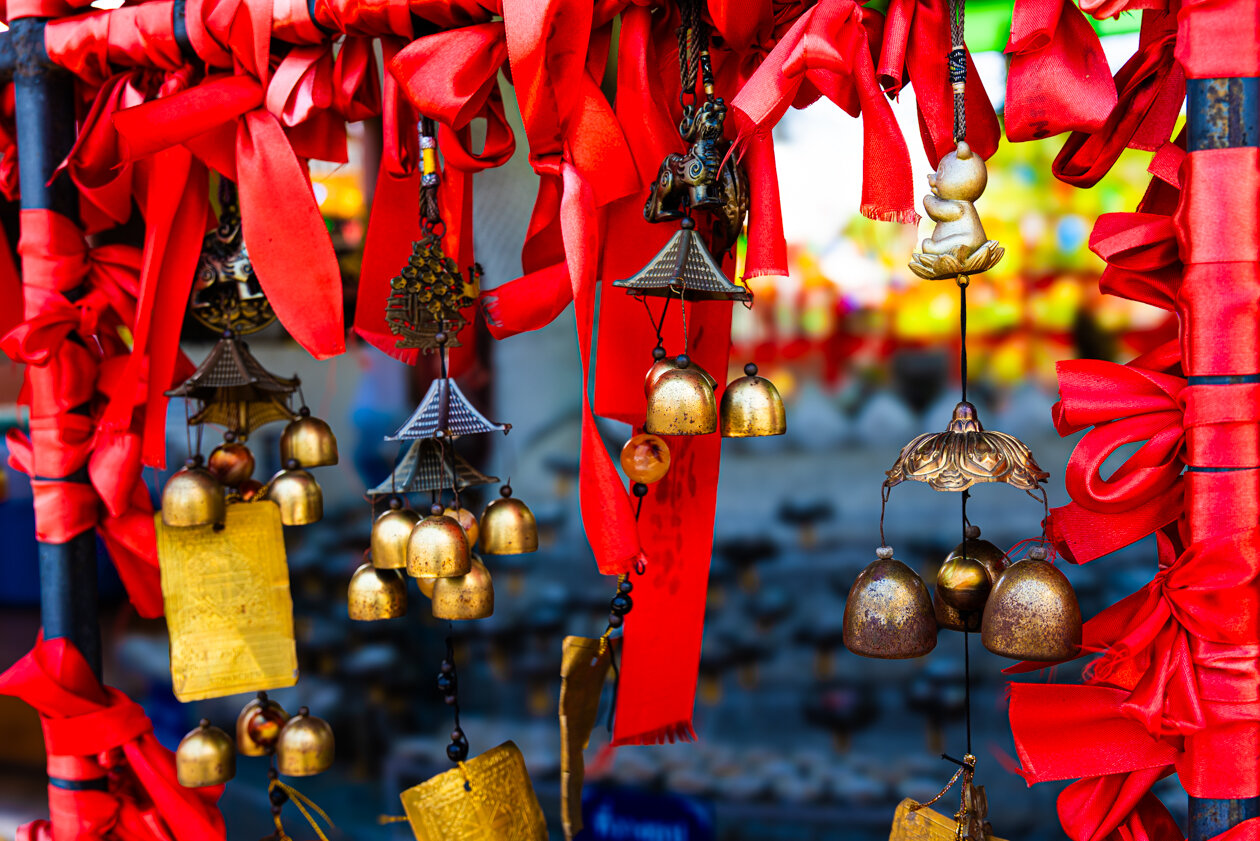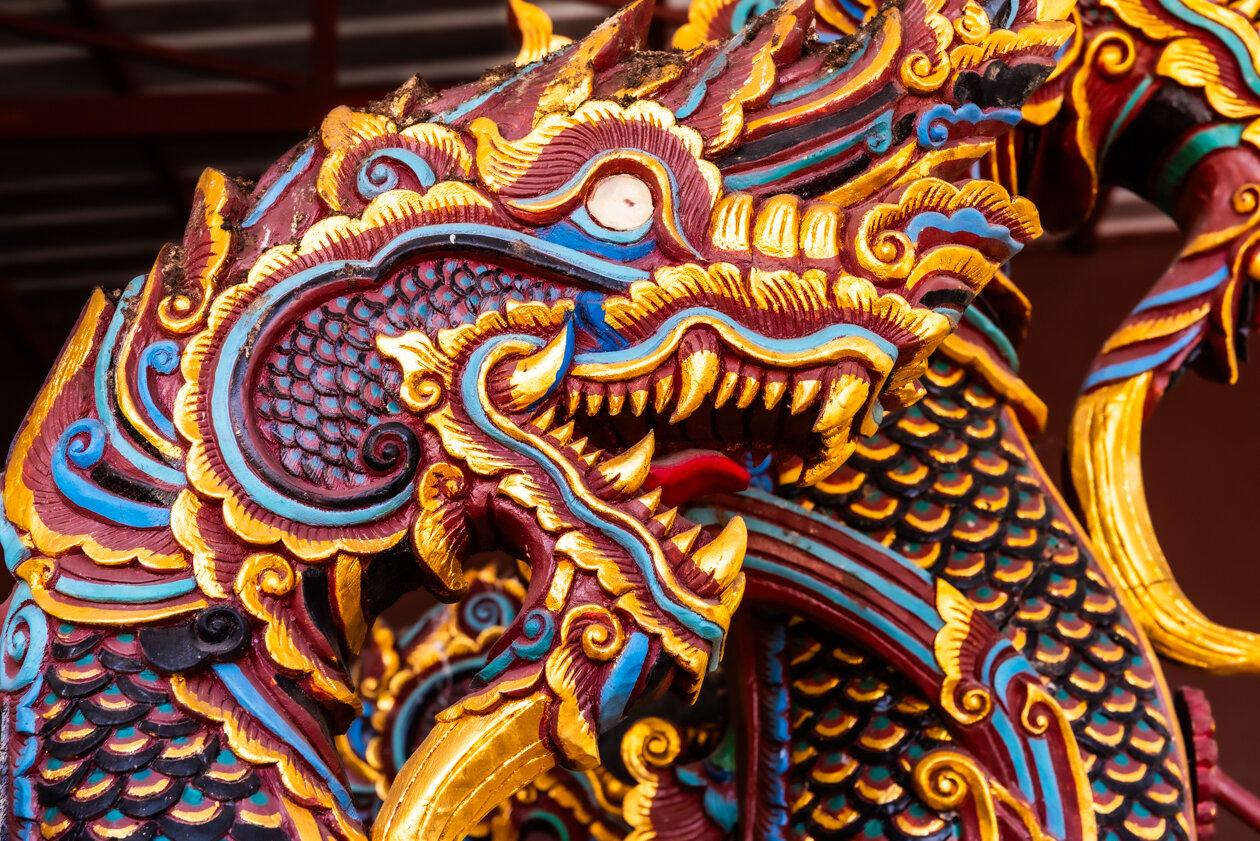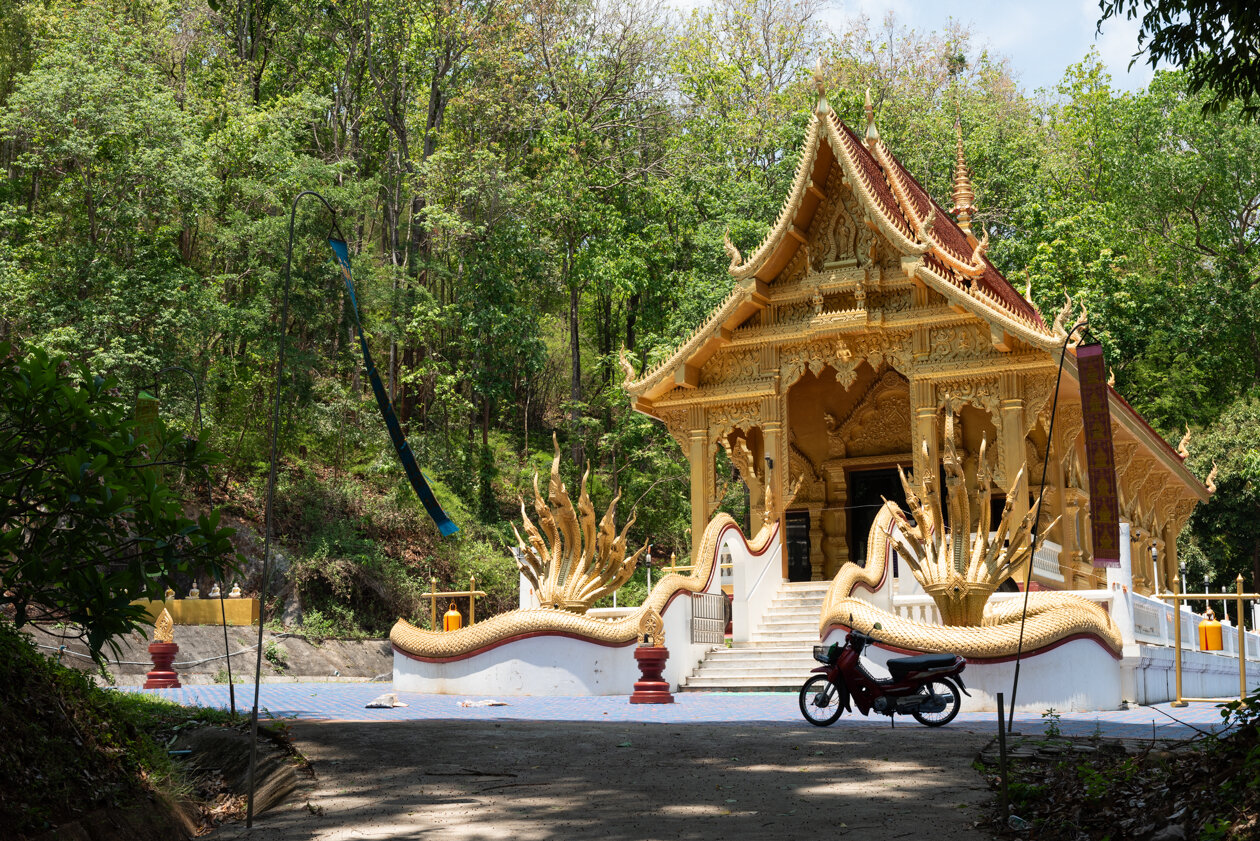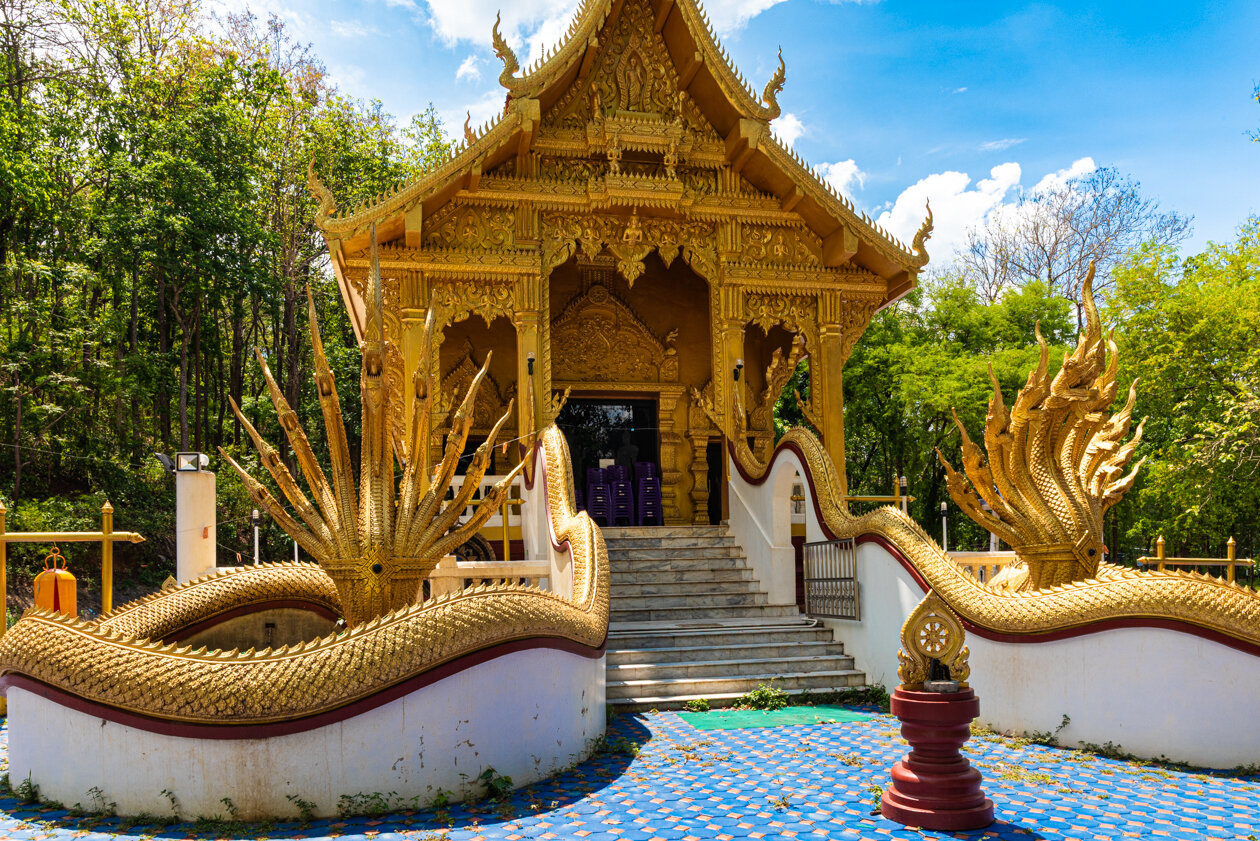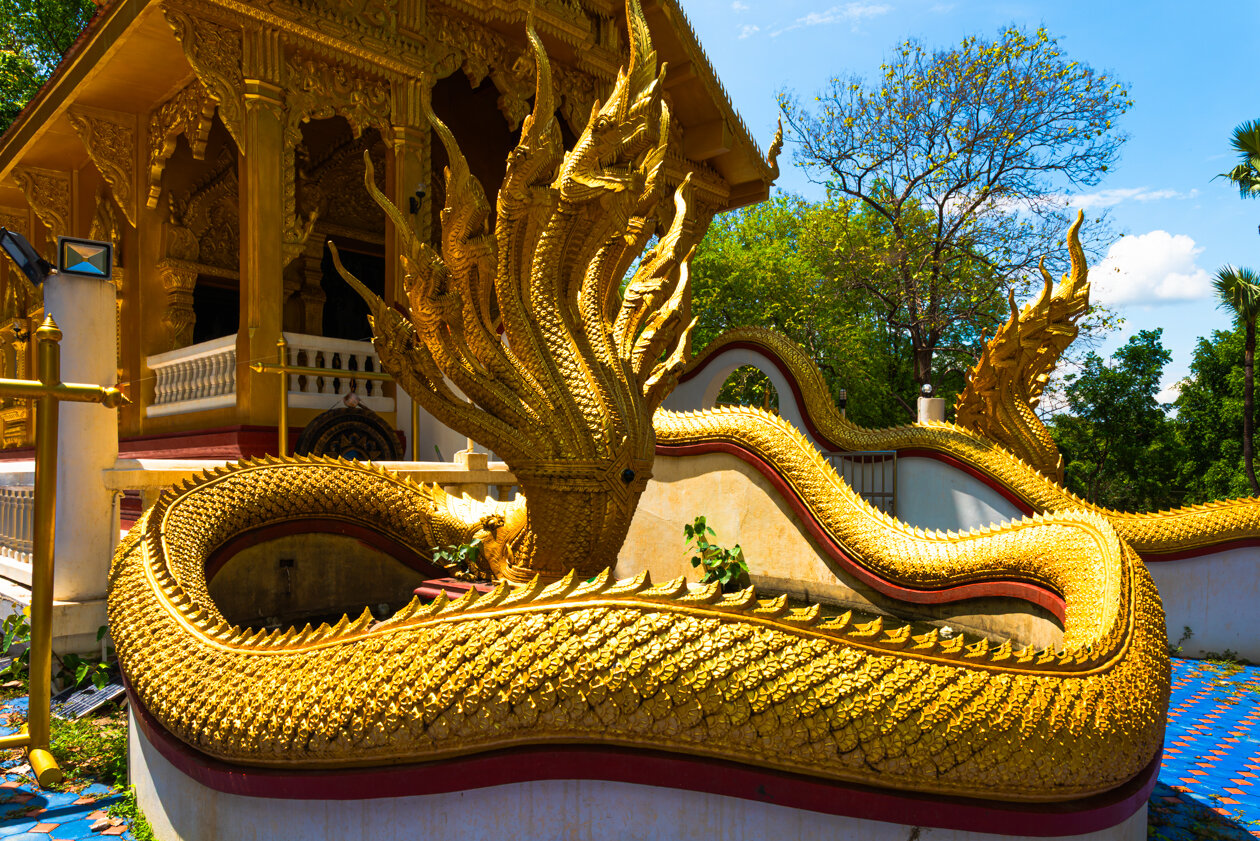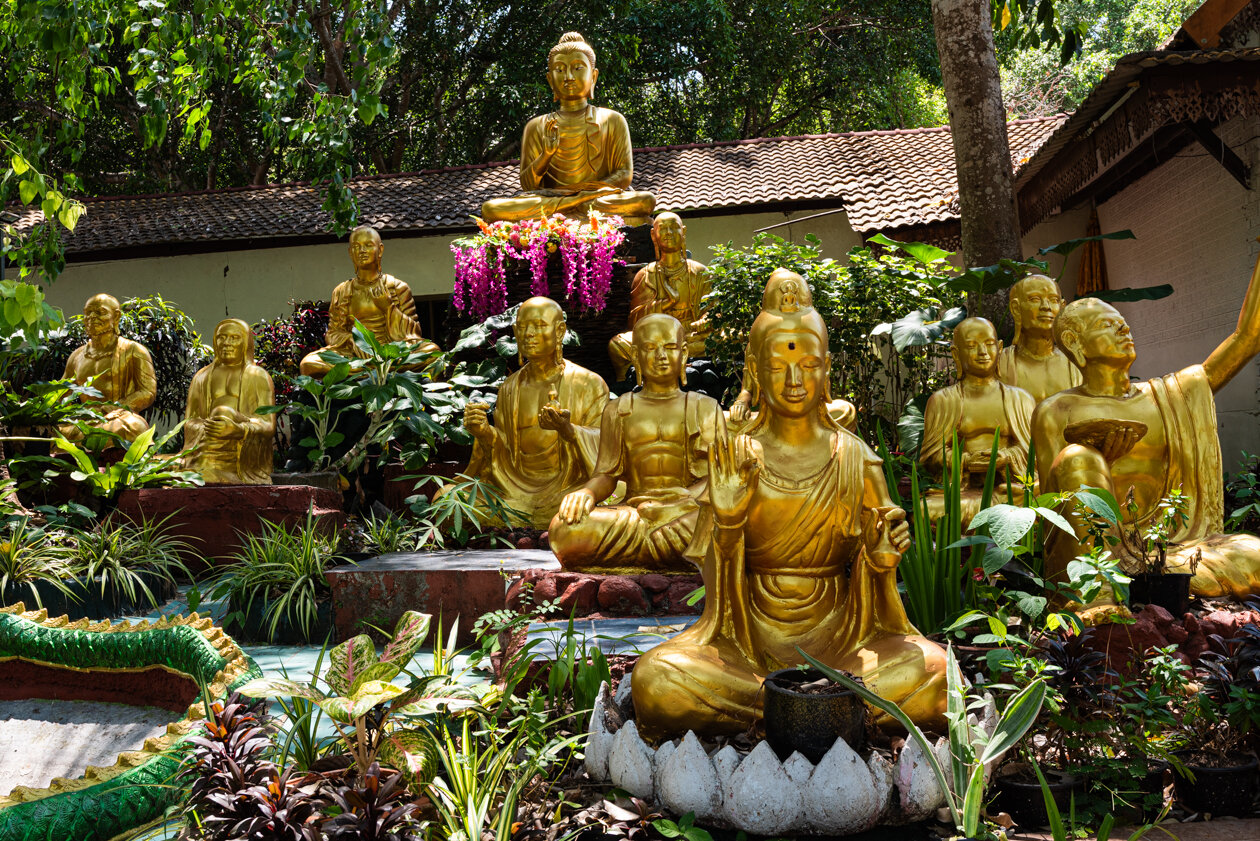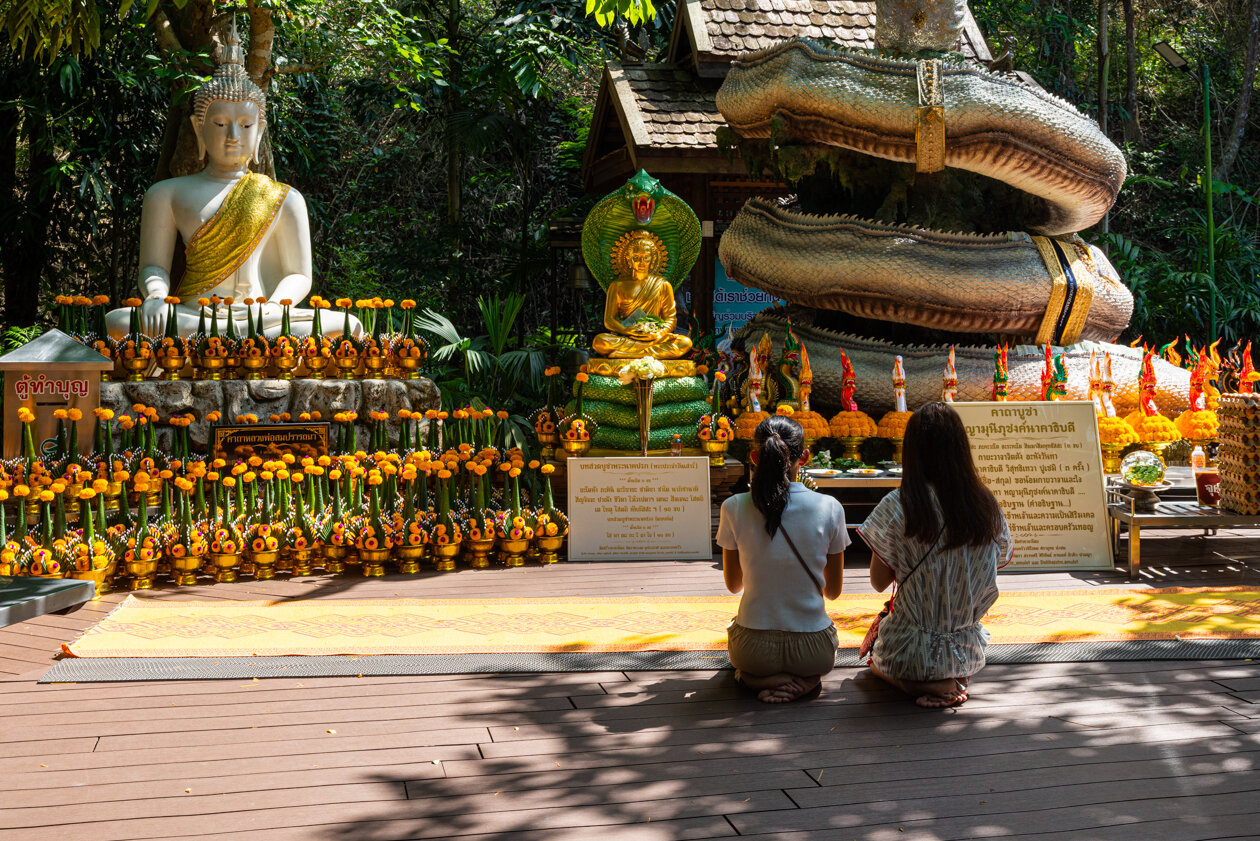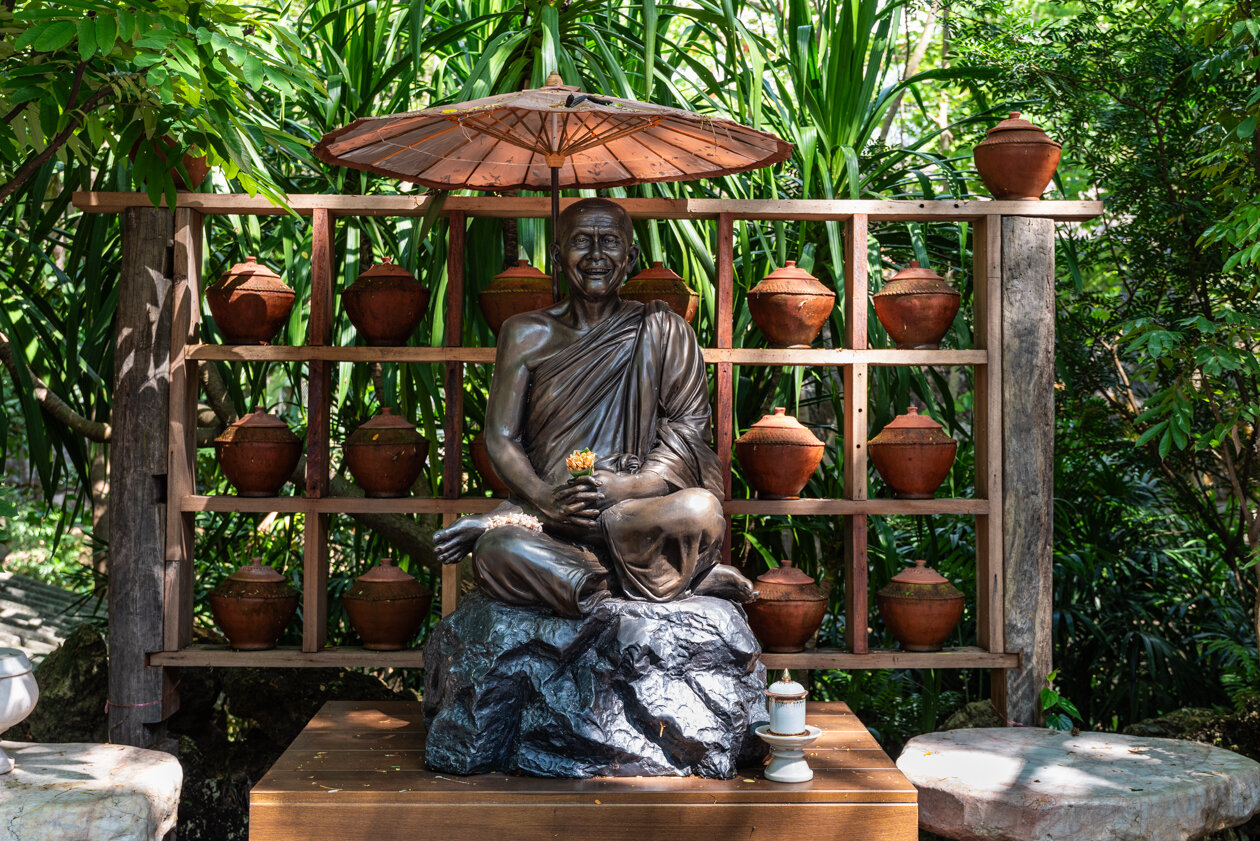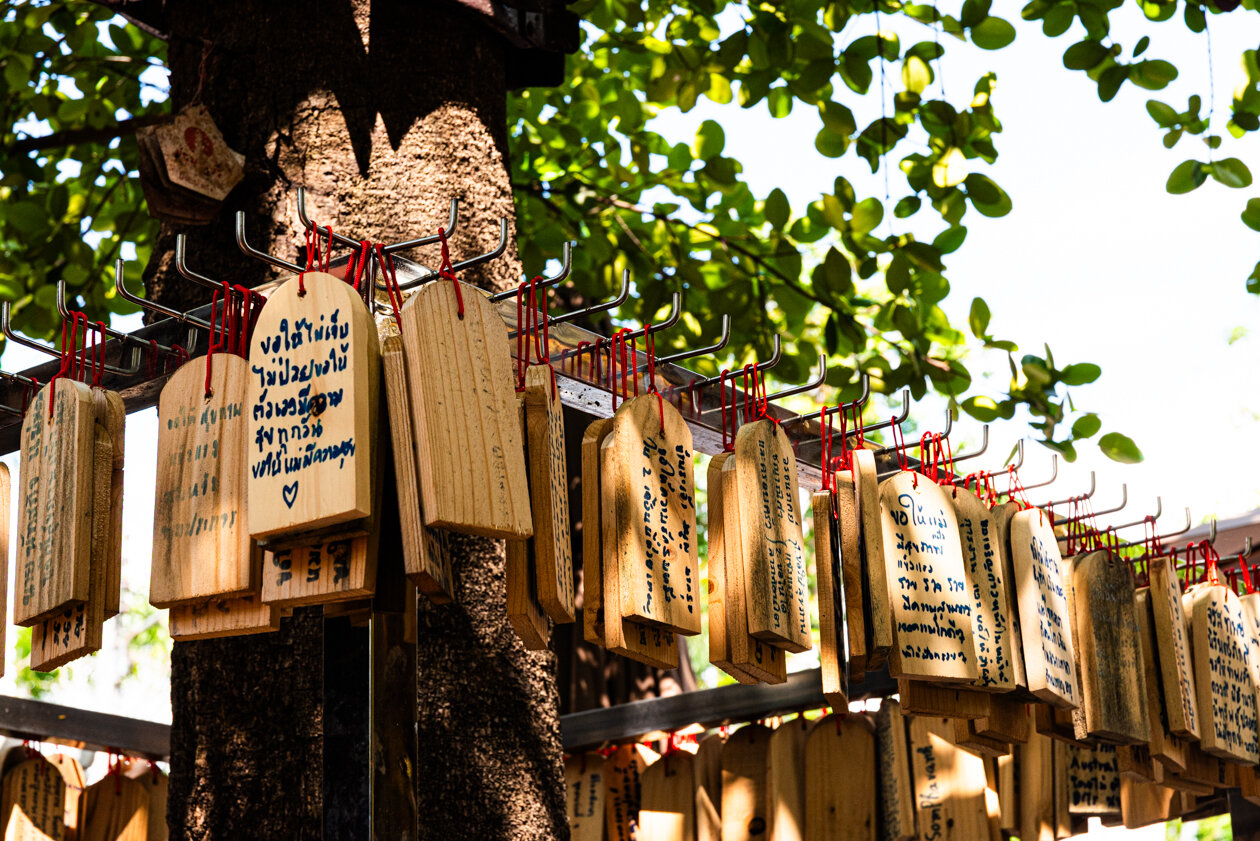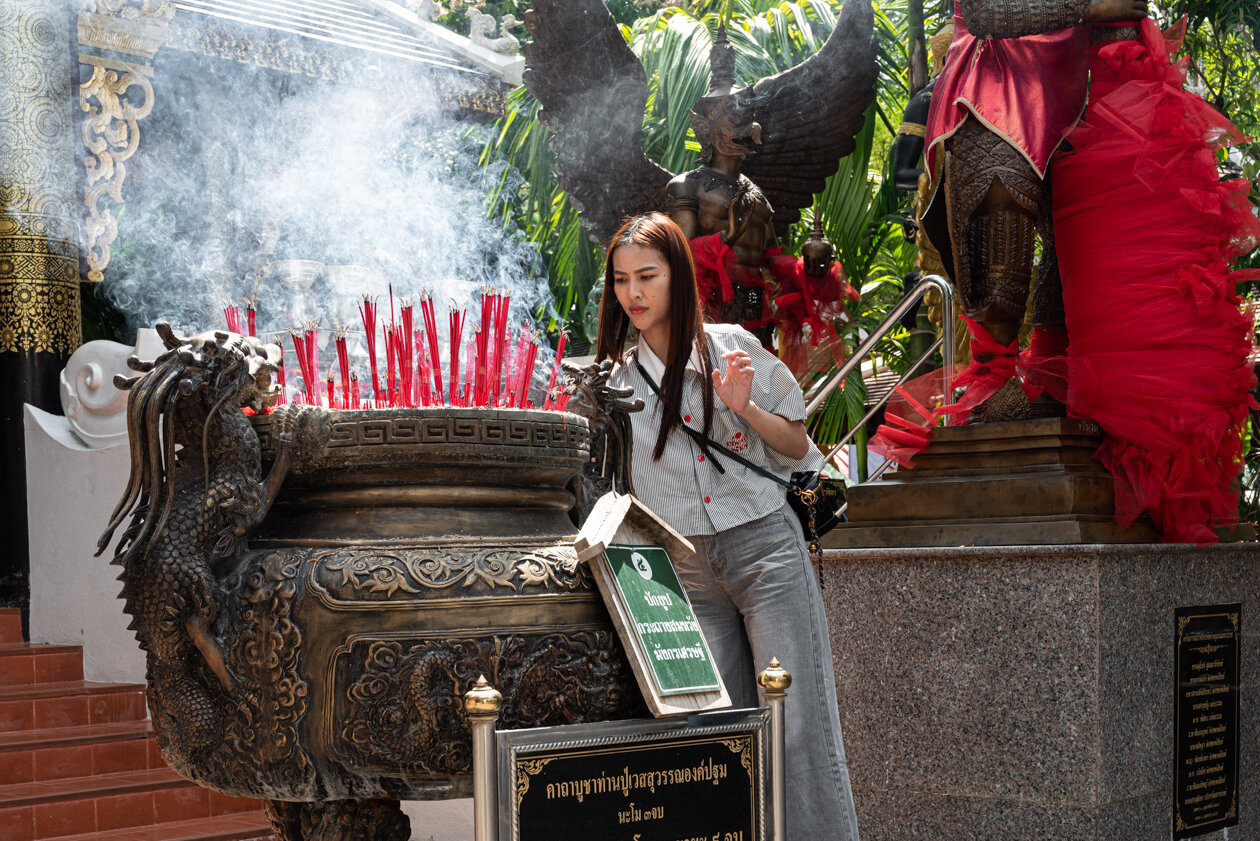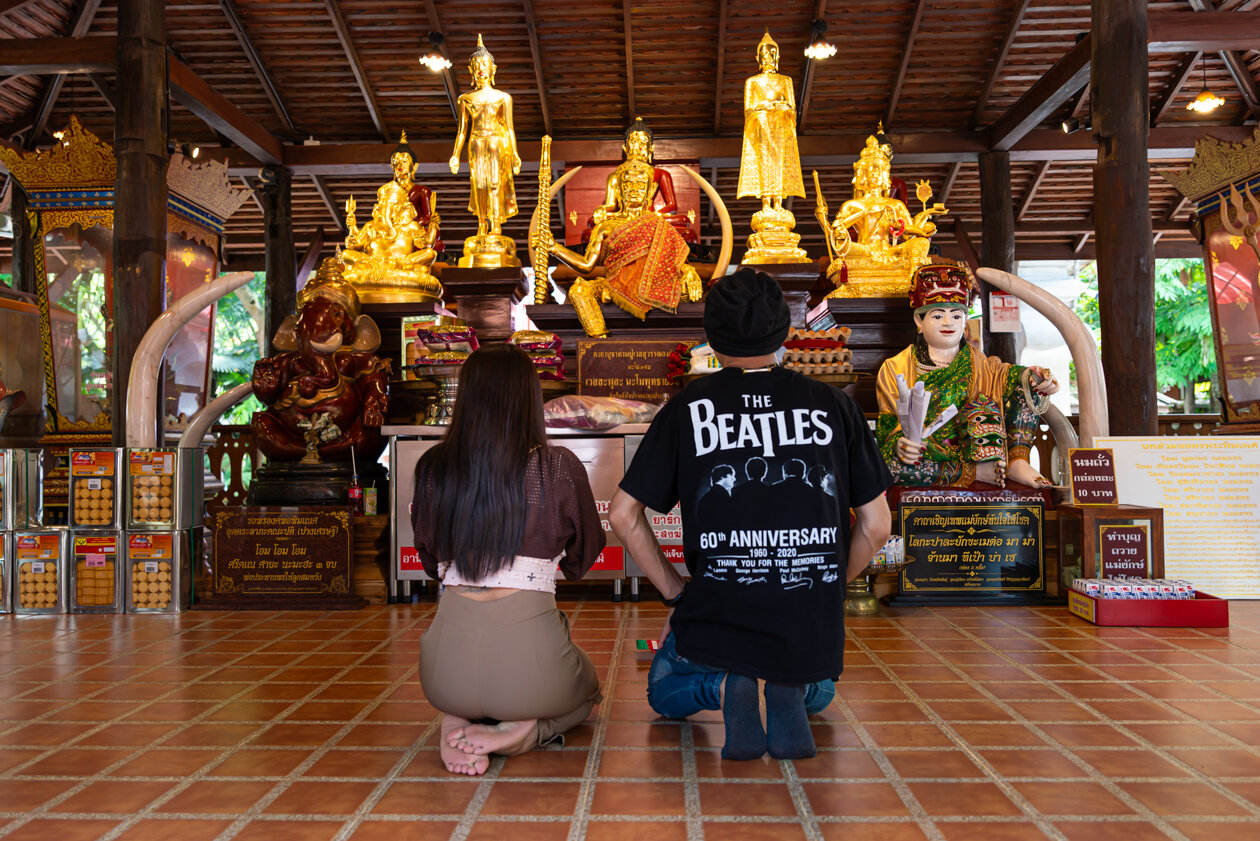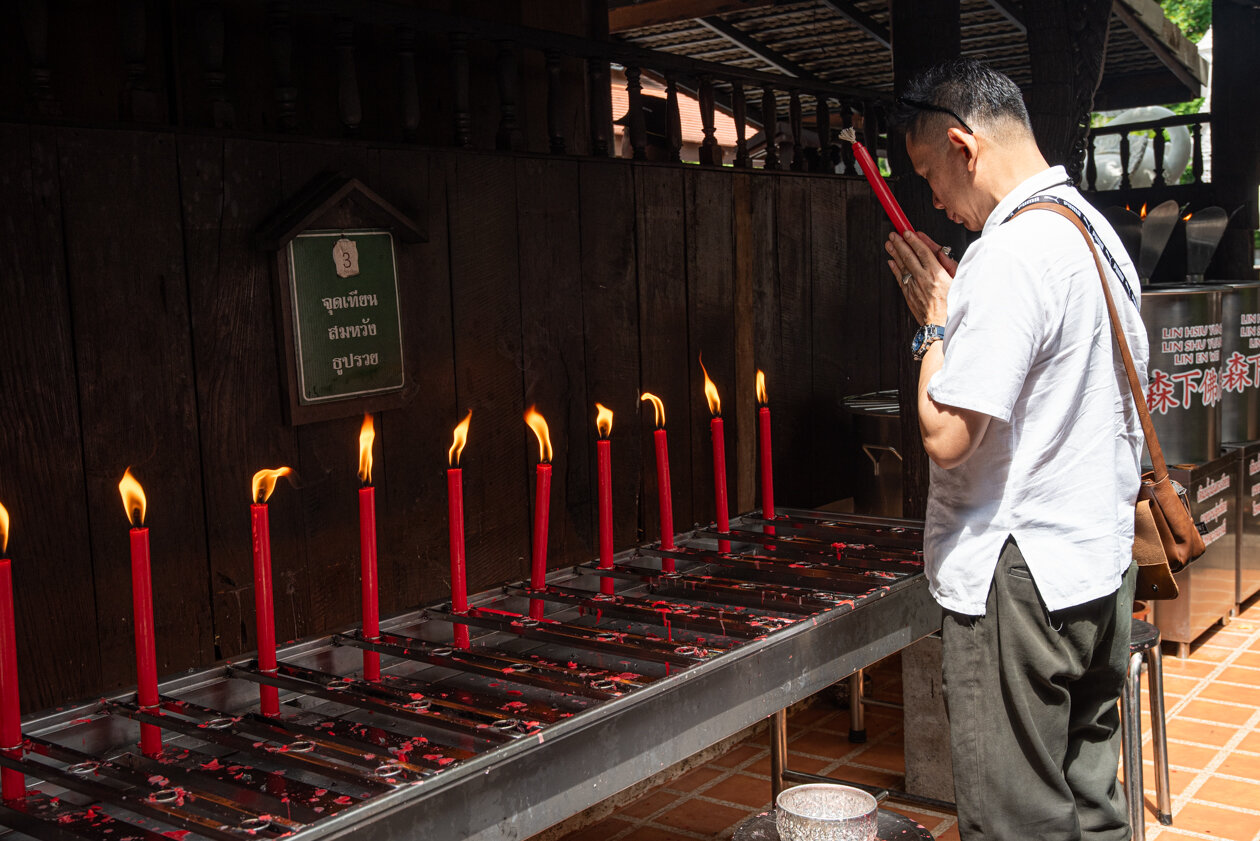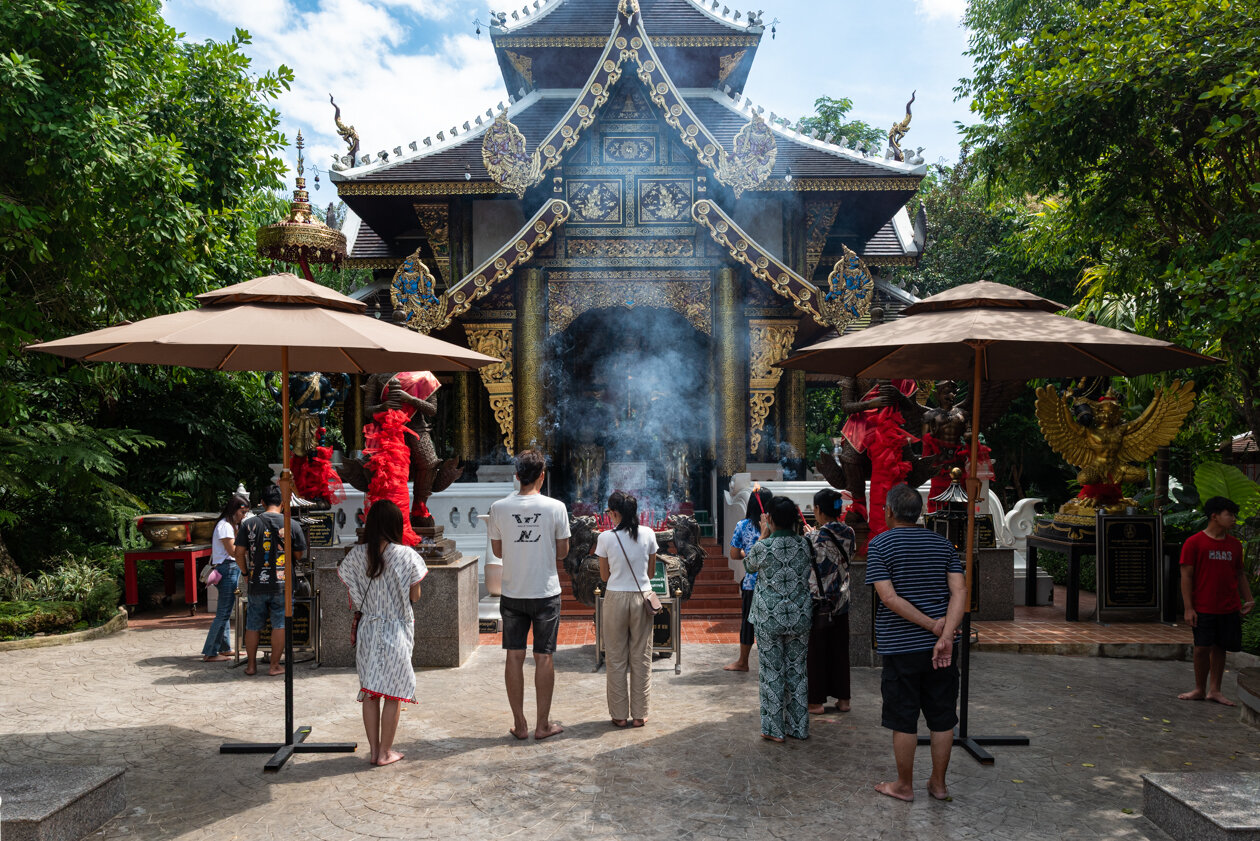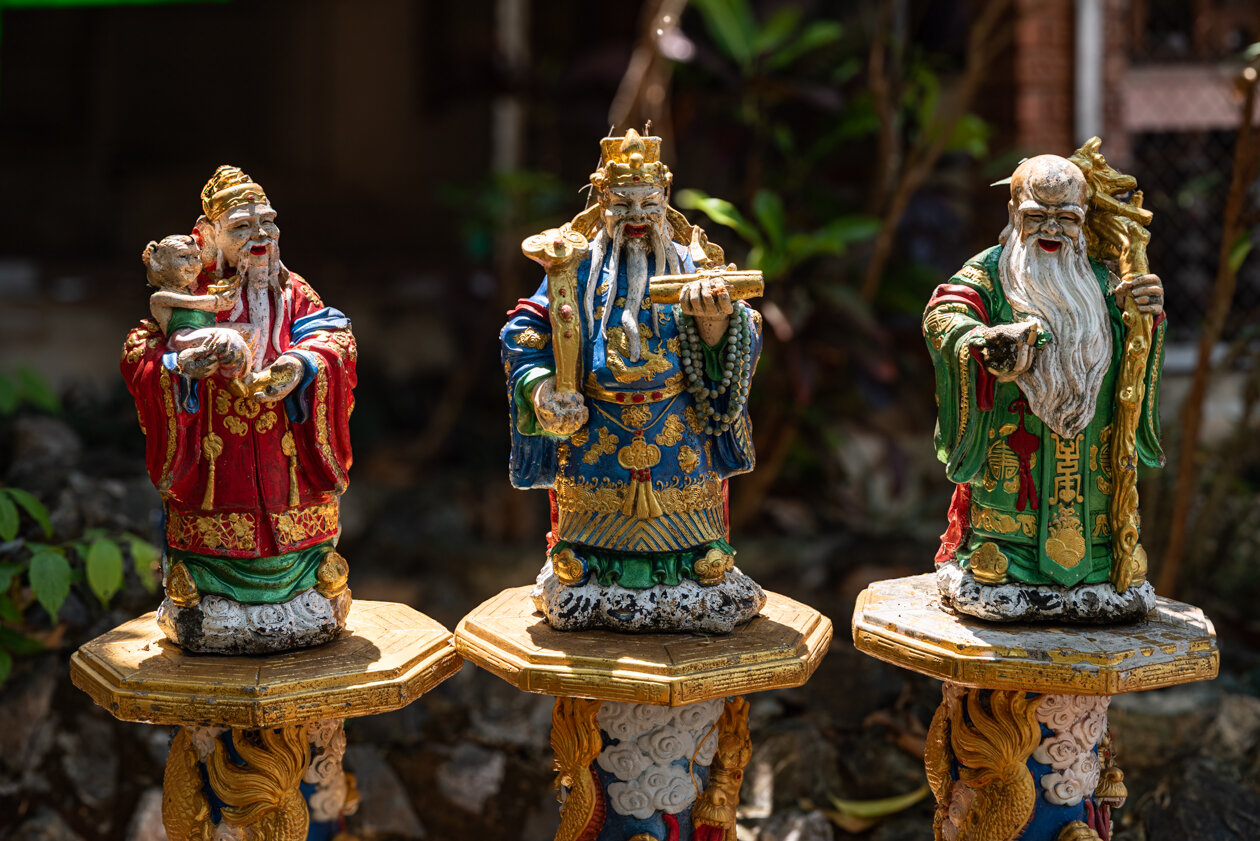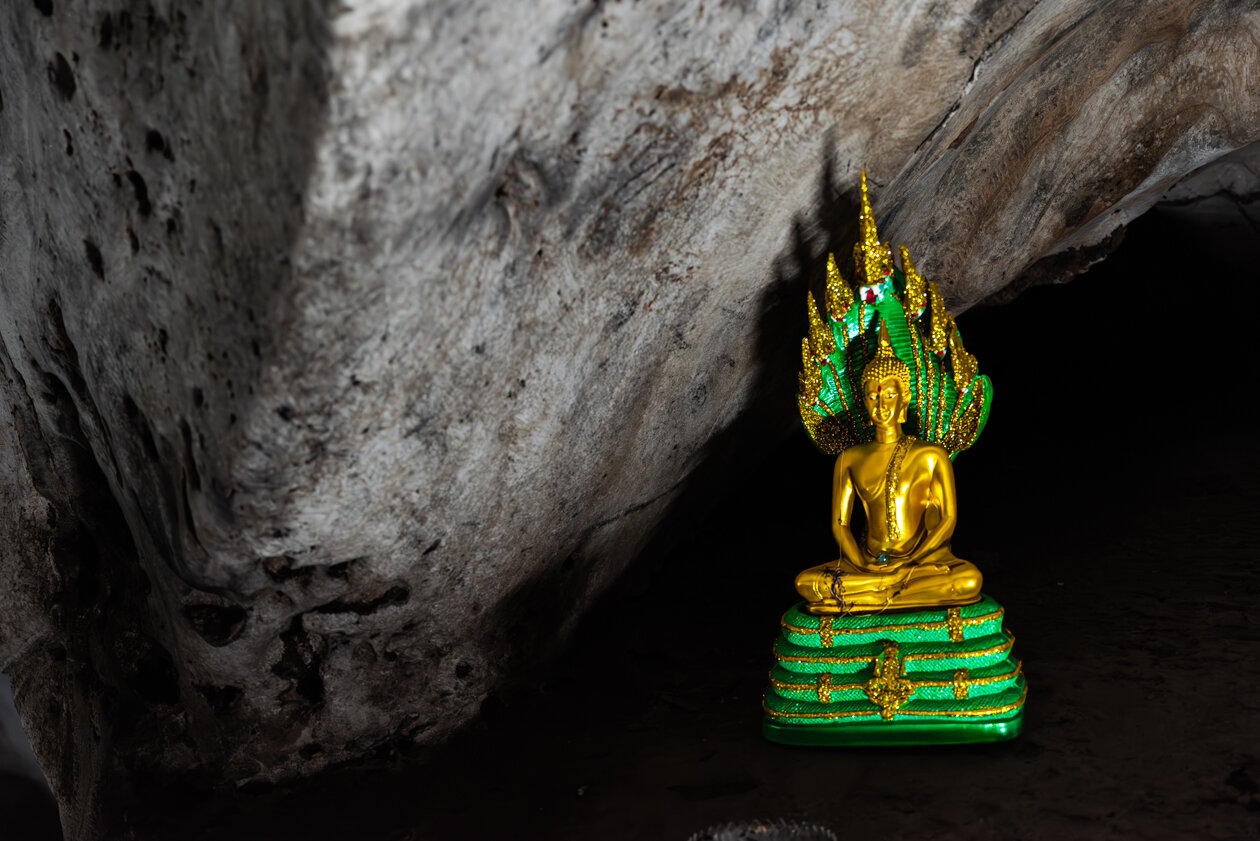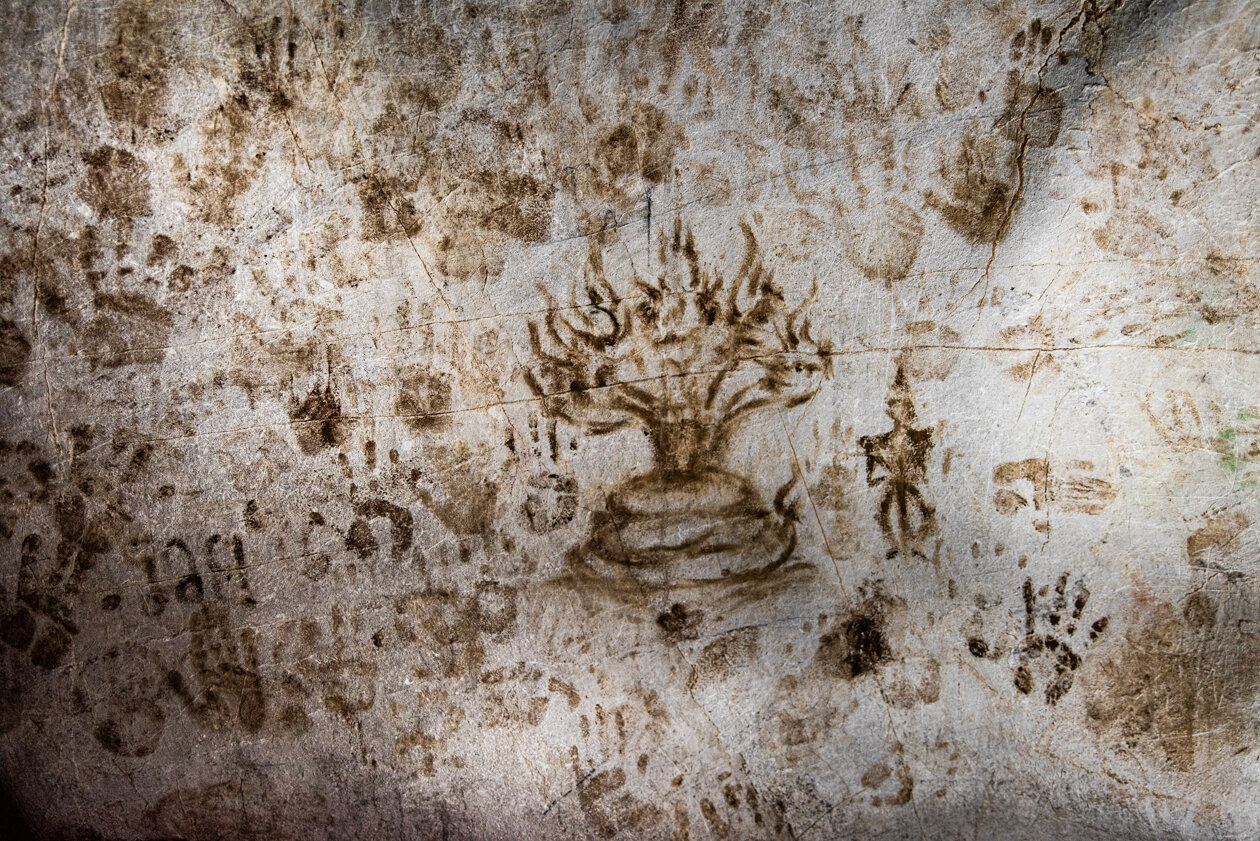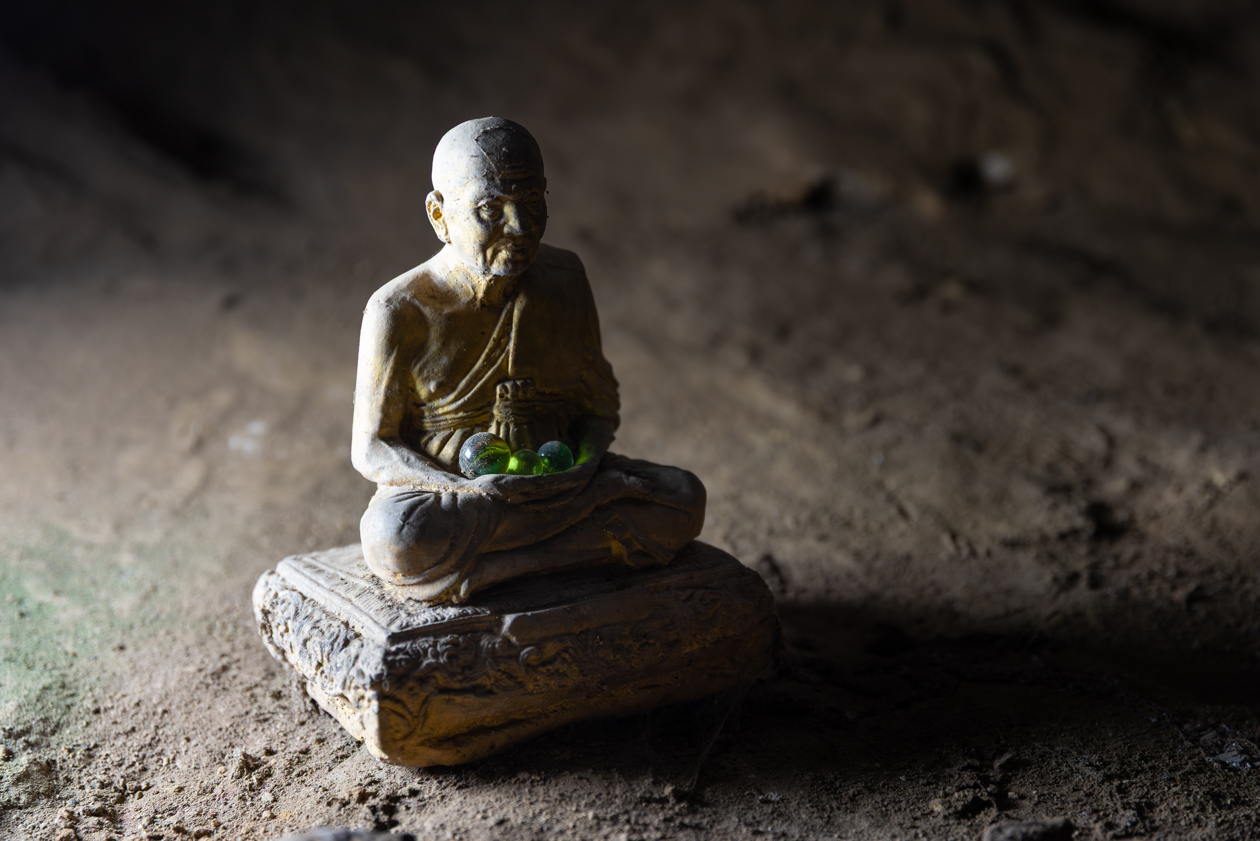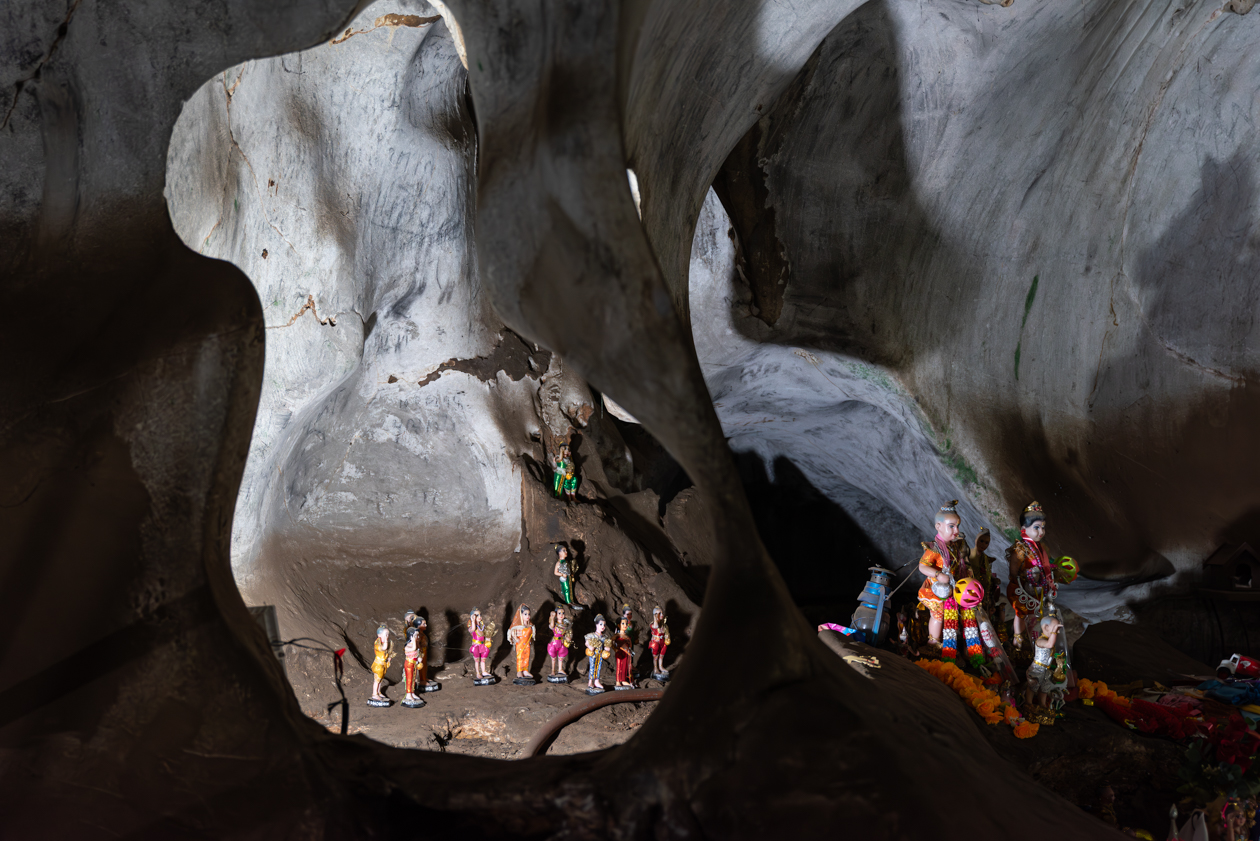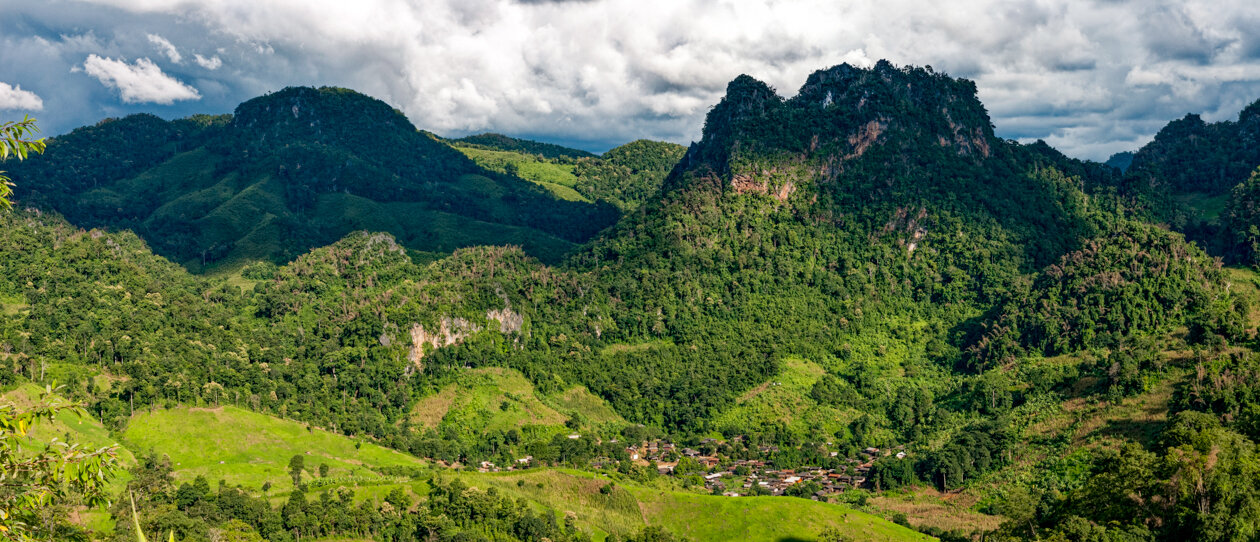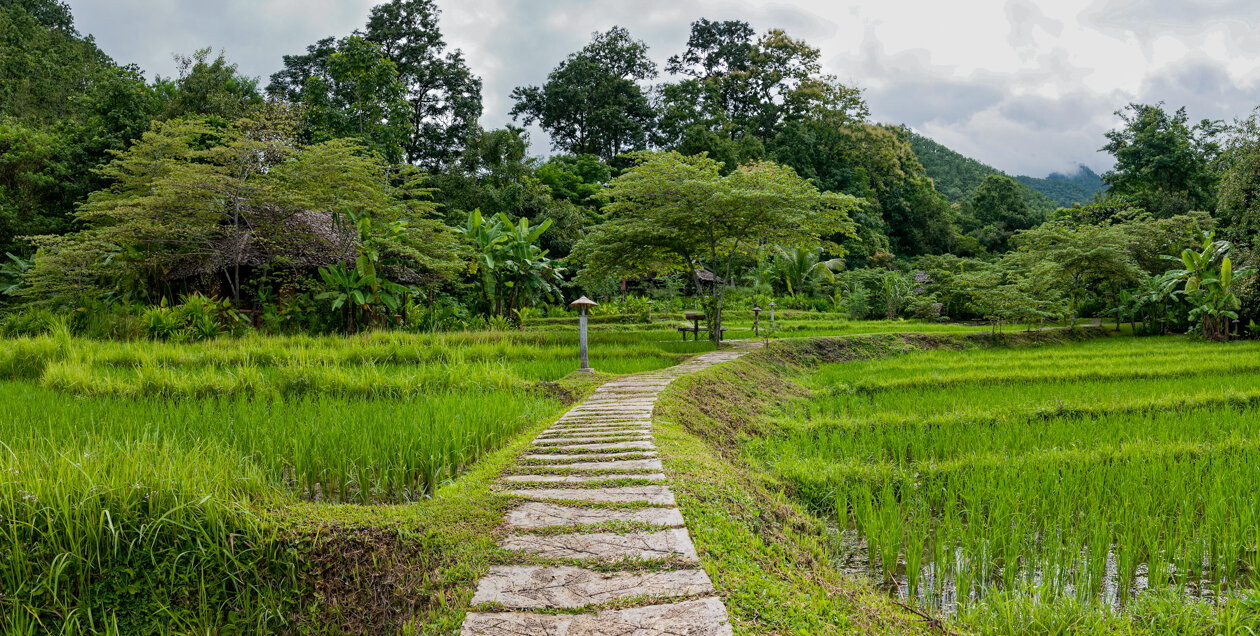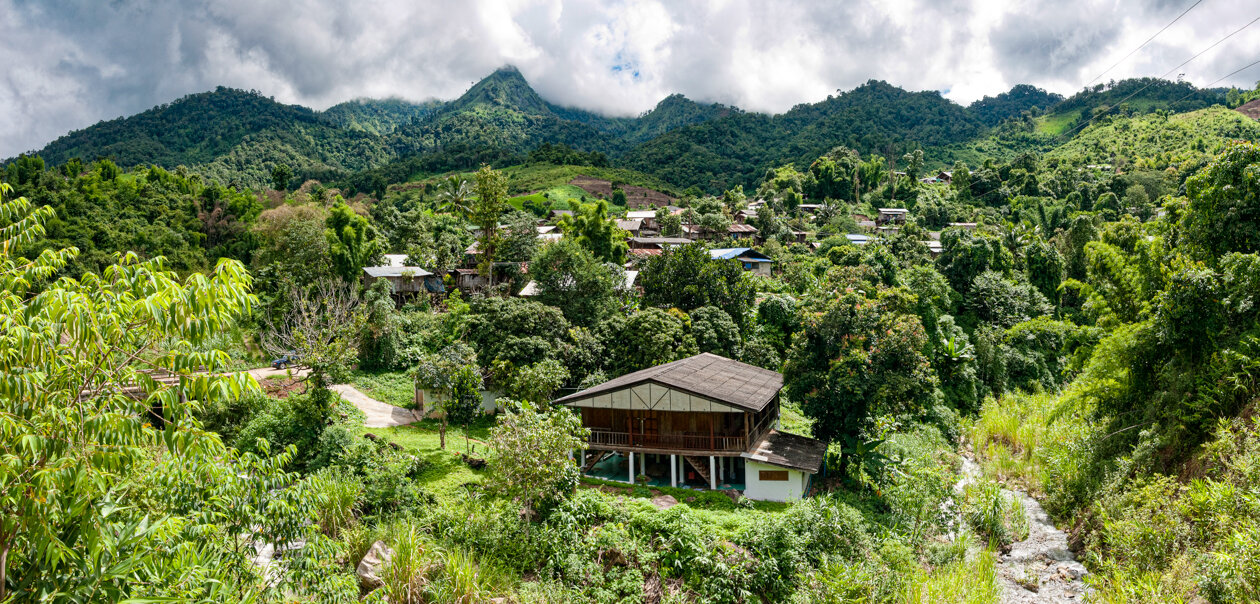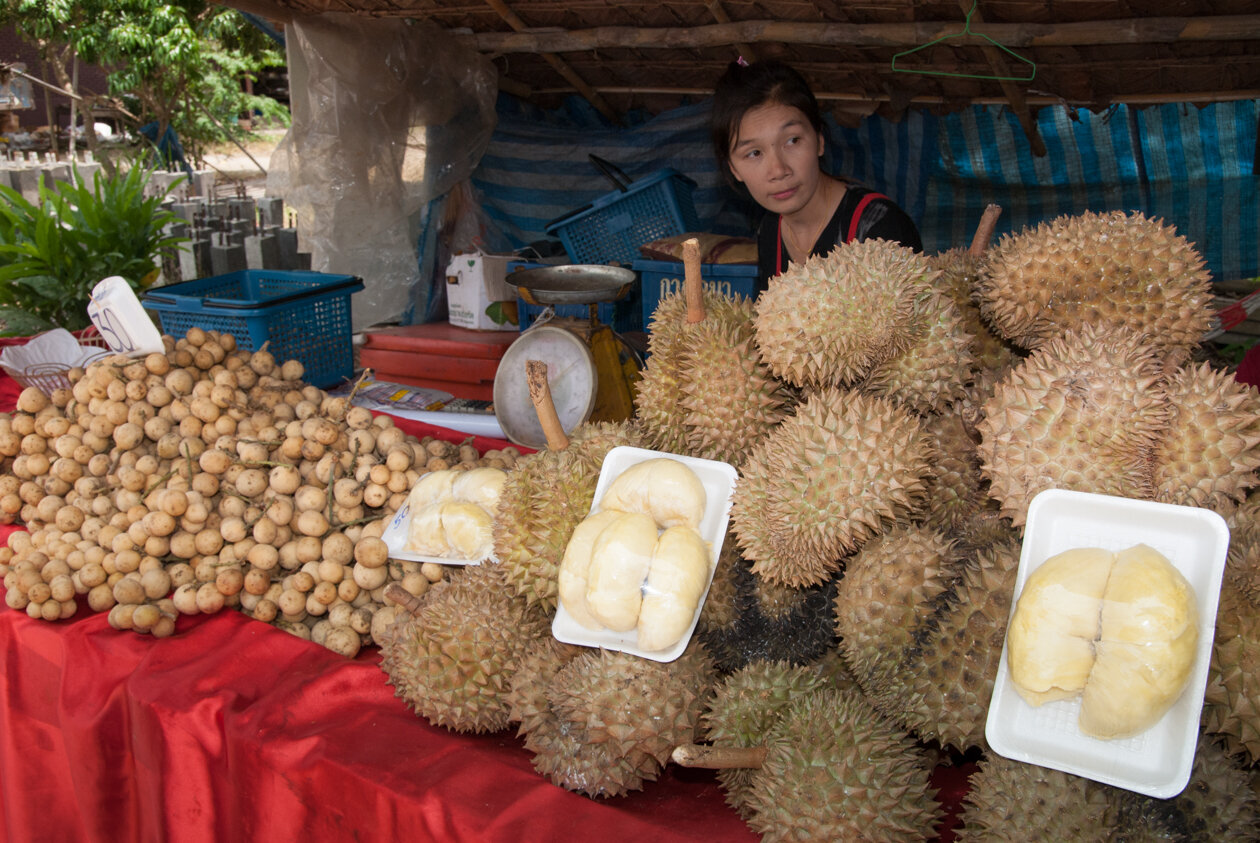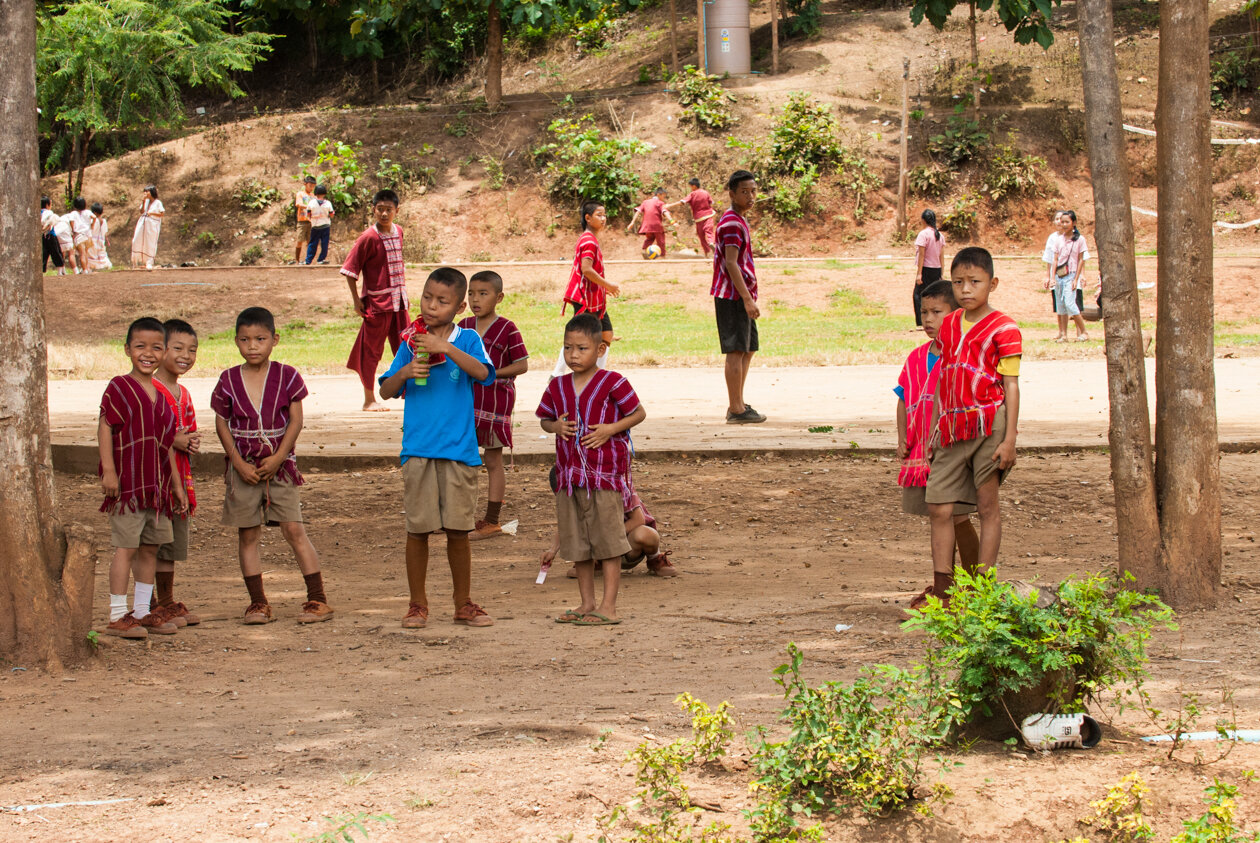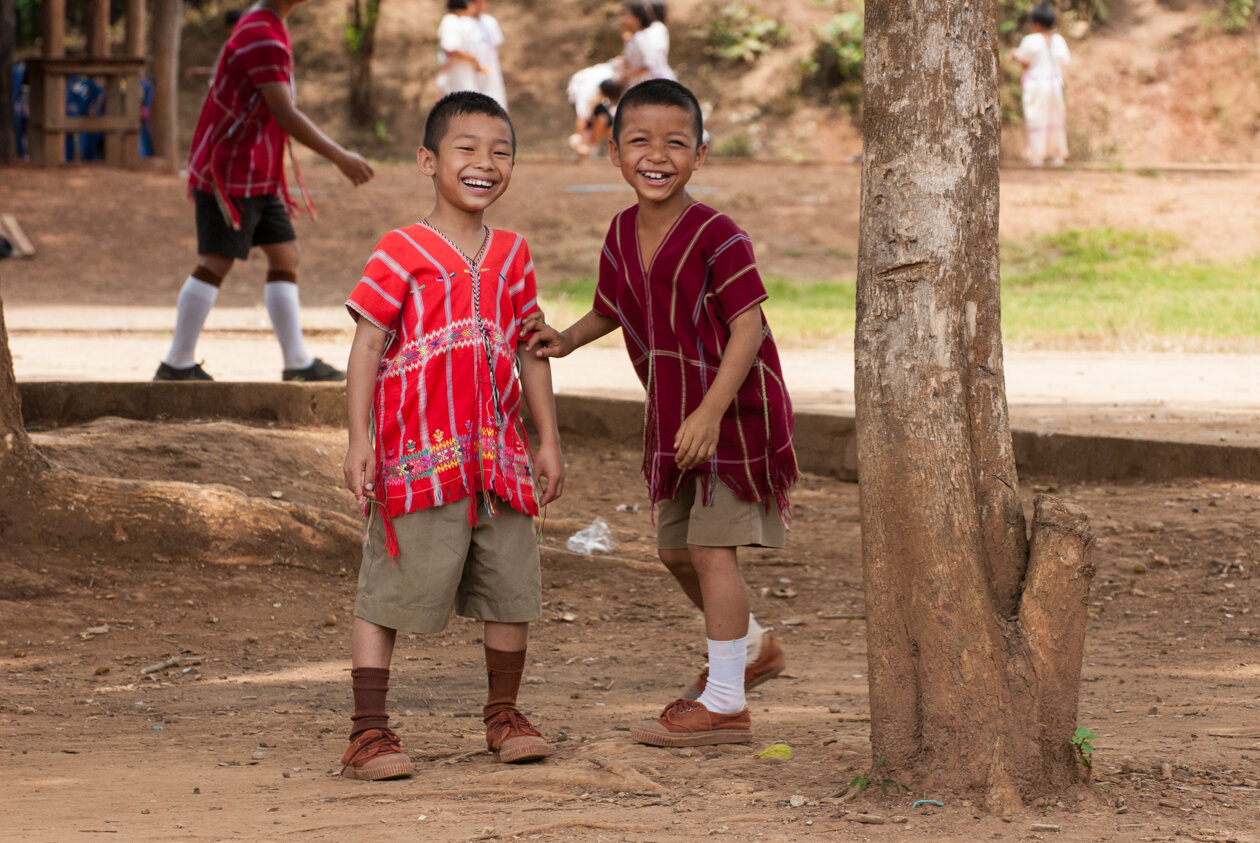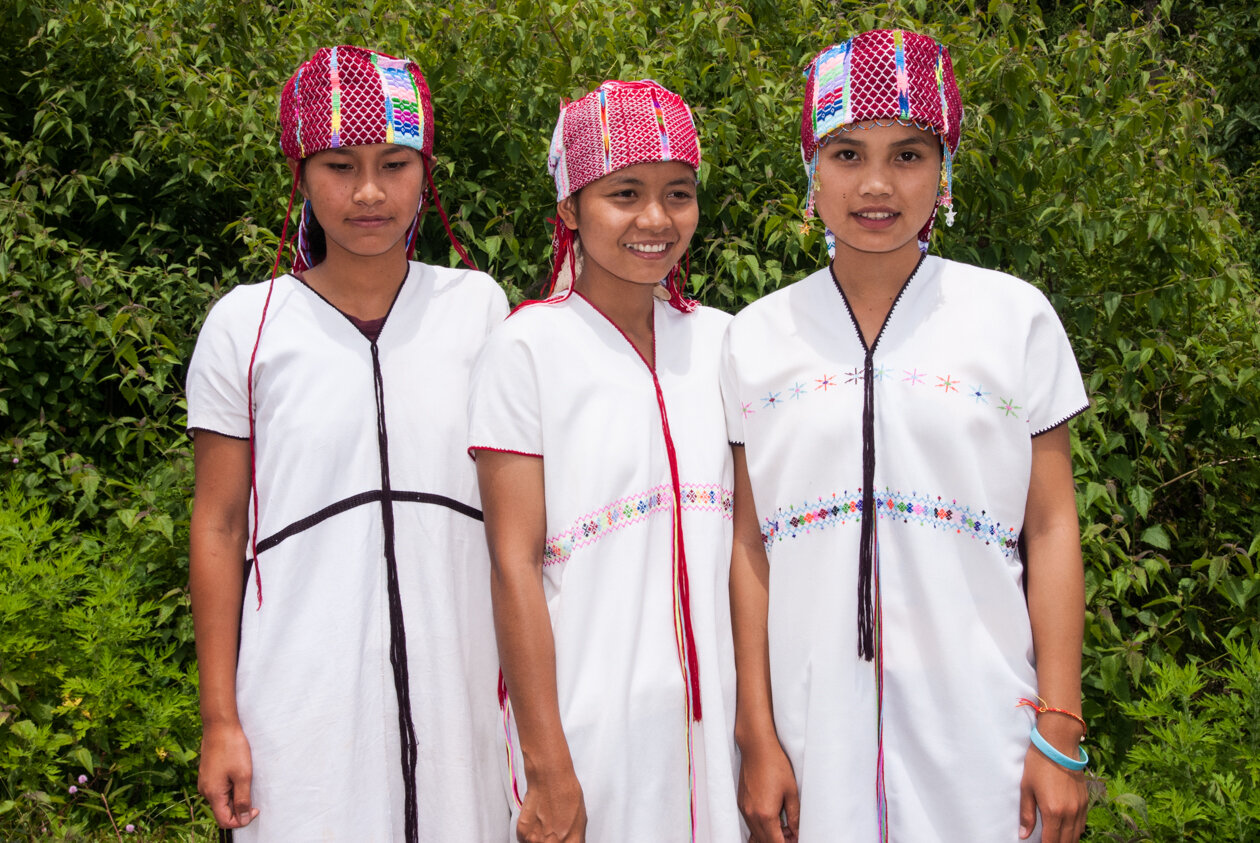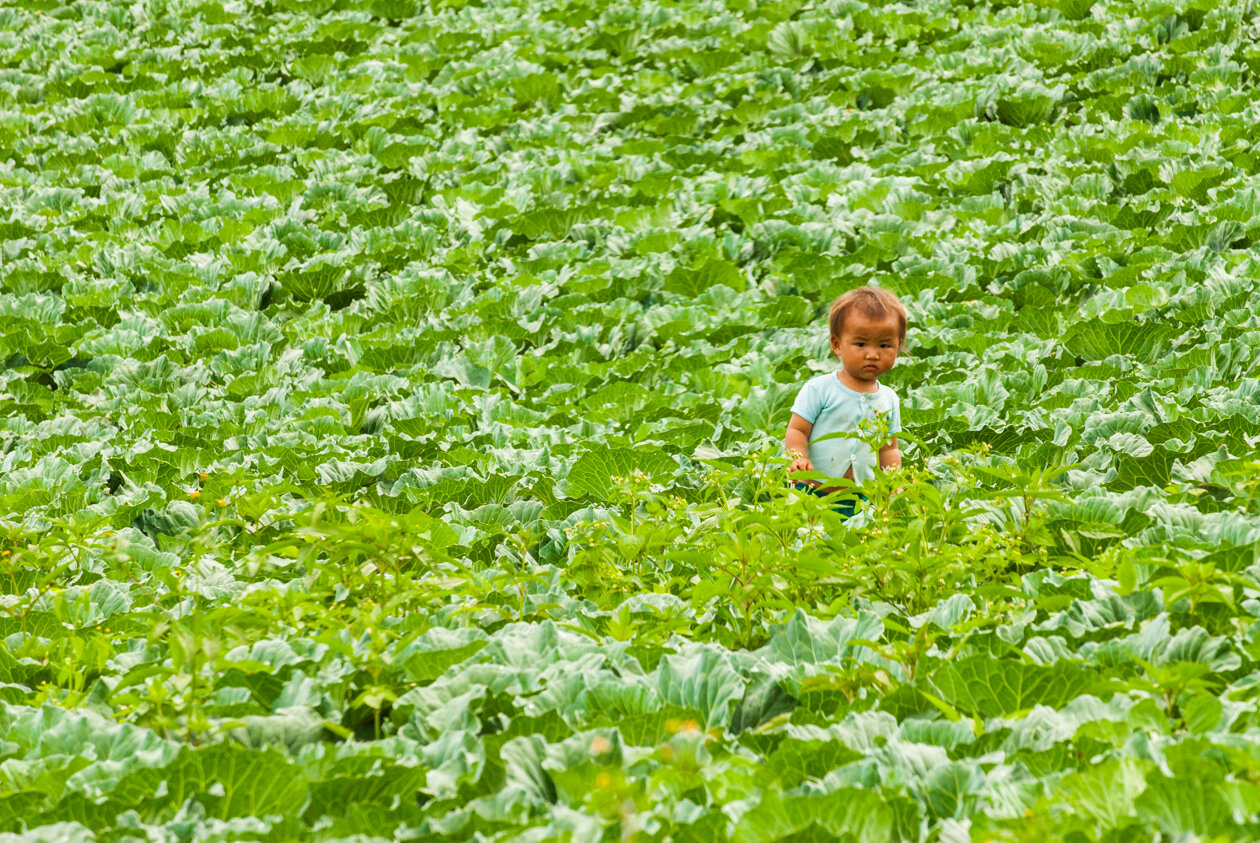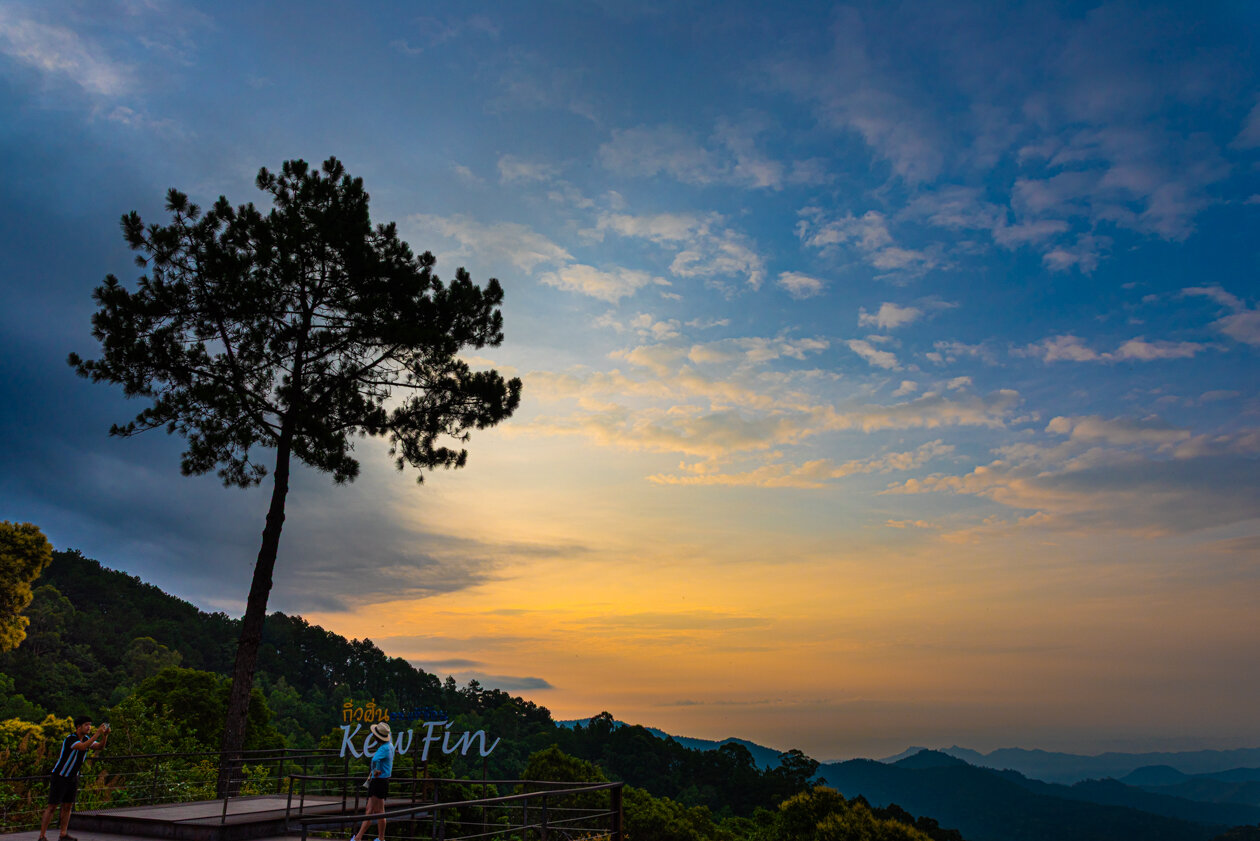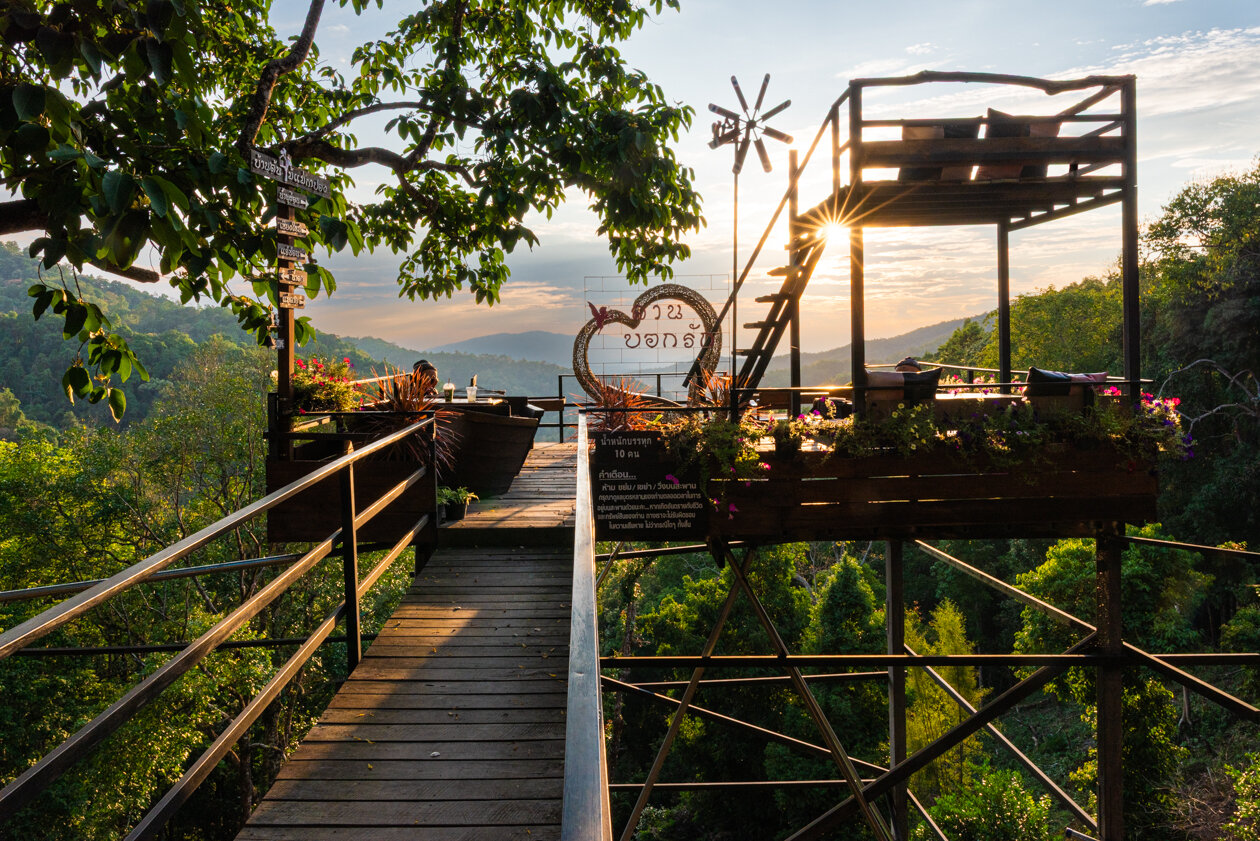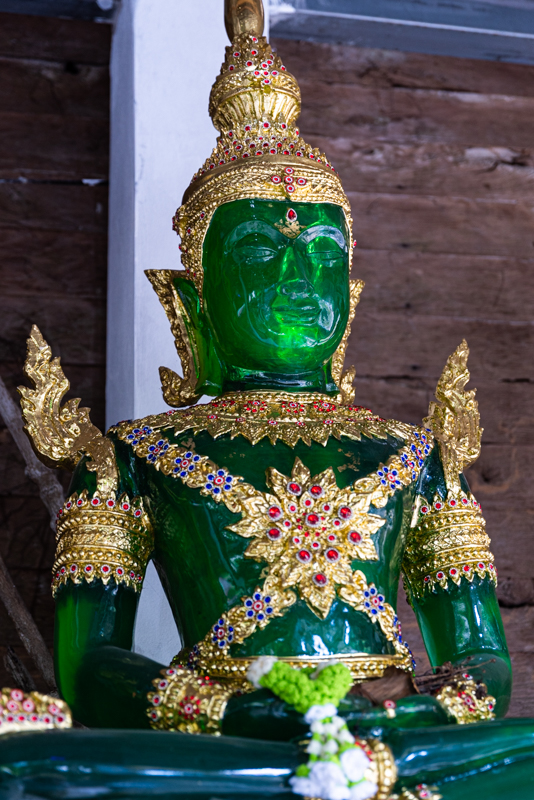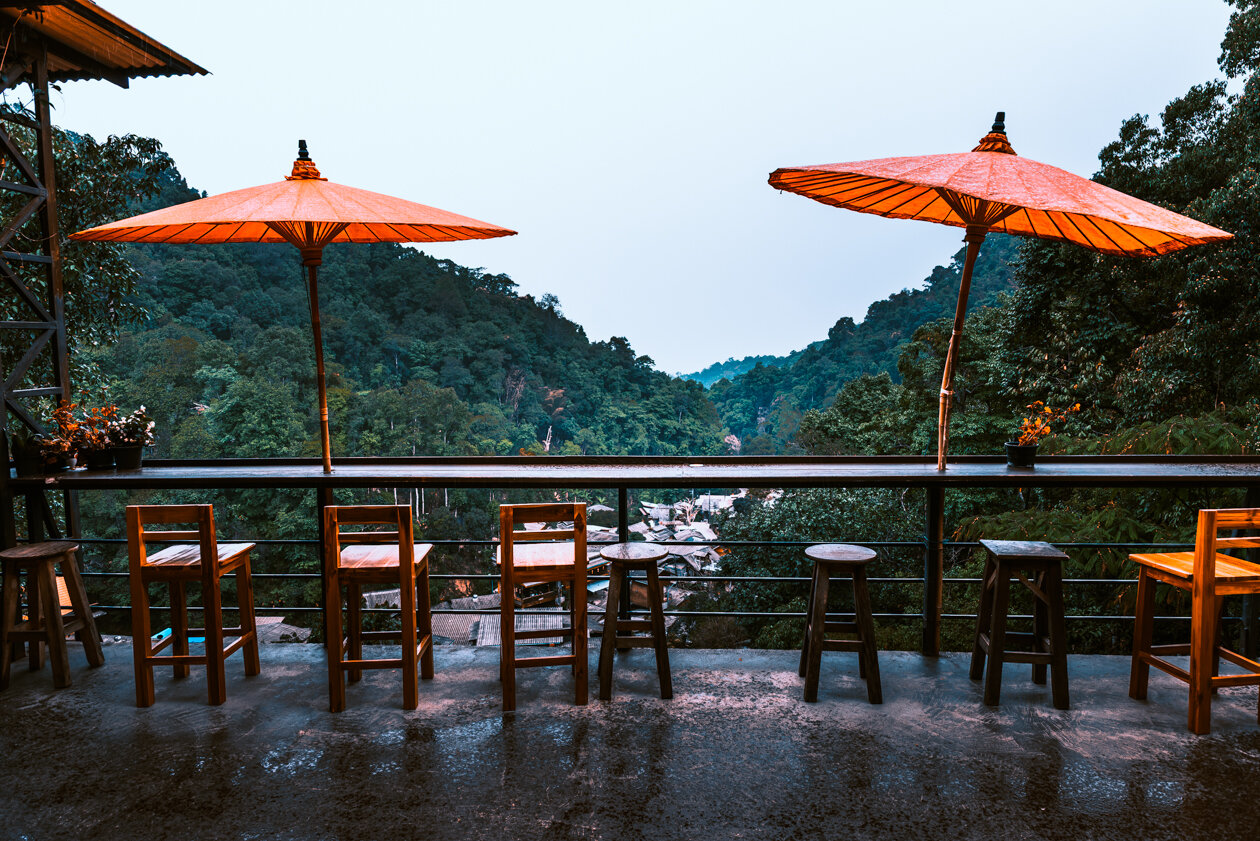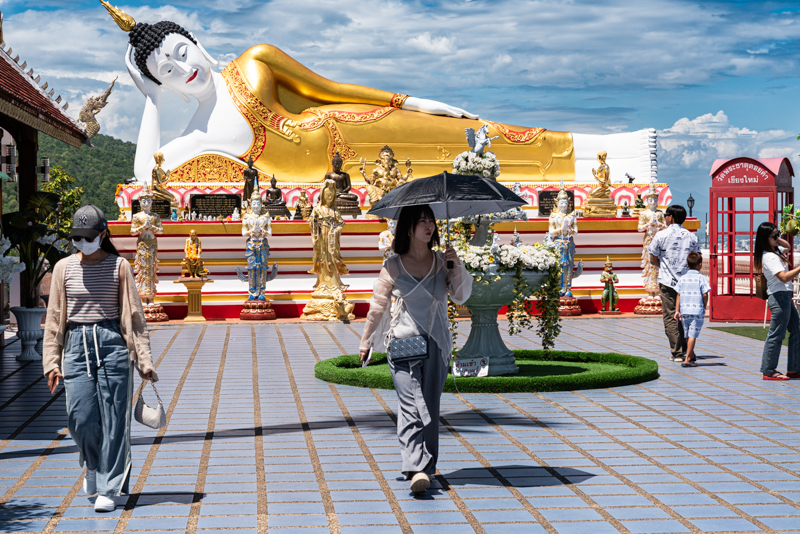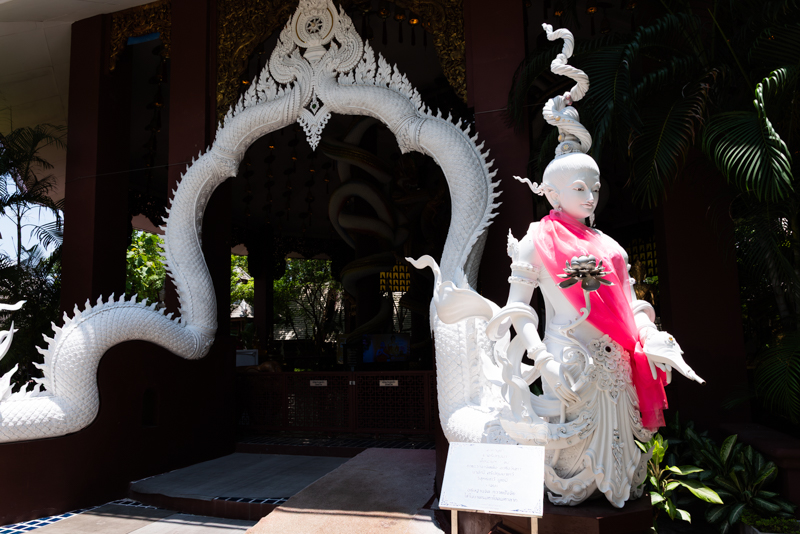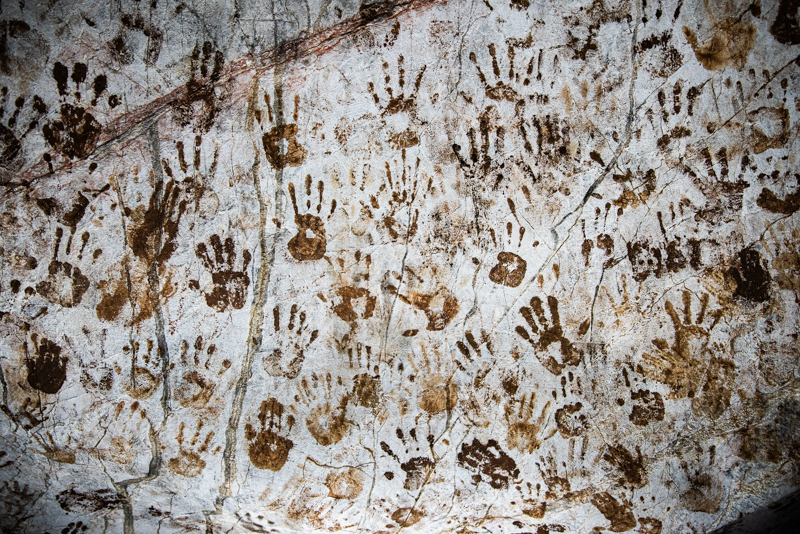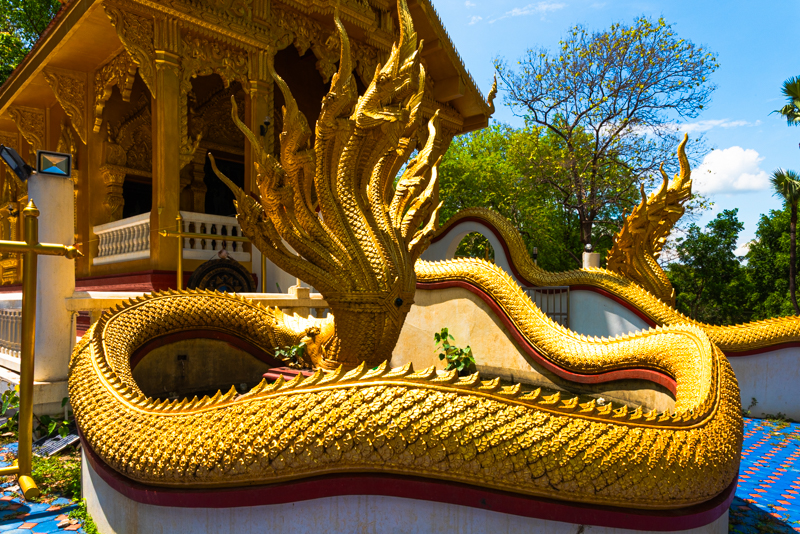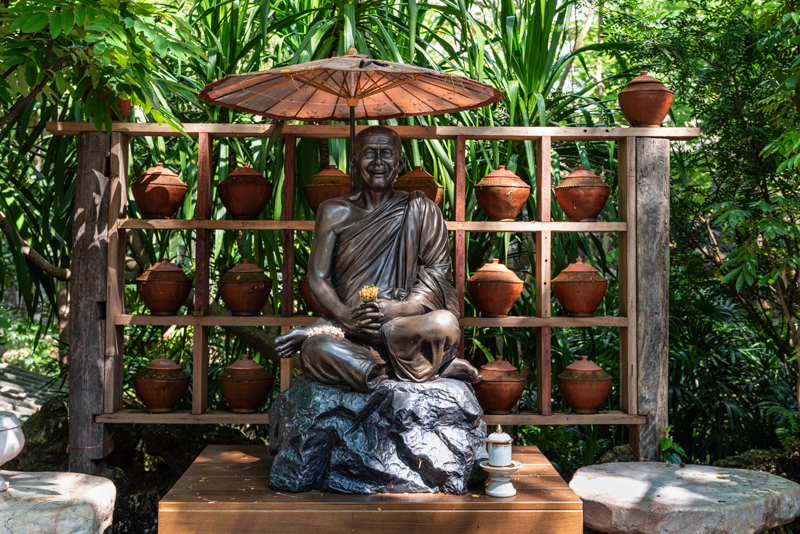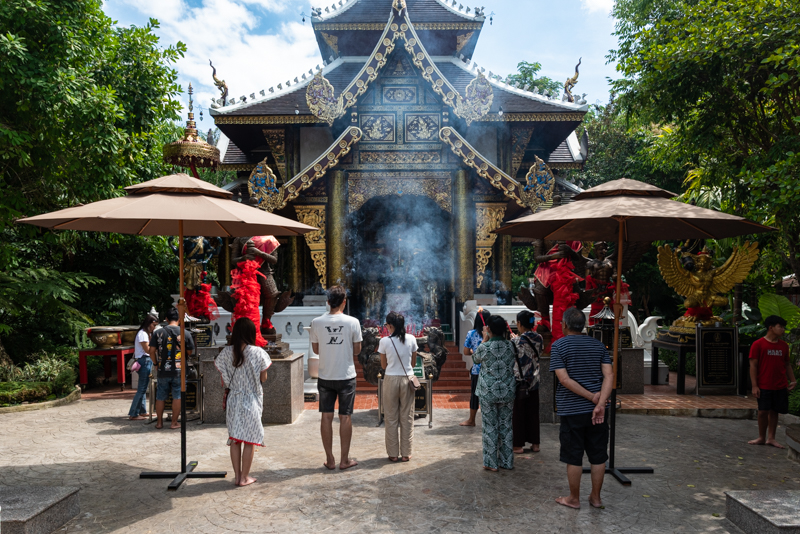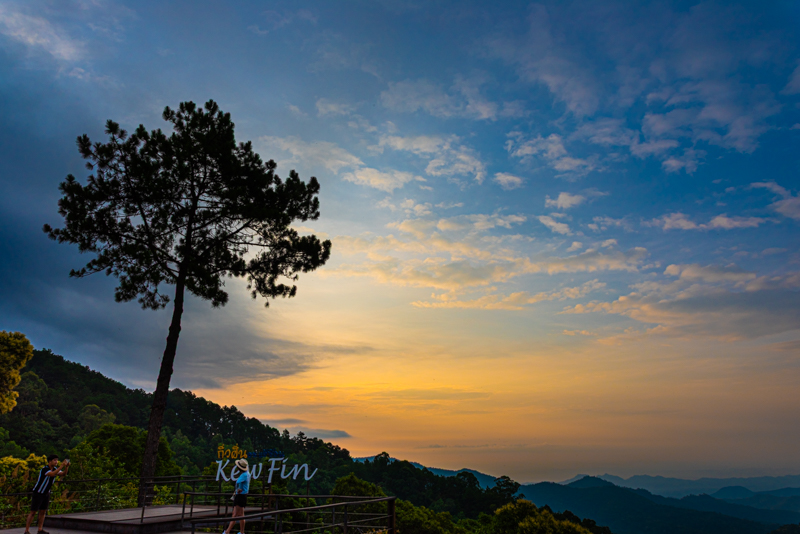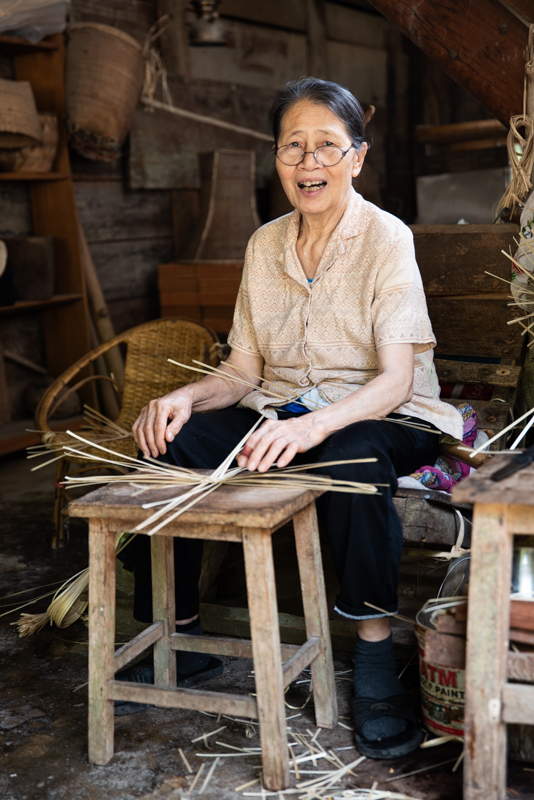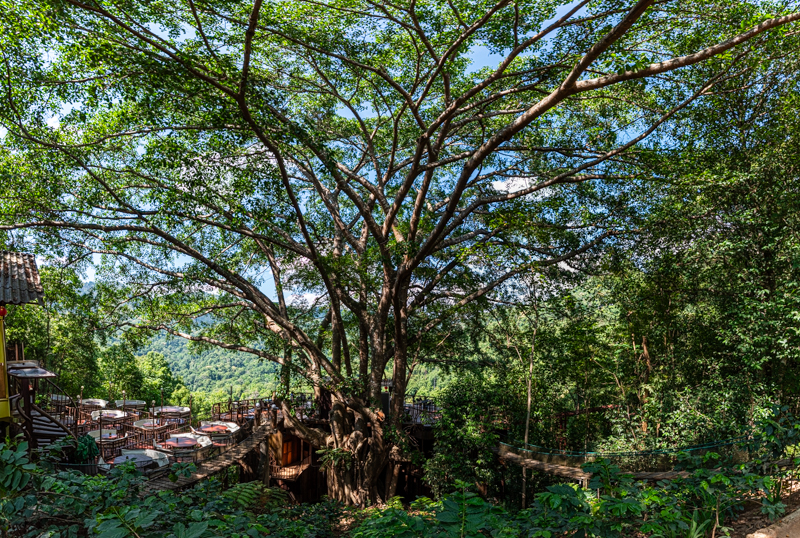
Thailand, the multicultural region of Chiang Mai.
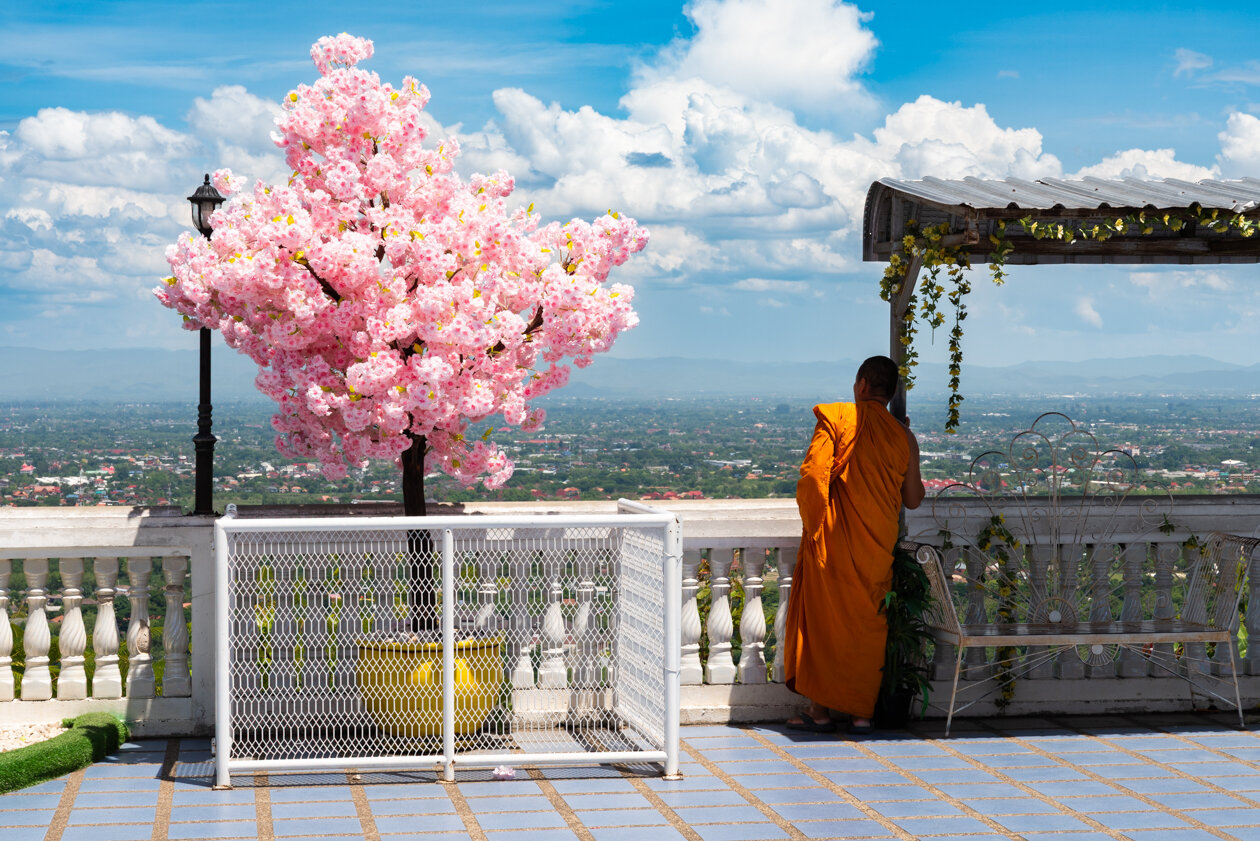
Chiang Mai and its region.
A historic and strategic crossroads in northern Thailand.
Nestled in the heart of the lush mountains of northern Thailand, about 700 kilometers from Bangkok, Chiang Mai is much more than just a picturesque city. Founded in 1296 by King Mengrai, it was the capital of the Lanna Kingdom and a major political, religious, and commercial center for several centuries. Its name, which means “New City,” reflects its role as successor to Chiang Rai as the seat of power.

A cradle of the Lanna Kingdom.

At the end of the 13th century, King Mengrai chose this strategic location, situated in a fertile valley of the Ping River, a tributary of the Chao Phraya. The rich soil, abundant water, and natural resources of the region made it an ideal site for establishing a capital. Chiang Mai quickly built ramparts and moats, not only to assert its prestige, but also to defend itself against external threats, particularly those from Burma.
Under the Lanna Kingdom, the city prospered thanks to trade in teak wood, ivory, precious stones, and silk. Trade routes connecting southern China, Burma, and Laos converged on Chiang Mai, making the city a hub of cultural and economic exchange. This attracted artisans, monks, and merchants, contributing to the development of a refined culture marked by Lanna-style Buddhist architecture and art.

A religious and cultural center.

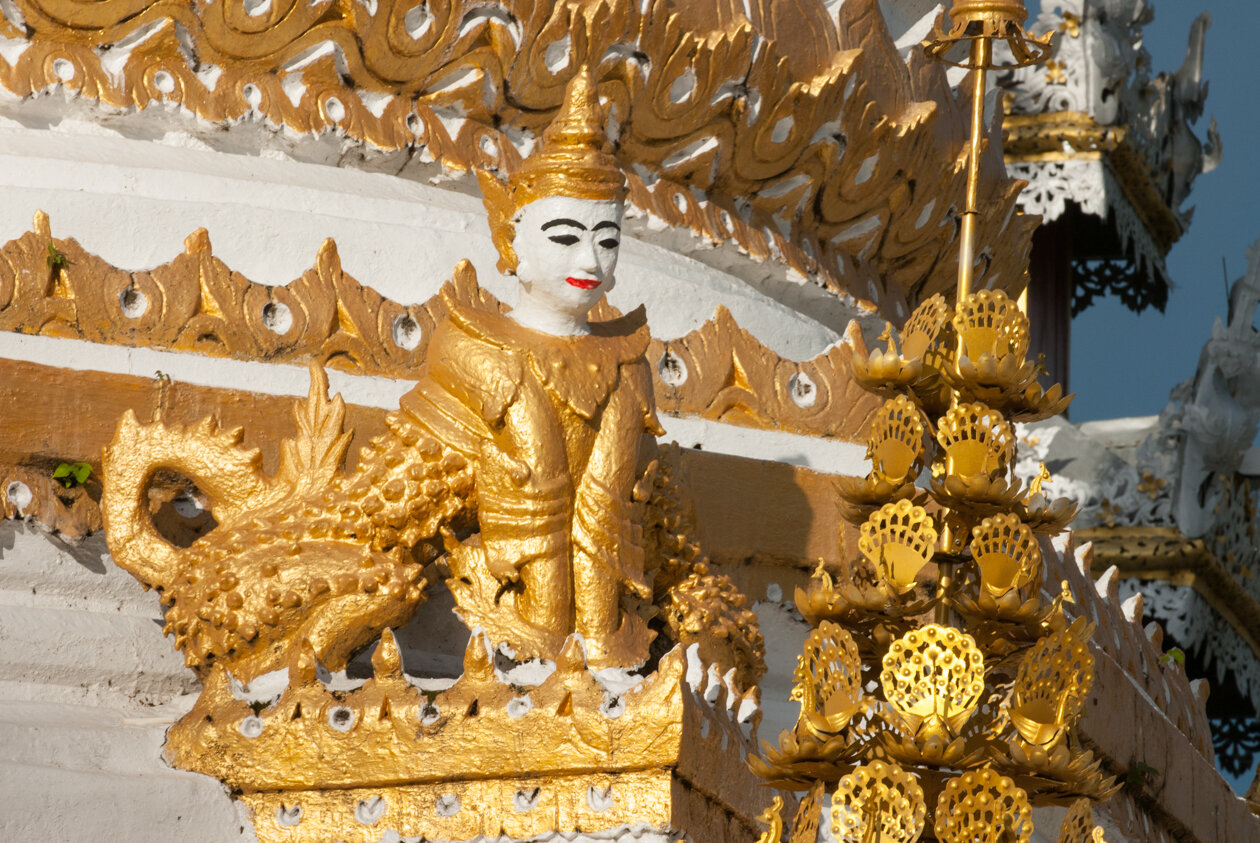
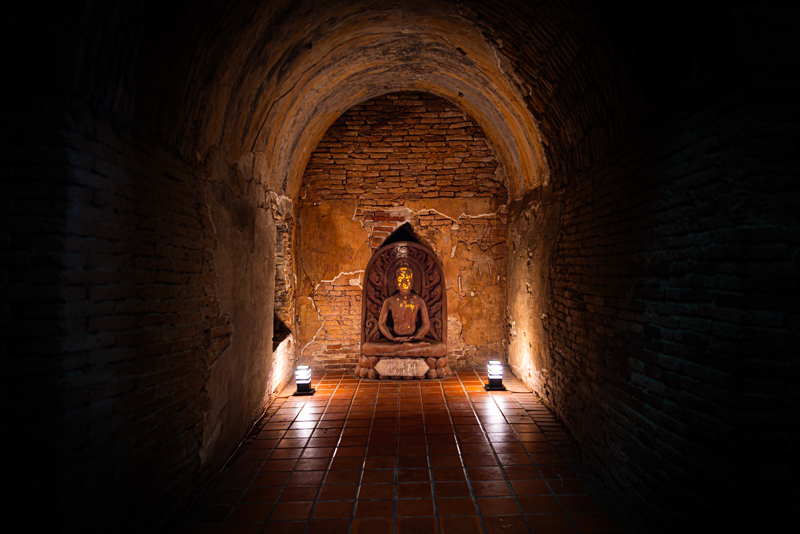
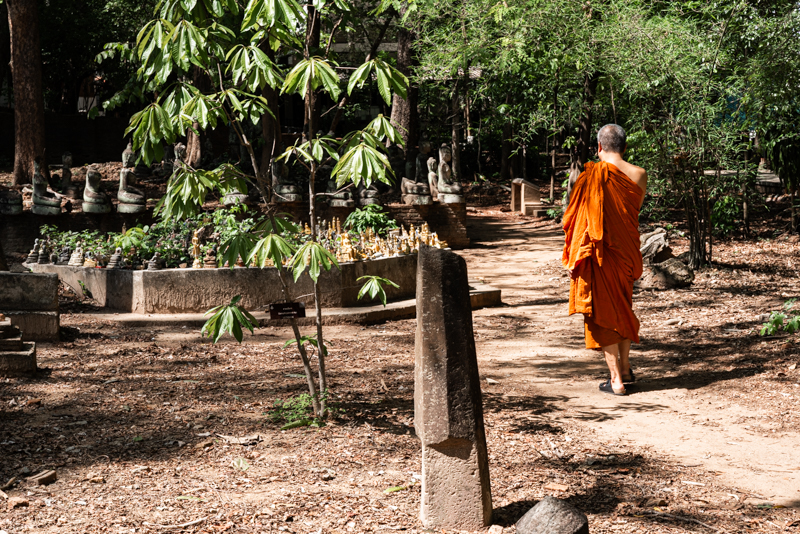
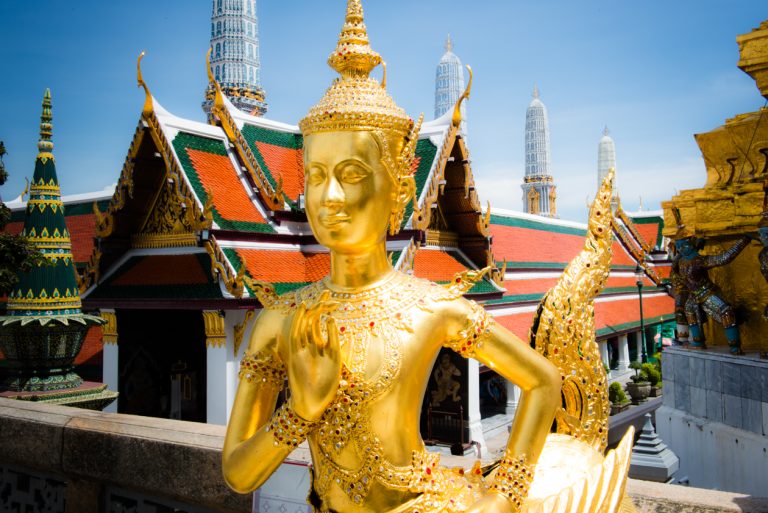
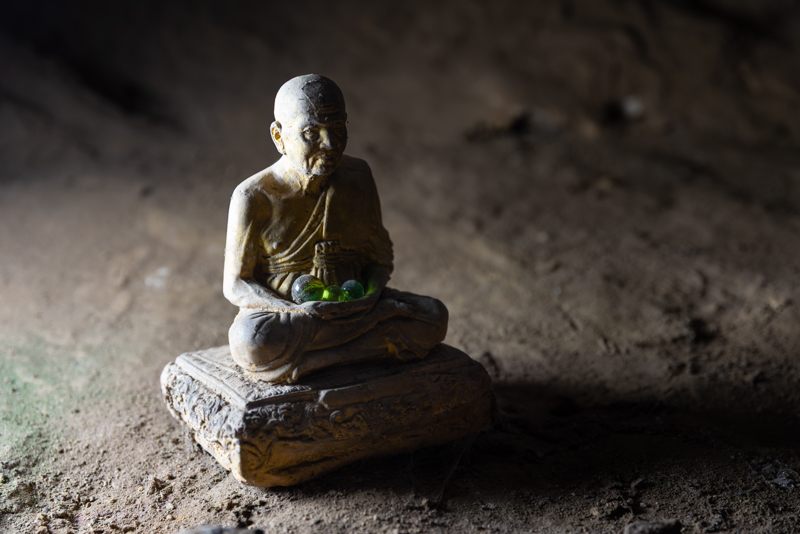
From the 14th to the 15th century, Chiang Mai became a center of Theravada Buddhism. Many temples, or wats, were built, including Wat Phra Singh and Wat Chedi Luang, which remain symbols of Lanna heritage today. The city then spread its influence throughout the northern part of the Indochinese peninsula, rivaling the great neighboring kingdoms.
However, prosperity attracted envy. From the 16th century onwards, Chiang Mai suffered several Burmese invasions and fell under foreign rule for nearly two centuries. This period of instability marked an economic and political decline, but the Lanna culture survived, sustained by the resilience of its inhabitants.
In 1774, King Taksin of Siam (now Thailand) recaptured Chiang Mai from the Burmese with the help of his Lanna allies. The city retained a degree of local autonomy for several decades, governed by local princes (the Chao), before being fully integrated into the Thai state in the 19th century during the reign of King Chulalongkorn (Rama V). This integration strengthened economic ties with Bangkok and promoted the development of new infrastructure.

A strategic role that remains relevant today.

Chiang Mai’s geographical location continues to give it strategic importance. Located close to the Burmese and Laotian borders, it is a gateway to southern China, making it a hub for cross-border trade. The modernization of roads and air links in the 20th century further strengthened this role.
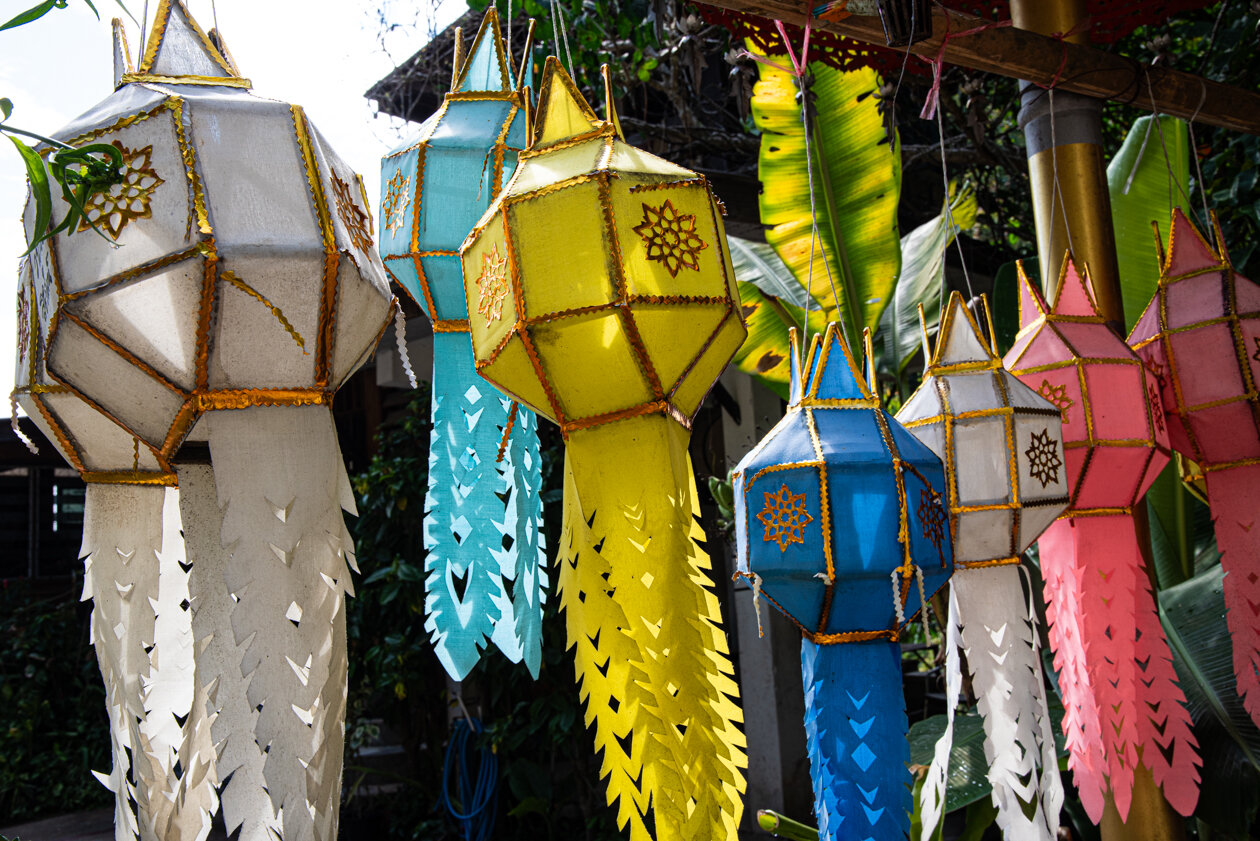
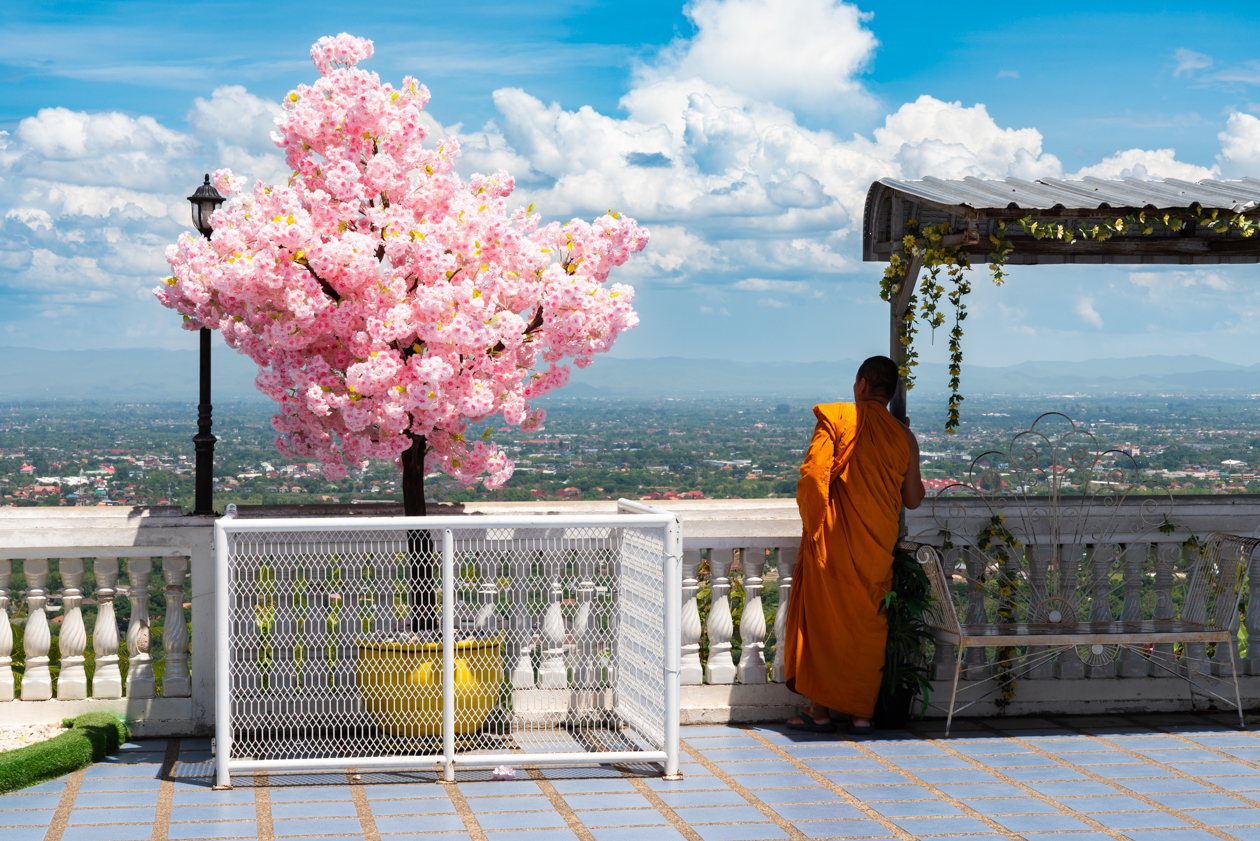
Today, Chiang Mai is not only the economic and cultural capital of northern Thailand, but also a major tourist center. Its traditional markets, festivals such as Yi Peng (sky lanterns), and proximity to unspoiled natural sites make it a must-see destination. Universities and research centers also contribute to its regional influence.
While Chiang Mai has embraced modernity, it has managed to preserve its unique cultural identity. Its ancient temples stand alongside contemporary cafés and artistic spaces. The urban fabric remains marked by the remains of the ramparts, recalling the era when the city was a fortress of stone and wood at the heart of a prosperous kingdom.

Mae Kam Pom: between village history and natural treasures.

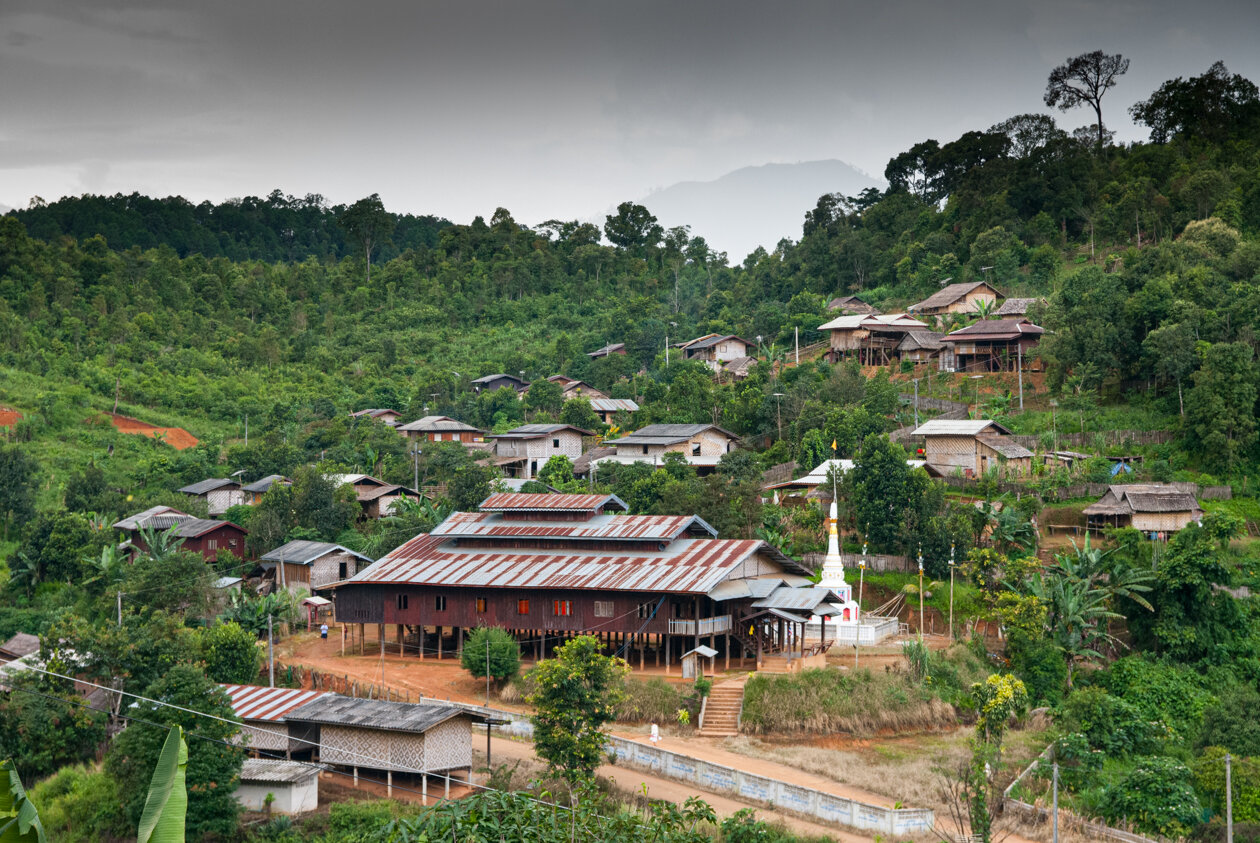
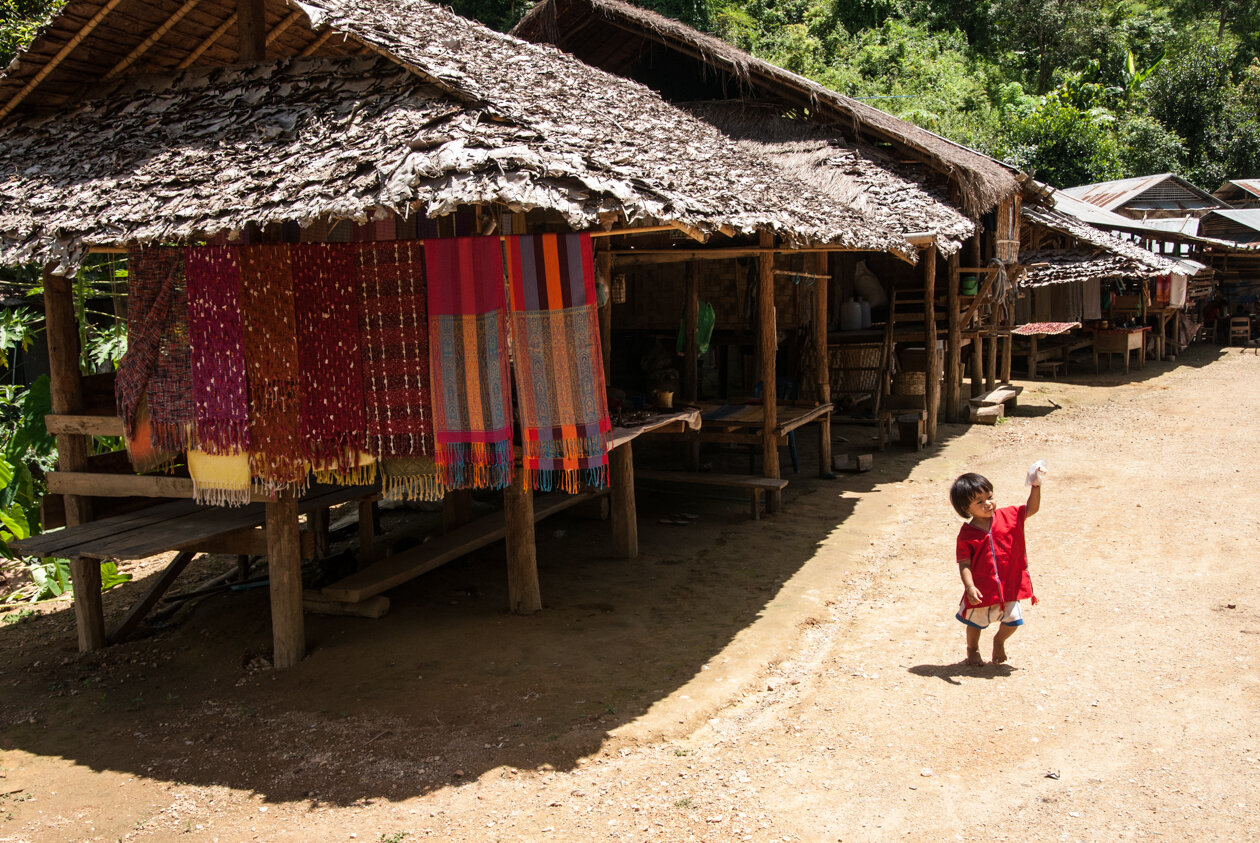
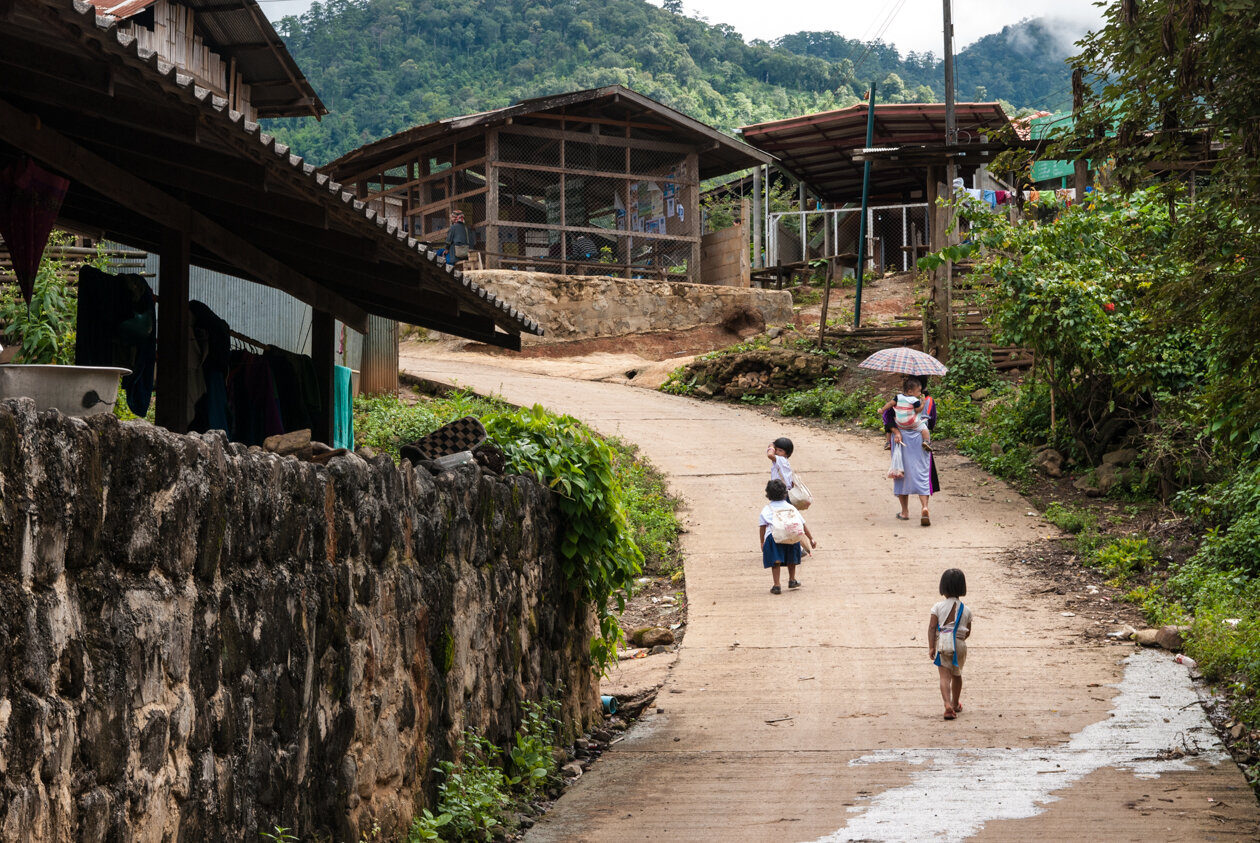
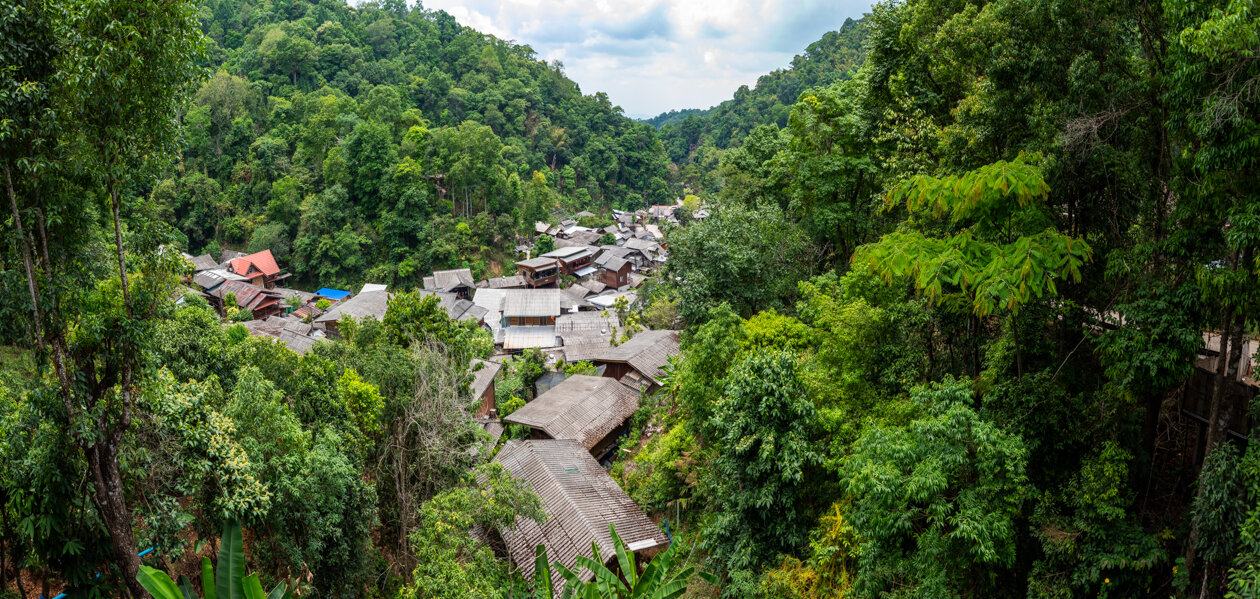
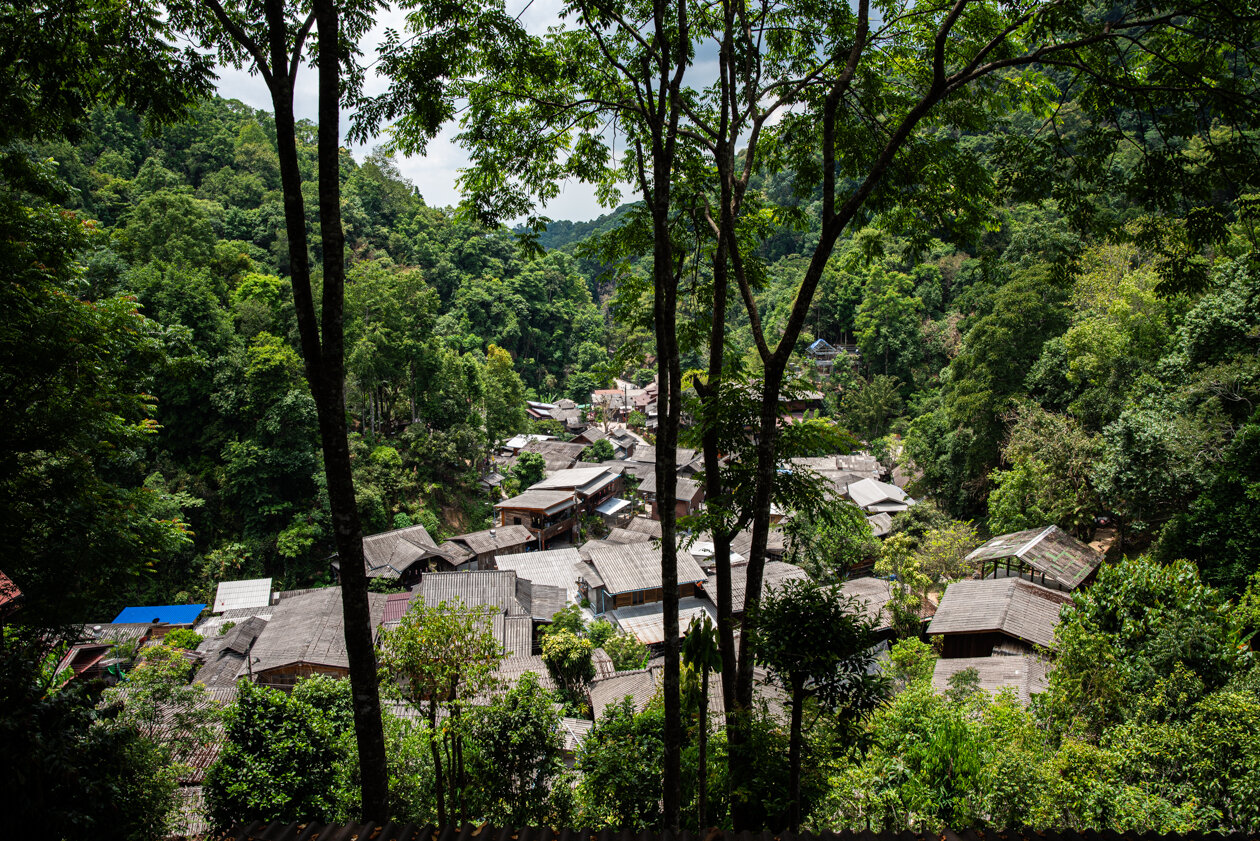
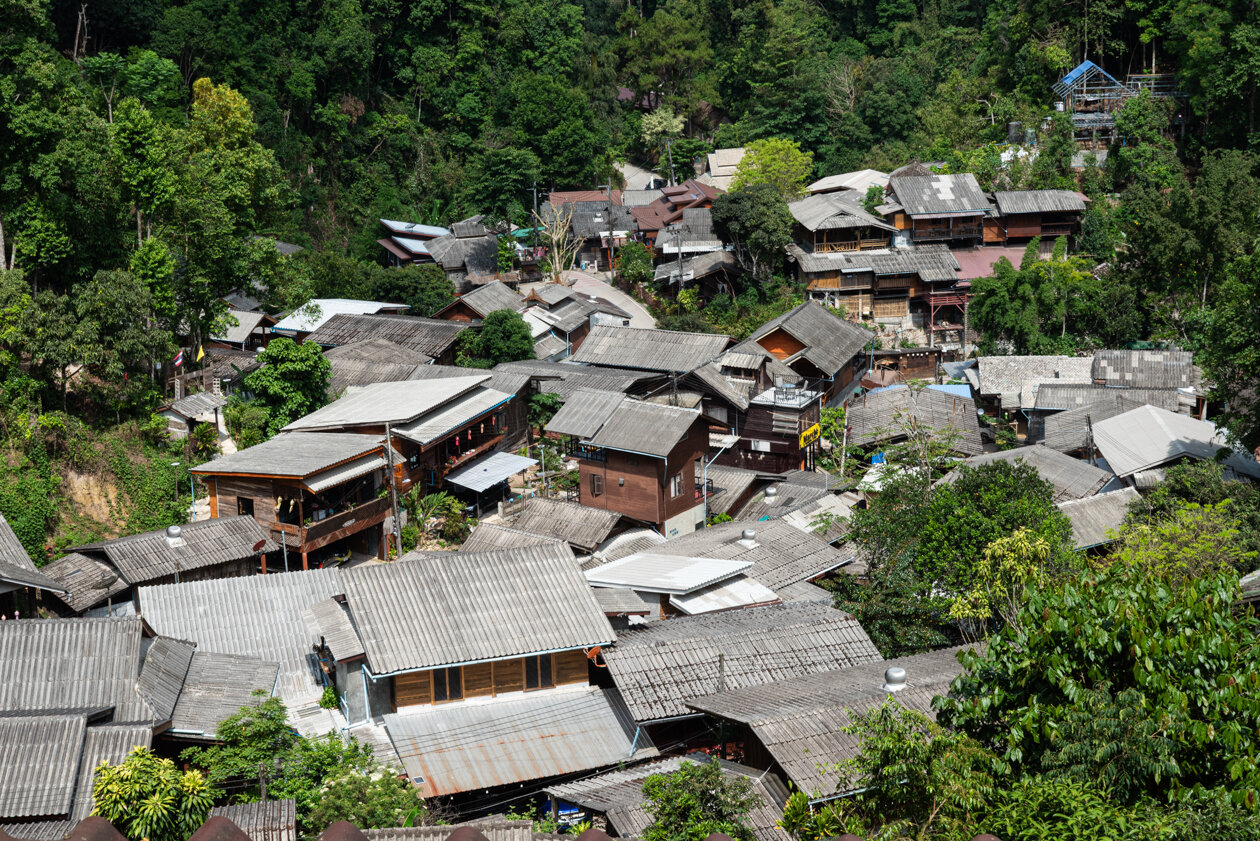
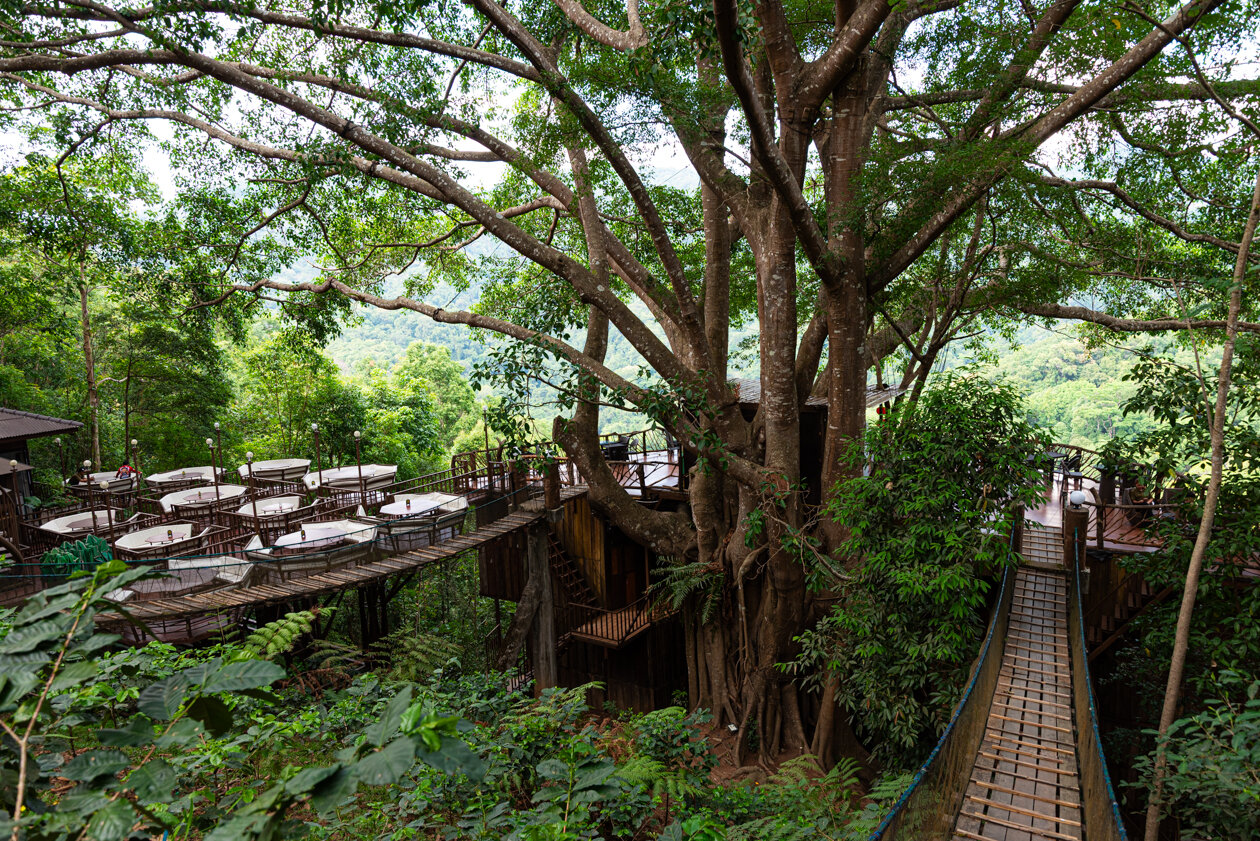
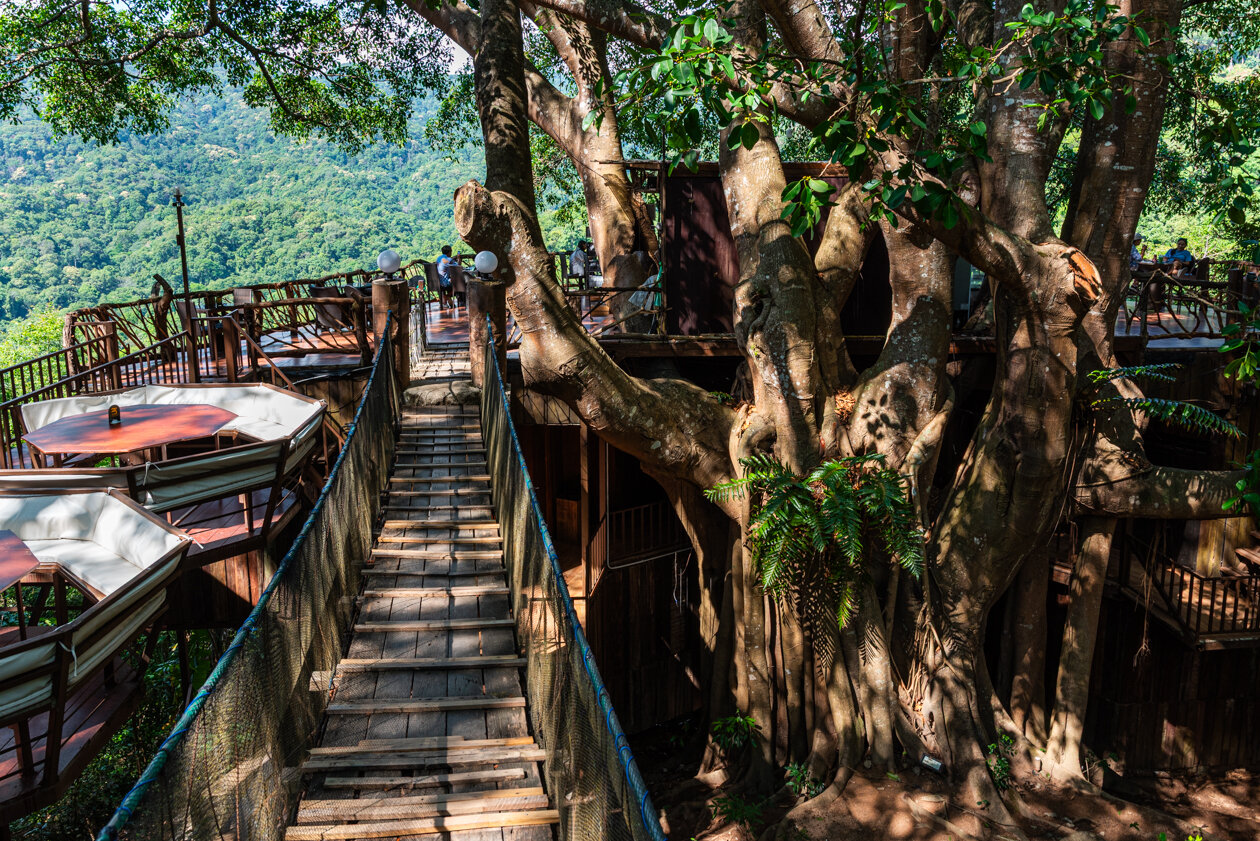
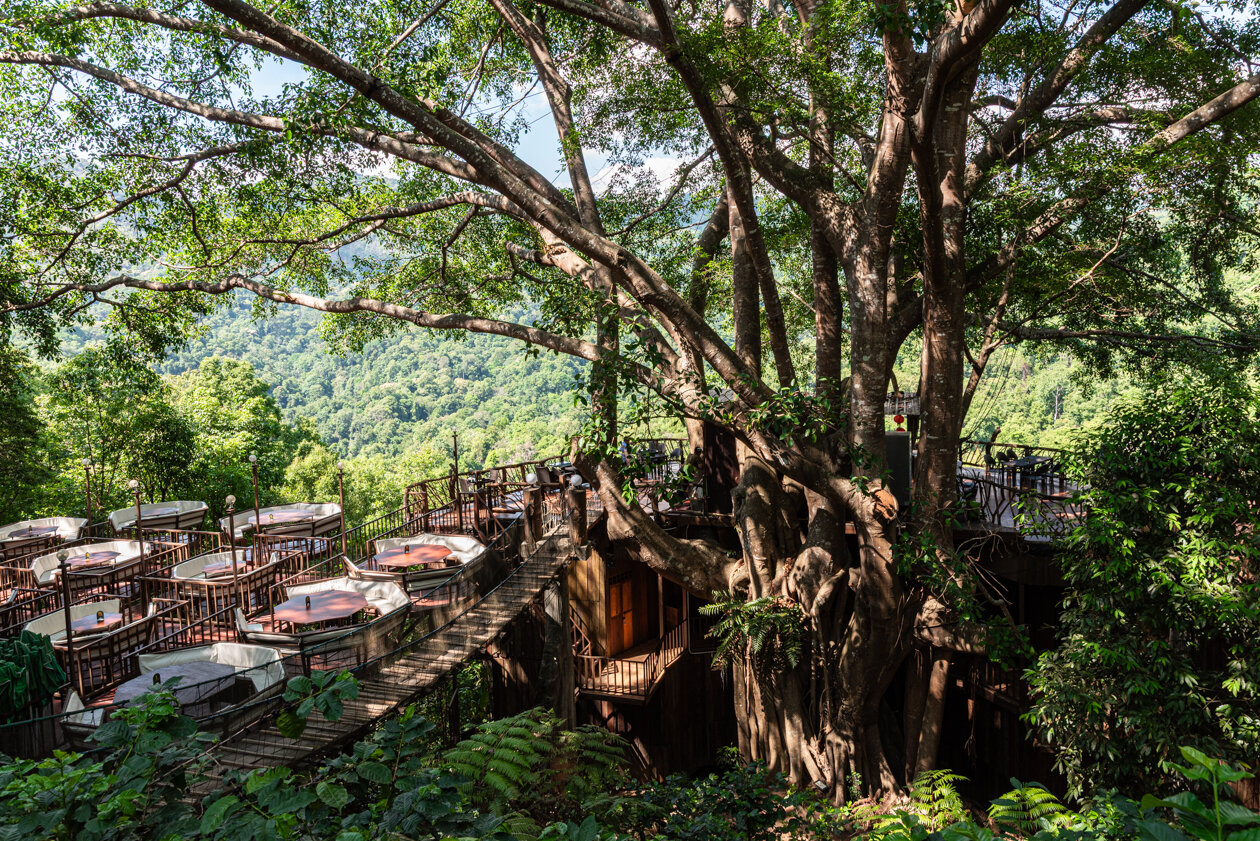
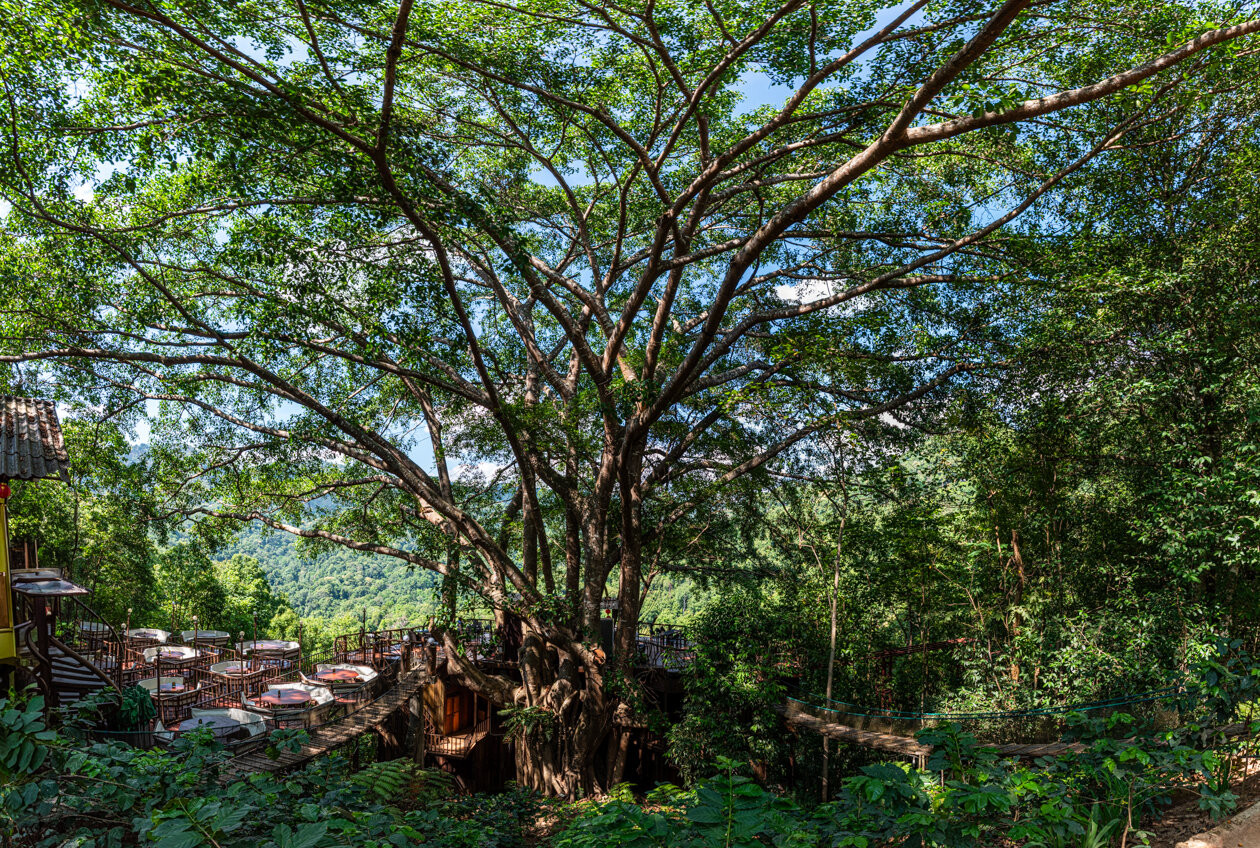
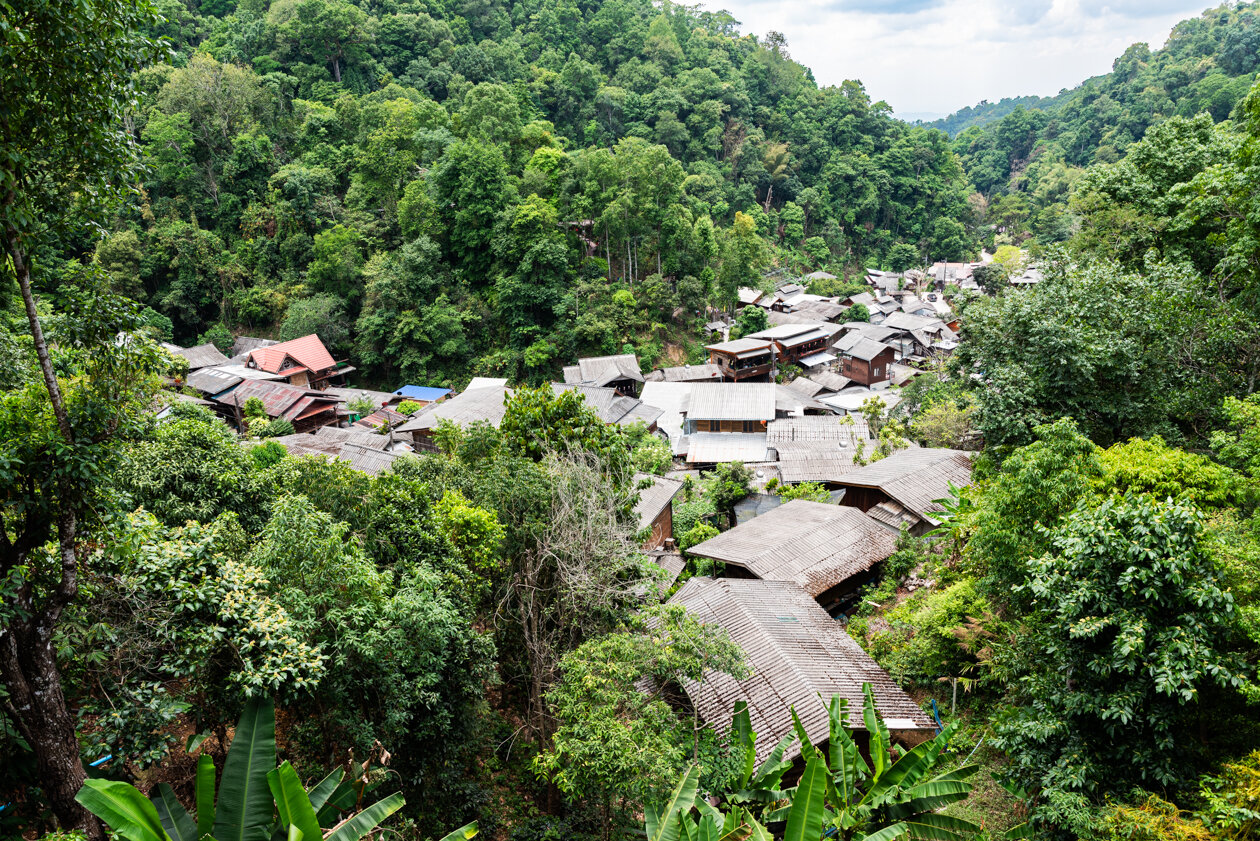
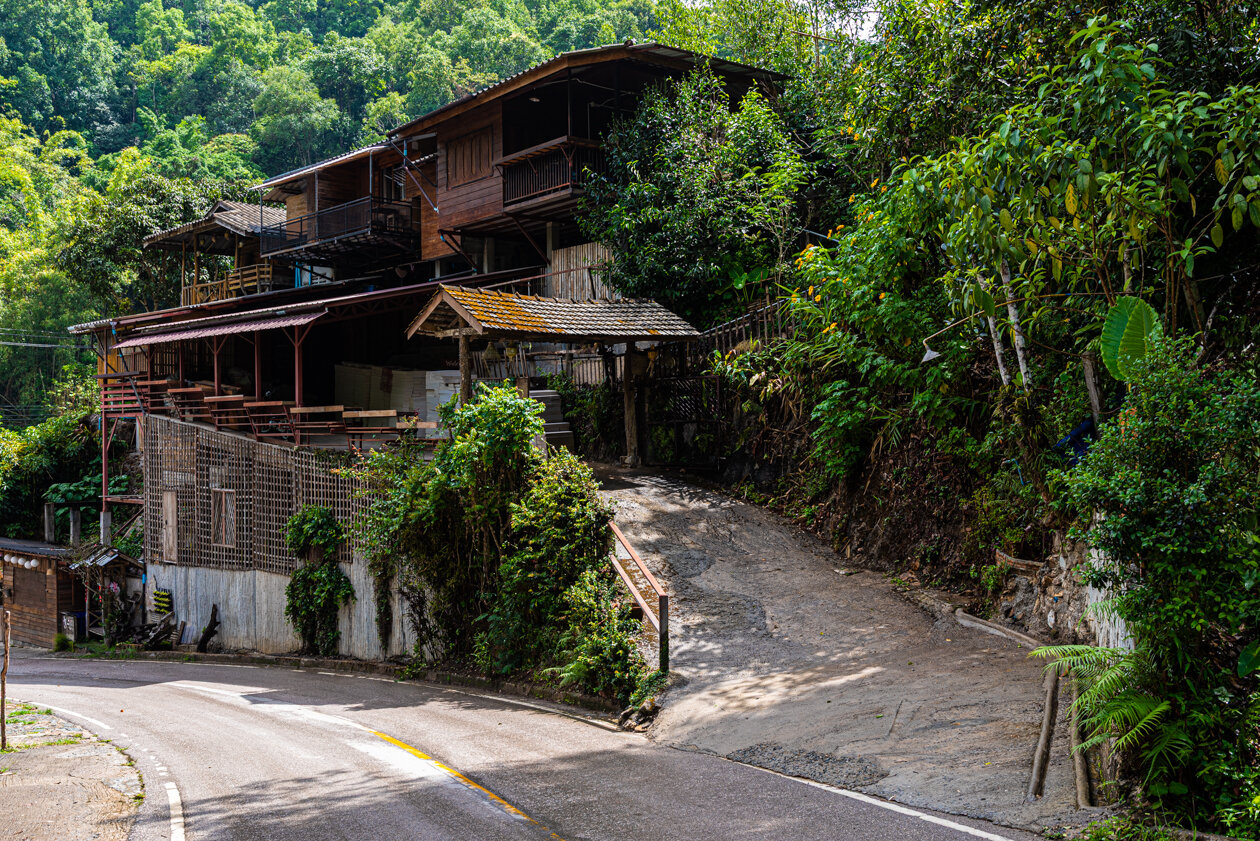
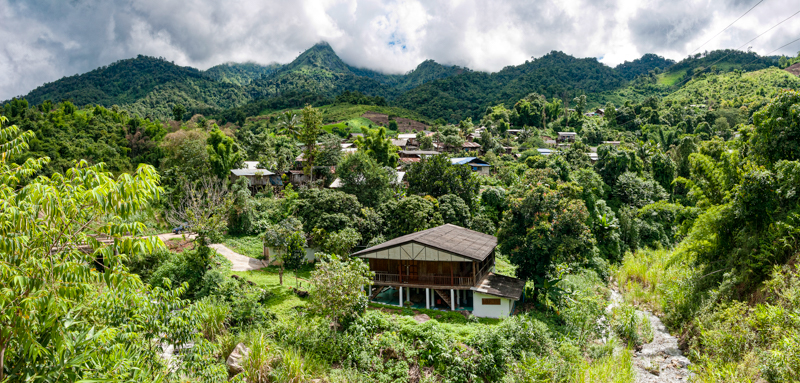
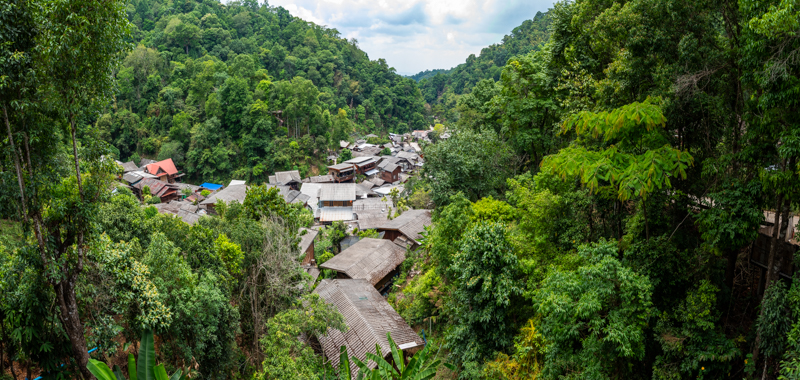
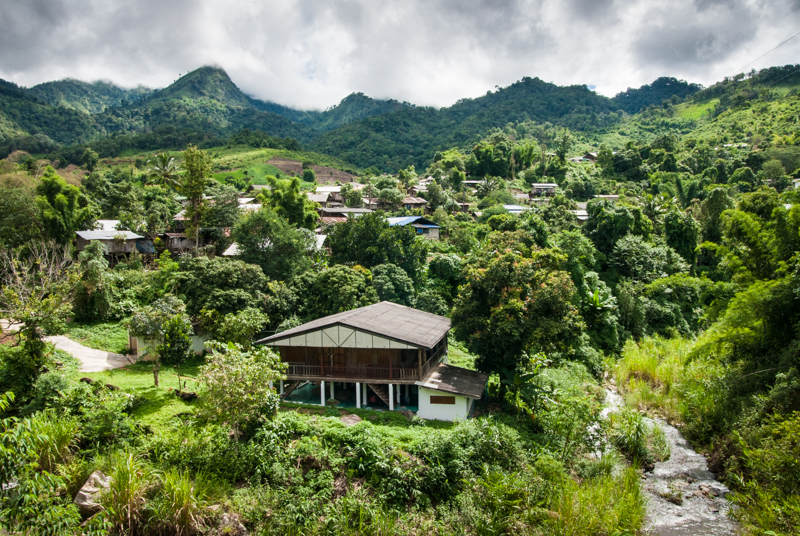
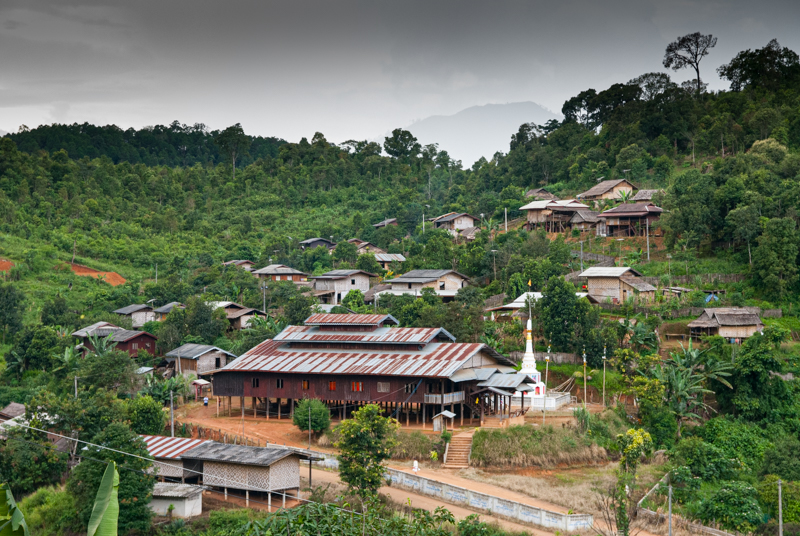
Located in the province of Chiang Mai, in northern Thailand, Mae Kam Pom is a small village perched in the heart of the mountains, surrounded by lush forests and tea and coffee plantations. This peaceful hamlet, inhabited mainly by farming families, embodies the harmony between ancestral traditions and nature conservation.
The history of Mae Kam Pom is closely linked to the region’s agricultural culture. Once isolated, the village lived mainly from rice cultivation, mountain vegetables, and the gathering of medicinal plants. Over time, the inhabitants diversified their activities by planting tea and coffee trees, taking advantage of the altitude and cool climate, which are conducive to high-quality production. This agricultural evolution has allowed the village to prosper while remaining faithful to a simple and environmentally friendly way of life.
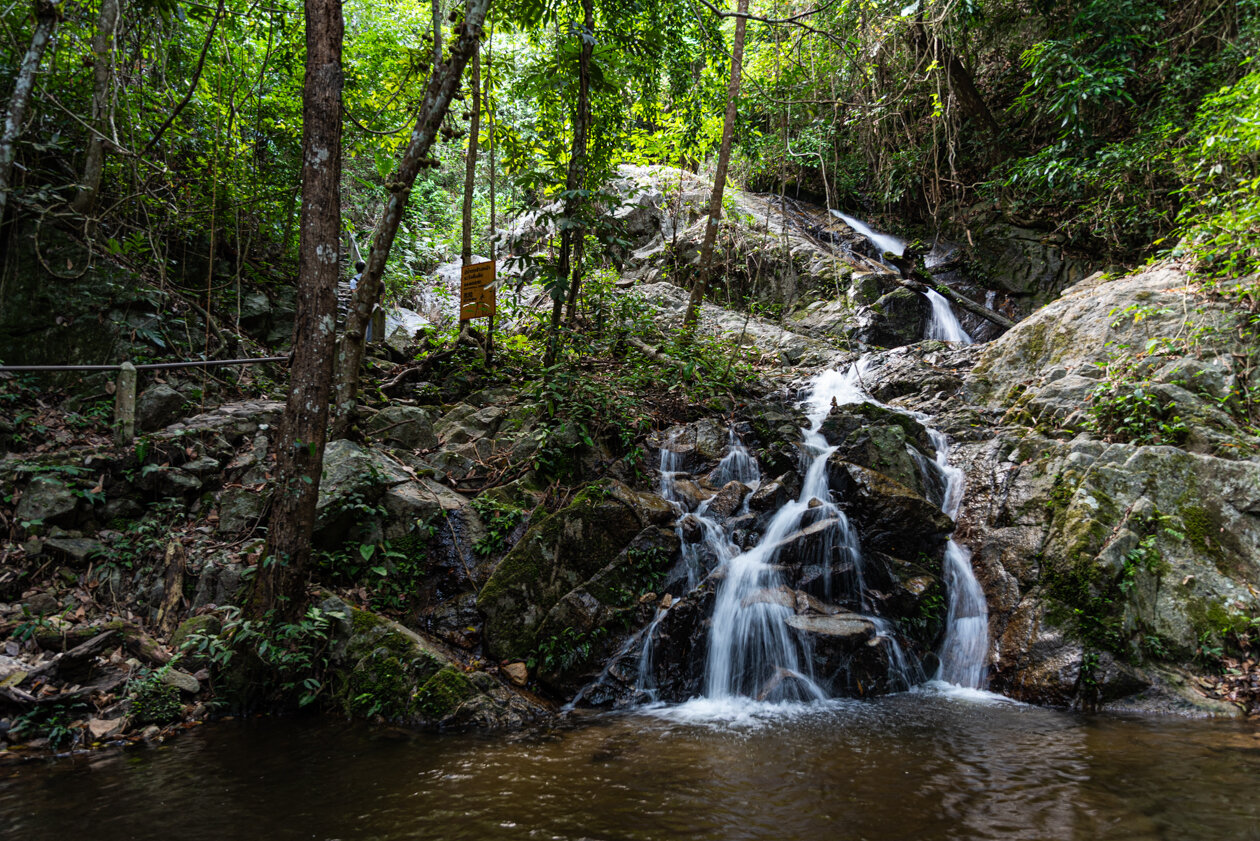
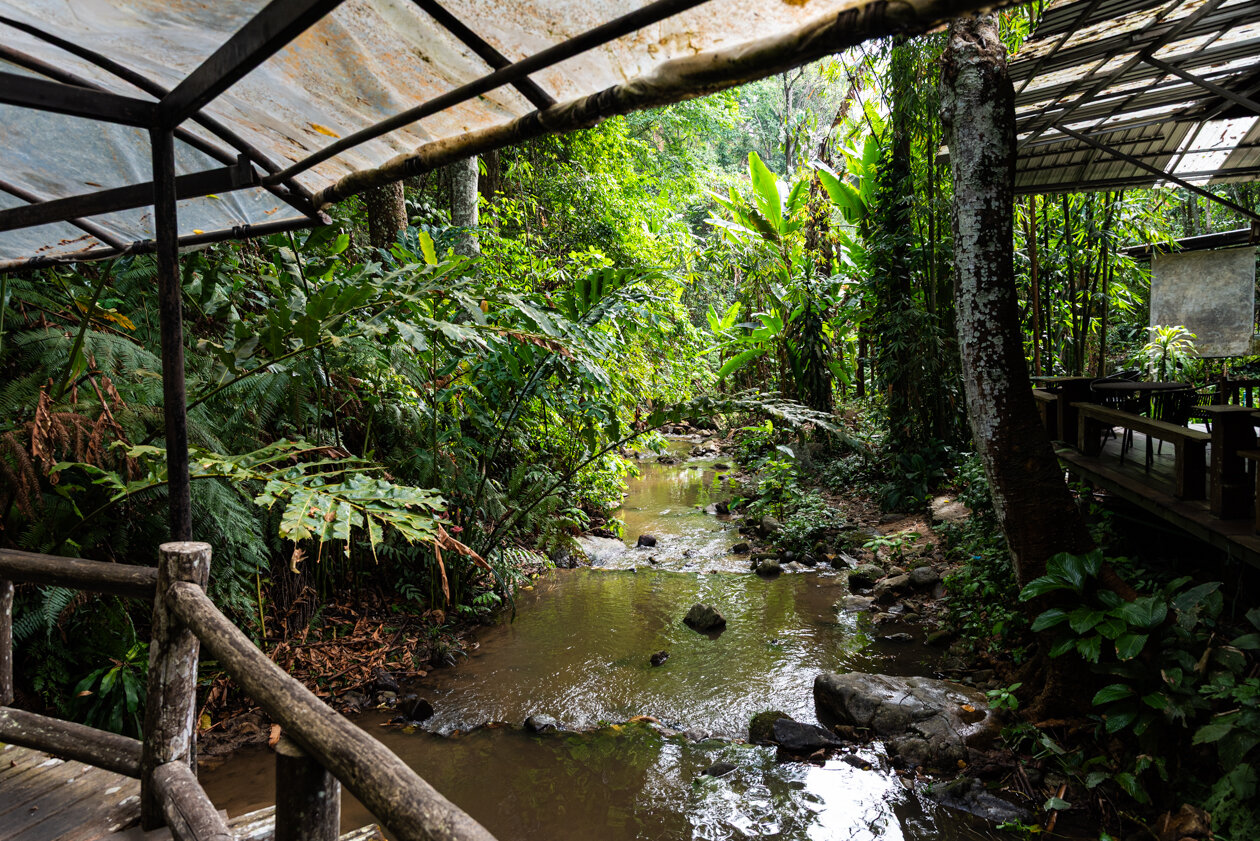
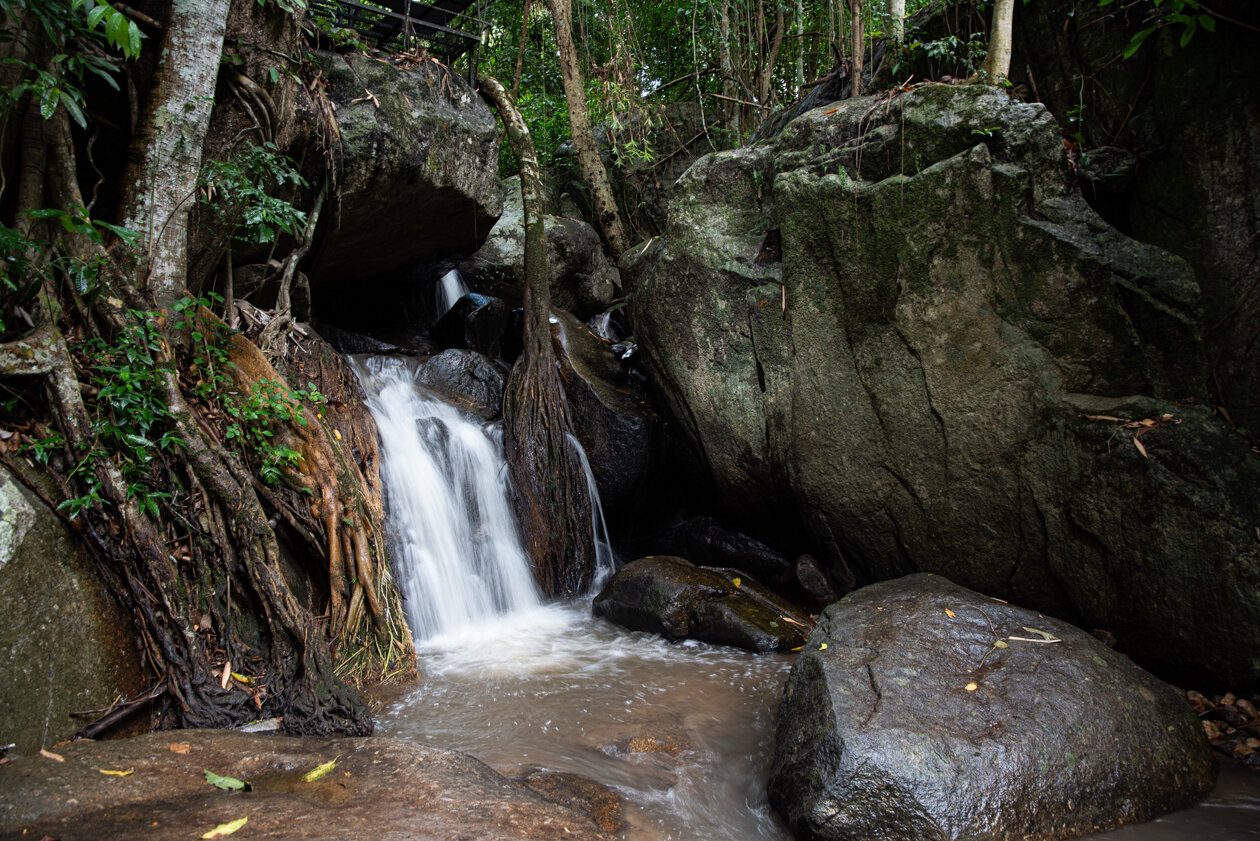
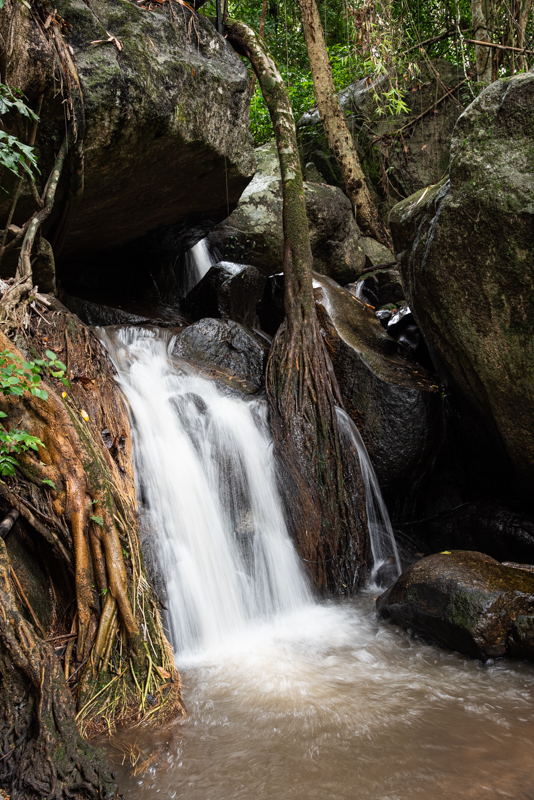
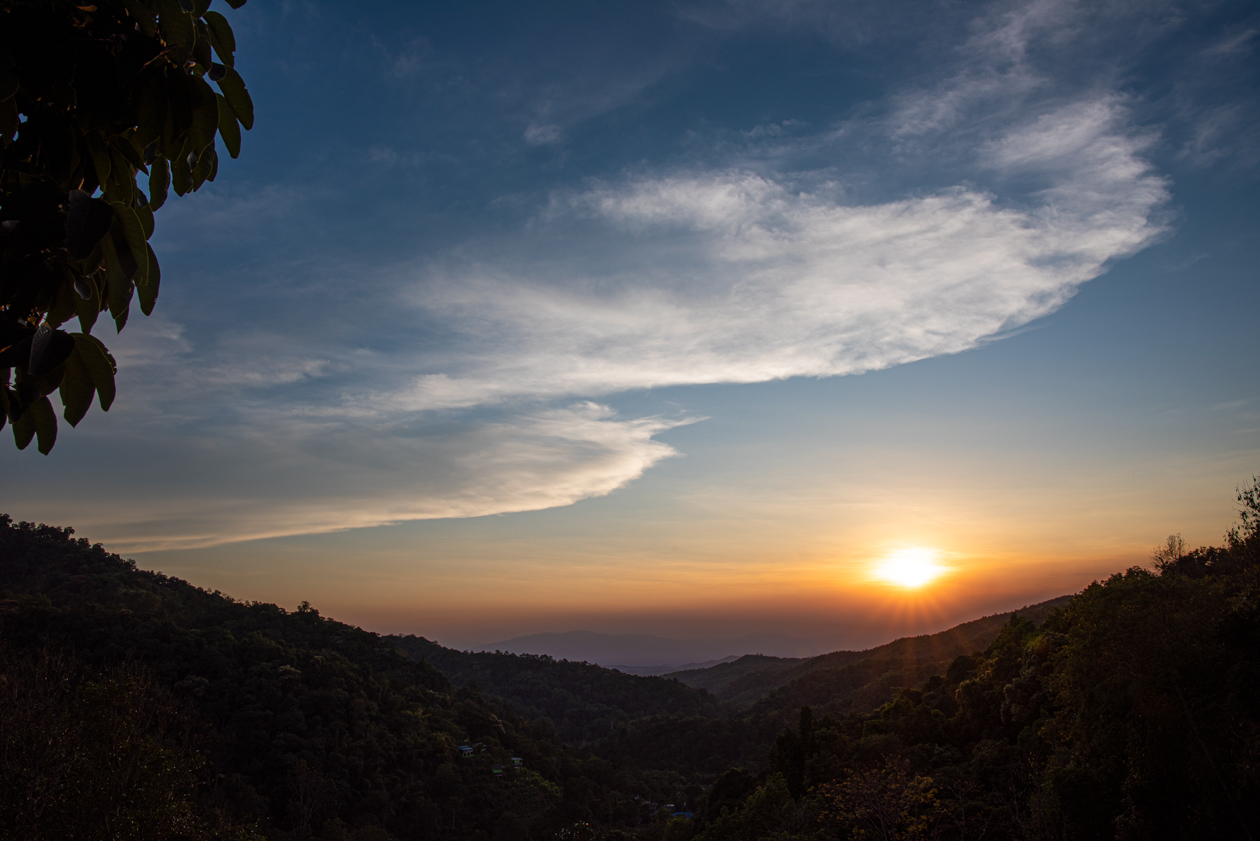
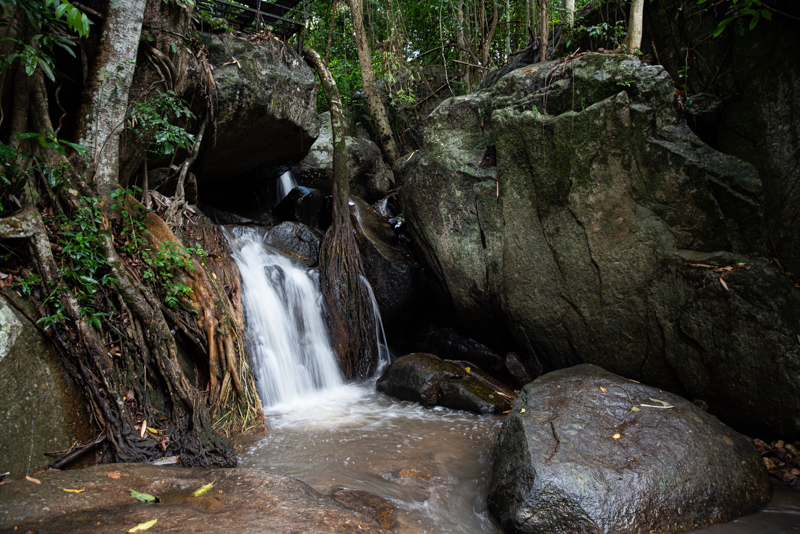
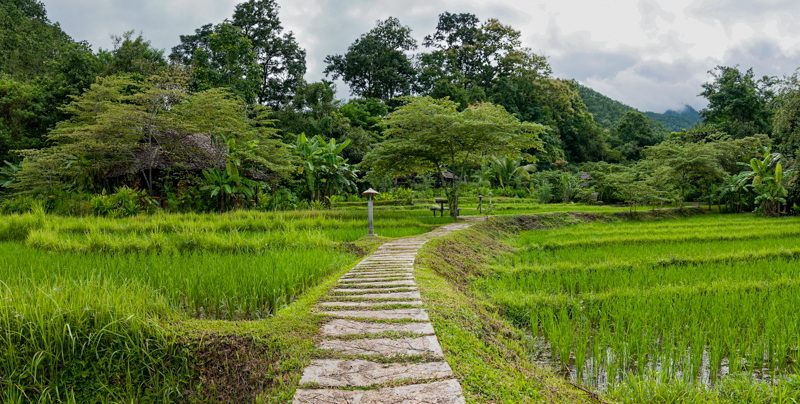
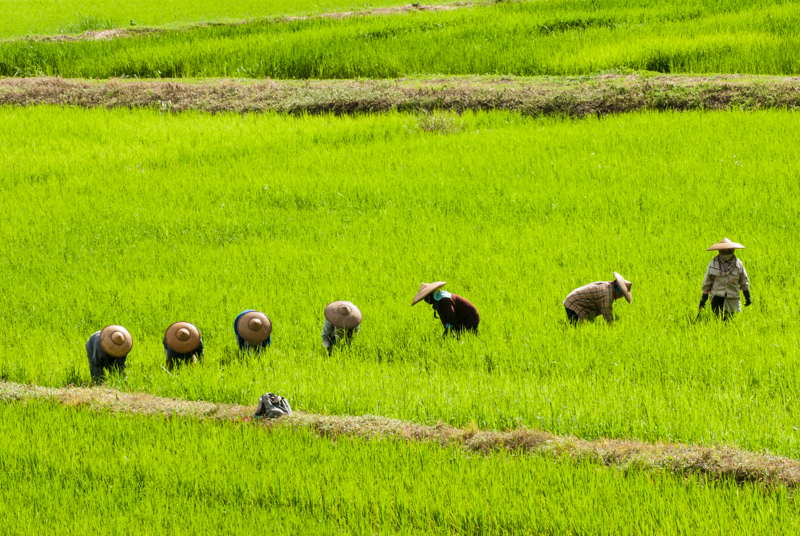
The landscape of Mae Kam Pom reflects this history. The green hills are dotted with terraced rice fields, evidence of local expertise passed down through generations. The Mae Kam Pom River winds through the valley, bringing water and fertility to the crops. The surrounding forests, protected by the community, are home to exceptional biodiversity, with waterfalls, shaded trails, and panoramic views of the mountains.
Today, Mae Kam Pom attracts visitors seeking serenity and authenticity. Ecotourism plays an increasingly important role here: travelers can stay with local residents, participate in tea or coffee harvests, and discover traditional agricultural practices.
From the capital of the Lanna Kingdom to the dynamic crossroads of northern Thailand, Chiang Mai embodies the story of a city that, while evolving, has never lost its soul. Its strategic position, once defensive and commercial, is now an asset for tourism, the economy, and international trade, confirming its role as a link between the country’s past and future.

Mae Hong Son: between borders, cultures, and mountains.

Nestled in a steep-sided valley in northwestern Thailand, close to the Burmese border, Mae Hong Son is a province and city with a unique history. Surrounded by high, forest-covered mountains, it was isolated from the rest of the country for a long time. This geographical position, both protective and strategic, shaped its role in Thai history and its unique cultural identity.

A foundation with military and commercial origins.

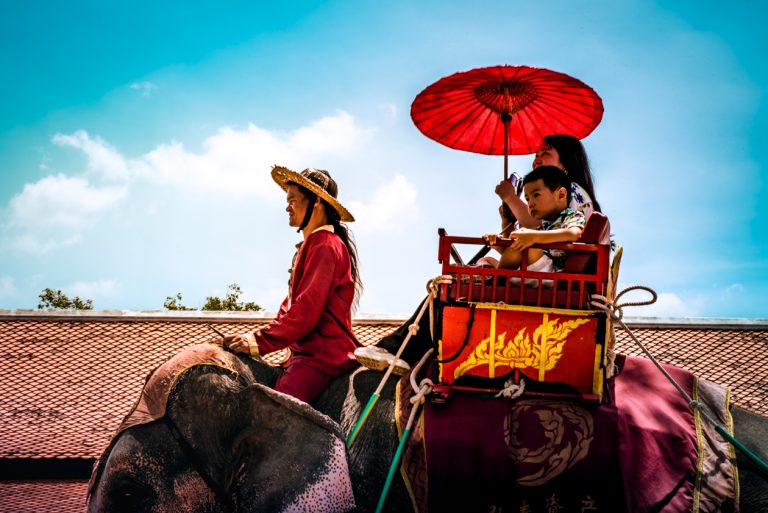
The history of Mae Hong Son dates back to the 19th century, when King Kawila of Chiang Mai, allied with the Kingdom of Siam, decided to secure the border areas against Burmese incursions. He sent elephant hunters and settlers to this fertile valley to populate and exploit it. The captured elephants were trained and used for transport and warfare, making the region a strategic asset for the kingdom of Lanna.
Thanks to its proximity to Burma, Mae Hong Son quickly became a checkpoint for trade and cross-border routes. The surrounding mountains provided natural protection, but also made access from Chiang Mai difficult, reinforcing its role as an outpost on the kingdom’s borders.

A crossroads of border cultures.

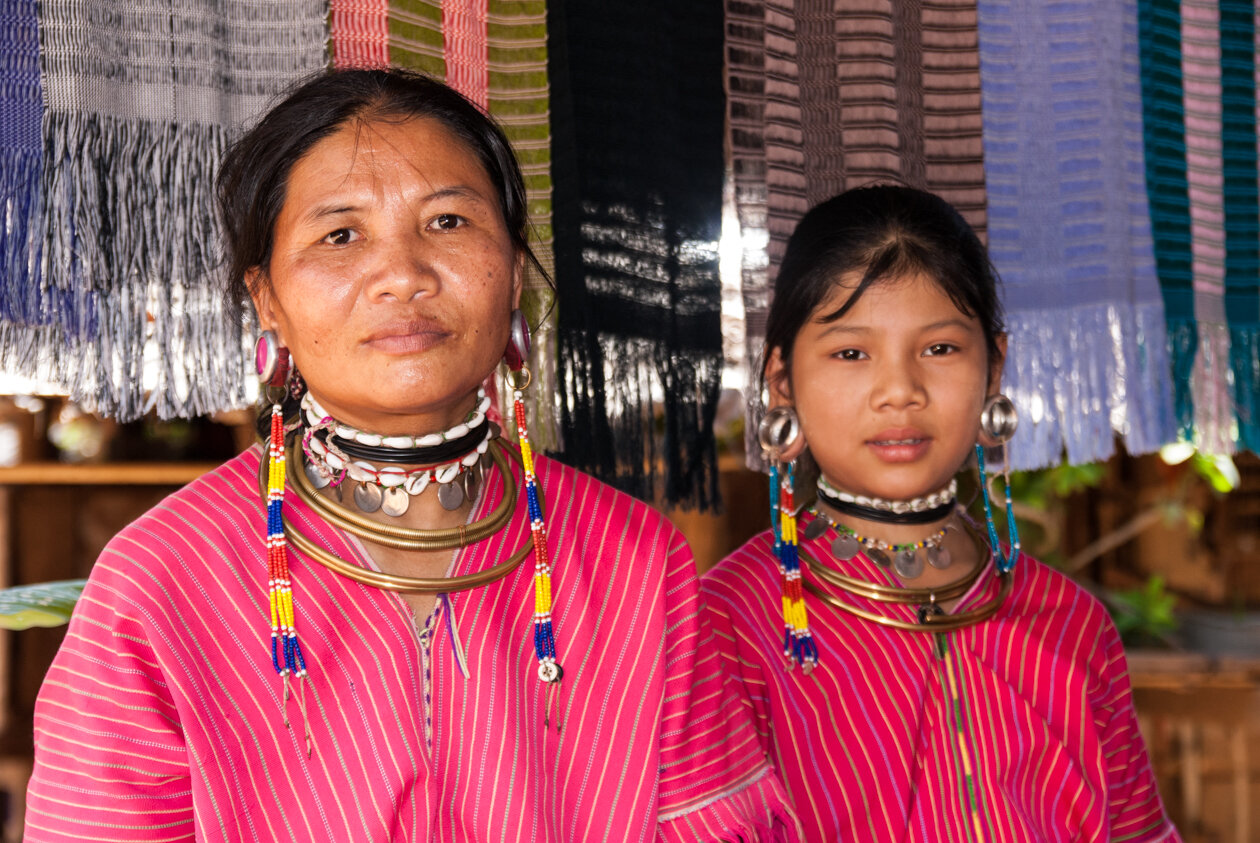
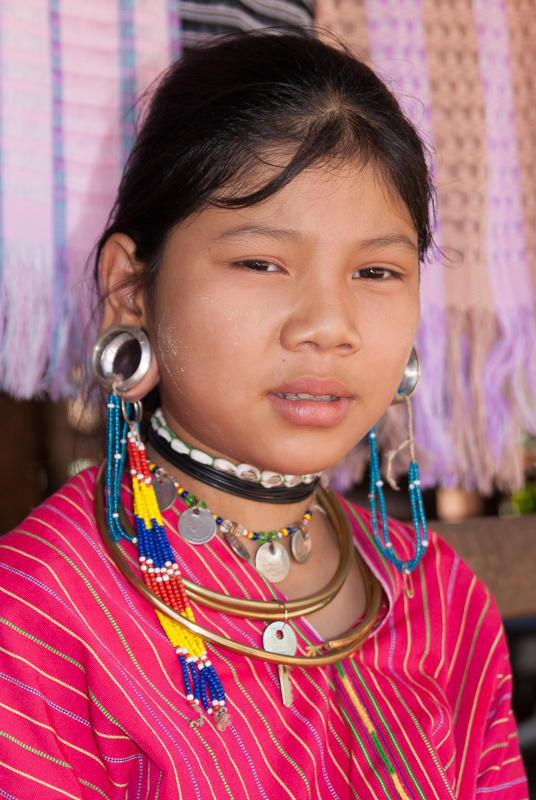
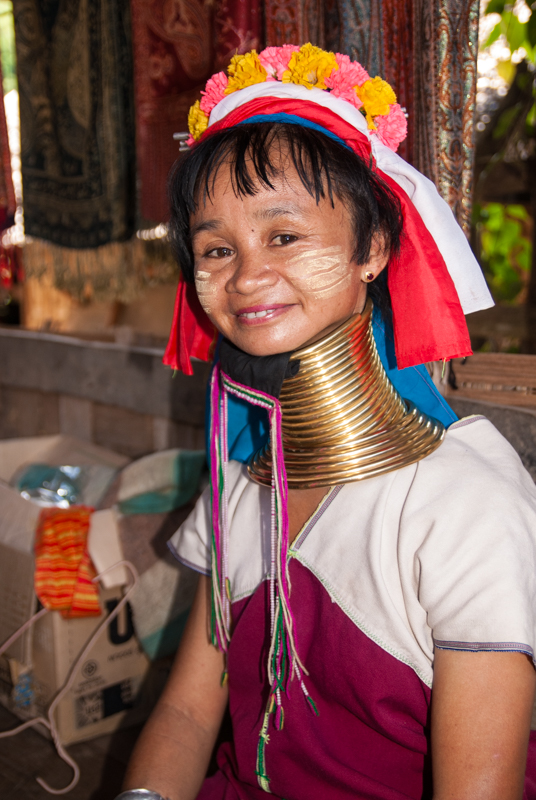
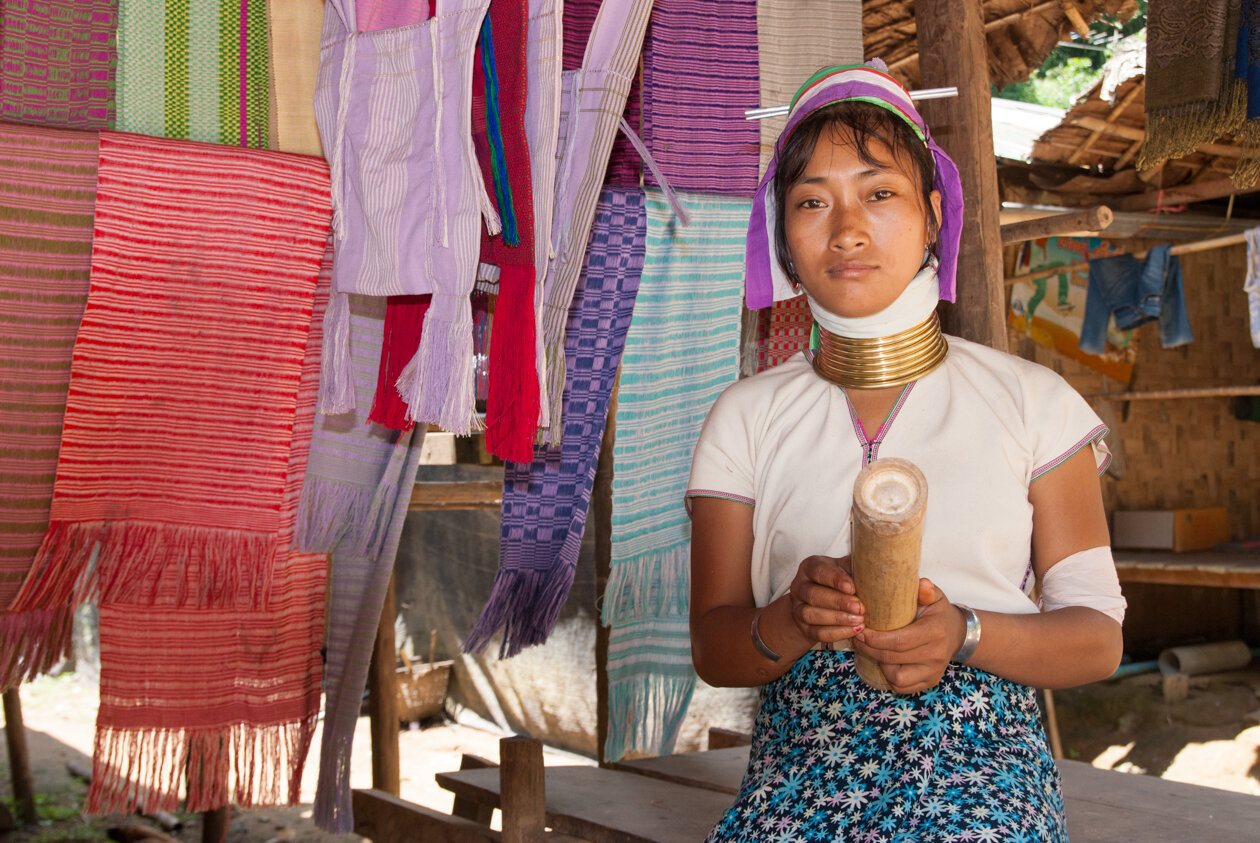
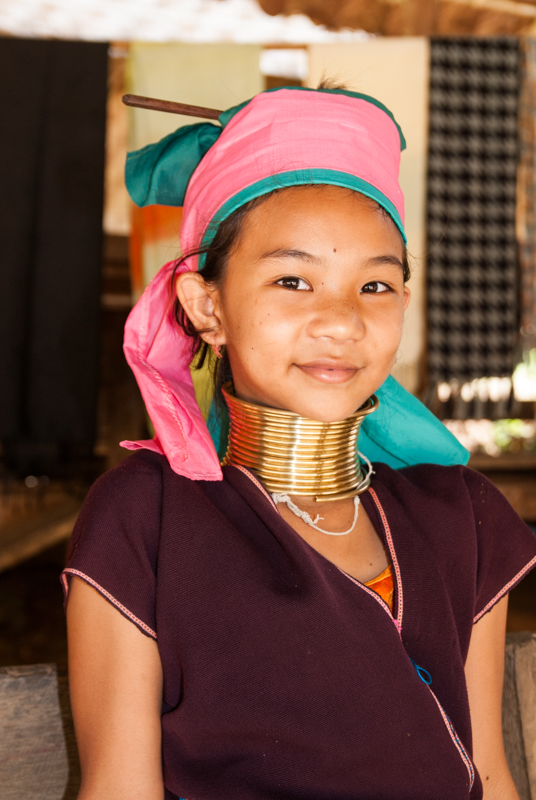
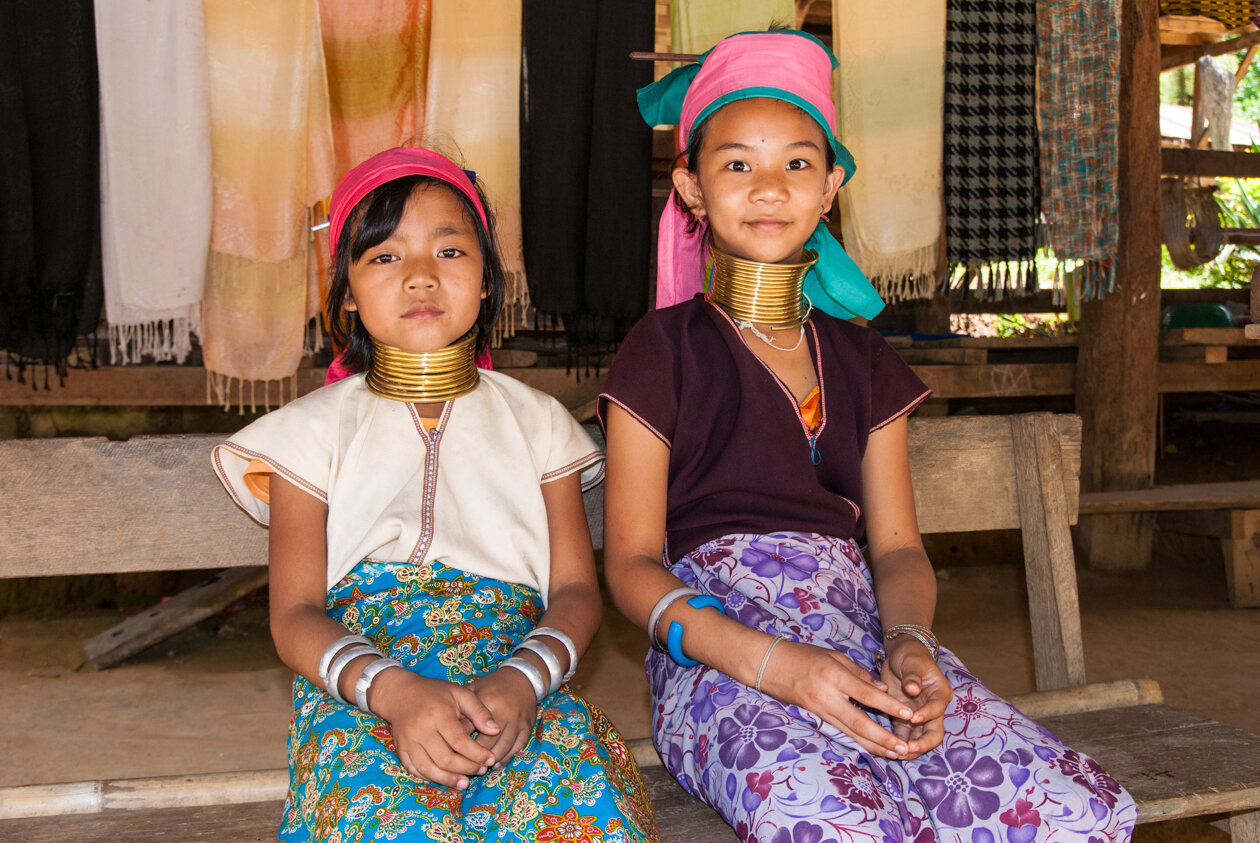
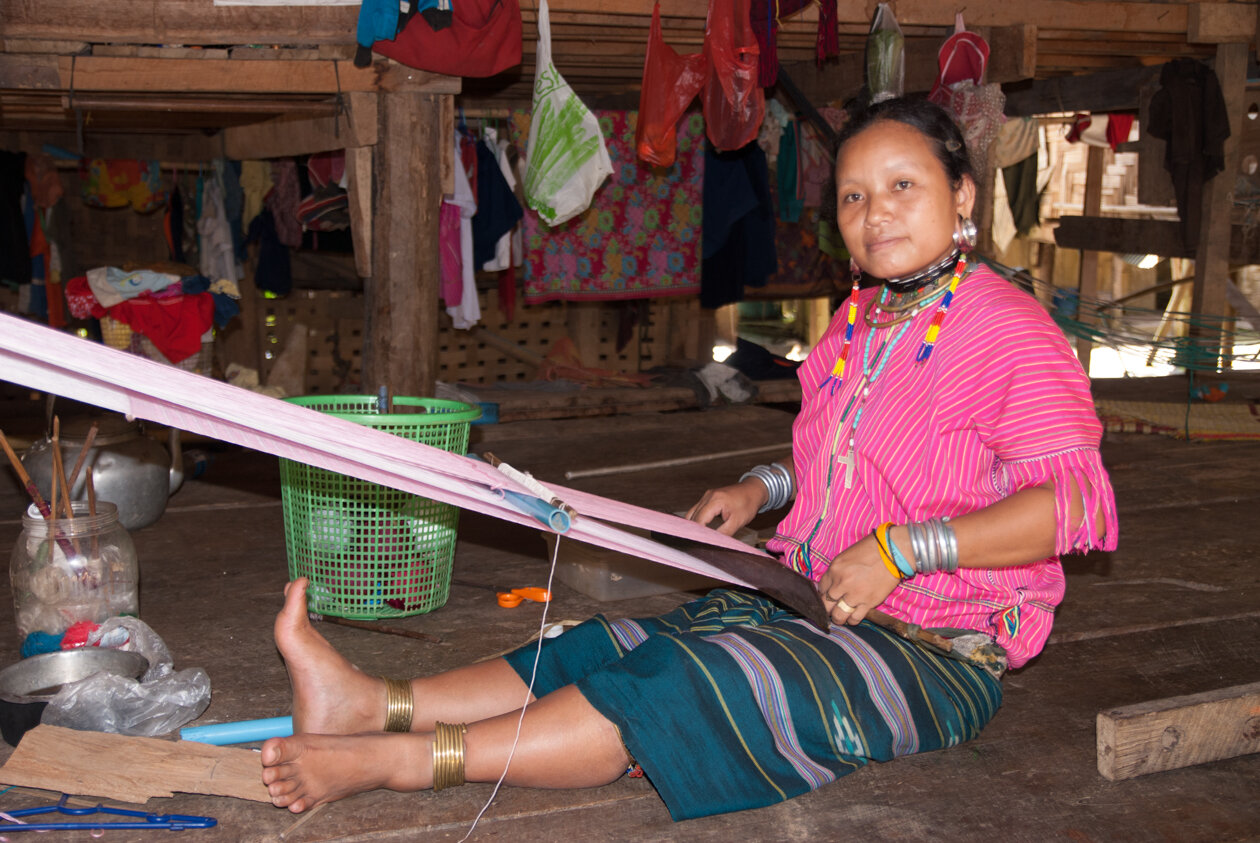
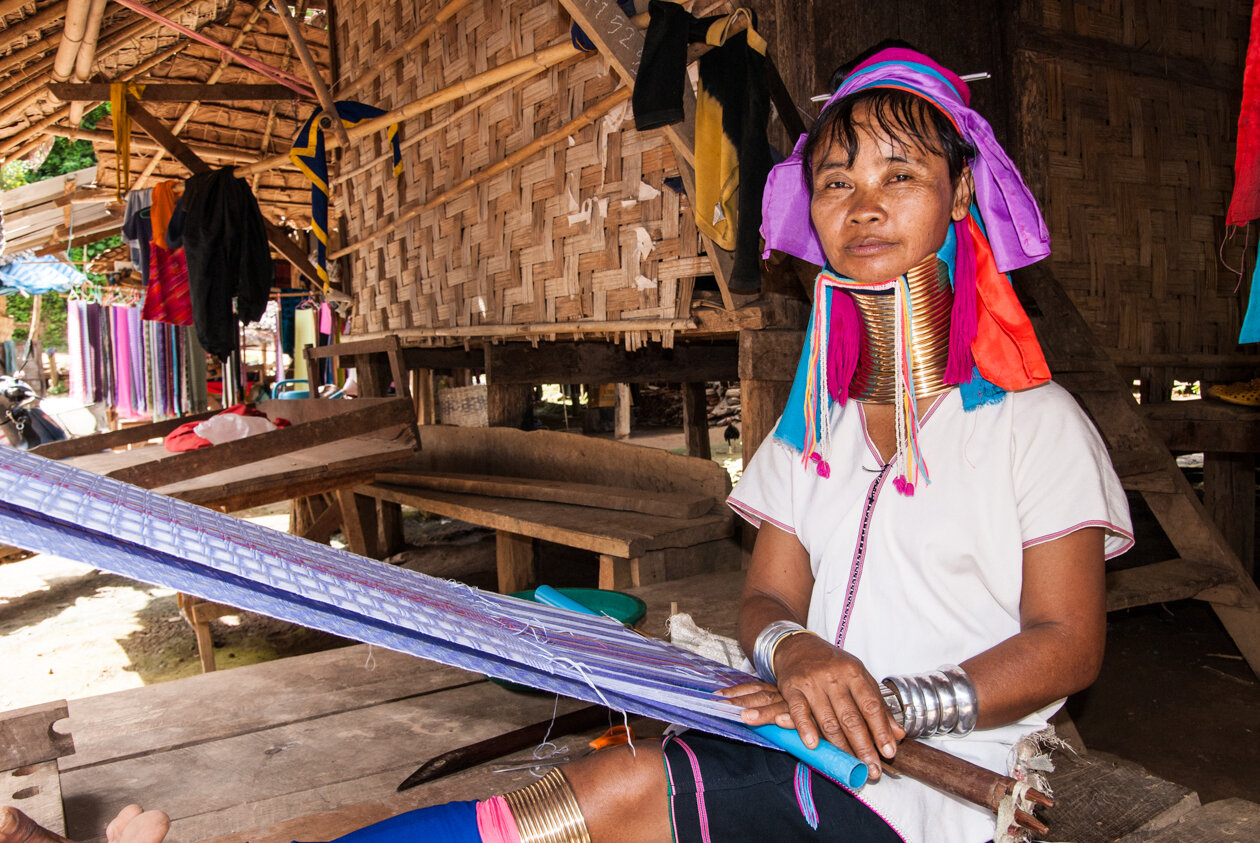
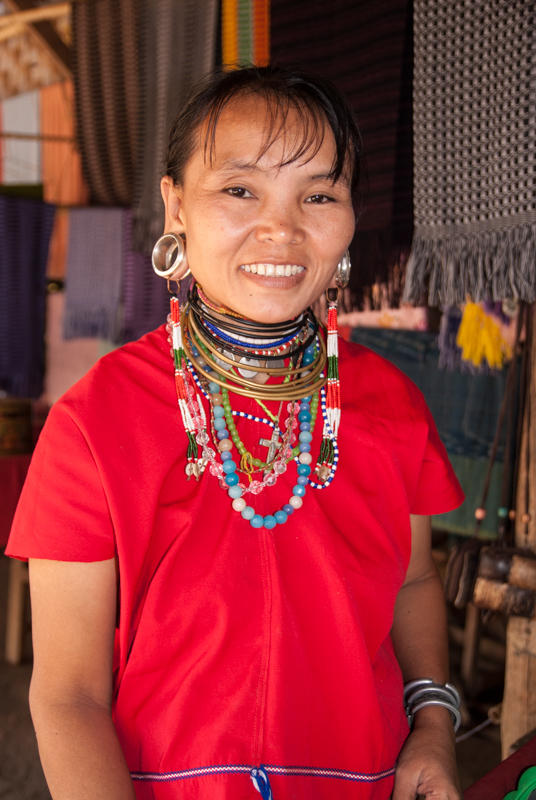
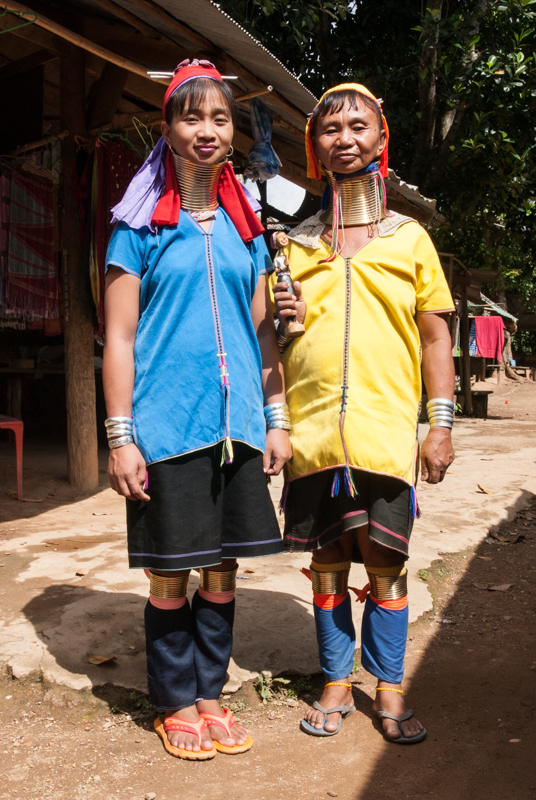
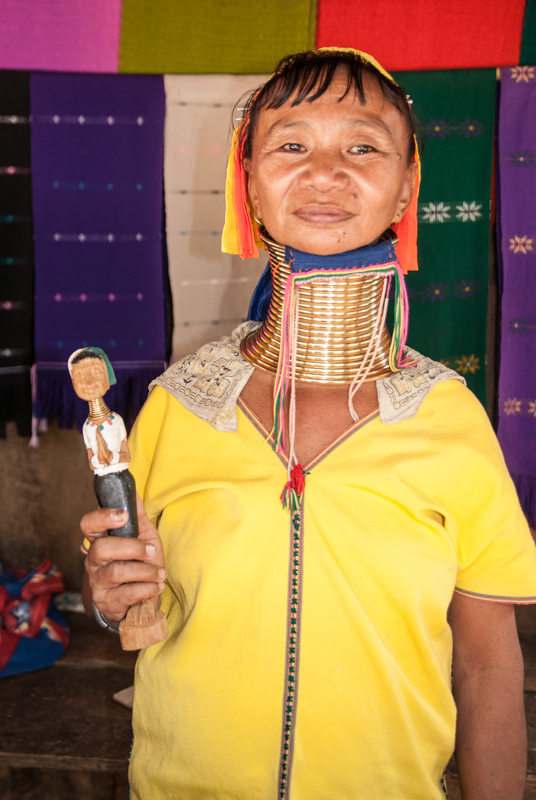
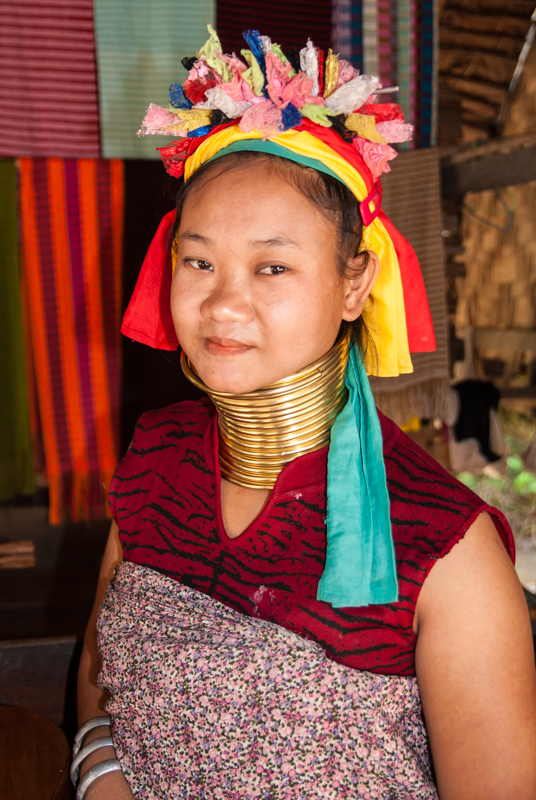
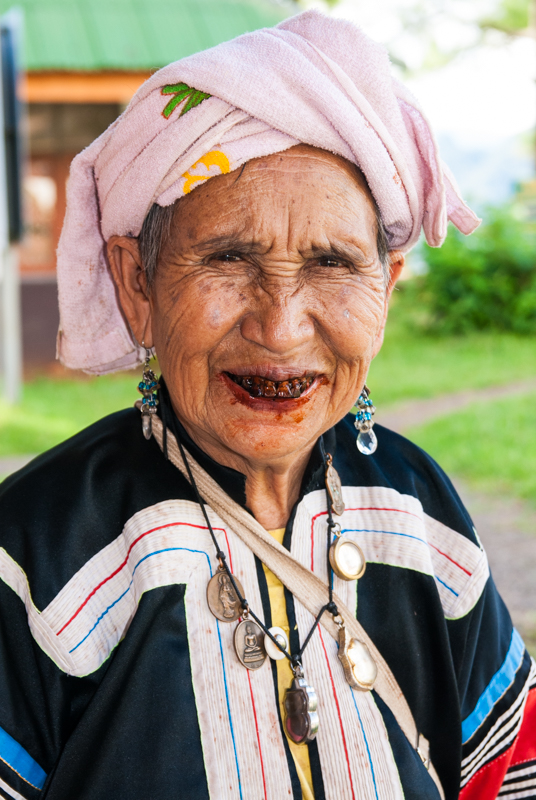
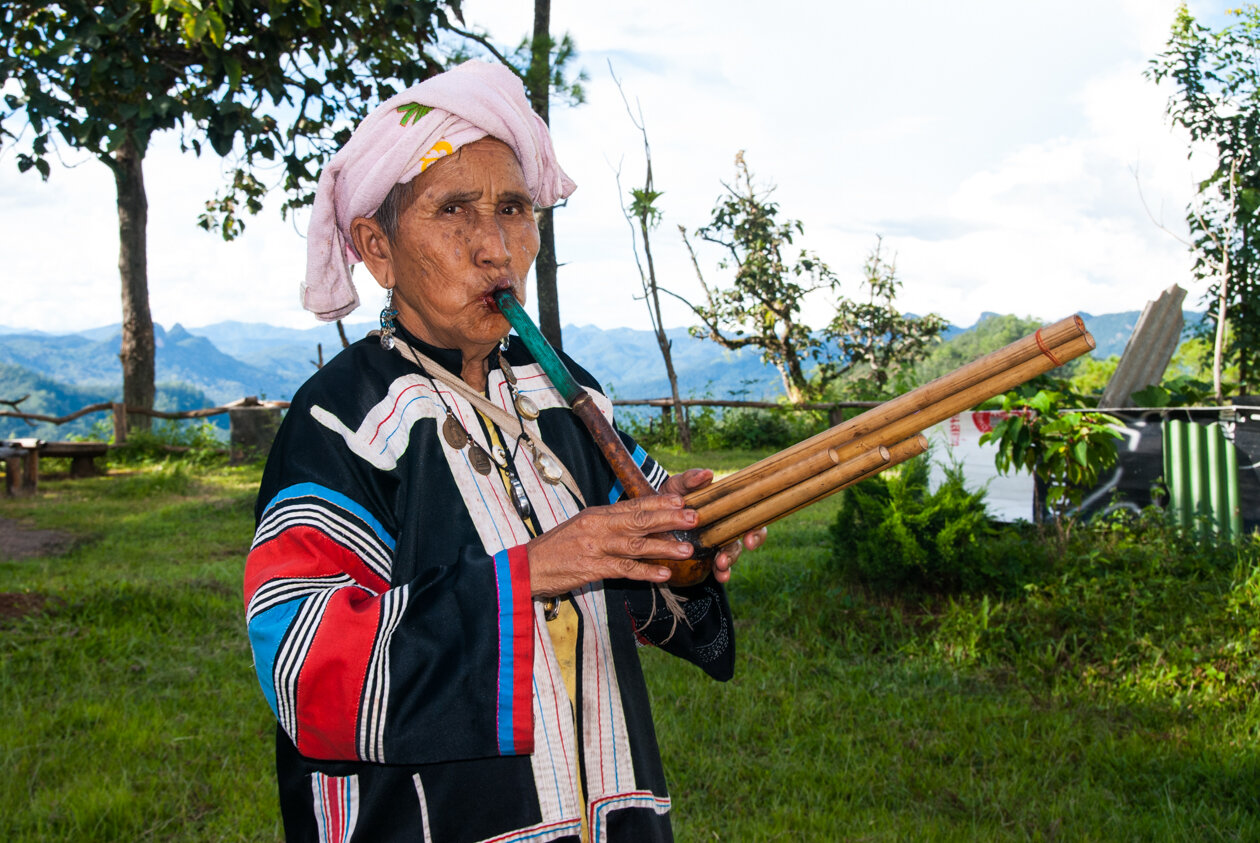
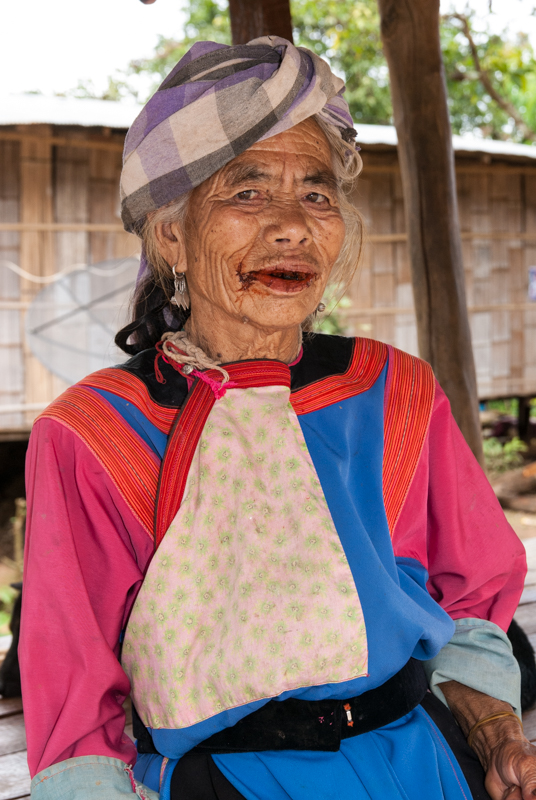
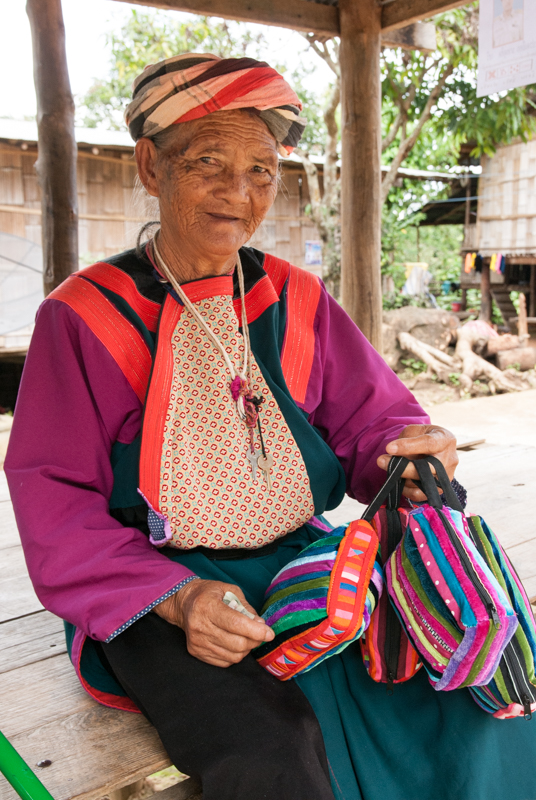
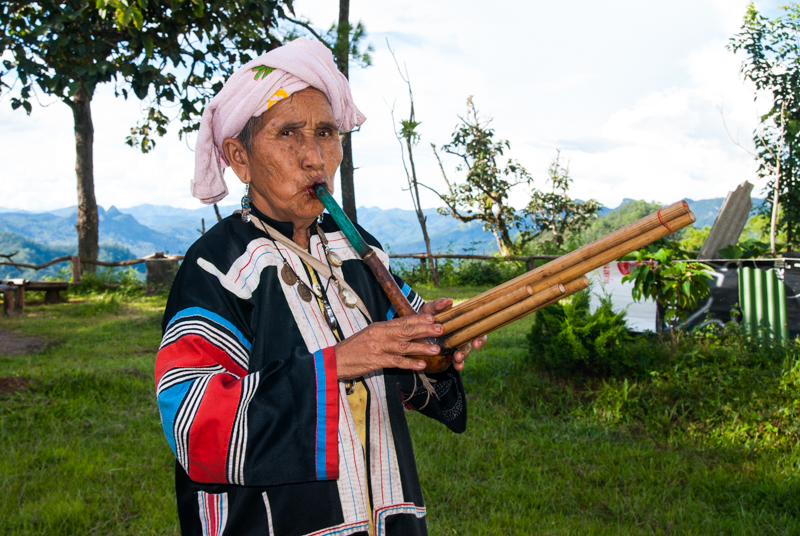
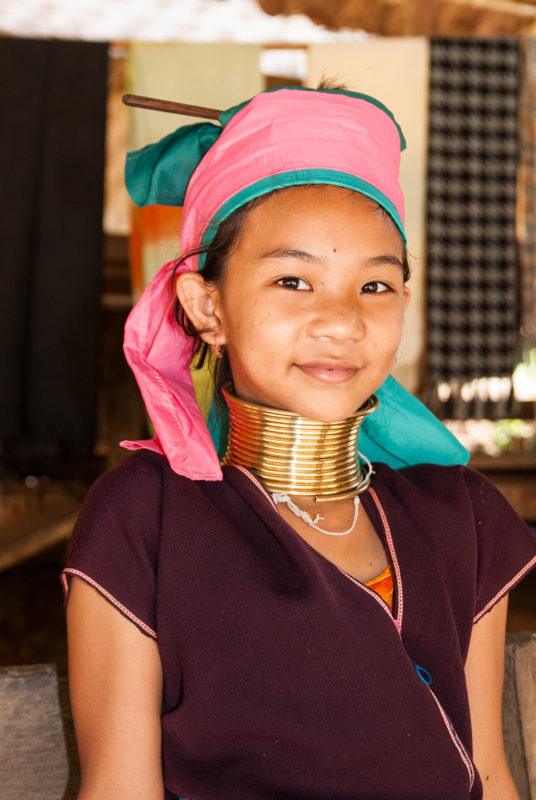
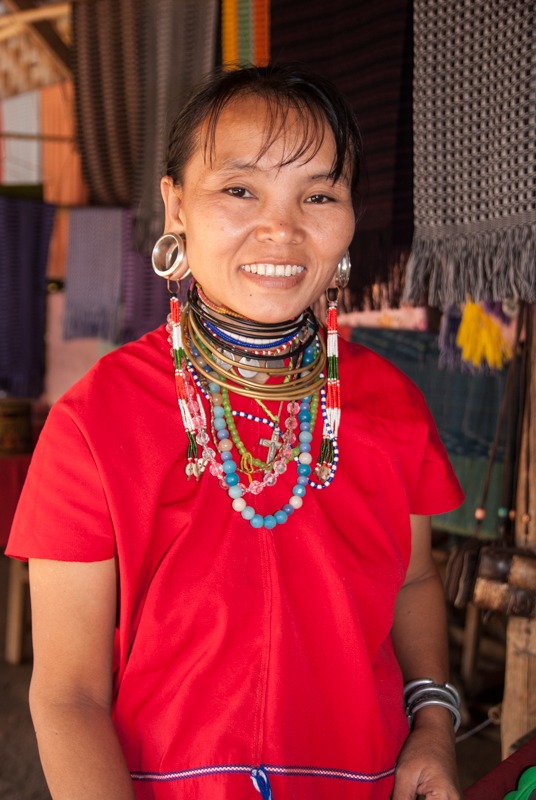
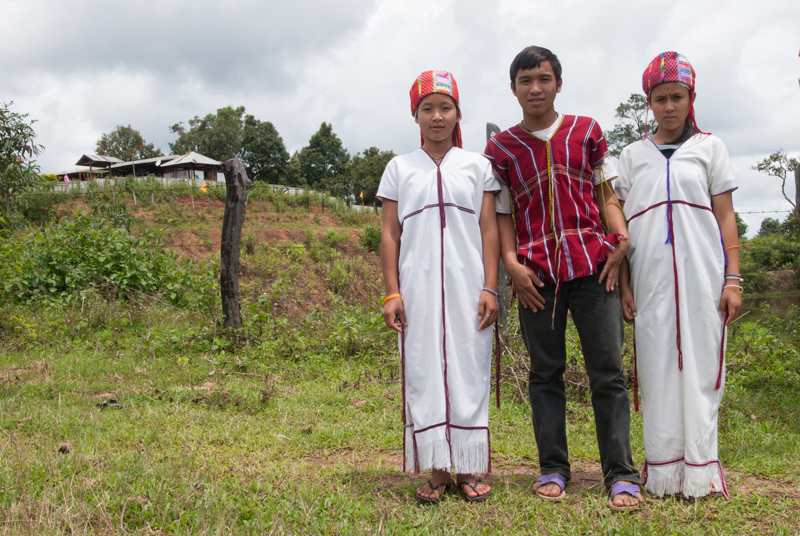
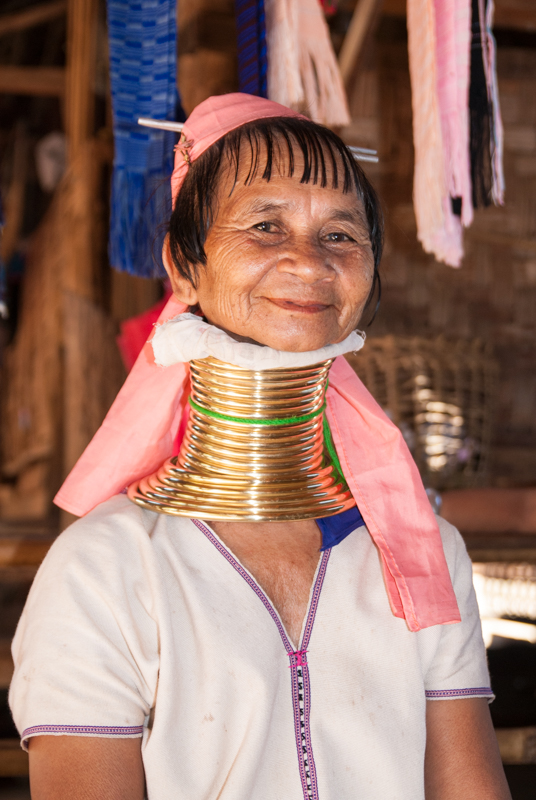
Mae Hong Son is distinguished by its cosmopolitan population, the result of centuries of migration. Among the most notable are the Shan (or Tai Yai) and Karen tribes, who came from Burma, as well as the famous Padaung giraffe women, who belong to the Kayan subgroup. These communities, driven out by conflict or seeking new lands, settled in the surrounding valleys and mountains.
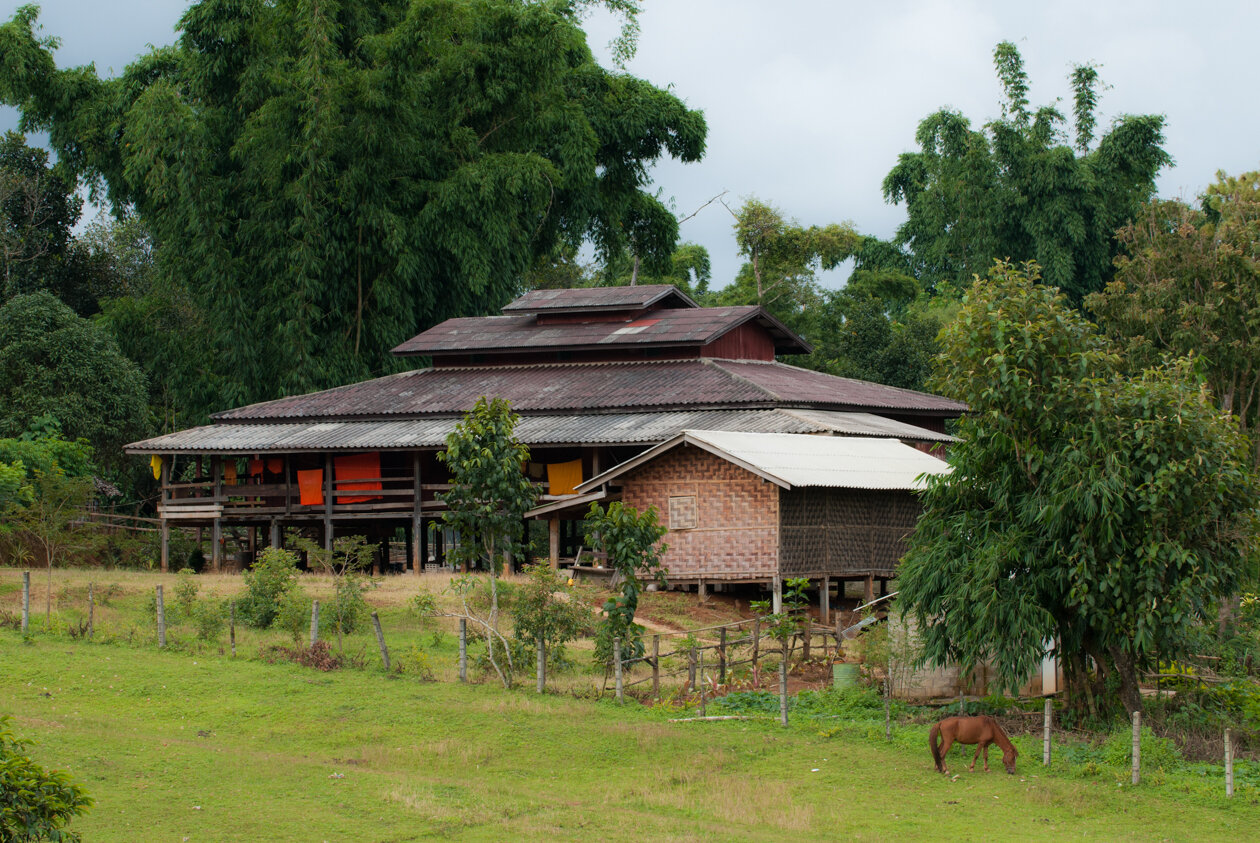
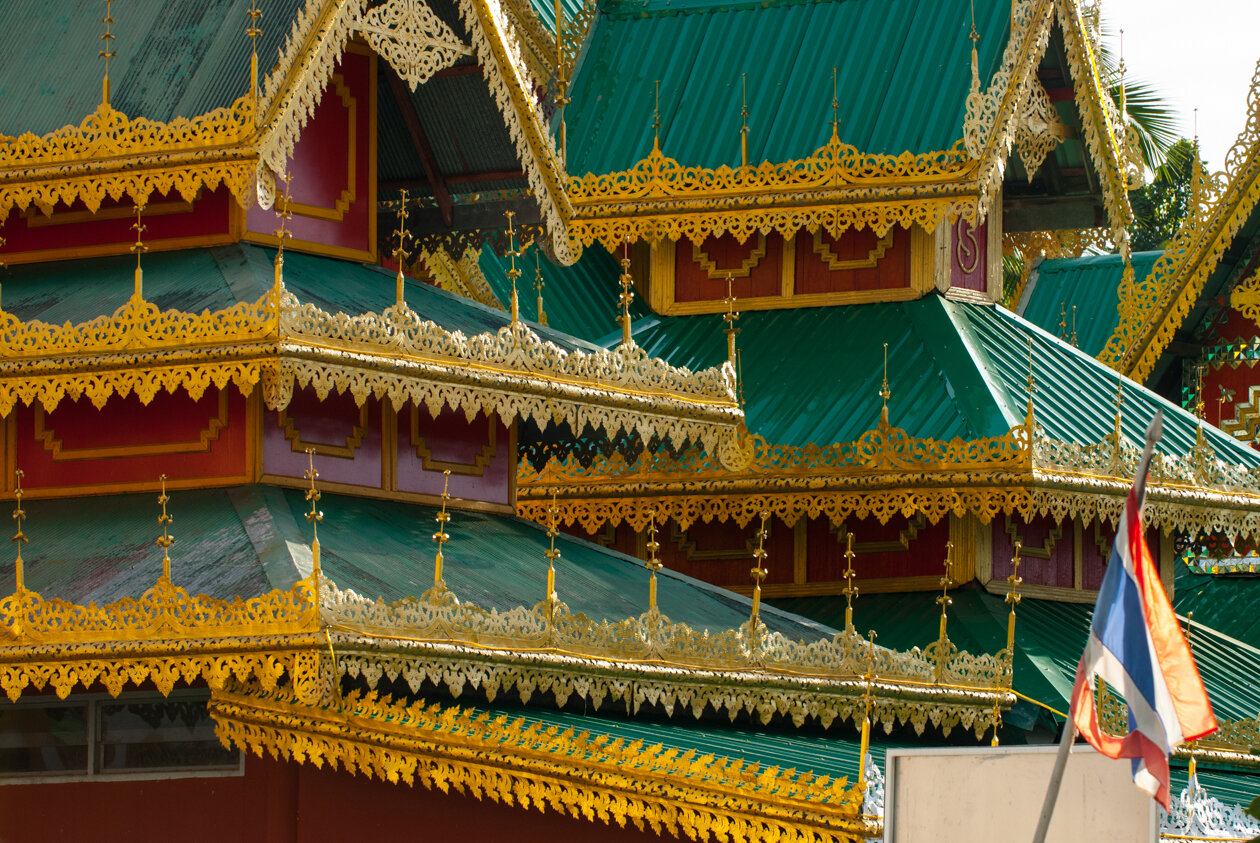
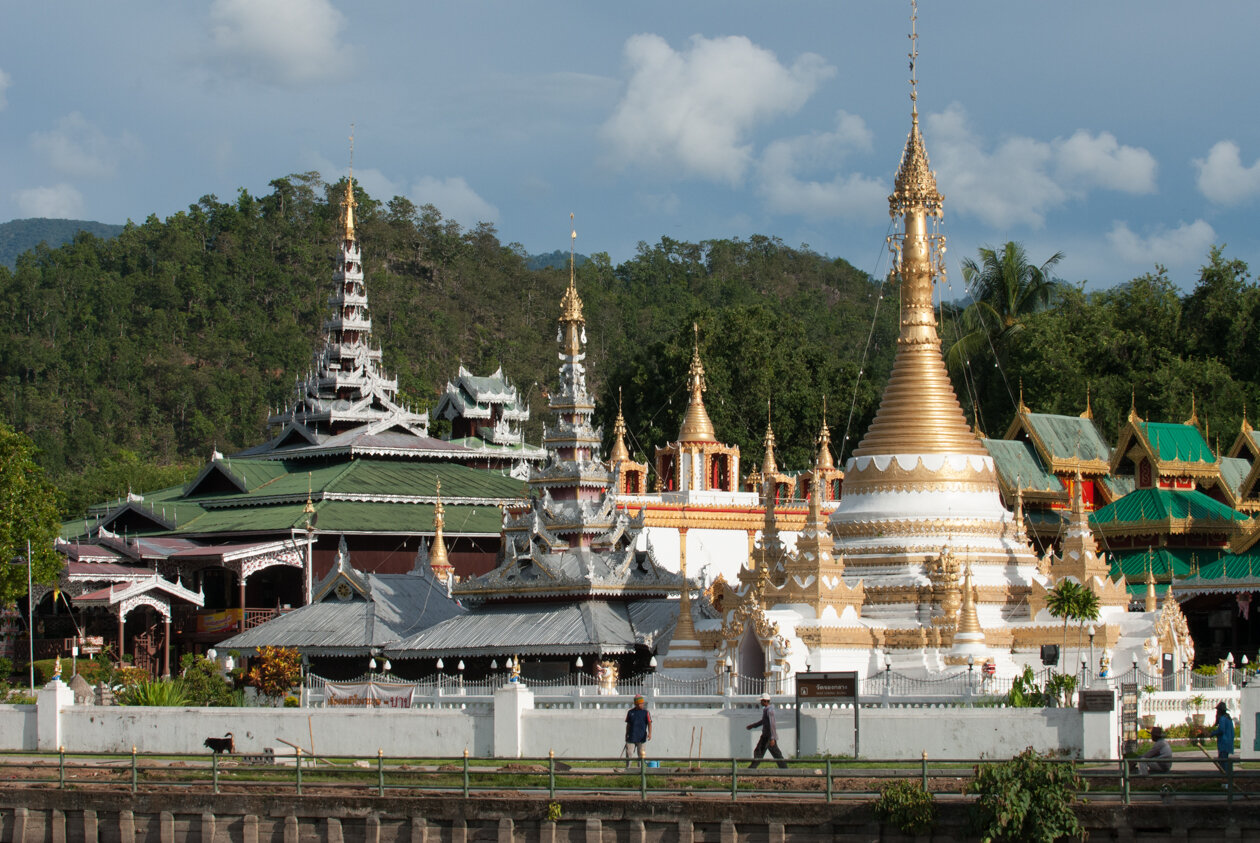
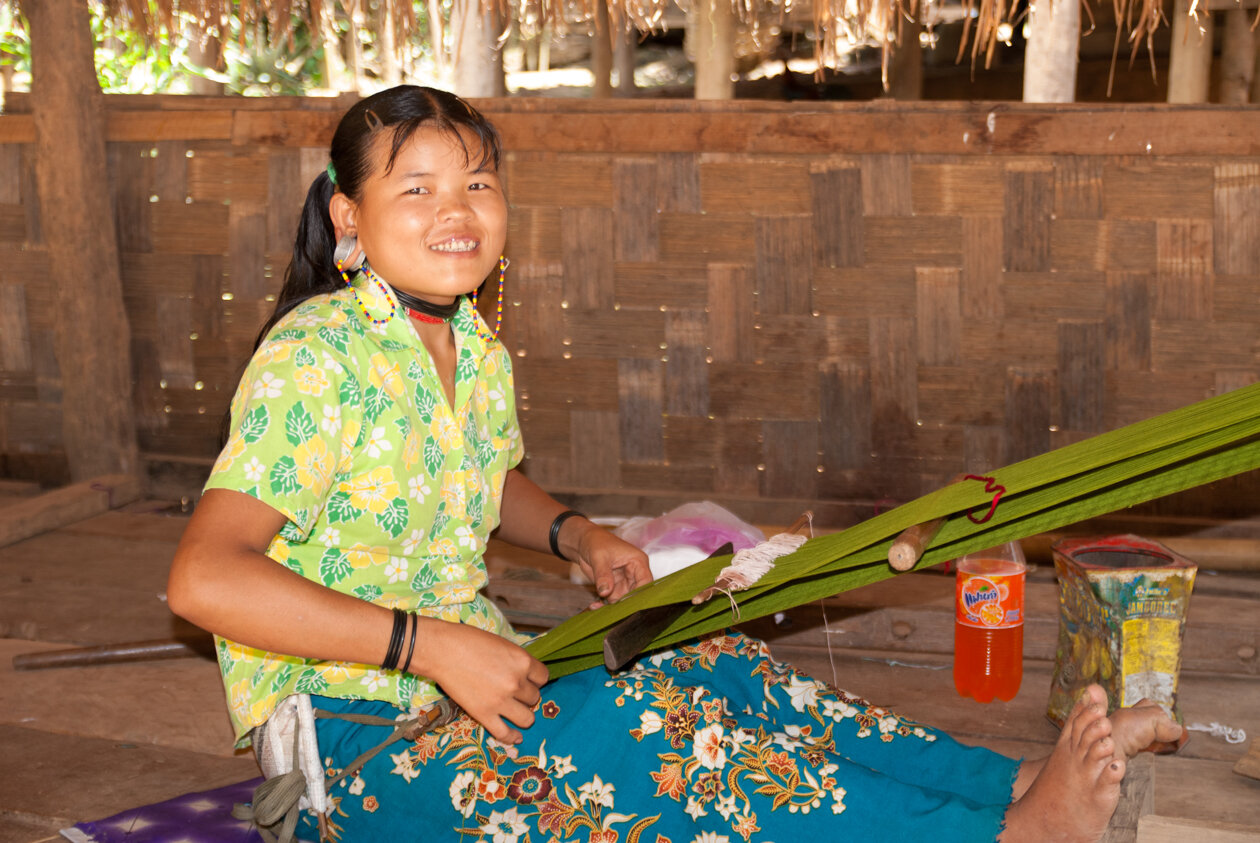
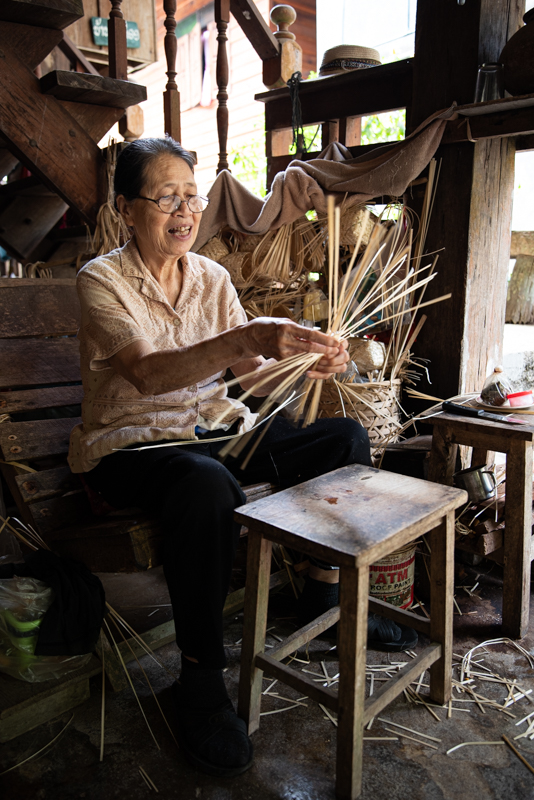
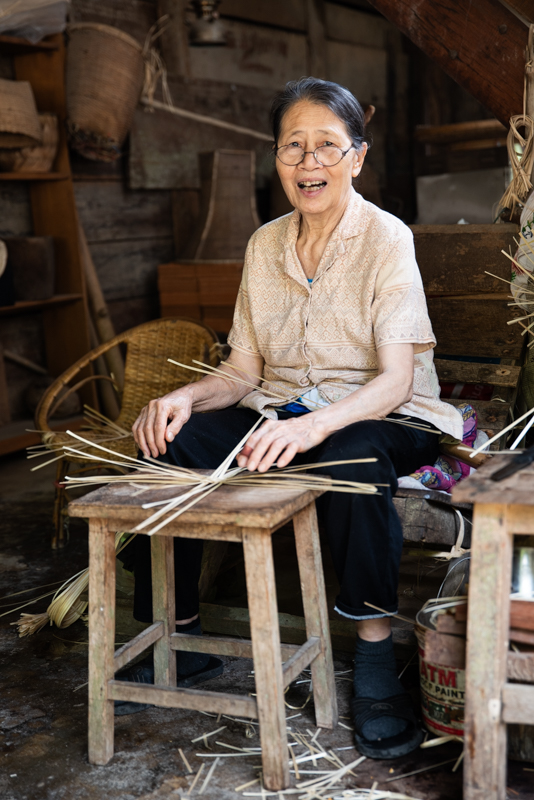
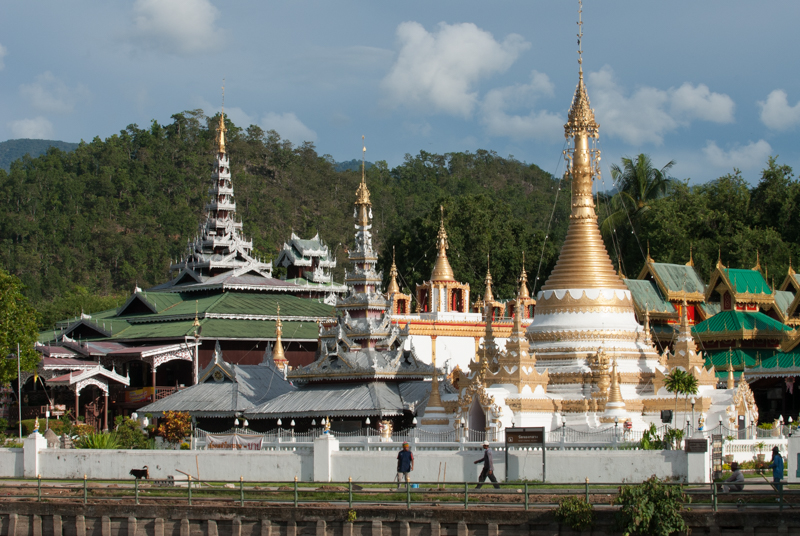
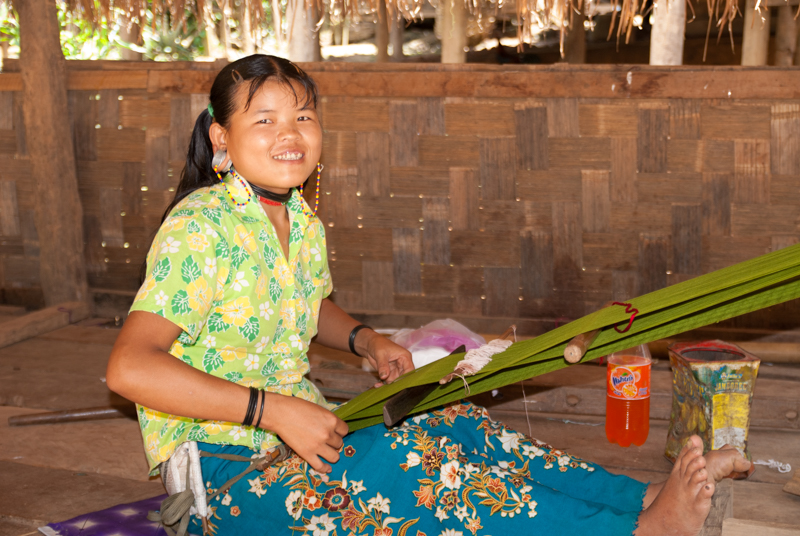
Their cultural contribution is considerable. The Shan brought their distinctive architecture, notably temples with finely carved, tiered roofs, such as Wat Chong Kham and Wat Chong Klang, which reflect Burmese influence. The Karen, meanwhile, introduced craft skills such as weaving colorful textiles, passed down from generation to generation.

Agricultural wealth brought by migrants.

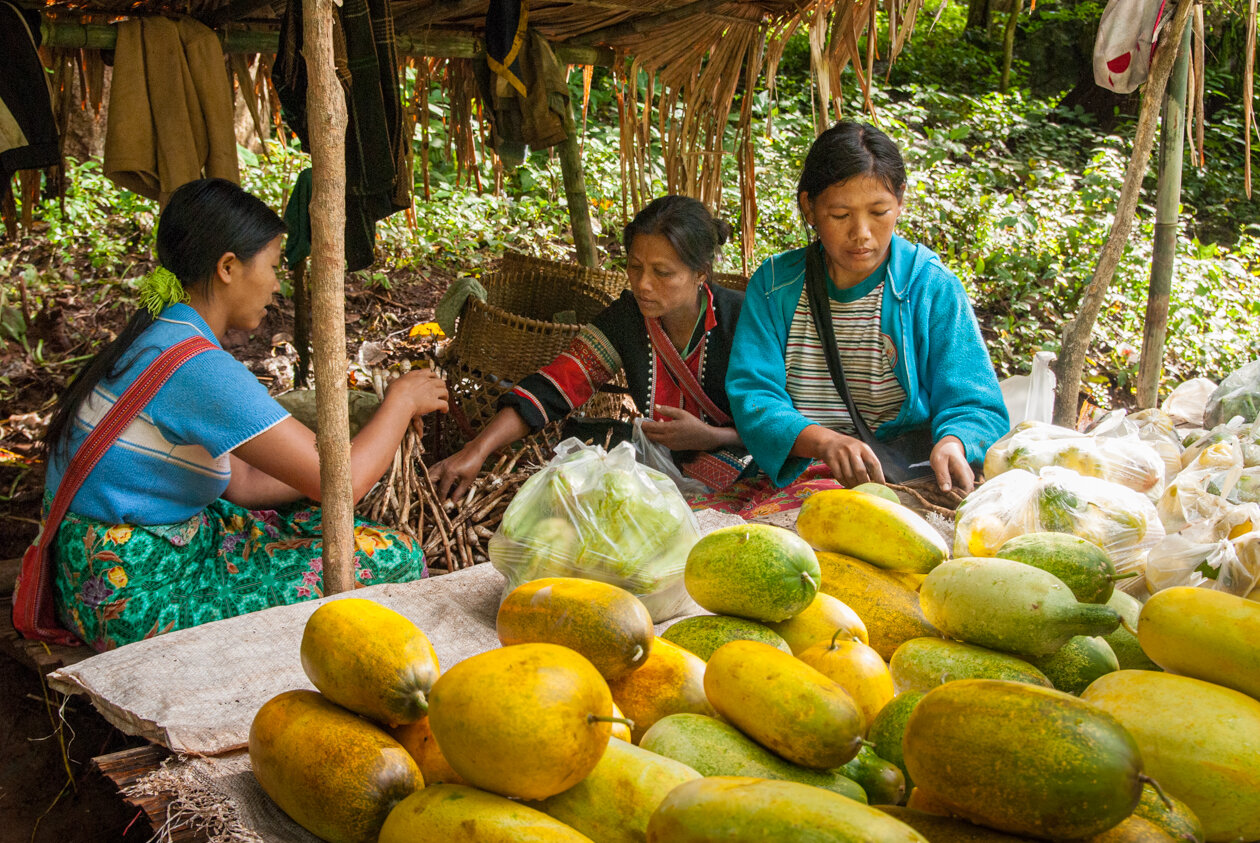
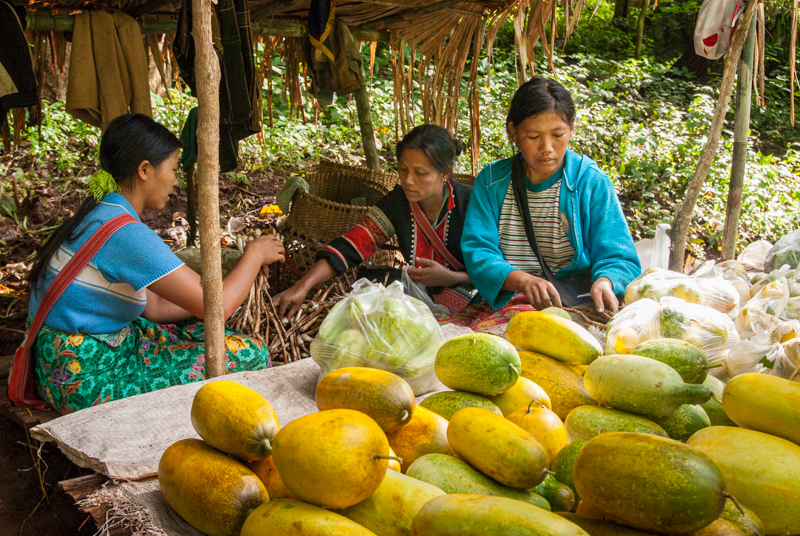
In addition to crafts, migrant tribes played a key role in the agricultural development of Mae Hong Son. The Karen introduced terraced farming and crop rotation techniques adapted to mountain slopes, promoting rice cultivation and vegetable production. The Shan, benefiting from their commercial expertise, contributed to the growth of local markets, where rice, corn, tea, and forest products are traded.
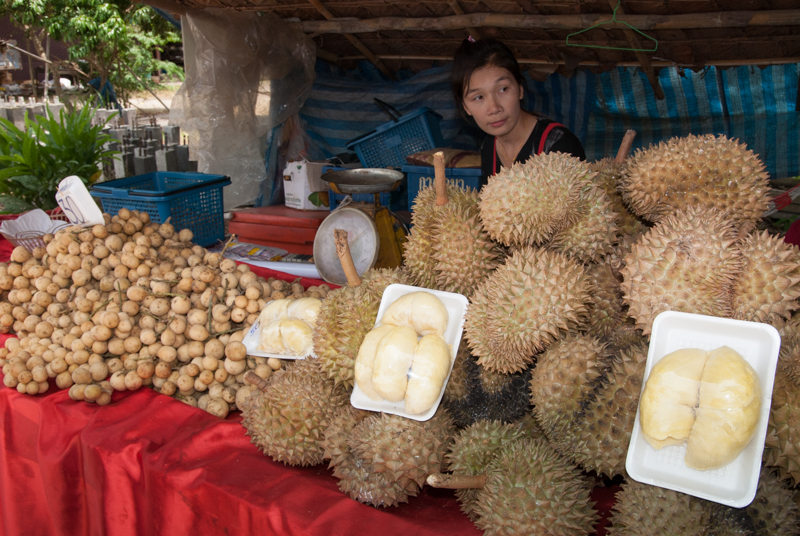
These contributions have shaped a local economic model based on cultural diversity and self-sufficiency, while creating trade links with neighboring Myanmar. Even today, Mae Hong Son’s markets are a lively mix of Thai and Burmese products, reflecting a history of cross-border trade.
The province occupies a sensitive geopolitical position. Located along a border stretching over 480 km with Myanmar, it is an important surveillance point for national security. It also serves as a gateway for trade, tourism, and humanitarian aid, particularly during times of crisis in Myanmar.
The winding roads connecting Mae Hong Son to Chiang Mai, known for their 1,864 bends, are further evidence of the region’s relative isolation. This isolation has allowed ancestral traditions to be preserved, but also poses a challenge to economic development.

Between preservation and openness.

Today, Mae Hong Son attracts travelers in search of authenticity. Its mountainous landscapes, Burmese-style temples, and diverse population make it a unique place in Thailand. Festivals such as Poy Sang Long (the ordination ceremony for Shan novices) perpetuate traditions that originated beyond the border. Thus, the history of Mae Hong Son is inseparable from its strategic position and the Burmese migrations that have enriched its heritage. Between cultural crossroads and border stronghold, this province embodies the alliance between ethnic diversity, historical heritage, and natural wealth, while maintaining an important role in the balance of northwestern Thailand.

Chiang Mai (Thaïland) – June 2025

Galery : Chiang Mai

Galery : Mae Hong Son

Galery : Mae Kampong

Similar Posts