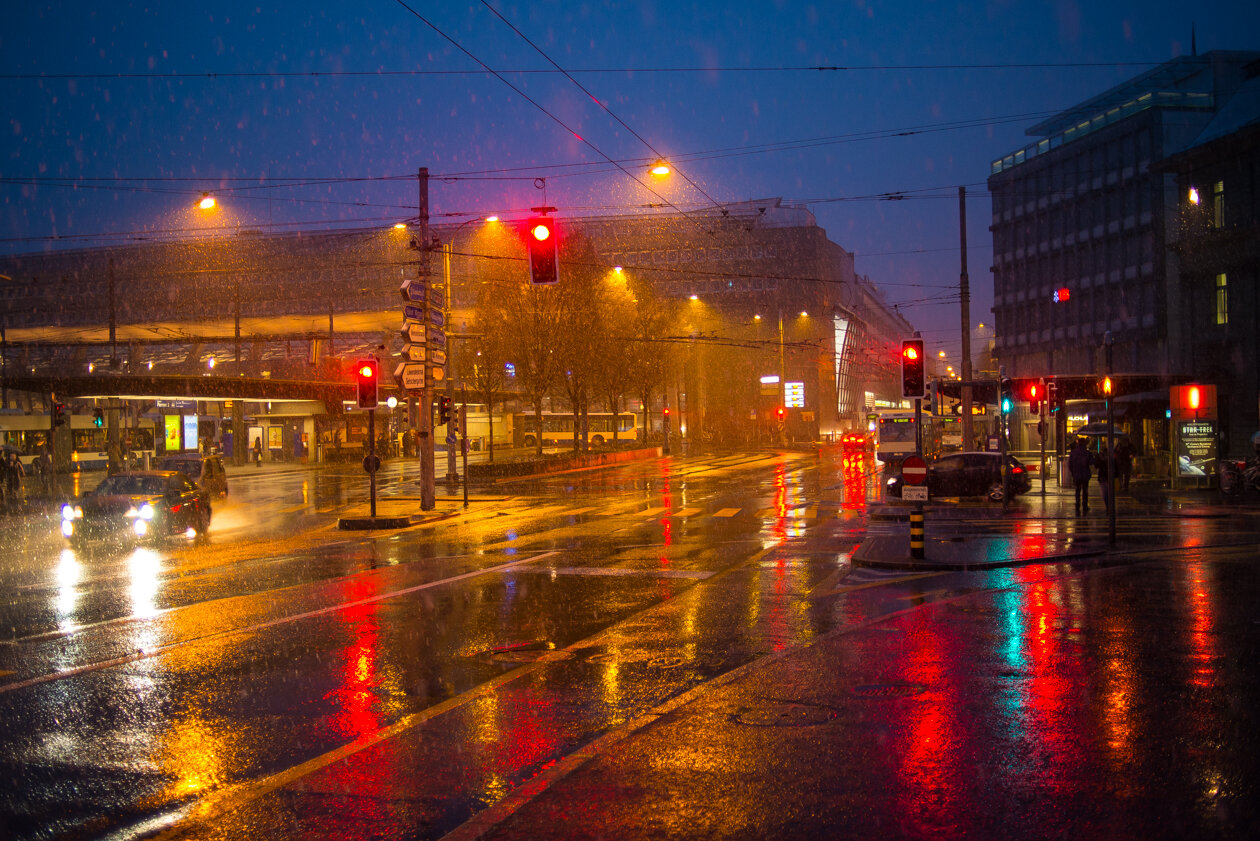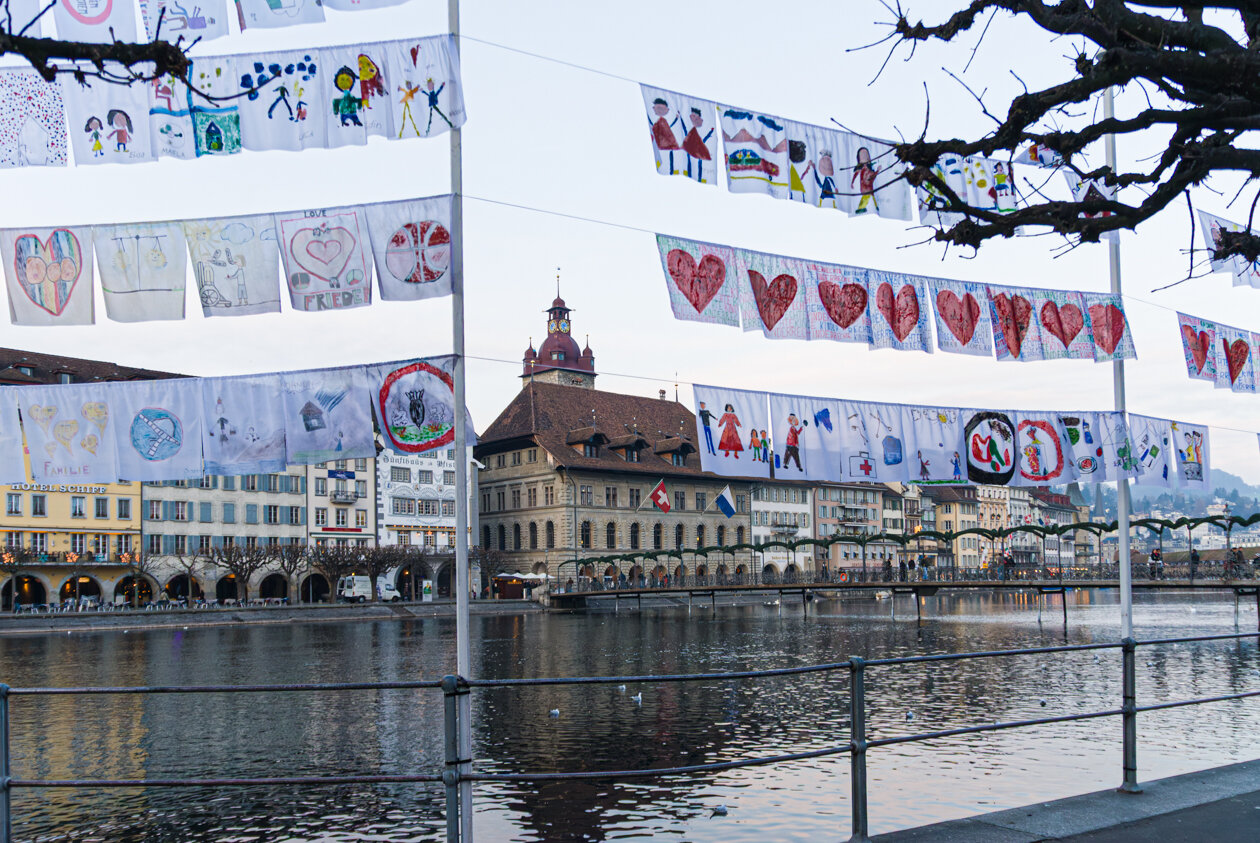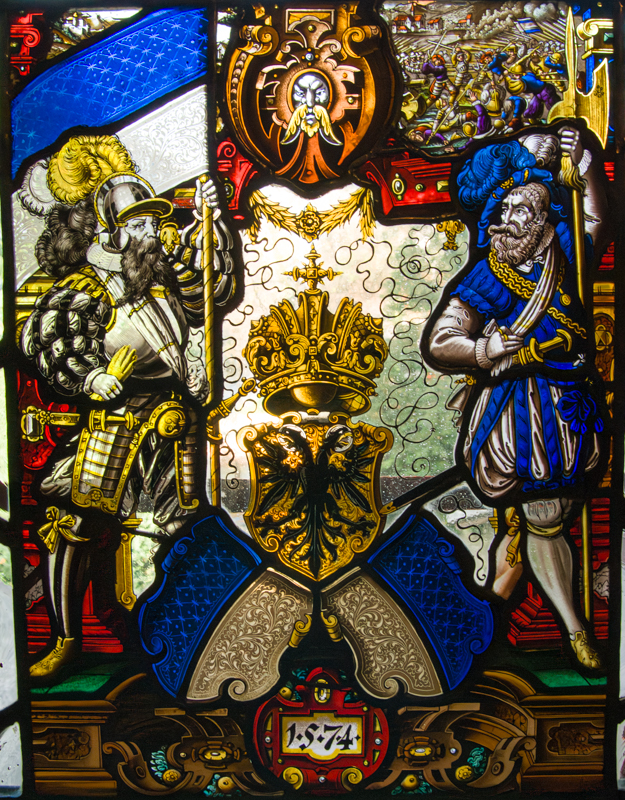
Lucerne, the birthplace of Switzerland.
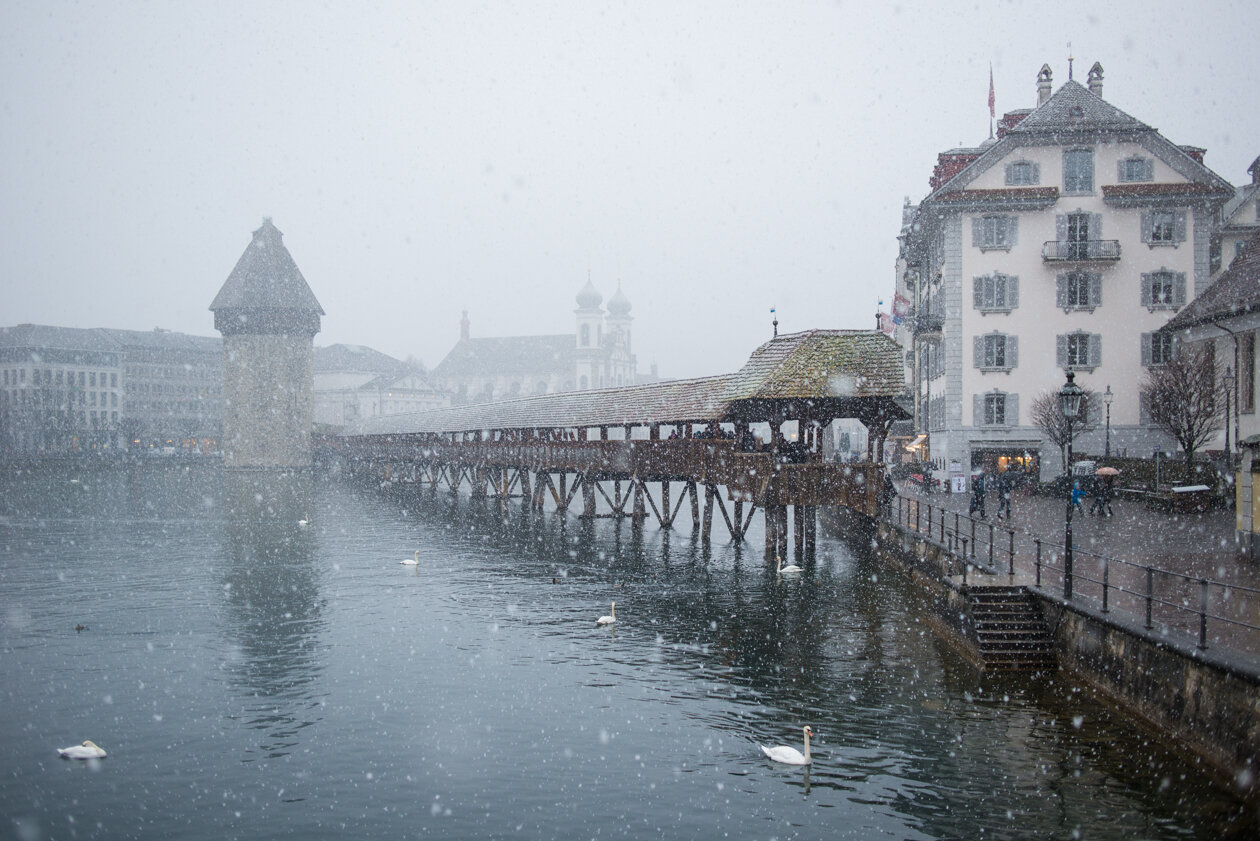
Lucerne: geographical crossroads, historical cradle, and bridge city to modern Switzerland.

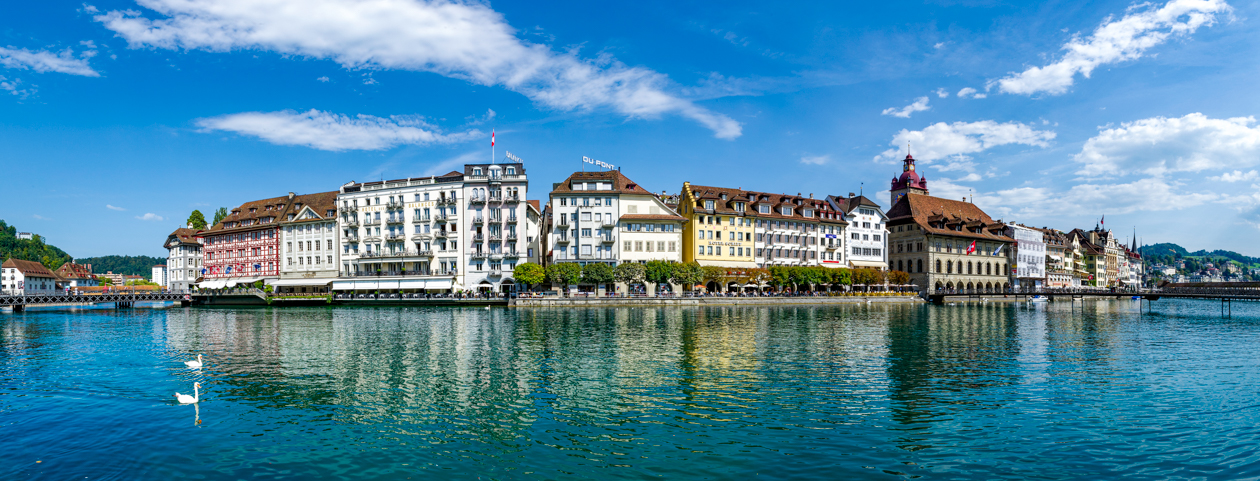
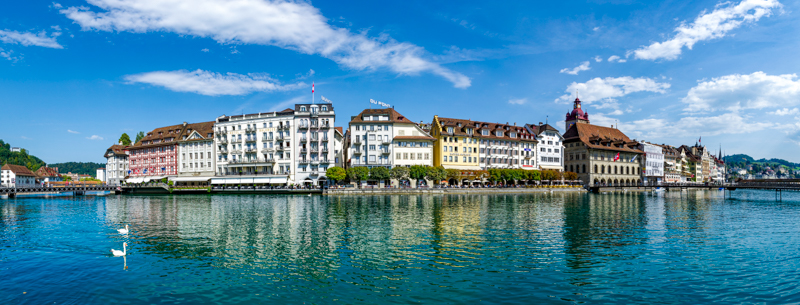
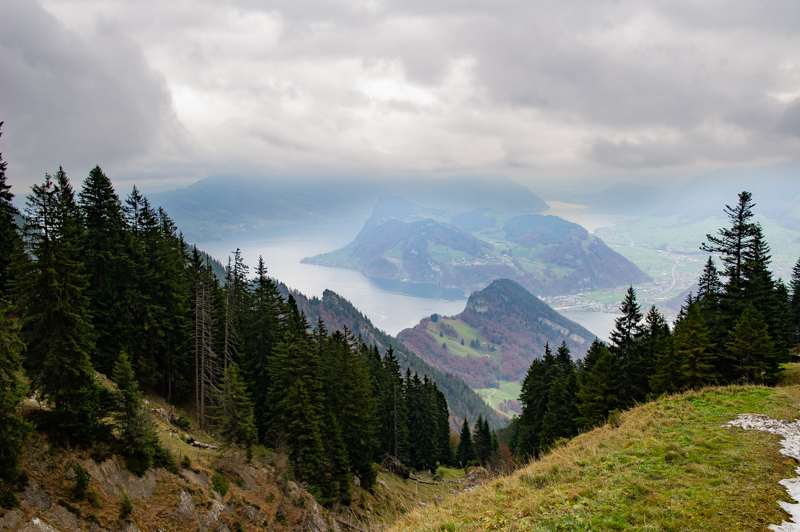
Lucerne, located in the heart of central Switzerland, is one of the country’s most iconic cities. Nestled on the shores of Lake Lucerne and surrounded by majestic peaks such as Mount Pilatus and Mount Rigi, it occupies a strategic geographical position that has given it a leading role in Swiss history for centuries.
Lucerne is not only a popular tourist destination, it is a true symbol of unity, blending medieval heritage, vibrant culture, and a vision for the future.

A privileged location in the heart of Switzerland.
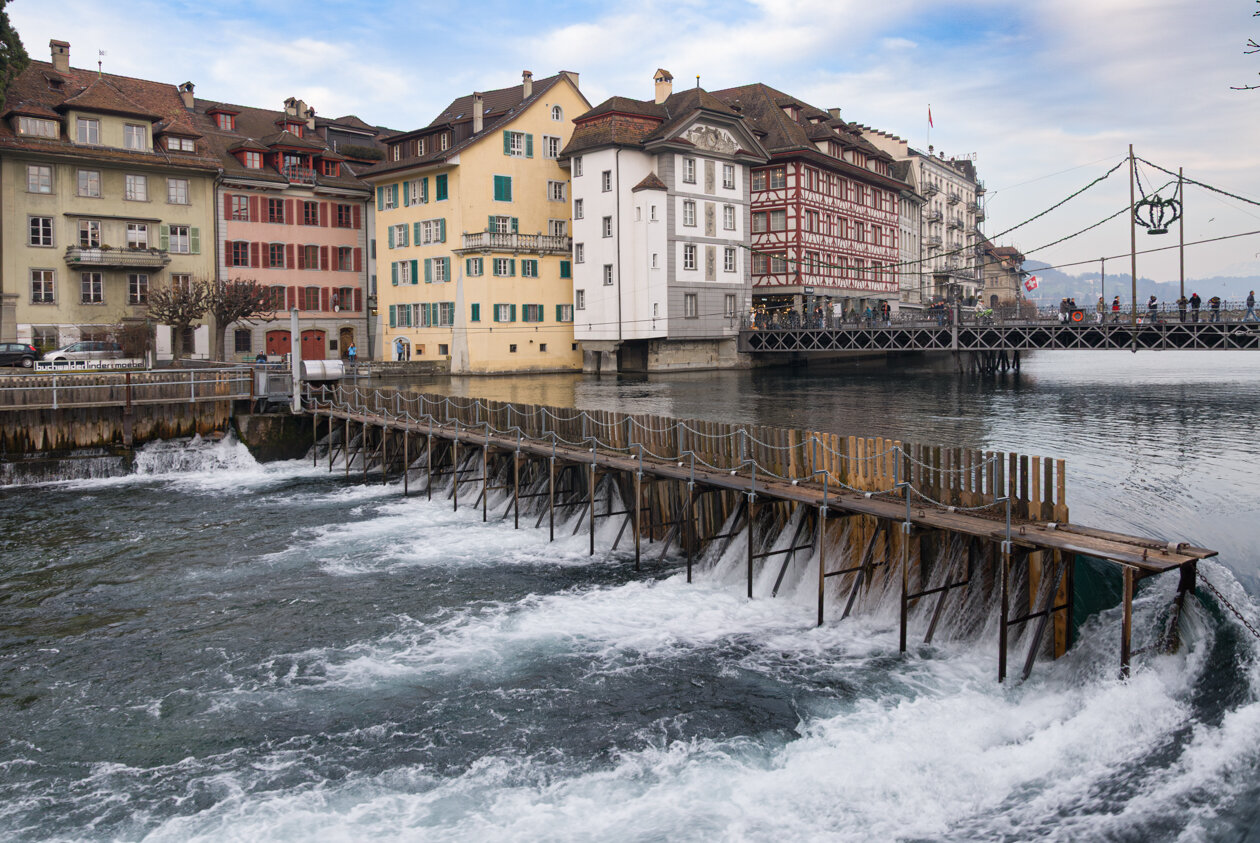
Lucerne dominates the northwestern end of Lake Lucerne, a vast body of water with multiple branches that connects several of the founding cantons of the Swiss Confederation. The city is located at the natural meeting point between the Alps and the Swiss Plateau, serving as a passageway between the north and south of the country. This pivotal position has favored its development since the Middle Ages: a commercial crossroads, a transit point between the Alpine passes and the plains, and a meeting point between German- and Latin-speaking peoples.
Its river port and proximity to the Saint Gotthard Pass—one of Europe’s most important Alpine crossings—have long made Lucerne a key hub for trade. Even today, the city remains a transportation hub: rail, road, and waterways converge here, reinforcing its role as a regional center and gateway to the Central Alps.

Lucerne and the unification of Switzerland: a key city in nation building.

Lucerne occupies a central place in the history of Swiss unification. In the 13th century, the city developed under the influence of the Habsburgs, but its economic and political interests brought it closer to the neighboring mountain communities. Lucerne thus joined the alliance of the three original cantons—Uri, Schwyz, and Unterwalden—forming a decisive step in the construction of the Confederation in 1332.
With this merger, Lucerne became the first major city to join the original rural alliance. This move marked a profound transformation: the Confederation was no longer just a pact between Alpine valleys, but an entity capable of integrating urban centers. This turning point helped to strengthen the political unity of the territory while consolidating resistance to the Habsburgs.
Over the centuries, Lucerne also played a major role in confederate politics, particularly as an influential Catholic city during the religious tensions that marked Switzerland in the 16th and 17th centuries. Its participation in the Federal Diet reinforced its influence until the establishment of the modern federal state in 1848.

A rich culture, between tradition and modernity.

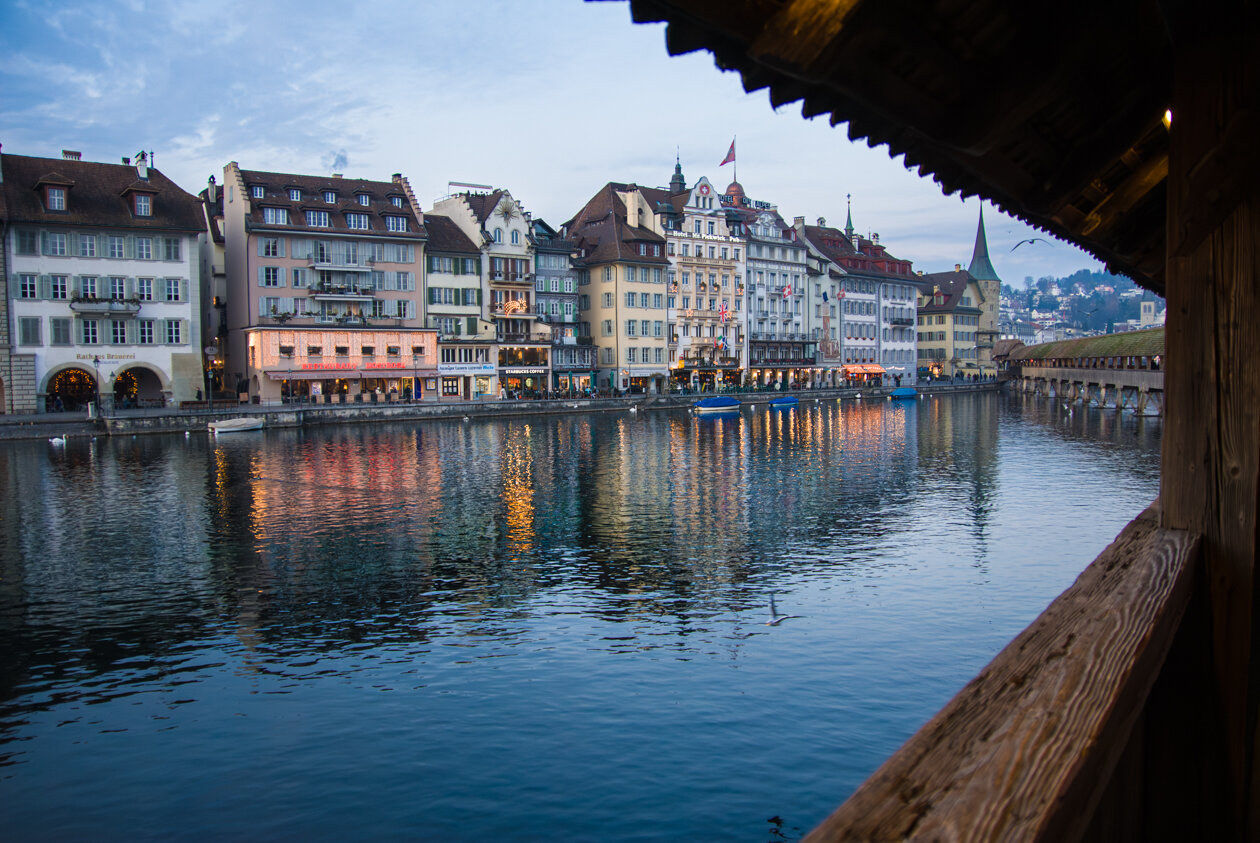
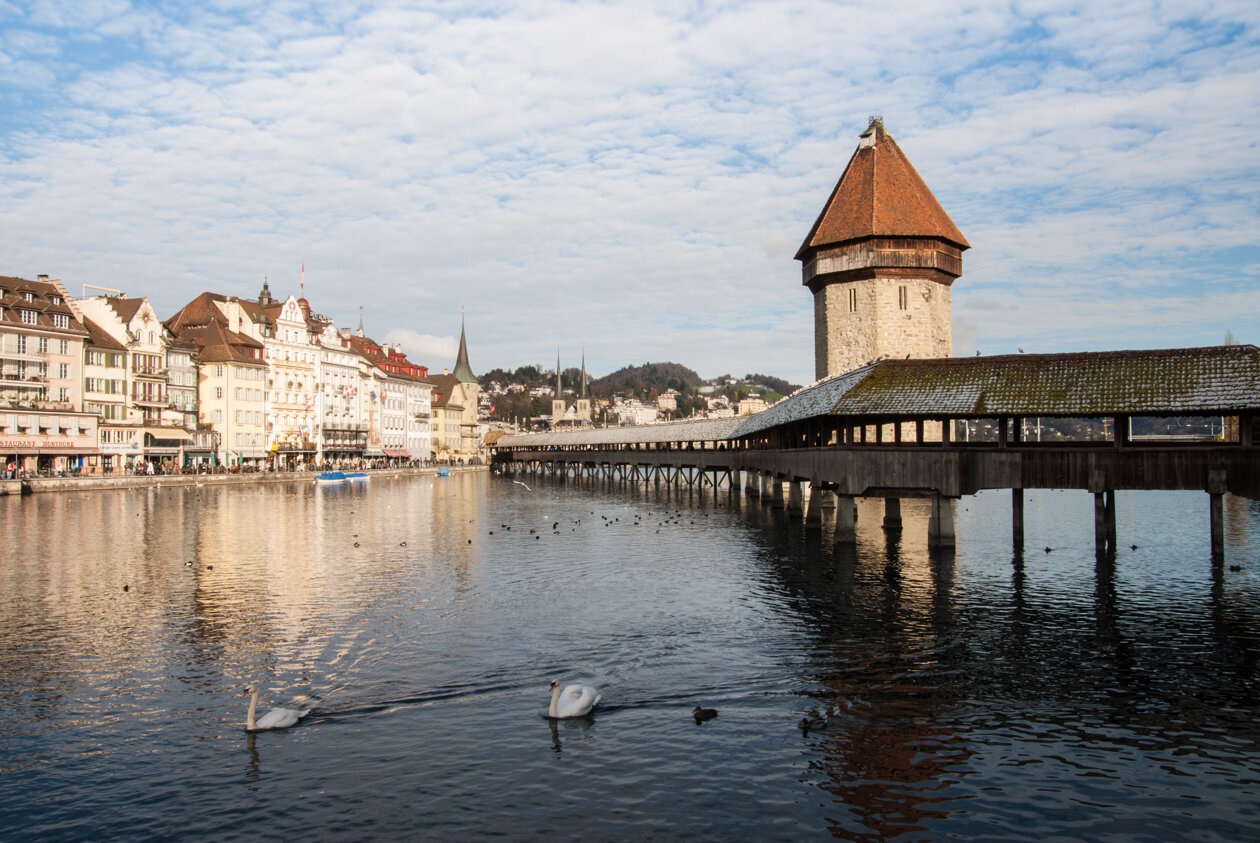
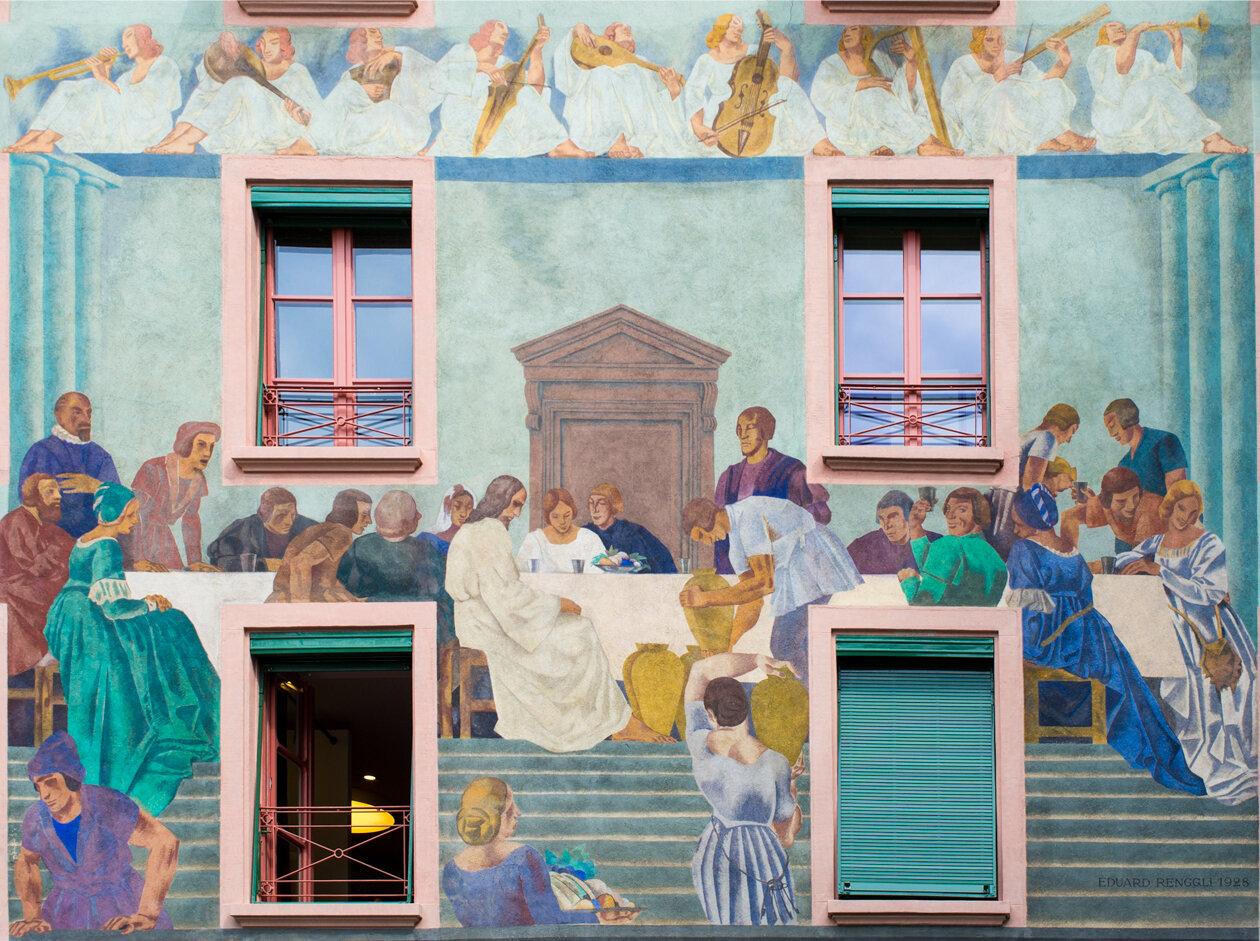
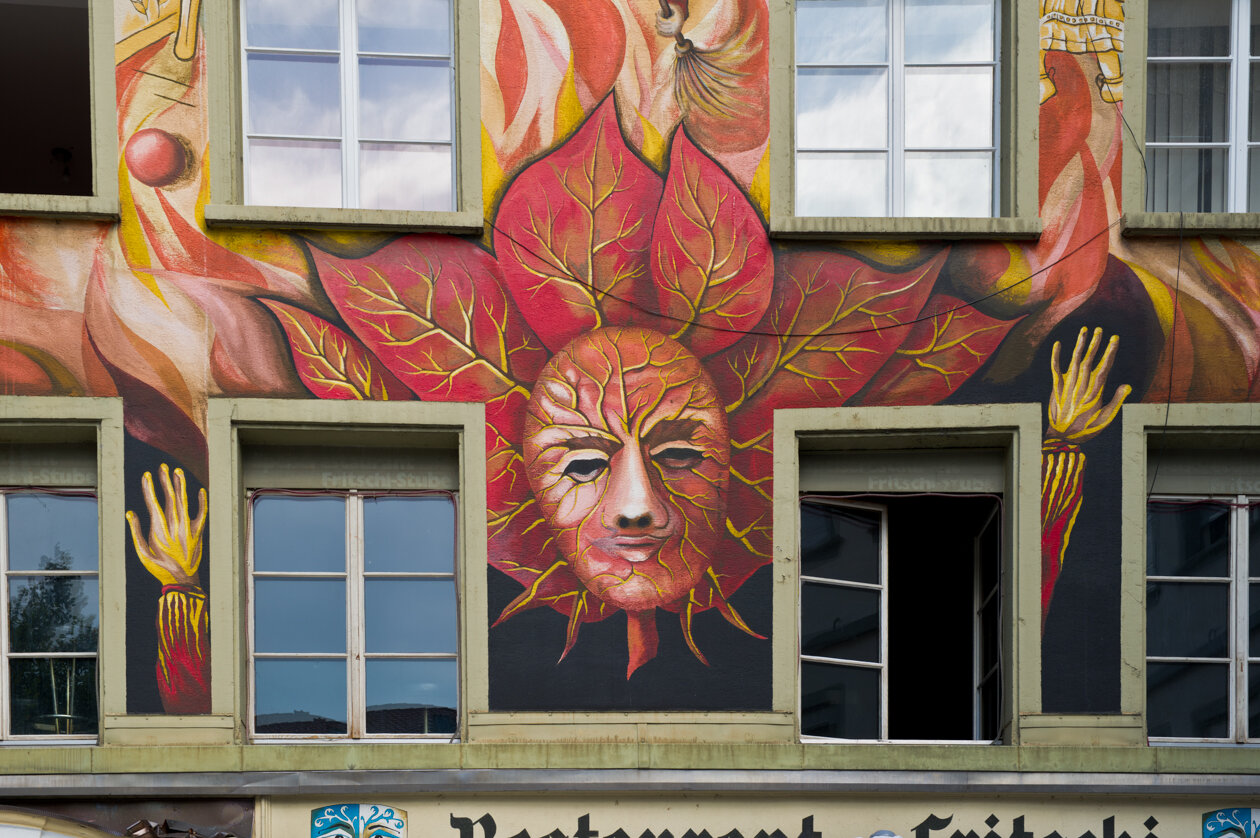
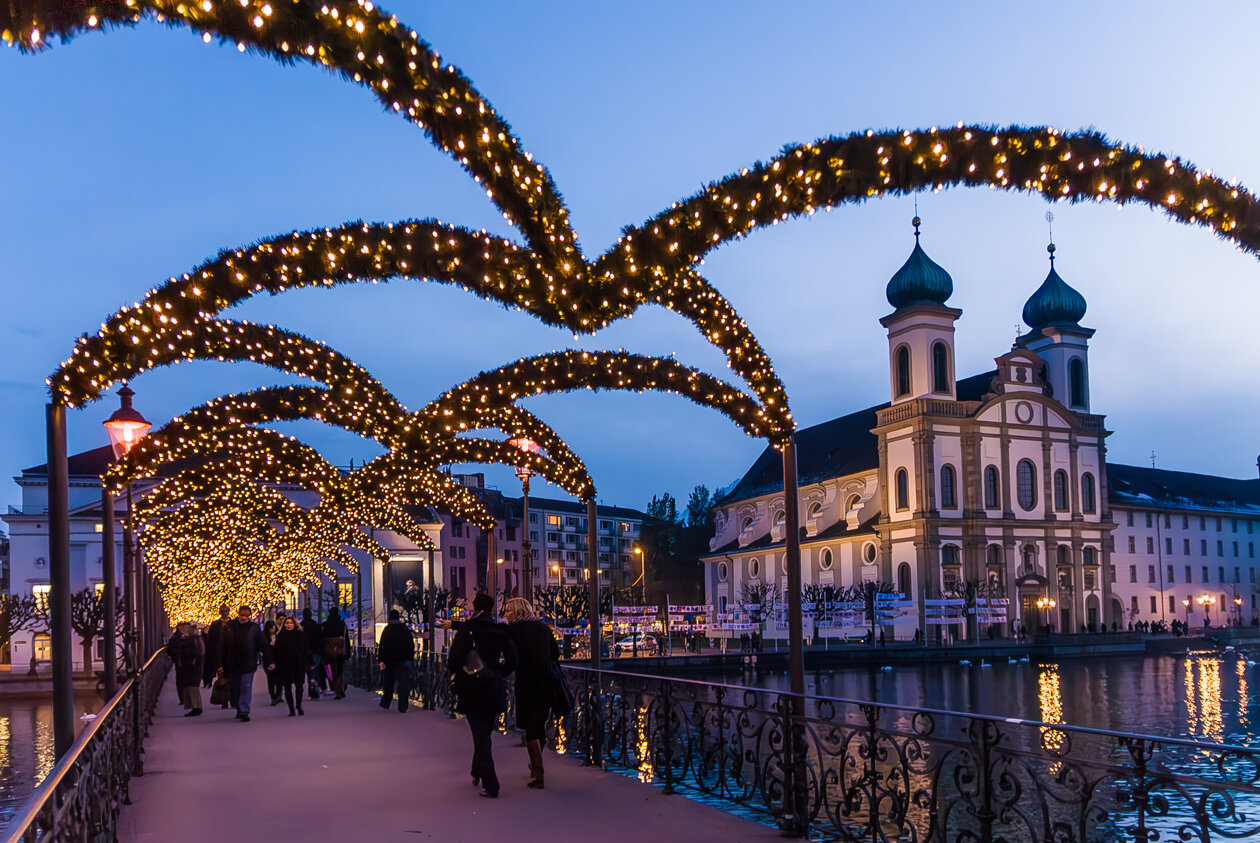
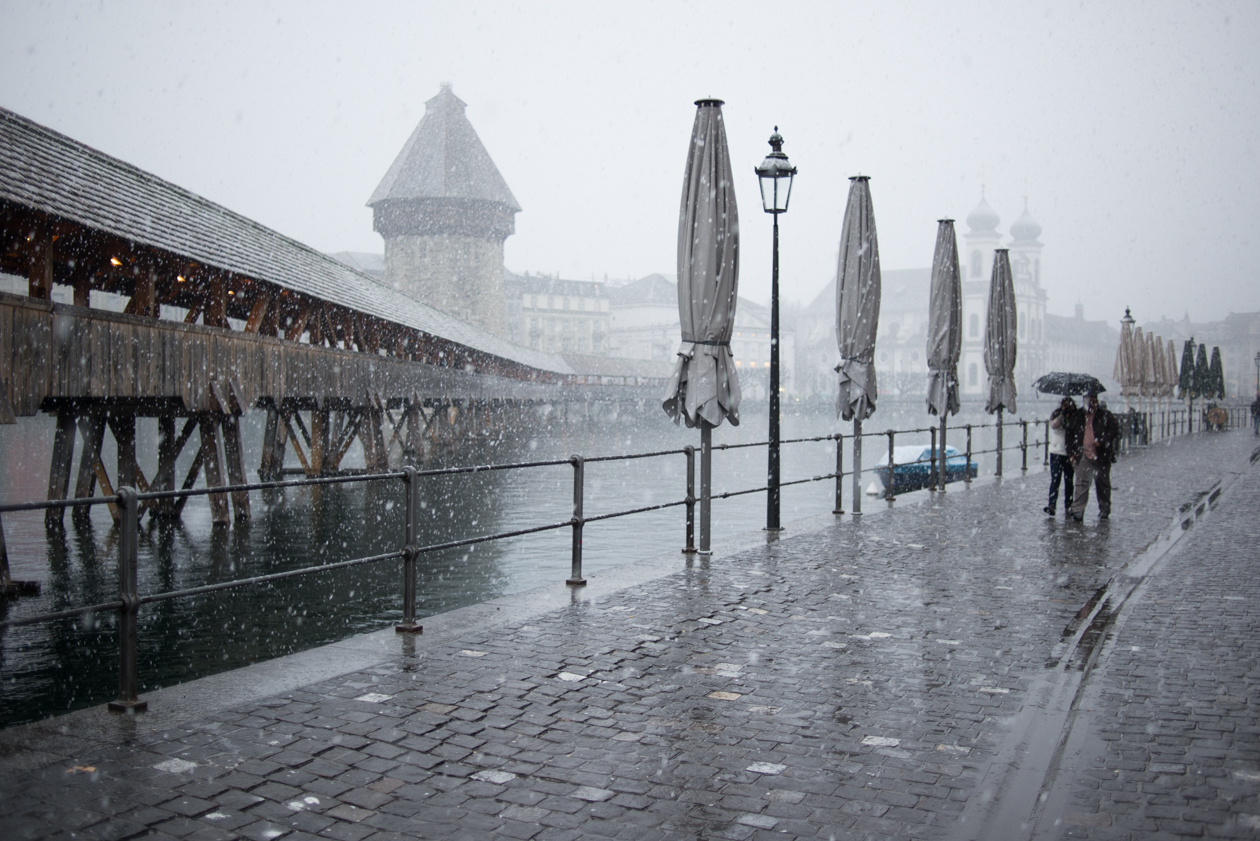
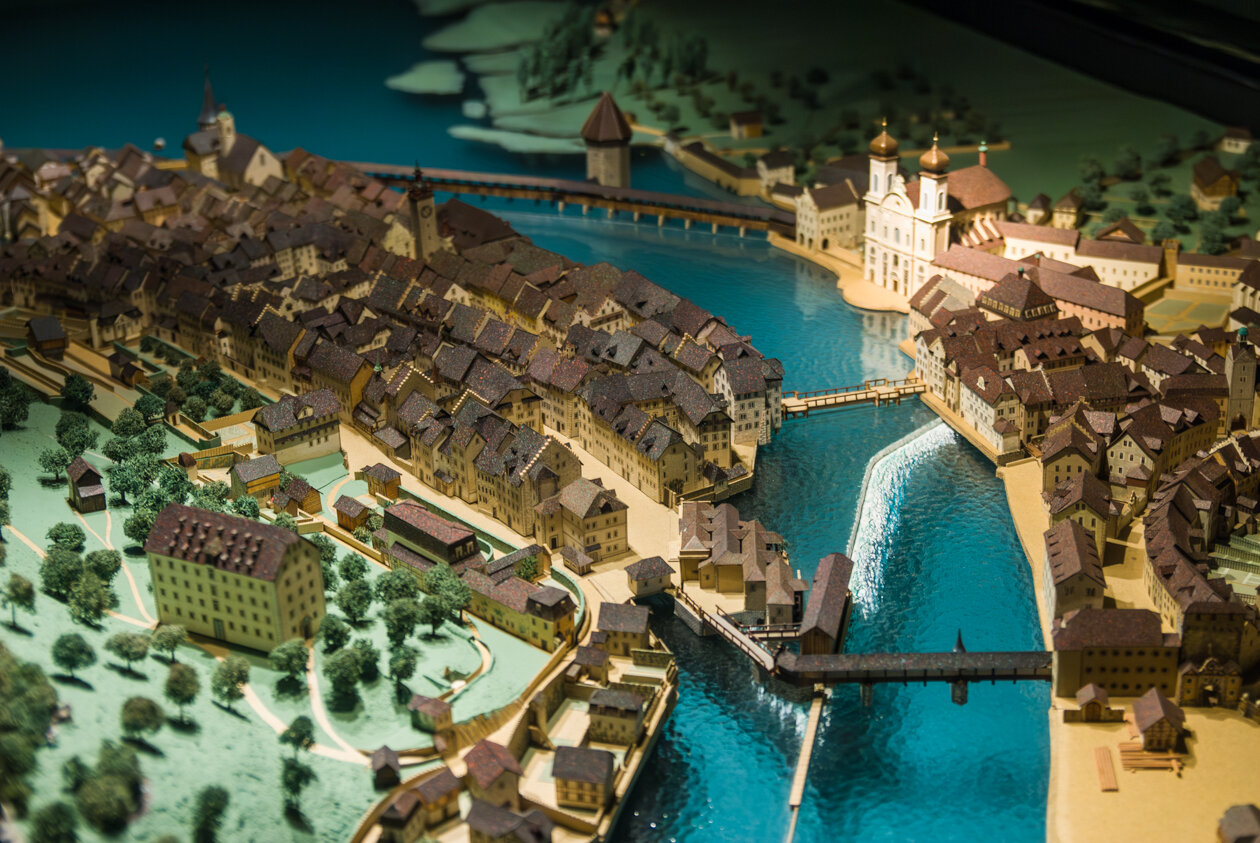
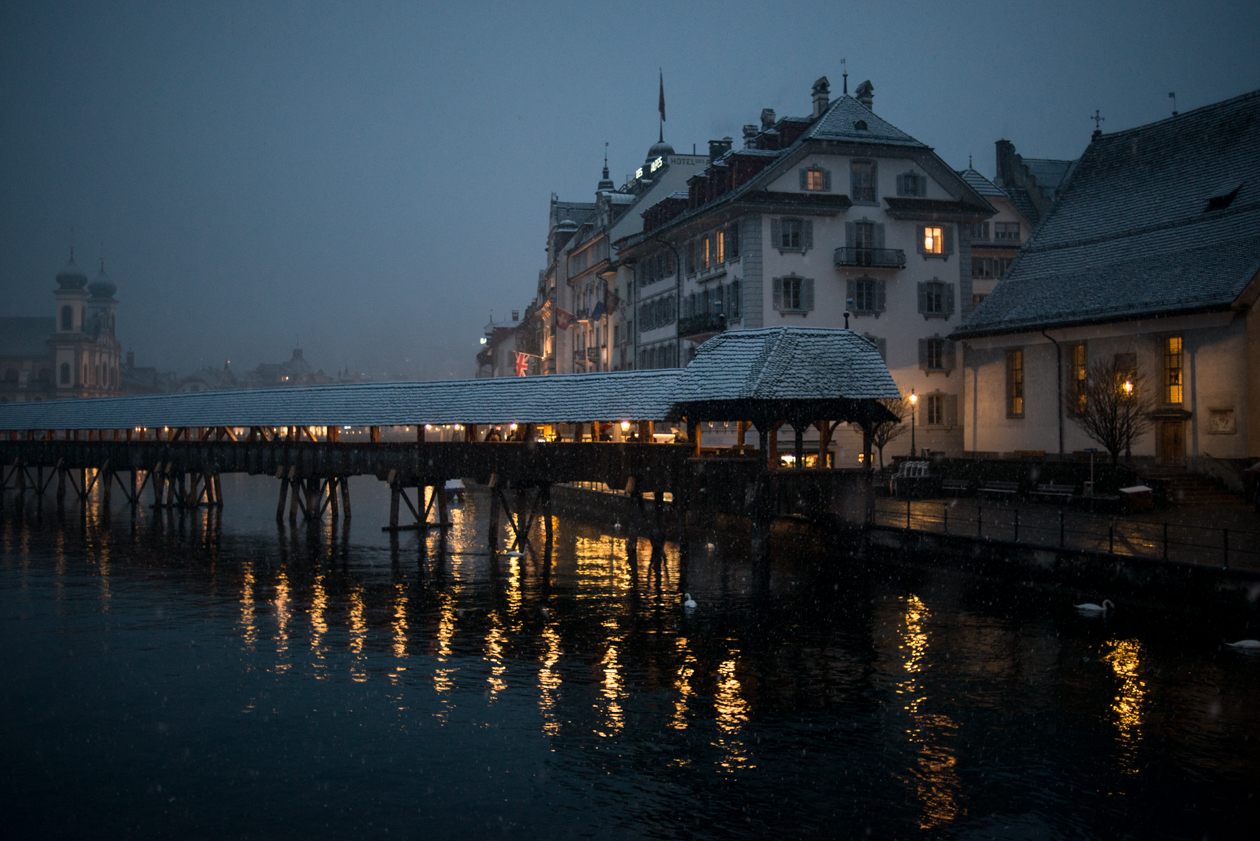
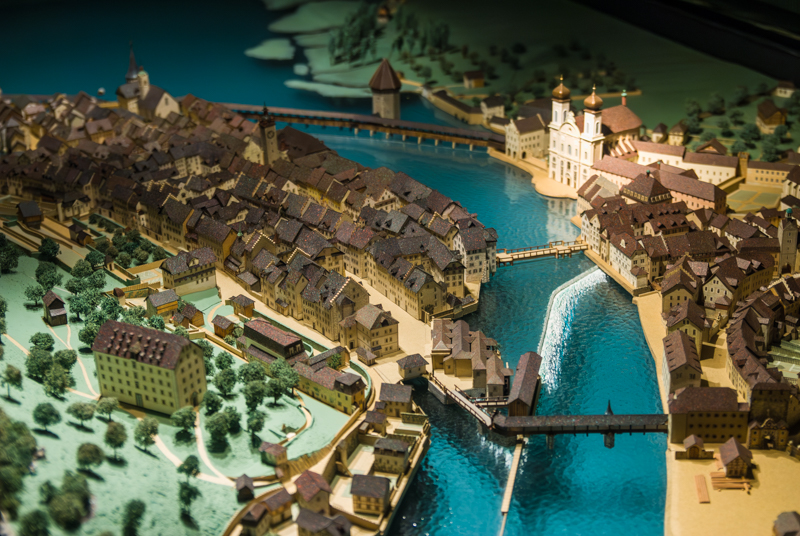
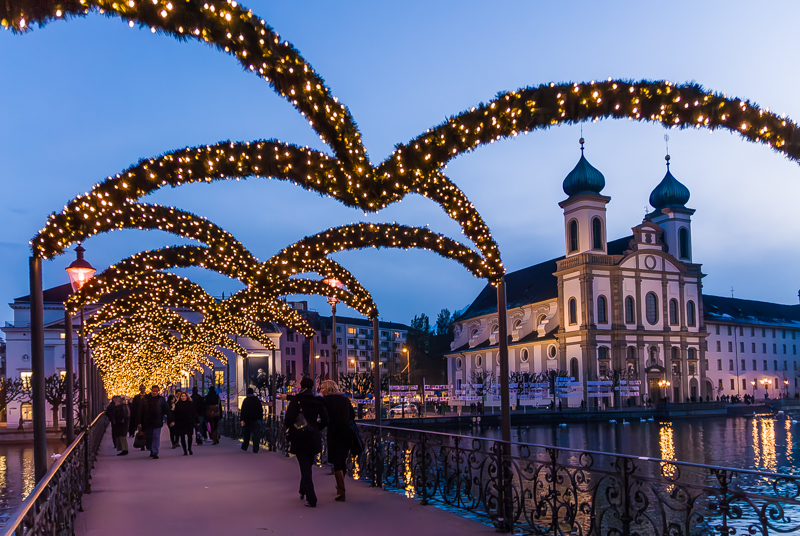
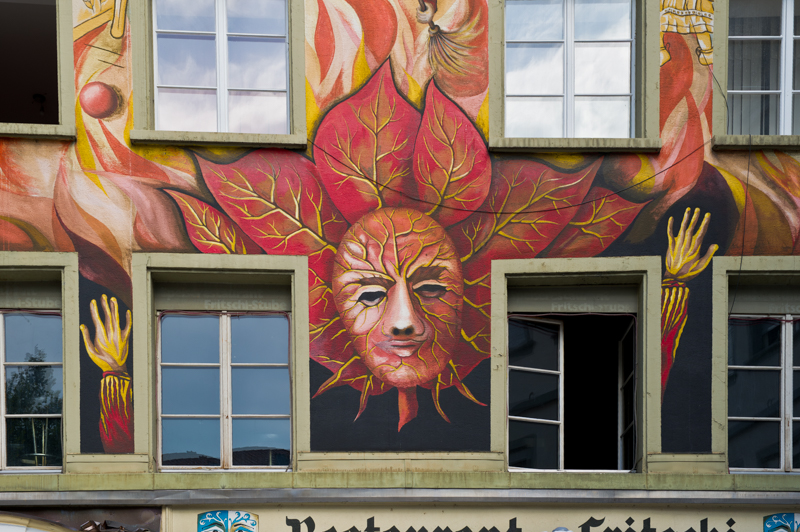
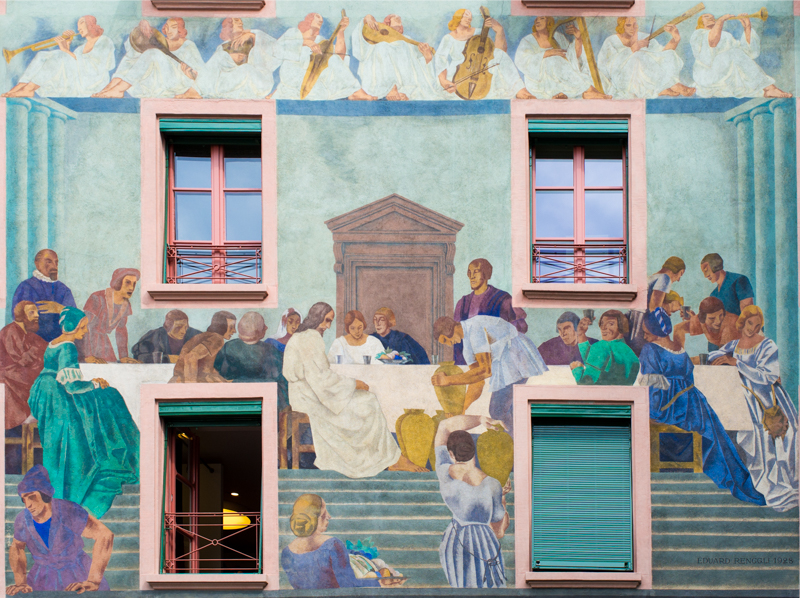
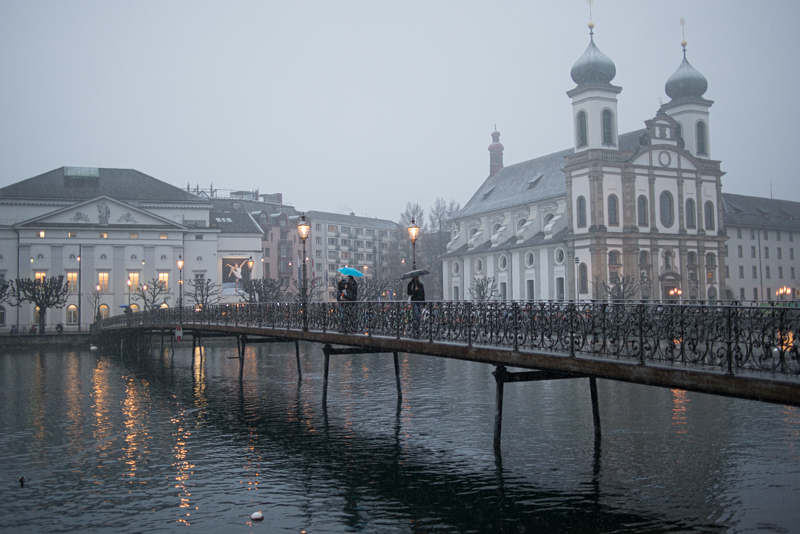
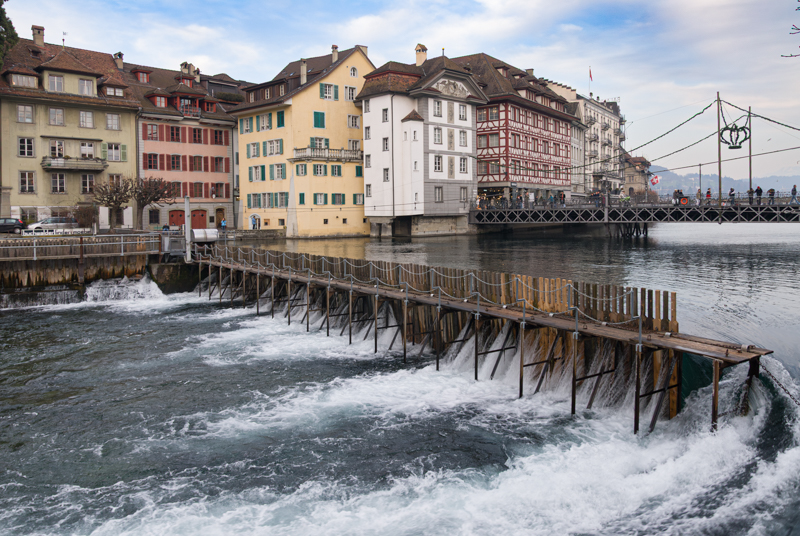
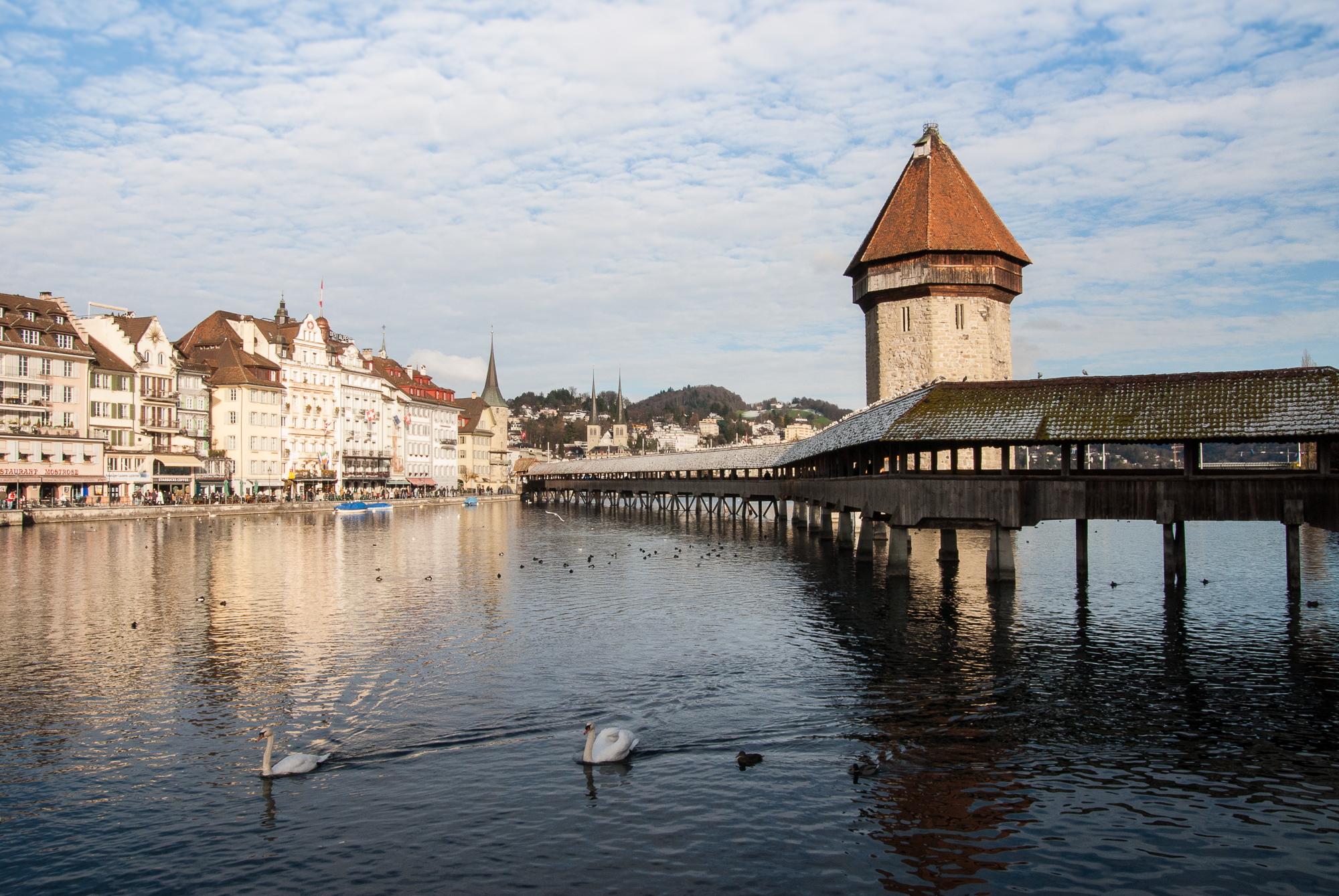
Lucerne’s culture is rooted in a medieval heritage that can be seen around every corner: the famous Chapel Bridge (Kapellbrücke), the painted facades of the old town, and the Musegg ramparts. These reminders of the past give Lucerne a unique charm and make it one of the best-preserved historic cities in Switzerland.
However, Lucerne is not limited to its architectural heritage. The city is a dynamic cultural center. Every year, it hosts the Lucerne Festival, one of the most prestigious classical music festivals in the world, attracting international conductors and soloists. The modern KKL (Culture and Congress Center), designed by Jean Nouvel, is its beating heart. With its exceptional acoustics and bold architecture, the KKL symbolizes the harmonious marriage of cultural tradition and architectural modernity.
Popular culture also plays an important role: colorful carnivals, brass bands, traditional markets, and events linked to Alpine customs punctuate life in the city. Lucerne is a place where traditional Switzerland comes into its own, while also embracing contemporary influences.

Lucerne in modern Switzerland: a city looking to the future.

Today, Lucerne stands out for its rare balance between quality of life, innovation, and preservation of its heritage. The canton invests in sustainability, soft mobility, and protection of the lake landscape. Modern infrastructure, reinforced by the railway line connecting the region to the Gotthard Tunnel, supports controlled tourism and economic development.
Lucerne’s future is part of a changing Switzerland: climate adaptation, energy transition, economic diversification. The city is banking on its cultural assets, its vocational training (particularly thanks to Lucerne University of Applied Sciences and Arts) and its international appeal to consolidate its role as an influential regional center.
Lucerne (Switzerland) – November 2025

Galery

Similar Posts