Abstractionism Photography 6/7
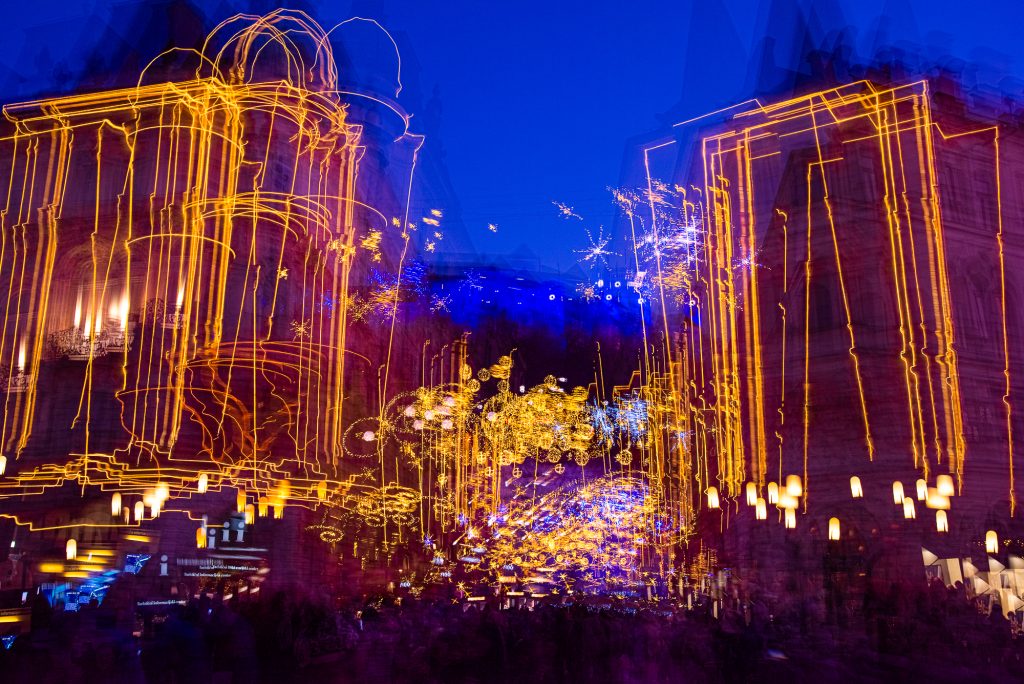
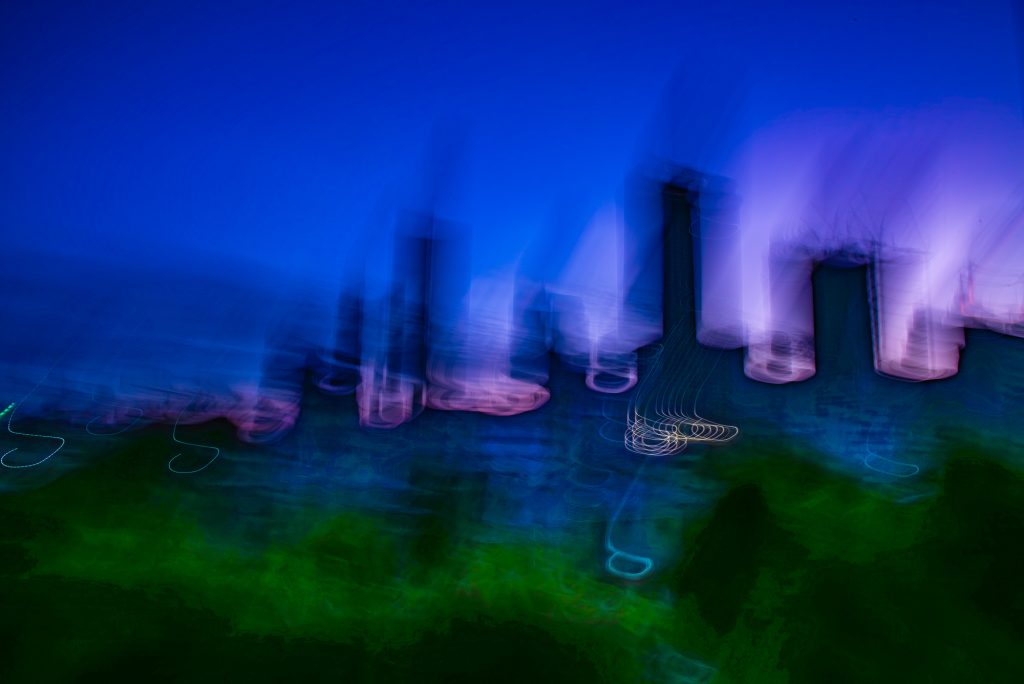
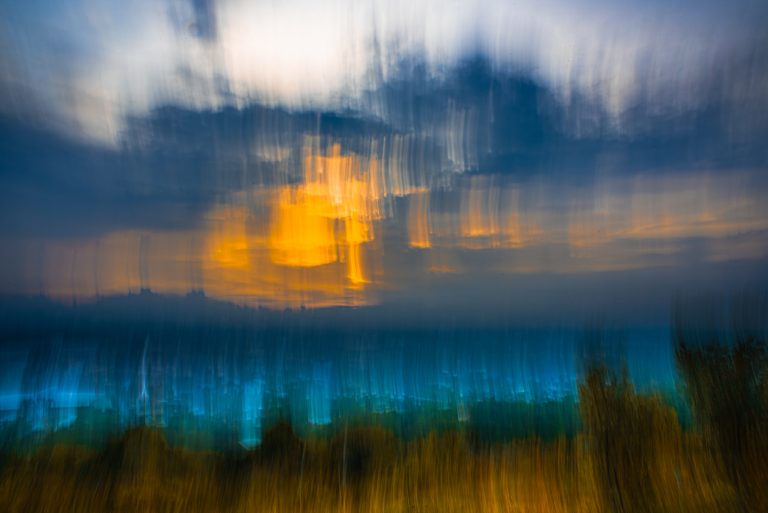
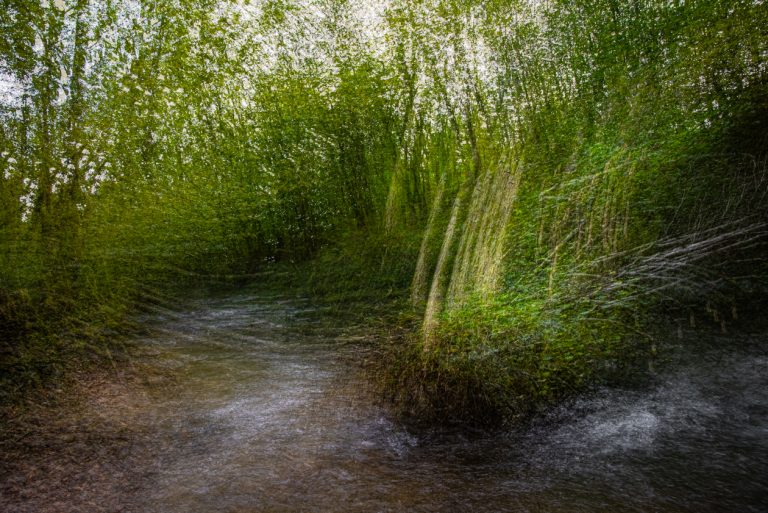
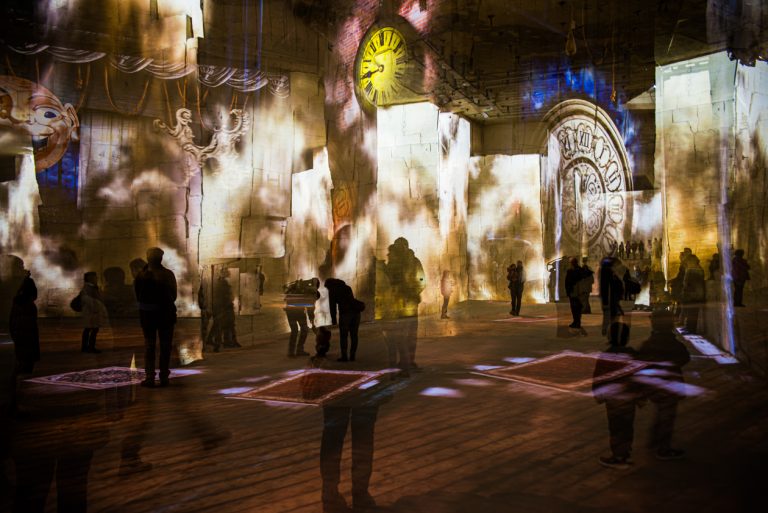
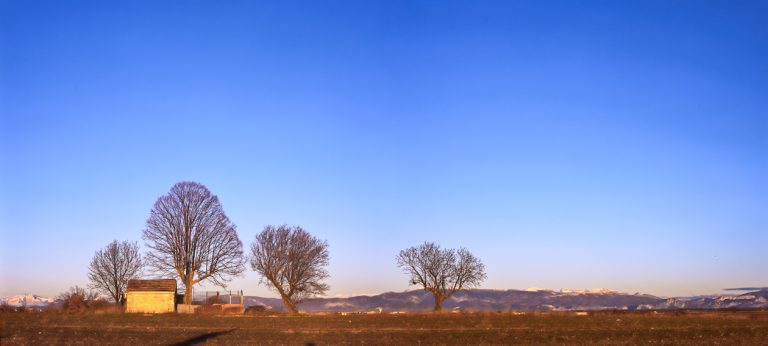
3-Manosque France (REP142-95641)
Copyright: Erick Venturelli
« of 25 »

Abstractionism: from painting to photography.

Origins and history of Abstractionism in painting.
Abstraction in painting emerged at the beginning of the 20th century as adeliberate break with figurative representation, seeking to express inner life, music or pure idea through colour, form and composition rather than by copying the real world.
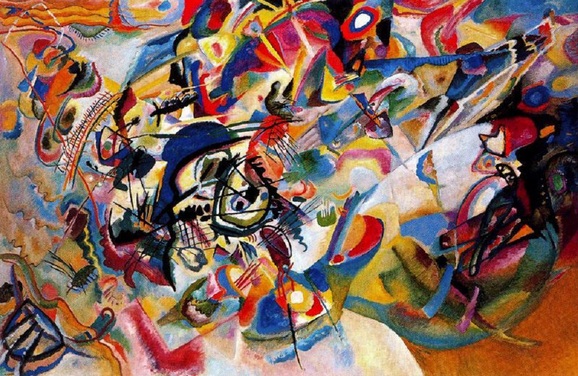
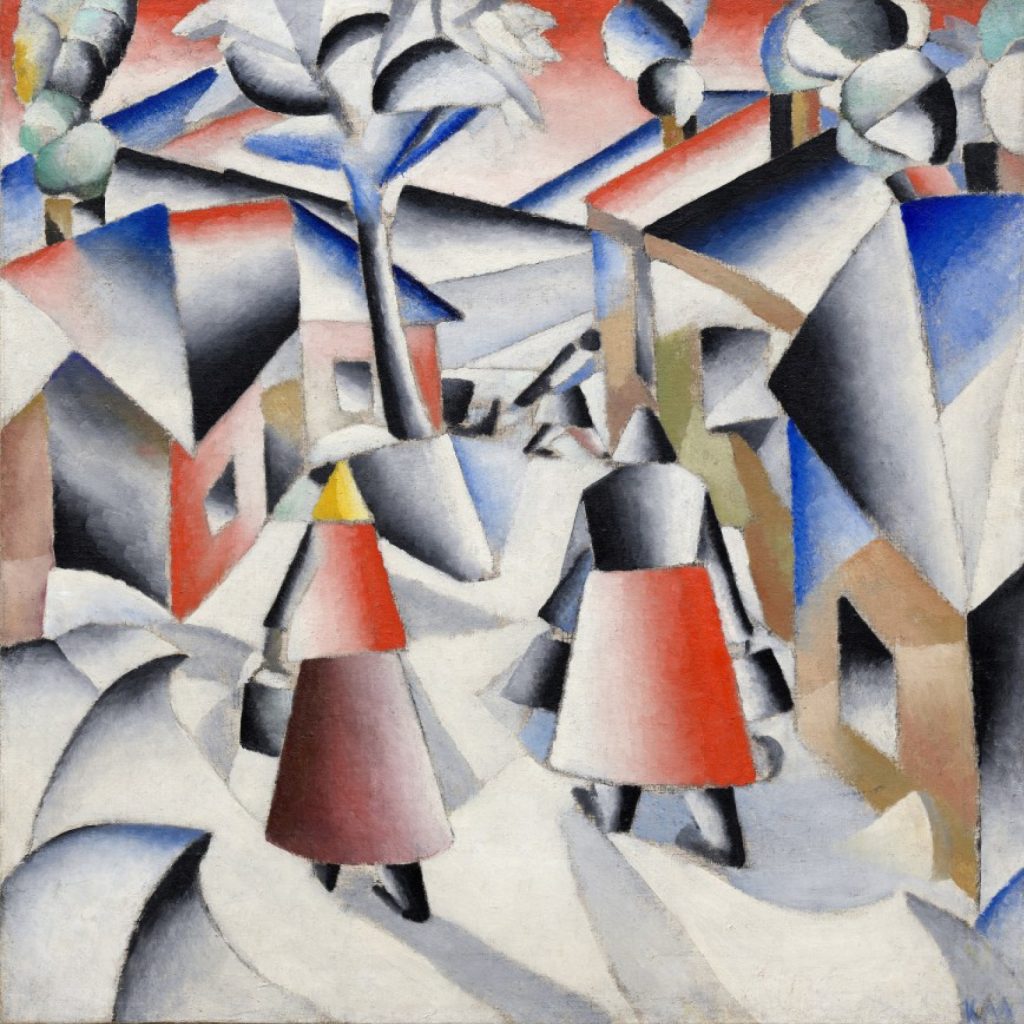
The roots of abstraction date back to the 19th century, but its conscious formulation is associated with artists such as Wassily Kandinsky, Hilma af Klint and František Kupka, who, between 1910 and 1917, explored the autonomy of painting and the capacity of visual elements to convey meaning independent of the visible world. Kandinsky, in particular, theorised this approach in *Concerning the Spiritual in Art* (1911), in which he compares painting to music and argues that lines and colours can evoke emotions without a figurative narrative. At the same time, Kasimir Malevich pushed abstraction towards pure non-figuration with Suprematism and his *Black Square* (1915), seeking the extreme reduction to elementary forms in order to achieve a plastic universality.
Composition VII, Vassily Kandinsky. 1913
Morning in the Village after Snowstorm Kazimir Malevich. 1912
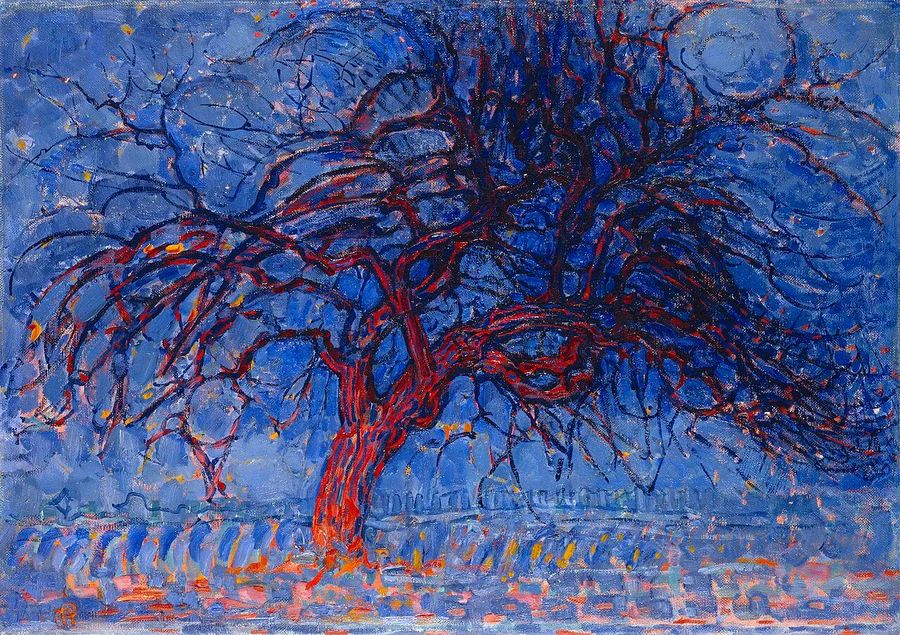
During the interwar period, abstraction branched out into several movements: Piet Mondrian’s Neoplasticism, which organises space through rigorous coloured lines and planes; Abstract Expressionism and gestural painting, which would later emphasise the painter’s action (Jackson Pollock) and the materiality of the gesture; and decorative or lyrical forms that would appeal to artists such as Sonia Delaunay. These developments reflect philosophical, scientific (relativity, new perceptions of time and space) and spiritual concerns that prompted artists to reconsider the purpose of the image and its relationship to reality. The avant-garde movements (Cubism, Futurism, Dadaism, Surrealism) also helped to free painting from the constraints of representation, paving the way for formal and conceptual experimentation.
The Red Tree, Piet Mondrian. 1908
After the Second World War, abstraction became global in scope and diversified: American Abstract Expressionism emphasised the creative act and the subjective imprint, whilst minimalist and geometric approaches sought conceptual and formal rigour. Debates continue regarding the function of abstraction — artistic, political, spiritual — but its importance as an autonomous language is now firmly established.
Abstractionism in photography.
From the very beginnings of photography as a technical art form, there have been ways of producing non-representational images (photograms as early as the 19th century), but it was in the 20th century, with the avant-garde movements, that abstract photography became a recognised artistic practice. Pioneers such as Alvin Langdon Coburn (vortographs), Man Ray (rayographs) and László Moholy-Nagy (photograms and light experiments) demonstrated that photography could produce autonomous images by playing with light and shadow, optical distortion, tight framing and camera-less techniques to create unrecognisable forms and purely visual compositions.
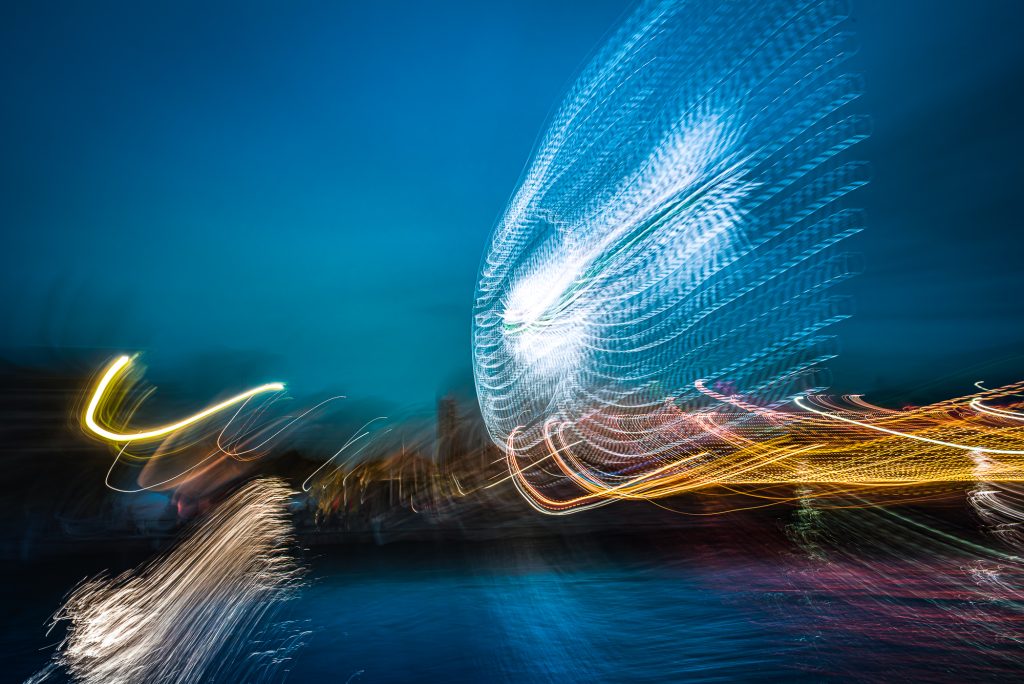
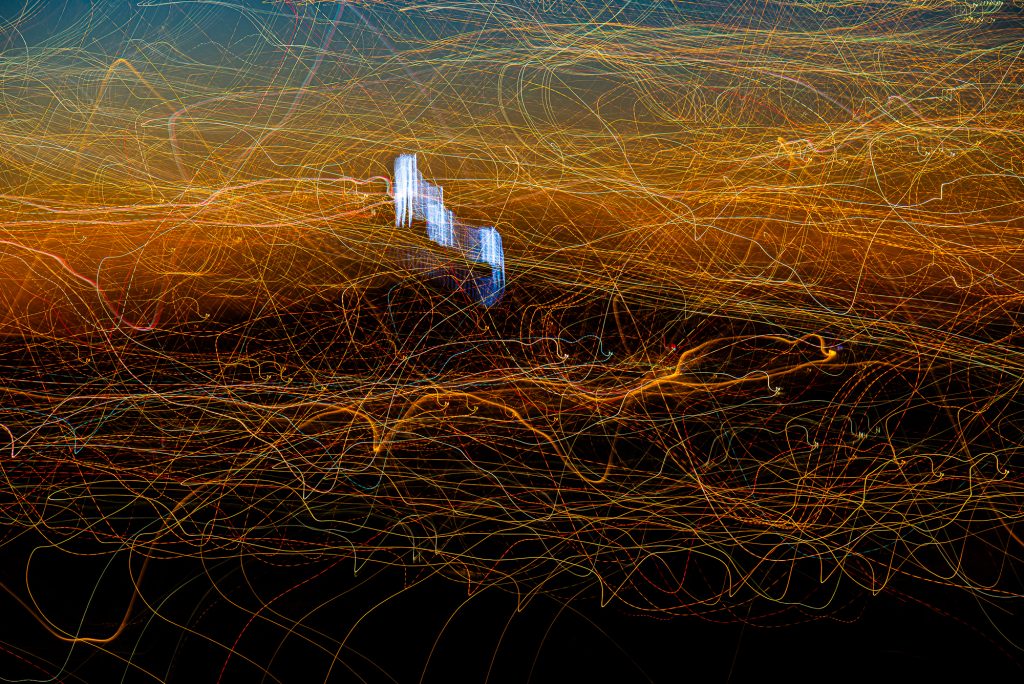
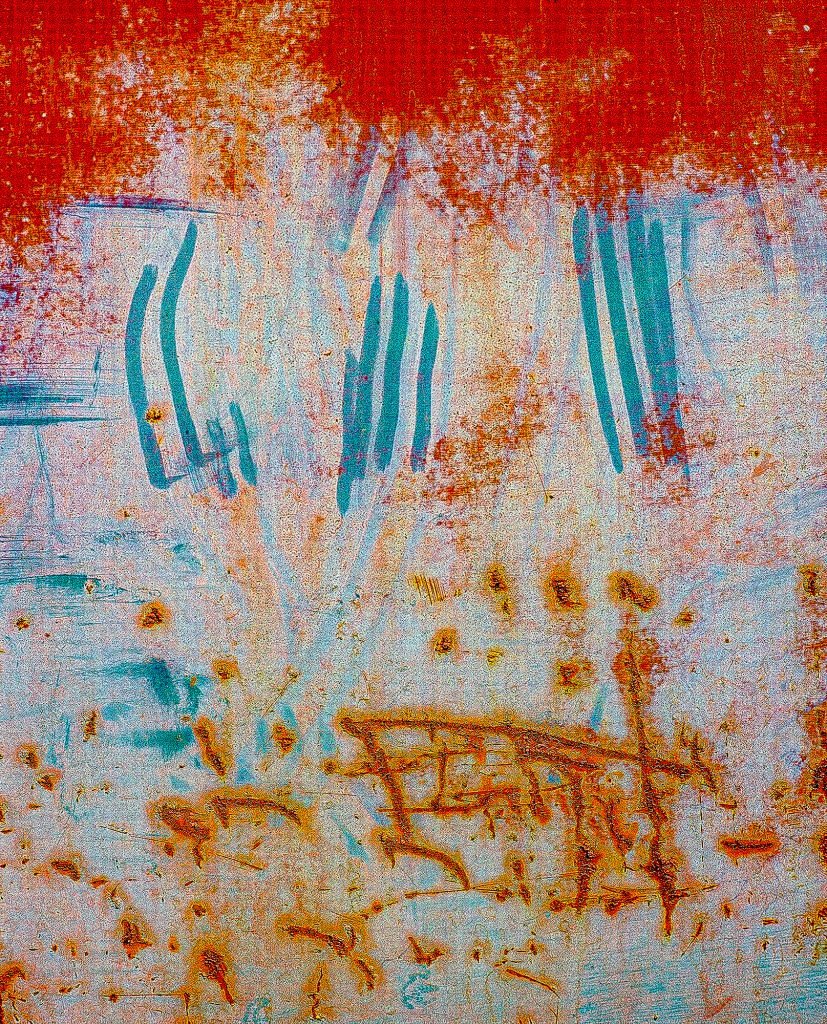
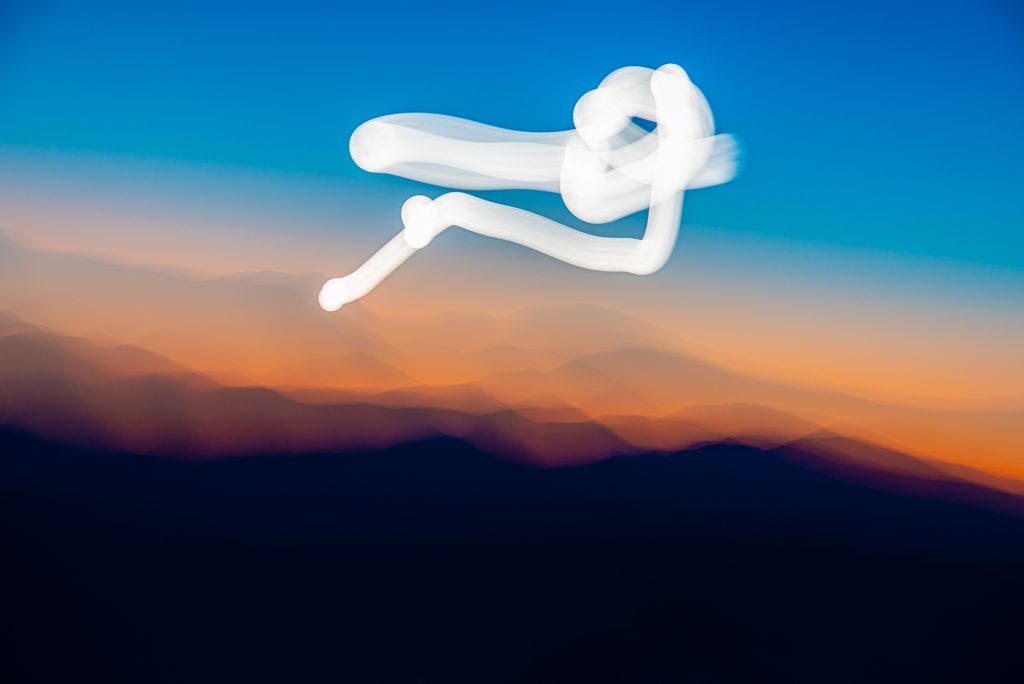
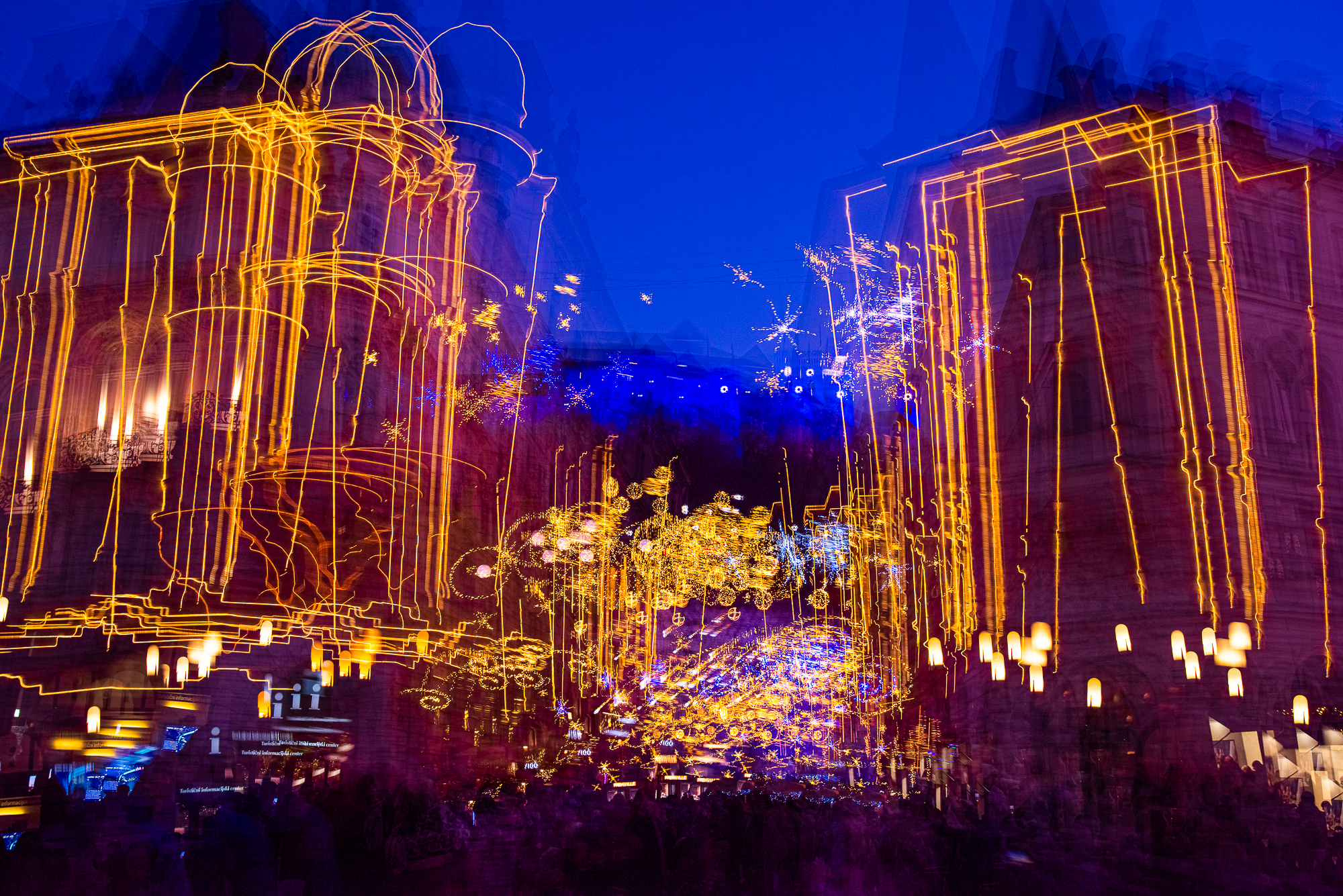
Throughout the 20th century, photographic abstraction unfolded according to several strategies: abstraction through composition (close-up detail, fragmentation of the subject), abstraction through technique (double exposure, blur, motion blur, solarisation), and abstraction through the removal of the camera (photograms), each aiming to disrupt the immediate identification of the subject and to highlight the qualities of shapes, textures, contrasts and visual rhythms.
In the post-digital era, abstract photography continues to evolve: digital technology facilitates the manipulation of pixels, algorithmic recomposition and hybridisation with other media, raising new questions about the indexicality and autonomy of the photographic image. Current theoretical debates explore whether abstract photography ‘destroys’ the index of photography or whether, on the contrary, it broadens the medium’s expressive possibilities by freeing it from the mere reproduction of reality.

Ferney Voltaire (France) – June 2026
Similar Posts