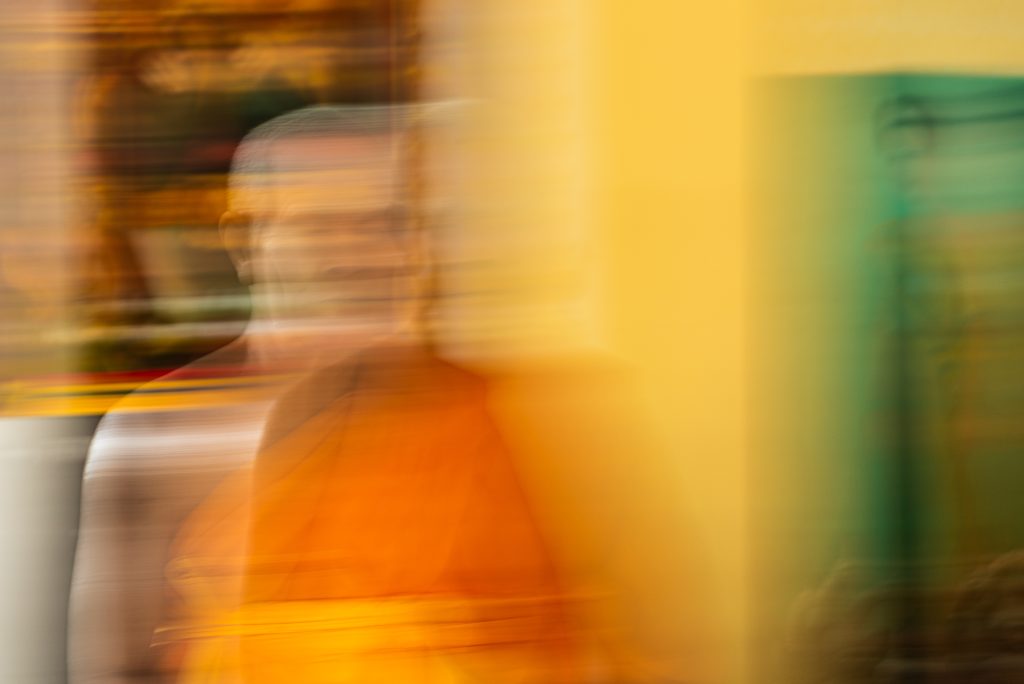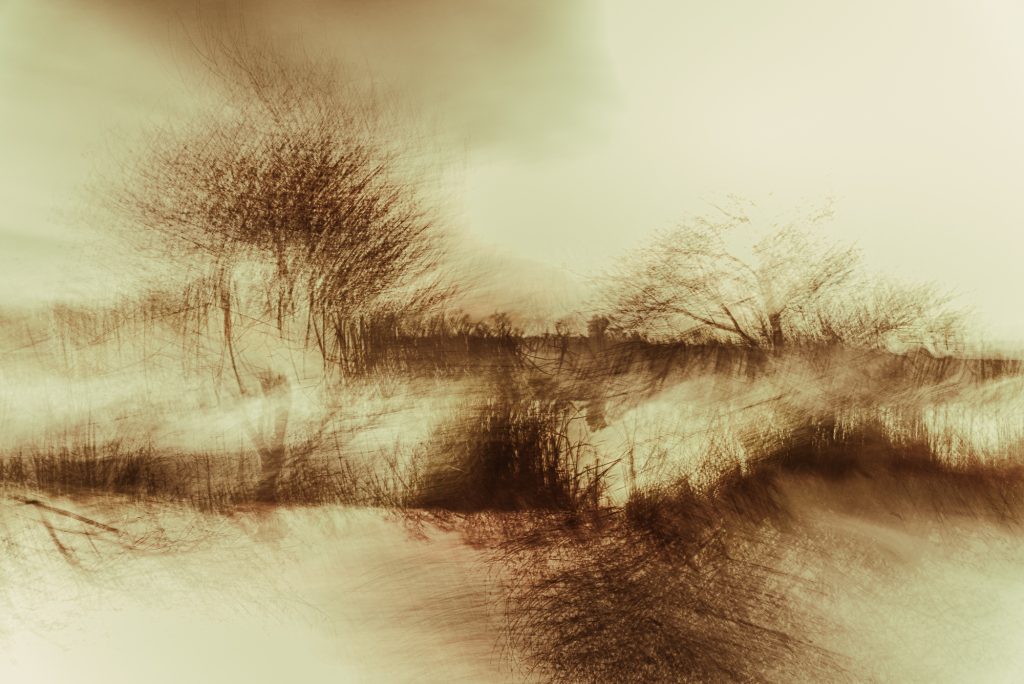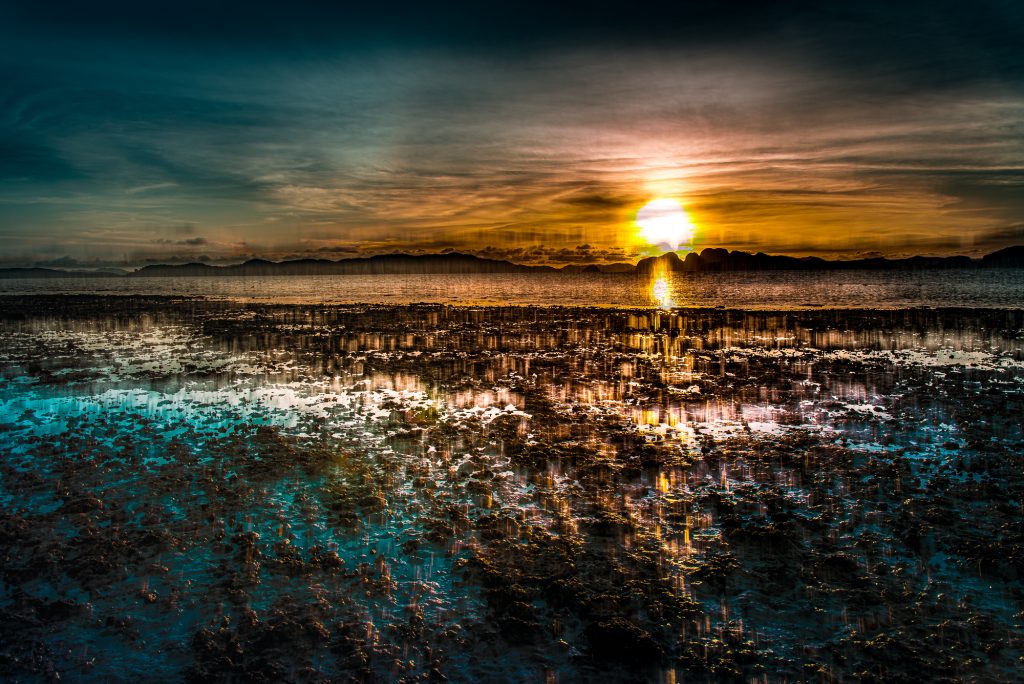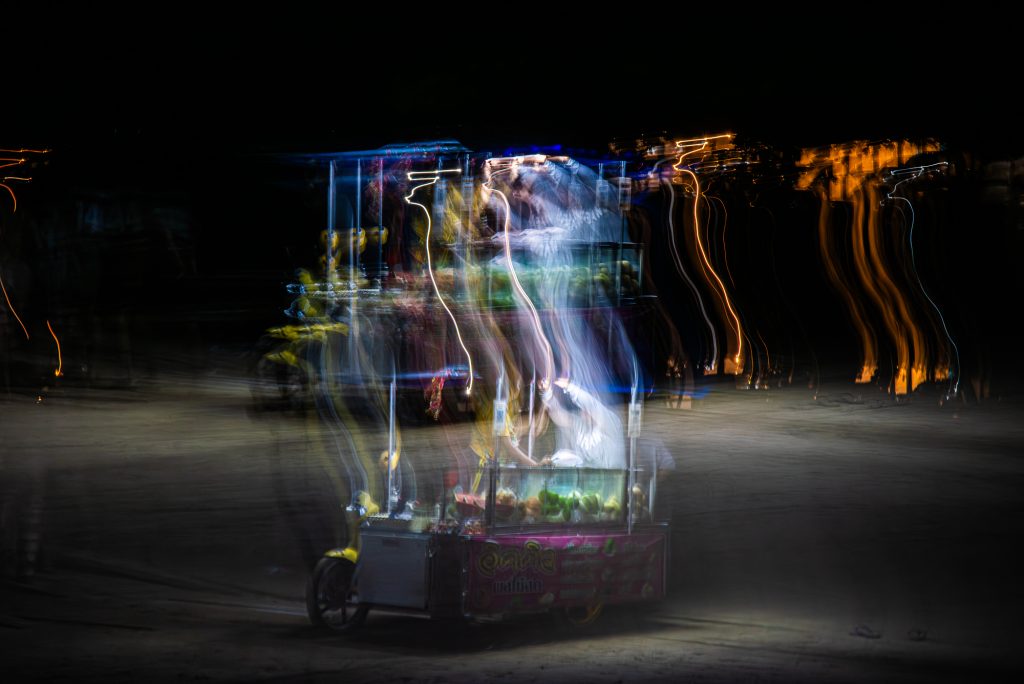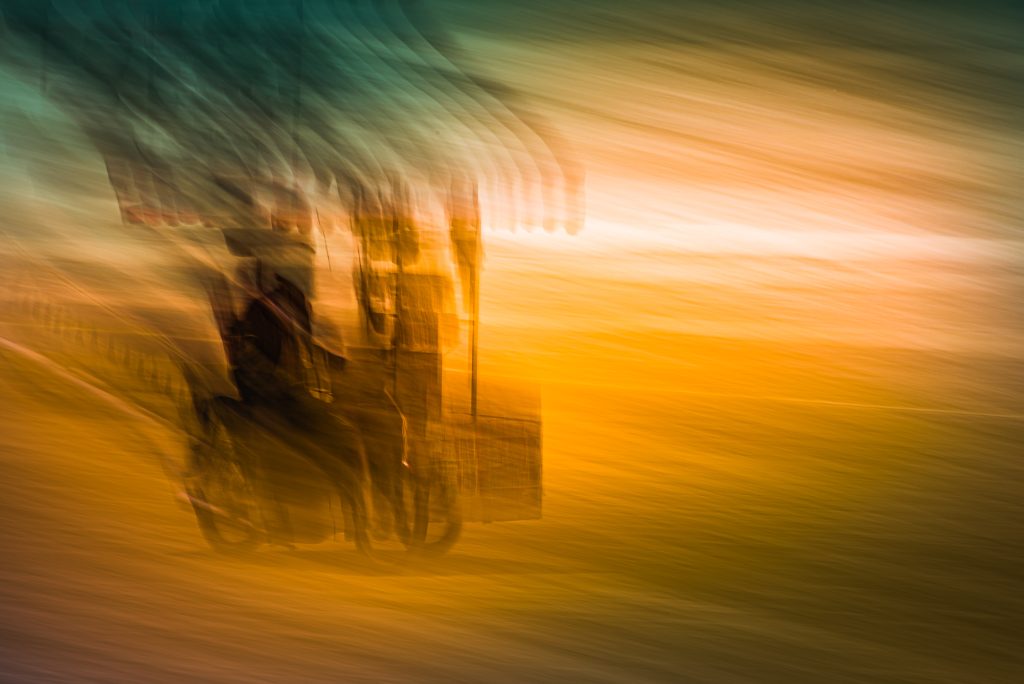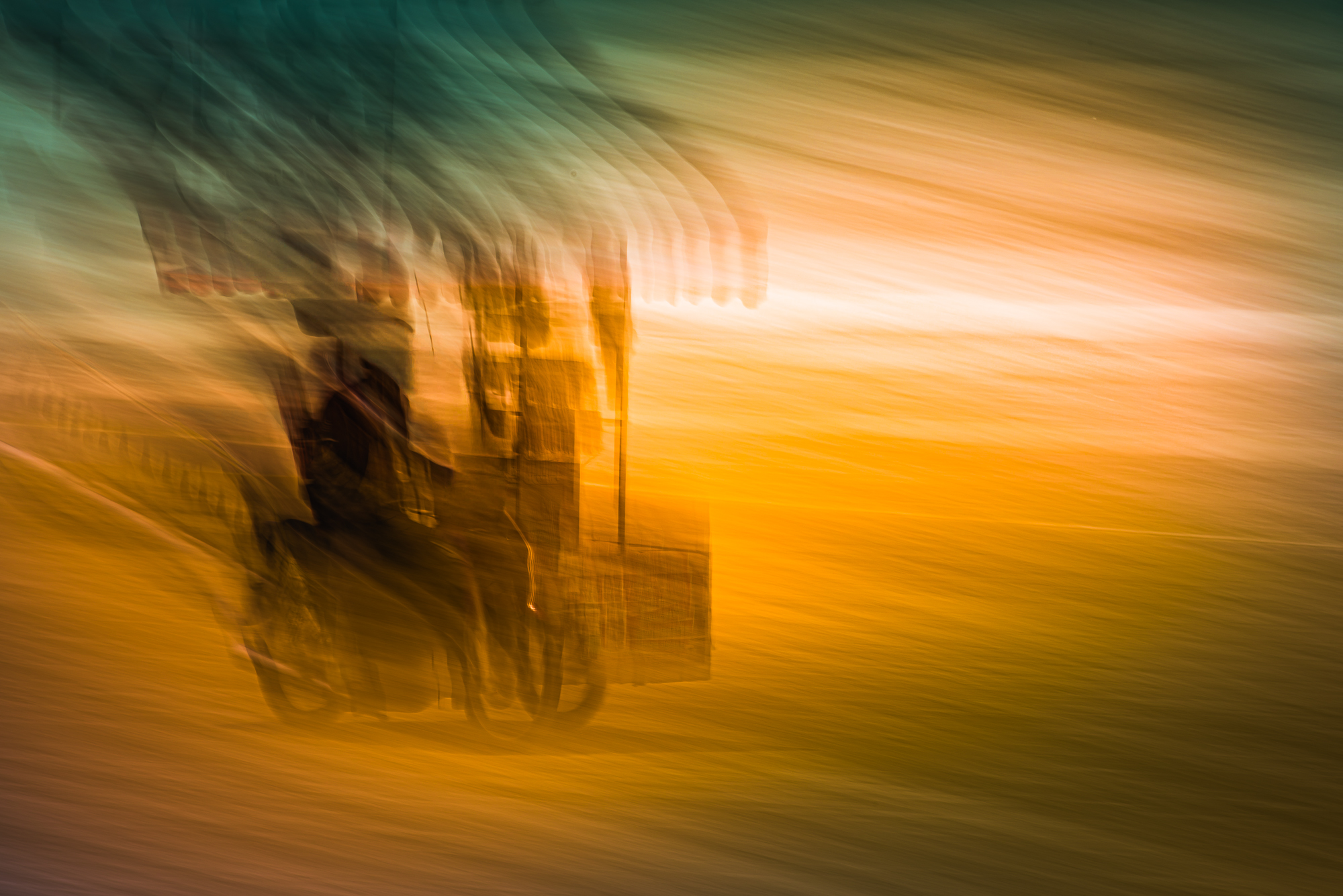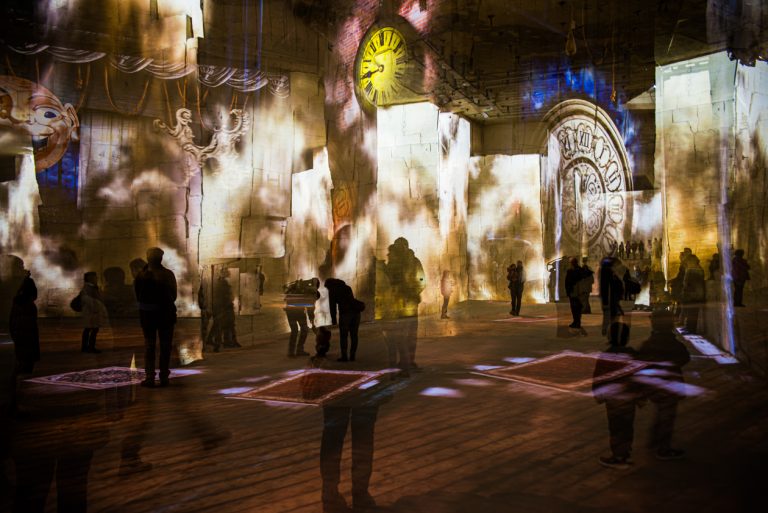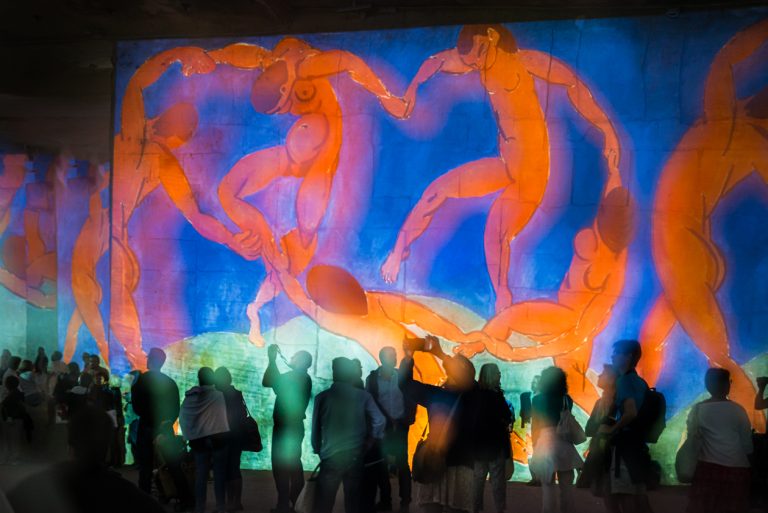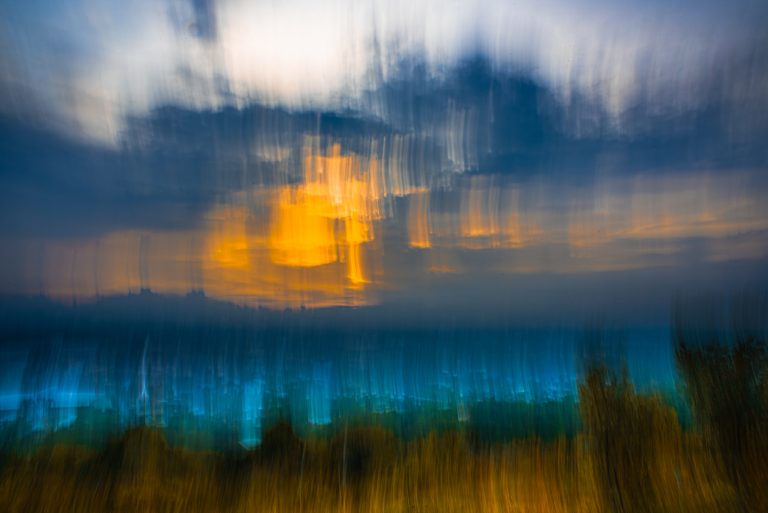
1-Chantaburi Thailande (REP141-

Expressionism in Photography 5/7
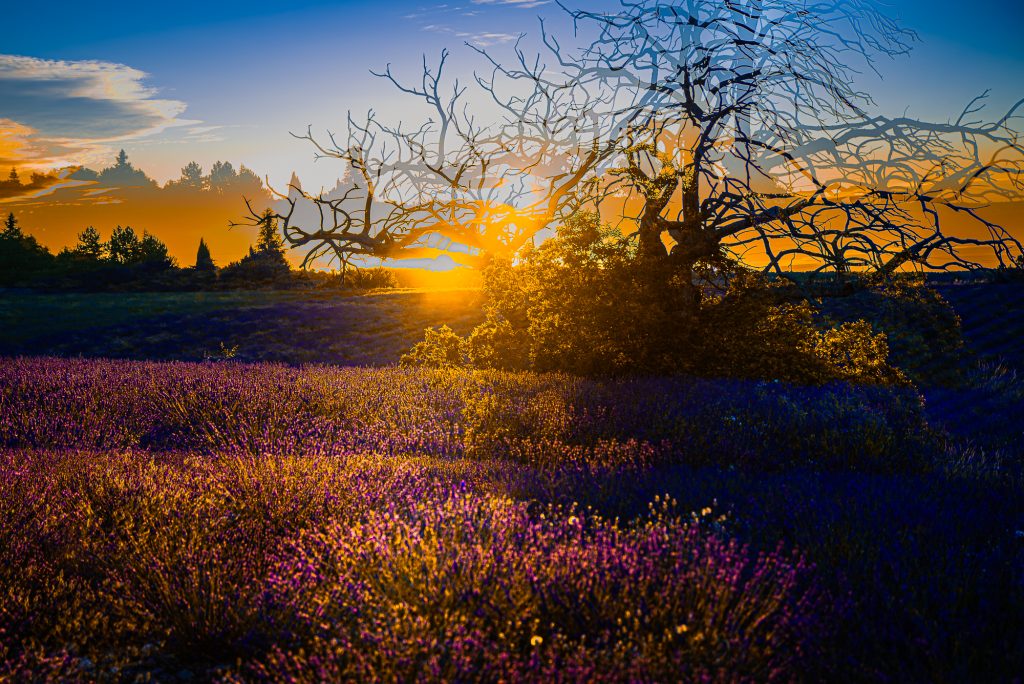
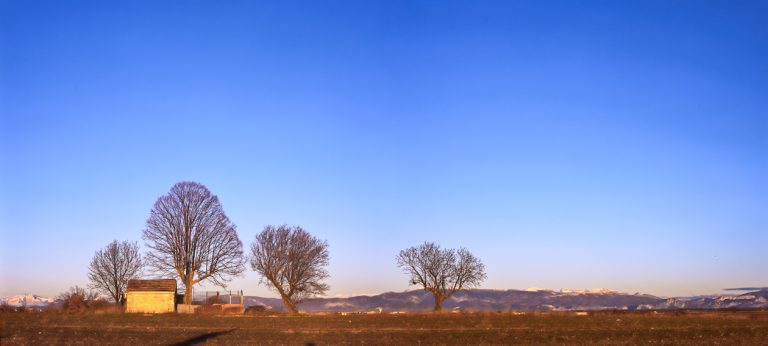
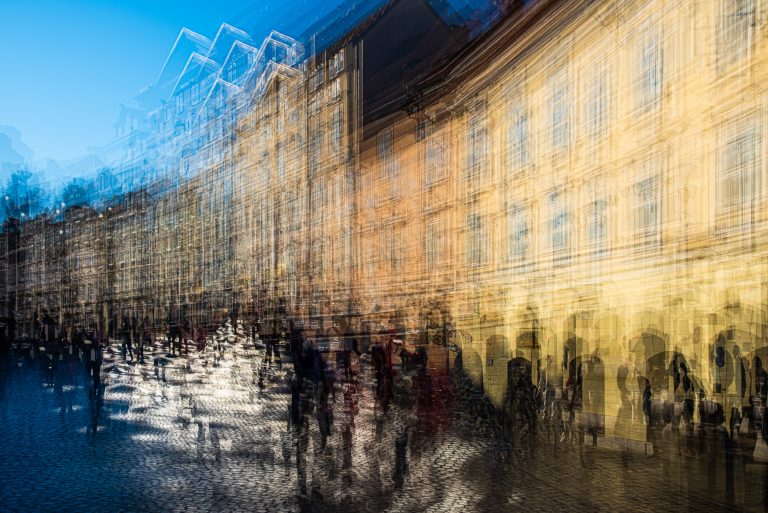
3-Turin Italie (REP141-103488)
Copyright: Erick Venturelli
« of 22 »

Expressionism: from painting to photography.

The origins and history of Expressionism in painting.
Expressionism in painting emerged in Northern Europe at the beginning of the 20th century, particularly in Germany, against a backdrop of profound social, industrial and psychological change. It arose as a reaction to a style of painting that was too attached to the faithful representation of reality, such as Impressionism, and sought instead to convey the artist’s emotions, anxiety and inner life.
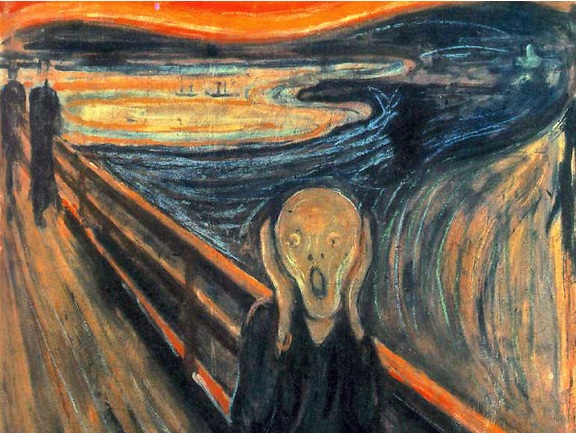
The origins of this movement date back to the late 19th century. Painters such as Vincent van Gogh and Edvard Munch paved the way by using colour and form to convey states of mind rather than simply depicting the visible world. Their approach inspired a generation of artists who sought to break away from classical beauty and from the idea of neutral or objective painting.
Le cri, Edvard Munch. 1893
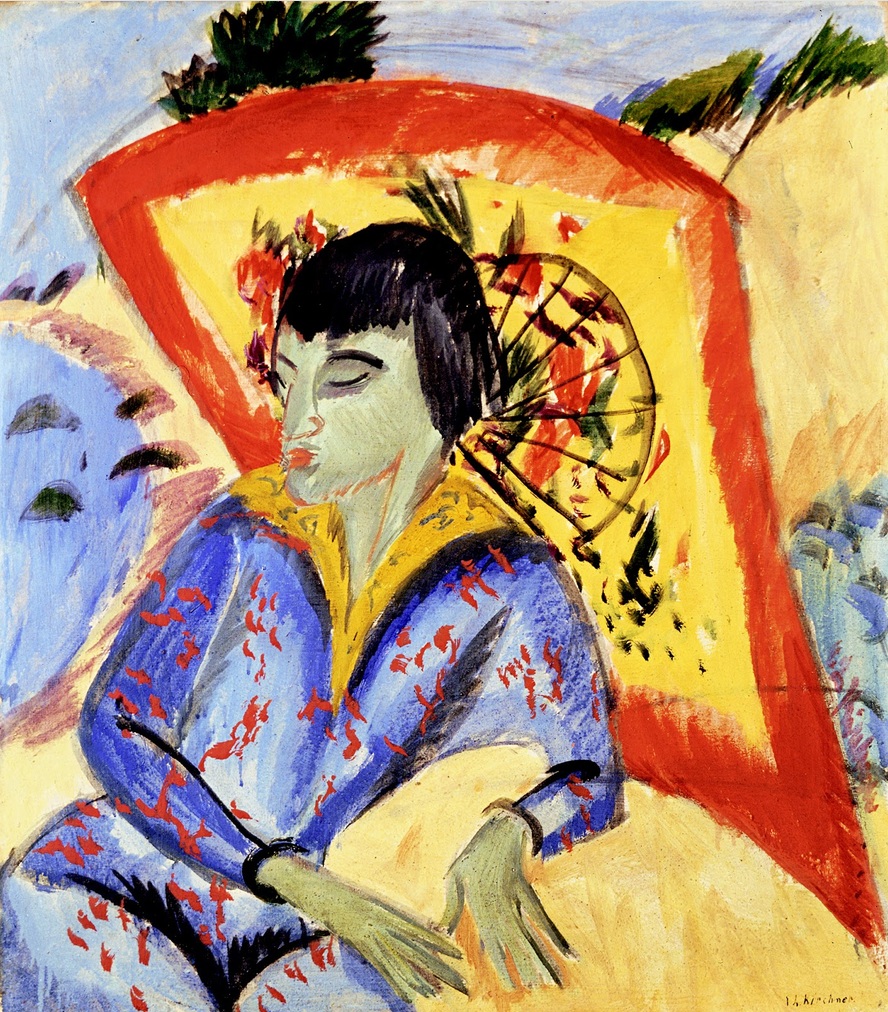
The movement took on a more defined form around < a7> 1905 with the formation of the group Die Brücke in Dresden. These artists, including among them Ernst Ludwig Kirchner, sought a direct, vivid and sometimes brutal expression of urban modernity and of existential unease. Their style is recognisable by the distortion of bodies, with edgy contours, the colours are vivid and a deliberate simplification of shapes.
Ernst Ludwig Kirchner, 1913
A second major centre emerged in Munich with *Der Blaue Reiter*, centred around Wassily Kandinsky and Franz Marc. This group gave Expressionism a more spiritual and theoretical dimension by exploring the role of colour, symbolism and abstraction. Kandinsky subsequently moved towards abstract art, demonstrating that Expressionism was not a static entity but a stepping stone towards other modernist explorations.
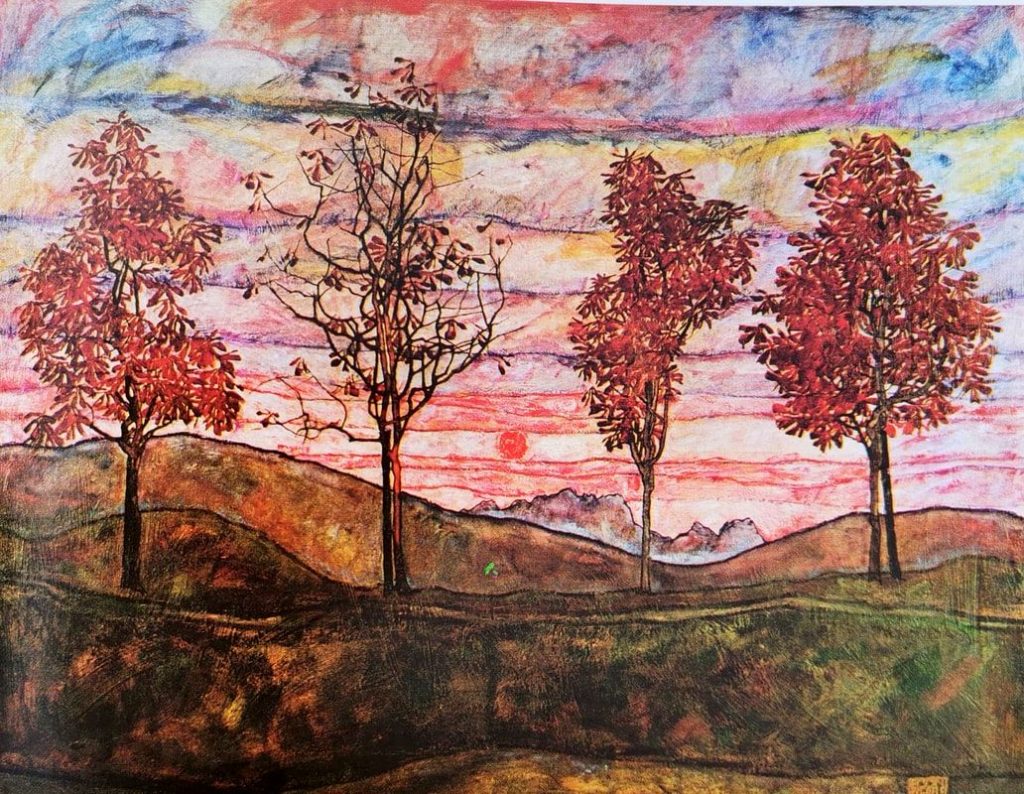
Egon Schiele. 1917
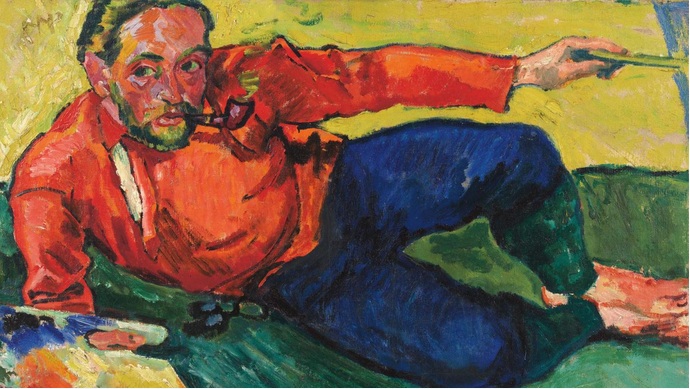
Hermann Max Pechstein. 1909
The development of Expressionism was characterised by its spread beyond Germany and by the changes it underwent after the First World War. The movement continued to influence painters who saw it as a means of denouncing the violence of the modern world, loneliness or the crisis of the individual. In the 1920s, it continued in various forms of dramatic or stylised painting, whilst losing the unity of its early days.
In 1933, the Nazi regime classified Expressionism as a form of ‘degenerate art’, which led to the exile of many artists and contributed to the fragmentation of the movement. Despite this, its legacy remains considerable: it paved the way for a style of painting in which emotion takes precedence over likeness, and it has profoundly influenced modern art, abstraction and even certain forms of contemporary art.
In short, Expressionism arose from a rejection of naturalism and a need to give visible form to the inner tensions of modern man. Its history shows how an artistic sensibility can emerge from a historical crisis, and then develop into an enduring language for expressing anxiety, subjectivity and creative freedom.
Expressionism in photography.
One can draw a connection between Expressionism in painting and in photography through their shared aim: not to depict the real in a neutral manner, but to convey an emotion, a tension or a subjective view of the world. In both cases, the artist seeks less to reproduce than to interpret.
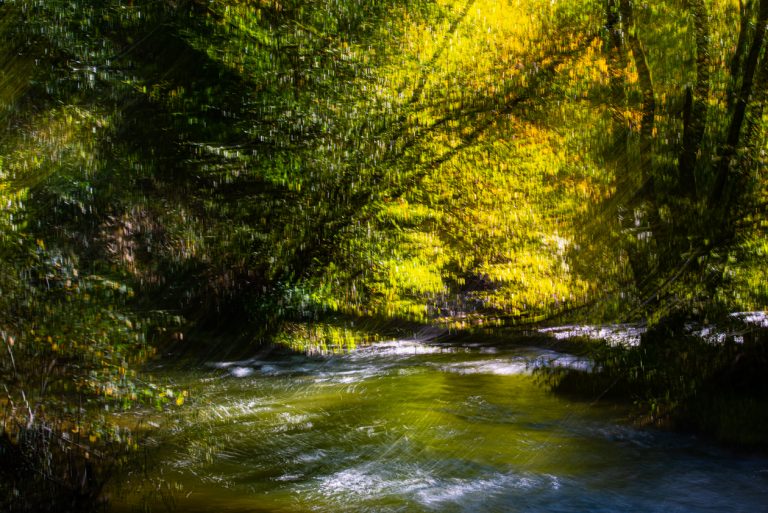
In painting, this connection is achieved through the distortion of forms, bold colours and contrasts to express inner feelings. In photography, it is found in the framing, unusual angles, stark shadows, blurring, movement or the choice of a subject that suggests a mood rather than an objective description.
Expressionism in photography can also draw direct inspiration from Expressionist painting: the same taste for intense atmospheres, unsettling urban scenes, isolated silhouettes and compositions that evoke a sense of unease or anxiety. Photography thus becomes a means of extending that same visual sensibility, but through a different technical language.

Ferney Voltaire (France) – June 2026
Similar Posts