


From Pre to Post-Impressionism in photography.
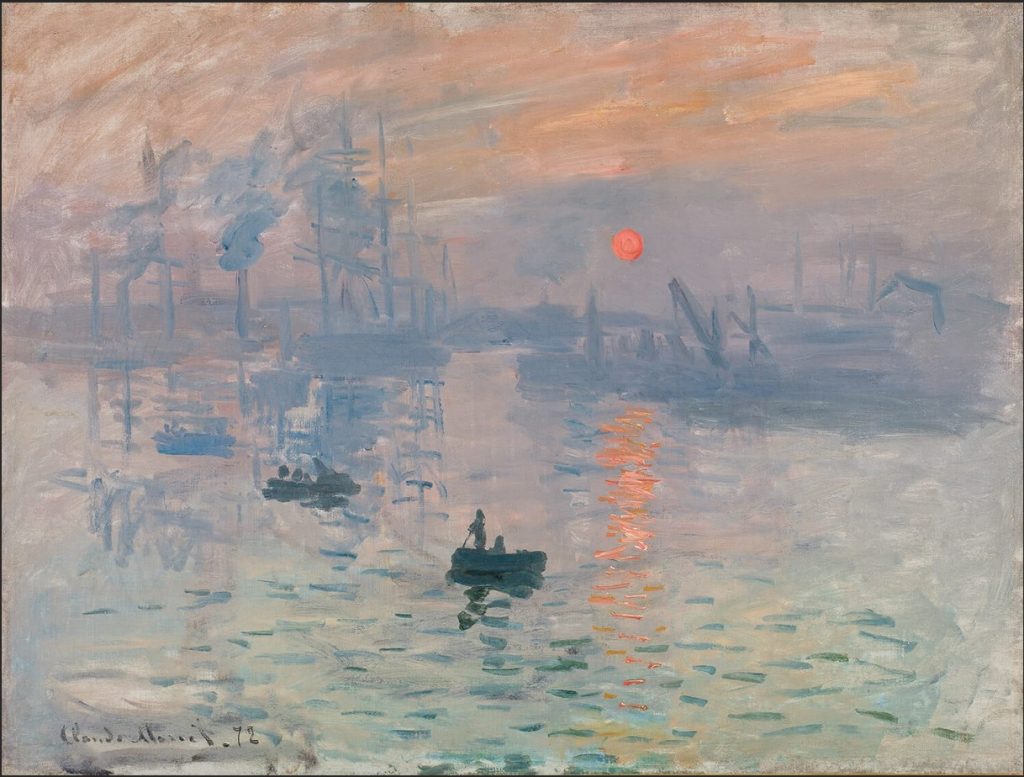
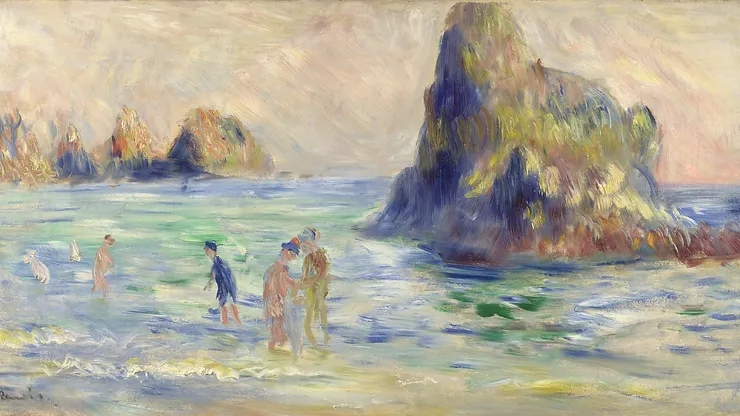
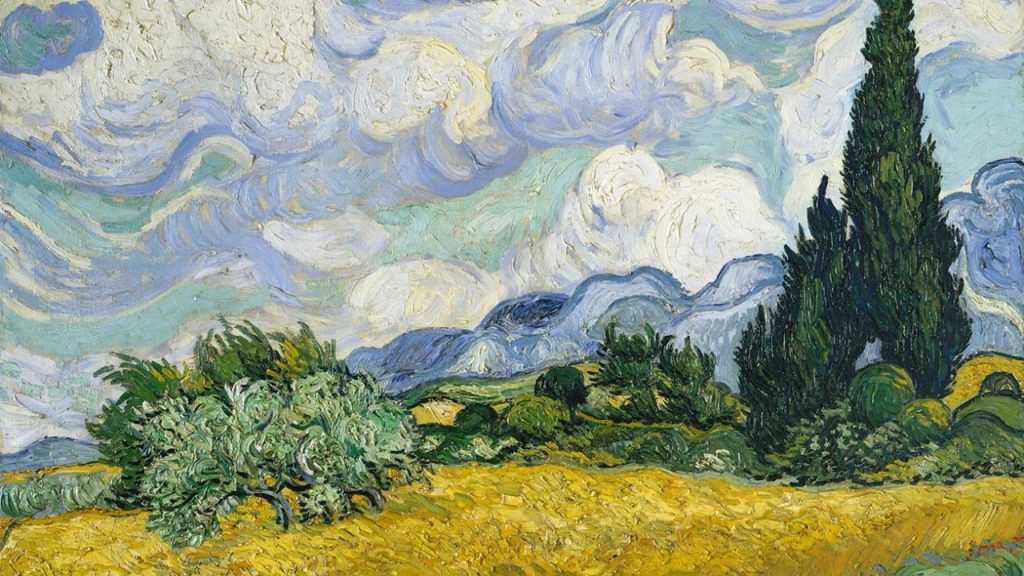
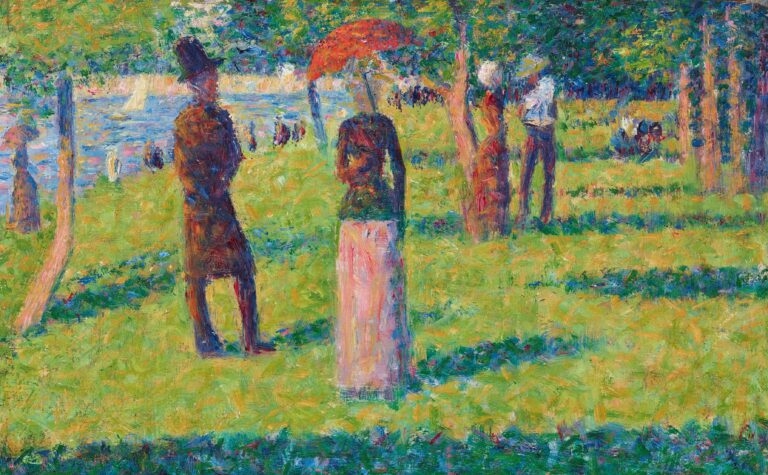
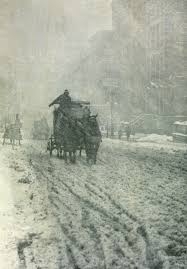
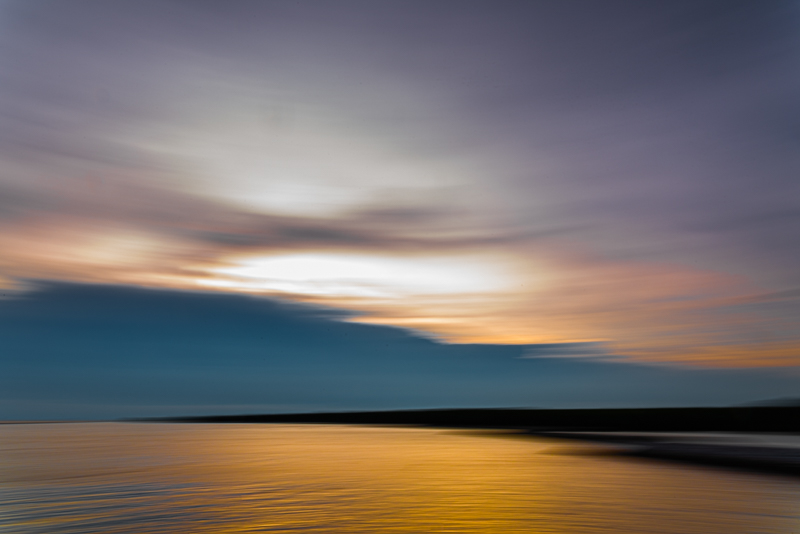
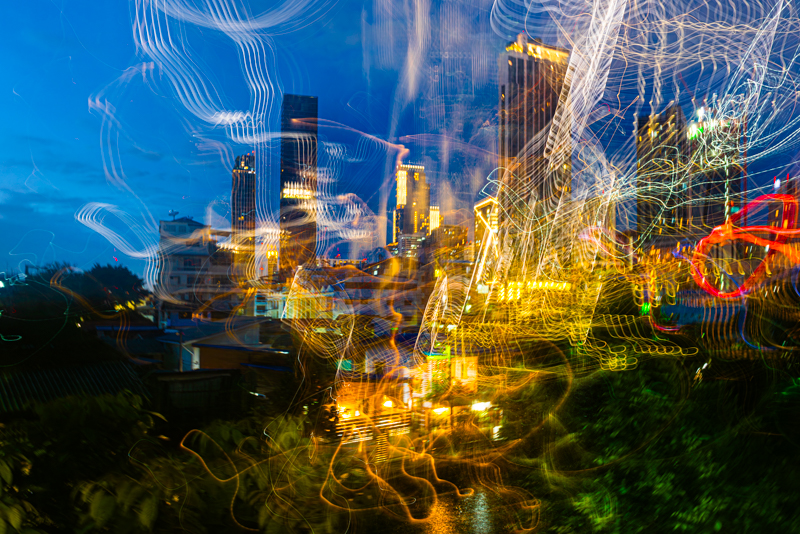
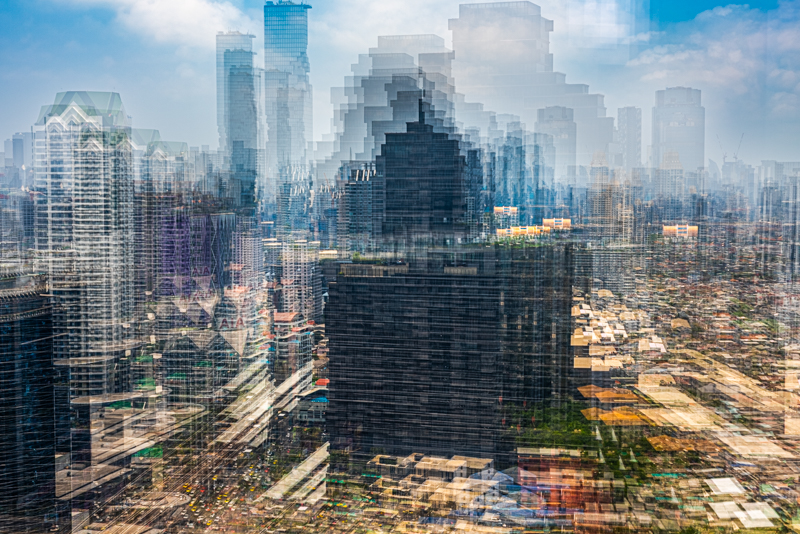
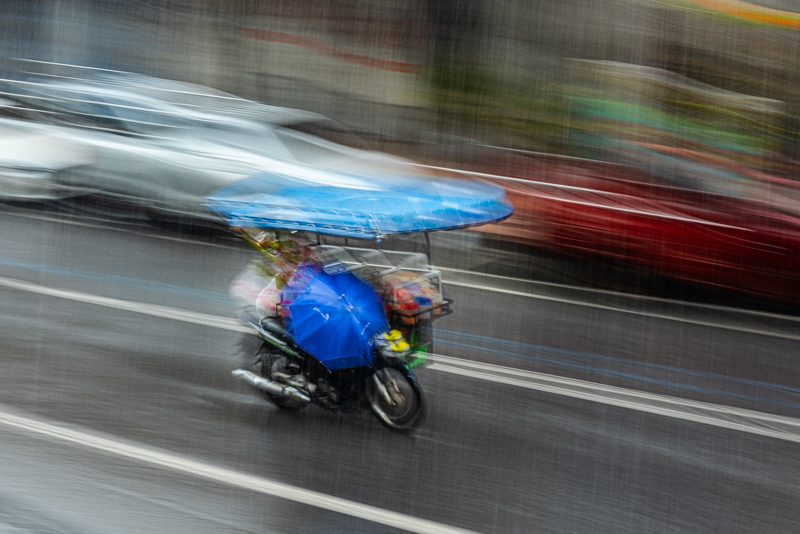
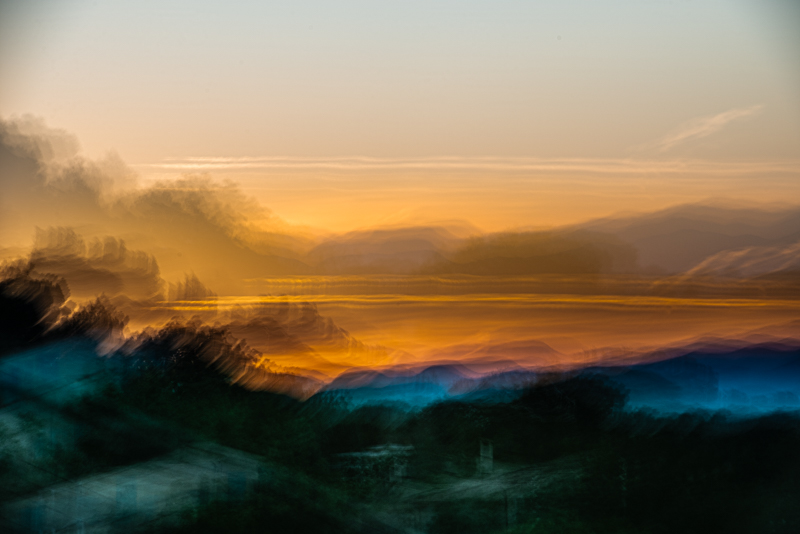
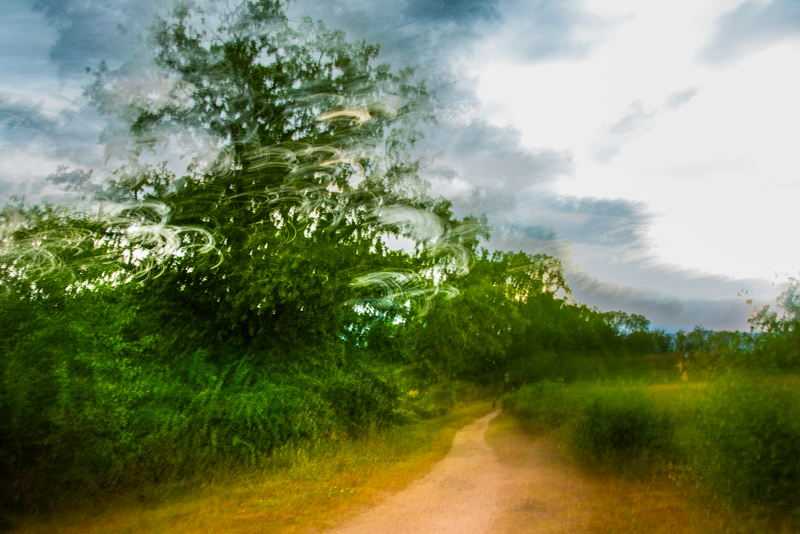
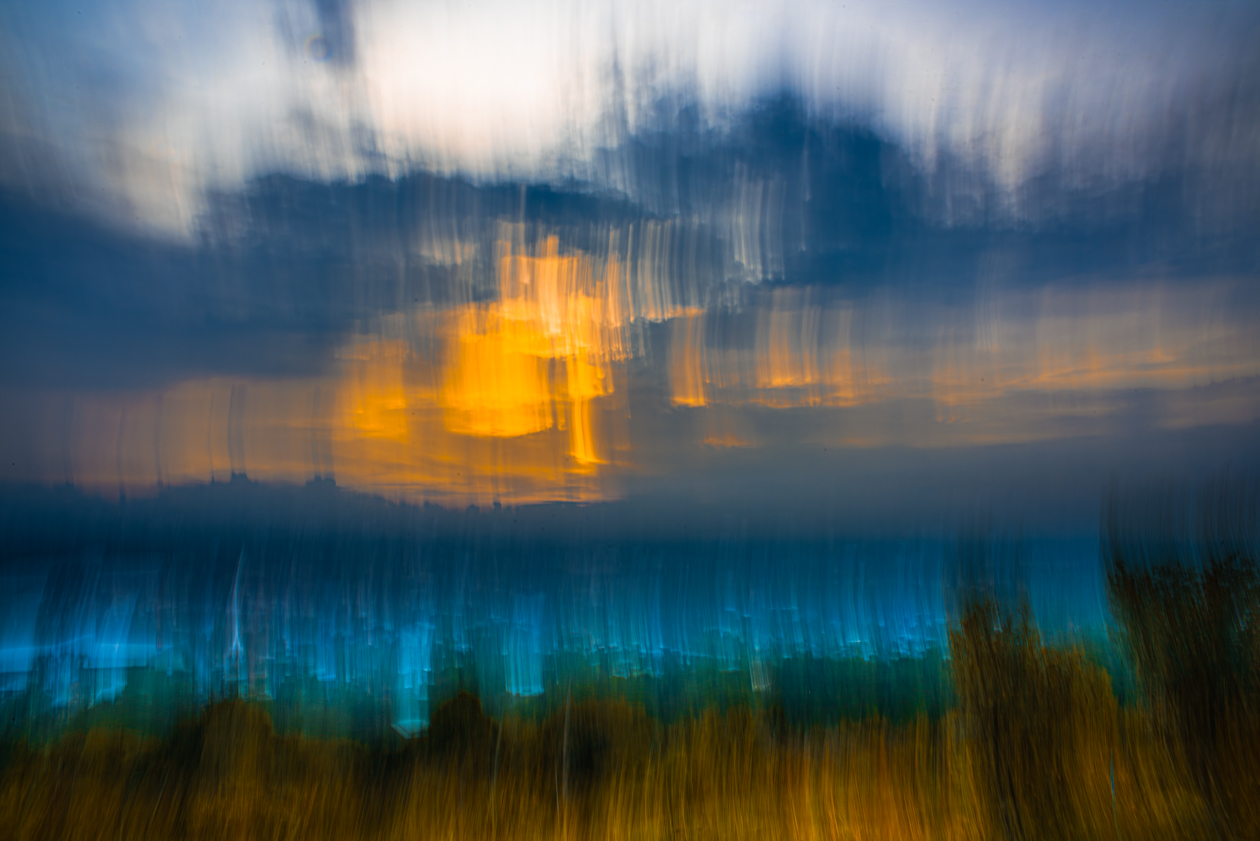
Impressionism is an artistic movement that emerged in France in the 1870s. Impressionism focuses on the visual and fleeting effects of light, while Post-Impressionism explores more varied approaches, seeking to express deeper concepts and structure compositions in a more thoughtful way.
These two Pre-Impressionist movements marked a major turning point in modern art, paving the way for even more radical artistic explorations in the 20th and 21st centuries.
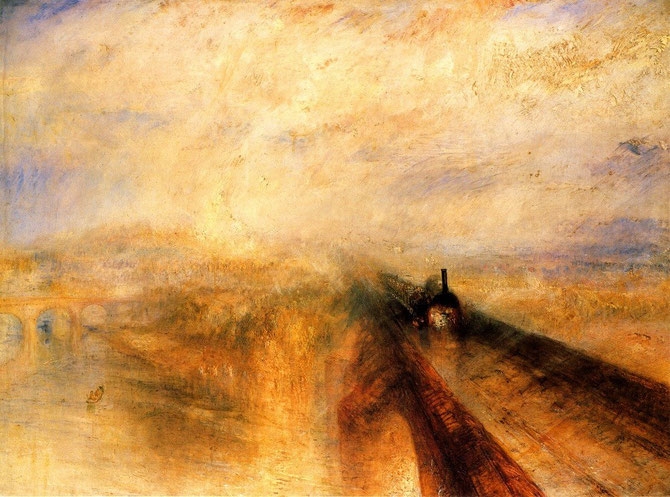
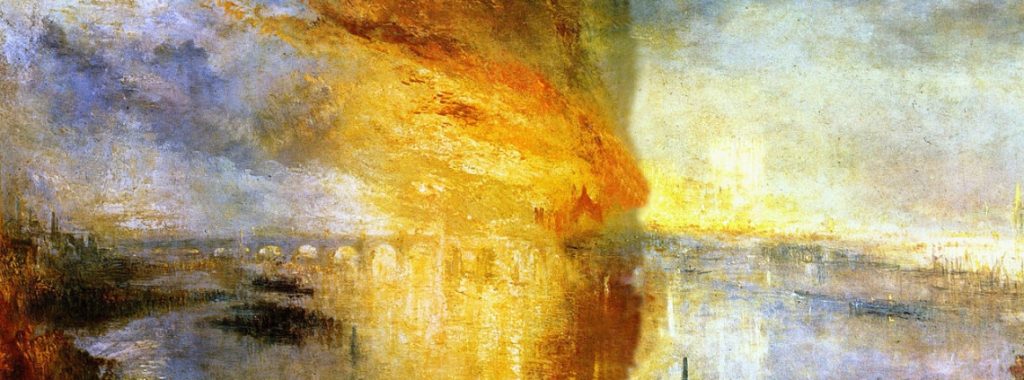
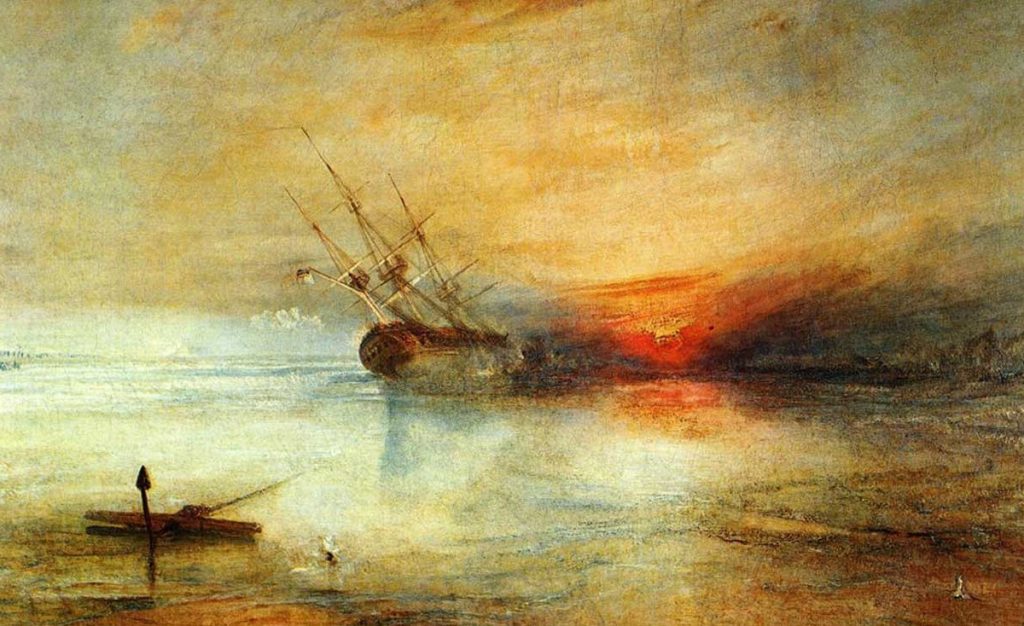
Joseph Mallord William Turner (1775-1851), peintre anglais connu pour ses paysages marins et ses scènes atmosphériques, est souvent considéré comme un précurseur de l’Impressionnisme, bien qu’il ait travaillé plusieurs décennies avant l’apparition officielle du mouvement. His innovative style, particularly in his later works, profoundly influenced the Impressionist painters of the 19th century.
.The dissolution of forms in light and color: in his works, particularly his seascapes and storm scenes, Turner focuses on how light interacts with the atmosphere and the elements, often at the expense of the detail of the objects themselves. For example, in his famous painting “Rain, Steam, and Speed” (1844), the locomotive seems to almost melt into the misty environment, with details taking a back seat to the overall atmosphere.
. The use of bright, contrasting colors: Turner liked to experiment with vibrant and unconventional colors, often juxtaposing them to create dramatic lighting effects. These colors are sometimes applied in a manner reminiscent of the bold brushstrokes of the Impressionists, although his style is more fluid.
. An emotional and subjective approach to landscape: Unlike academic artists who sought to represent nature realistically, Turner was interested in the emotional effect a scene could evoke. He did not seek to paint a faithful copy of nature, but rather to capture the essence and atmosphere of a fleeting moment.
a. Monet and atmospheric effects: Claude Monet, one of the main founders of Impressionism, was particularly influenced by the works of Turner, which he discovered during his stays in London. Monet was inspired by the way Turner used light to transform landscapes into luminous, almost abstract visions. This is particularly evident in Monet’s series, such as his Water Lilies or his depictions of Rouen Cathedral, where the light and atmosphere change depending on the time of day, capturing the fleeting nature of each moment.
b. Expressive brushstrokes: Turner’s work, with its loose brushstrokes and forms partially dissolved in washes of color, foreshadows the Impressionist treatment of the canvas surface. The Impressionists, like Turner before them, preferred suggestion to precision, focusing on the overall impression left by a scene.
c. Experimenting with light and color : Turner, like the Impressionists after him, often used bright, contrasting palettes to explore the play of light. In his paintings of sunsets and sunrises, he sometimes reduced forms to masses of vibrant color, creating an intense atmosphere where light seemed to envelop the entire scene.
Although Turner is associated with Romanticism, his most innovative work, toward the end of his career, foreshadowed developments that would become central to Impressionism and modern art movements. He was not only an observer of nature, but a true creator of atmospheres and light, freeing painting from the constraints of detailed realism.
While Impressionism focused on capturing light at a specific moment, Turner, in his later works, went even further, creating landscapes where light and atmosphere seem to engulf the material world. This paved the way for a freer, more expressive style of painting that was less concerned with faithfully reproducing reality.
J.M.W. Turner, although he lived and worked well before the advent of Impressionism, can be considered a Pre-Impressionist because of his fascination with light, atmosphere, and color. His innovative work anticipated key elements of Impressionism, particularly the treatment of light effects and the dissolution of forms into the atmosphere. Turner thus laid the foundations for an artistic revolution that would culminate in the emergence of Impressionism in the 1870s.Turner a ainsi jeté les bases d’une révolution artistique qui allait culminer avec l’apparition de l’Impressionnisme dans les années 1870.
Their style is characterized by :
– Quick, visible brushstrokes: Artists used short strokes to capture the ephemeral effects of light.
– Vivid, unmixed colors: they avoided smooth mixes, preferring to lay colors side by side so that the viewer’s eye could combine them visually.
– Painting en open air: the Impressionists often painted outdoors (in open air) to capture the natural effects of light and atmosphere.
• Rejection of academic perspective: the emphasis was not on the accuracy of the drawing or strict perspective, but rather on the feeling of a scene.
The main representatives of this movement include Claude Monet, Edgar Degas, Pierre-Auguste Renoir, Camille Pissarro, and Alfred Sisley. These artists were often ridiculed by contemporary critics but are now considered revolutionary for their innovative approach to painting.
Post-Impressionism refers to a group of artists who, while influenced by Impressionism, sought to go beyond its limits from the 1880s onwards. The term “Post-Impressionism” was coined by British art critic Roger Fry in 1910 to describe the works of these artists, whose varied and individual styles could not be classified under a single label.
The Post-Impressionists sought to explore concepts deeper than the simple representation of light and color. Their work is often more emotional, symbolic, or stylized, marking an evolution toward later movements such as Symbolism, Fauvism, and Expressionism.
Here are some characteristics of Post-Impressionism:
– Exploring form and structure: unlike the Impressionists, who dissolved forms in light, the Post-Impressionists reaffirmed the solidity of objects.
– Subjective expression: they emphasized personal expression and emotion, often through vivid, non-naturalistic color choices.
– Varied techniques: Some, like Paul Cézanne, sought to structure their compositions with underlying geometric forms, while others, like Georges Seurat, used scientific techniques such as pointillism.
– Symbolism and emotion: artists like Vincent van Gogh and Paul Gauguin introduced emotional and symbolic elements into their work, using dramatic colors and compositions to express their inner feelings.
Major Post-Impressionist artists include Paul Cézanne, Vincent van Gogh, Paul Gauguin and Georges Seurat.
Although the two movements share common roots, they differ mainly in their approach:
These two movements have profoundly influenced art history and paved the way for modern art, encouraging experimentation and individual expression.
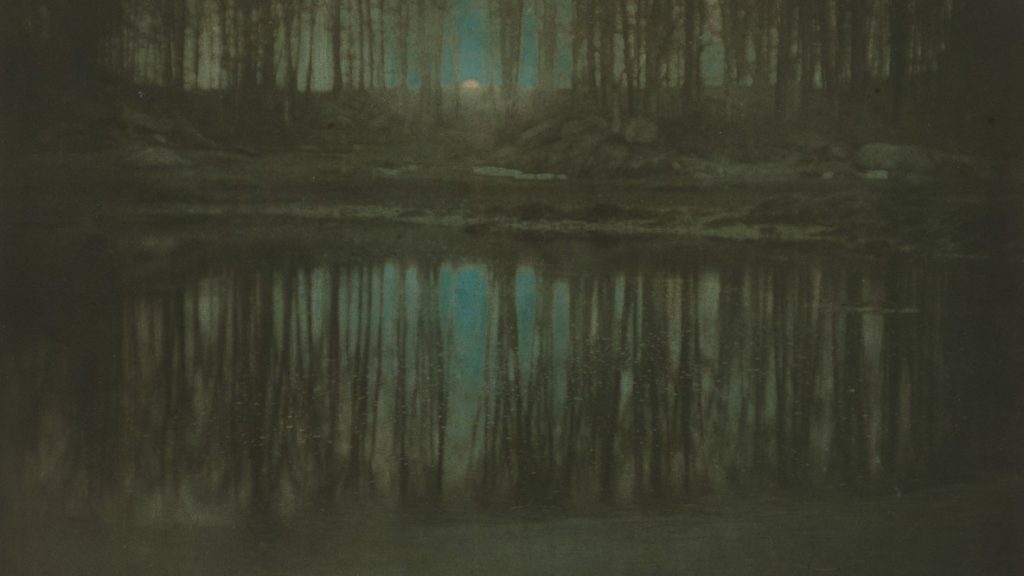
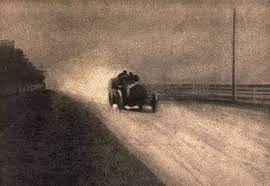
Although Impressionism and Post-Impressionism are artistic movements primarily associated with painting, their aesthetic principles also influenced photography, particularly with the emergence of pictorialism, a photographic movement from the 1880s to the 1920s. Pictorialism sought to elevate photography to the status of art by moving away from simple visual documentation and adopting a more artistic and subjective approach.
The Impressionist aesthetic was reflected in photography with a desire to capture not only reality as it is, but also atmospheric effects, light, and emotion. Photographers influenced by Impressionism used various techniques to make their images more “pictorial,” including:
Photographers like Alfred Stieglitz, Edward Steichen, and Robert Demachy adopted Impressionist approaches to photography, producing images of subtlety and emotion, often in black and white, where light and blur played essential roles.
• Experimental techniques: Post-Impressionist photographers have explored more complex techniques such as double exposure, collage or chemical treatments, seeking to modify or enrich the reality photographed. They wanted to go beyond mere representation to achieve symbolism or abstraction.
• Exploration of emotions: Like Vincent van Gogh and Paul Gauguin in painting, photographers influenced by Post-Impressionism aimed to capture deep emotions or inner states. This resulted in more dramatic images, where the subject was often a pretext to express a personal vision or emotional feeling.
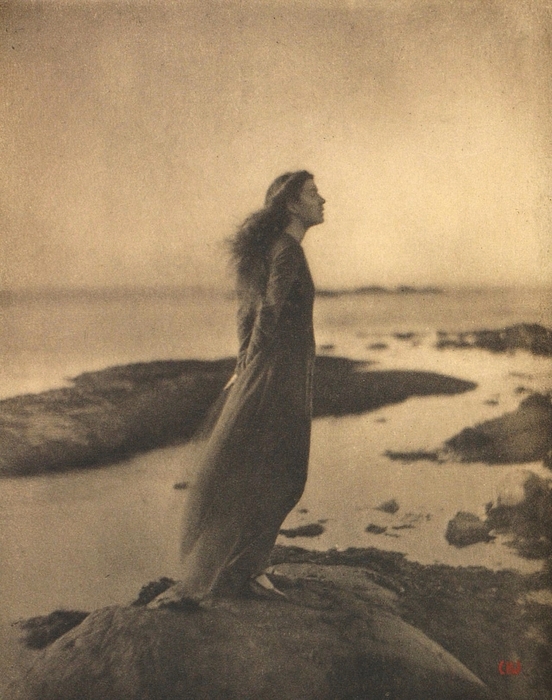
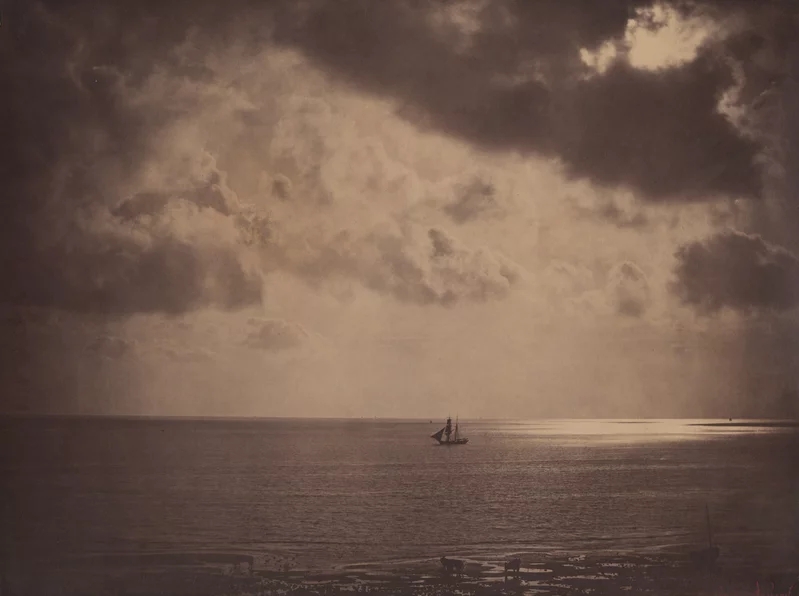
• Thoughtful composition: Unlike Impressionism, which focused on spontaneity, Post-Impressionism in photography gave a paramount importance to the structure of the image, playing with geometry, lines and symmetry, as Paul Cézanne did in his pictorial works.
Photographers like Clarence H. White and Gustave Le Gray illustrated this post-impressionist research in photography, where each image was carefully composed to suggest meanings beyond the visible subject.
Pre-impressionism, Impressionism and Post-Impressionism in photography have contributed to the idea that photography can be an artistic medium in its own right, not just a documentation tool. They inspired new forms of image manipulation, opening the way to modern photographic movements such as surrealism, minimalism, and expressionism. Today, contemporary photography continues to draw inspiration from these two movements, playing with light, form and emotion to create works that transcend tangible reality.
The advent of digital in the 2000s has contributed greatly to the artistic evolution of this movement by offering the photographer the possibility of multiplying shots without any significant financial and technical impact and with the possibility of working on views with an instant approach (in the field) and not in post processing to adjust the various settings.
The works presented below were obtained by directly composing the image at the shooting whether they are obtained by the ICM technique (Intentional Movement of the Camera) or by superposition (Overprint). Use of editing software for crop only when necessary and for adjusting colors and grain.
In summary, although born into painting, Impressionism and Post-Impressionism found an echo in photography, where they allowed photographers to emancipate themselves from technical constraints and venture into more free and emotional artistic explorations.
8.1. Impressionism represents the ephemeral nature of light.
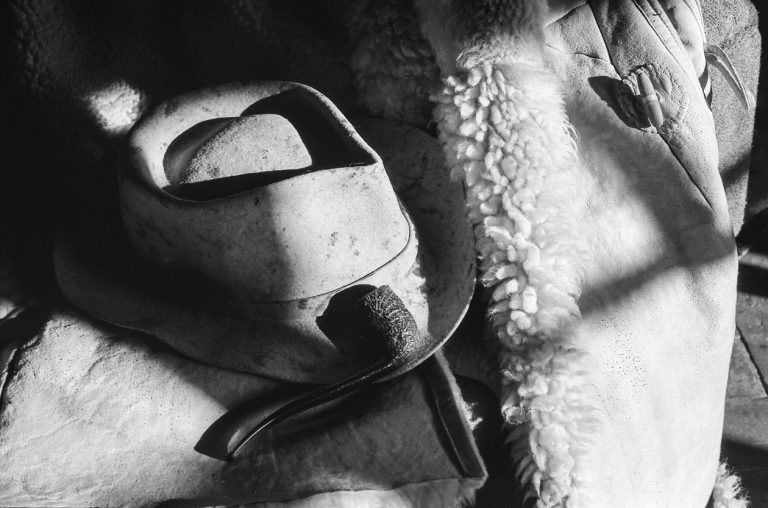
Located near the Luberon, the Montagne de Lure is an emblematic site in the Provence region which had a profound influence on the work of writer Jean Giono.
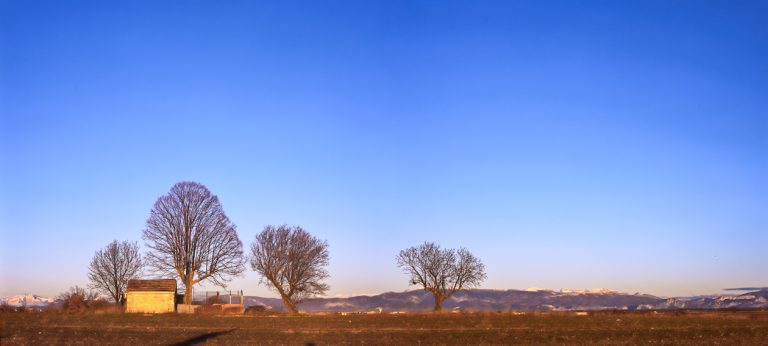
Panoramic photos offer a unique perspective , capturing wide, expansive scenes in a single image.
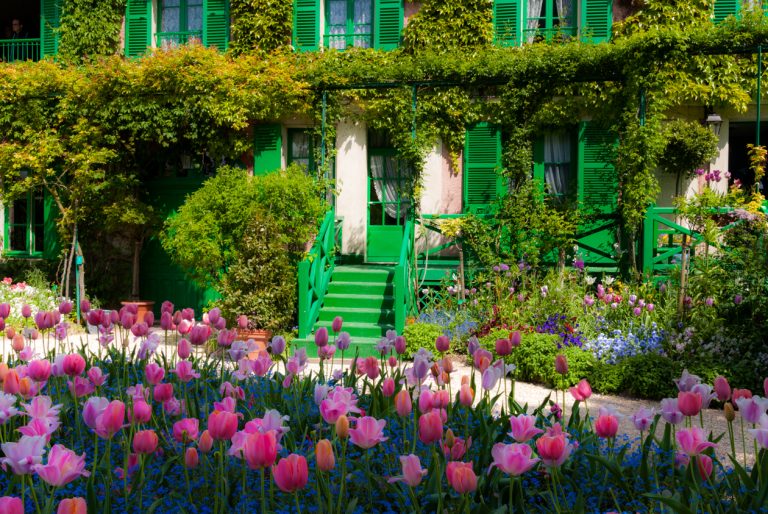
Giverny has left an indelible mark on art history thanks to the famous Impressionist artist Claude Monet.
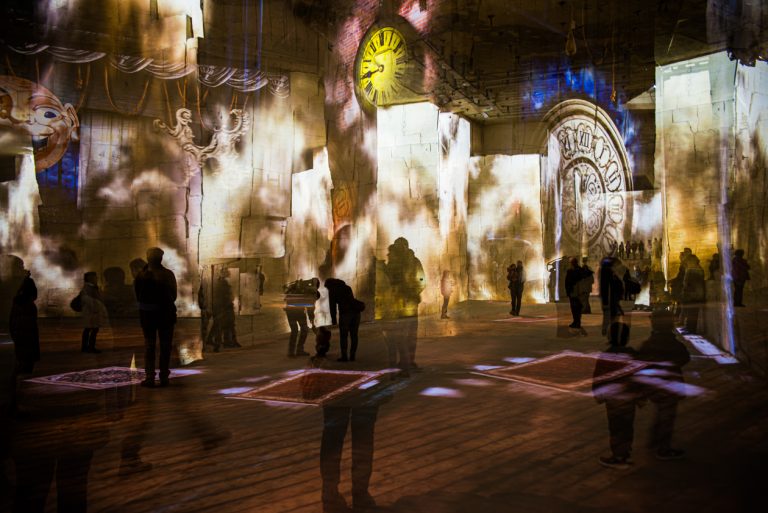
Georges Méliès was a pioneer of cinema, a magician turned filmmaker who transformed film into an art of the imagination through his special effects and fantastical stories.

Tractors can have a new life after their hard work: an artistic life.
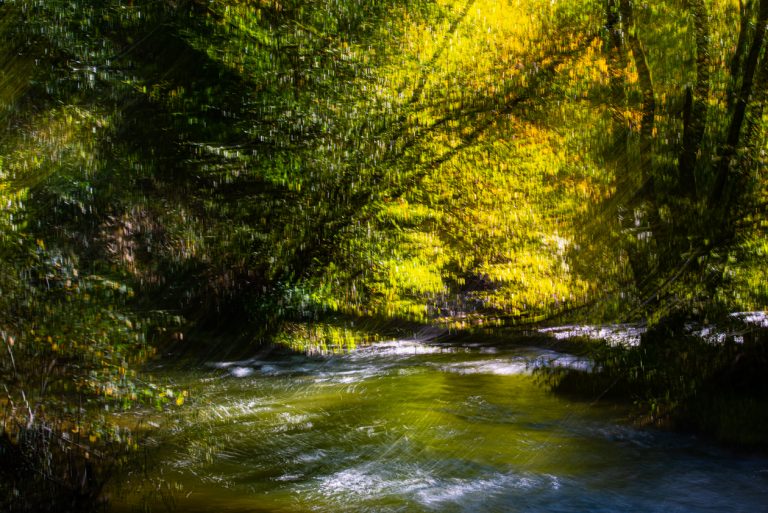
Photography, as a visual medium, shares surprising similarities with Pointillism.