


Immersive shows in impressionist mode.
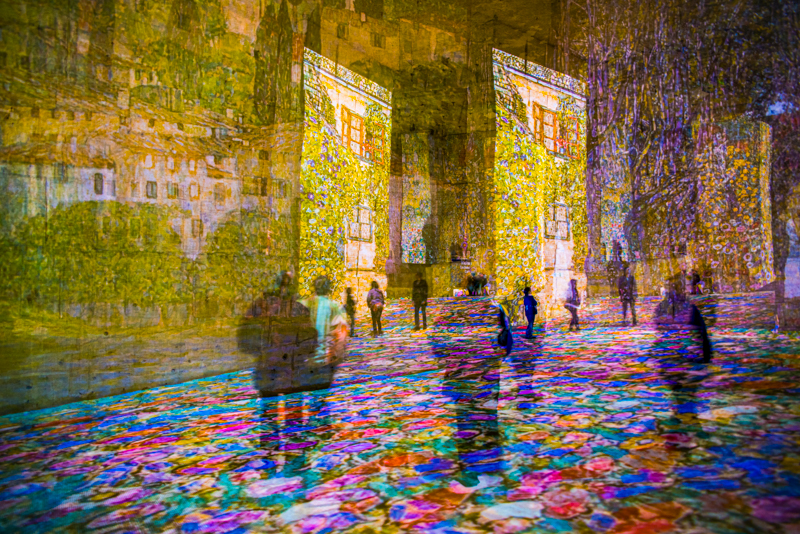
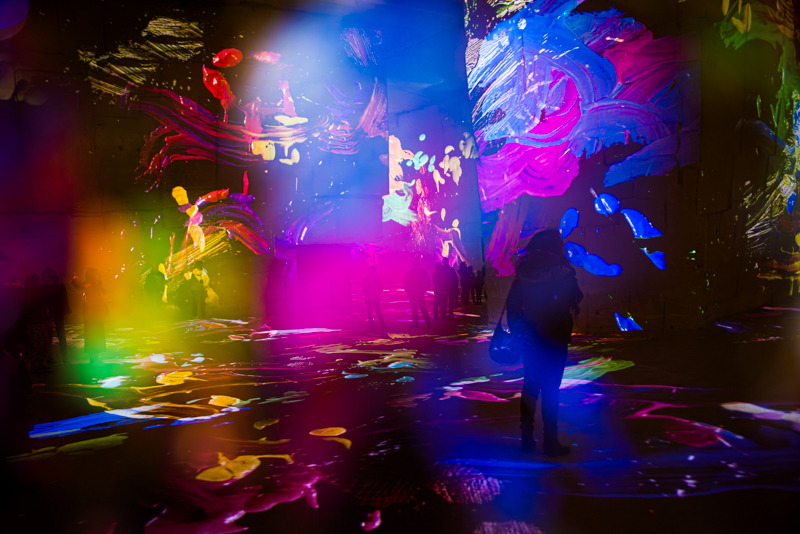
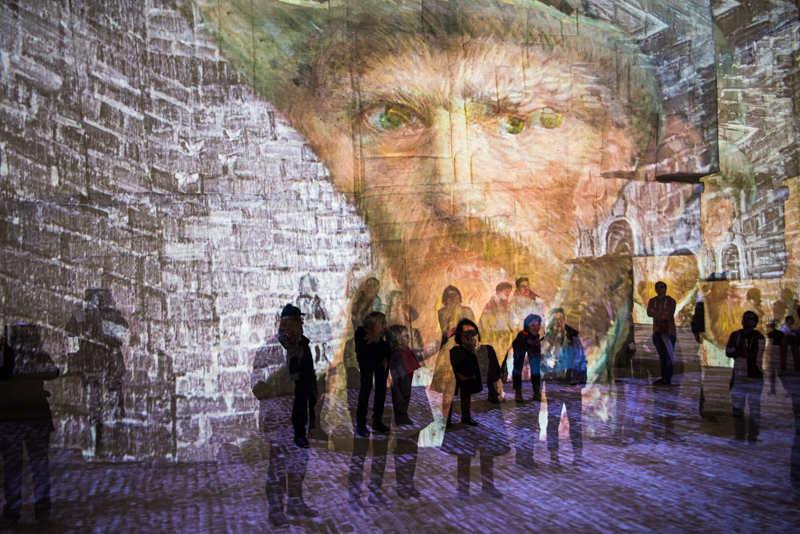
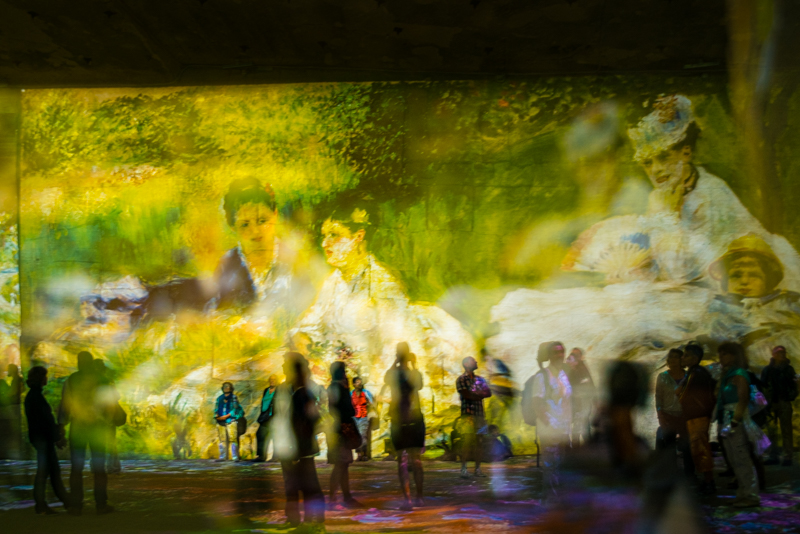
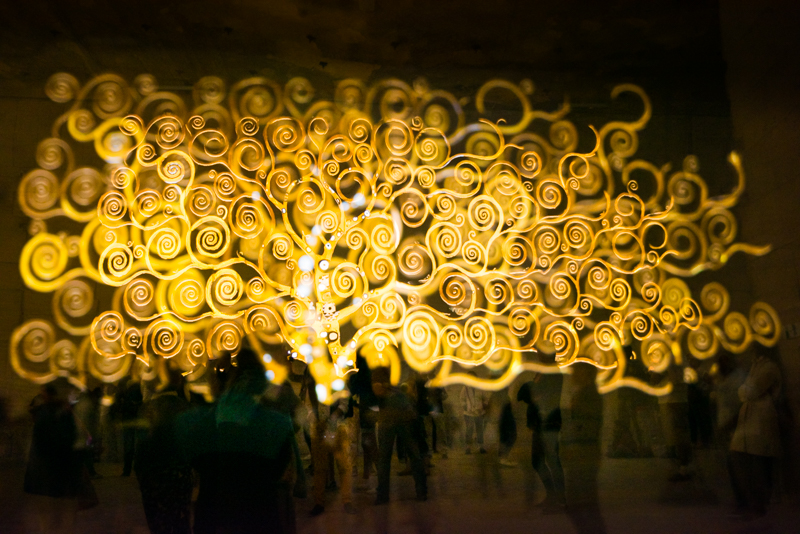
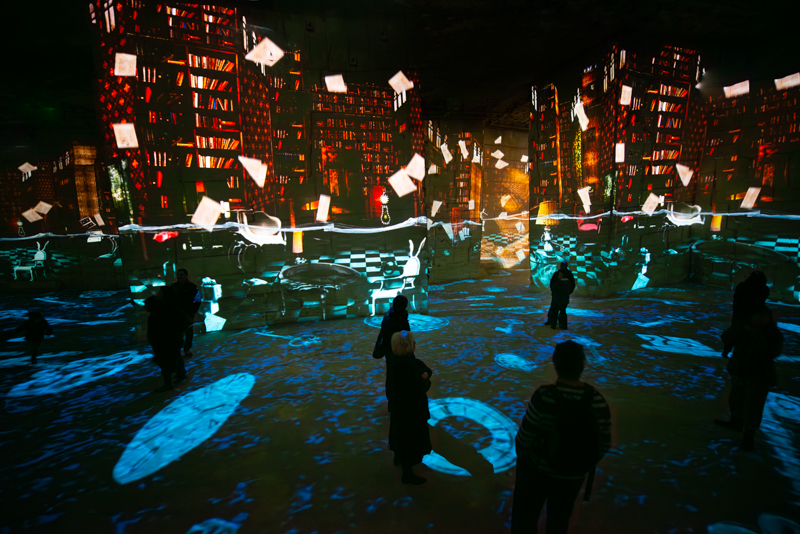
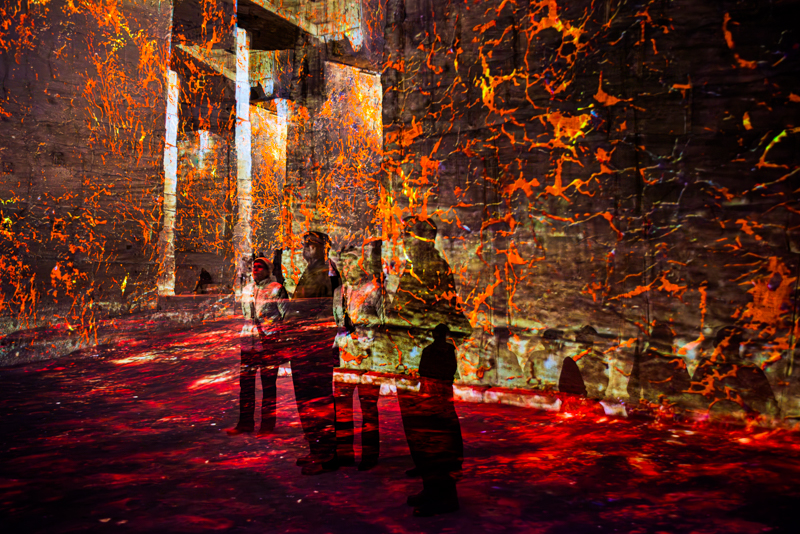
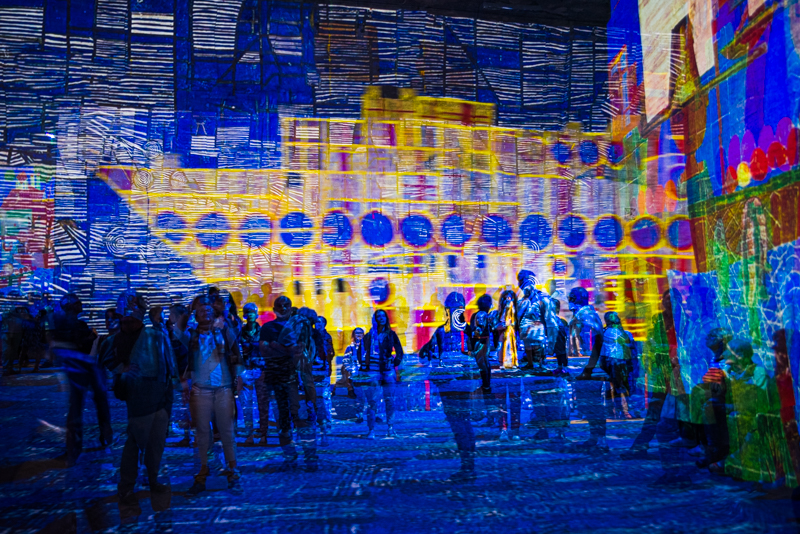
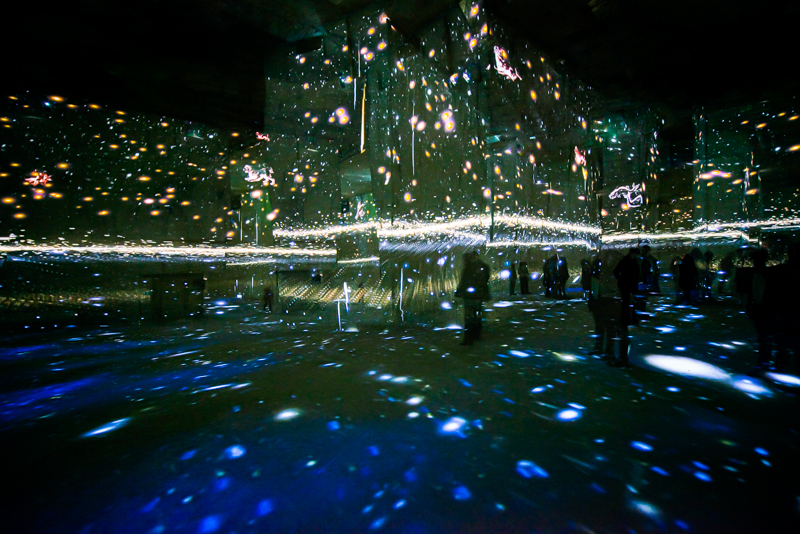
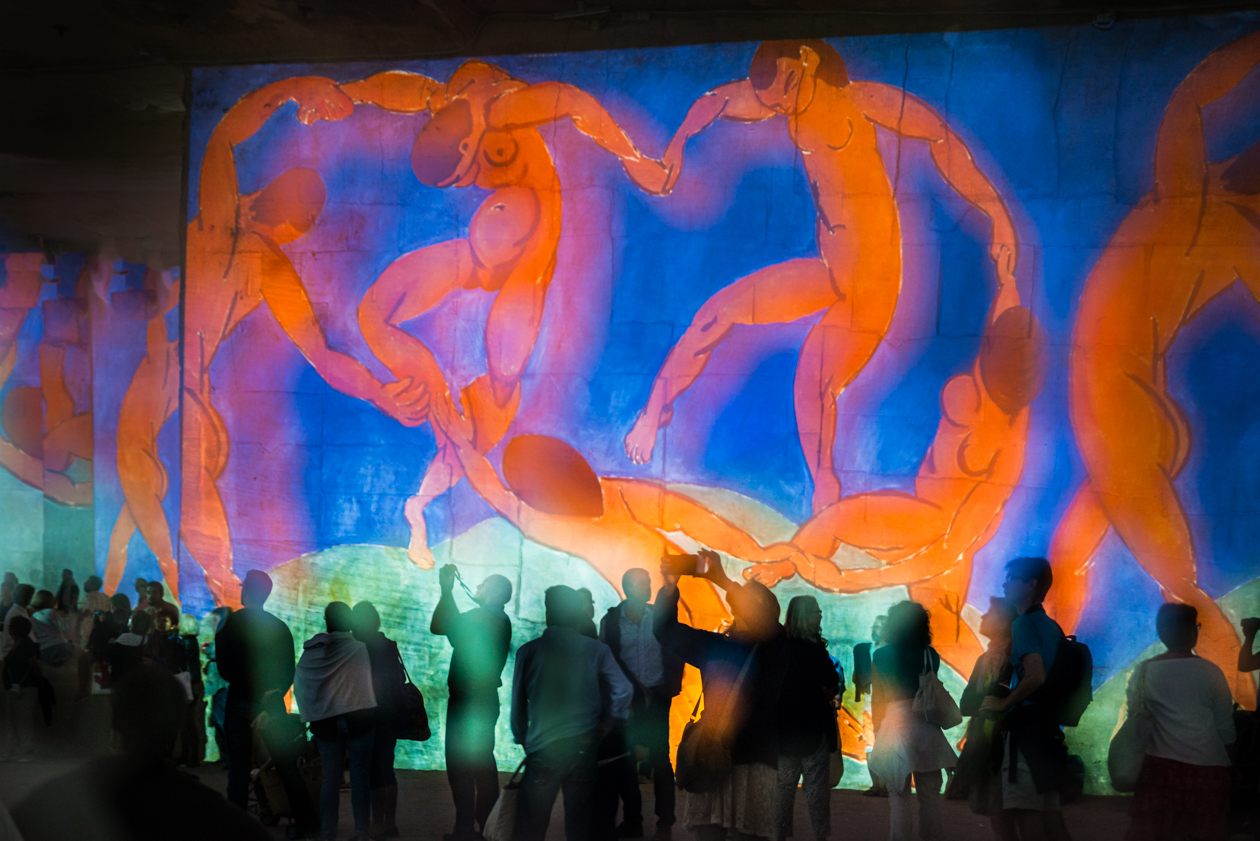
The idea of immersing the audience in a work of art goes back many centuries. In ancient times, Greek and Roman theaters were already seeking to transport audiences into the heart of epic tales, thanks to elaborate scenography and powerful narratives. However, the modern concept of immersion has its roots in the 19th century with panoramas, vast circular paintings that plunged spectators into the middle of landscapes or historical battles.
The emergence of digital technologies enabled a radical transformation of this approach in the 2000s. Works like Sleep No More in New York, where spectators wander freely through interactive sets, or exhibitions like Van Gogh Alive, which use monumental video projections, embody this new wave of immersion. Unlike conventional forms, these shows don’t simply tell a story; they transform the spectator into the main actor, free to discover, interact and appropriate the experience.
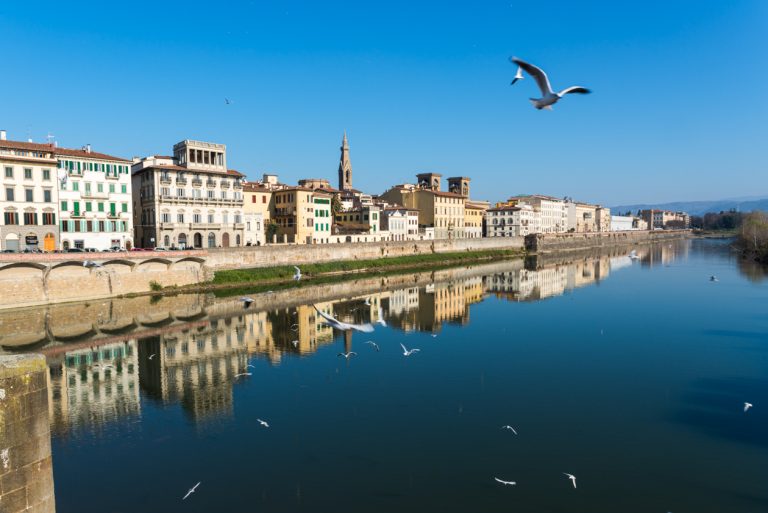
Florence, capital of Italy’s Tuscany region, is a city whose history and cultural richness stretch back centuries.

Tractors can have a new life after their hard work: an artistic life.
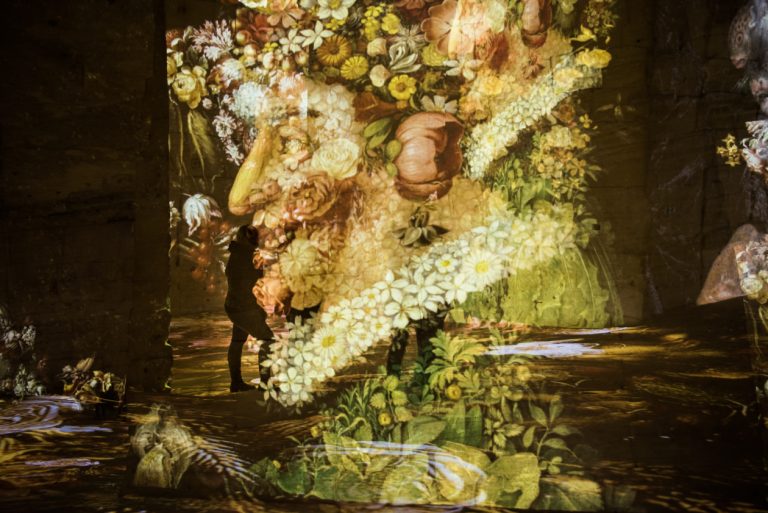
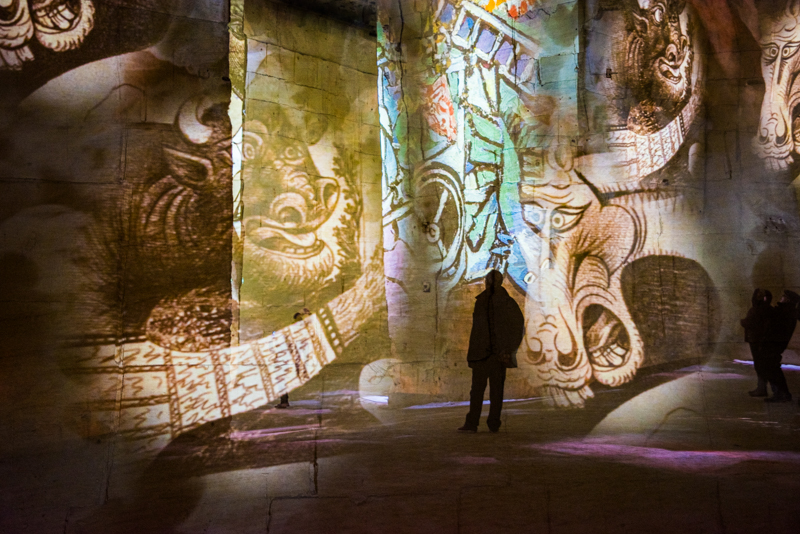
Bosch, Brueghel, Arcimboldo in Provence. A captivating journey through art. Bosch and his mysticism, Brueghel and his realism, Arcimboldo and his inventiveness.
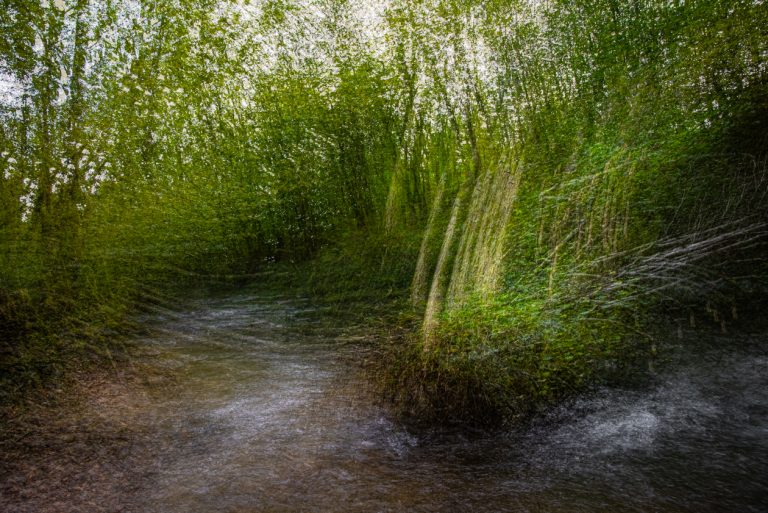
The water of rivers, always in motion, evokes a rich and profound imagination, inspiring many literary and artistic works over the centuries.
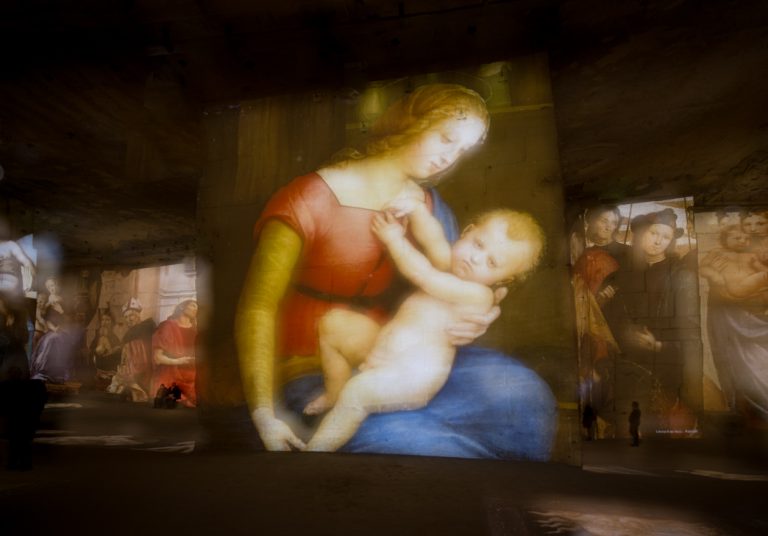
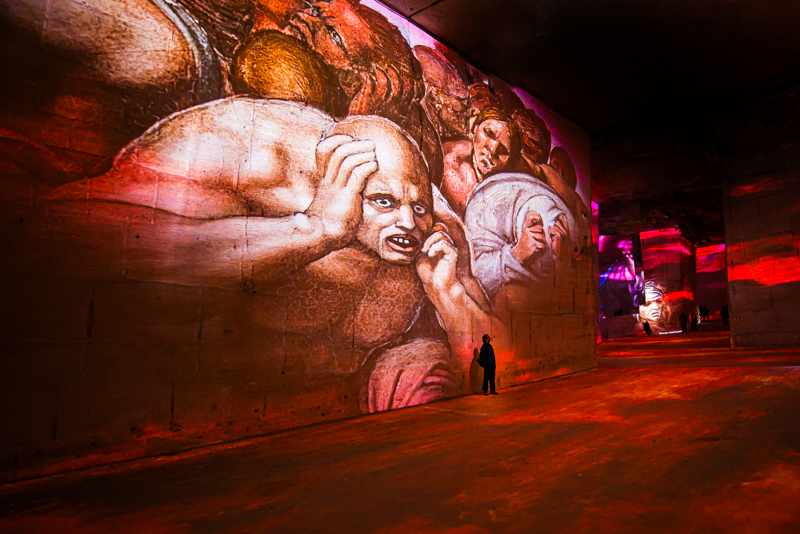
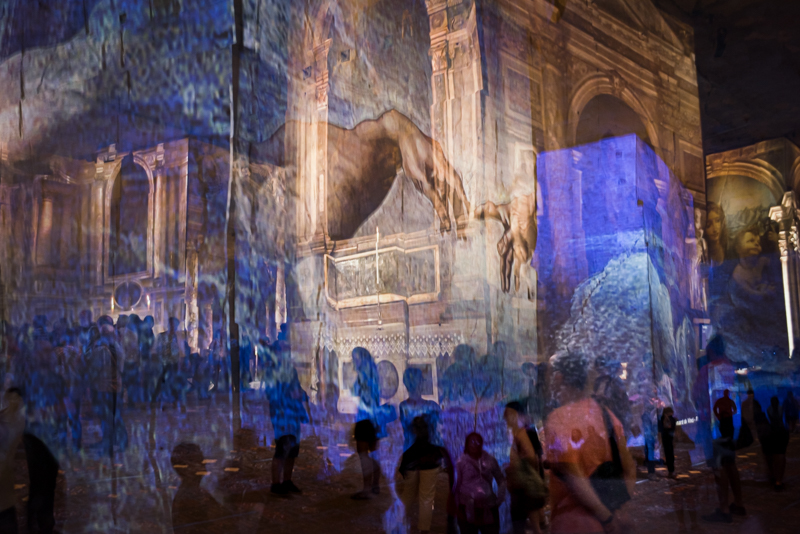
The “Giants of the Italian Renaissance”, Michelangelo, Leonardo da Vinci and Raphael. This show highlights their artistic links and sublimates Michelangelo’s genius through the splendor of the Sistine Chapel.
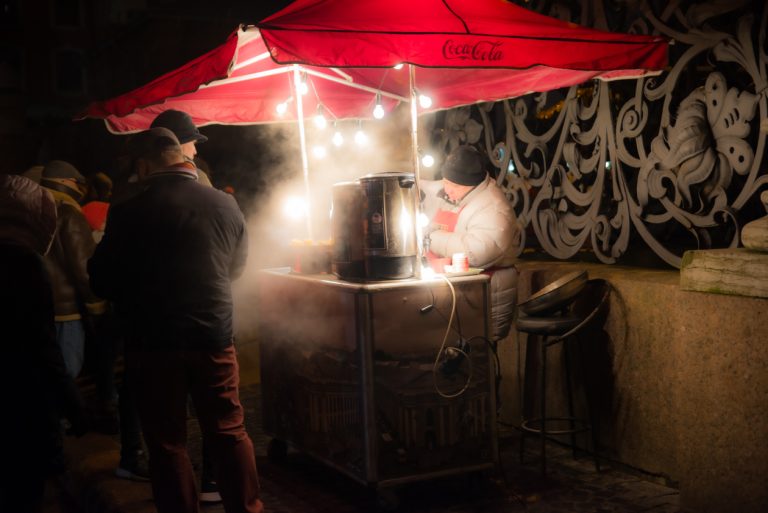
Diffused light is first and foremost a state of light. It’s a soft, enveloping light, cast shadows are blurred, so the light amplifies the space.