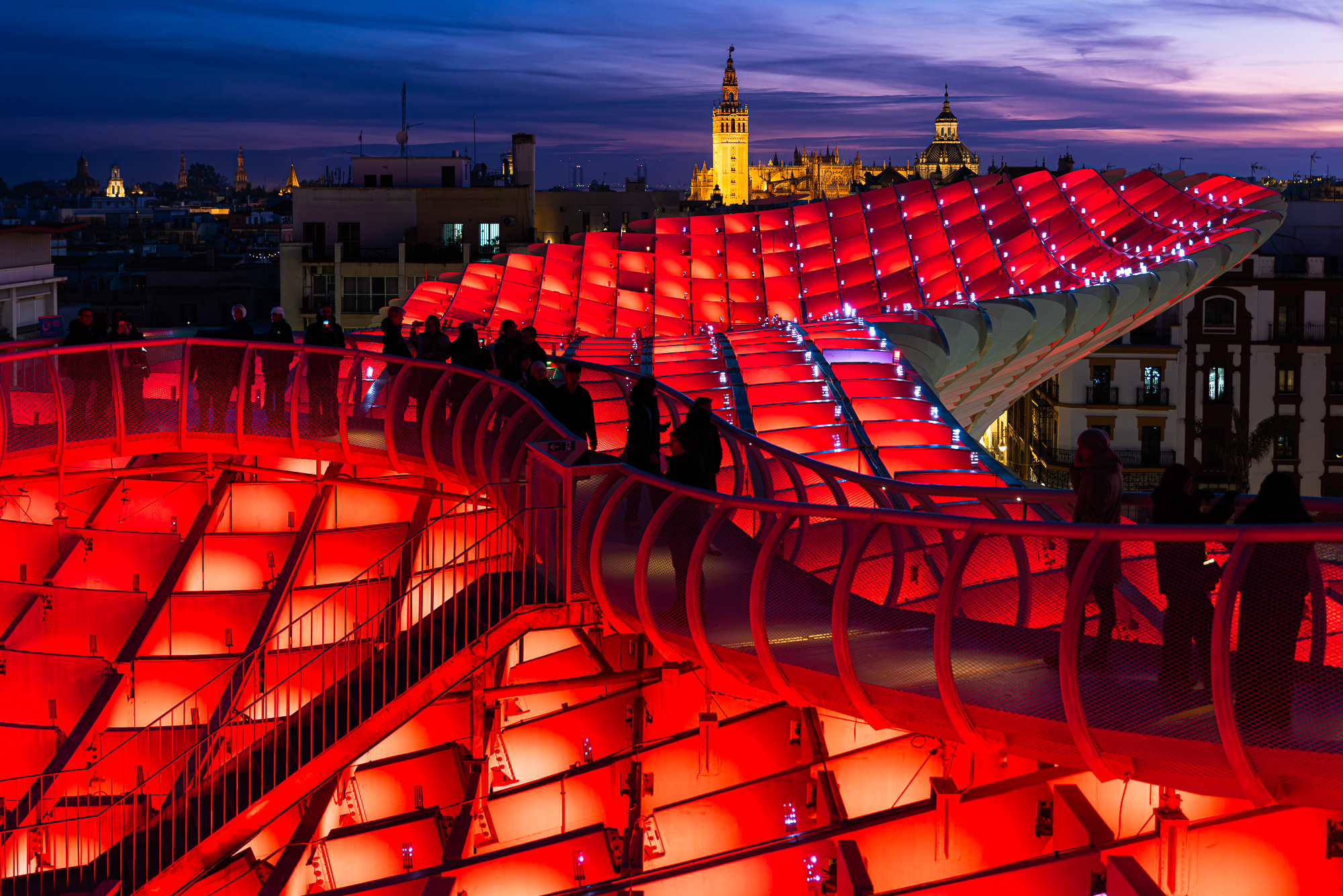
1.Las Setas Seville (REP151-103910)

Seville, the capital of Andalusia.
3.Las Setas Seville (REP151-103968)
Copyright: Erick Venturelli
« of 34 »

Seville, the jewel of Andalusia, blending Arab heritage with Spanish traditions.

Seville, the capital of Andalusia, is one of Spain’s most iconic cities. Straddled by the River Guadalquivir, it has long been a commercial, cultural and artistic crossroads between Europe, Africa and the Mediterranean world. Its thousand-year history, marked by successive Roman, Visigoth, Muslim and Christian civilisations, has bequeathed it an exceptional heritage for which it is renowned today.
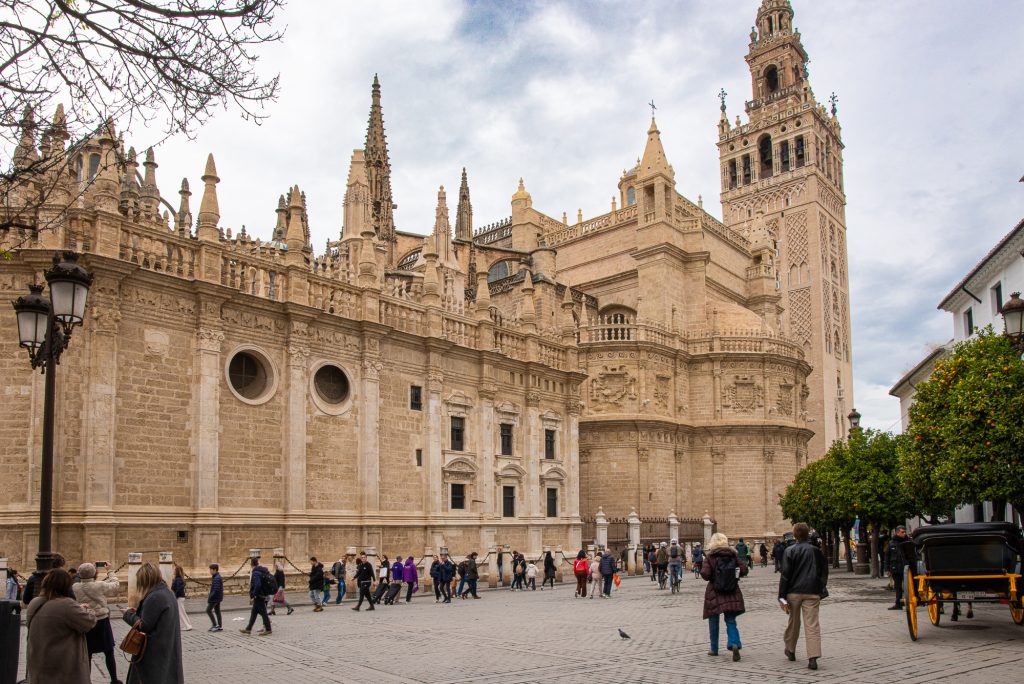
2.Cathedrale de Seville (REP151-104273)
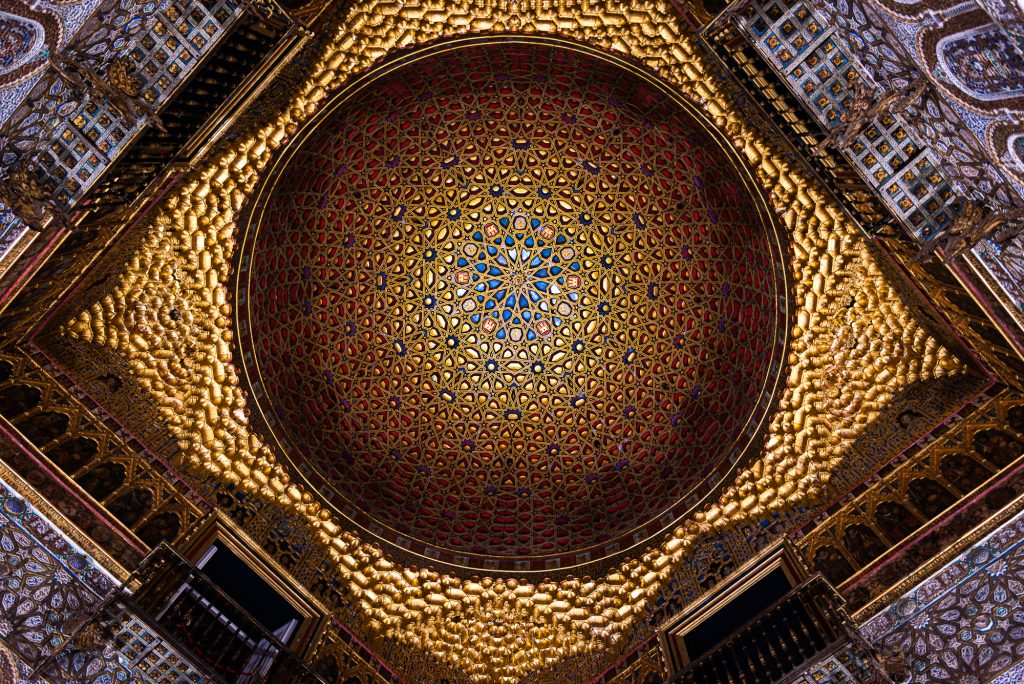
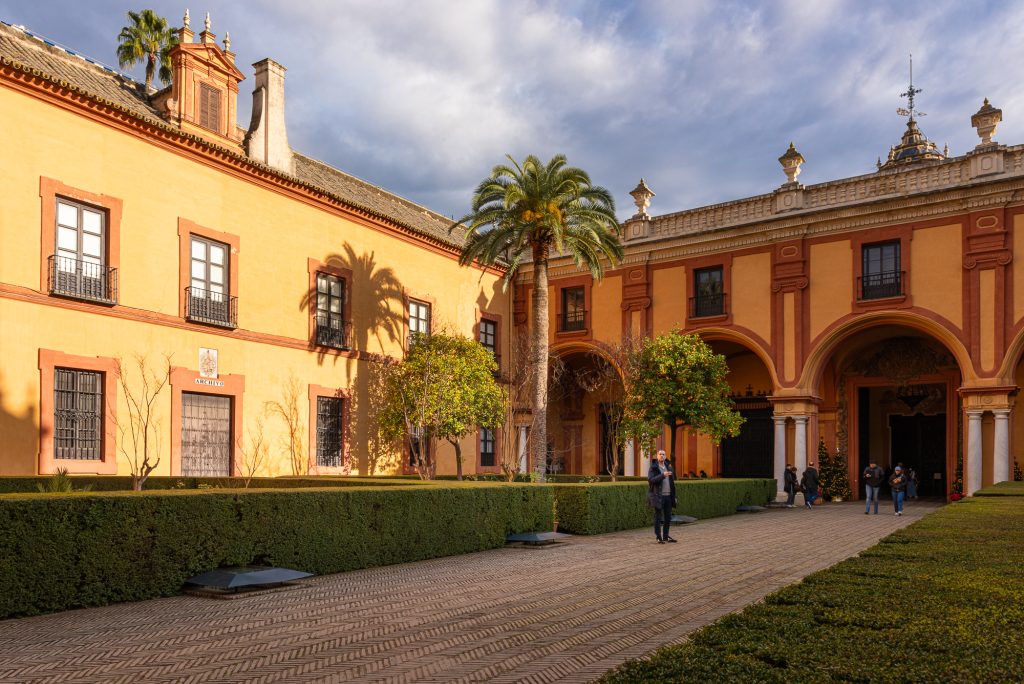
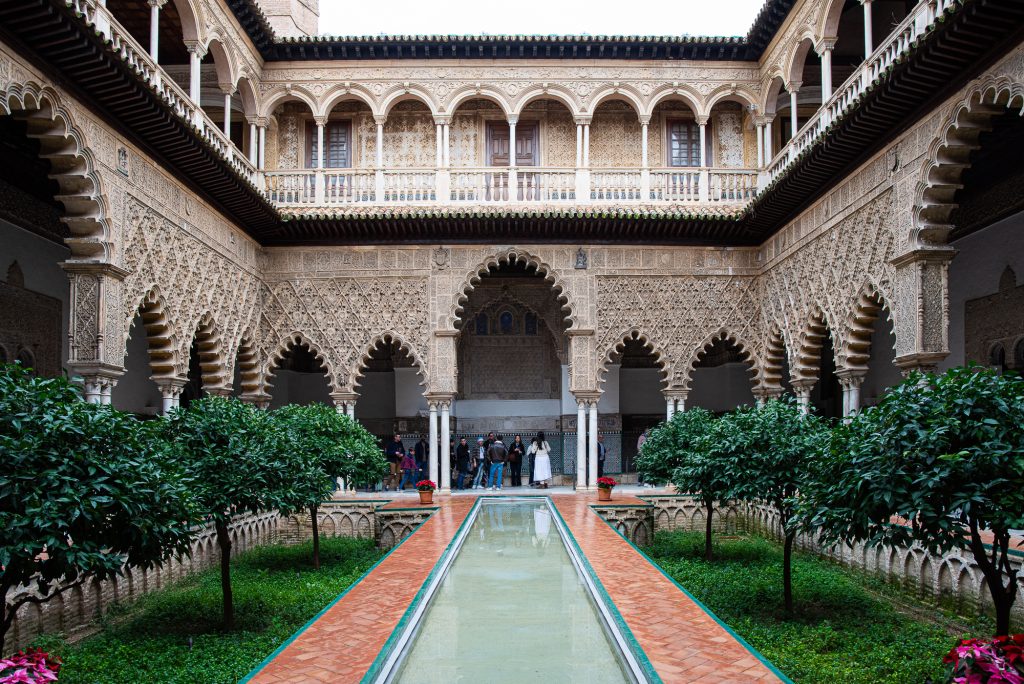
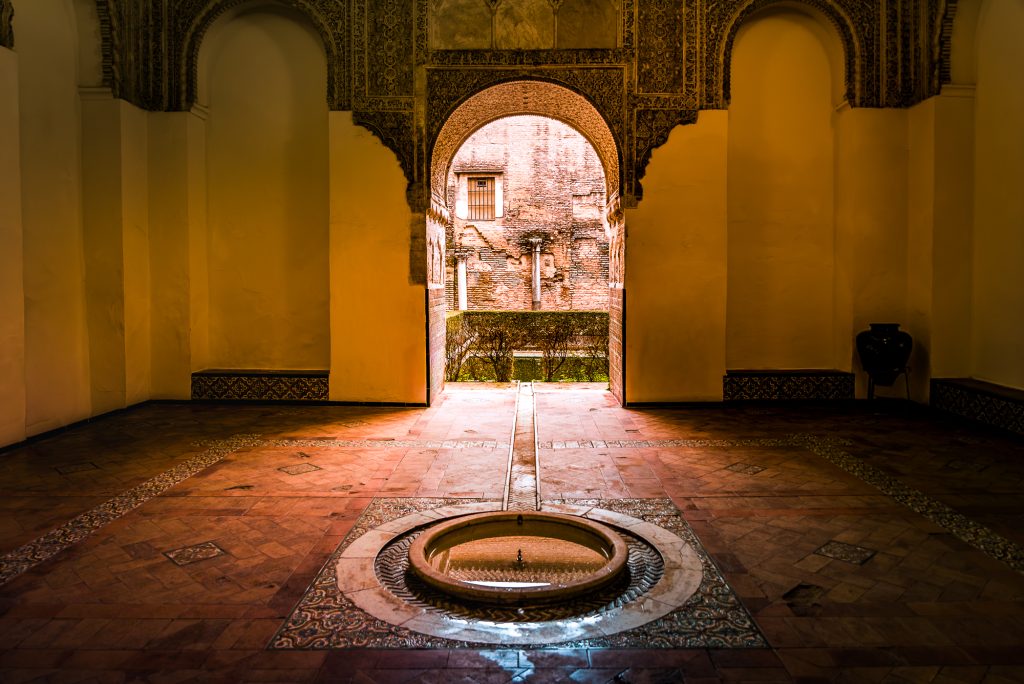
Seville’s origins date back to antiquity, and the Arab influence remains ever-present in the city’s architecture. The Muslim rulers developed an urban layout characterised by narrow alleyways, flower-filled patios, irrigated gardens and refined palaces. The most famous example of this period is the Alcázar of Seville, a fortified palace whose gardens and geometric decorations illustrate the refinement of Islamic art. Although remodelled after the Christian Reconquista of 1248, the building retains many Mudéjar features created by Muslim craftsmen in the service of the kings of Castile.
Following the Reconquista, Seville entered a new period of prosperity. The discovery of the Americas in 1492 made its port the main hub for trade between Spain and the New World. During the 16th and 17th centuries, the city experienced a veritable golden age of economic and artistic flourishing. Painters such as Diego Velázquez and Bartolomé Esteban Murillo honed their talents there, whilst palaces, churches and monumental squares further enriched its heritage.
Seville’s culture also bears the mark of the Arab world in its music. Whilst flamenco—now a symbol of Andalusia—is the result of a complex fusion of Gypsy, popular Andalusian, Jewish and Castilian traditions, many experts recognise the influence of Arab-Andalusian music in some of its characteristics. The ornate melodies, musical modes, vocal improvisations and certain rhythmic structures are reminiscent of the musical traditions developed in Al-Andalus.
Today, Seville remains a city deeply rooted in its traditions. Holy Week and the Feria de Abril attract visitors from all over the world every year. The religious processions, traditional costumes, equestrian displays and flamenco performances are a testament to a living heritage in which history and modernity coexist harmoniously.
Seville is a real living history book under the open sky, where every monument, every square and every melody tells the story of the encounter between civilisations that have shaped Andalusia. Its Arab heritage, far from being merely a memory of the past, continues to permeate its architecture, its culture and its identity, making the capital of Andalusia one of the cities that are most fascinating in Europe.
A work visited by the whole world.
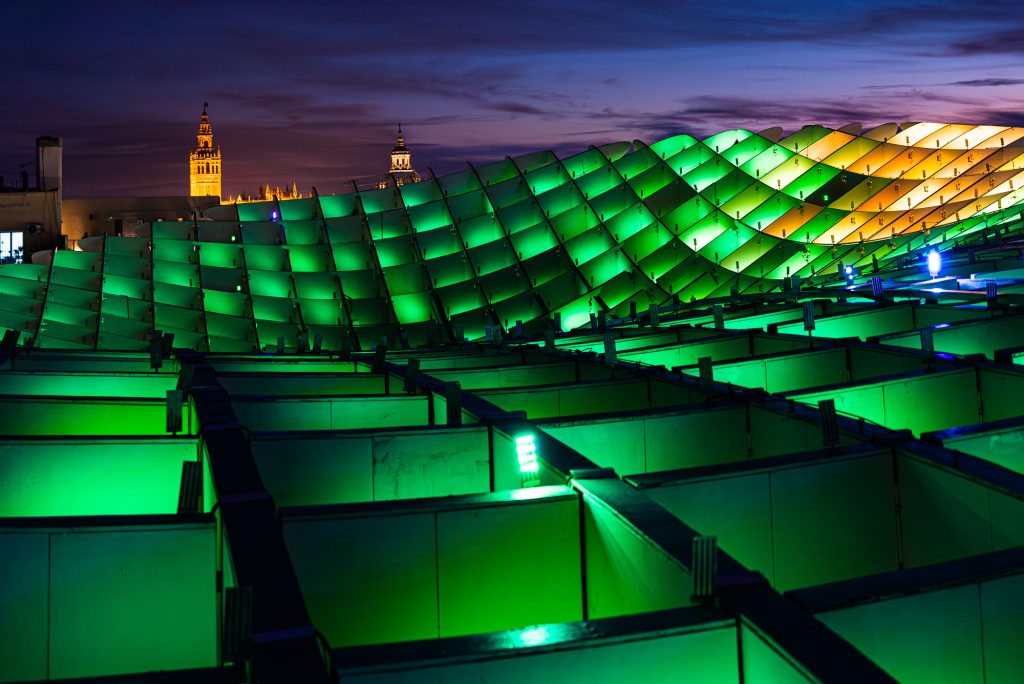
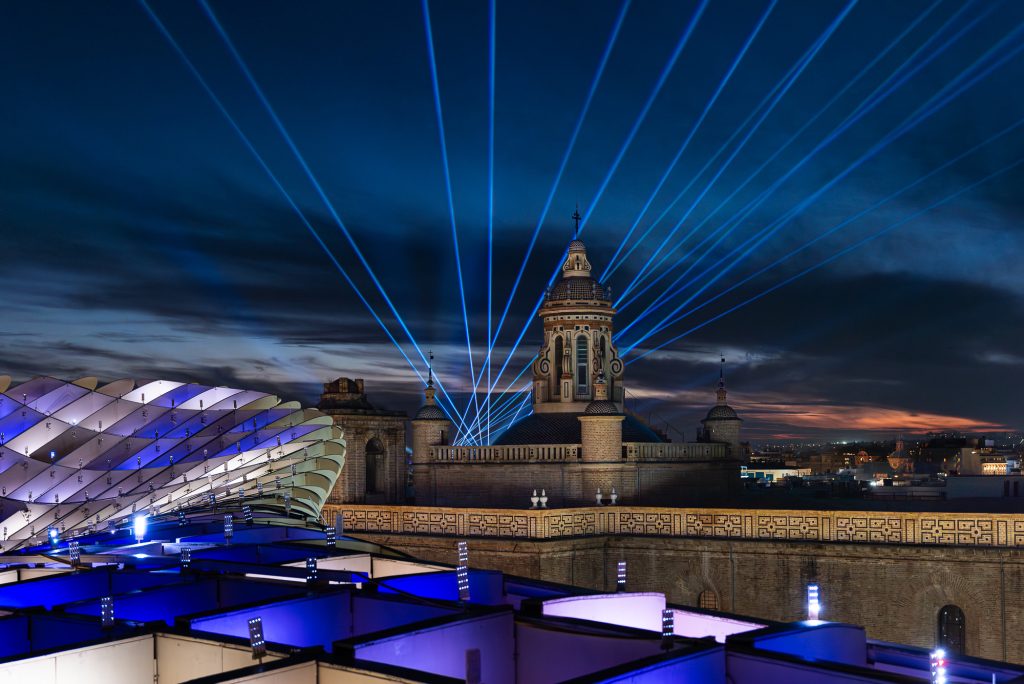
Under the sky of Seville, the Metropol Parasol unfolds its curves like a canopy of wood suspended in time. Nicknamed ‘Las Setas’, this vast structure undulates above the Plaza de la Encarnación, blending shadow, light and movement.
By day, its lines sketch out a futuristic landscape; by night, it becomes a living, almost dreamlike sculpture. Beneath its architectural façade, a market, a museum and ruins engage in a dialogue with history. From the summit, the city unfolds in a panoramic view, soft and golden, like a poem written in the air.

Ferney Voltaire (France) – July 2026
Similar Posts