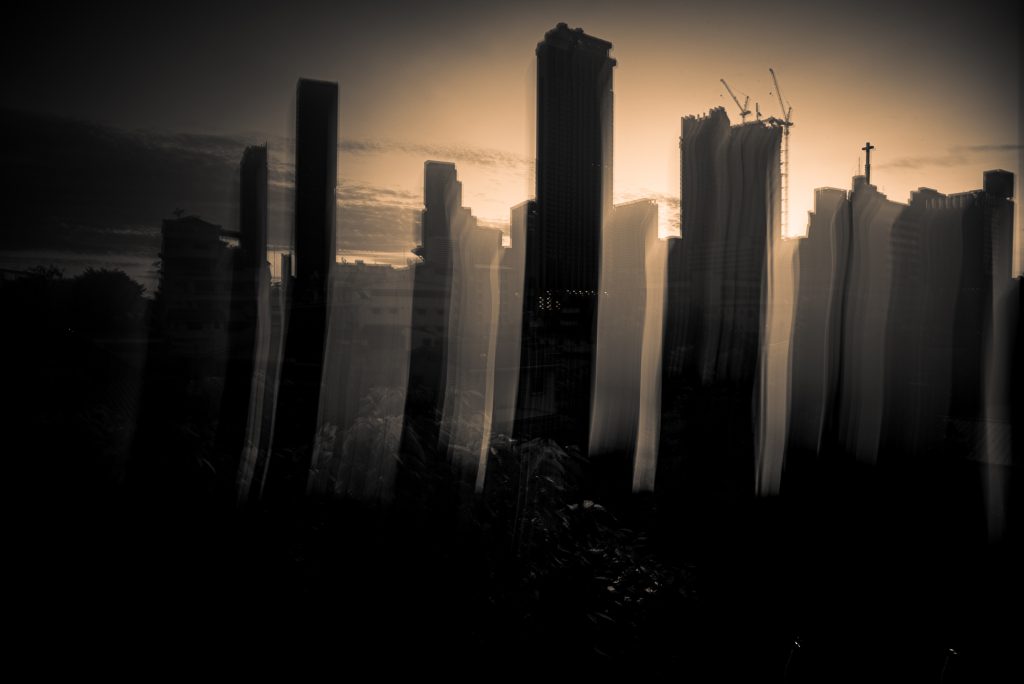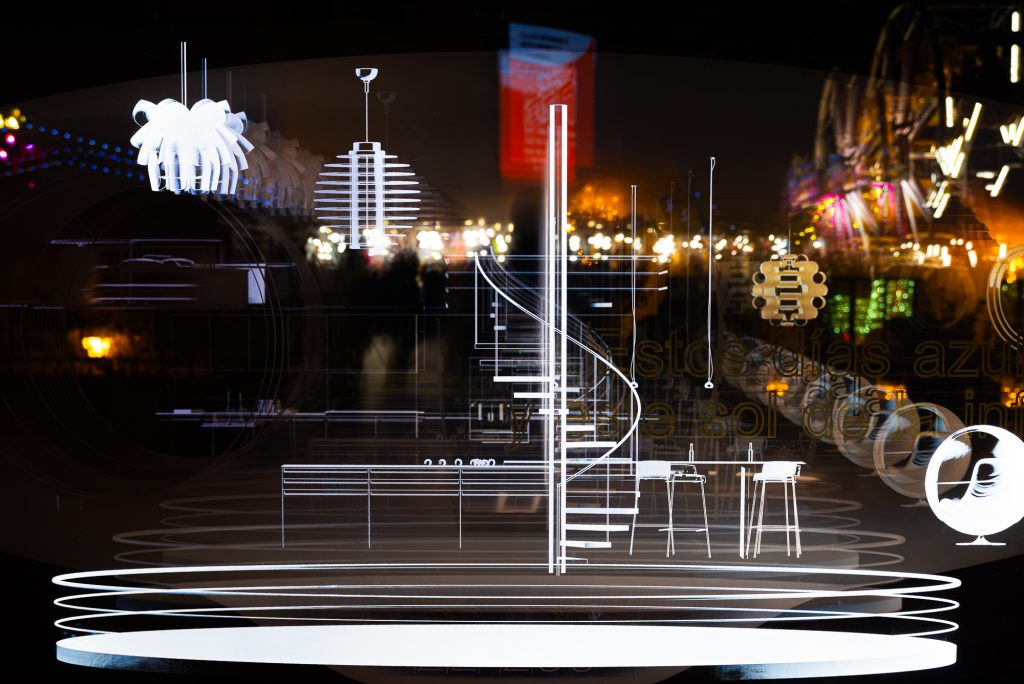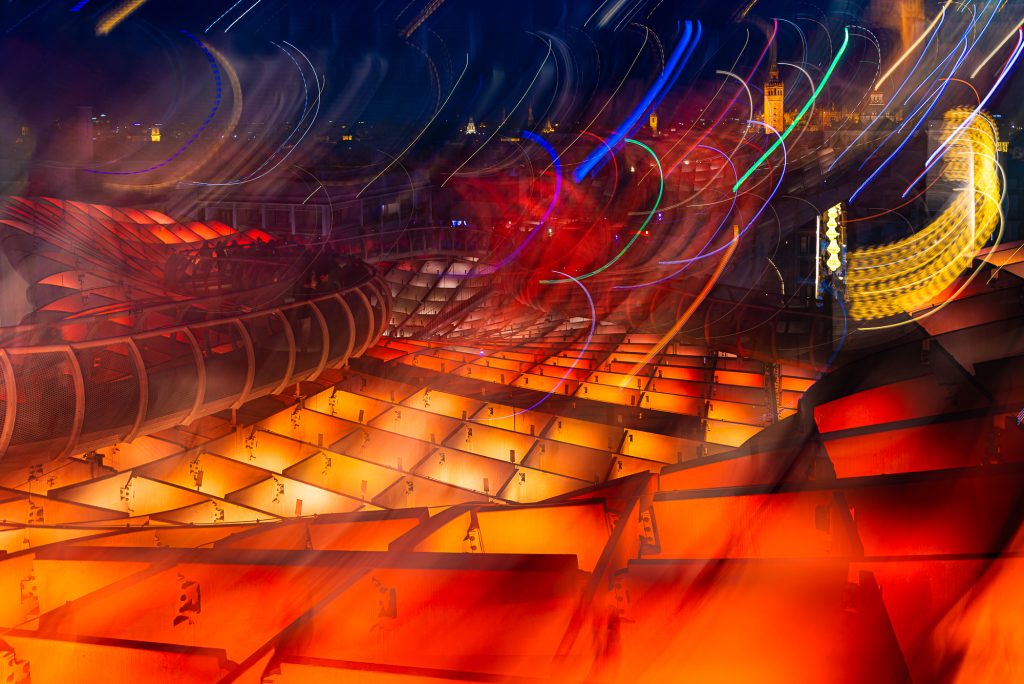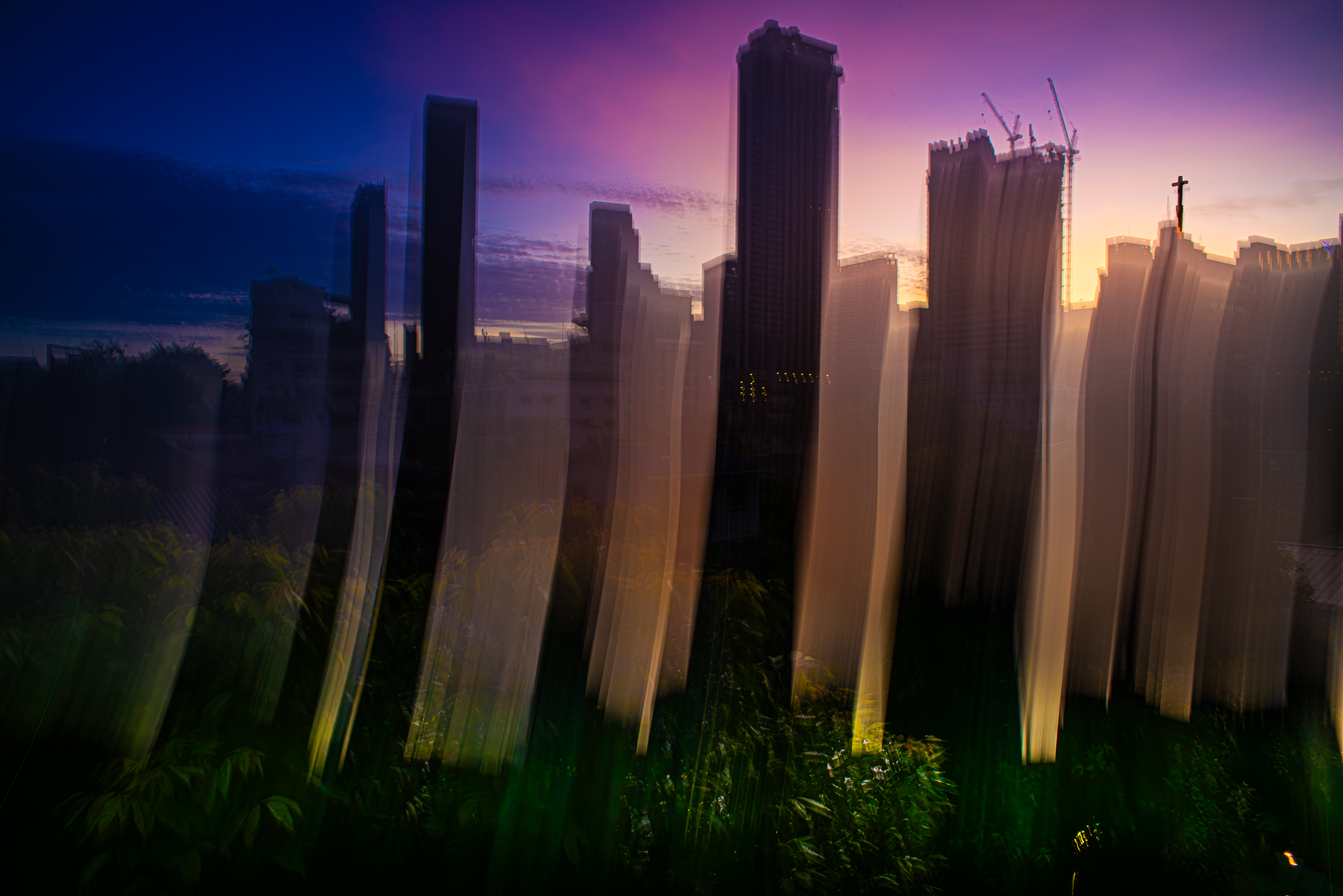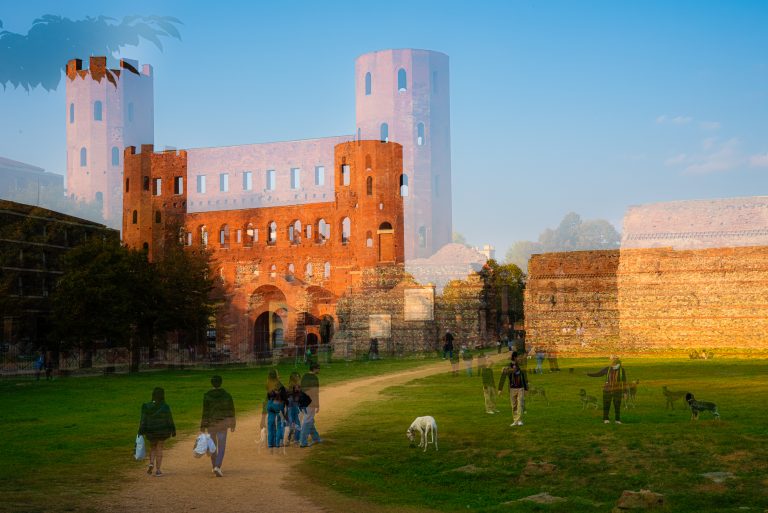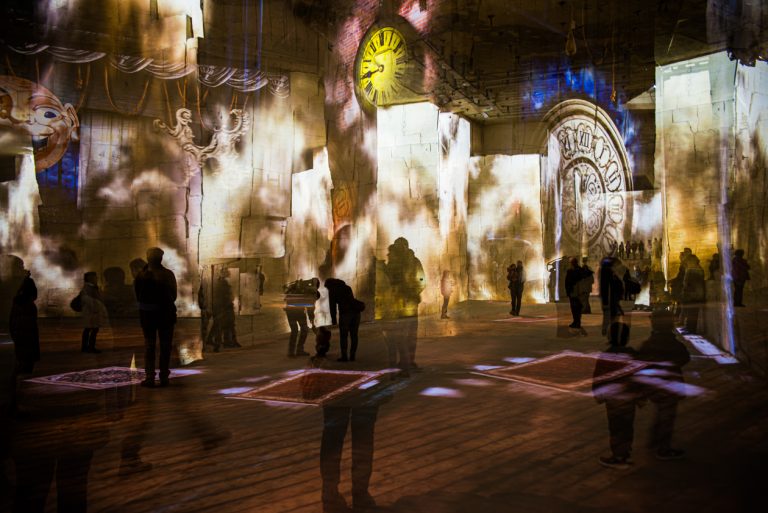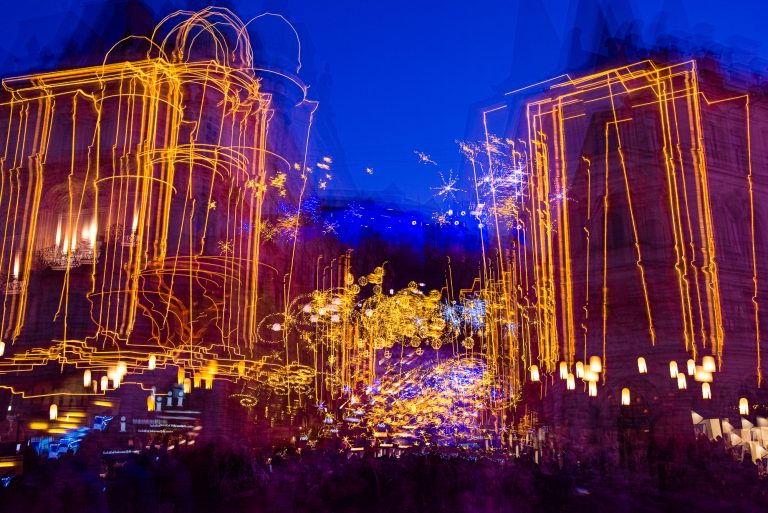
1-Bangkok Thailande (REP143-90796)

Surrealism in photography 6/7
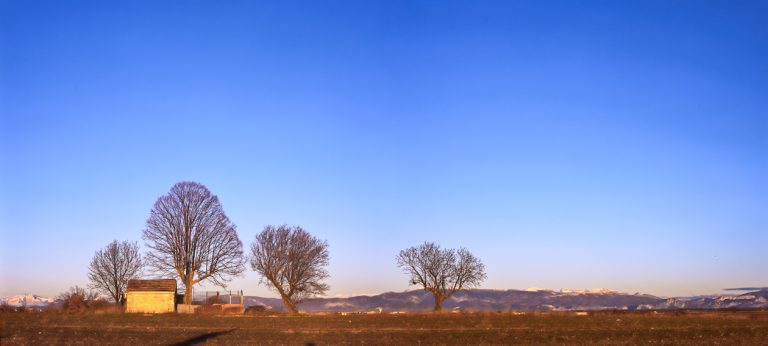
3-Valensole France (REP143-102514)
Copyright: Erick Venturelli
« of 24 »

Surrealism: From Painting to Photography.

The Origins and History of Surrealism in Painting.
Surrealism emerged in the aftermath of World War I as a radical reaction to rational certainties and collective traumas, and it first took shape as a literary movement before spreading to the visual arts. In 1924, André Breton published the Surrealist Manifesto, in which he defined surrealism as “pure psychic automatism” aimed at expressing the actual workings of the mind, beyond the control of reason and aesthetic conventions.
Surrealist painters seek to make the unconscious, dreams, and free associations visible: their methods combine automatism, collage, frottage, decalcomania, and other techniques designed to produce the unexpected and visual surprise. Two major trends emerge: on the one hand, automatic abstraction (Masson, Miró), which emphasizes free gesture and lyrical expression; on the other hand, dreamlike and hyperrealistic imagery (Dalí, Magritte, Ernst), which brings together familiar elements in absurd and unsettling juxtapositions. Recurring themes include the displacement of objects from their context, the metamorphosis of forms, the use of found objects, and the staging of visual puzzles intended to create a disconnect between the viewer’s gaze and perceived reality.
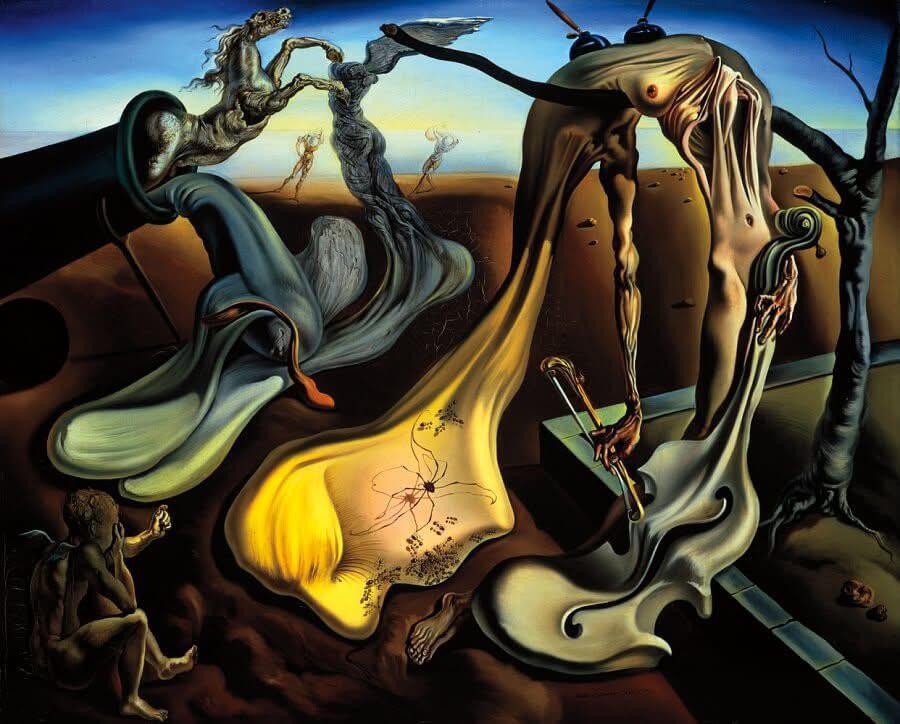
Araignée du soir, huile sur toile, Salvador Dali, 1940
Araignée du soir, huile sur toile, Salvador Dali. 1940
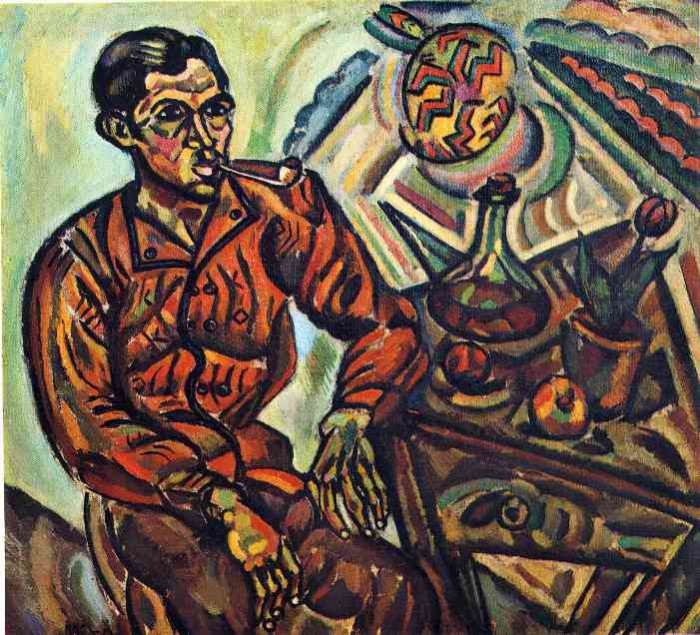
Portrait-of-V.-Nubiola-Joan-Miro1917
Portrait-of-V.-Nubiola-Joan-Miro. 1917
The influence of Freudian psychoanalysis is central: dreams and verbal or graphic automatisms become sources of inspiration, and the Surrealist quest aims to liberate the creative forces hidden beneath the rational surface. The Surrealist movement was also deeply political and iconoclastic; its leading figures challenged bourgeois norms and sought to upend aesthetic and moral conventions, which explains the diversity of practices and viewpoints within the group.
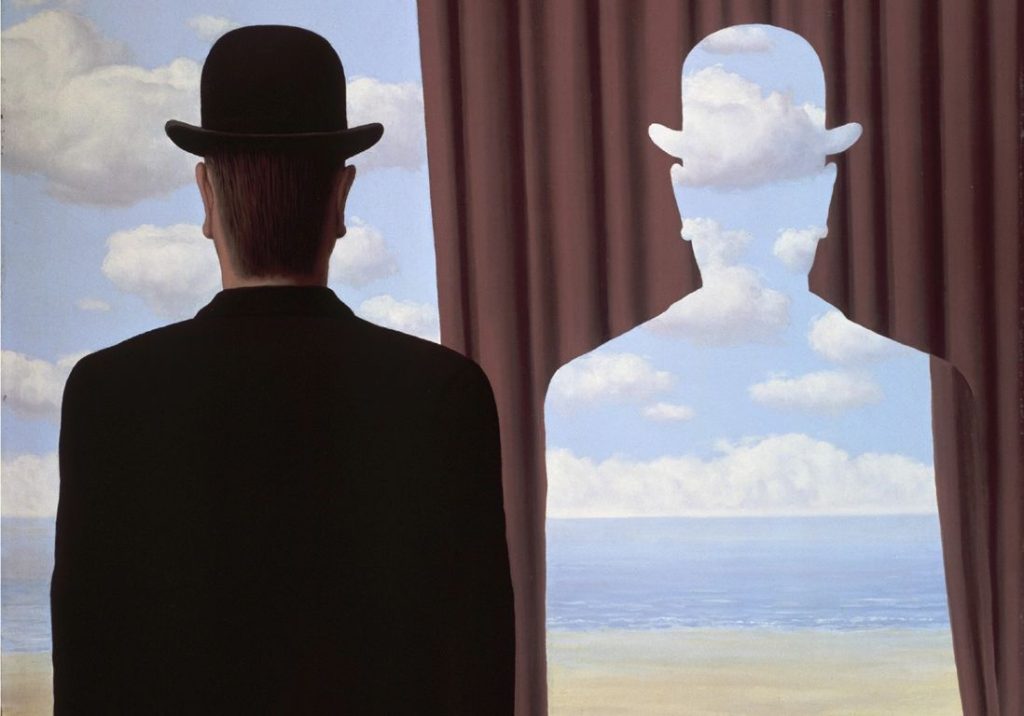
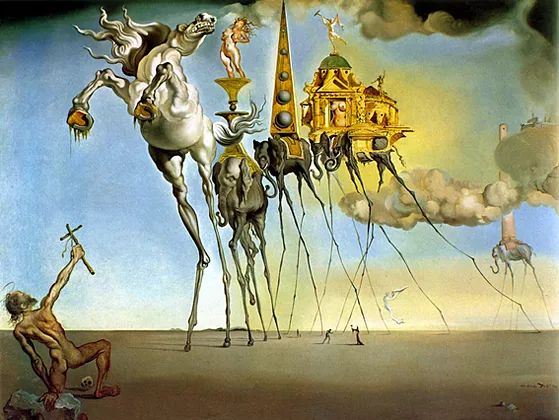
Visually, Surrealist painting developed an aesthetic of strangeness: desert landscapes populated by incongruous objects, fragmented bodies and faces, and an atmosphere of unreality that creates a tension between technical precision and symbolic strangeness, as illustrated by the apparent meticulousness of Dalí’s canvases or the enigmatic simplicity of Magritte’s compositions. Finally, Surrealism, as a network of artists, journals, and exhibitions, spread rapidly throughout Europe and beyond, encompassing poetry, theater, film, and the graphic arts, and thus laying the foundations for an artistic modernity that would continue to fuel the avant-garde movements throughout the 20th century.
La Décalcomanie, René Magritte. 1966
La Tentation de saint Antoine, Salvador Dalí. 1946
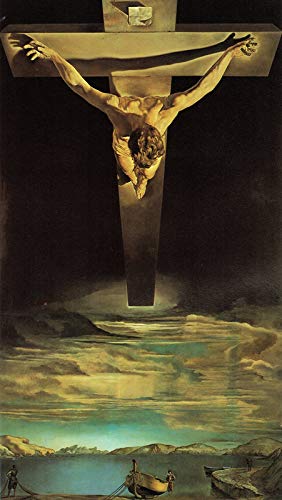
Salvador Dali Christ de Saint Jean de la Croix. 1952
Surrealism in Photography.
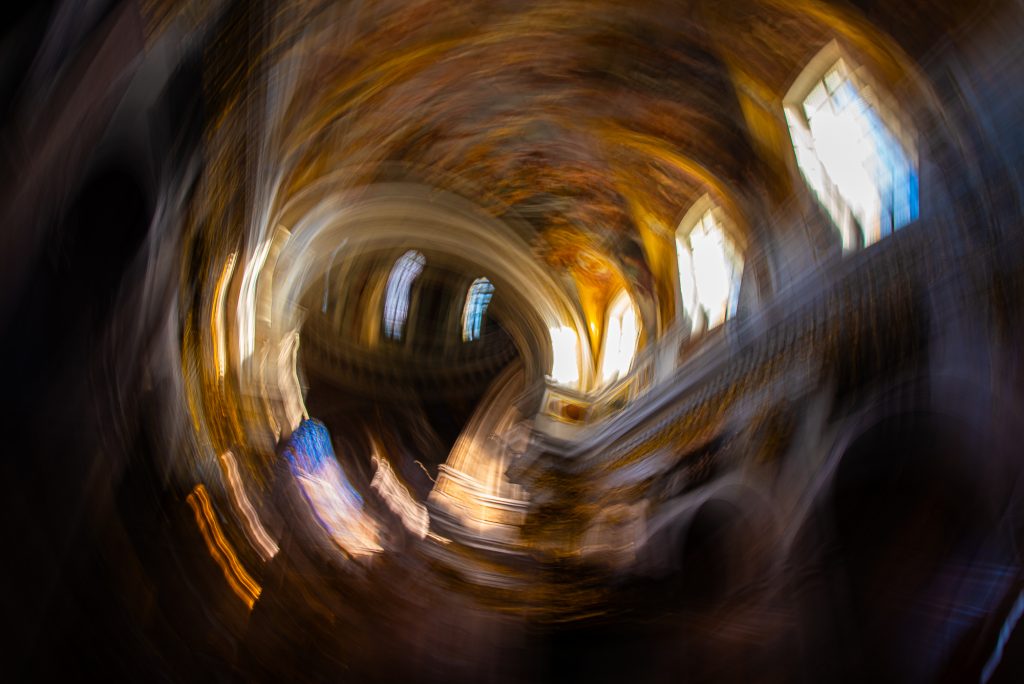
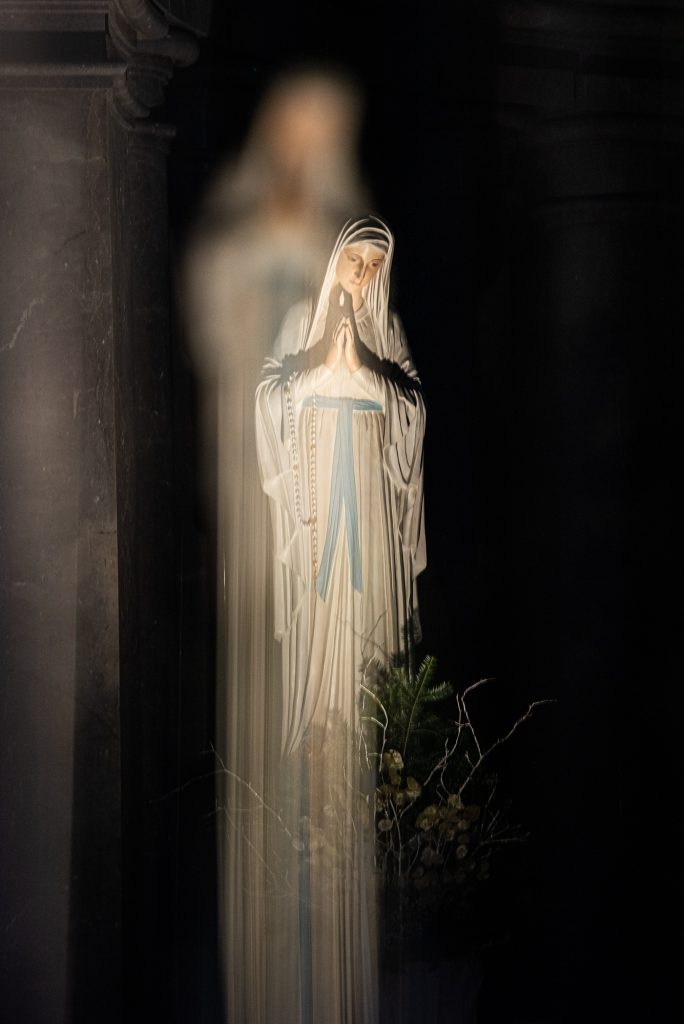
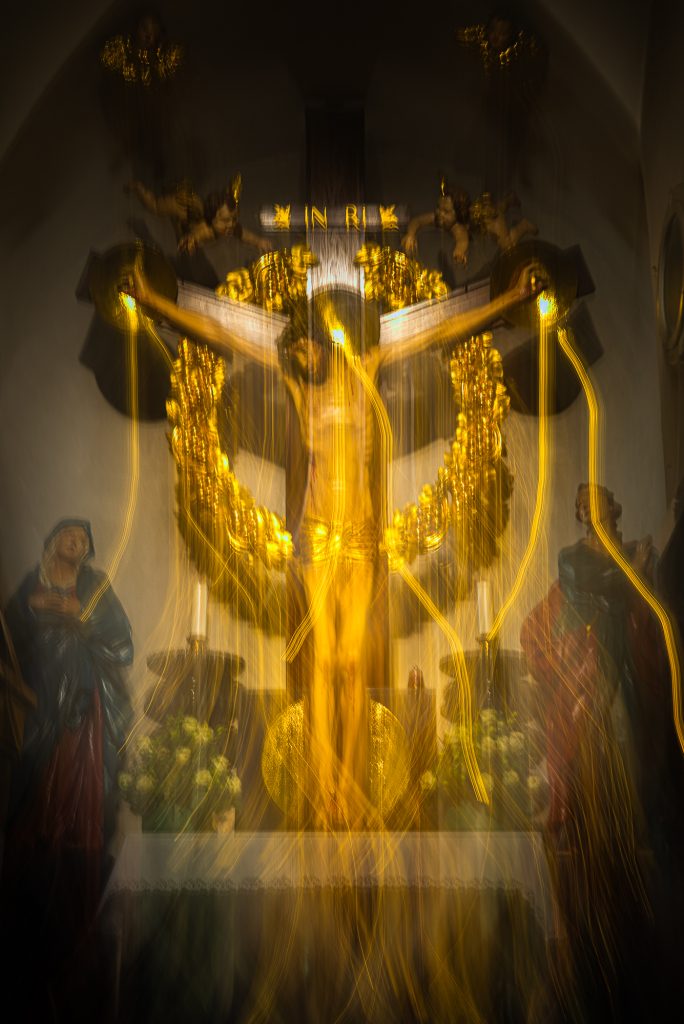
Surrealism in photography draws on and adapts the concerns of painting: producing images that disrupt perception, distort reality, and allow the unconscious to surface. Surrealist photographers (Man Ray, Hans Bellmer, Lee Miller, and others) exploit techniques unique to photography—solarization, double exposure, photomontage, and photogram—to create visual discontinuities and visual metaphors that directly evoke the dreams and irrational associations so dear to Surrealist painting.
Whereas painting creates through the brush, surrealist photography subverts the indexicality of the camera: it shows that photographic “evidence” can be manipulated and transformed into an instrument of fiction and ambiguity. The connection with painting is both thematic and formal: shared themes (displaced objects, bodily metamorphosis, dreamlike landscapes) and shared aesthetics (asymmetrical composition, sharp contrasts, optical illusions) attest to a constant dialogue between the two mediums. Finally, photography also offered Surrealism a wider audience and visual immediacy: its images, reproduced in magazines and numerous exhibitions, helped popularize the Surrealist imagination and extend its visual experiments beyond the canvas.

Ferney Voltaire (France) – June 2026
Similar Posts