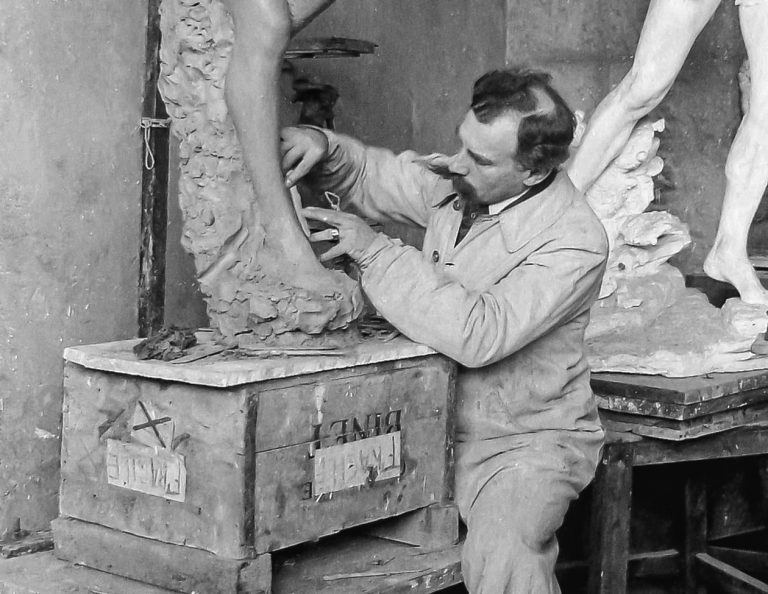
Georges Méliès, filmmaker and magician.
Georges Méliès: the magician of cinema and images.

Georges Méliès (1861-1938) demeure l’une des figures fondatrices du cinéma moderne, un pionnier dont la créativité a fait passer l’image animée du simple enregistrement technique à une véritable forme d’art. Avant d’être cinéaste, Méliès fut un illusionniste passionné par les spectacles visuels, la photographie et les effets de scène. Cette triple passion lui permit d’inventer un langage cinématographique qui liait étroitement l’image fixe, le mouvement et l’imaginaire.
Born in Paris into a family of shoe manufacturers, Georges Méliès turned away from the family business at an early age to devote himself to the performing arts. Fascinated by magic, in 1888 he bought the Théâtre Robert-Houdin, where he presented illusion and automaton shows. It was in this context that he discovered the new invention of the cinematograph in 1895, during a private screening by the Lumière brothers. Where the Lumières saw a scientific and documentary tool, Méliès saw a means of creating illusions and telling stories.
Unable to acquire the Lumière cinematograph, he designed his own camera and founded Studio Star-Film in 1896 on his property in Montreuil. This location, entirely glazed to take advantage of natural light, became one of the world’s first film studios. Méliès shot more than 500 films there between 1896 and 1913. His legacy can be found throughout the history of cinema—from the Surrealists to Fellini, from Kubrick to Tim Burton. Through his visual audacity and sense of wonder, Georges Méliès showed that cinema could be science, art, and magic all at once.

Méliès' approach: between photography, theater, and magic.

Méliès’ art is based on a visual approach inherited from photography and theater. Like a set photographer, he carefully composes his frames, using painted sets and lighting to create depth and texture. He was interested in special effects—double exposures, fades, freeze frames, substitutions—which allowed him to manipulate reality like an illusionist. Where photography freezes time, Méliès infused it with movement, paving the way for an entirely new form of visual storytelling.
His cinema remains deeply influenced by photographic language: frontal composition, use of tableaux vivants, keen sense of detail and contrast. Each shot is conceived as a still image brought to life by special effects. We see in it the rigor of the photographer and the imagination of the magician.
Artistic evolution: from phantasmagoria to cinematic narrative.

In his early works, Méliès mainly explored the technical possibilities of the new medium. He quickly moved beyond simple filmed magic tricks to invent cinematic staging. With Le Voyage dans la Lune (1902), he created the first science fiction film and one of the most famous stories in the history of cinema. Inspired by Jules Verne and H.G. Wells, this film symbolizes the conquest of the imagination through the camera.
His other works—Le Royaume des fées (The Kingdom of Fairies), L’Homme à la tête de caoutchouc (The Man with the Rubber Head), Le Voyage à travers l’impossible (The Journey Through the Impossible)—demonstrate the same visual inventiveness. Méliès constructs entire worlds, makes characters appear and disappear, and creates fantastical transformations. In doing so, he invented editing as a poetic tool, even before it was codified by American or Soviet filmmakers.
Despite his genius, Méliès faced competition from emerging major studios, notably Pathé and Gaumont. Ruined by the war and the evolution of cinema towards a more realistic style, he stopped filming in 1913 and fell into obscurity. It was not until the late 1920s that he was rediscovered as the “father of fantasy cinema.”

His place in the history of photography and cinema.

Méliès occupies a pivotal position between 19th-century photography and 20th-century cinema. Whereas photography had made it possible to faithfully reproduce reality, he offered a poetic transformation of it. He made cinema not a mirror of the world, but a tool of imagination. By combining photographic precision with fluid movement, he established the fundamental principle of cinematic staging: creating a credible illusion in the service of a narrative.
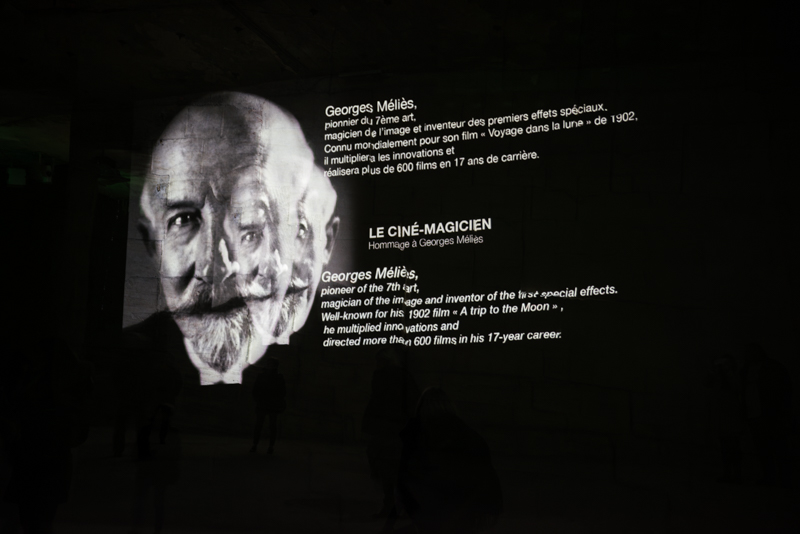
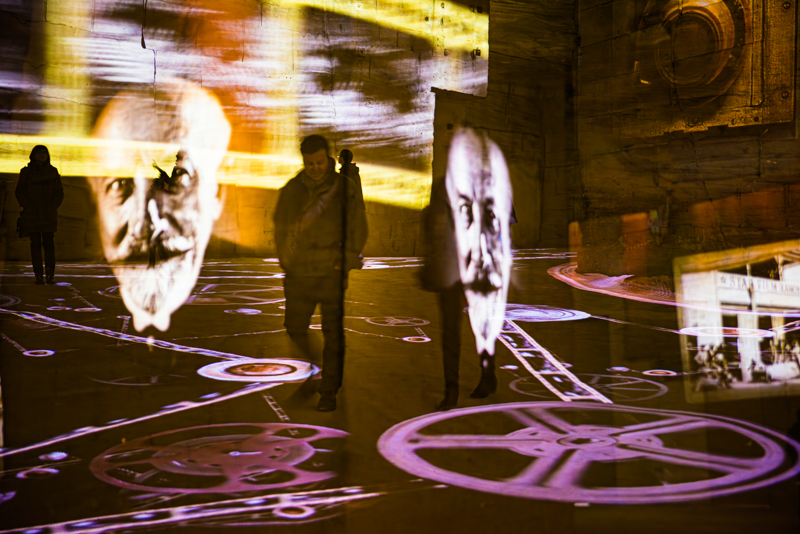
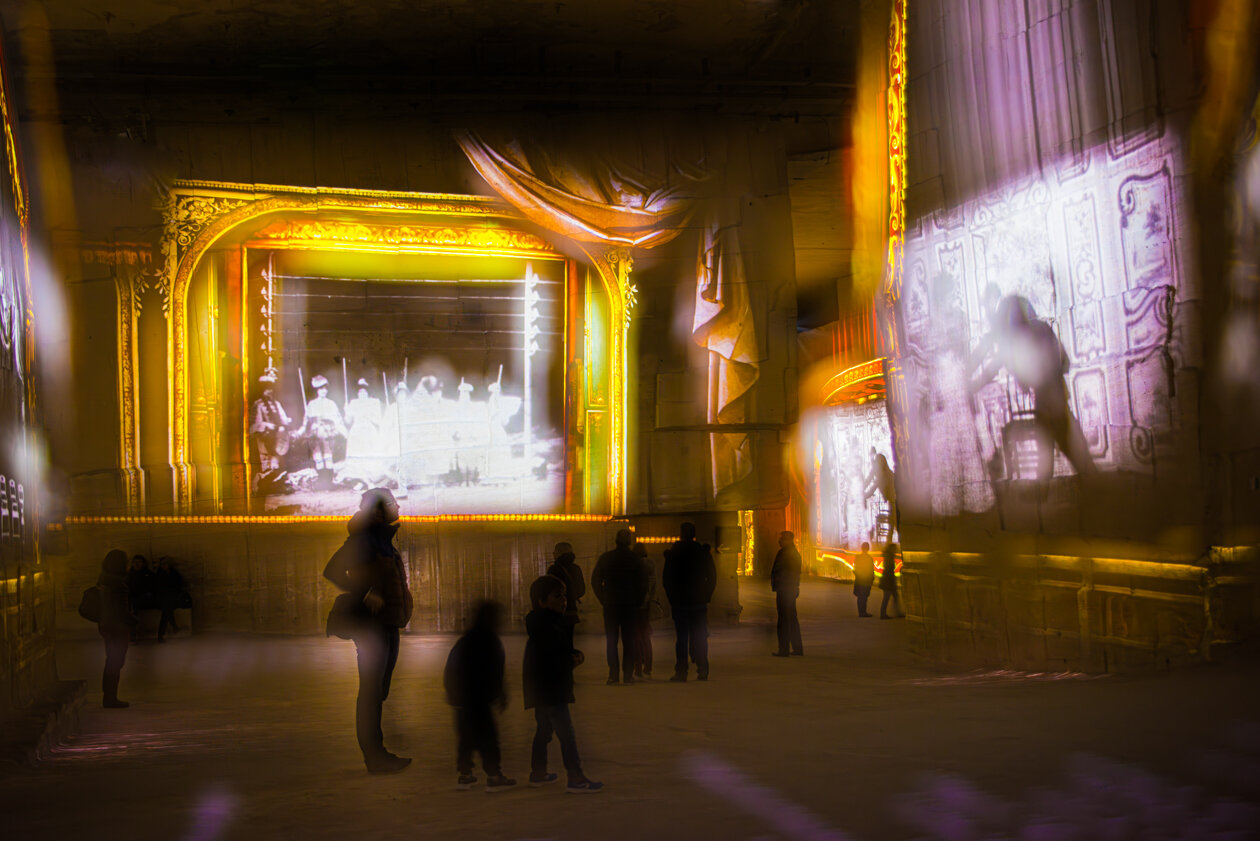
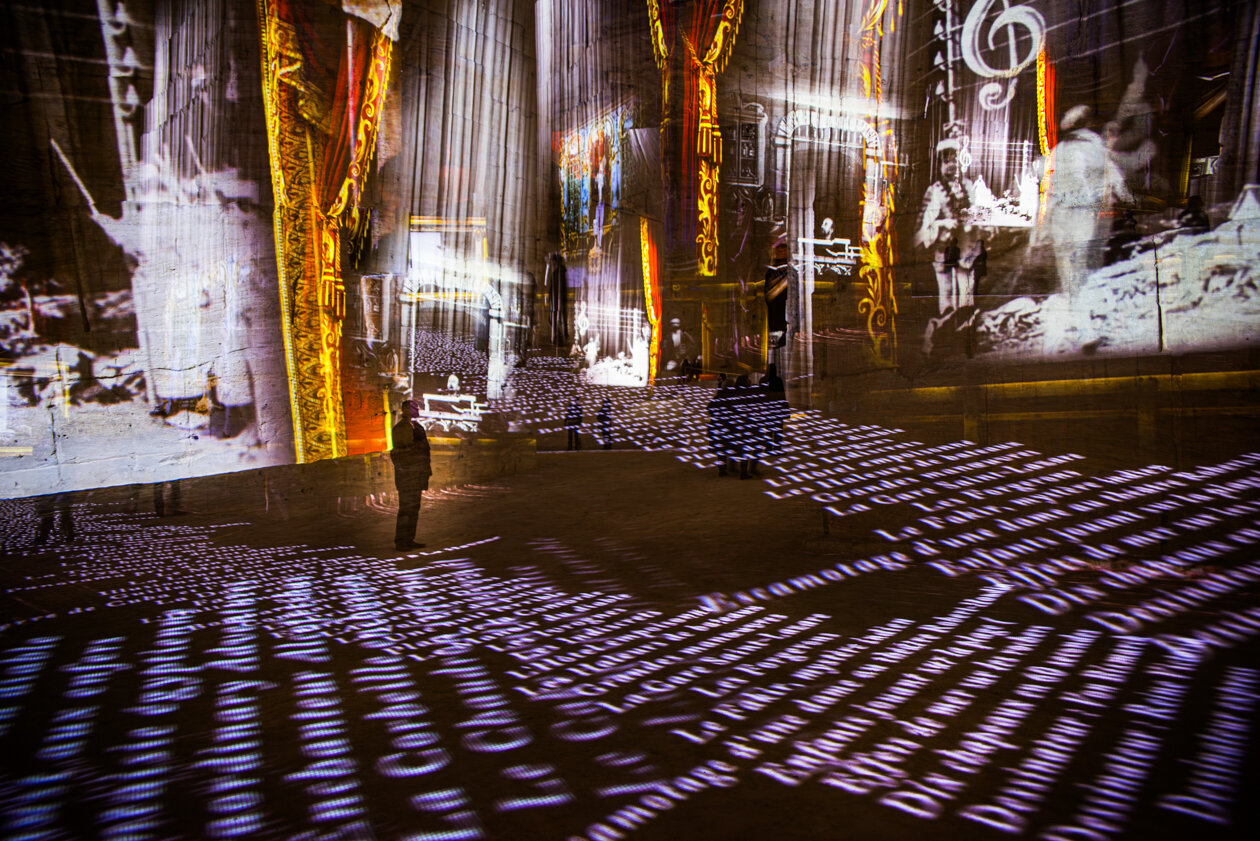
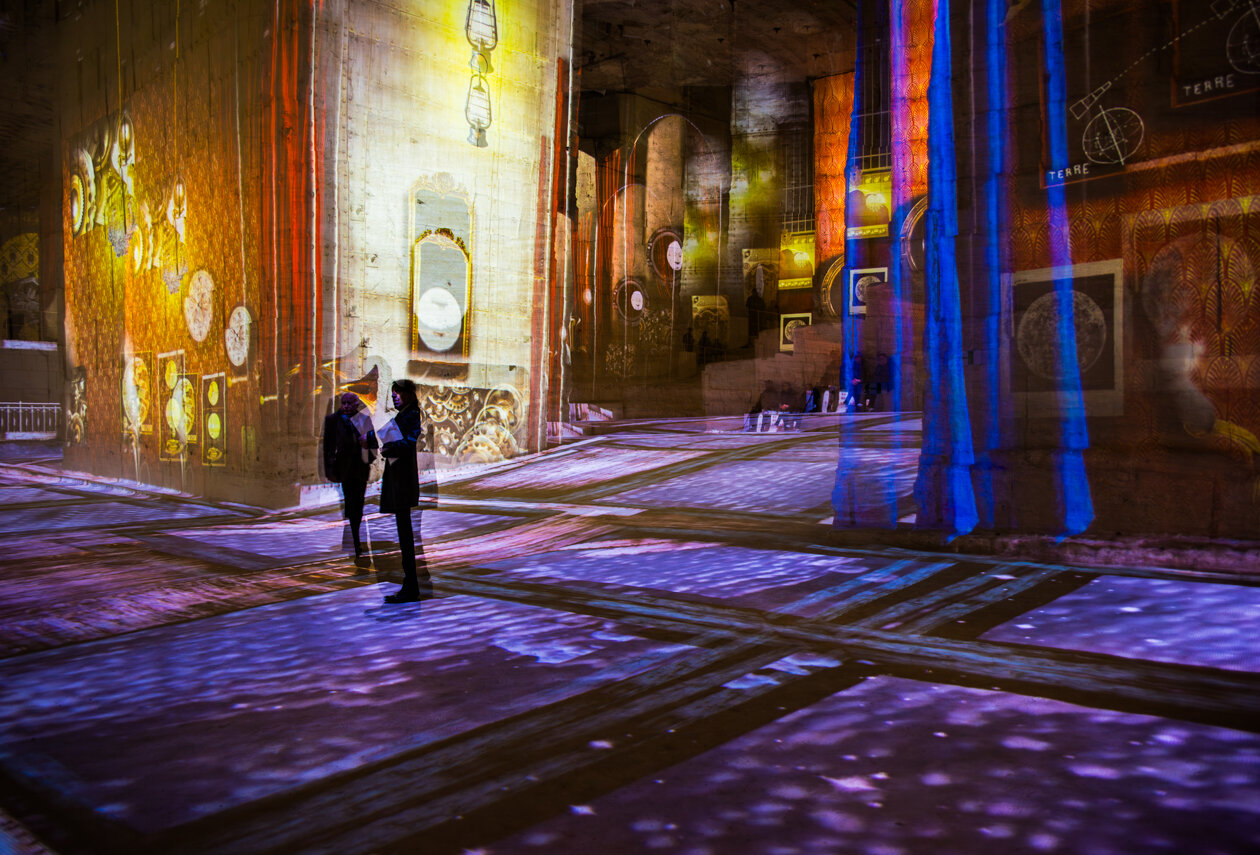
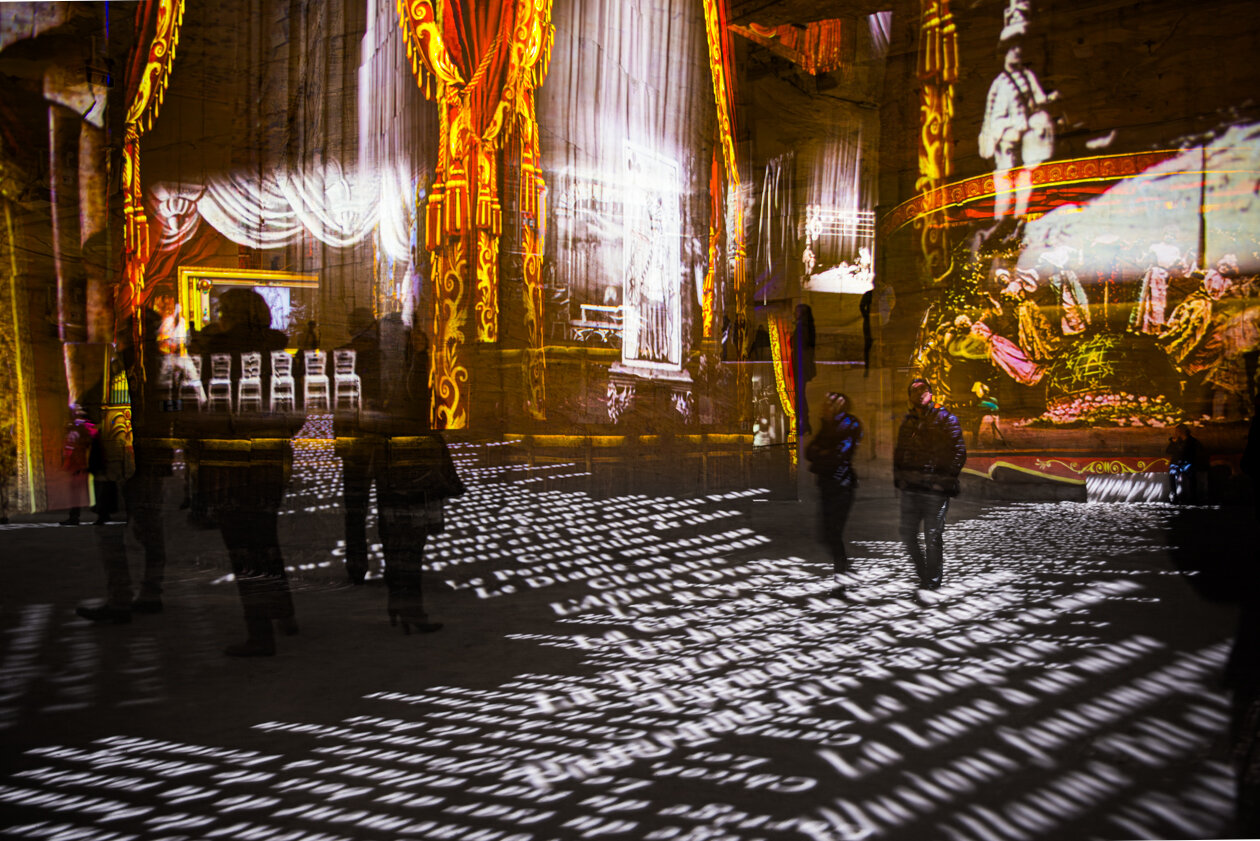
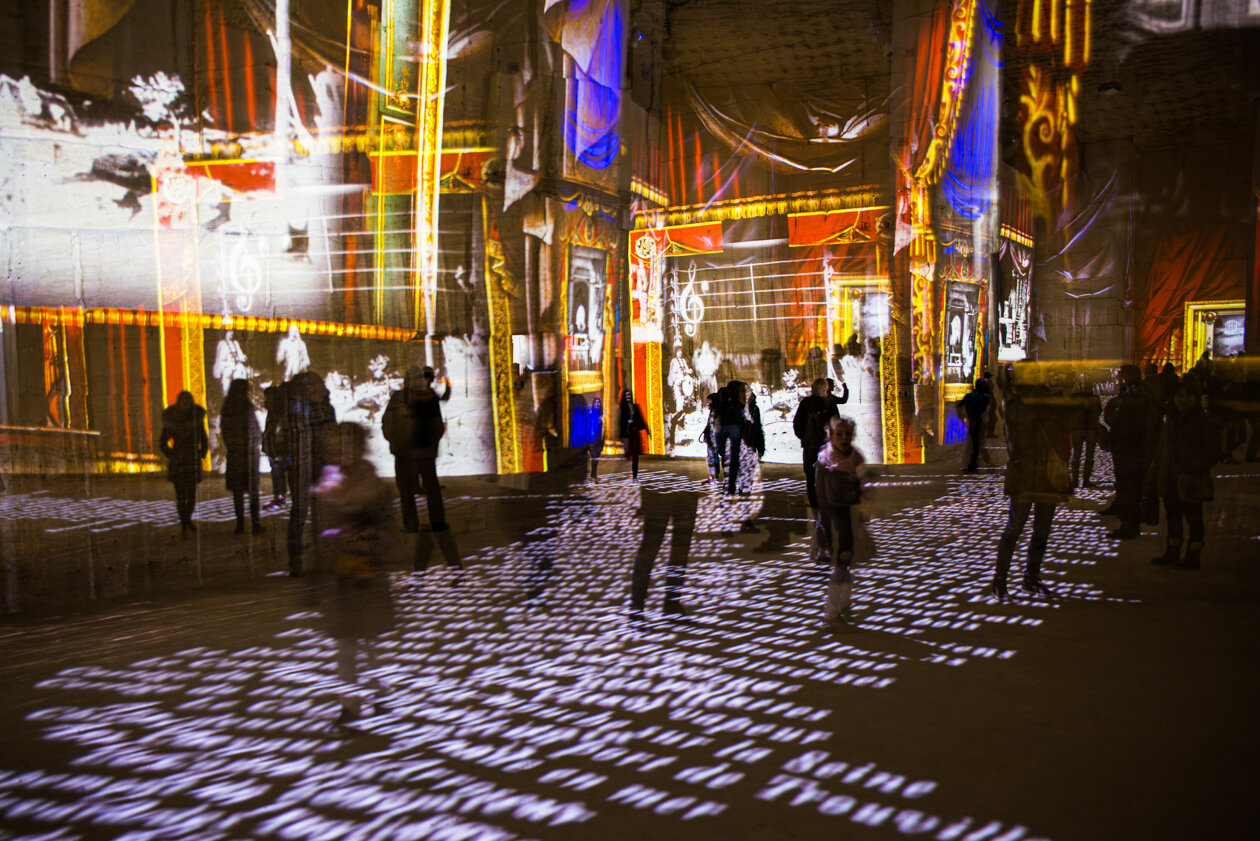
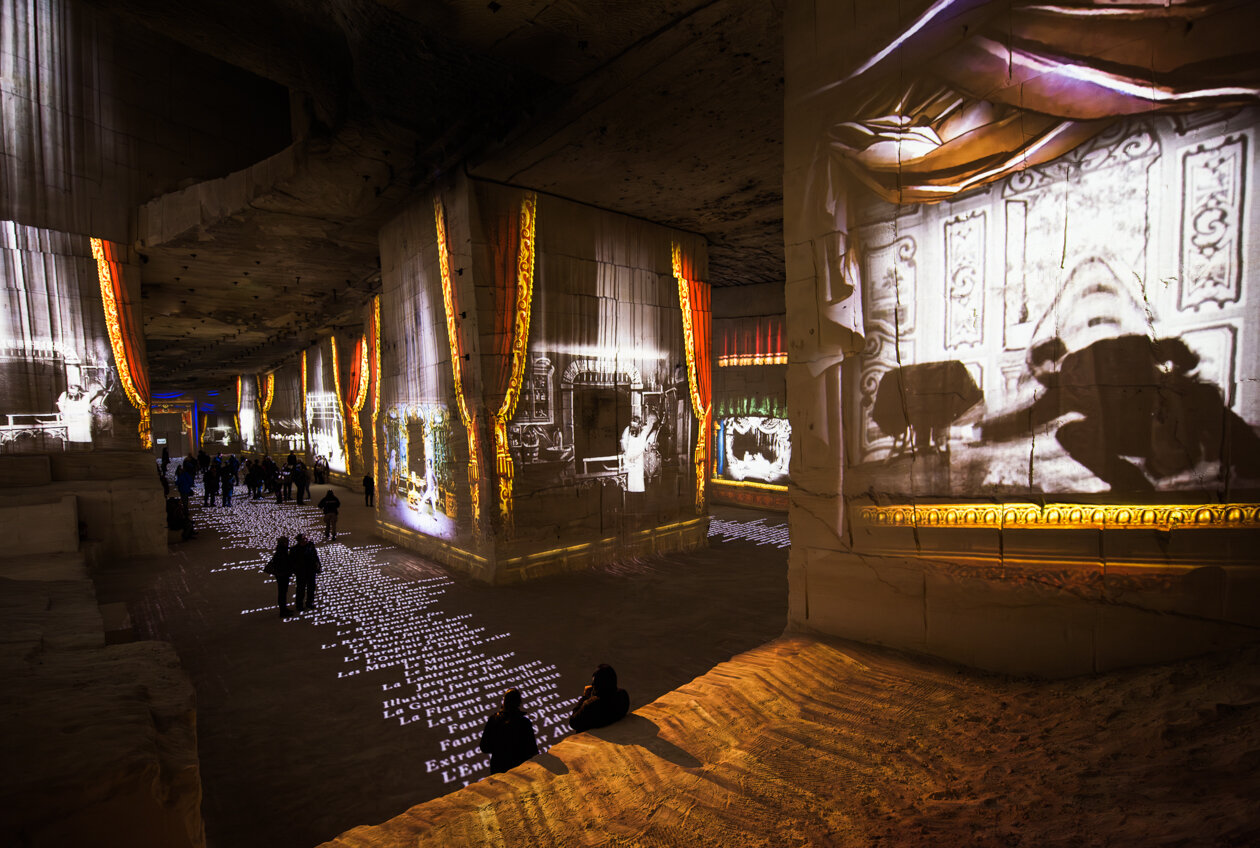
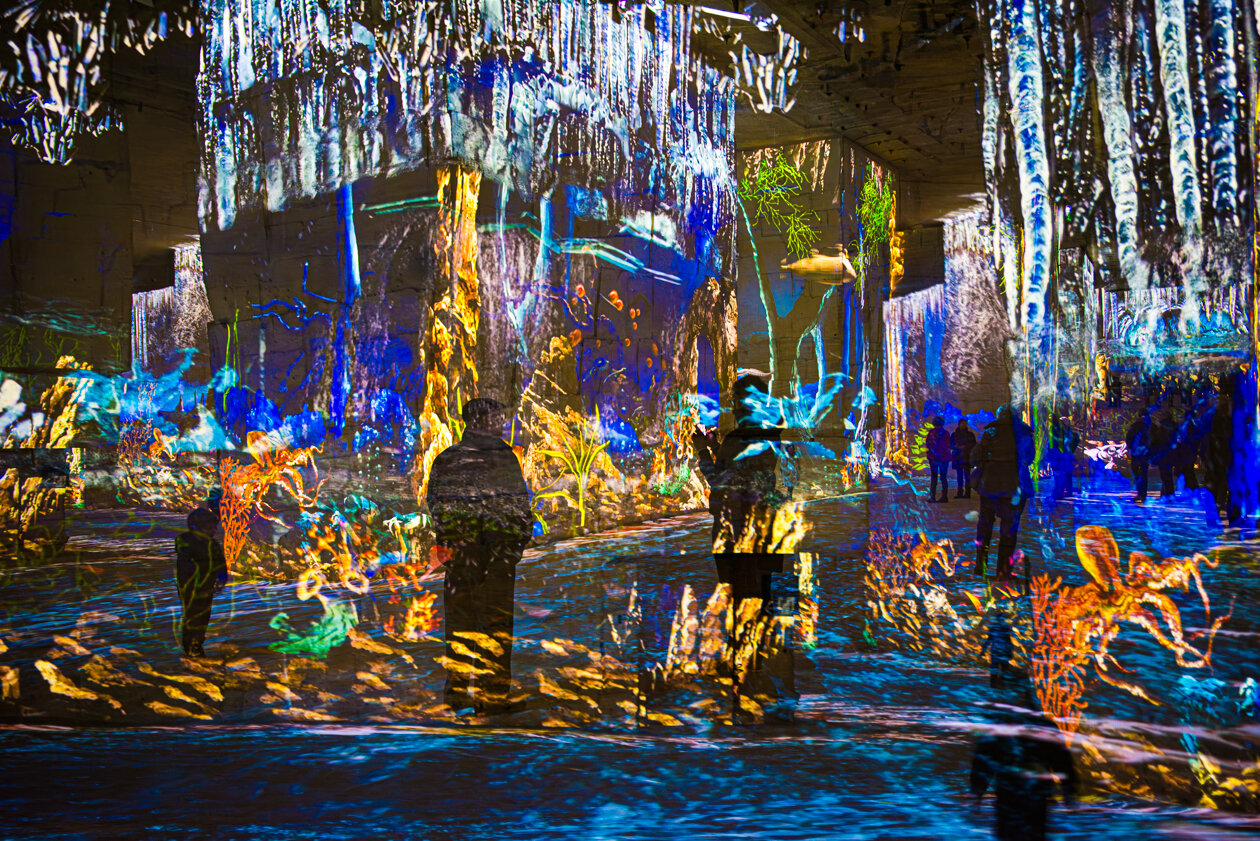
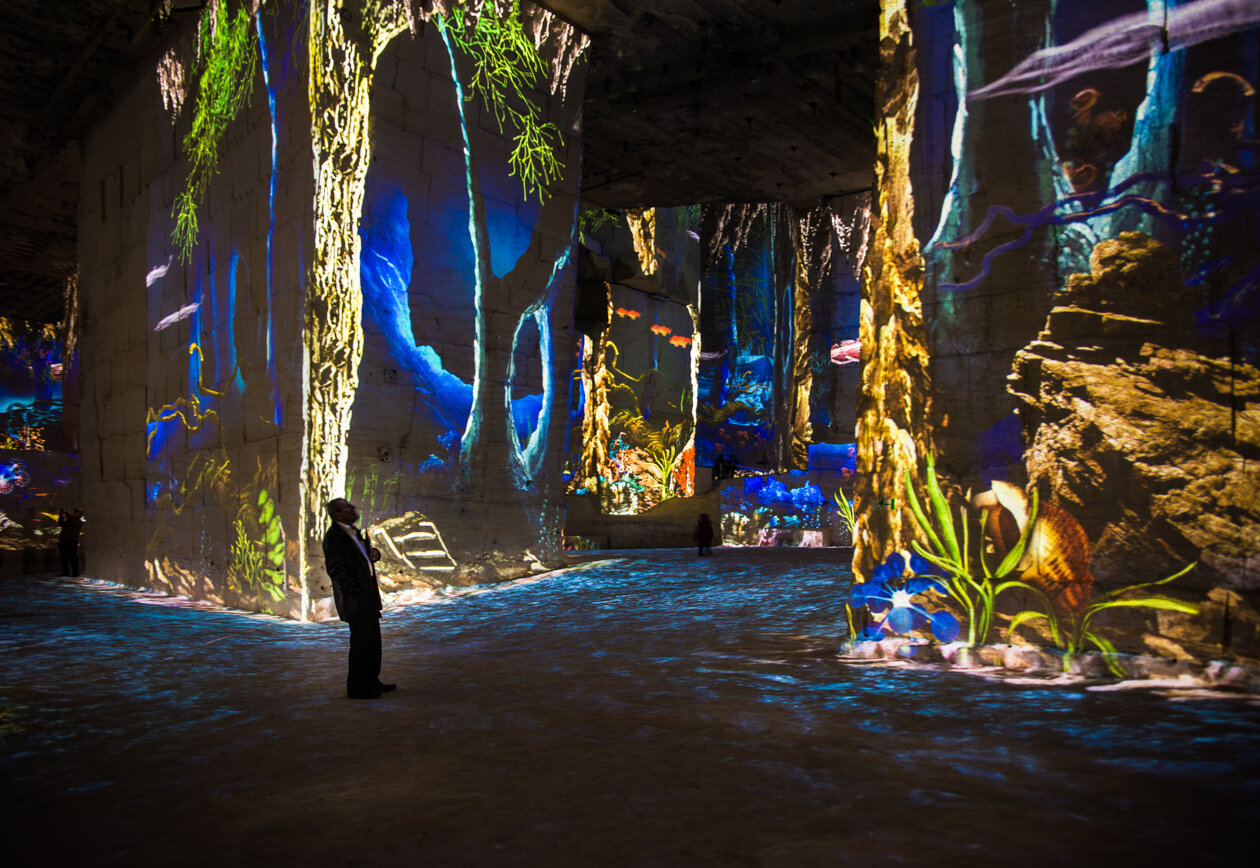
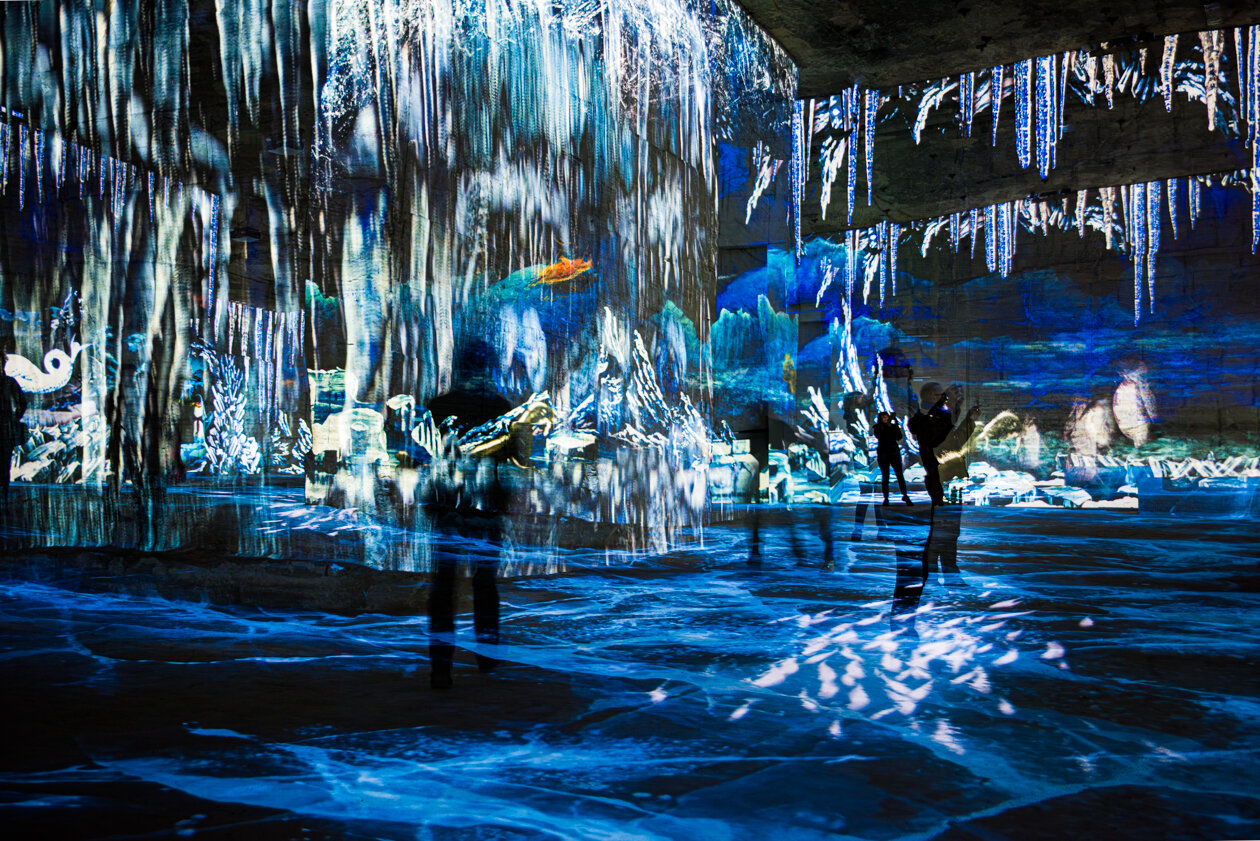
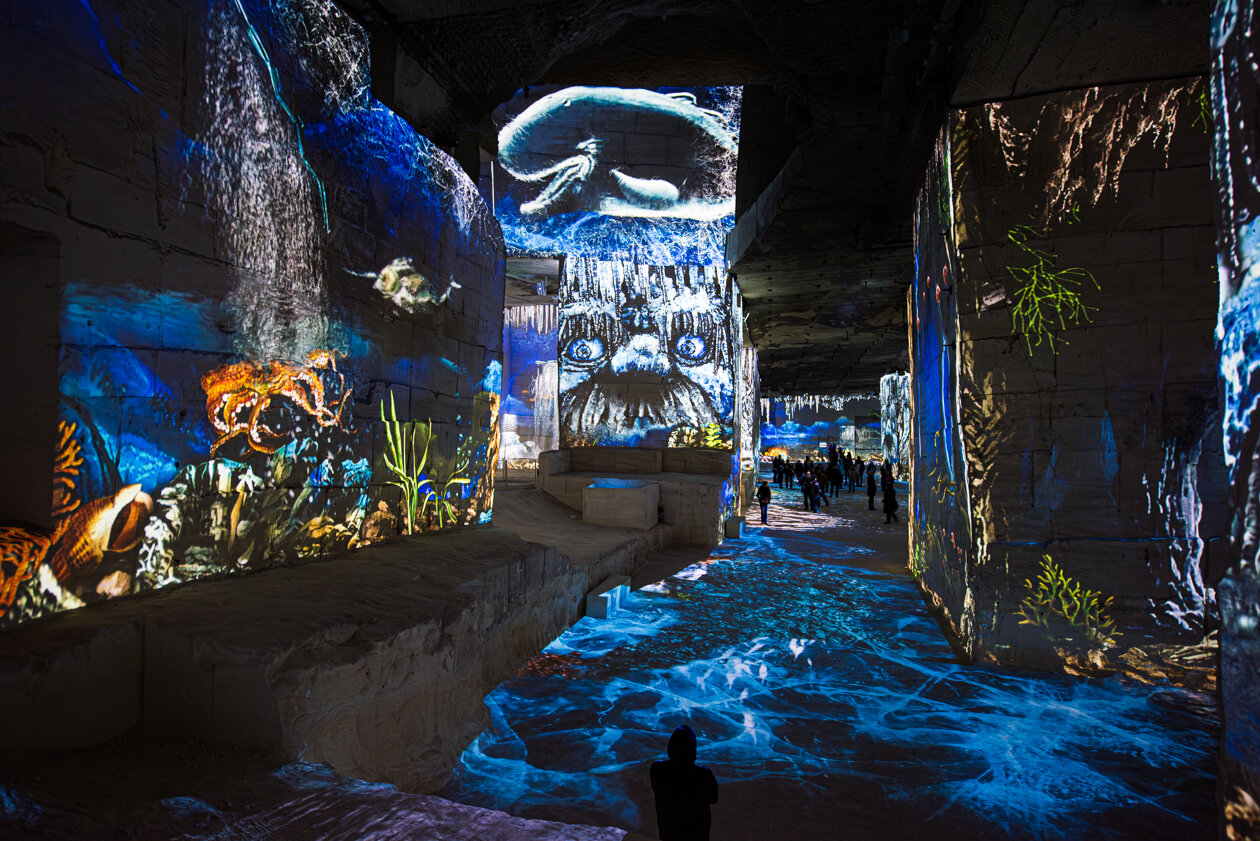
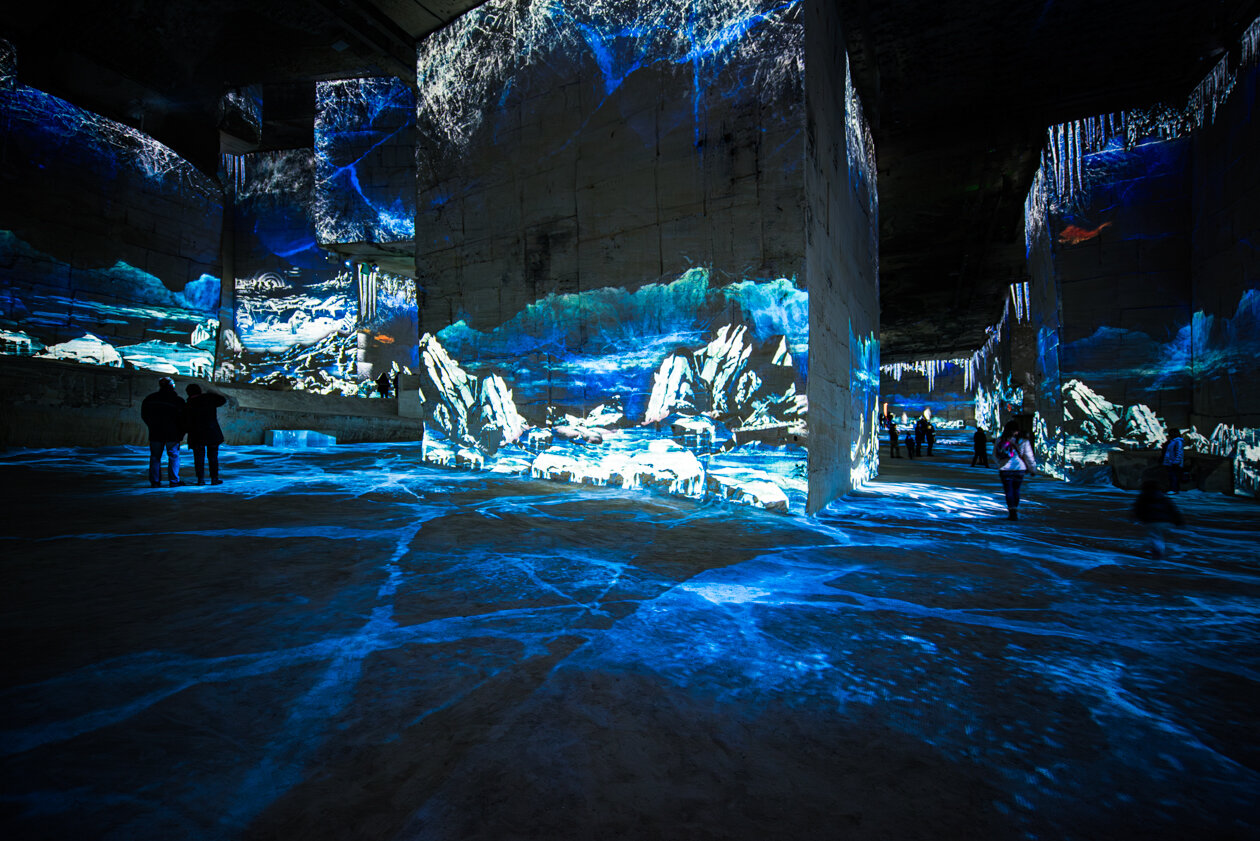
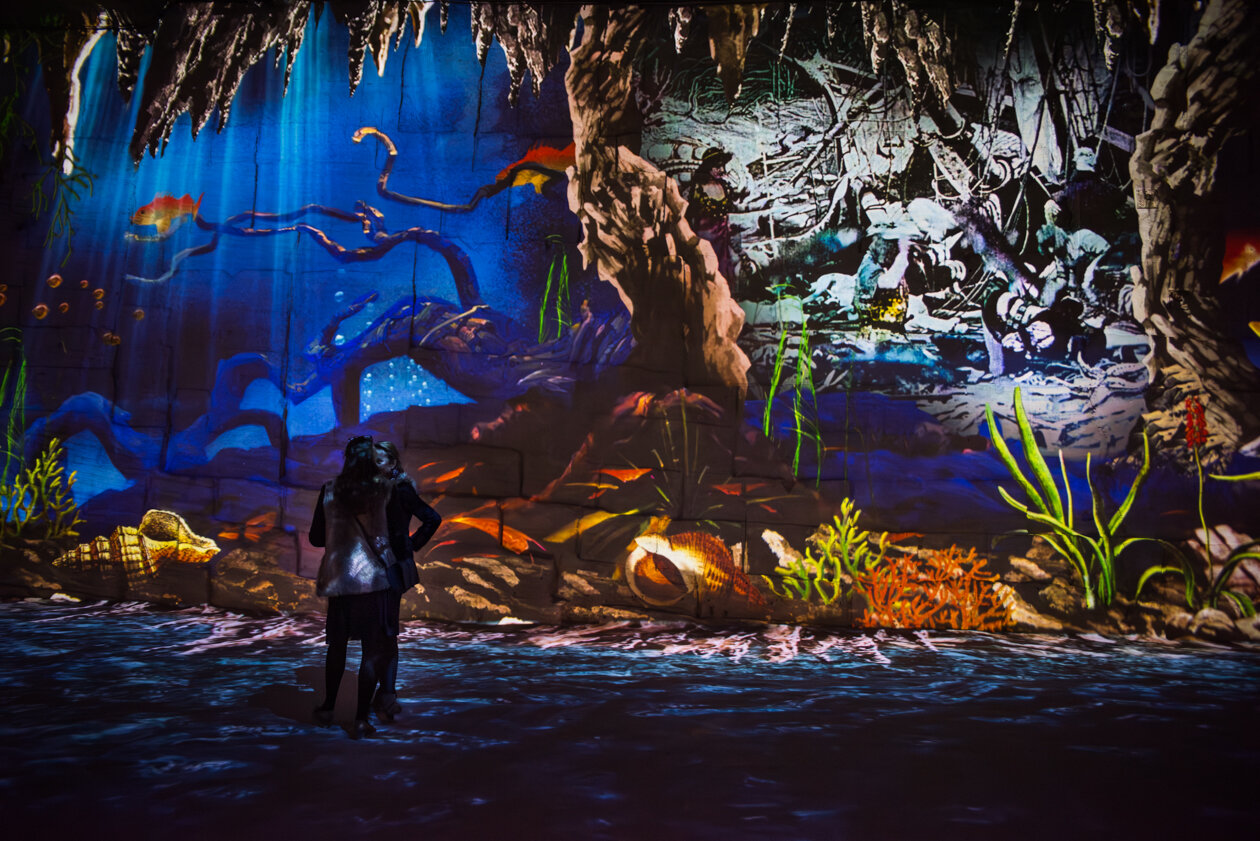
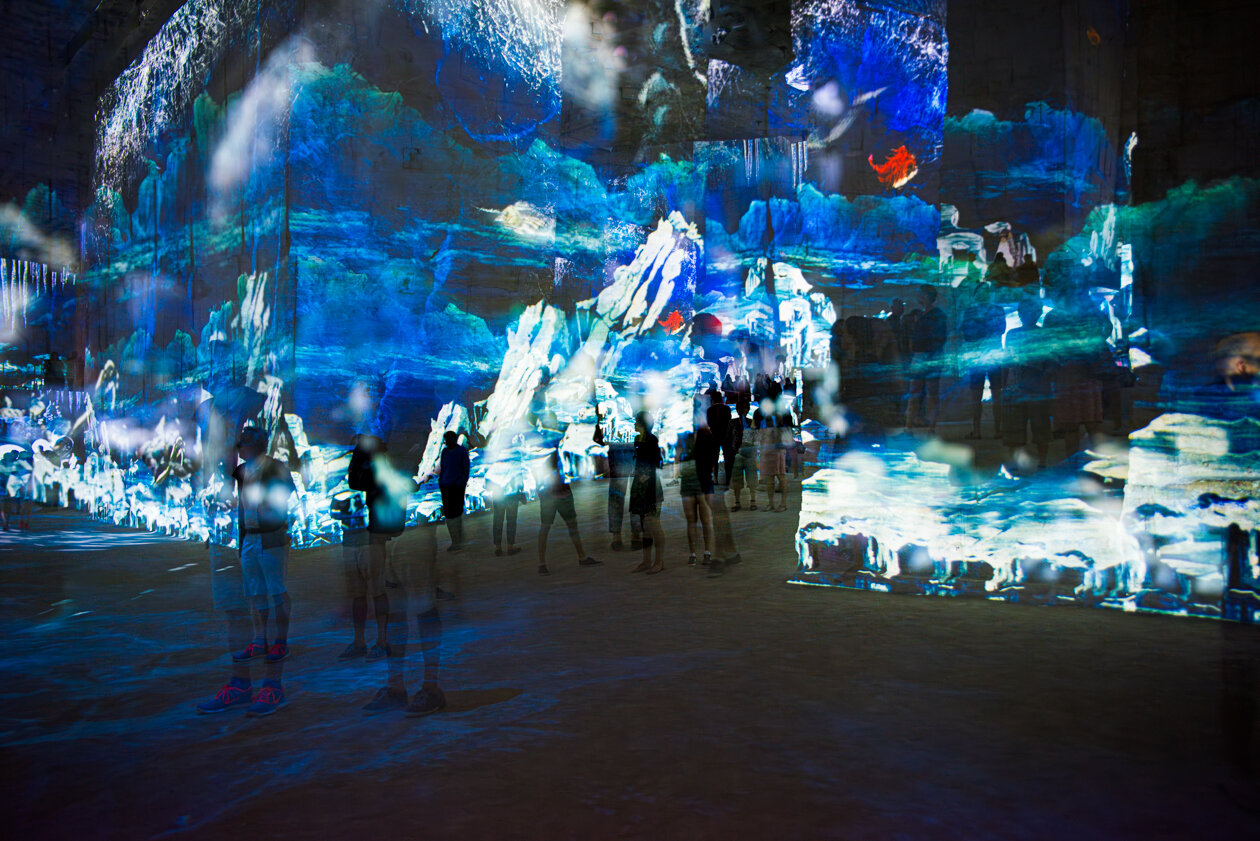
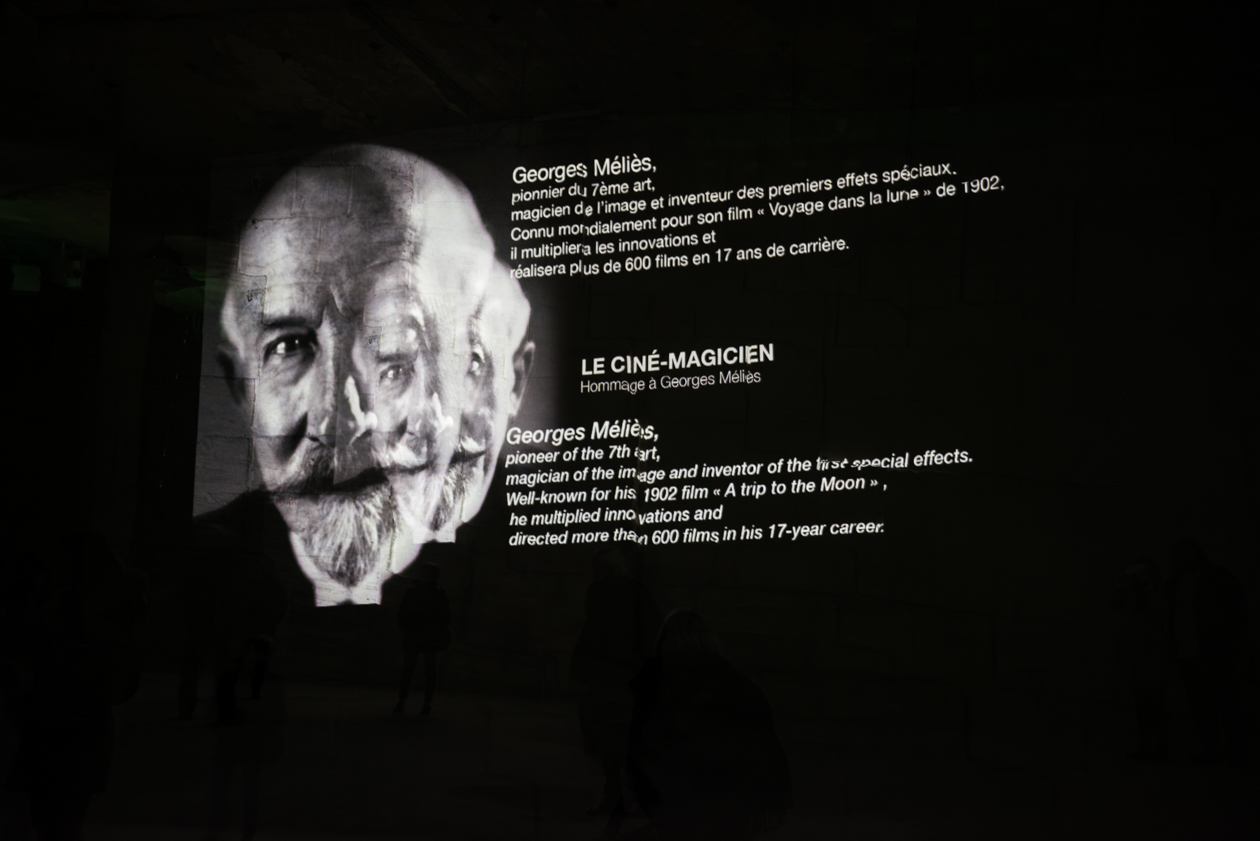
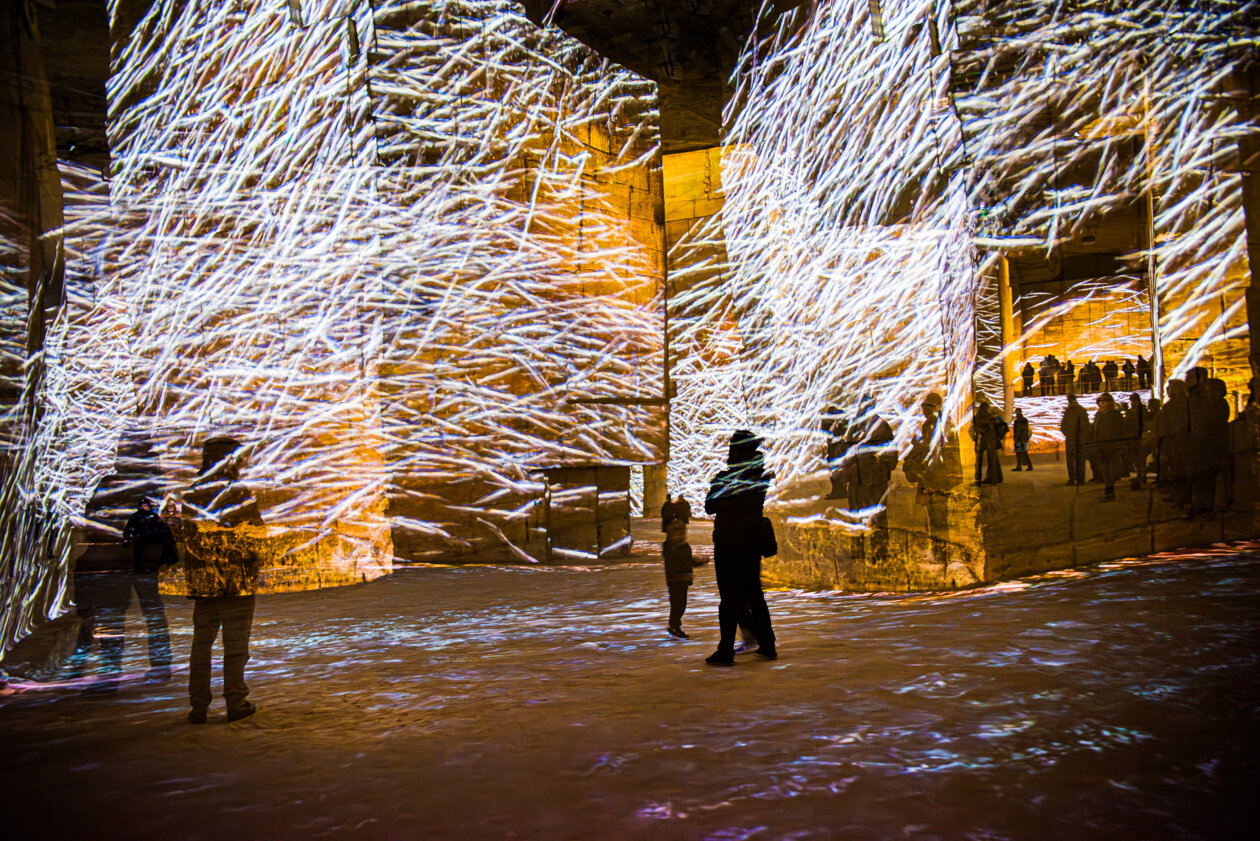
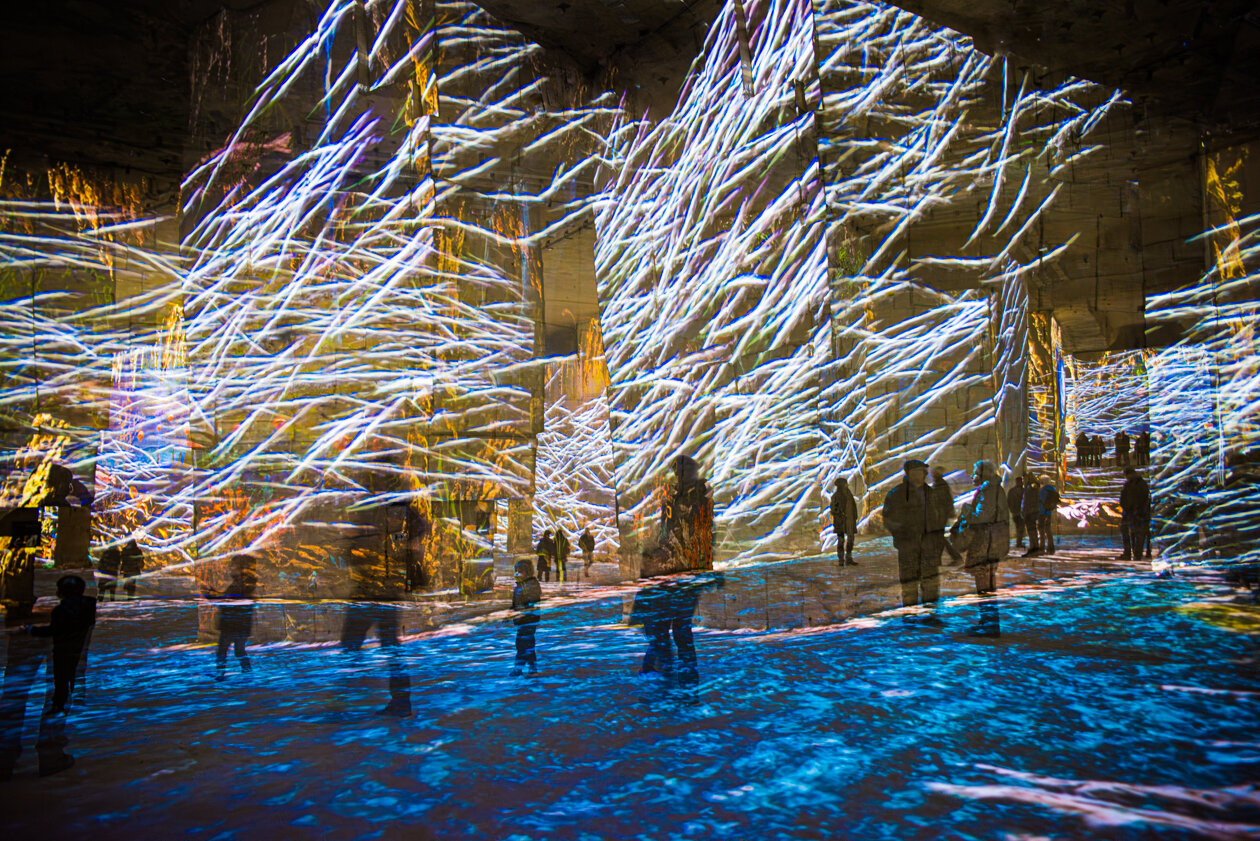
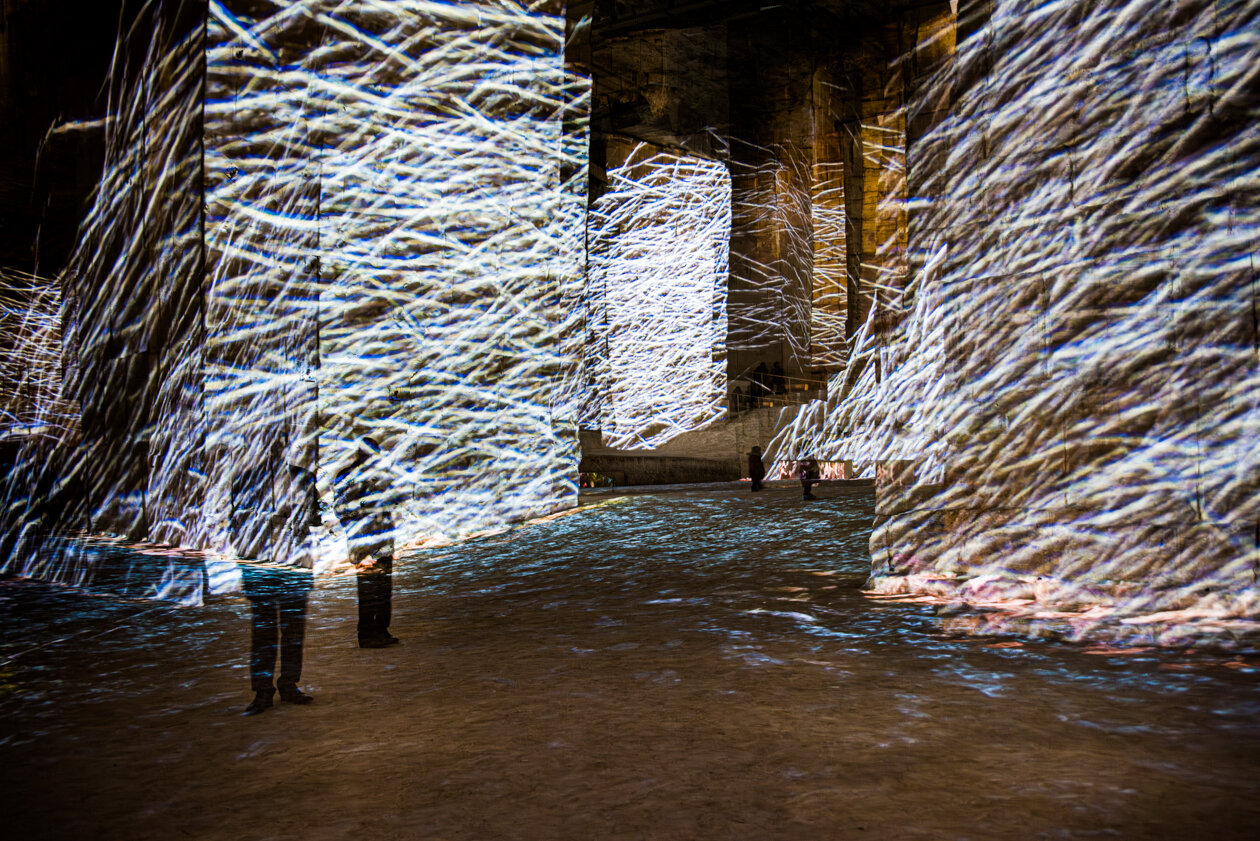
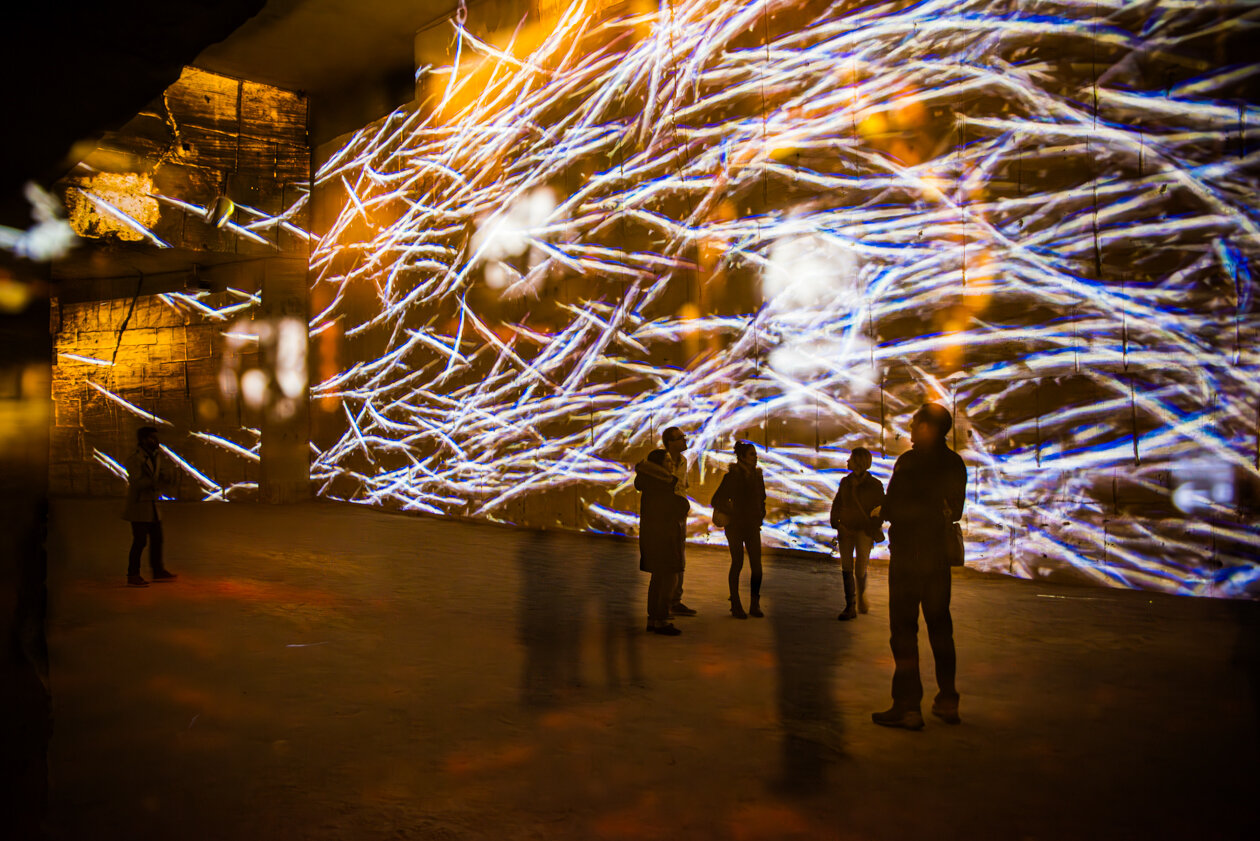
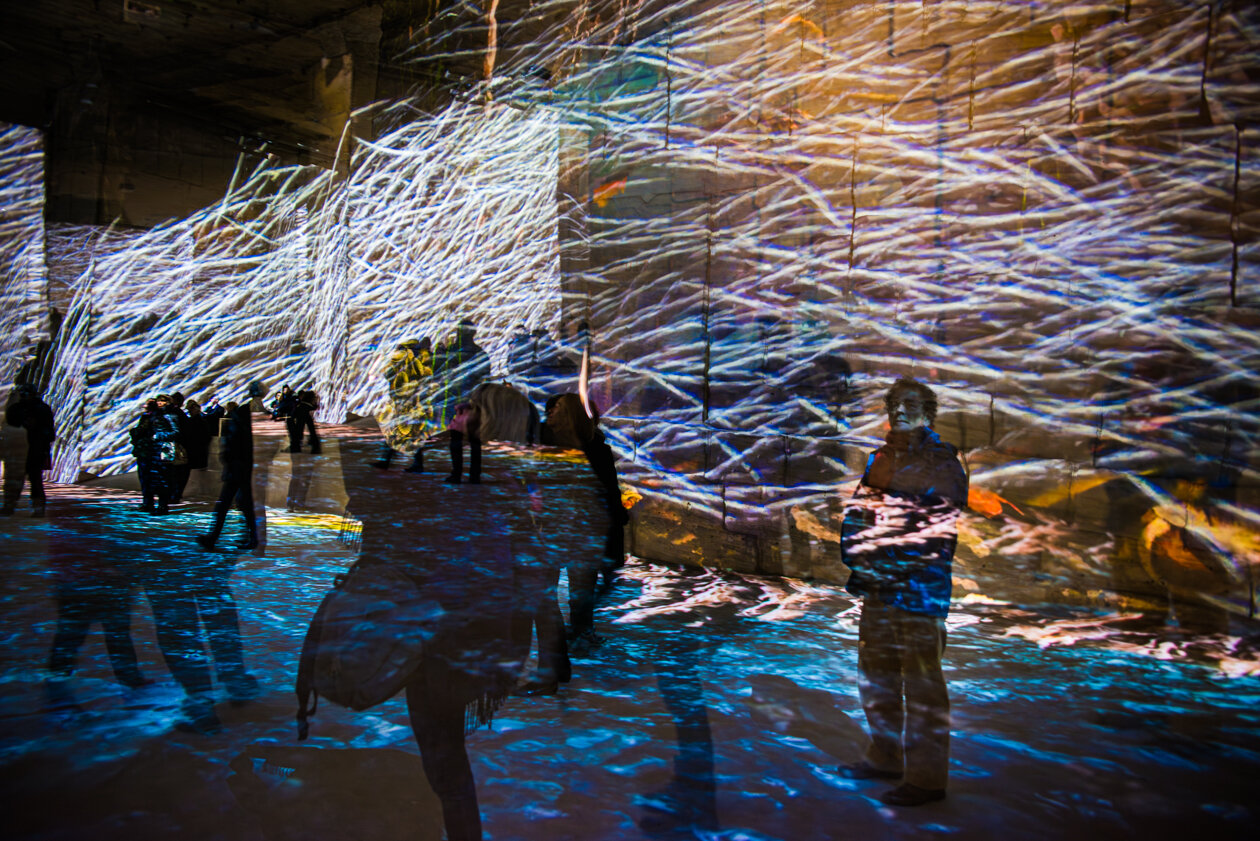
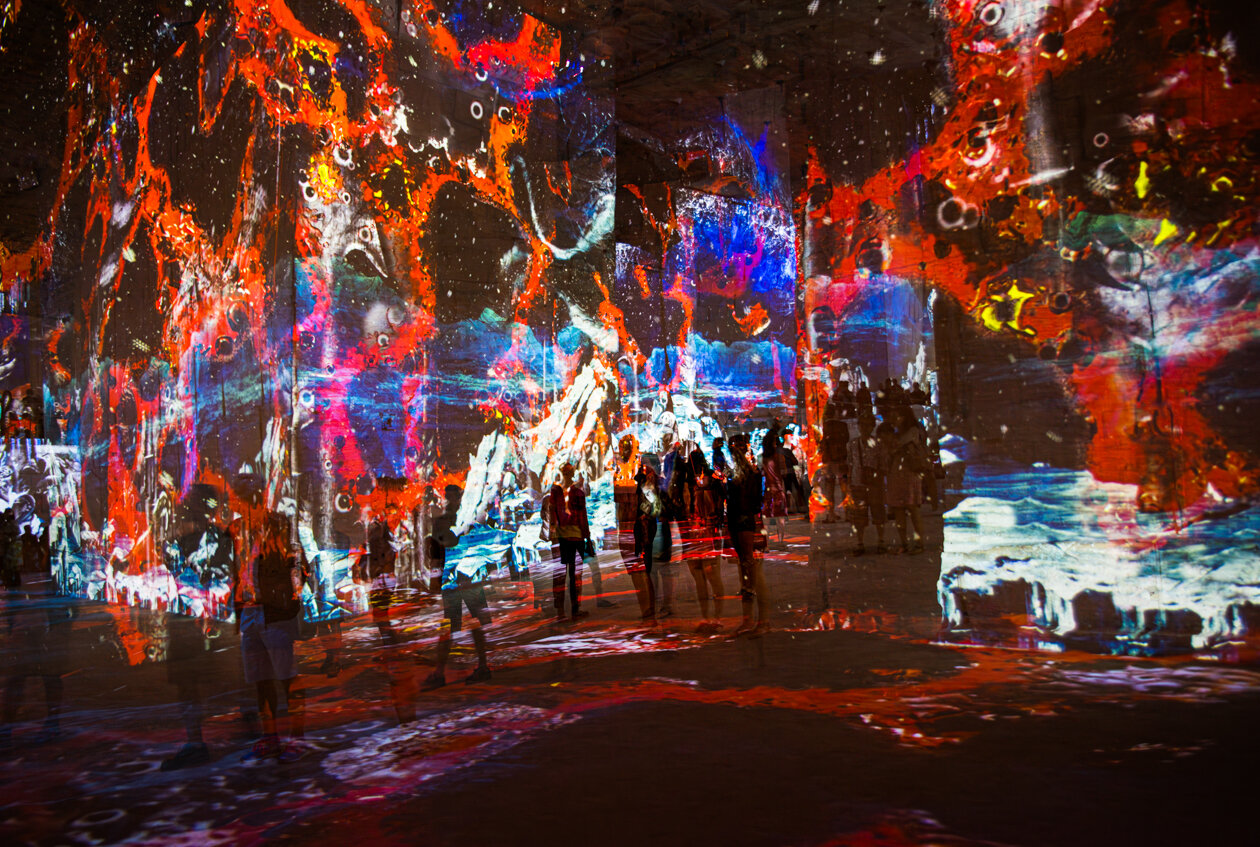
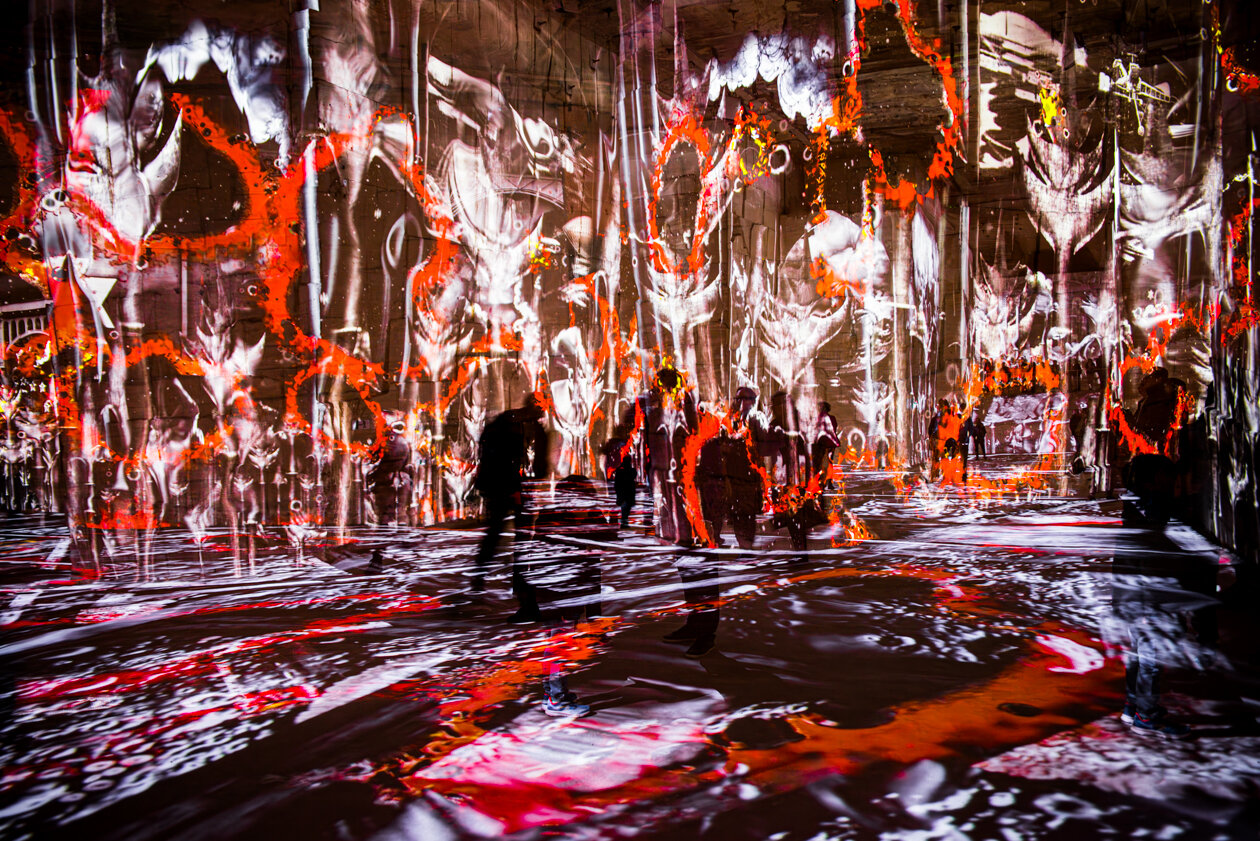
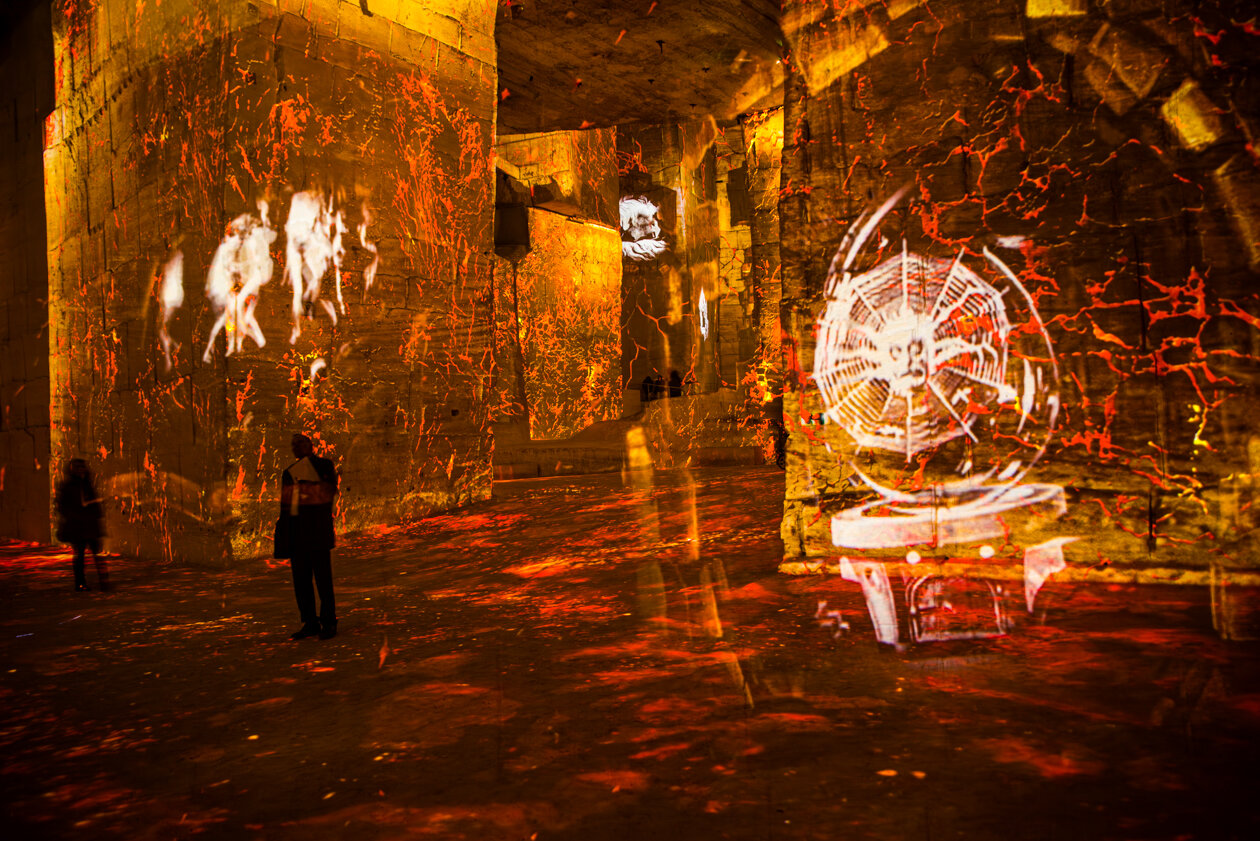
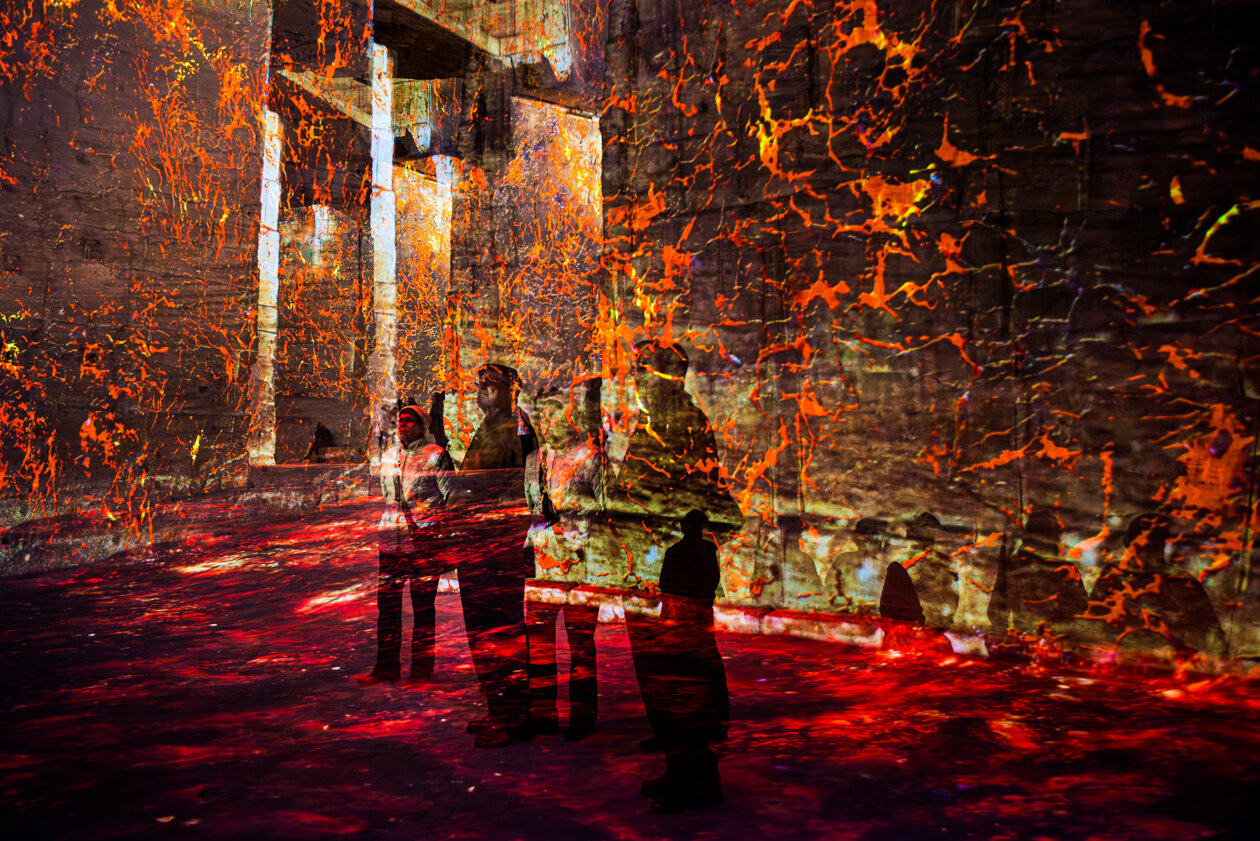
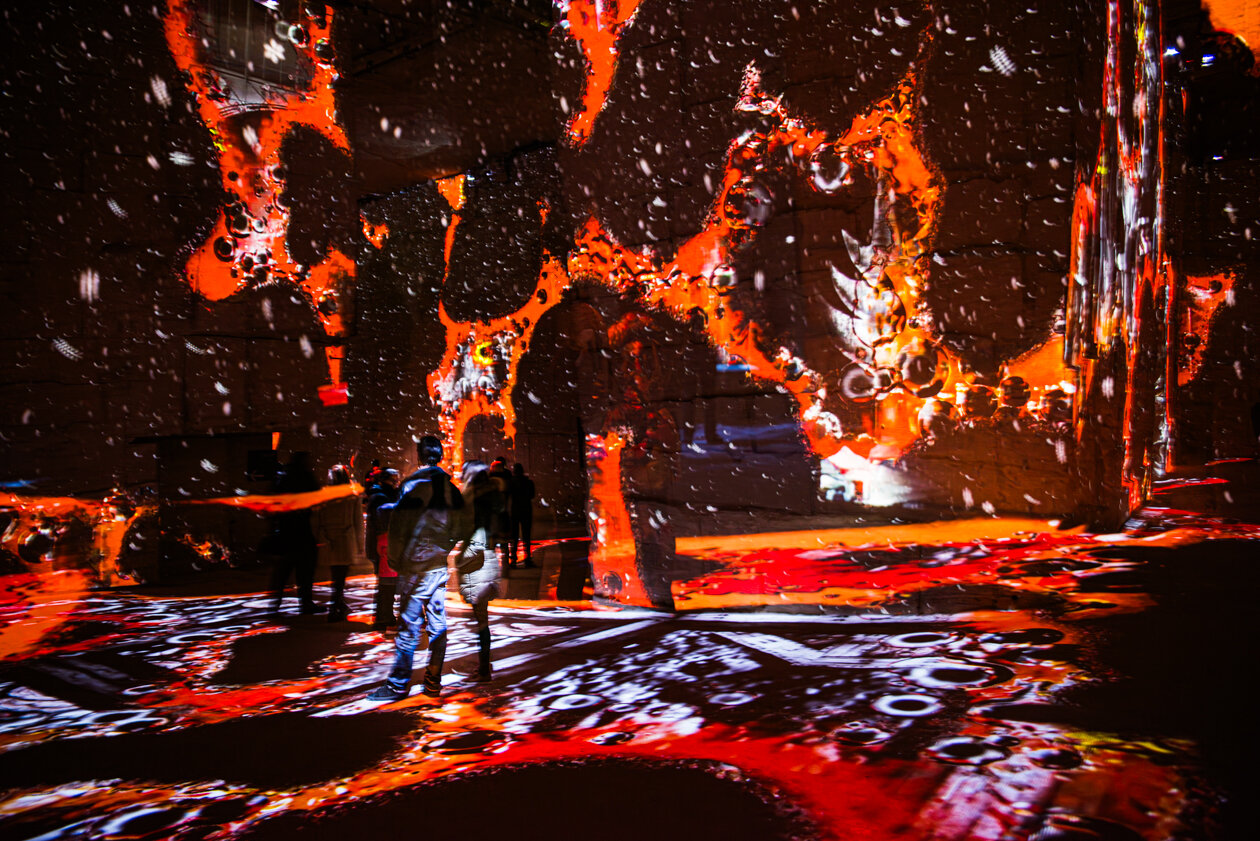
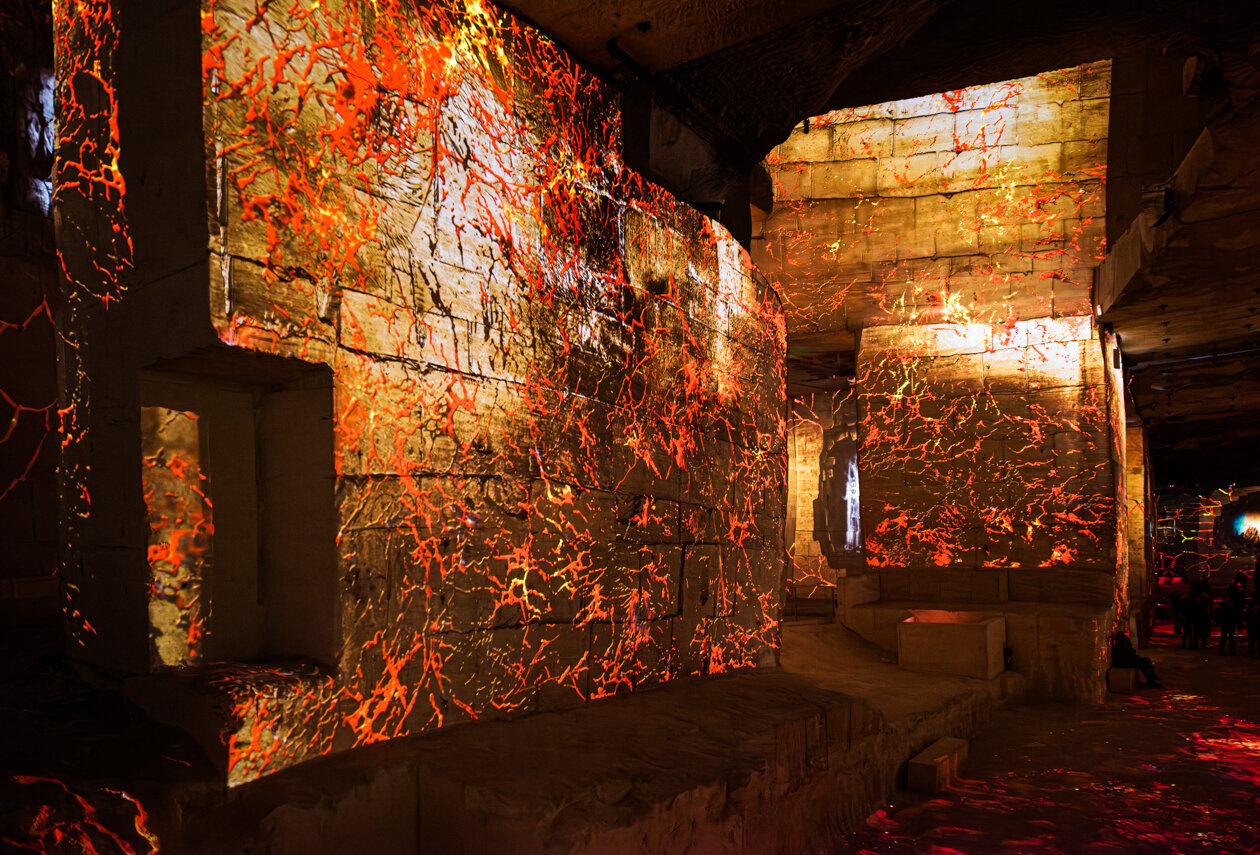
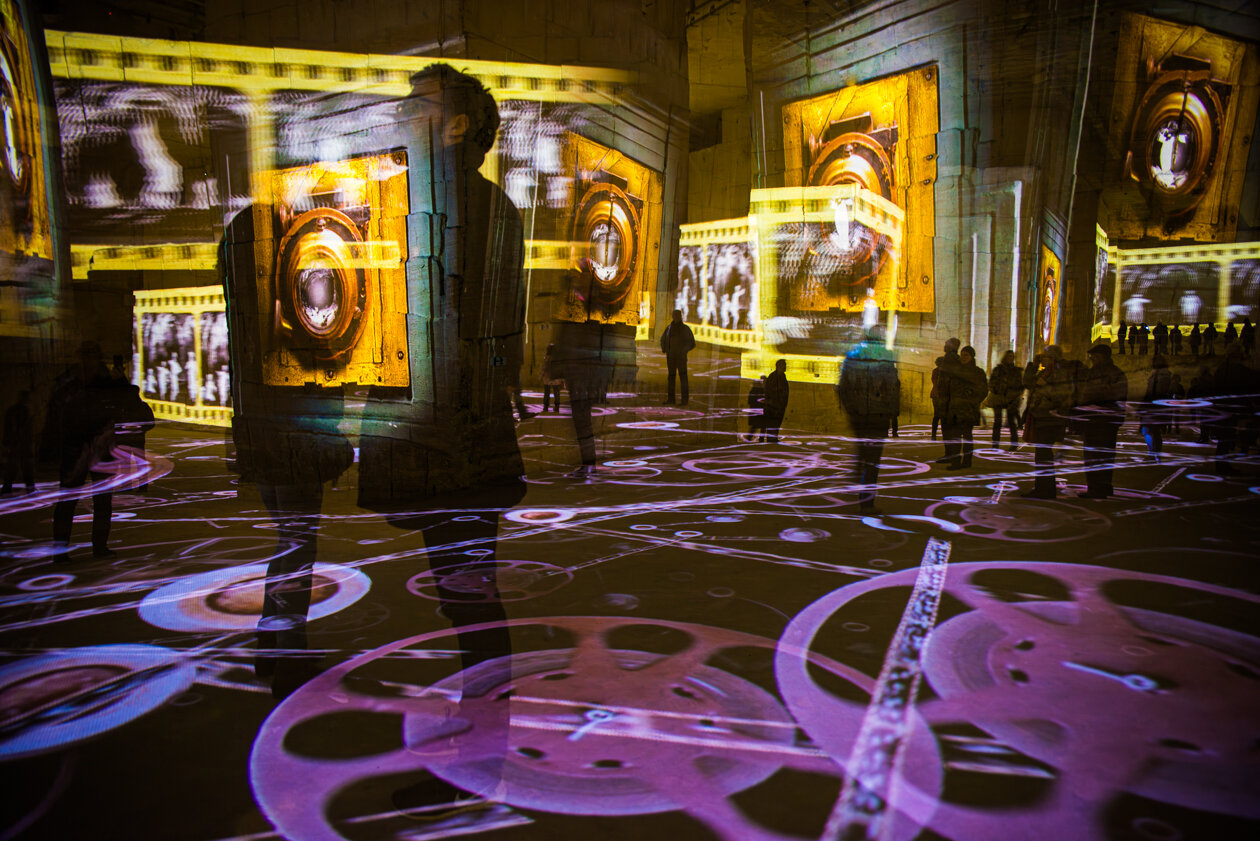
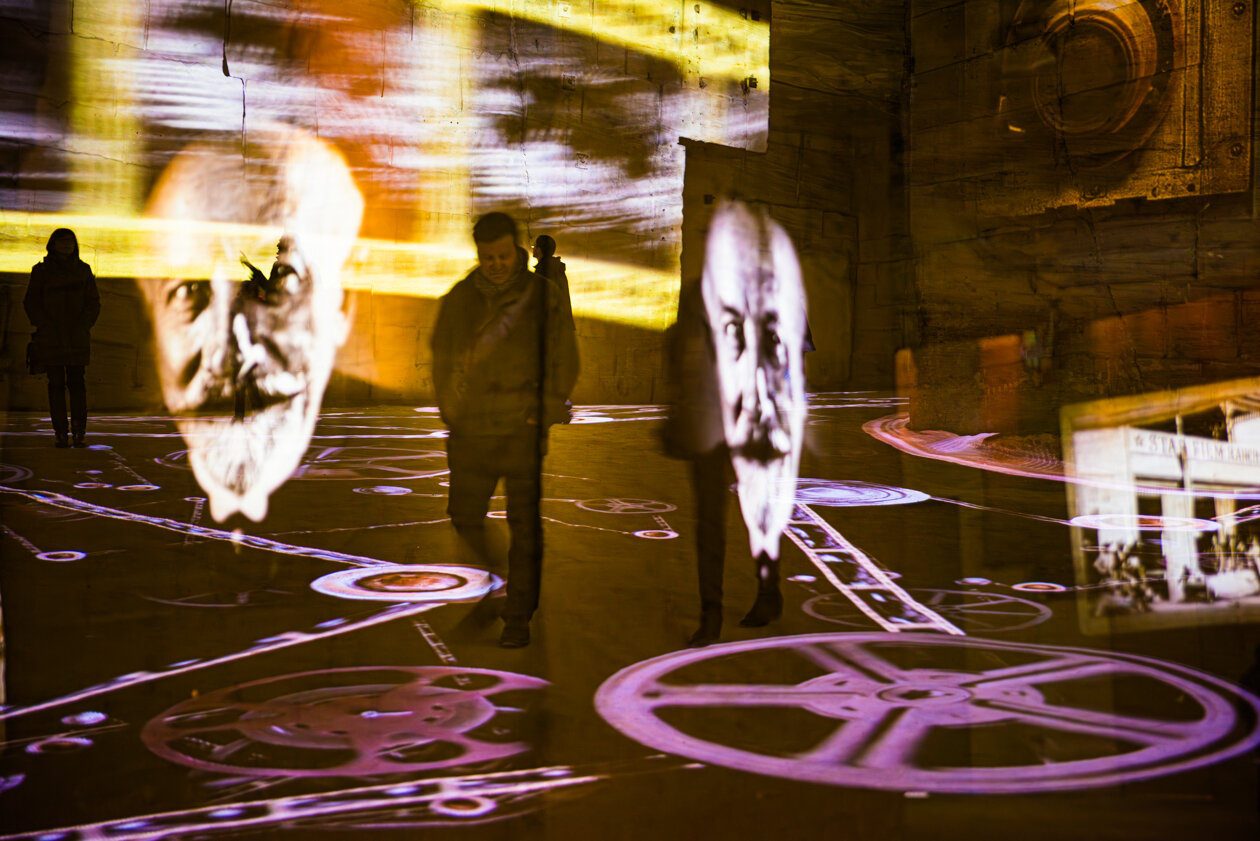
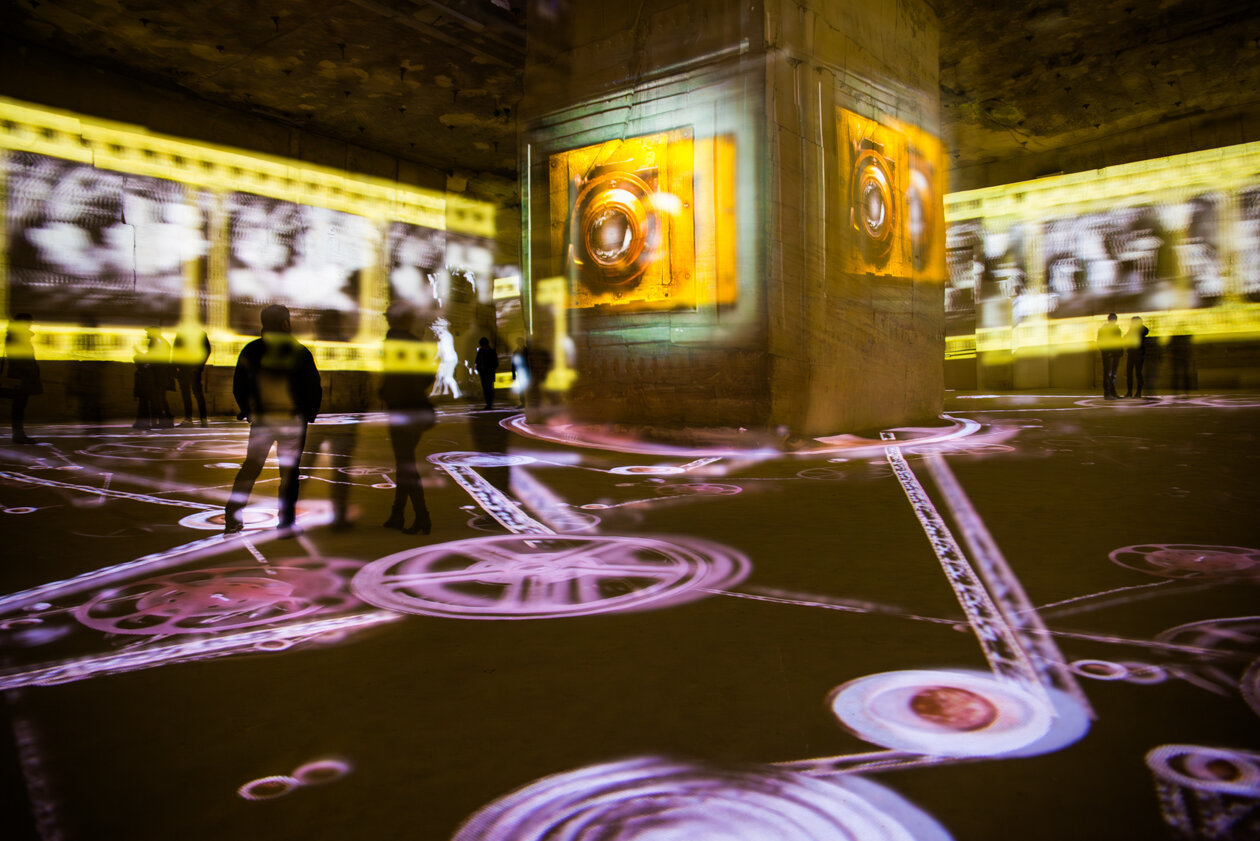
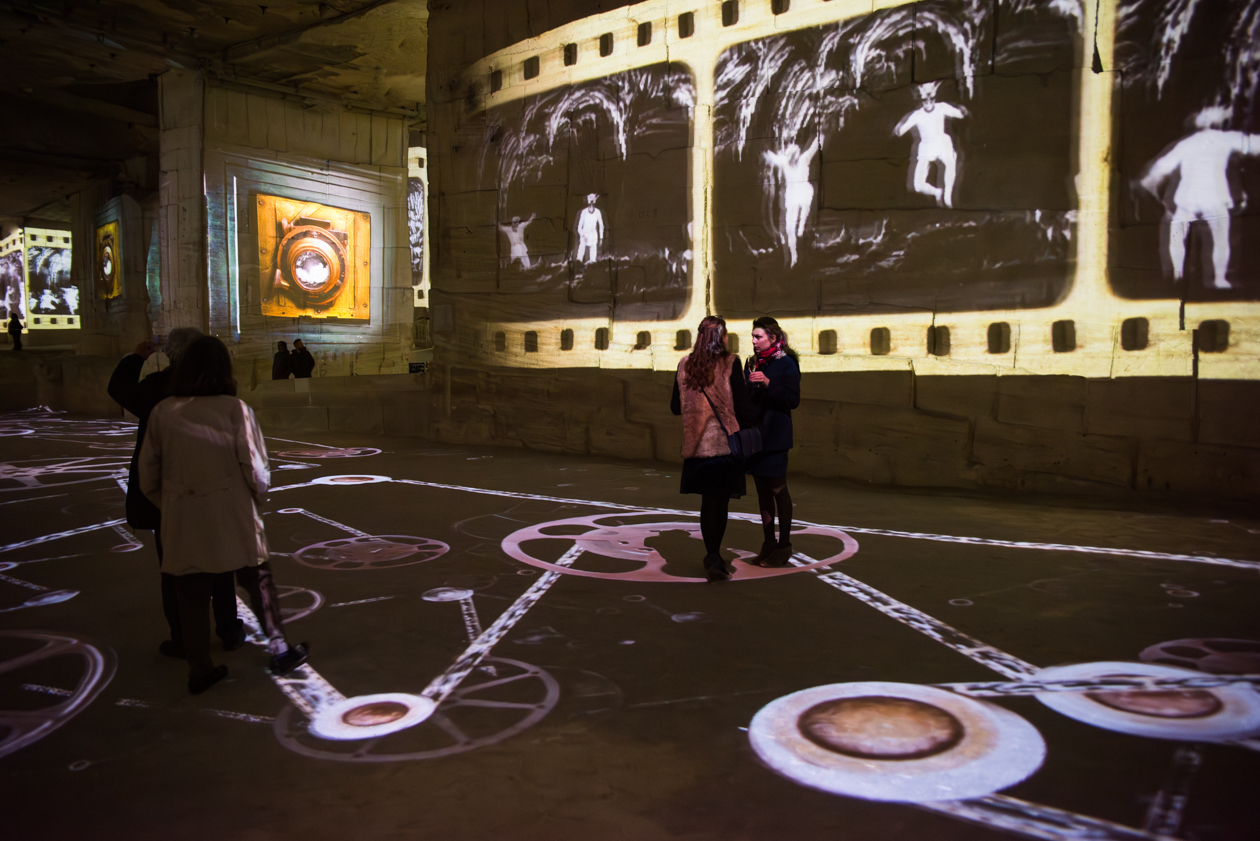
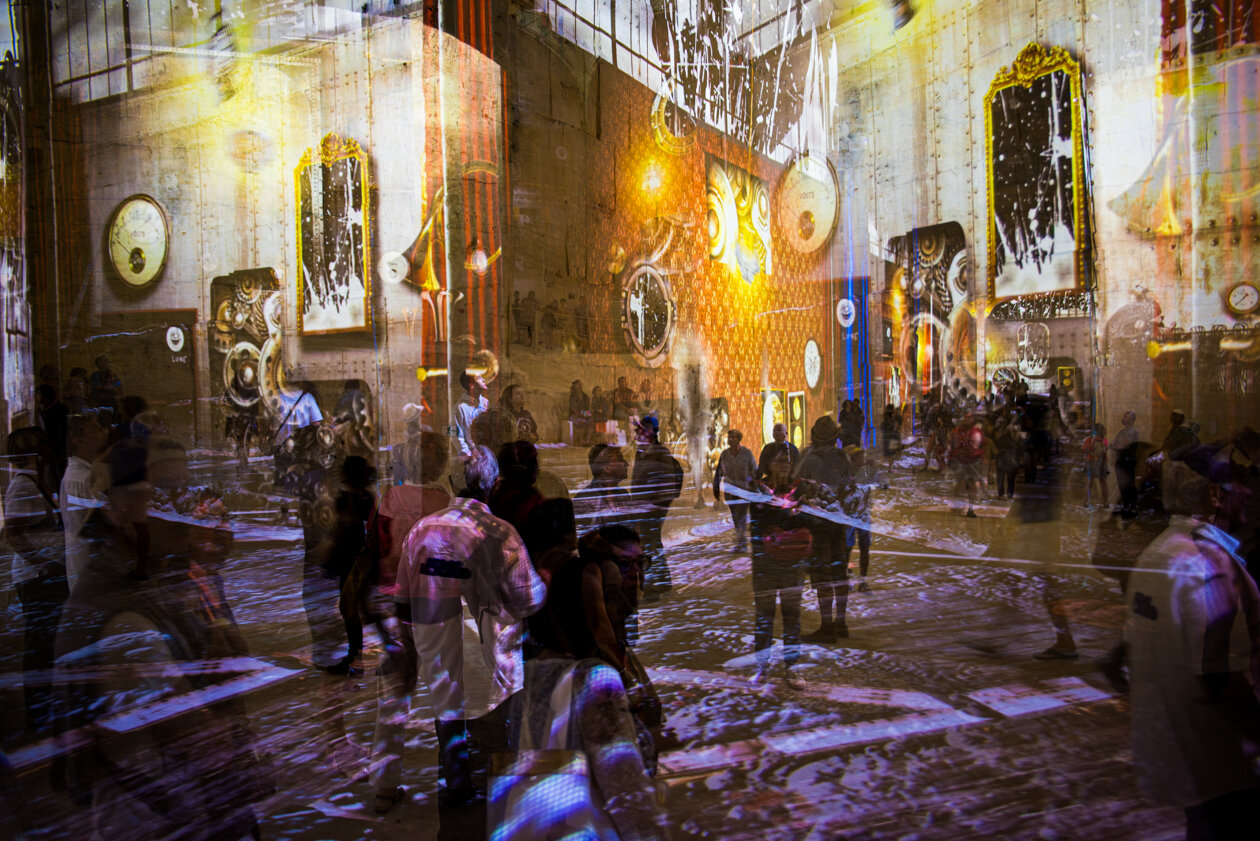
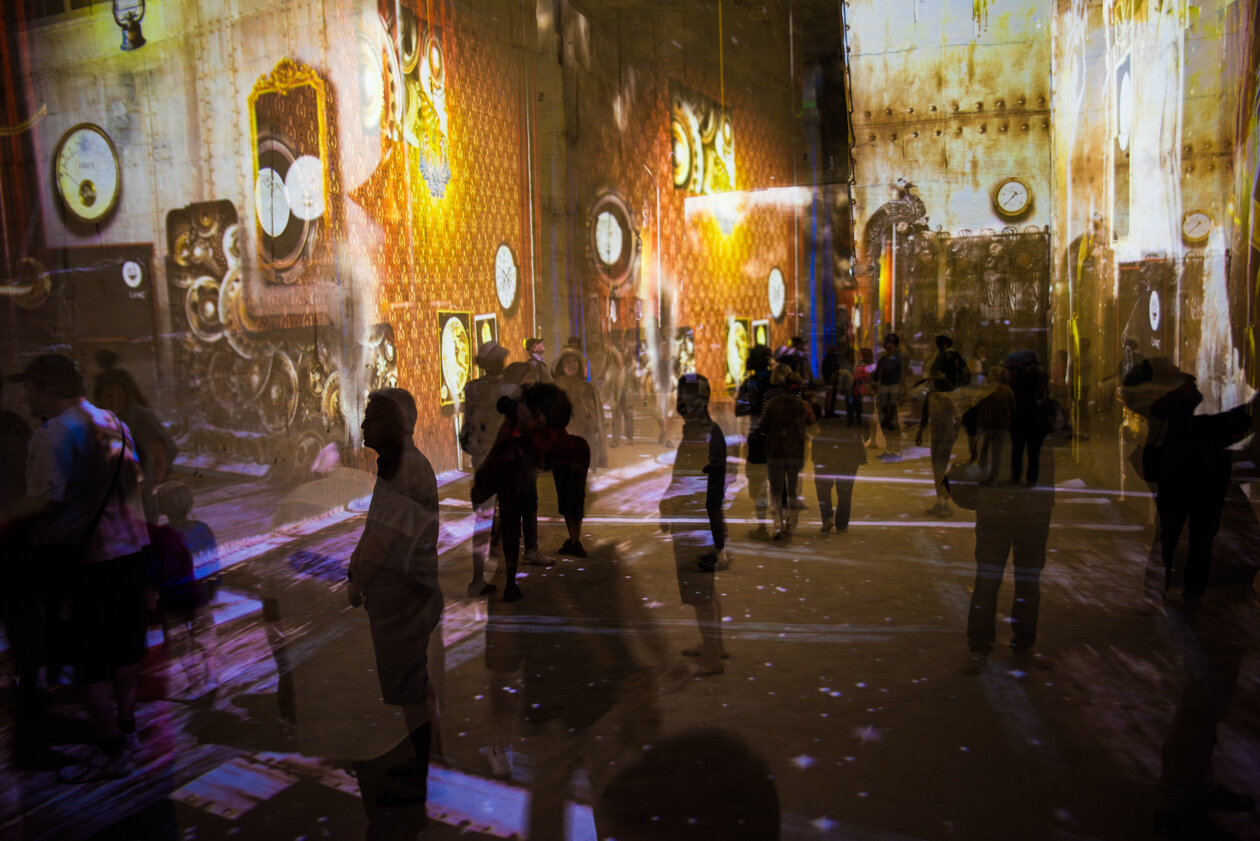
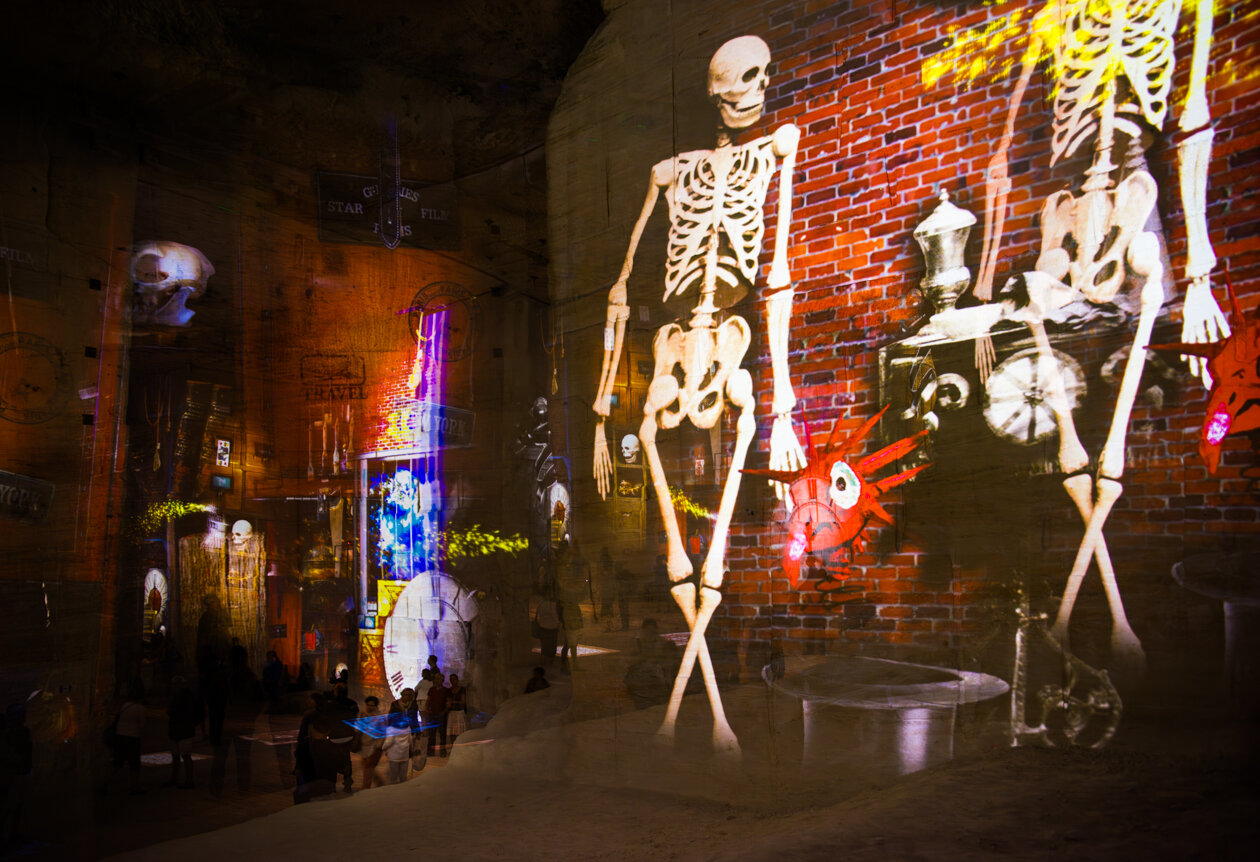
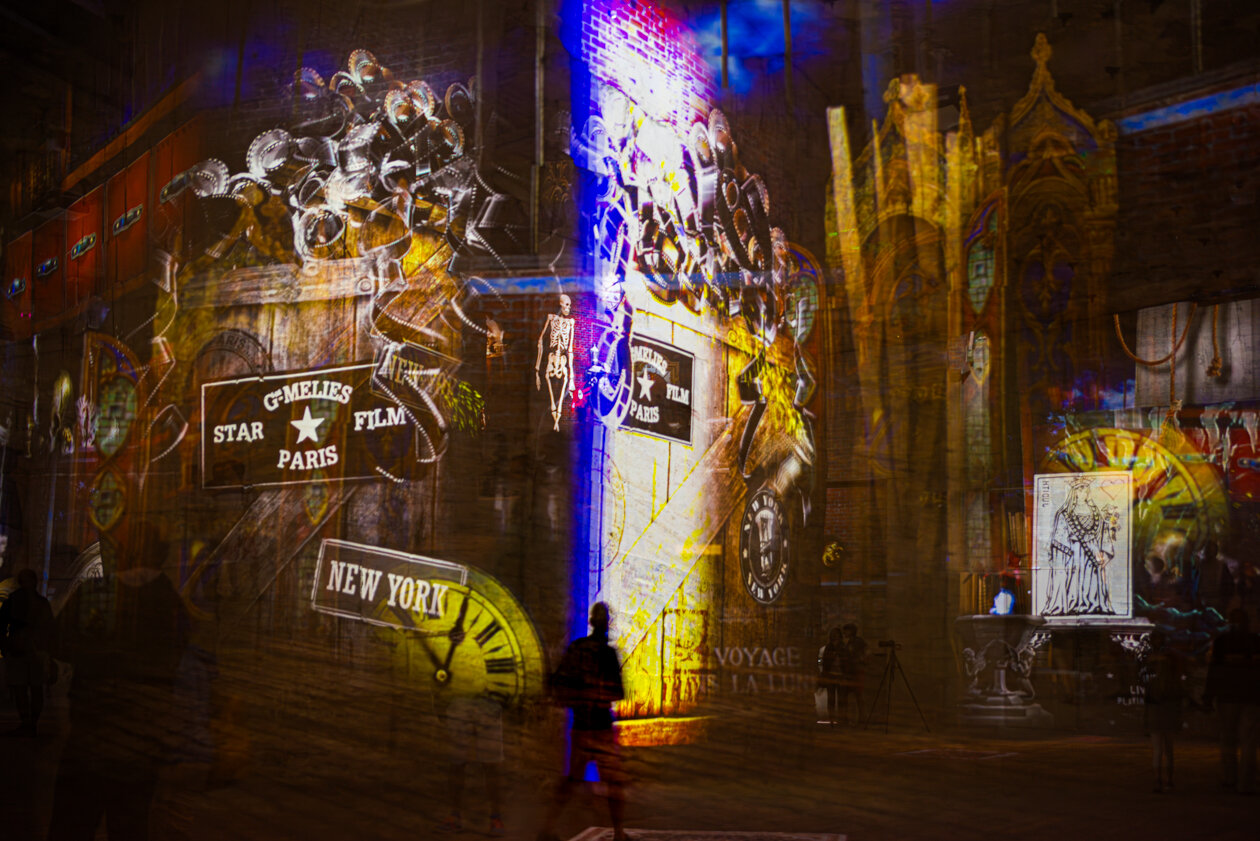
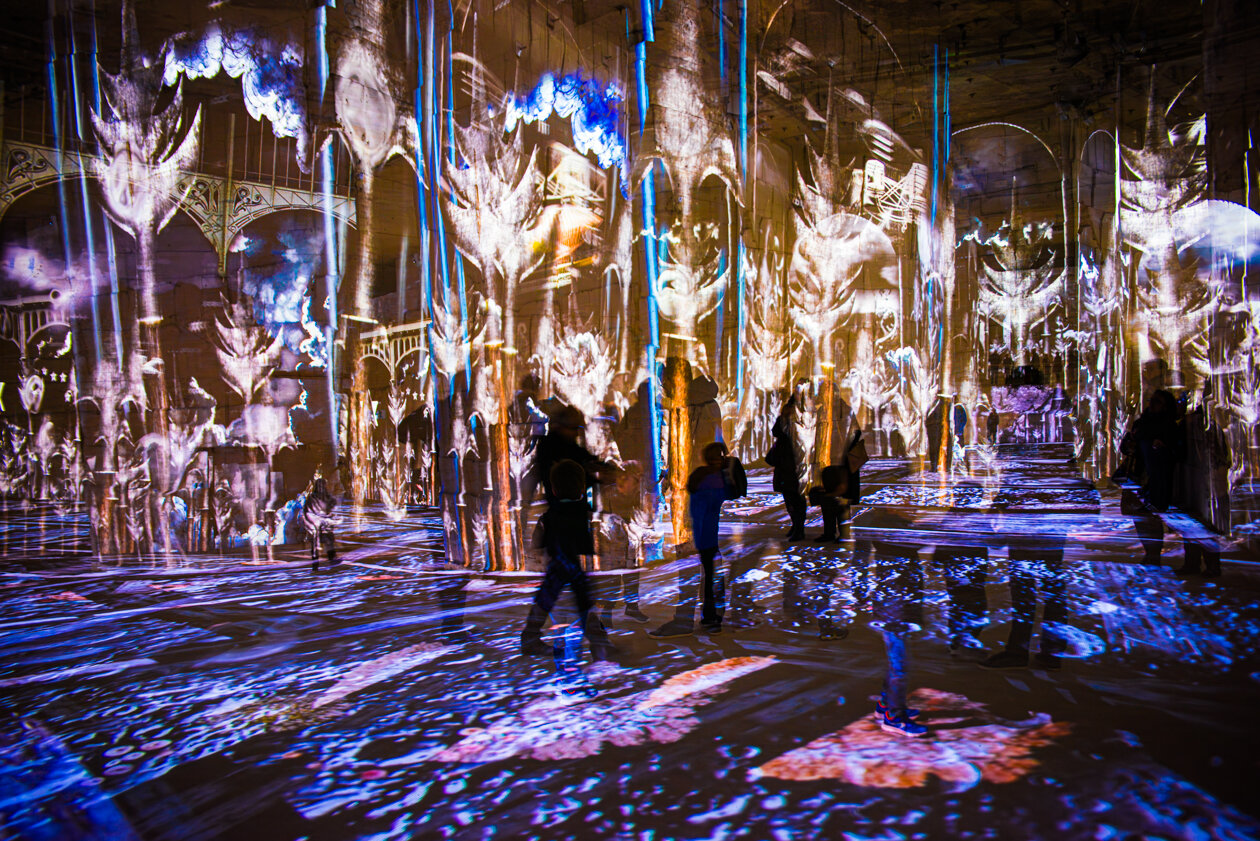
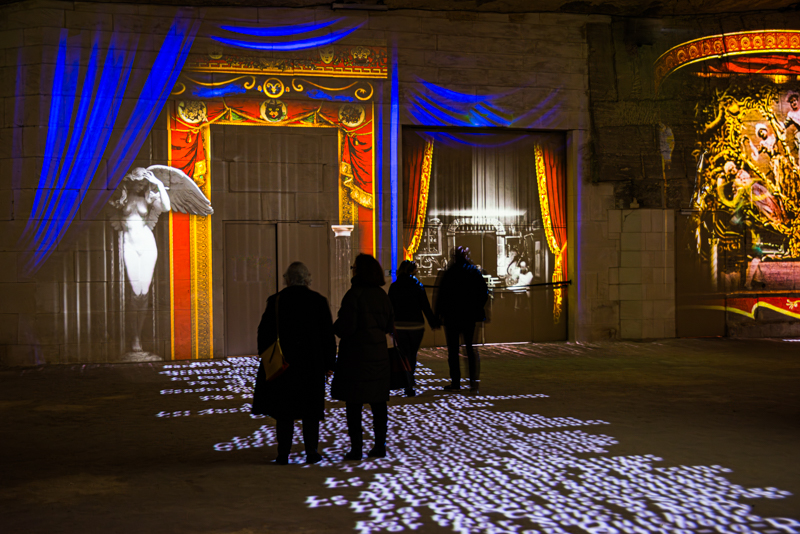
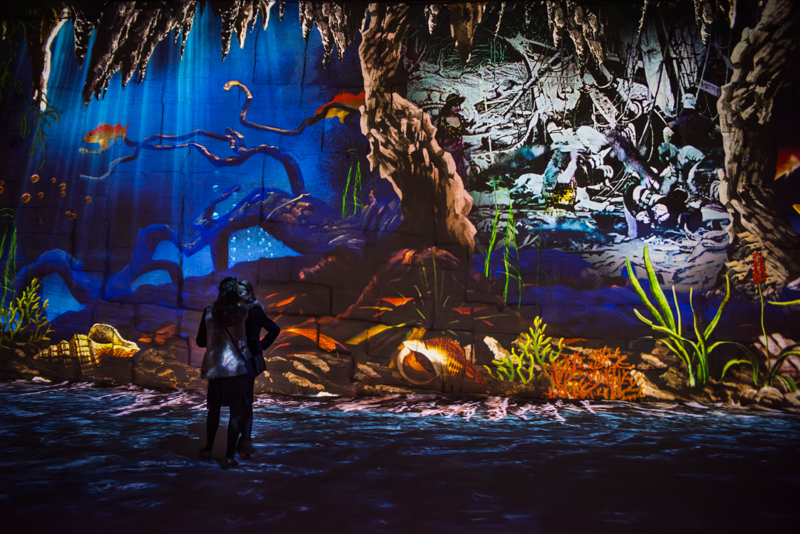
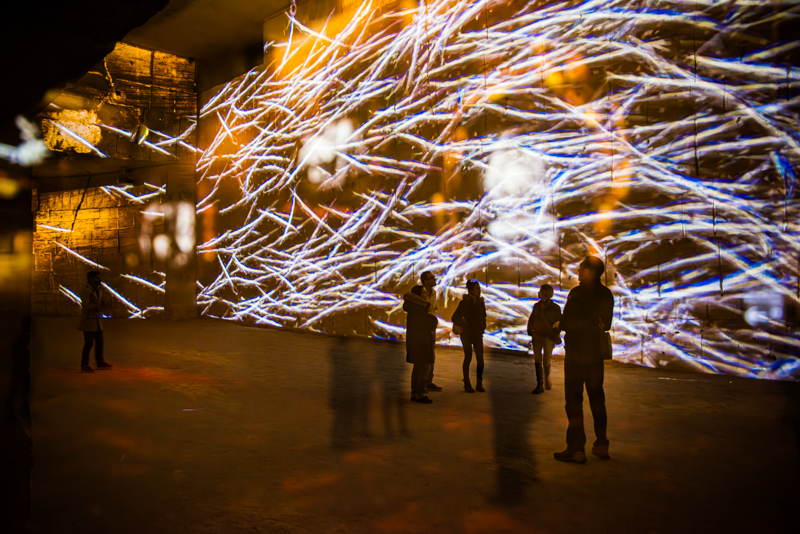
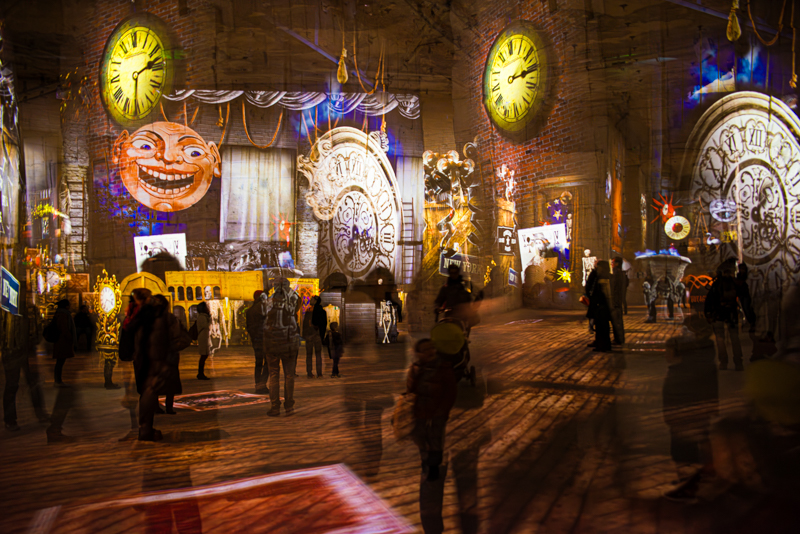
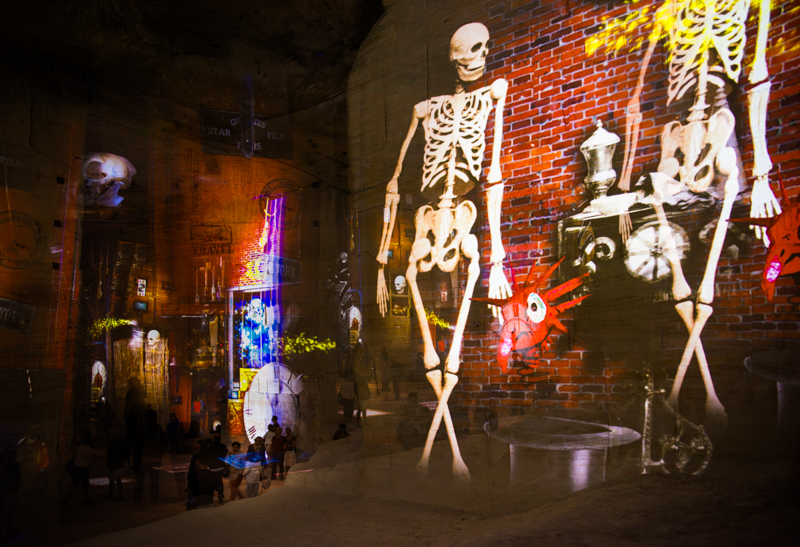
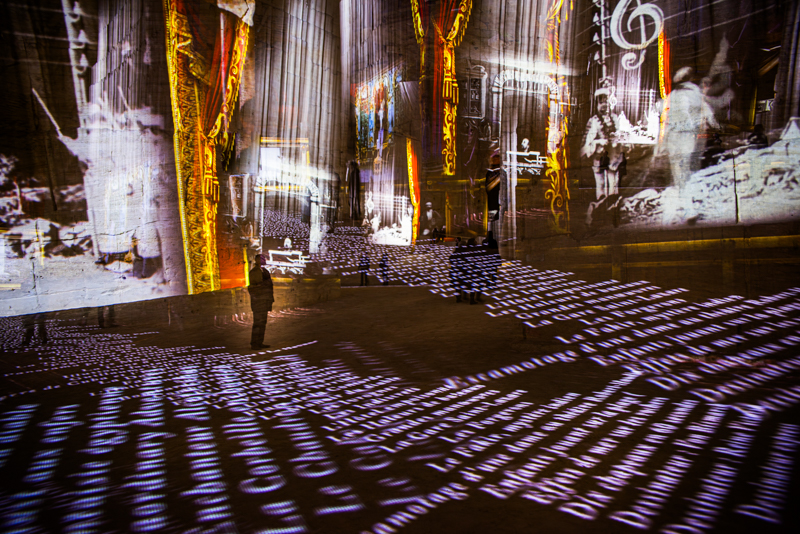
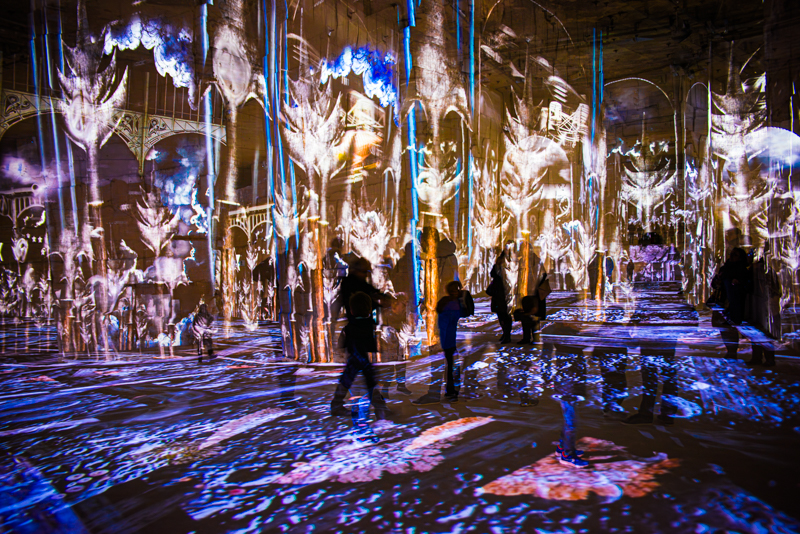
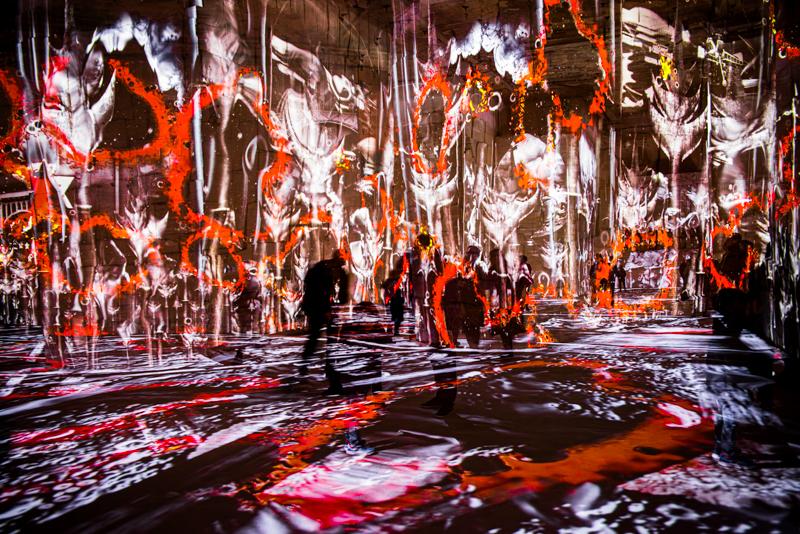
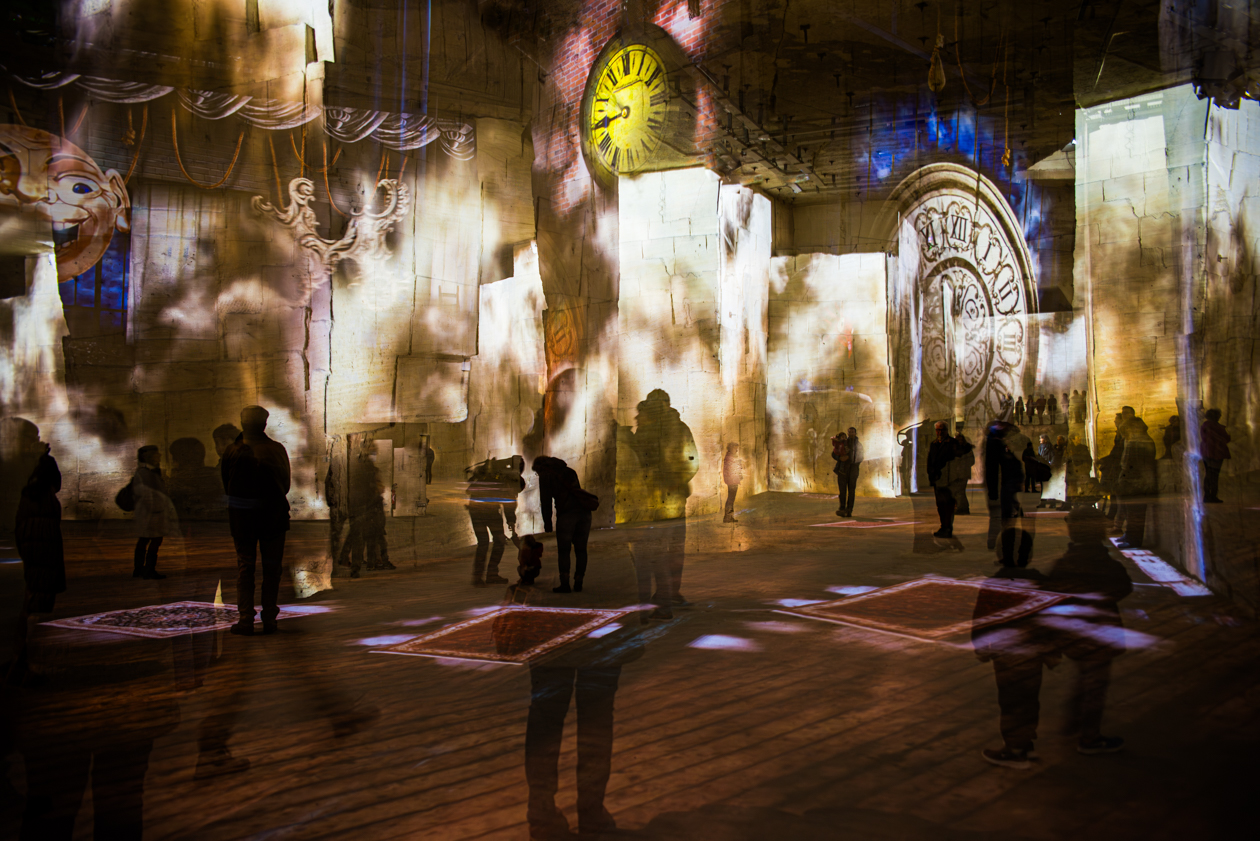
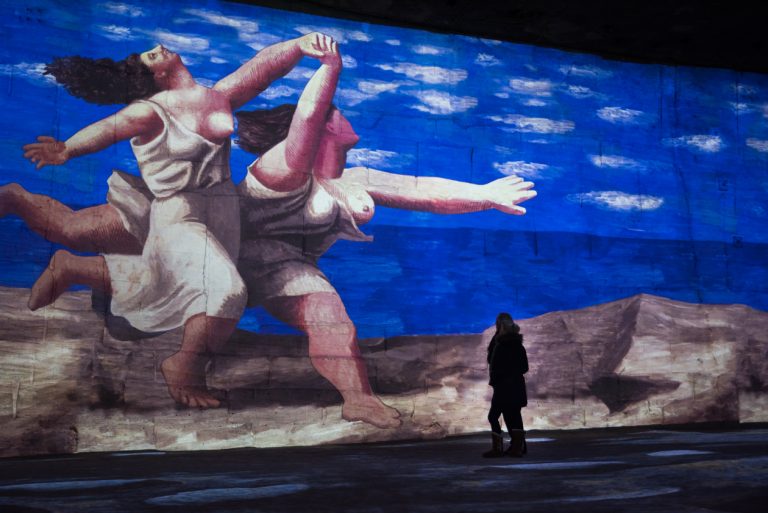
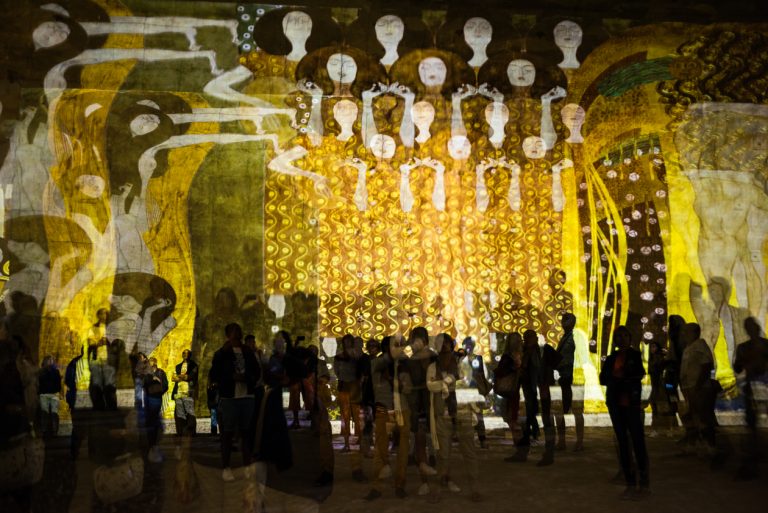
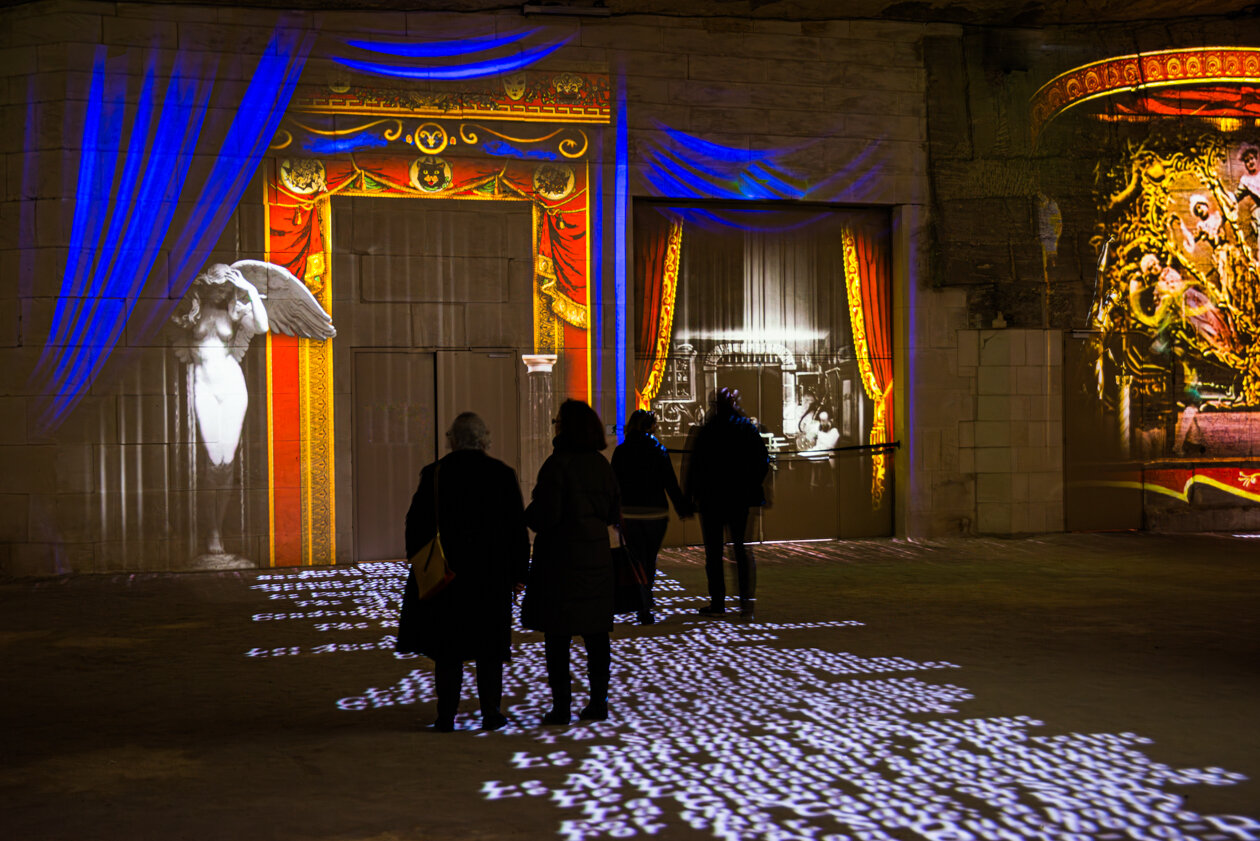
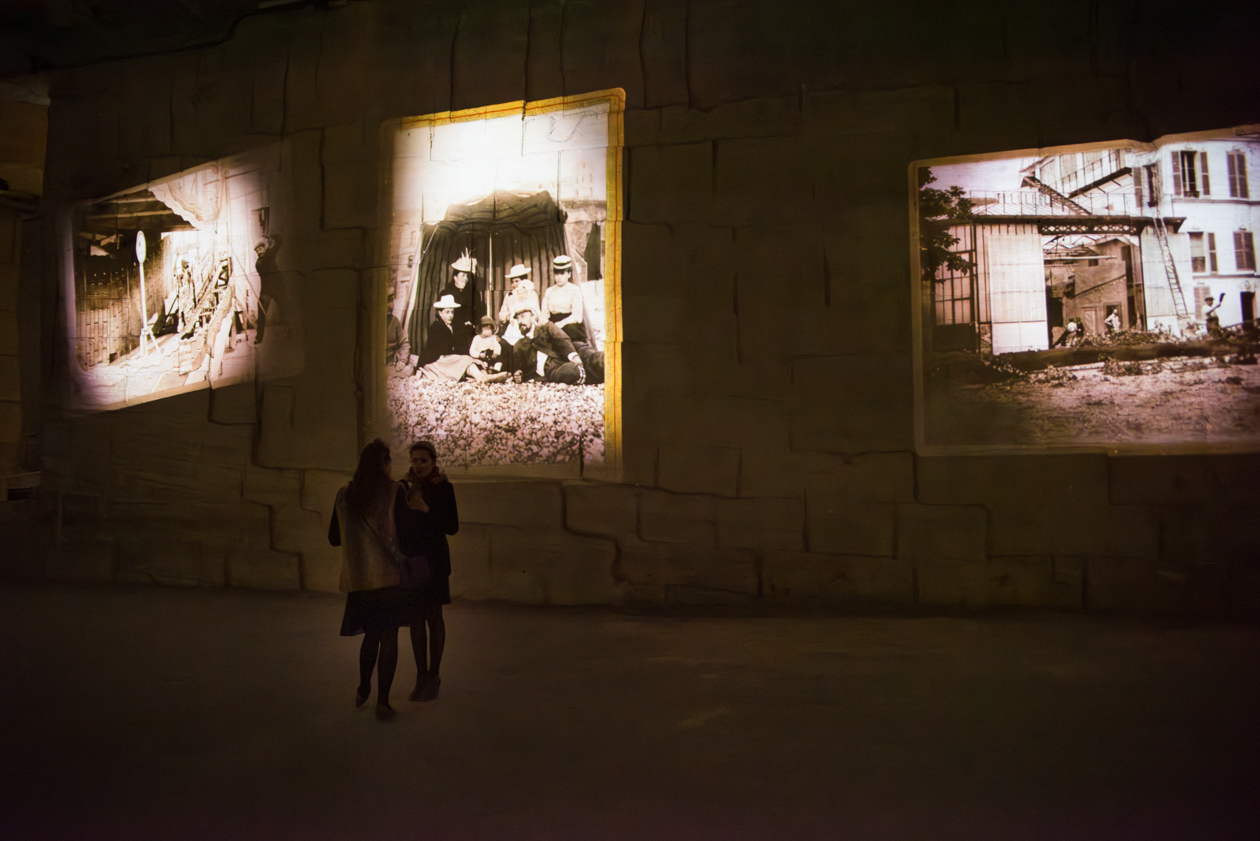
The show, held in the Carrières de Lumières in Les Baux-de-Provence, in a mineral setting, is truly impressive. The venue is particularly suited to immersion: the high stone walls, natural pillars, and vast space are home to monumental projections. This immersive short film unfolds across the vast surfaces of the quarry: walls, floor, pillars. It uses film clips, period photographs, portraits, and images from the film shoot to draw viewers into the world of Méliès.
The show celebrates Méliès as a pioneer of fantasy cinema and a master of visual effects and illusion. It highlights his visual legacy and his ability to inspire dreams: the moon, the underwater world, extraordinary journeys. It highlights the link between photography (his period photographs) and cinema: still images, movement, staging. It shows cinema as a total spectacle—and the Carrières venue, with its monumental scale, reinforces this dramatic dimension.

Les Baux de Provence (France) – april 2017.
Galery

Similar Posts