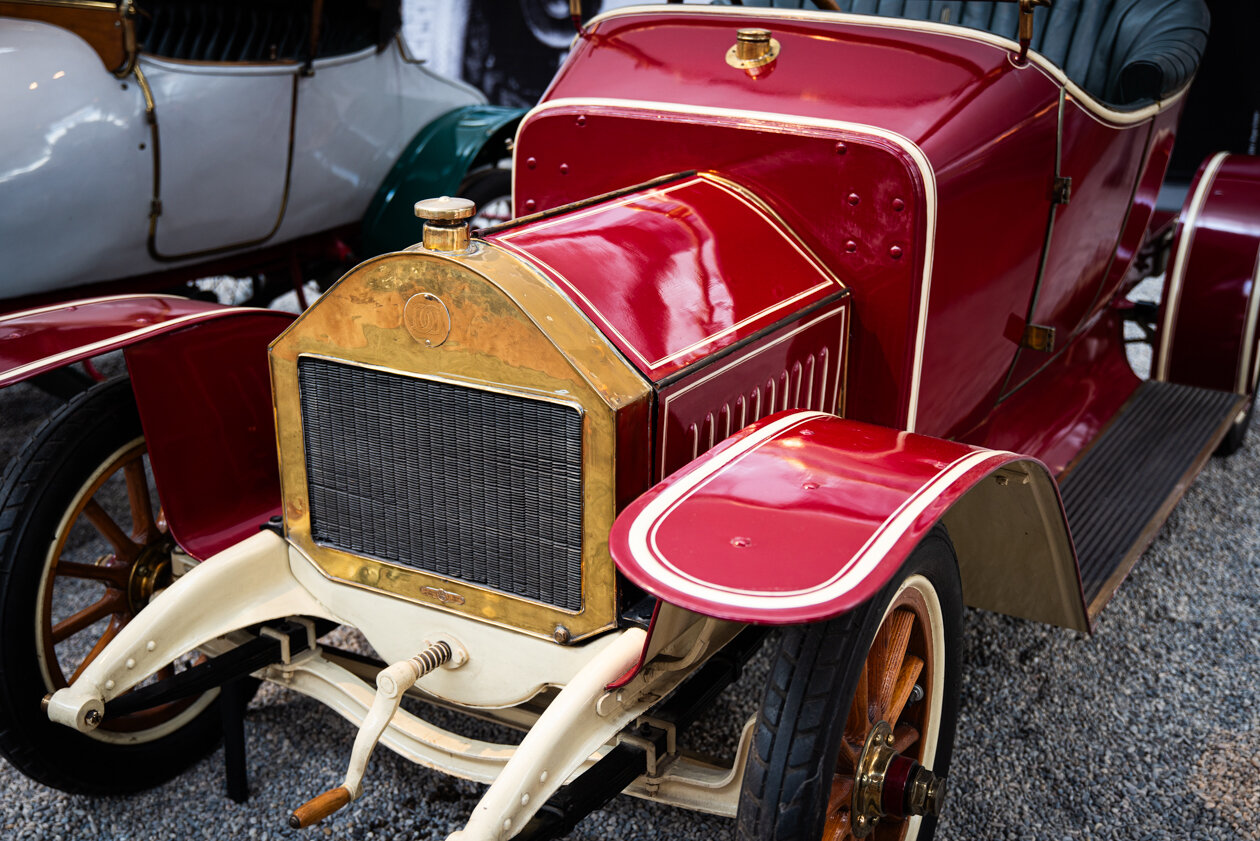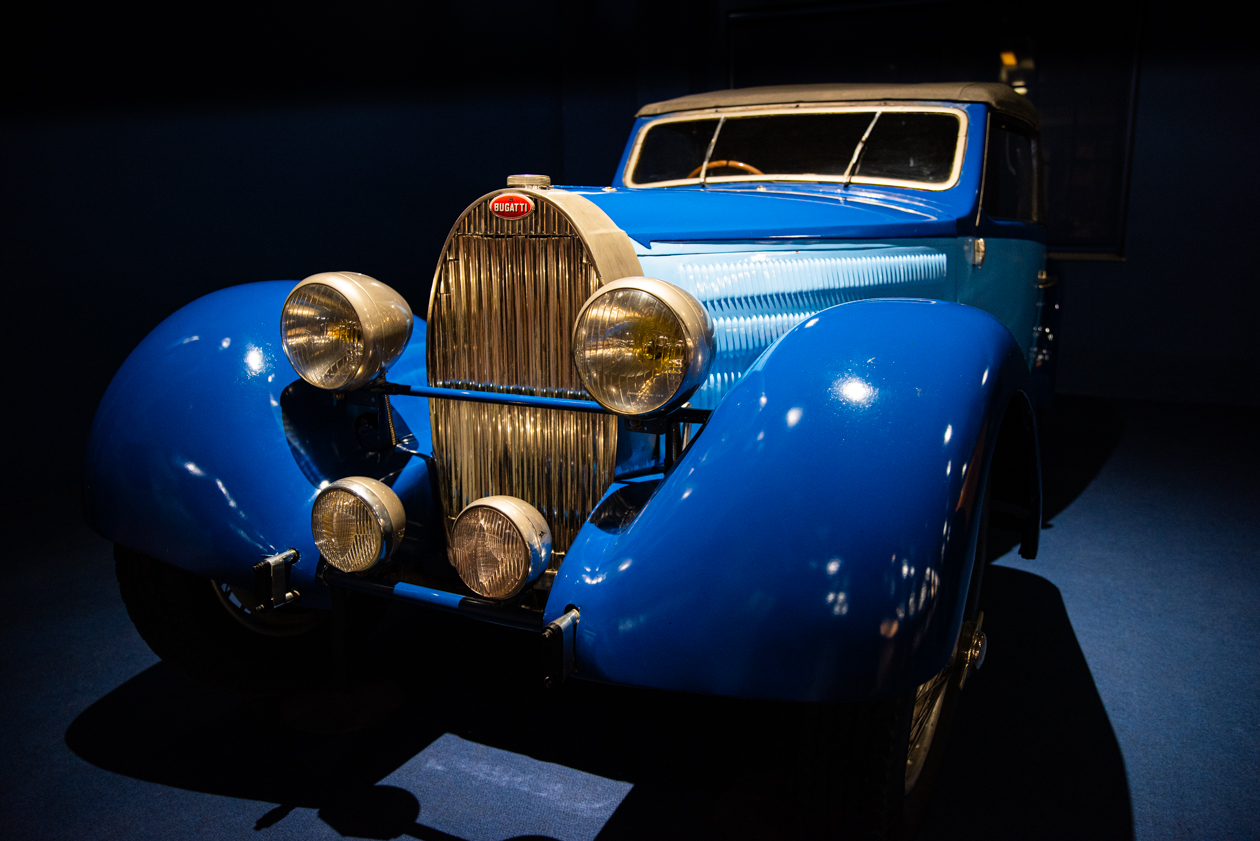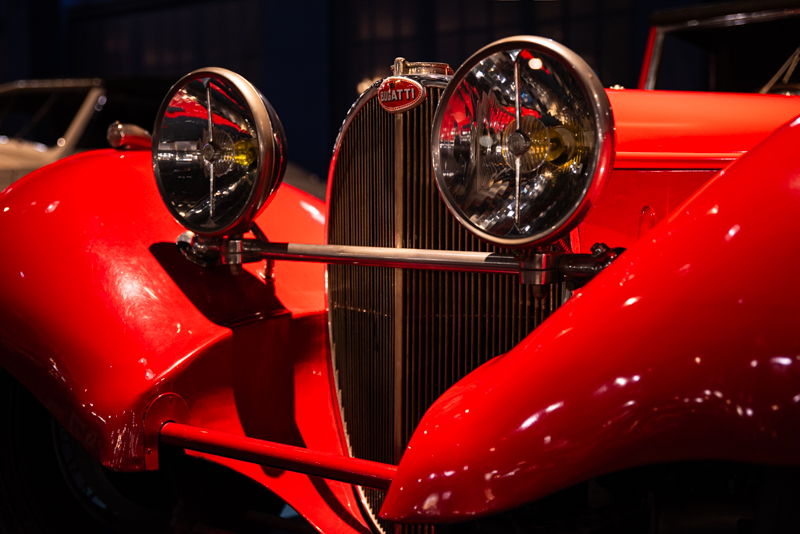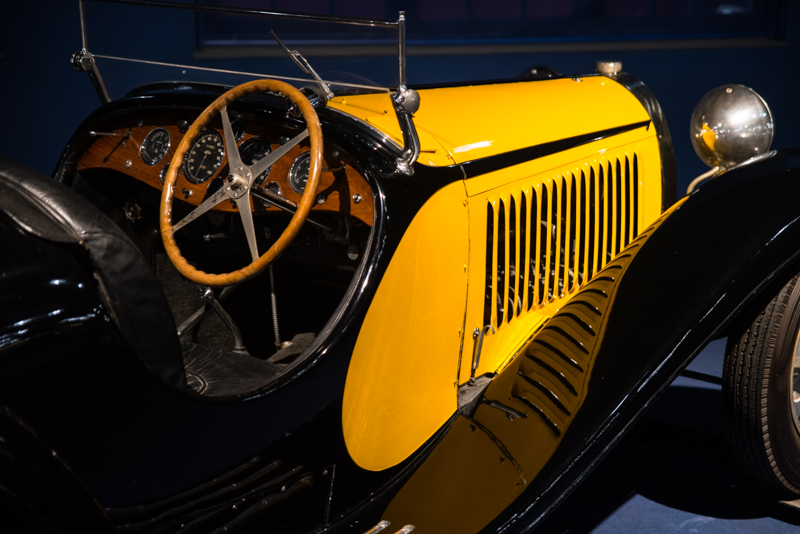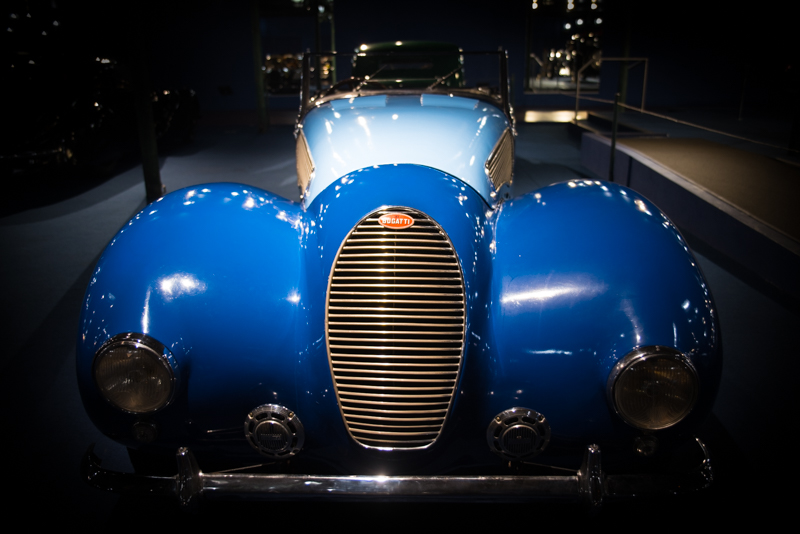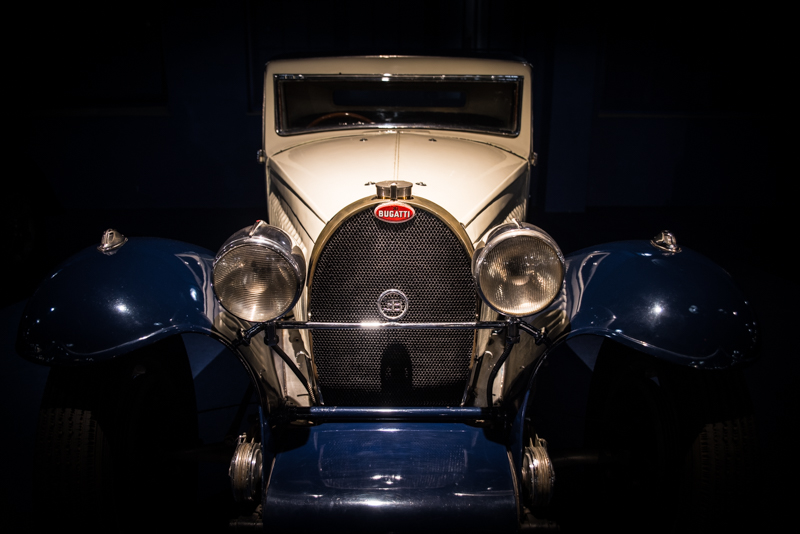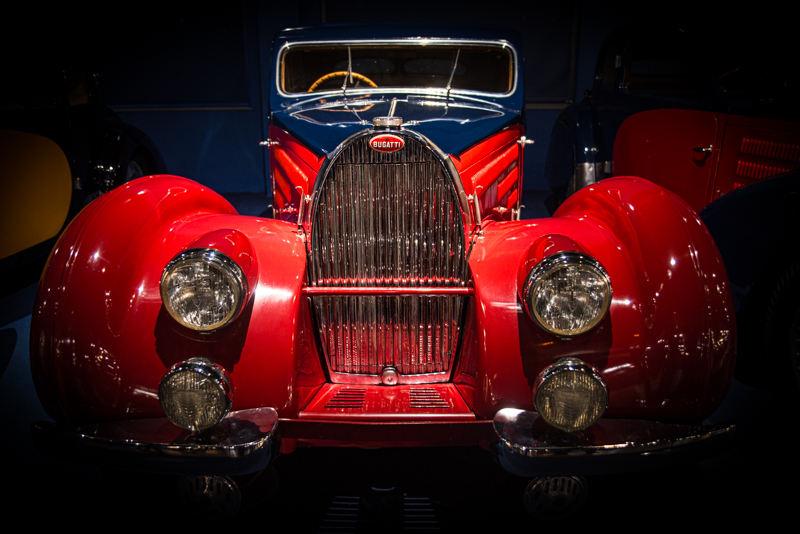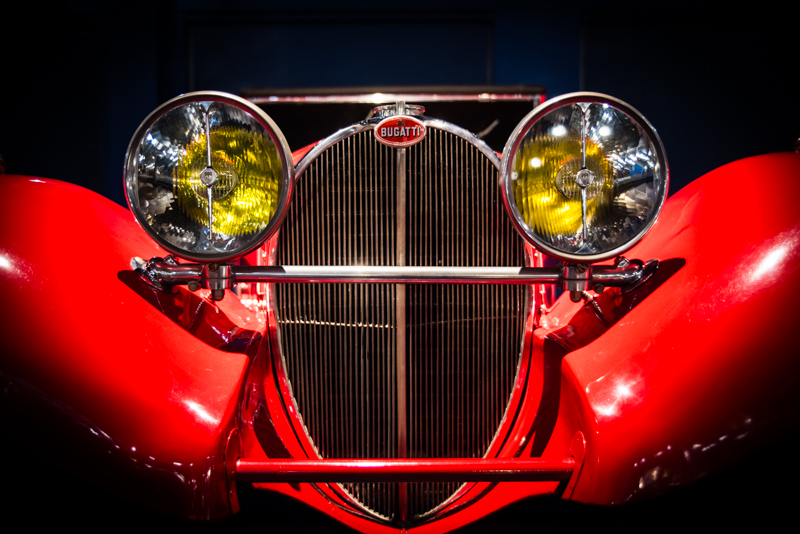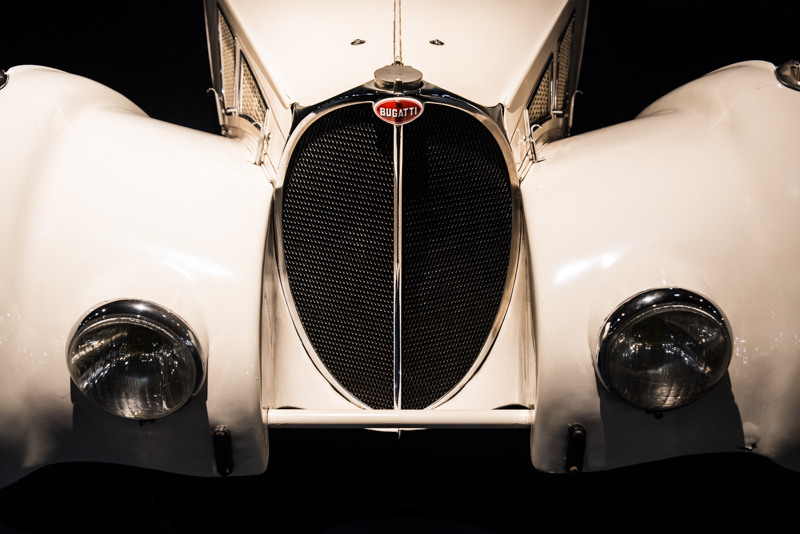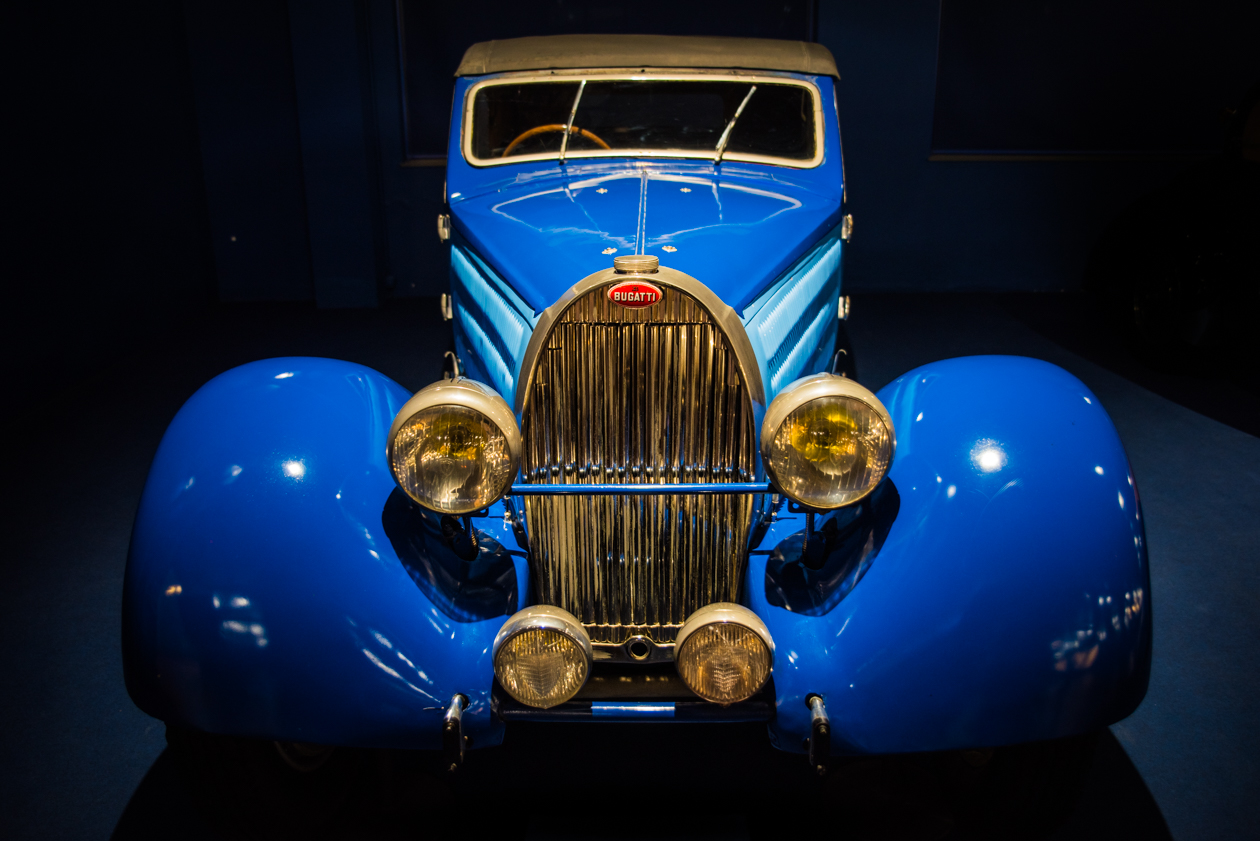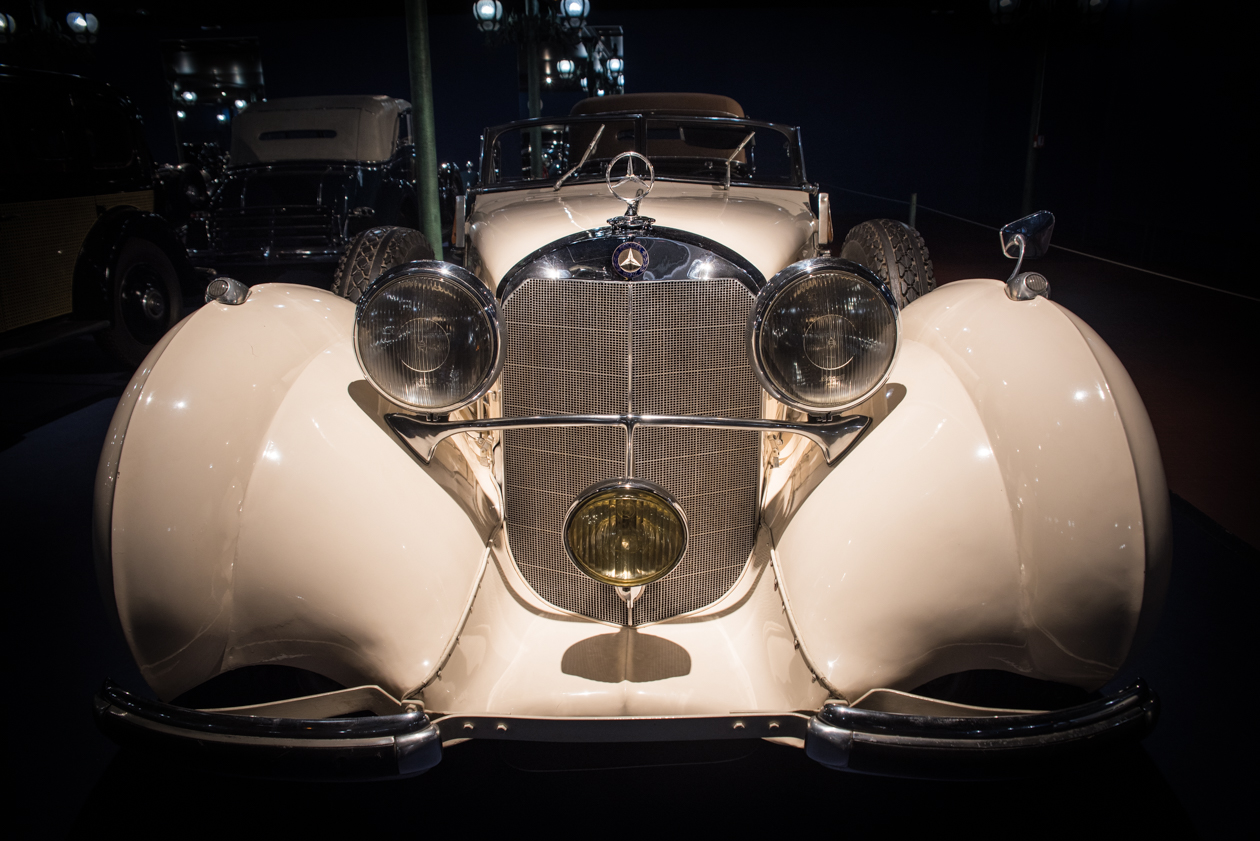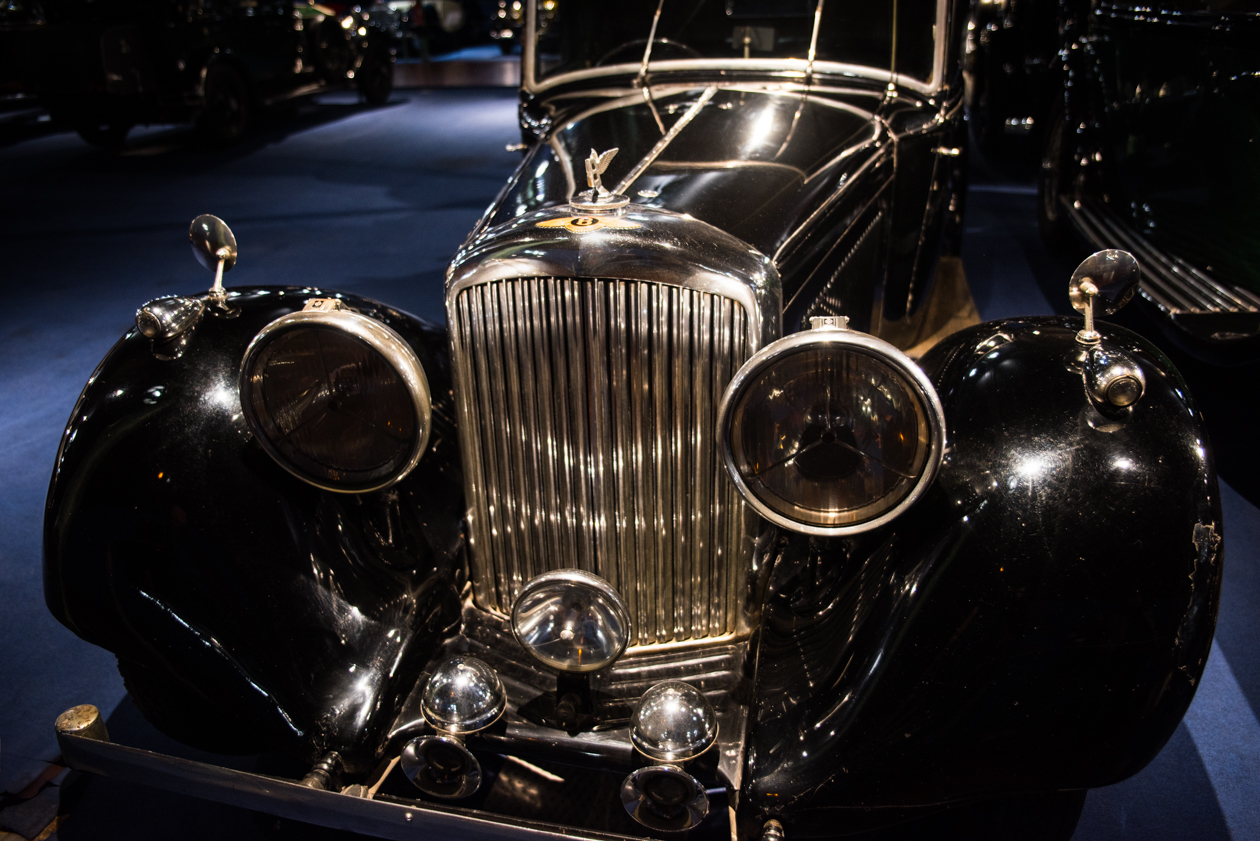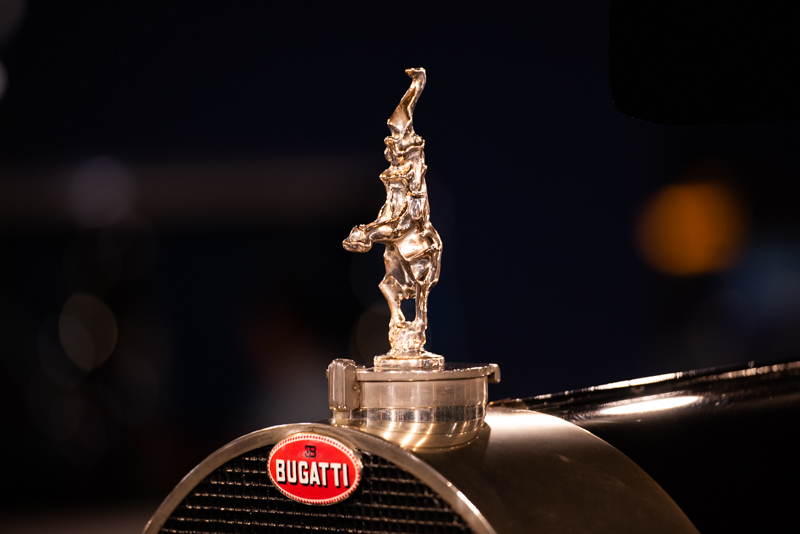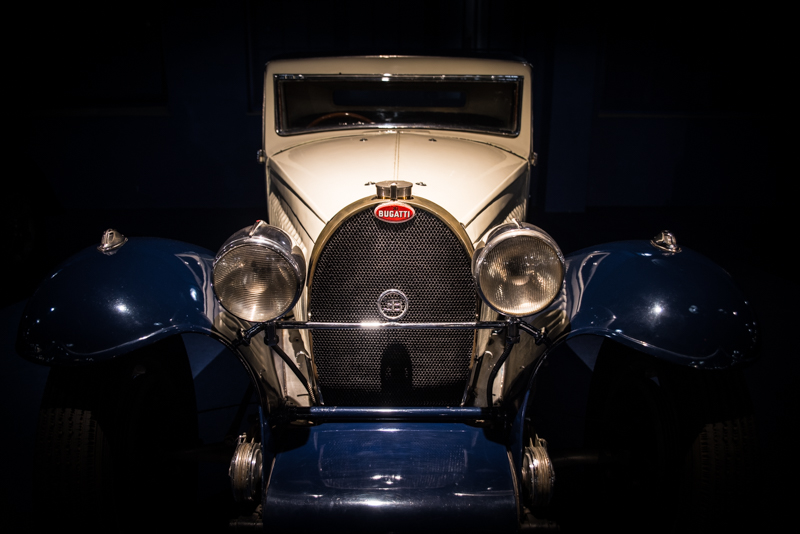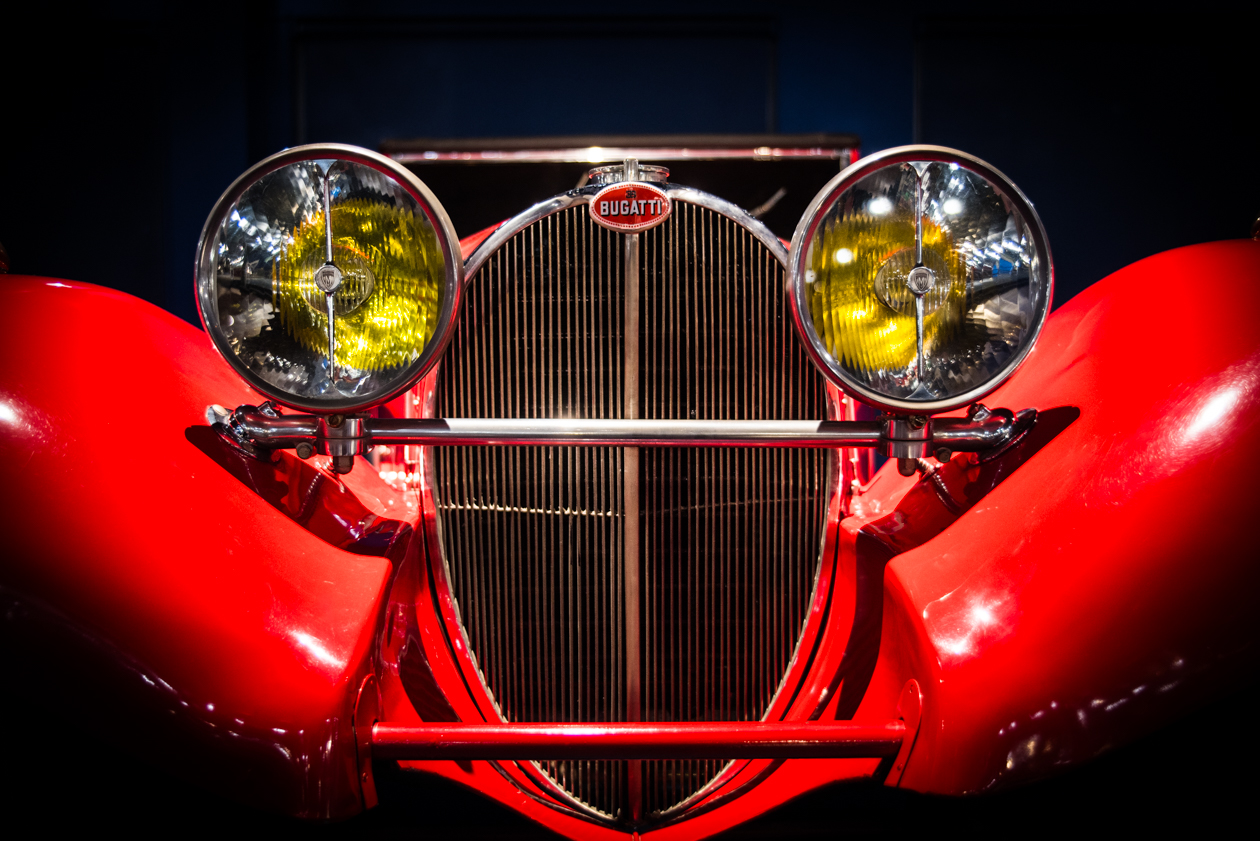
Bugatti, when the car is an art object.
Ecrit parVenturelli Erick
A journey through the history of the automobile and the Bugatti legend.
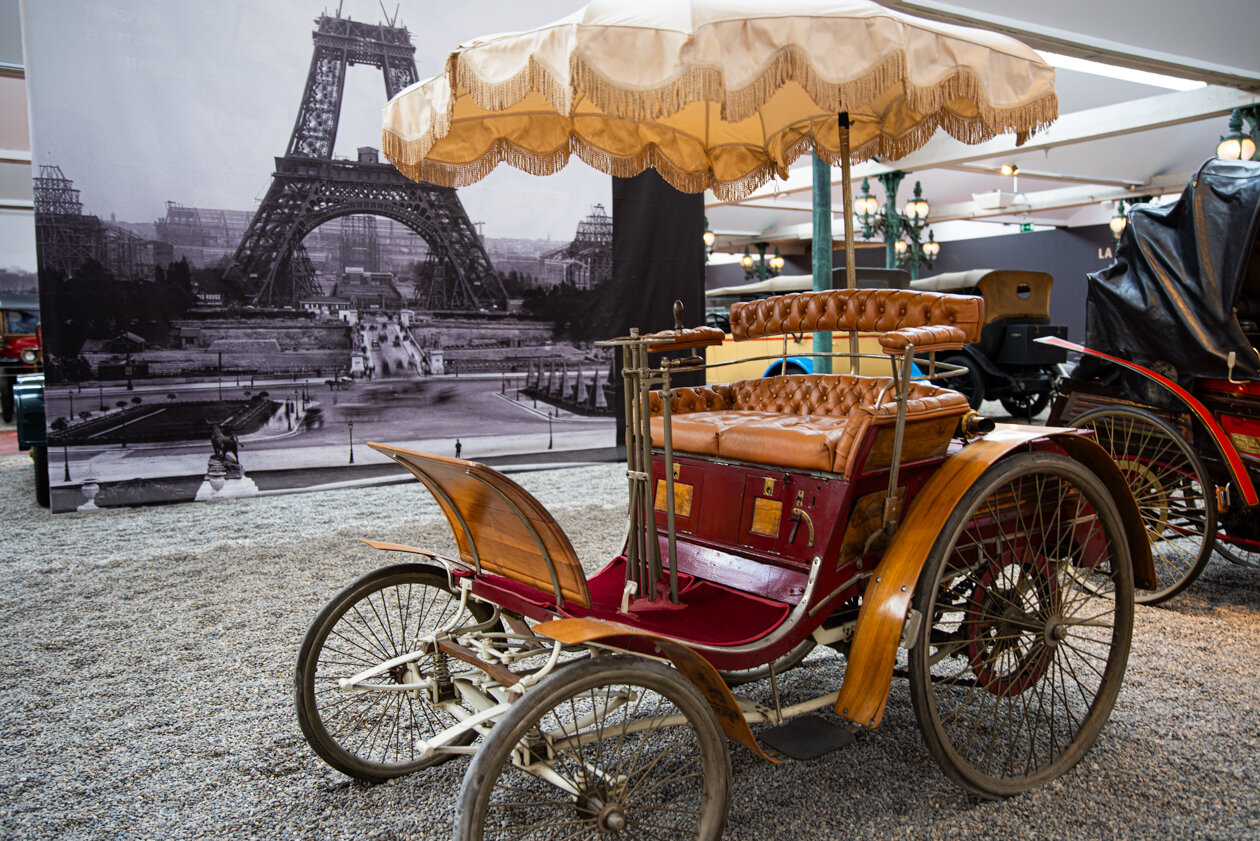
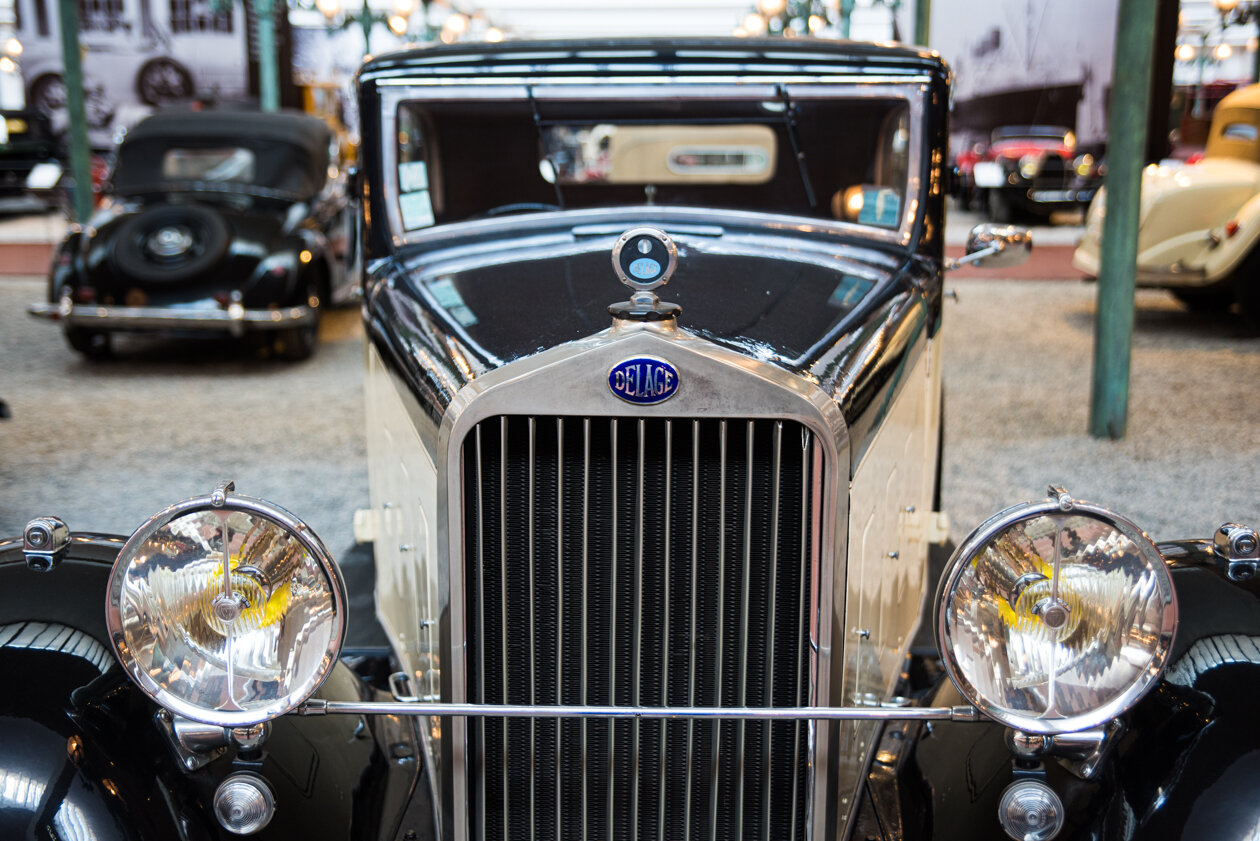
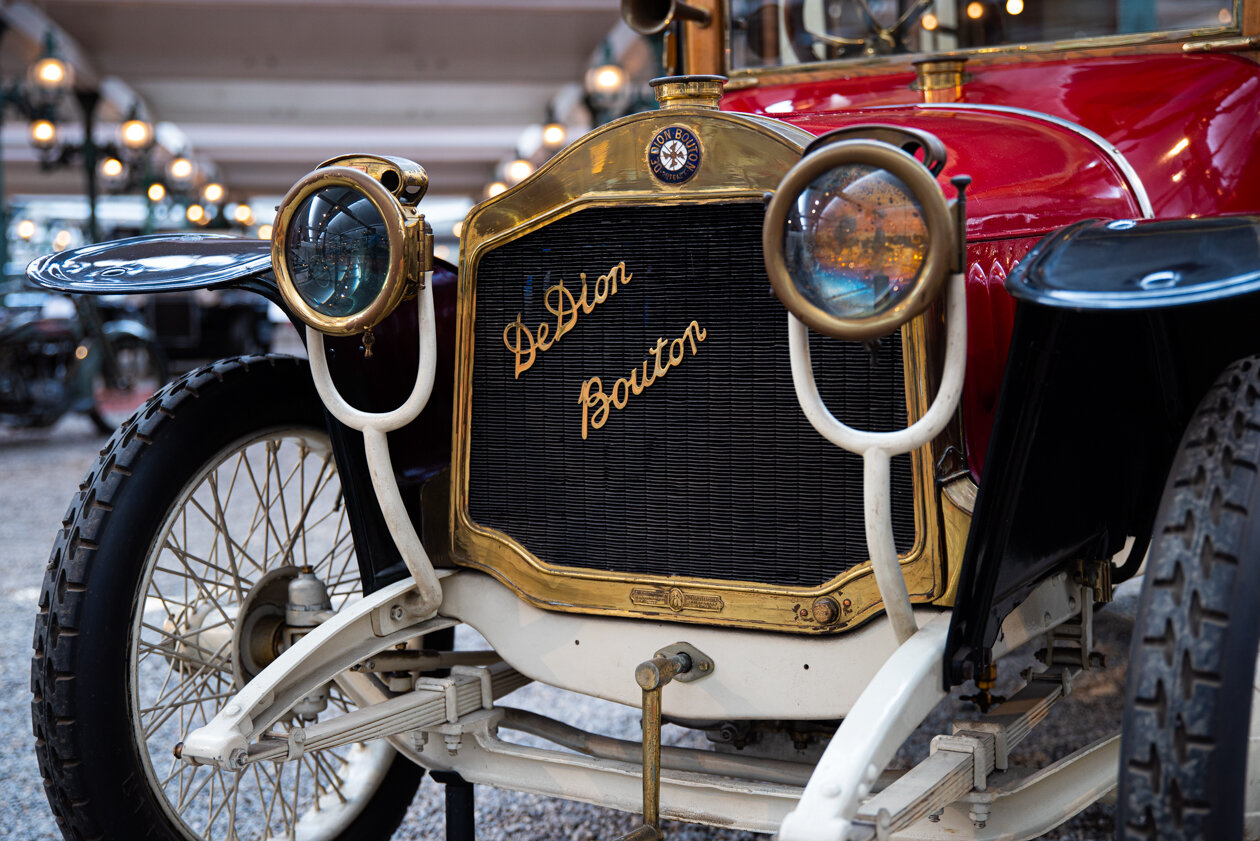
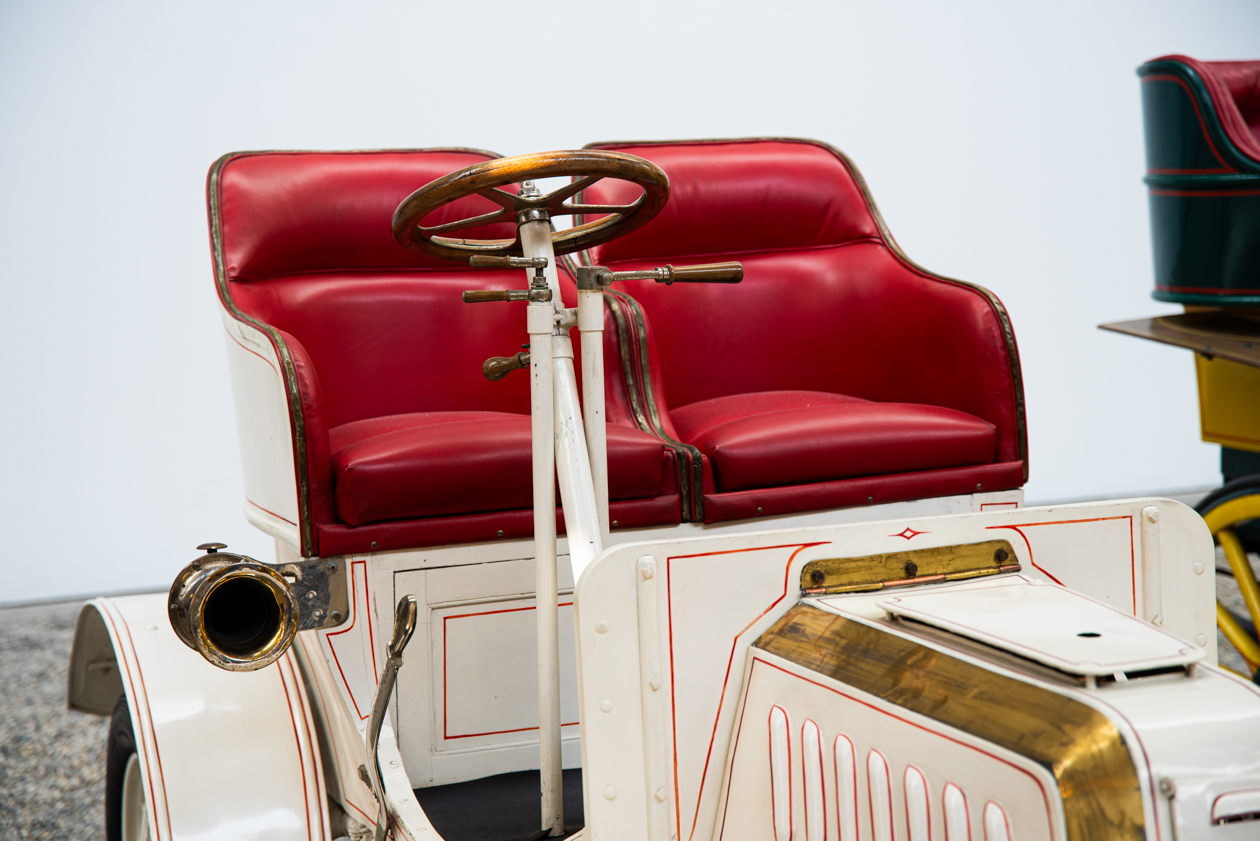
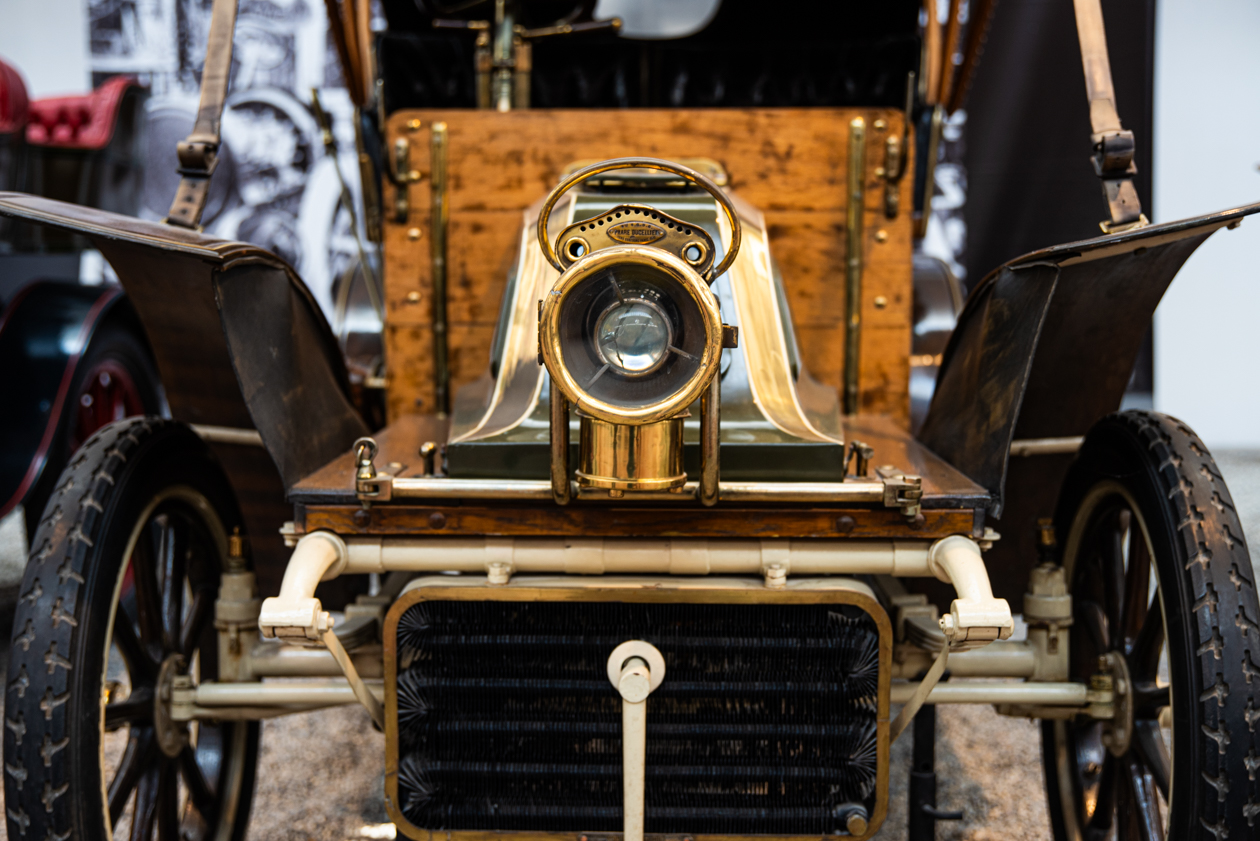
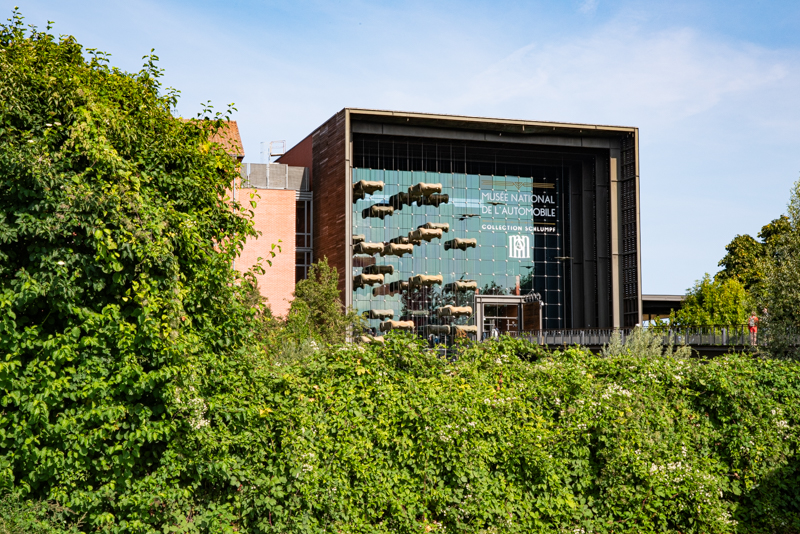
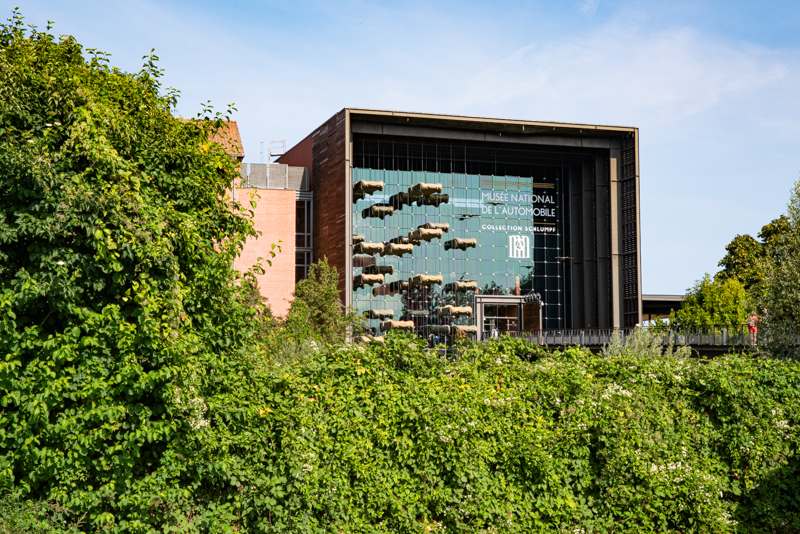
The Mulhouse Automobile Museum, also known as the Cité de l’Automobile, is an iconic venue offering a fascinating insight into the history of the automobile. Located in the city of Mulhouse, in Alsace, this museum is recognized as one of the largest collections of cars in the world. Located in the city of Mulhouse, in Alsace, this museum is recognized as one of the largest collections of cars in the world.
In addition to its extensive collection, the museum places particular emphasis on the legendary history of the Bugatti brand, which takes center stage in the exhibition.
The history of the automobile: from its origins to modern industry .
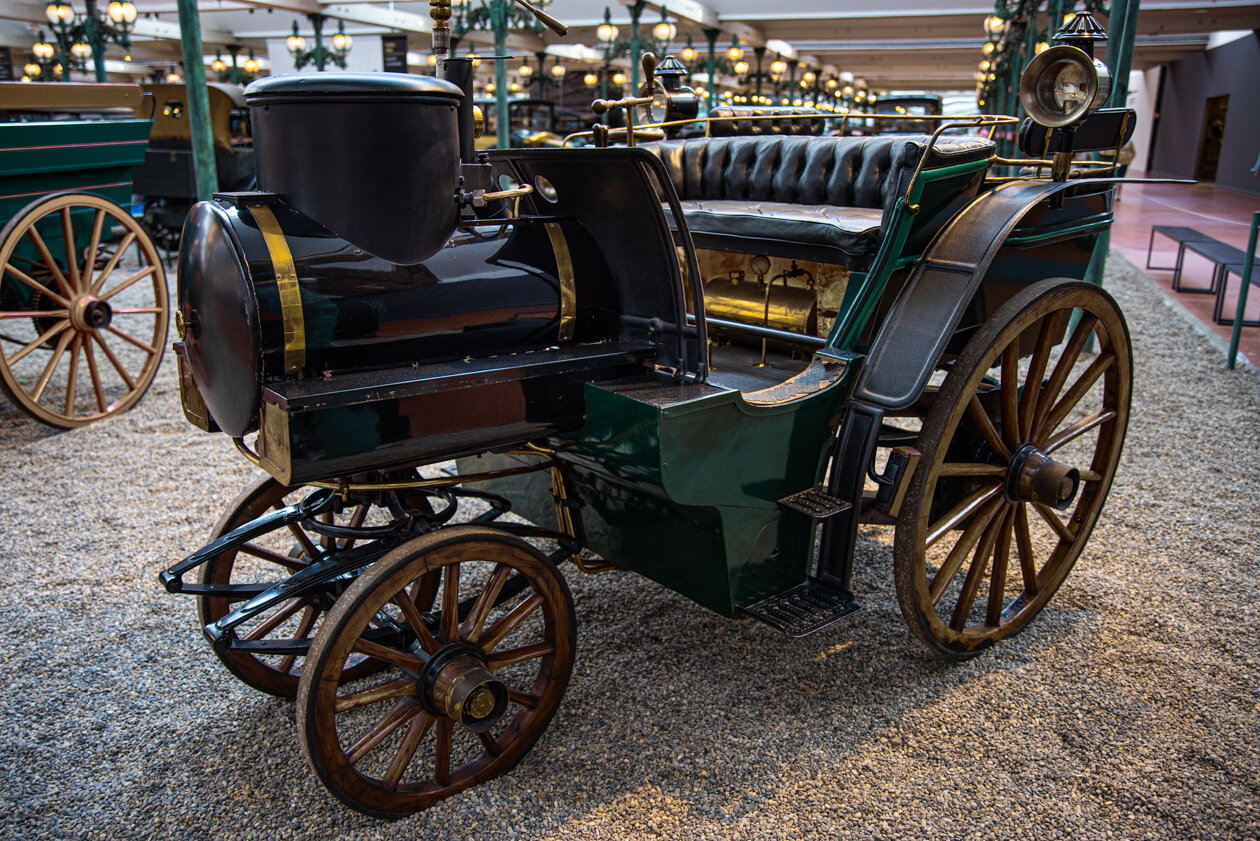
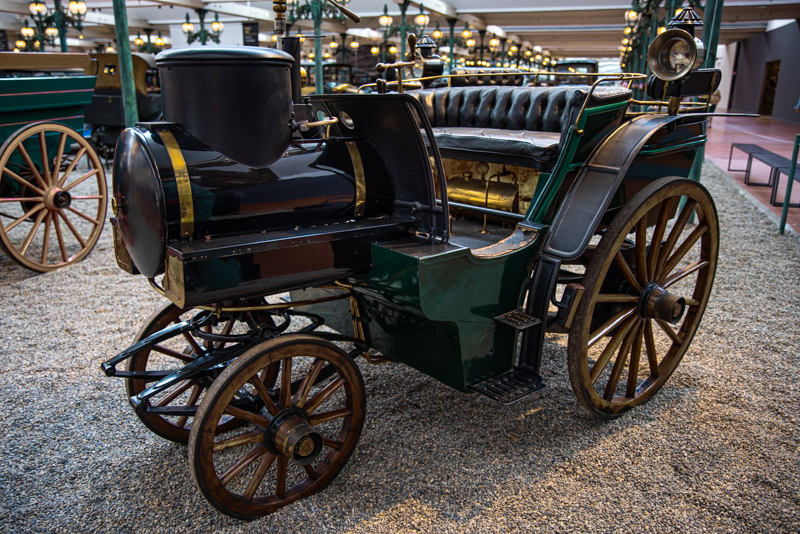
The history of the automobile begins long before cars became an integral part of everyday life. The first attempts to create an autonomous vehicle date back to the 18th century. In 1769, French engineer Nicolas-Joseph Cugnot built what is often considered the first automobile: a steam-powered fardier designed to carry artillery.
However, it was in the 19th century that technical progress and the invention of the internal combustion engine by Nikolaus Otto in 1876 revolutionized the concept of the automobile.
The first cars with internal combustion engines appeared in the late 1880s, thanks in particular to the work of Karl Benz and Gottlieb Daimler.
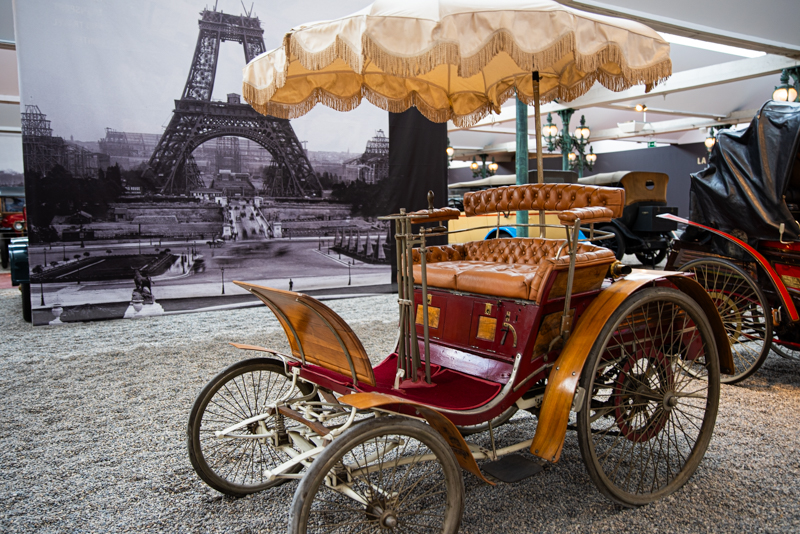
In 1886, Karl Benz built the first gasoline-powered car, the Benz Patent-Motorwagen , marking the beginning of the modern automotive era. This primitive vehicle, a motor tricycle, is often considered the first true automobile.
In the early 20th century, the automobile became a mass consumer product thanks to the introduction of mass production by Henry Ford. The Ford T, launched in 1908, was the first mass-produced car, making the automobile accessible to a wider public. This development transformed society, changing lifestyles, housing and the global economy.
The Mulhouse Automobile Museum: an exceptional collection.
The Mulhouse Automobile Museum owes its existence to two industrial brothers, Hans and Fritz Schlumpf. In the 1950s, these car enthusiasts began collecting vintage cars. In the space of a few decades, the Schlumpf brothers amassed an impressive collection of over 400 vehicles, including rare and prestigious models, a large part of which is devoted to the Bugatti brand.
However, in the 1970s, the Schlumpf brothers faced financial difficulties. Their industrial empire collapses, and their private collection, long kept secret, is revealed to the general public when the workers of the Schlumpf factories occupy the building in 1977. This discovery caused a stir in France, and the collection was placed under state protection.
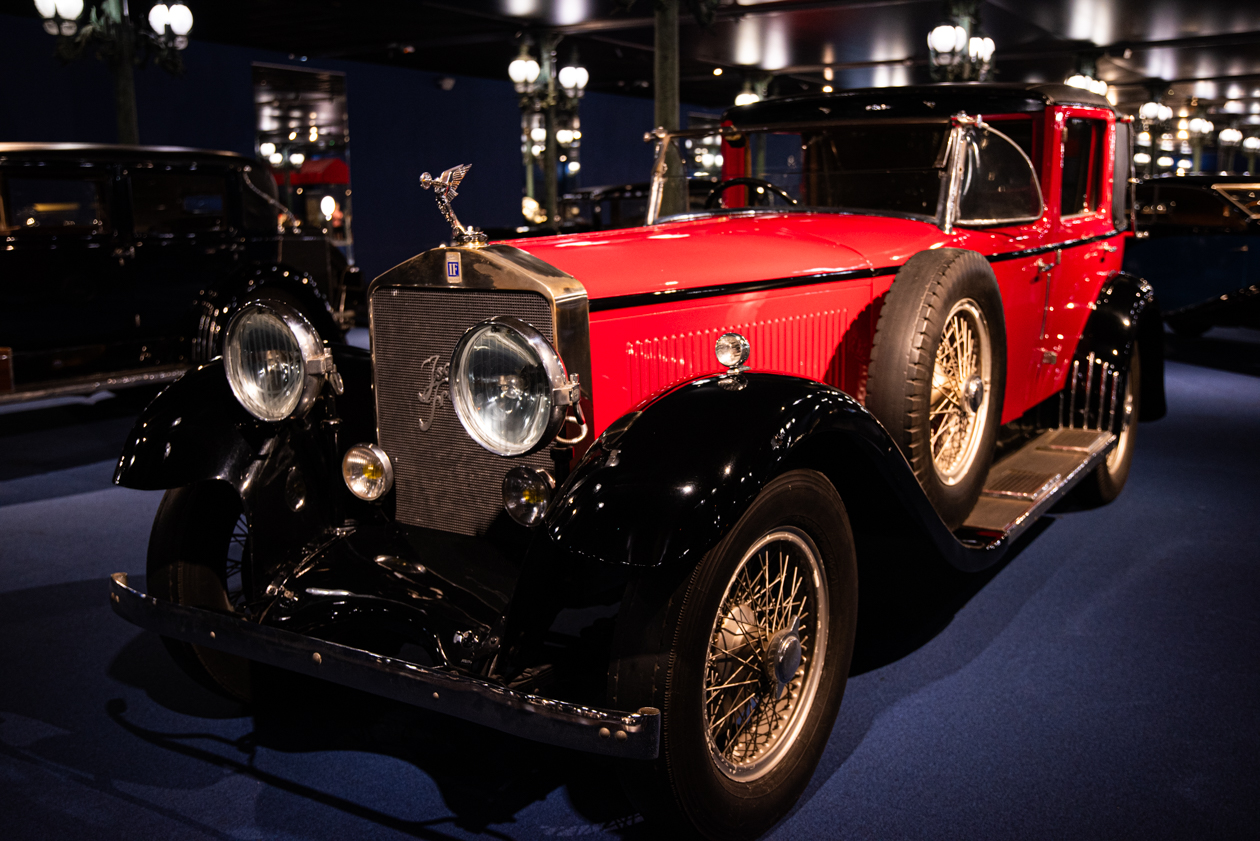
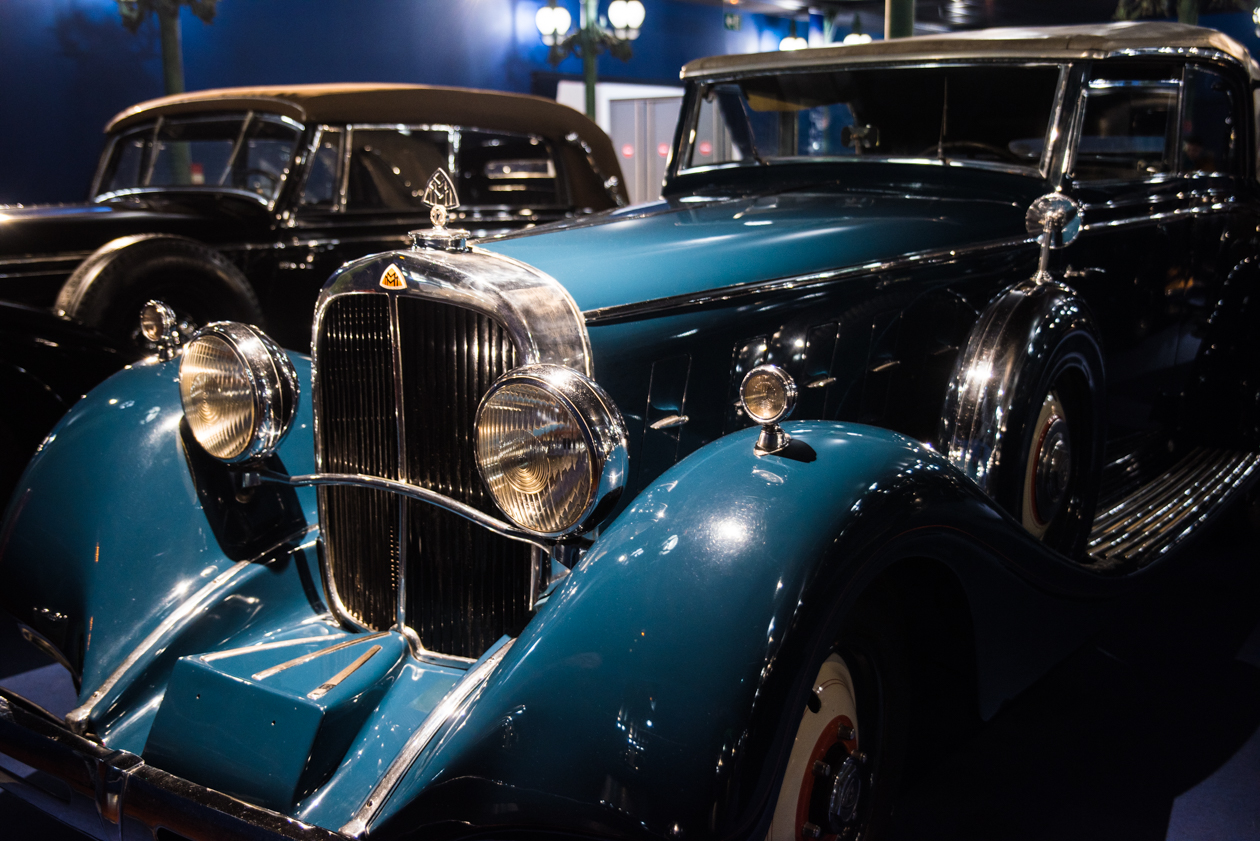
In 1982, the museum opened its doors to the public as the National Automobile Museum. It was renamed Cité de l’Automobile in 2000. Today, the museum exhibits a collection of more than 500 vehicles, including iconic models from different eras. Among the treasures of the collection are racing cars, luxury vehicles and of course a remarkable collection of Bugatti.
The Bugatti story: a heritage of luxury and speed.
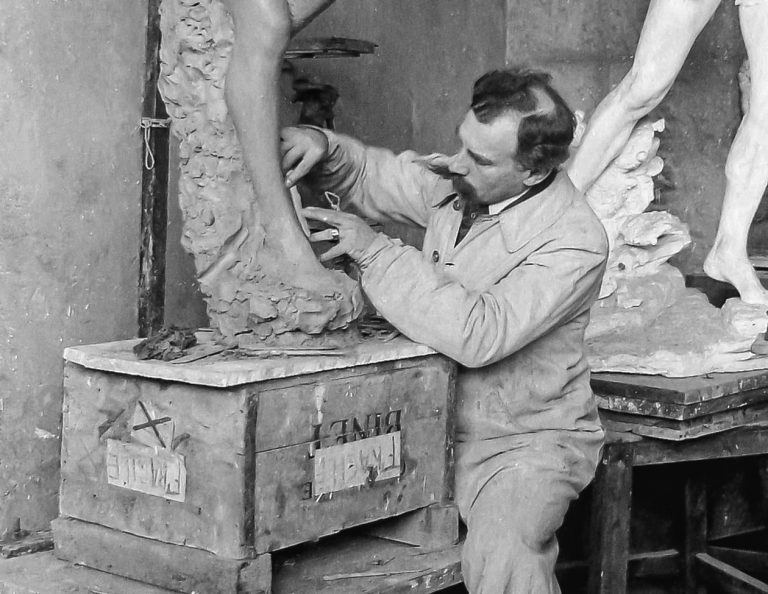
The Bugatti story begins with Ettore Bugatti, born in Milan, Italy, in 1881. From an early age, Ettore showed an extraordinary talent for mechanics and design. After studying engineering, he began working for several car manufacturers, including De Dietrich and Deutz. In 1909, Ettore Bugatti moved to Molsheim, Alsace, where he founded his own company: Automobiles E. Bugatti.
The Bugatti brand quickly stood out for its unique approach to automotive design. Ettore Bugatti creates cars that are not only high-performance racing machines, but also true works of art. He is famous for his attention to detail, his search for mechanical and aesthetic perfection, and his innovative spirit.
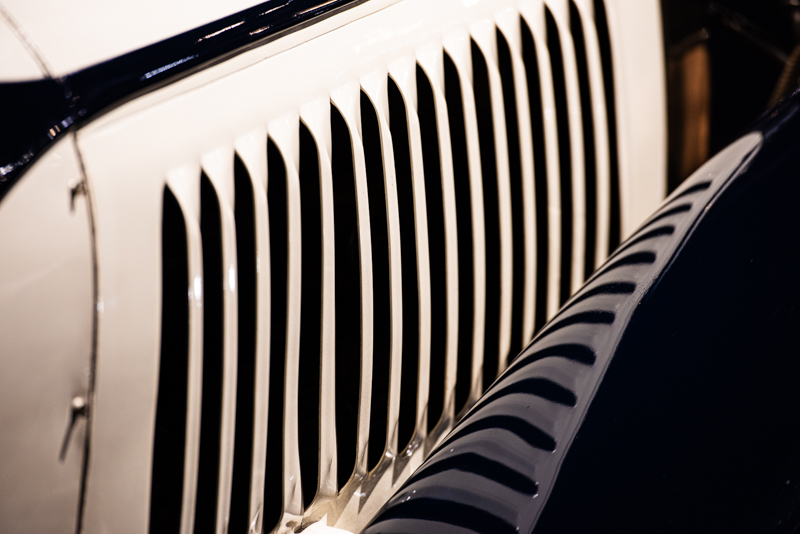
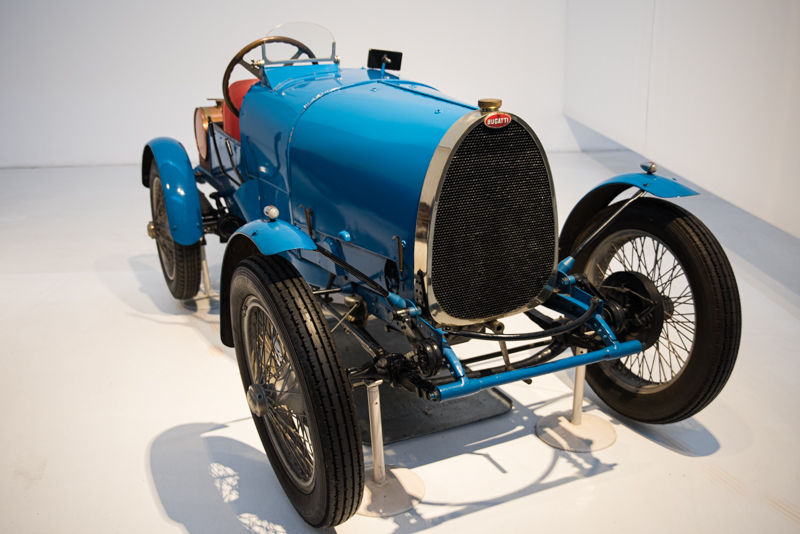
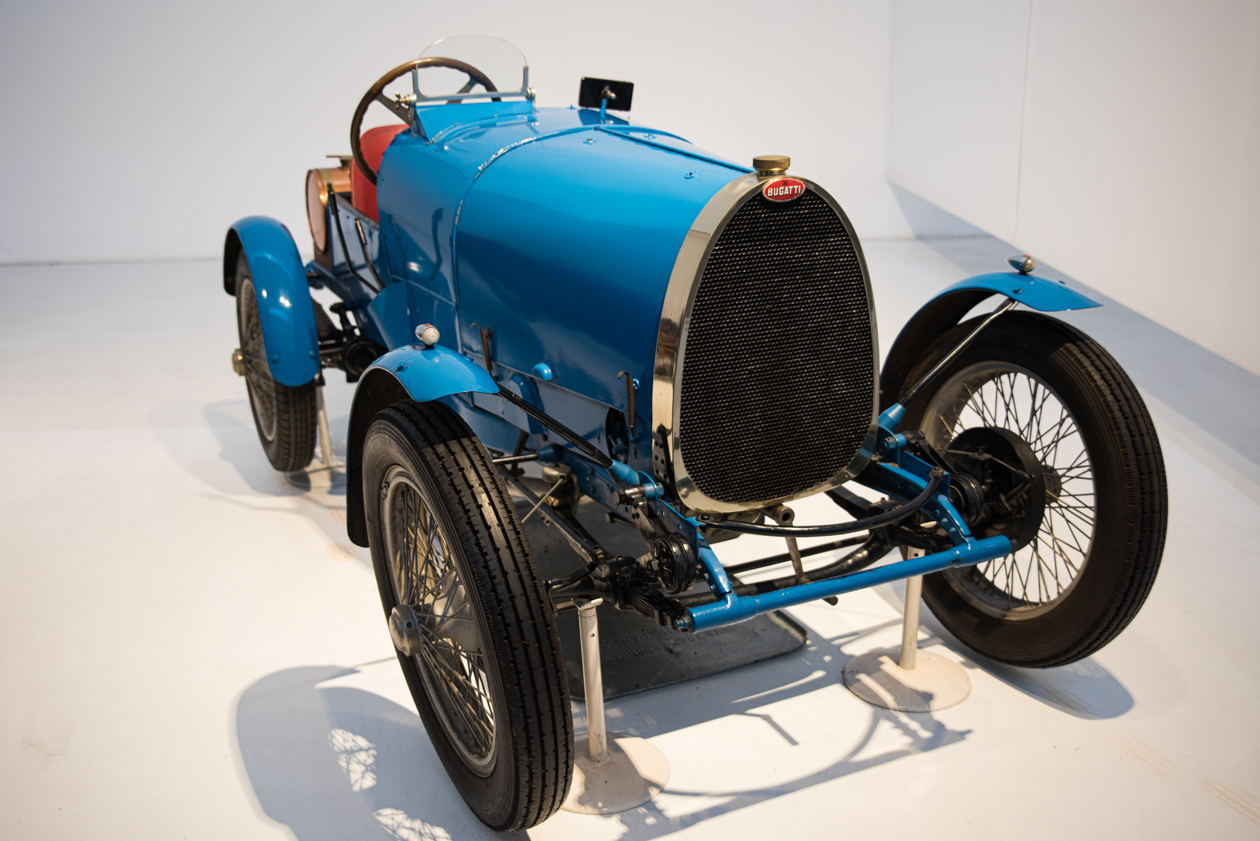
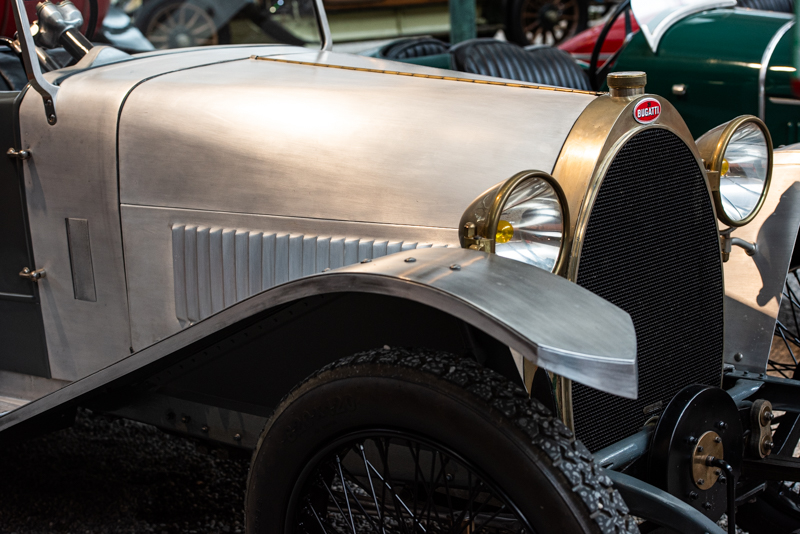
The first Bugatti cars, like the Type 13, made a mark on people’s minds by their lightness, handling and power.
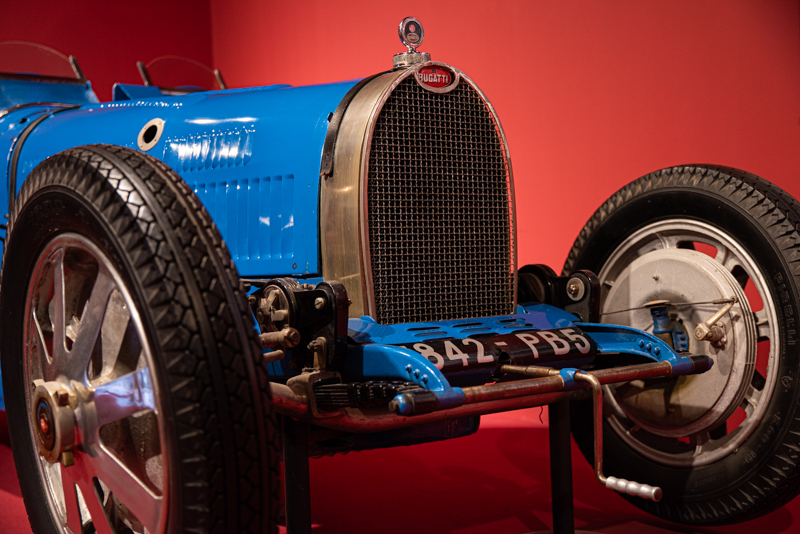
But it was with the Bugatti Type 35, launched in 1924, that the brand truly entered into legend. The Type 35 is one of the most successful race cars of all time, winning over 1,000 races in the 1920s and 1930s. Its design, combining elegance and performance, becomes the brand’s signature.
In addition to race cars, Bugatti also produces exceptional luxury cars such as the Bugatti Royale. Designed in the 1930s, the Royale is one of the most luxurious cars ever built, aimed at an aristocratic clientele. However, due to the Great Depression, only six of the seven built Royals find buyers.
The Second World War marked a difficult turning point for Bugatti. Ettore Bugatti died in 1947, leaving the company without his brilliant creator. After a period of decline, the Bugatti brand was eventually sold and passed through several hands in the following decades.
Bugatti at the Mulhouse Museum: an unrivalled collection .
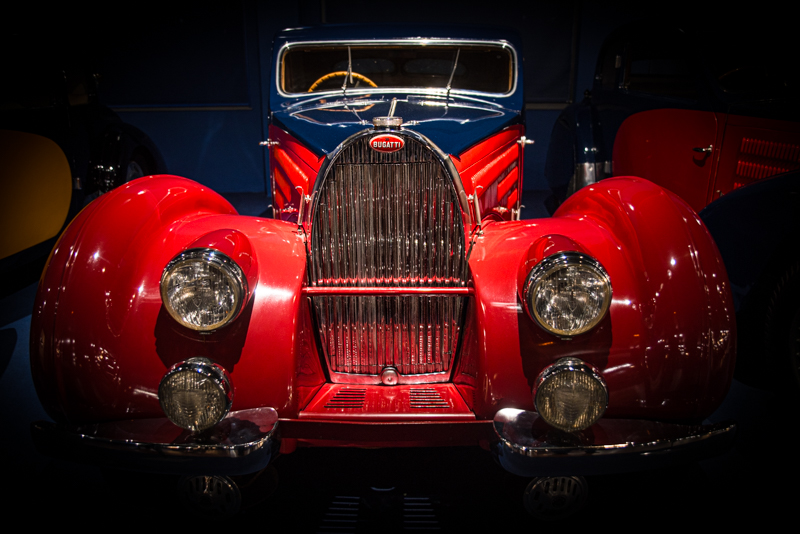
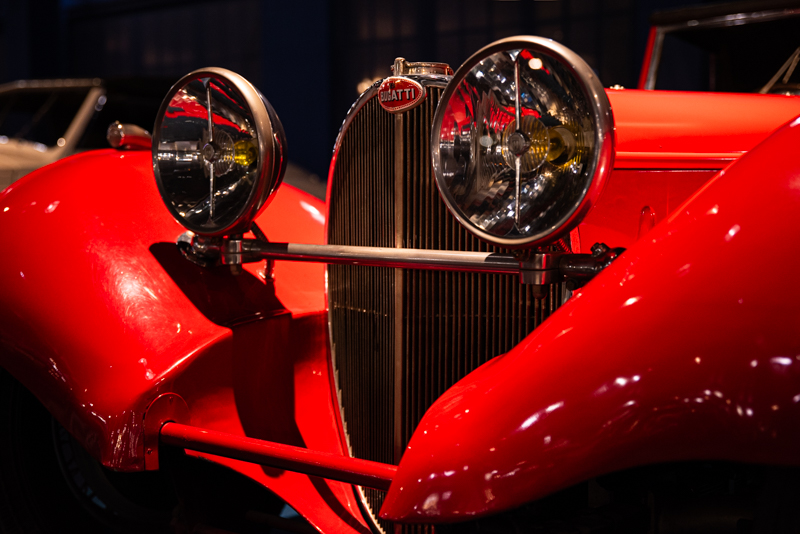
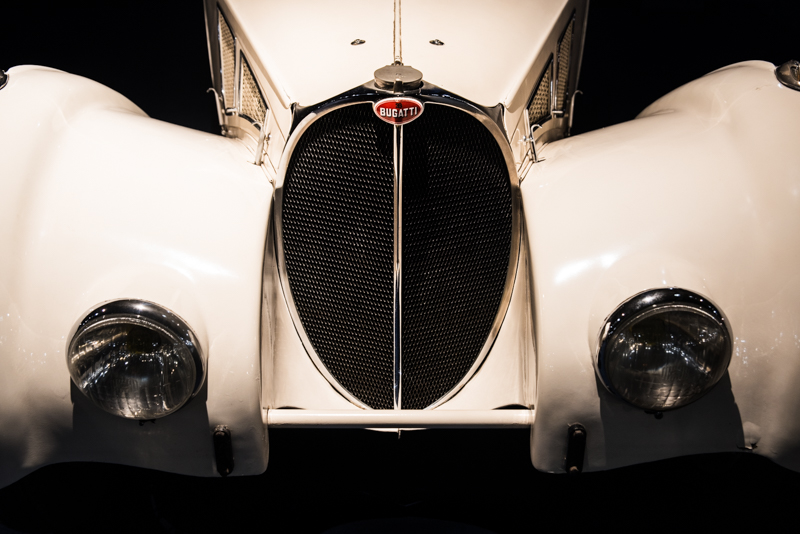
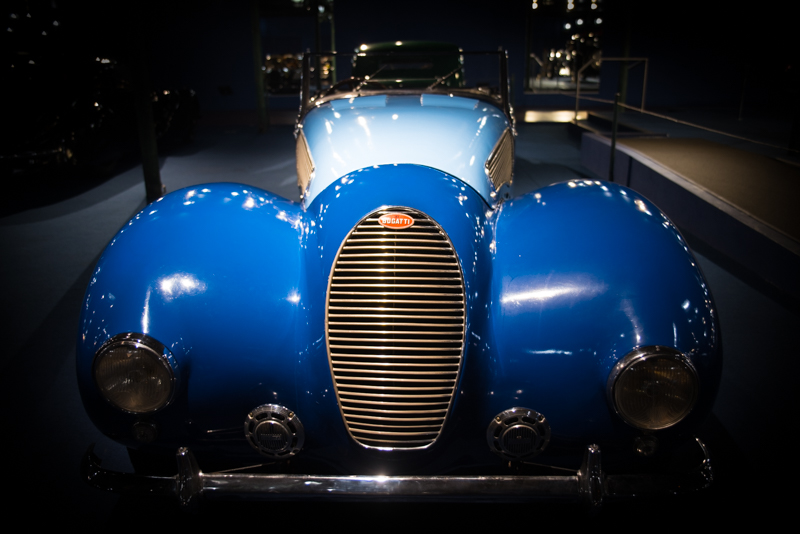
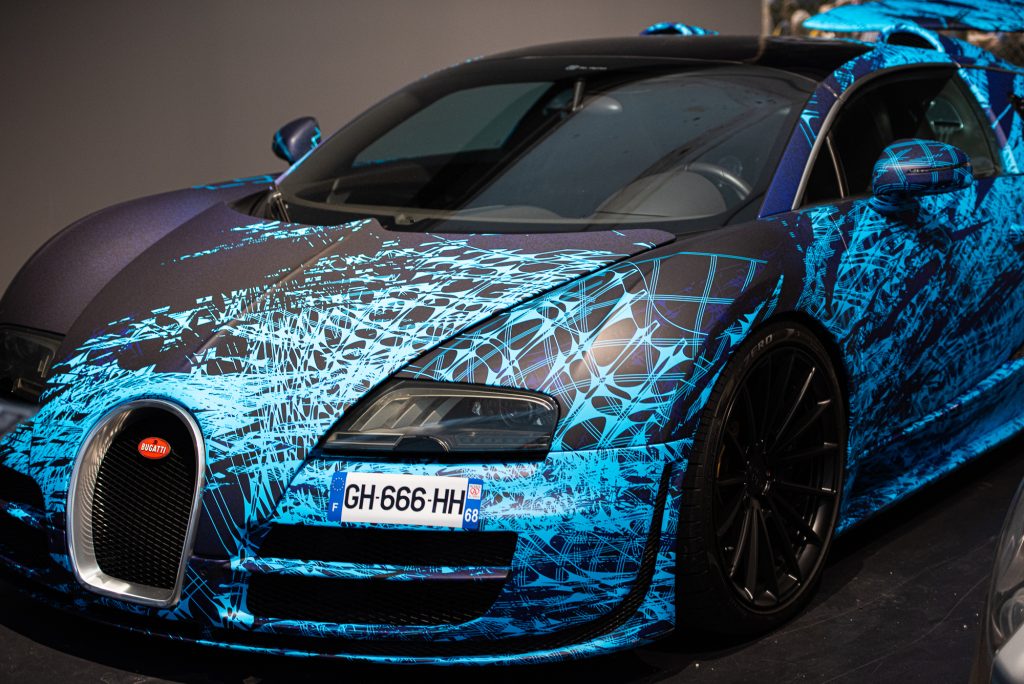
The Musée de l’Automobile de Mulhouse boasts the world’s largest collection of Bugatti cars, with over 120 models on display. These include iconic examples such as the Type 35, the Royale, and the Type 57 Atlantic. This collection offers a unique overview of the brand’ s evolution, from its glorious beginnings under Ettore Bugatti to its modern models.
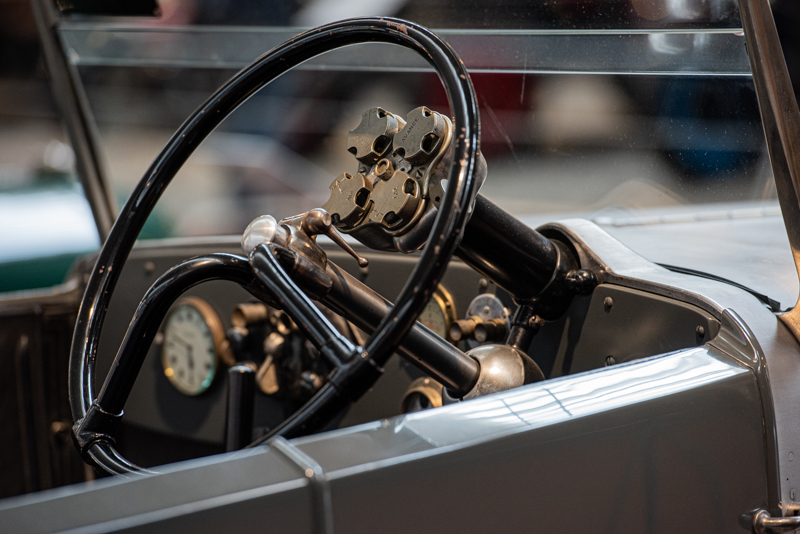
Each Bugatti vehicle on display in the museum tells a story: that of ingenuity, technical excellence and elegance. Along the aisles, you can admire these masterpieces of the automobile and appreciate the lasting legacy left by Ettore Bugatti.
The Musée de l’Automobile de Mulhouse is a true tribute to the history of the automobile, a testament to the passion of the Schlumpf brothers, and a celebration of the genius of Ettore Bugatti. Strolling through the aisles, visitors discover not only vehicles, but also the stories of creativity, innovation, and passion that have shaped the automotive industry as we know it today.
Mulhouse (France) – August 2024