


Cubism in photography 4/7
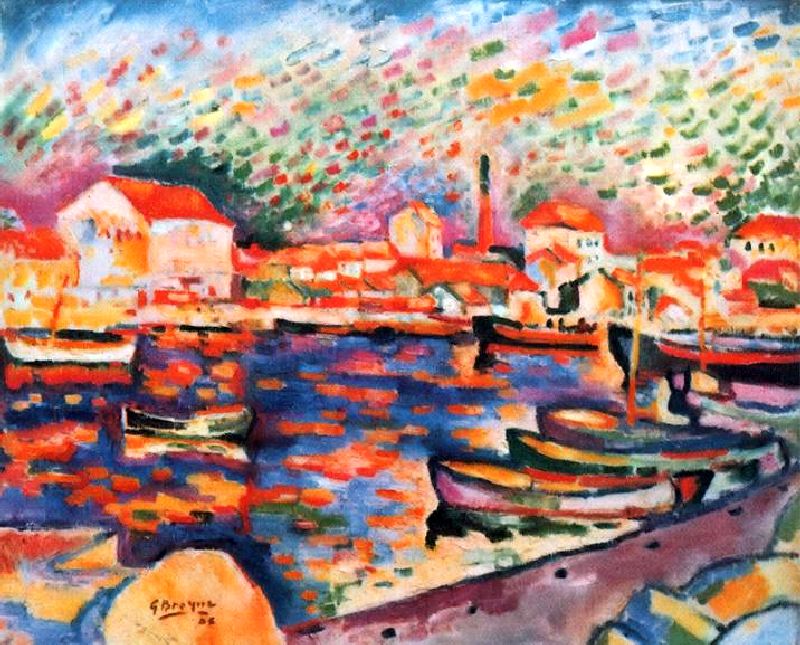
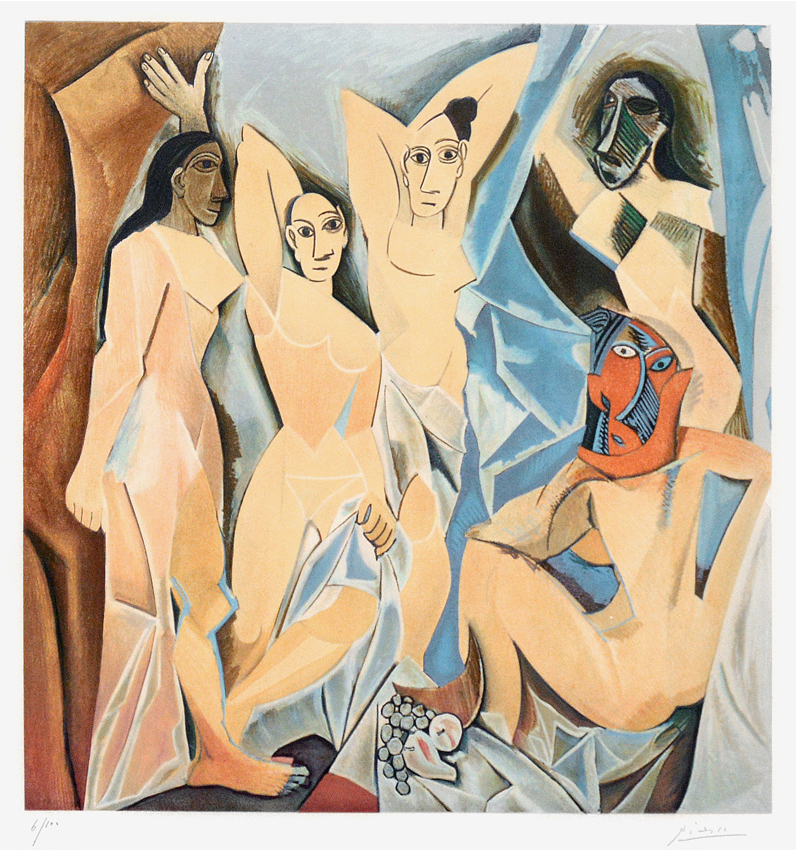
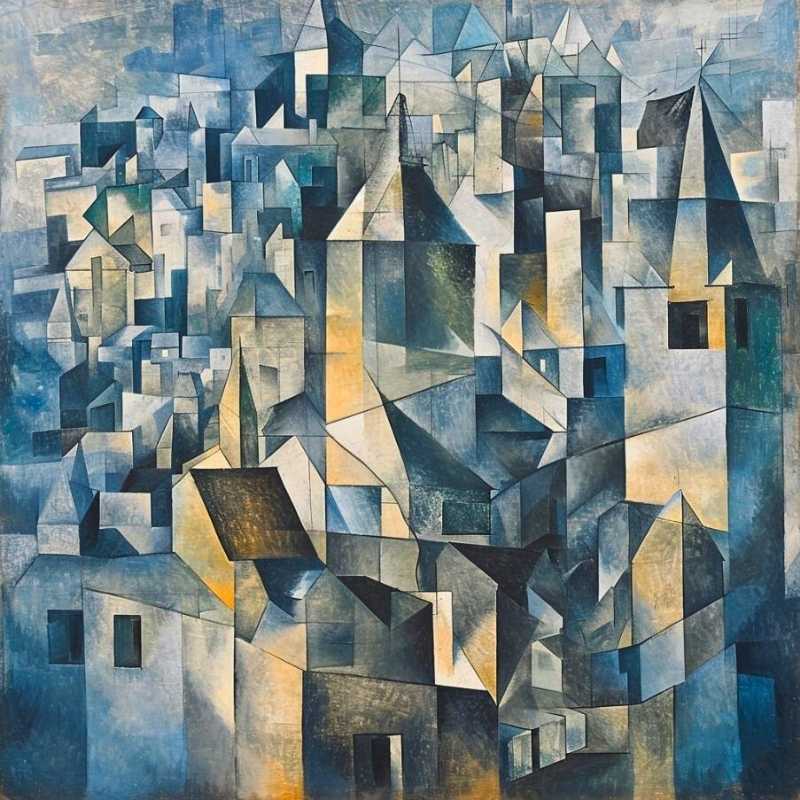
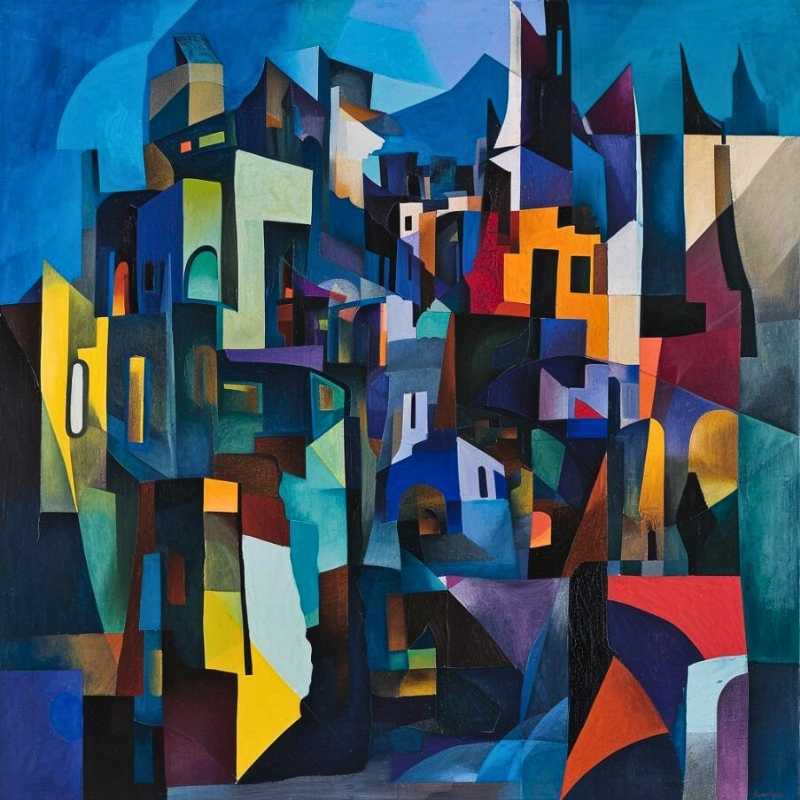
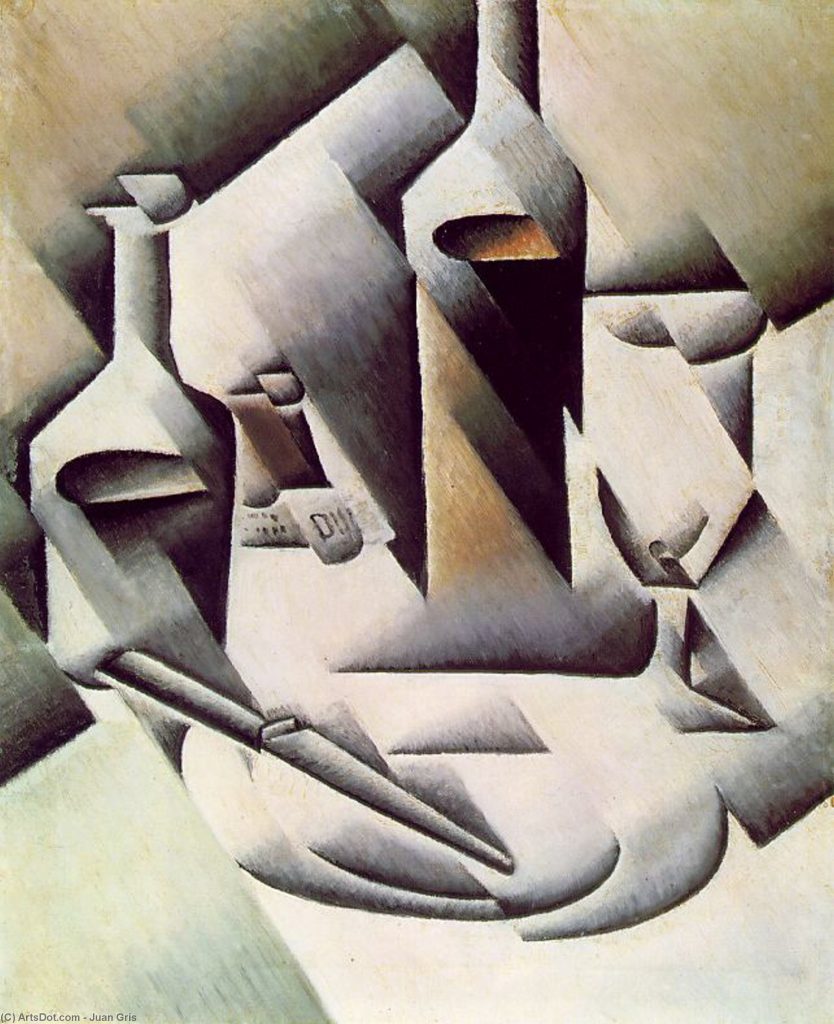
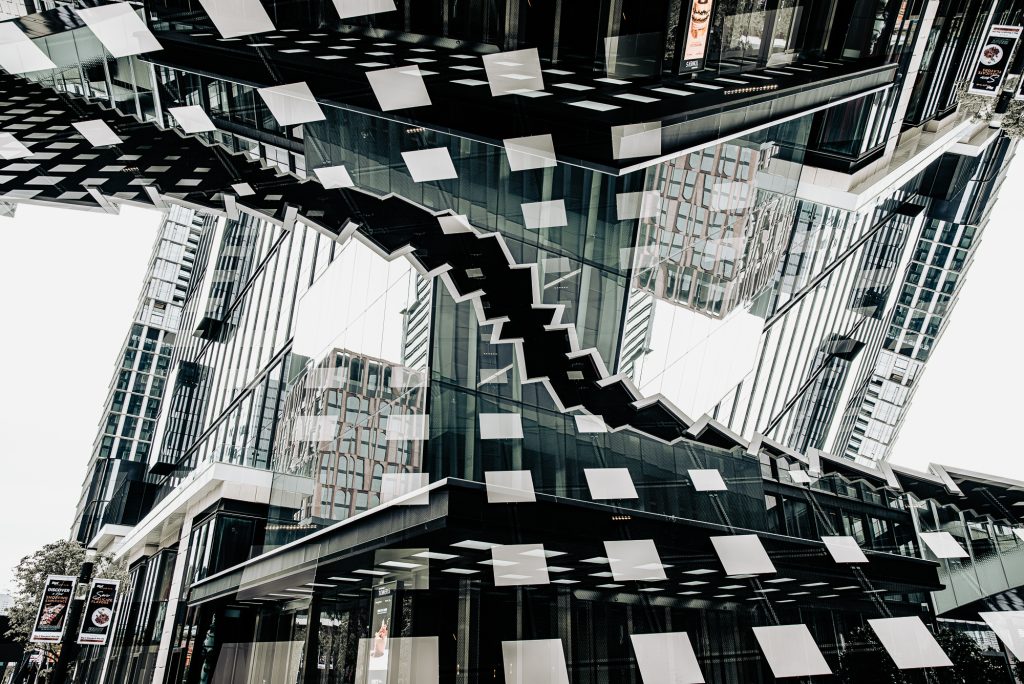
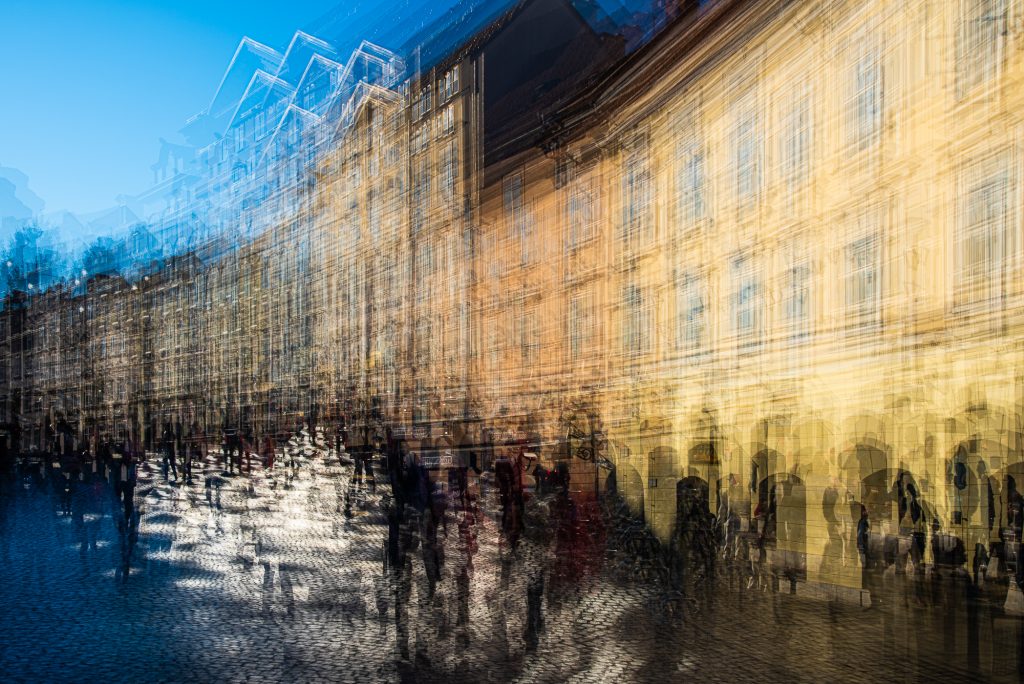
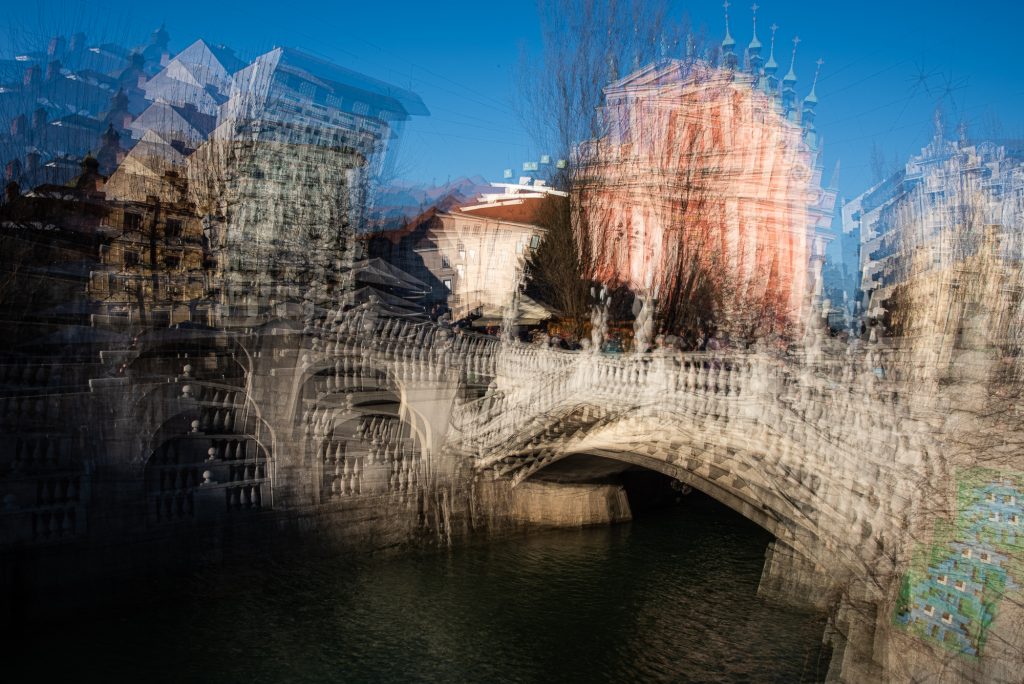
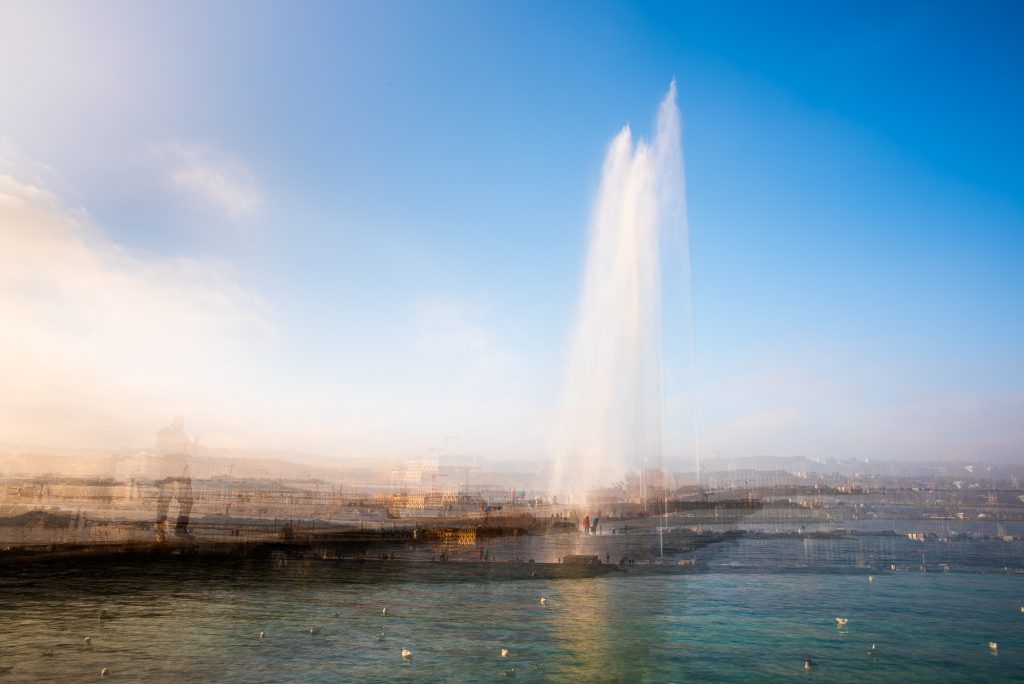
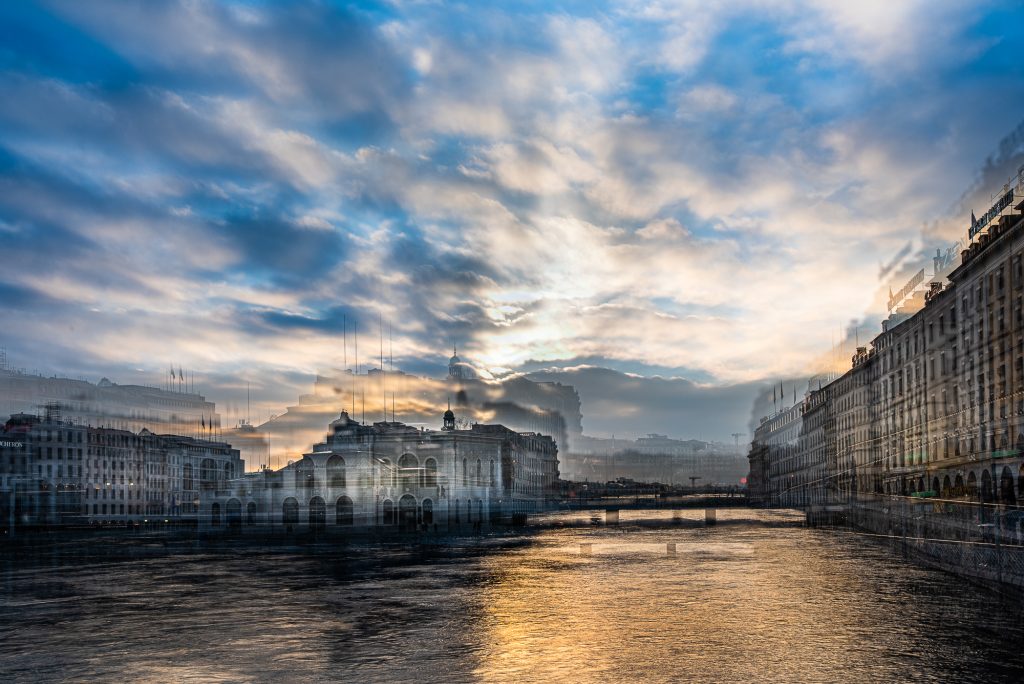
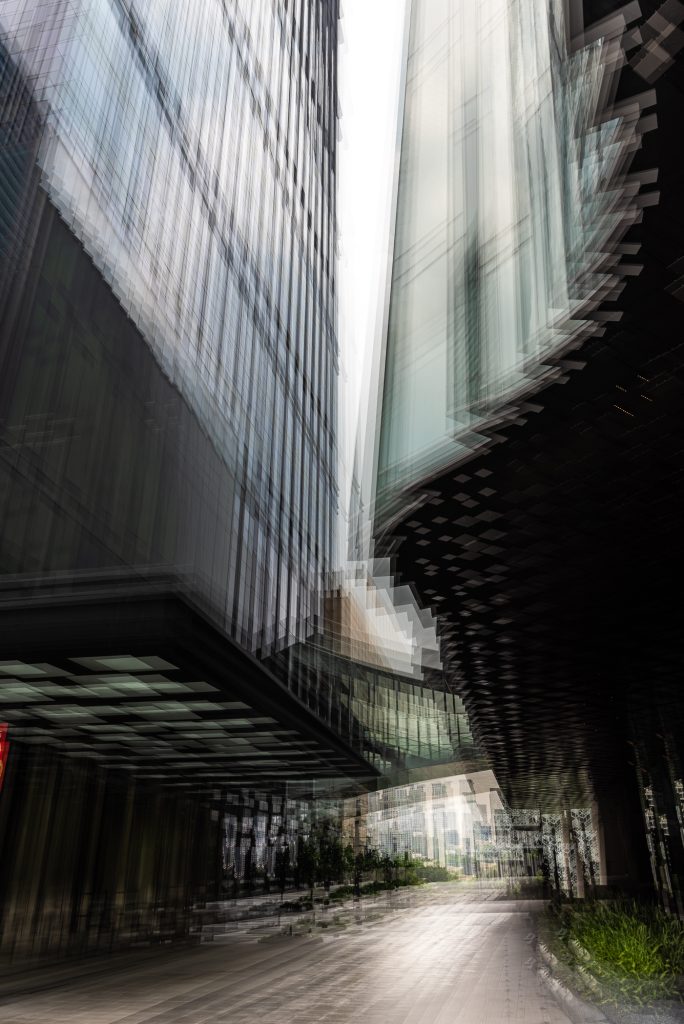
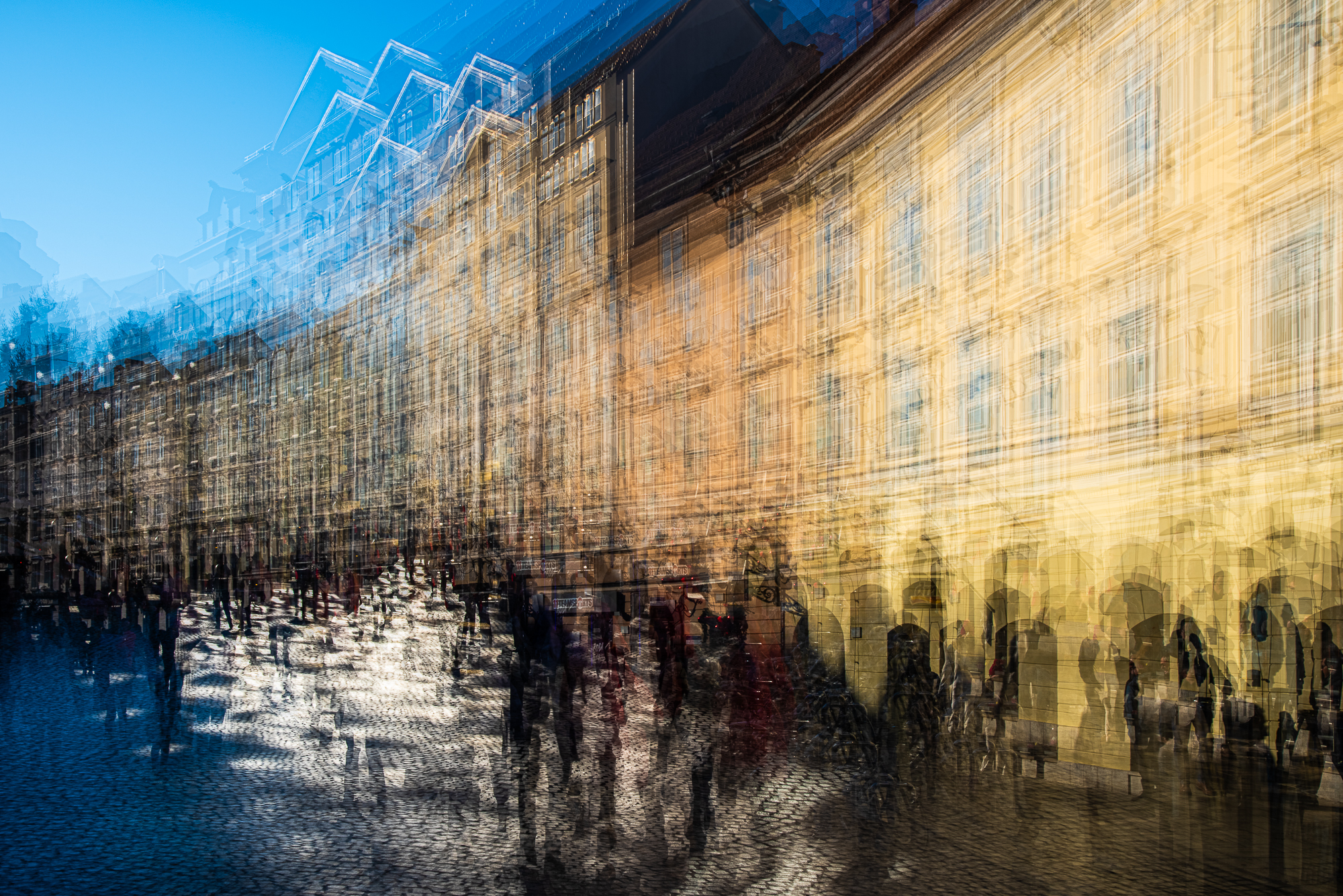
Cubism did not emerge out of nowhere. It built on certain insights of Paul Cézanne, who simplified forms and suggested multiple relationships to space, whilst also drawing on other influences such as African and Oceanic art, which featured prominently in the Parisian avant-garde. This combination of formal experimentation and cultural shock paved the way for a style of painting that was more intellectual than descriptive.
In 1907, Picasso painted *Les Demoiselles d’Avignon*, often regarded as a seminal work, whilst Braque went on to produce landscapes and still lifes shortly afterwards that took the trend towards geometric abstraction a step further. The term ‘Cubism’ was subsequently coined by the art critic Louis Vauxcelles in reference to Braque’s paintings, initially in a derisive sense.
Ferney Voltaire (France) – June 2026
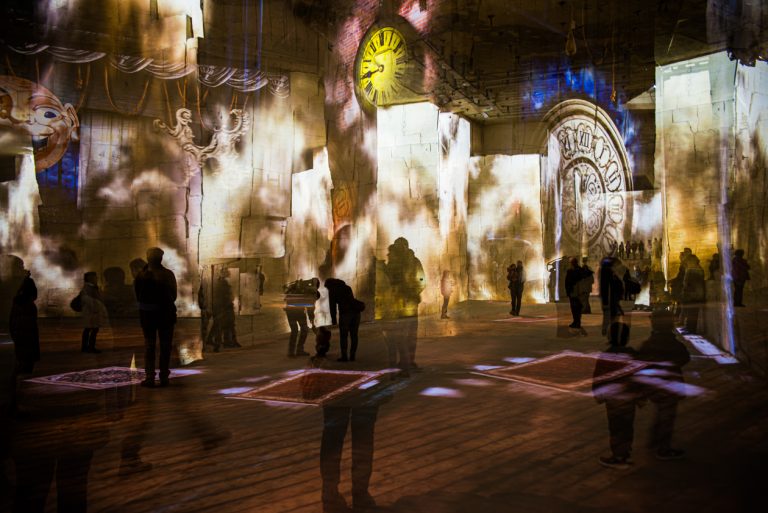
Georges Méliès was a pioneer of cinema, a magician turned filmmaker who transformed film into an art of the imagination through his special effects and fantastical stories.
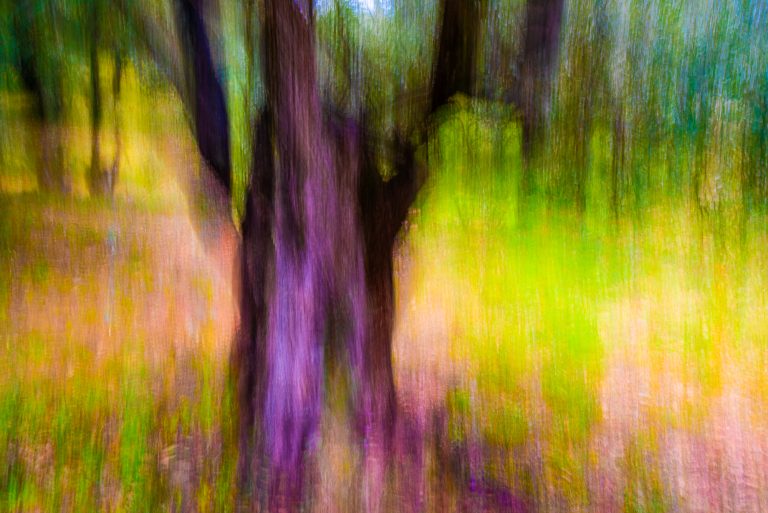
As a form of visual art, photography shares surprising similarities with Fauvism.
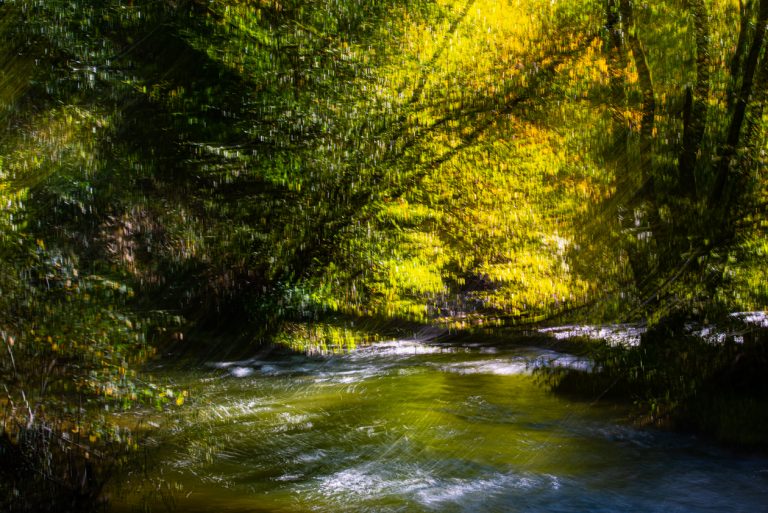
Photography, as a visual medium, shares surprising similarities with Pointillism.
Seville, a moment of reflection. Nikon D810.
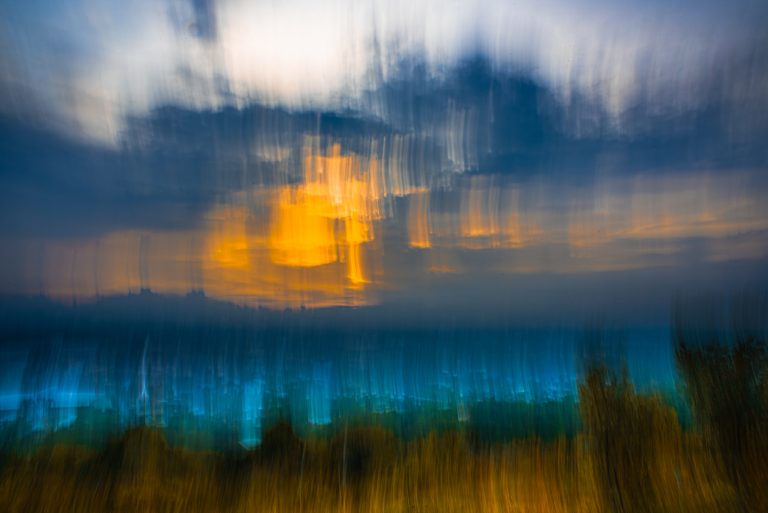
Impressionism and Post-Impressionism influenced photography from the 1880s onwards.
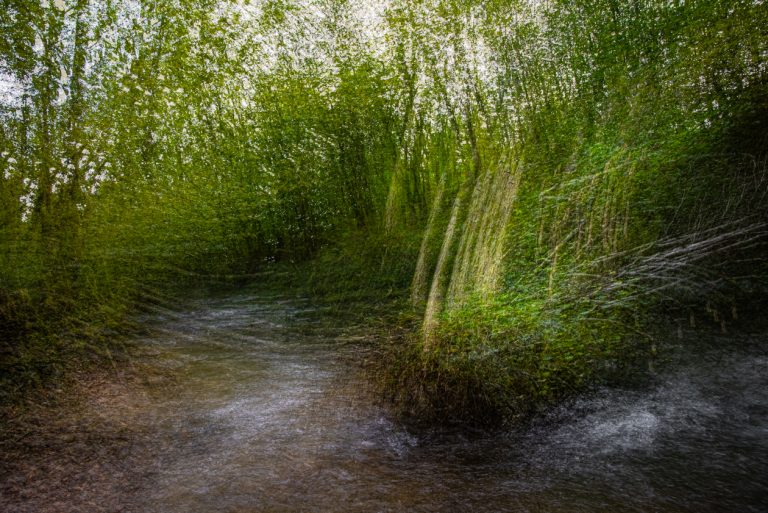
The water of rivers, always in motion, evokes a rich and profound imagination, inspiring many literary and artistic works over the centuries.