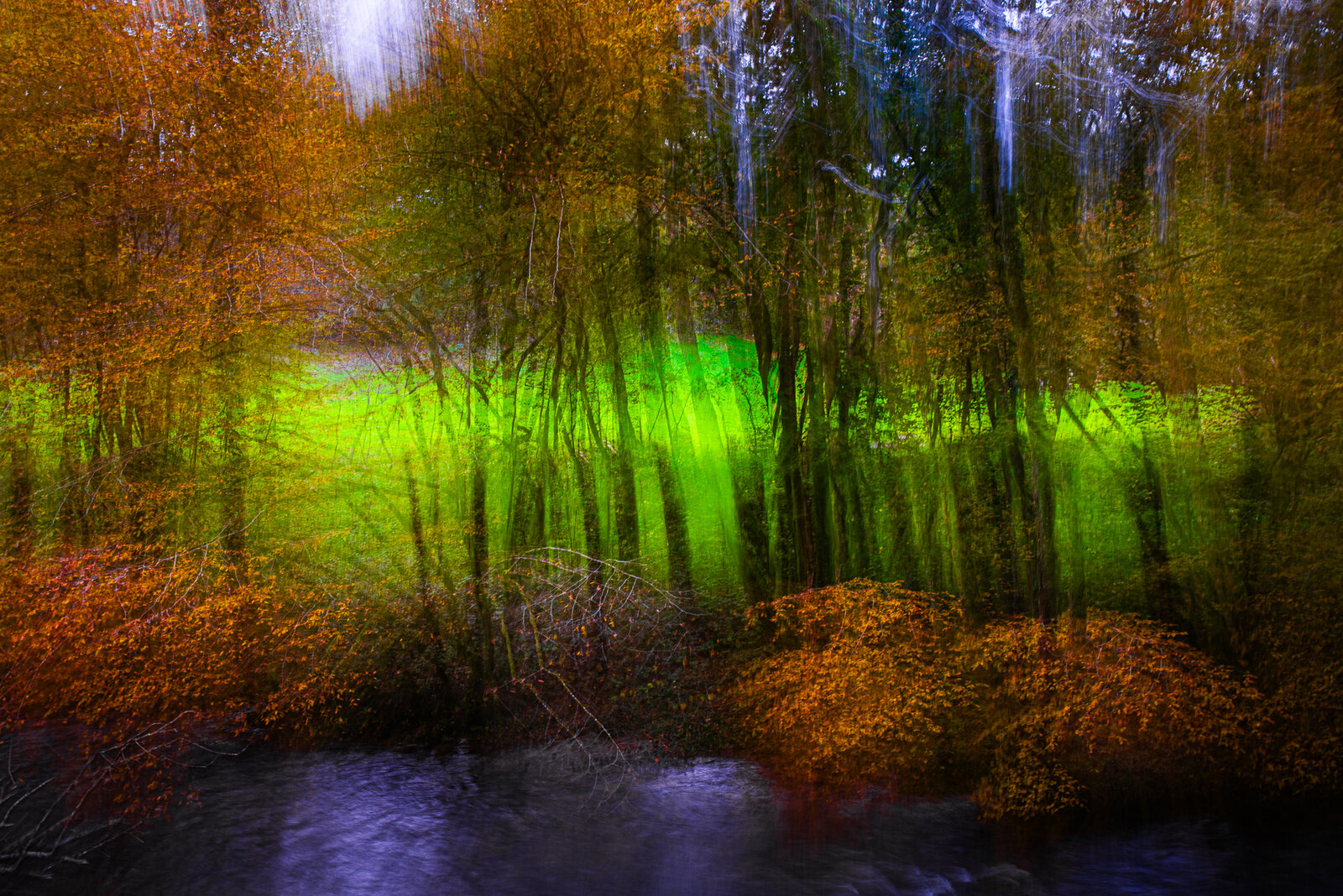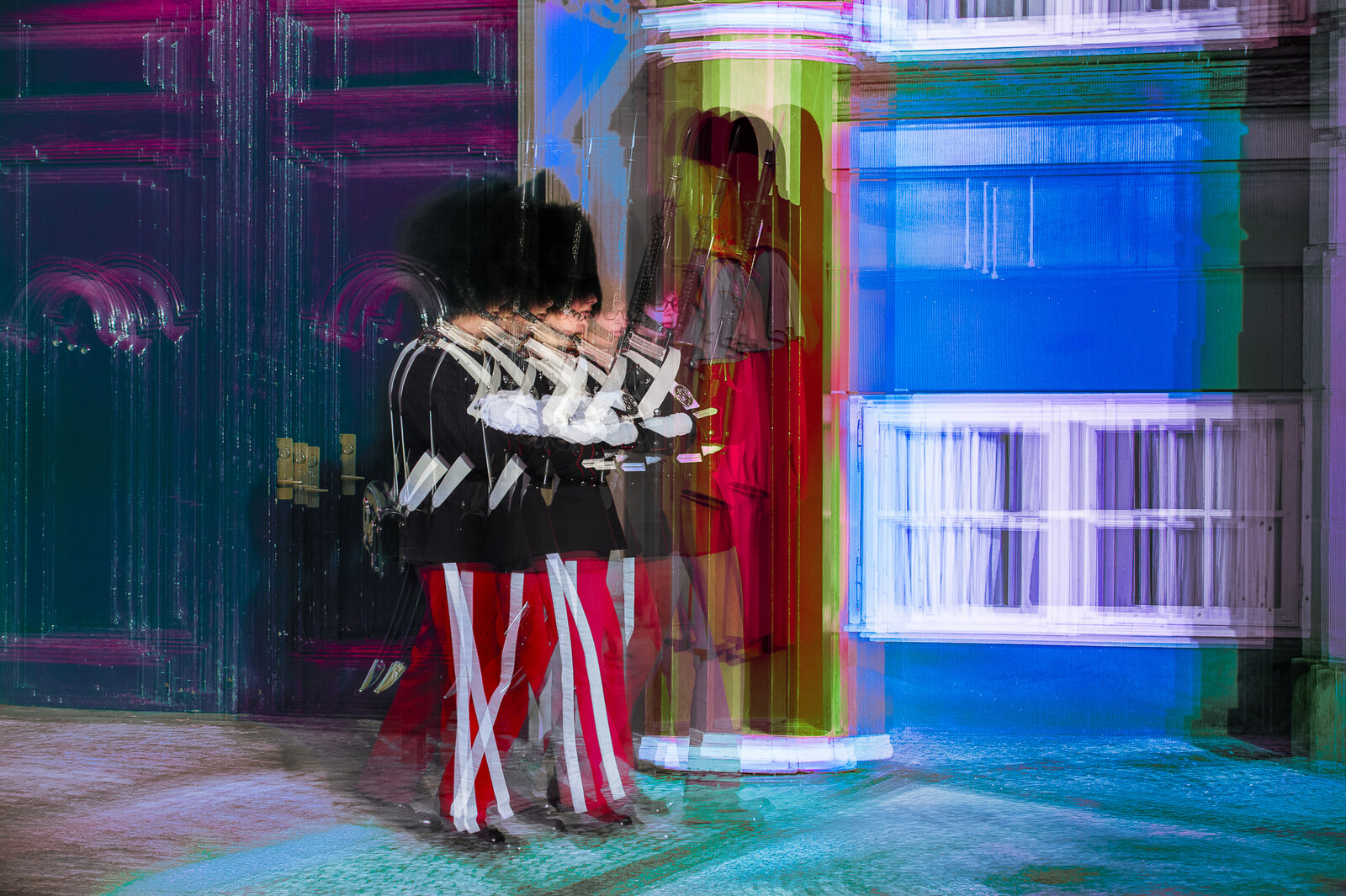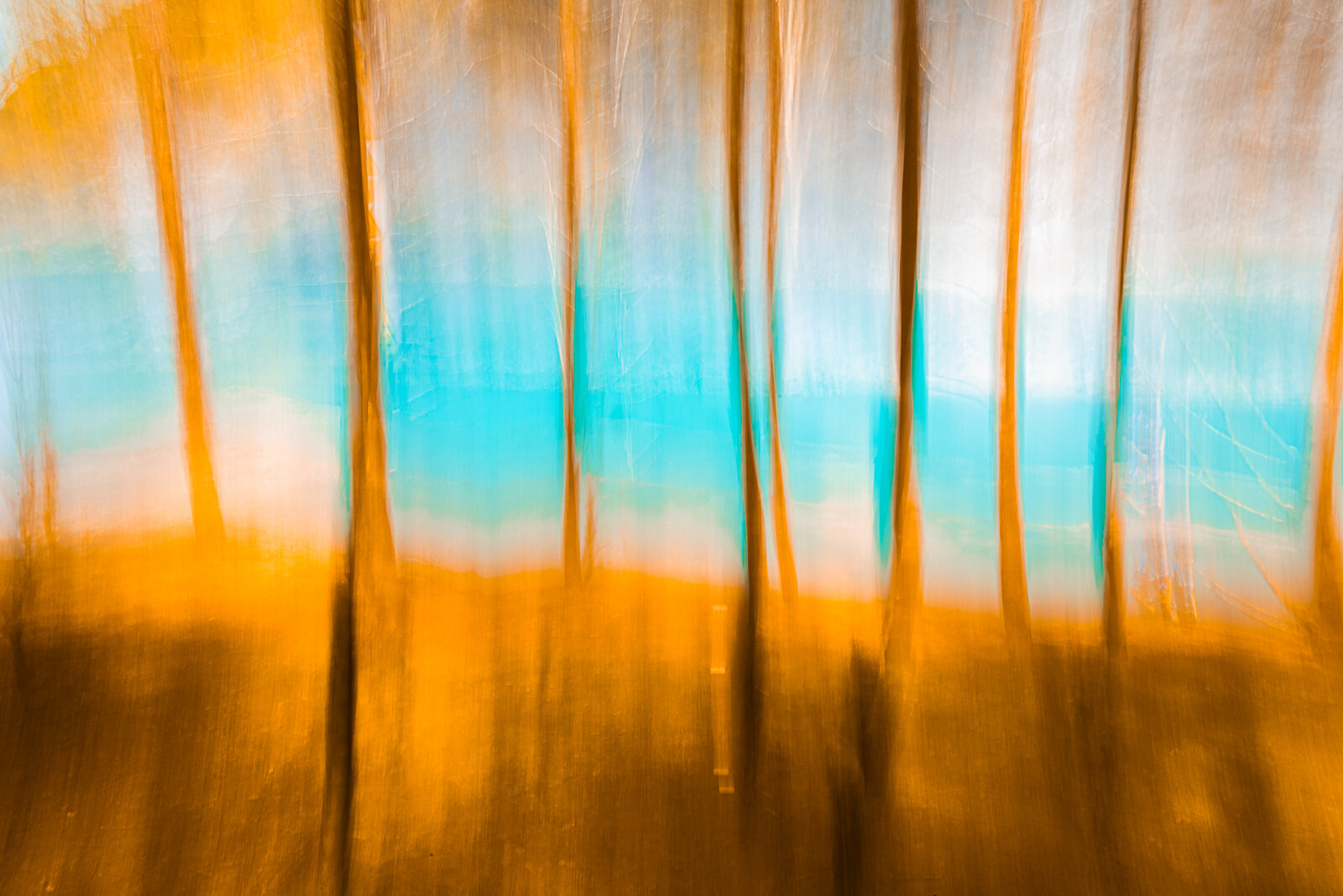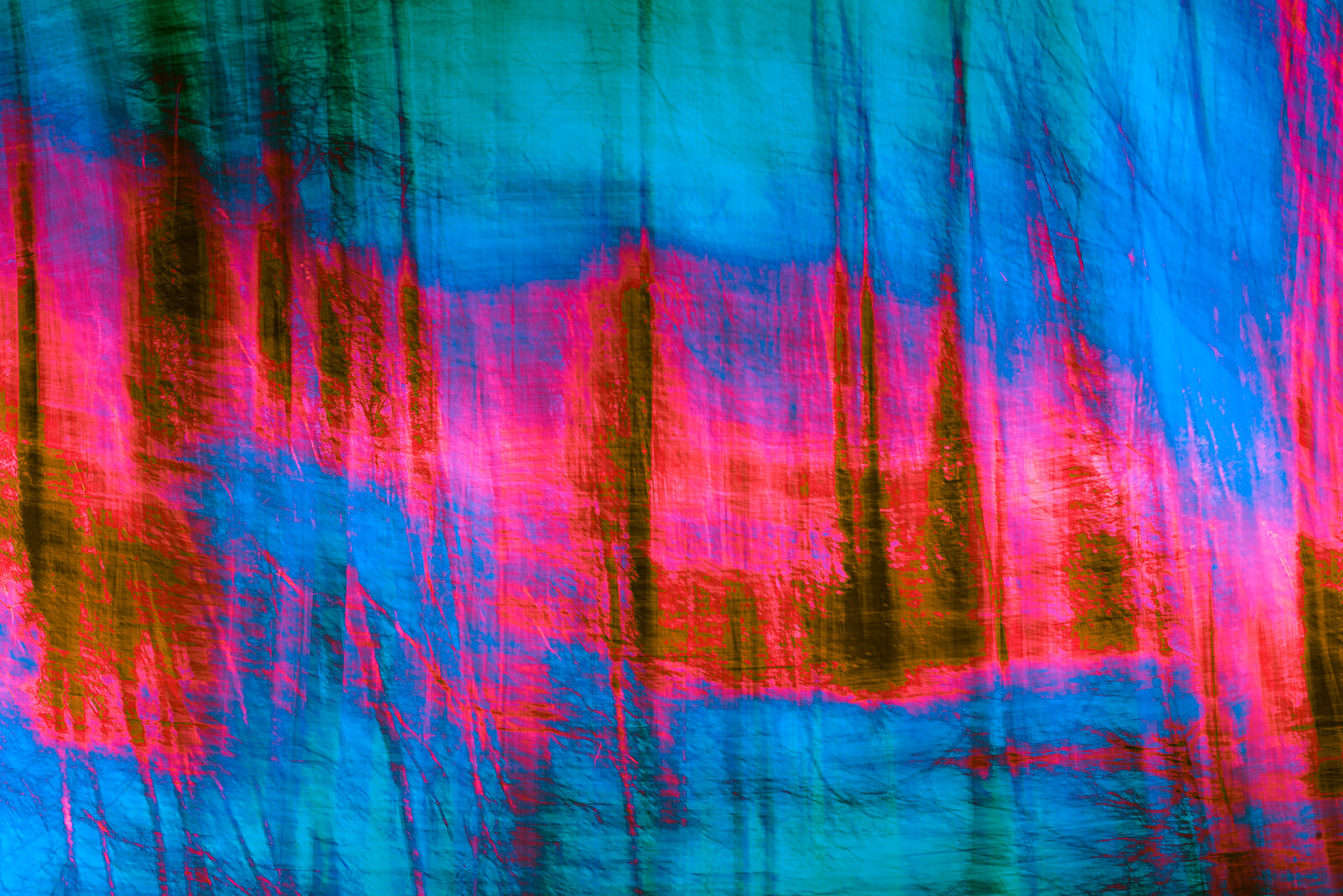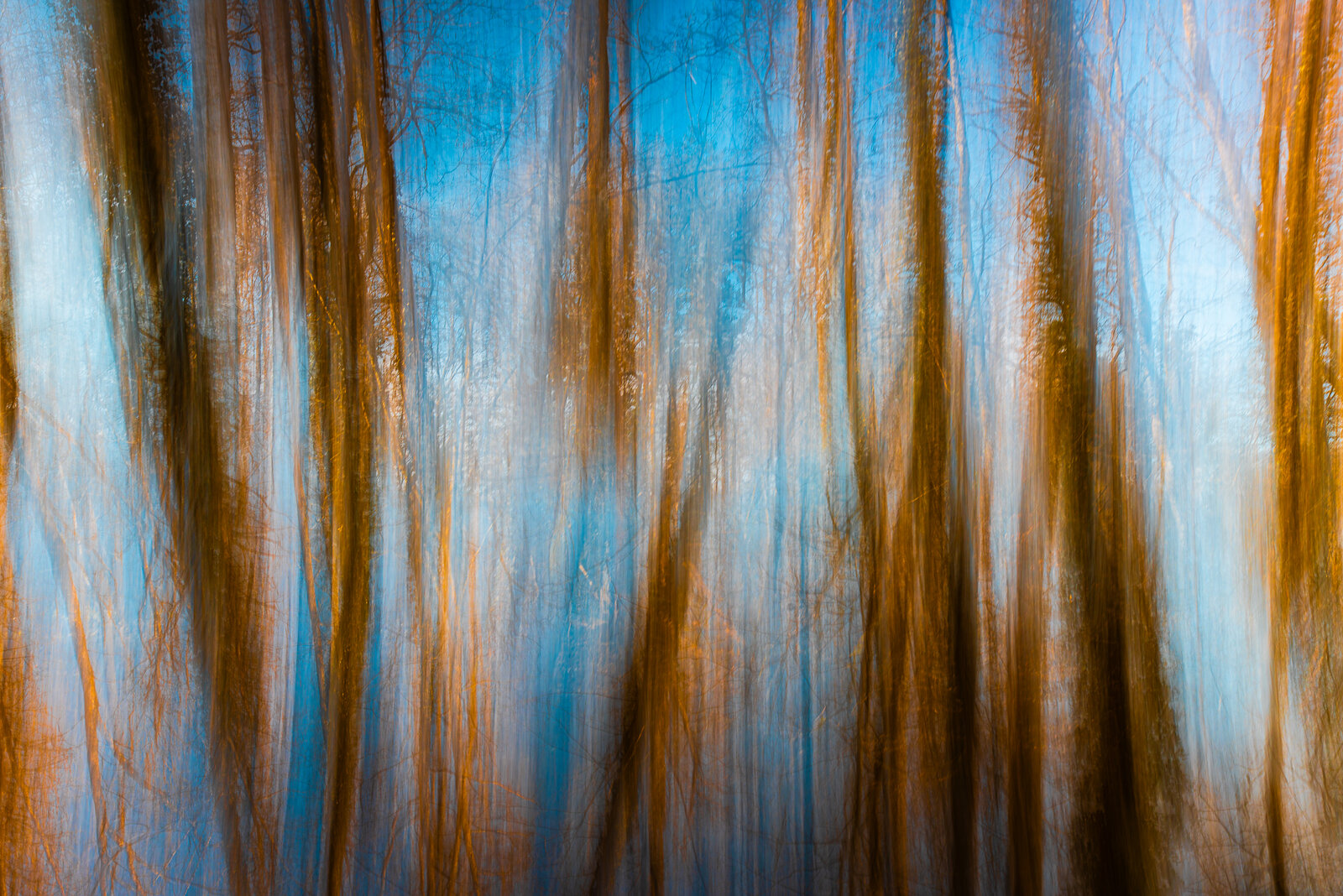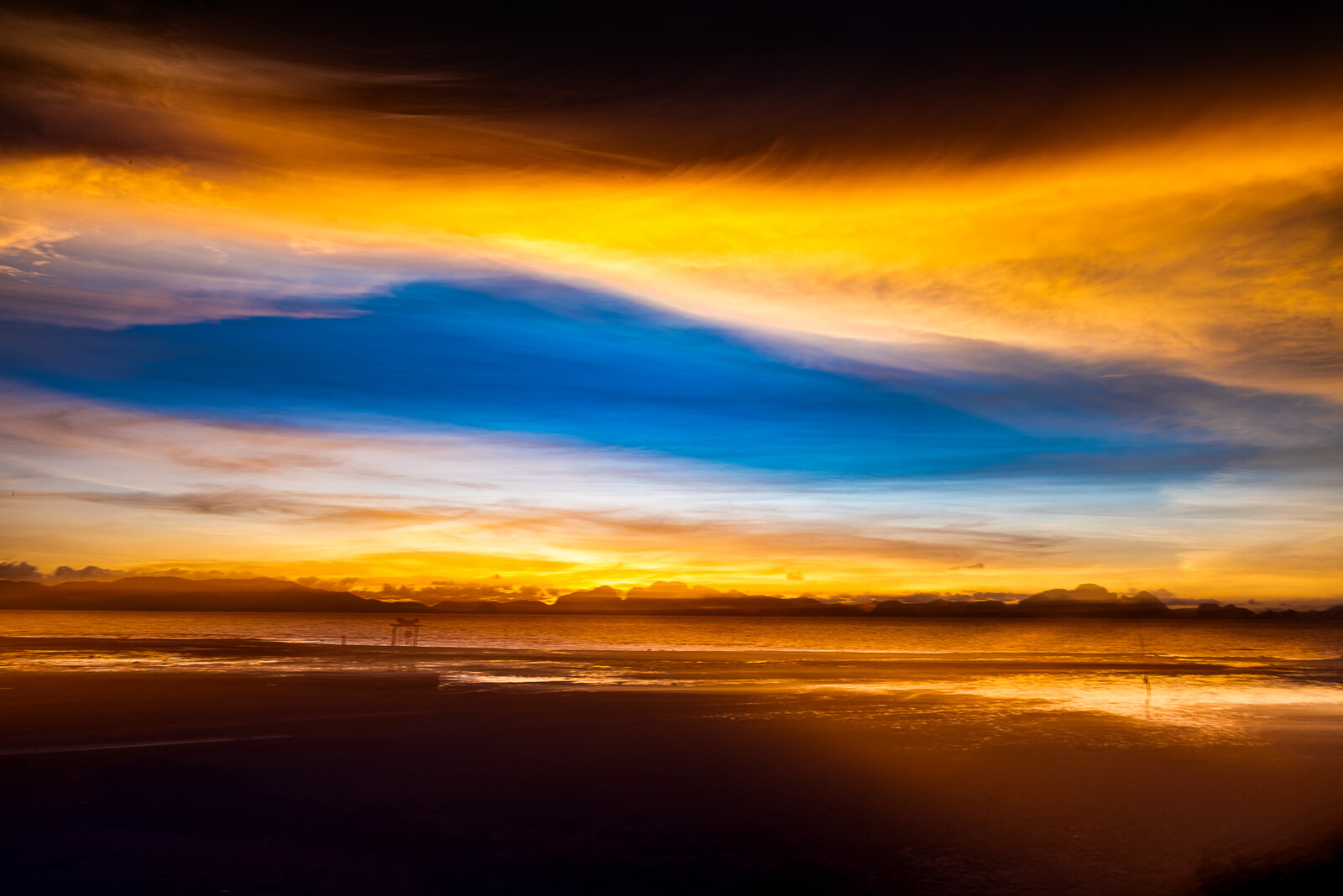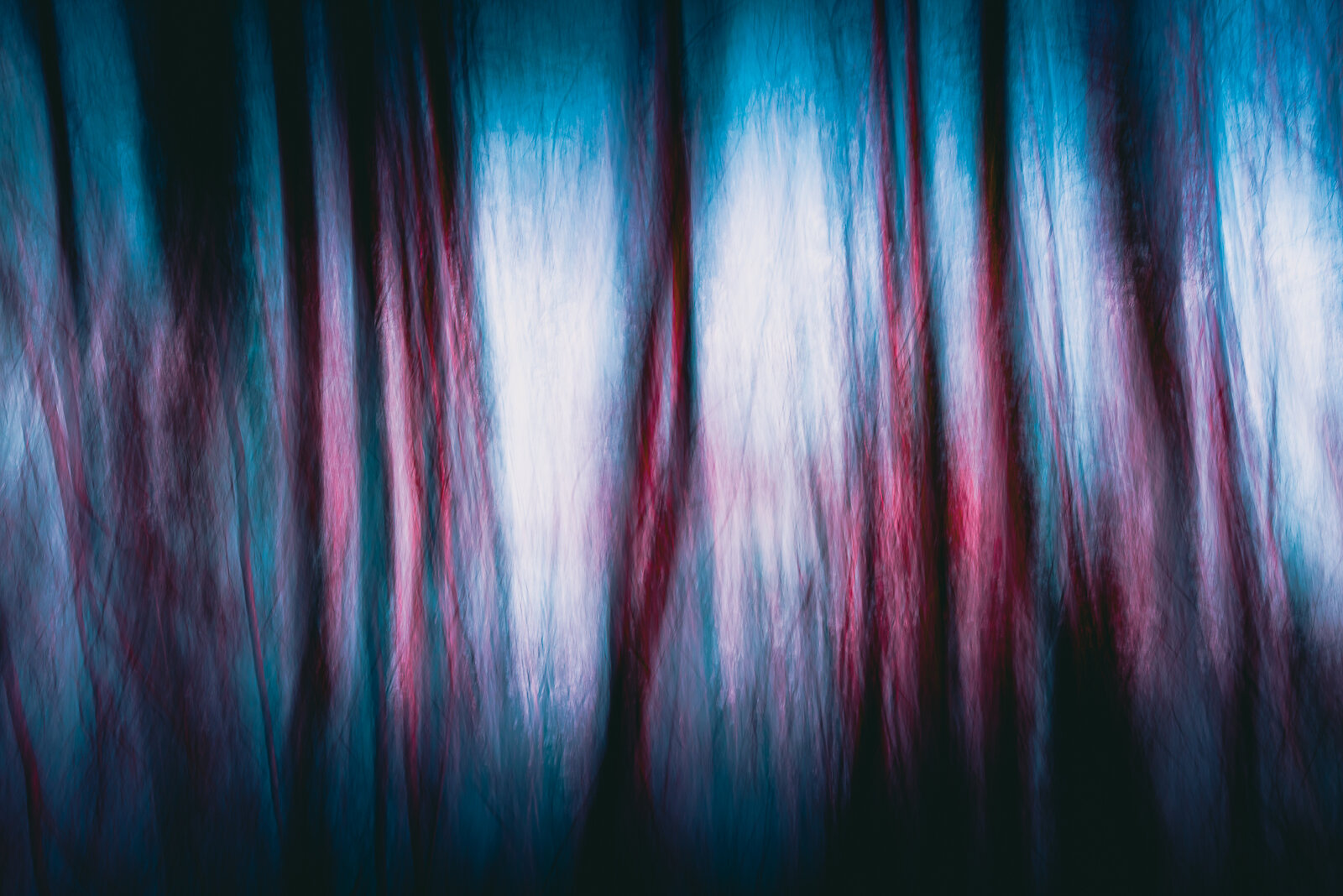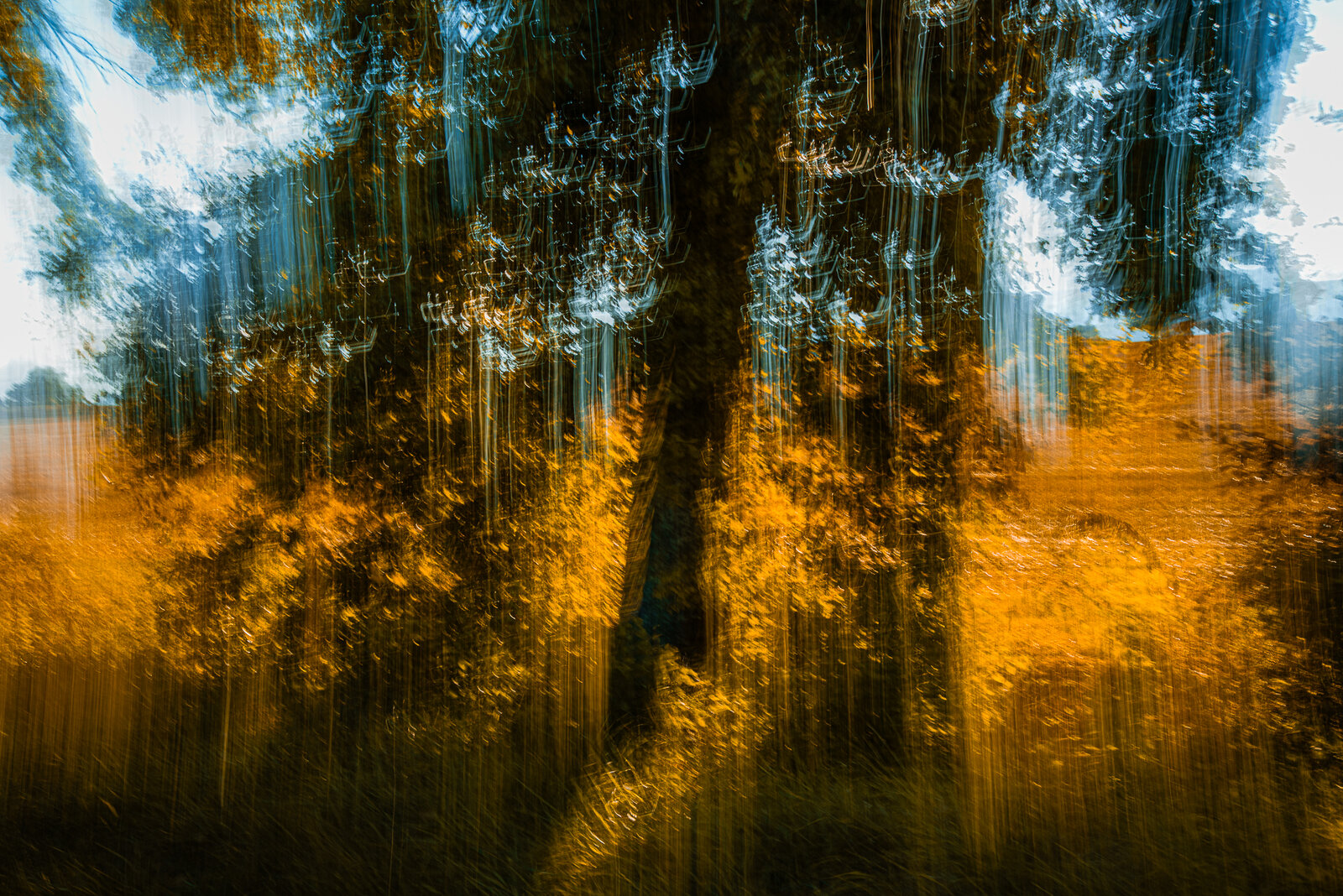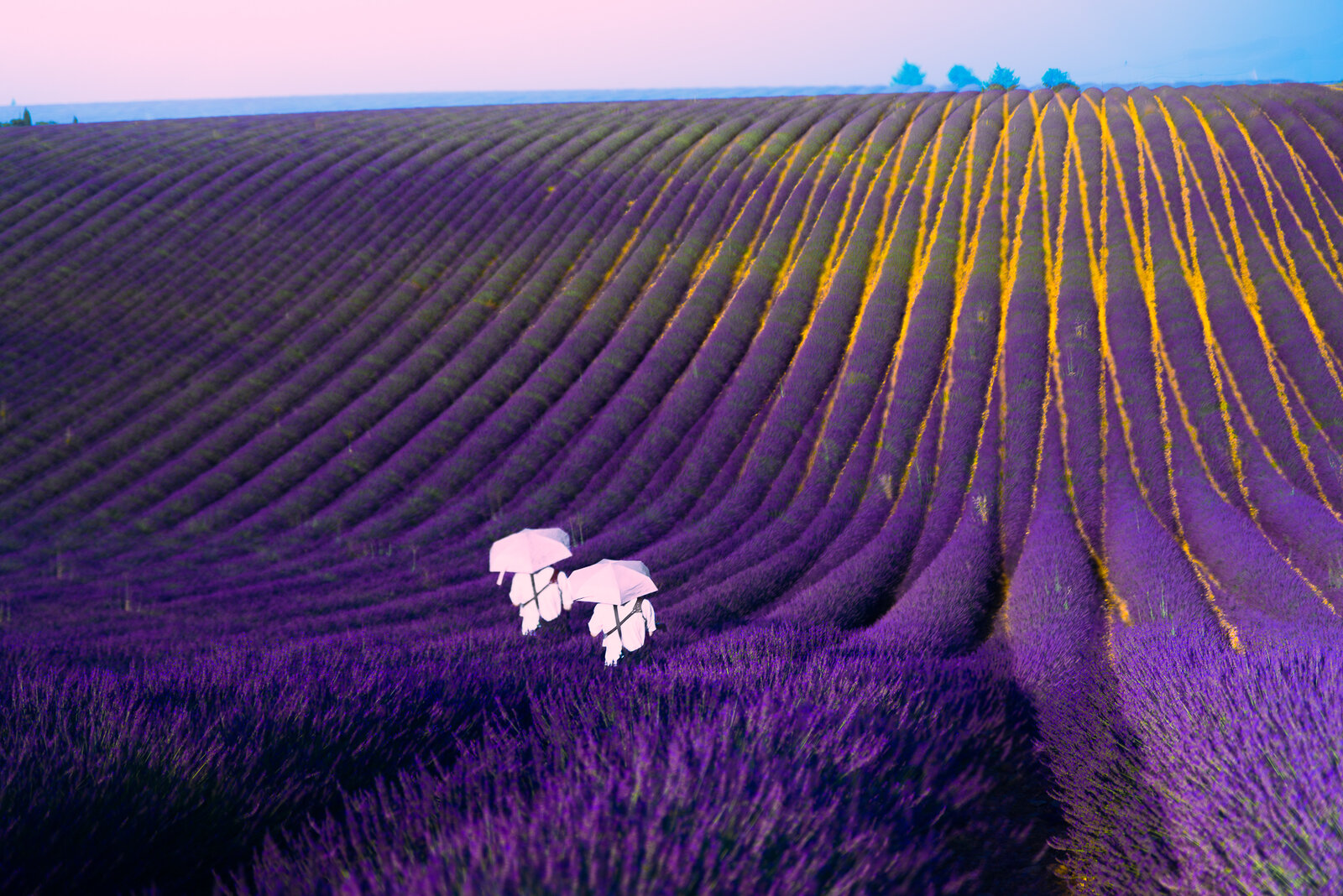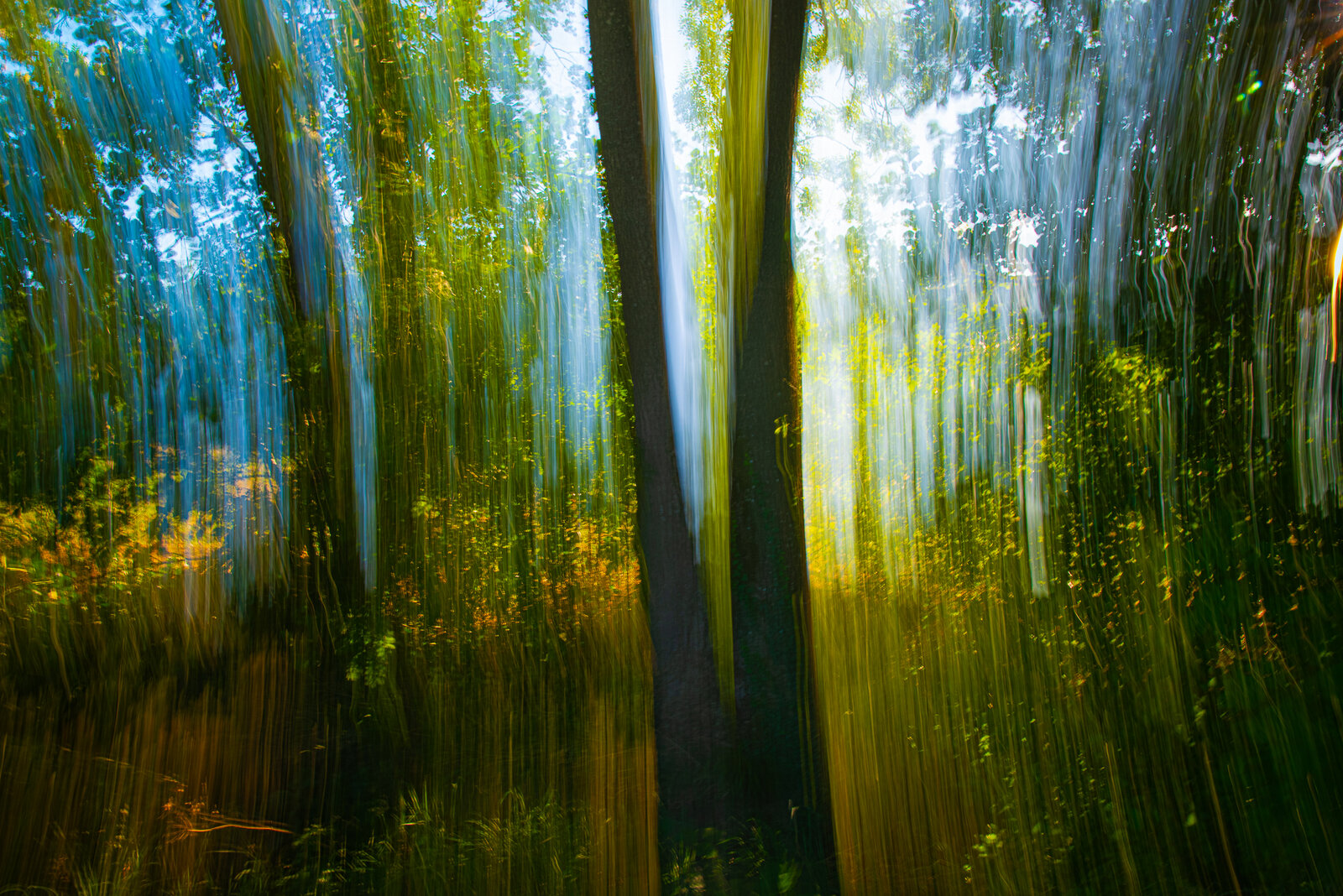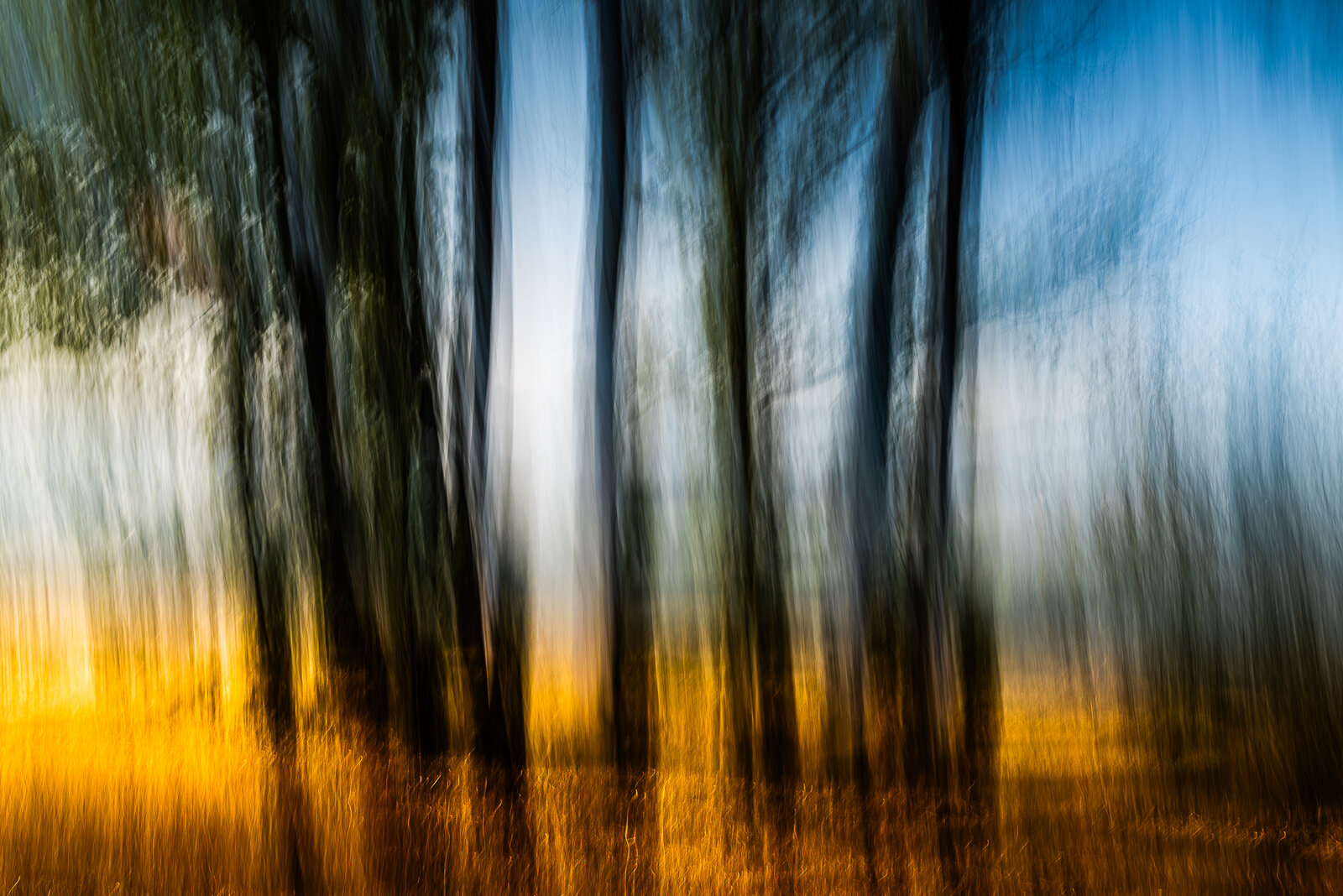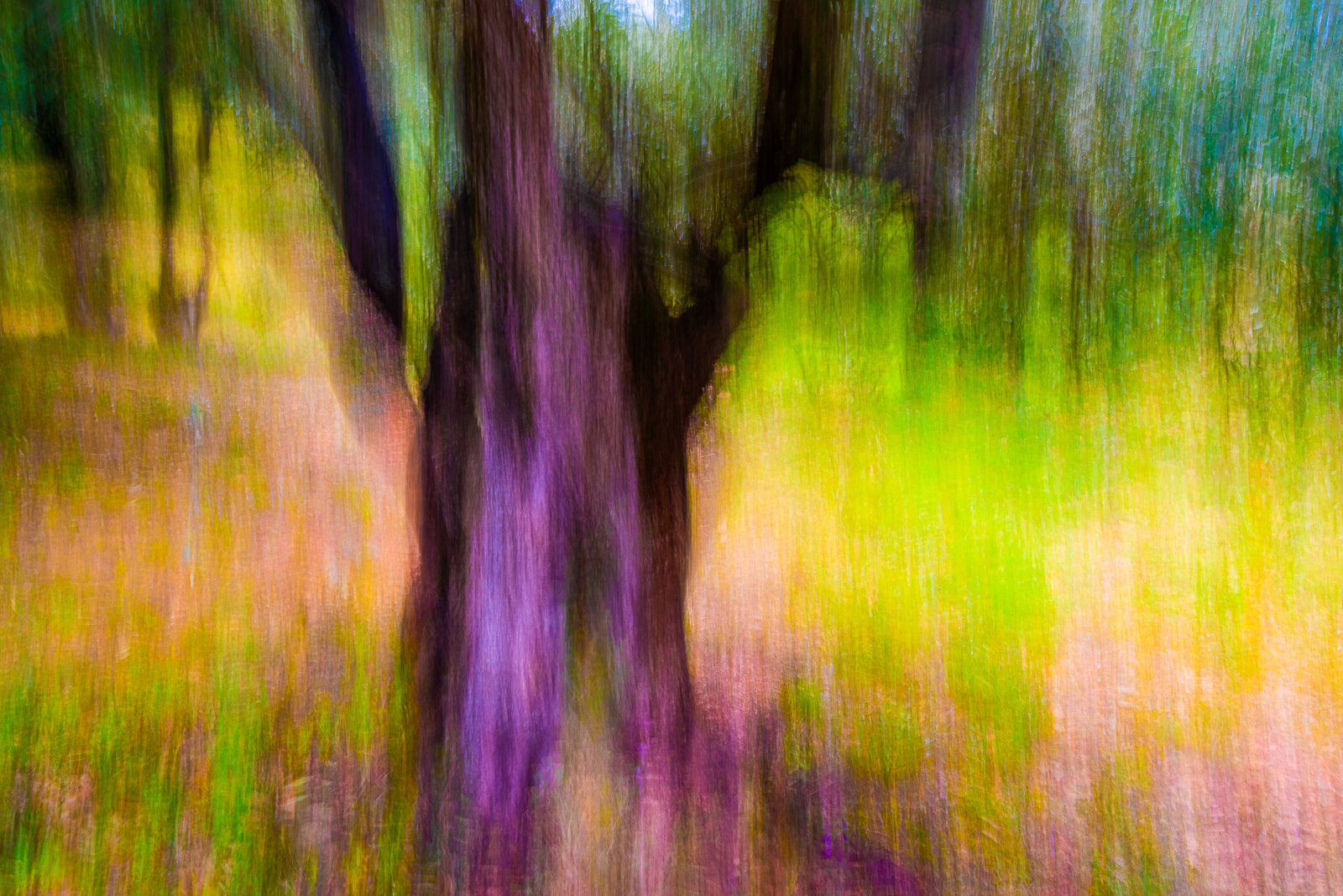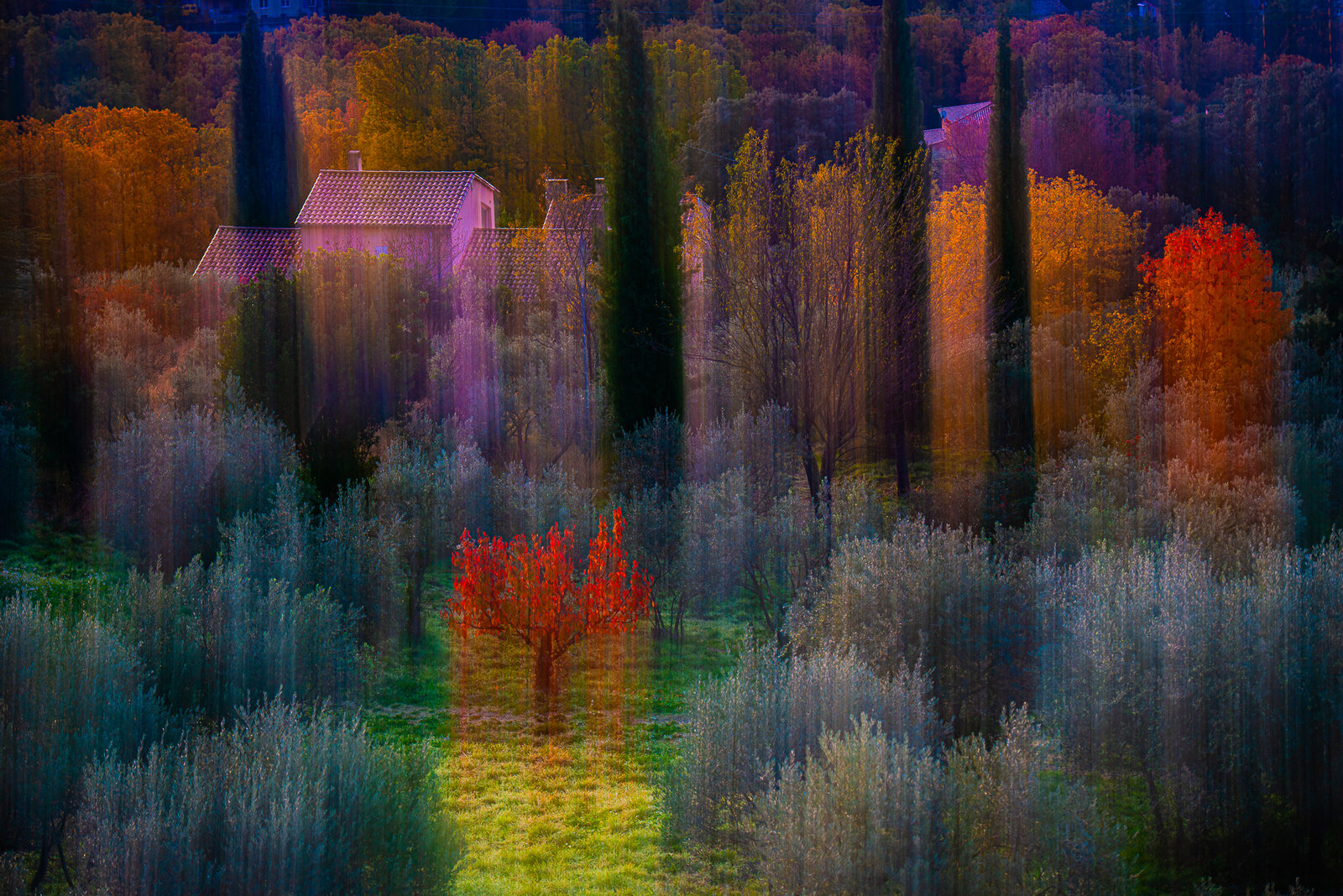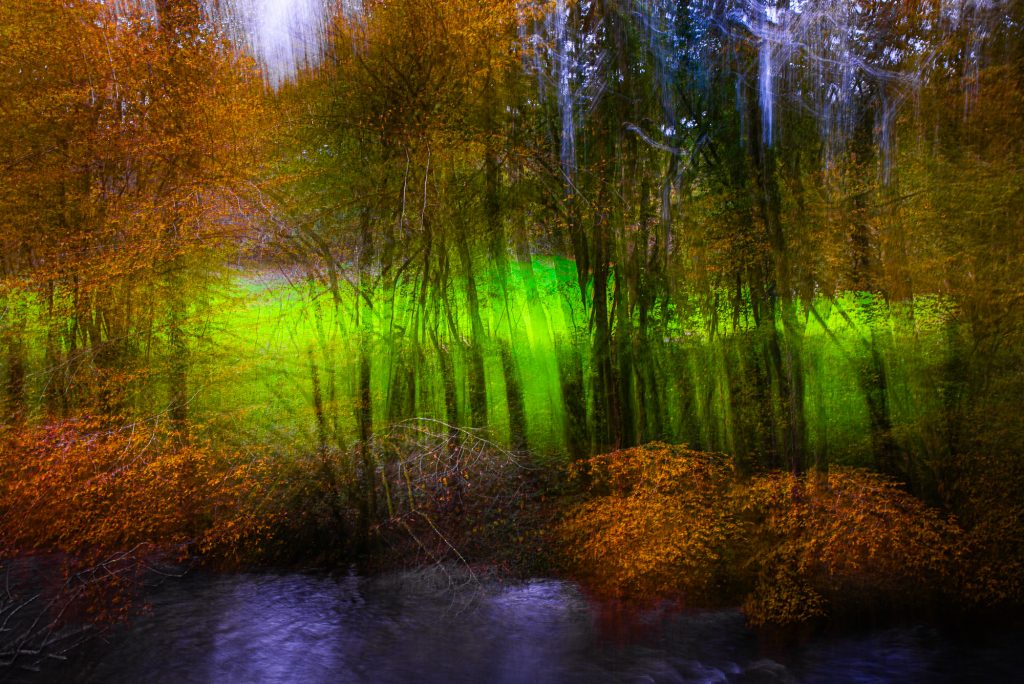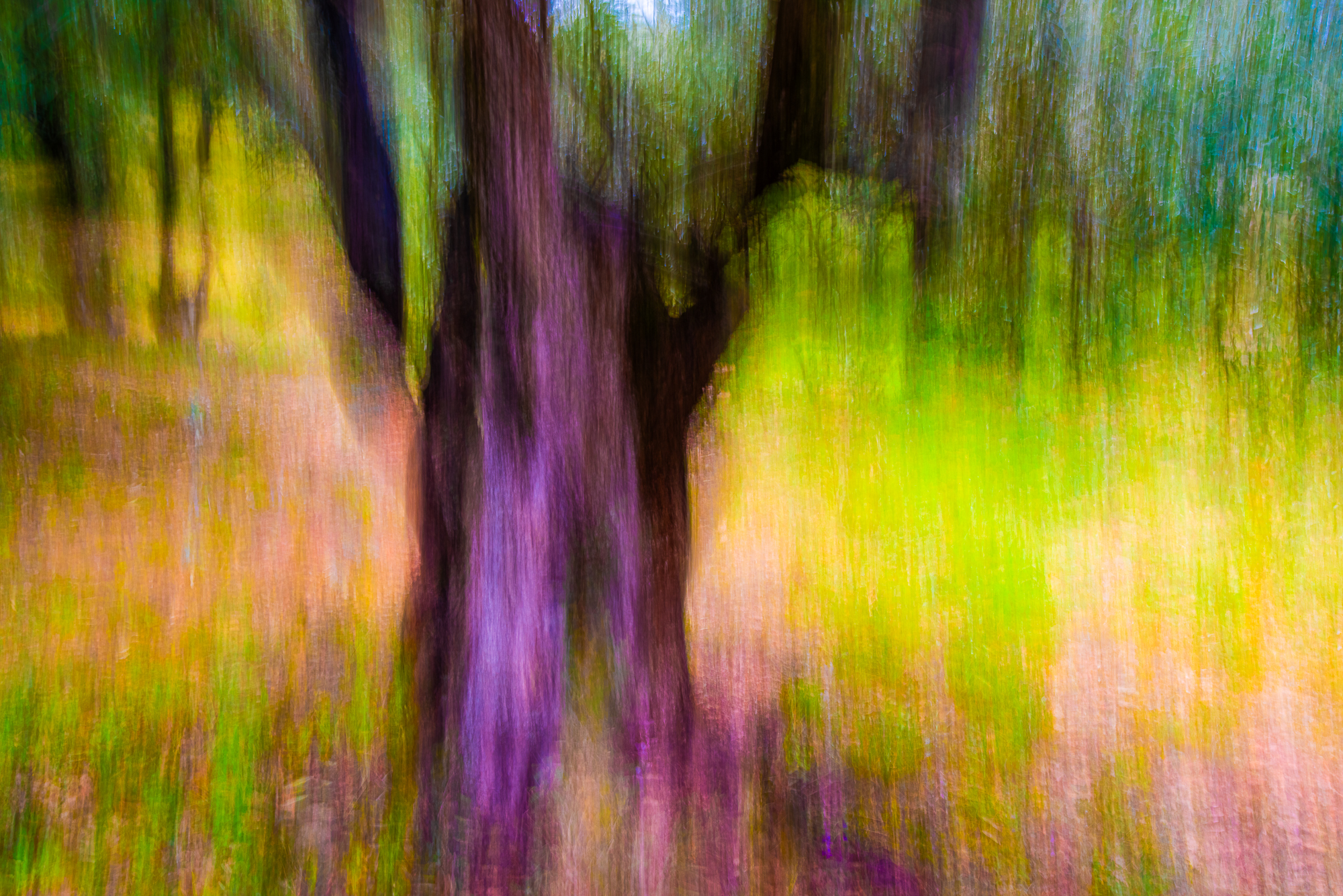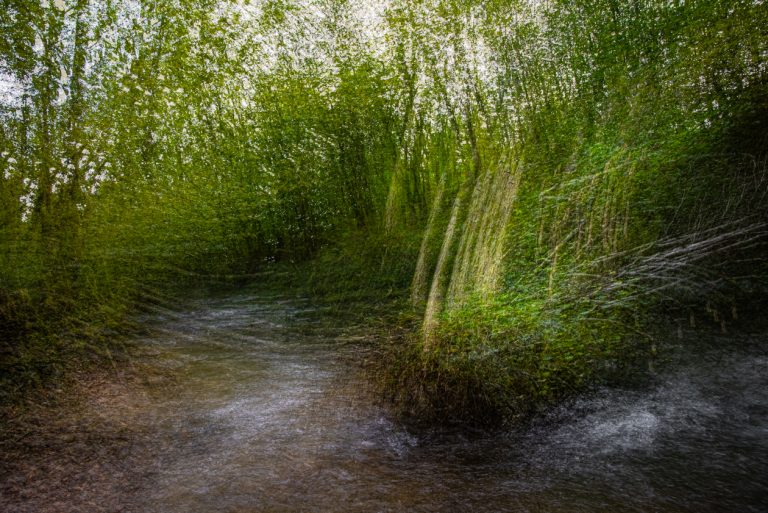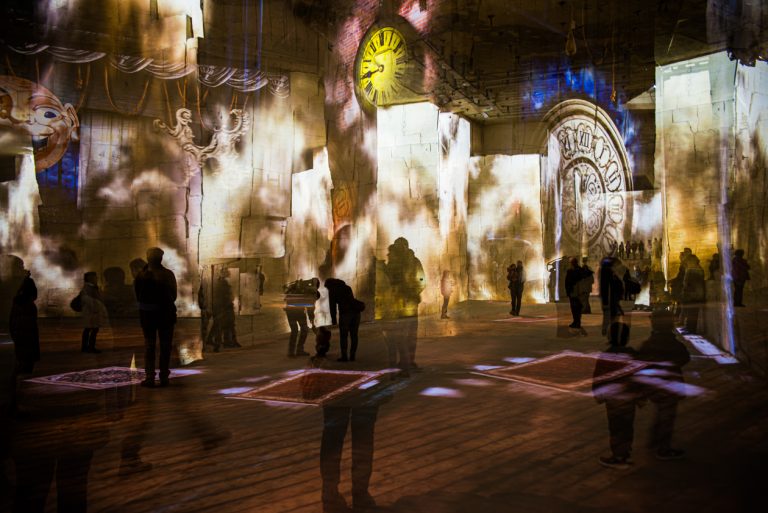
1-Les oliviers (REP139-97186)

Fauvism in photography 3/7
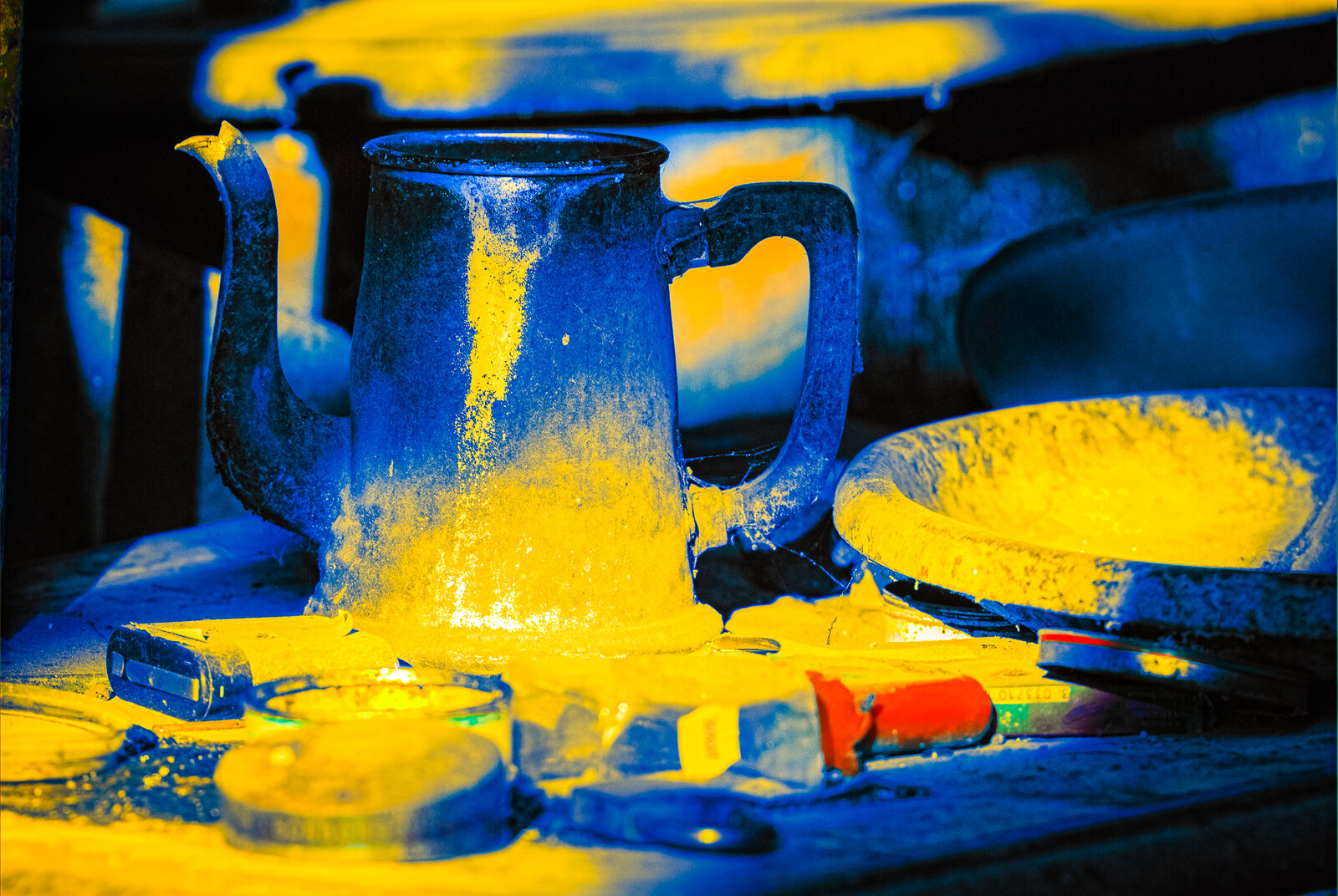
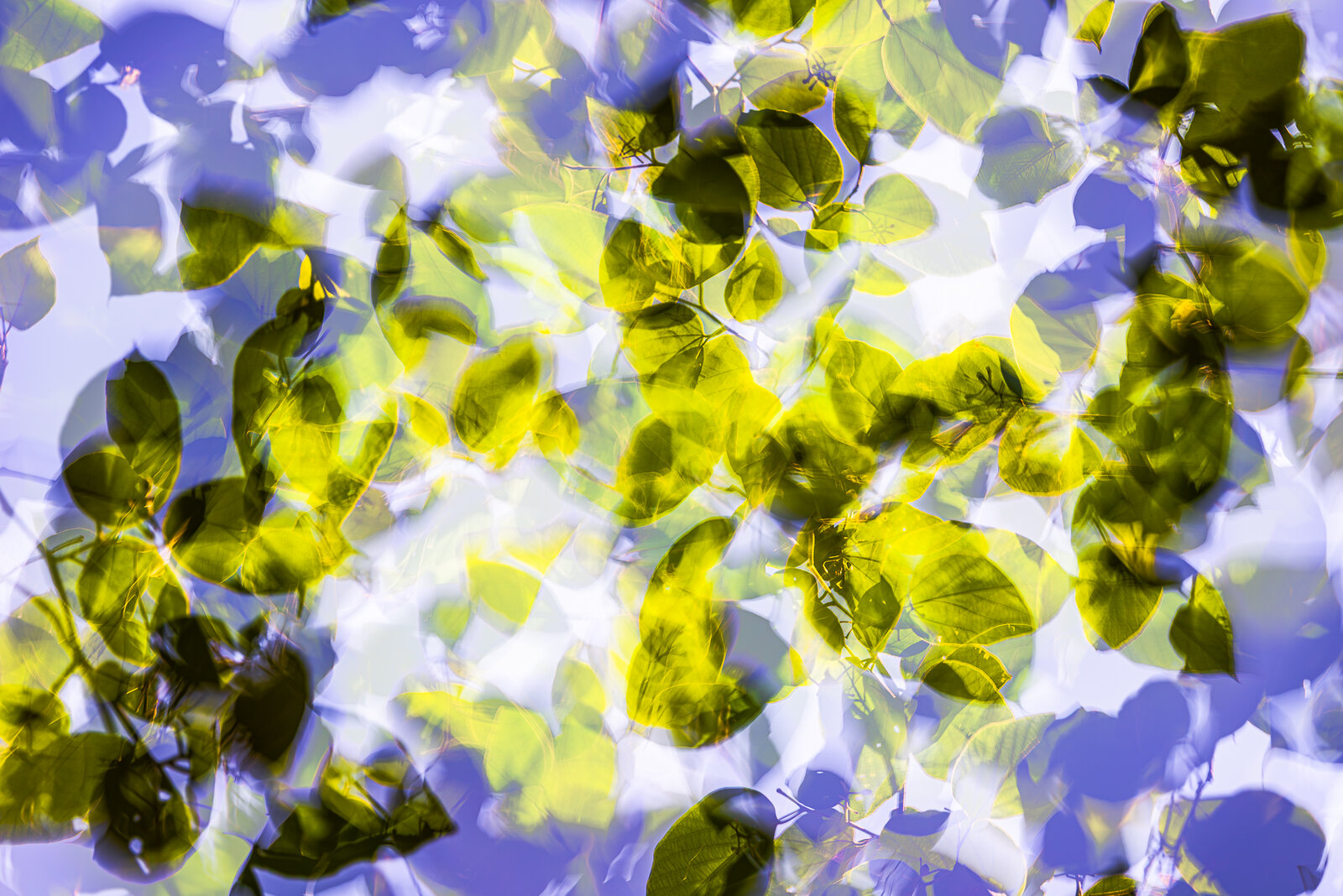
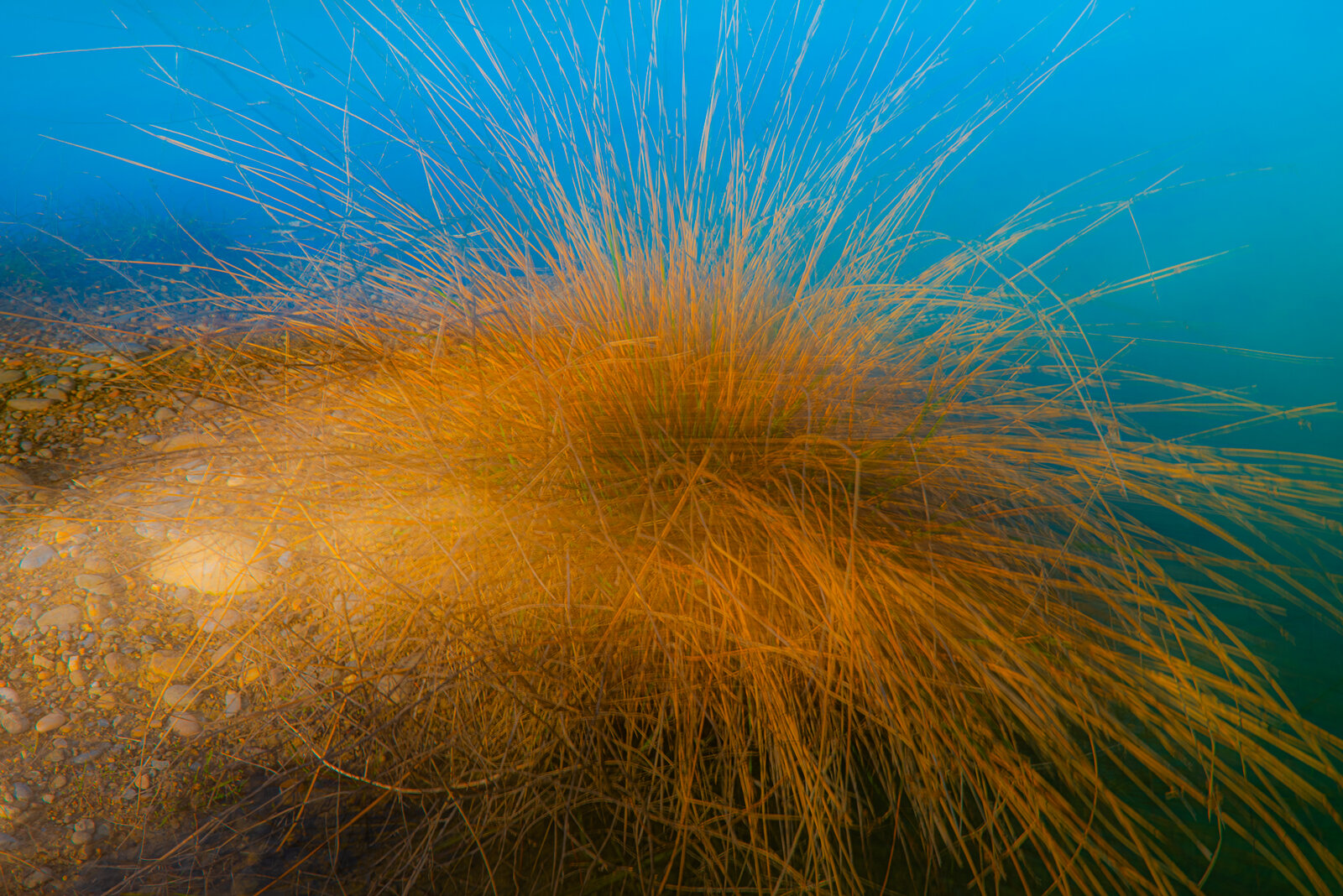
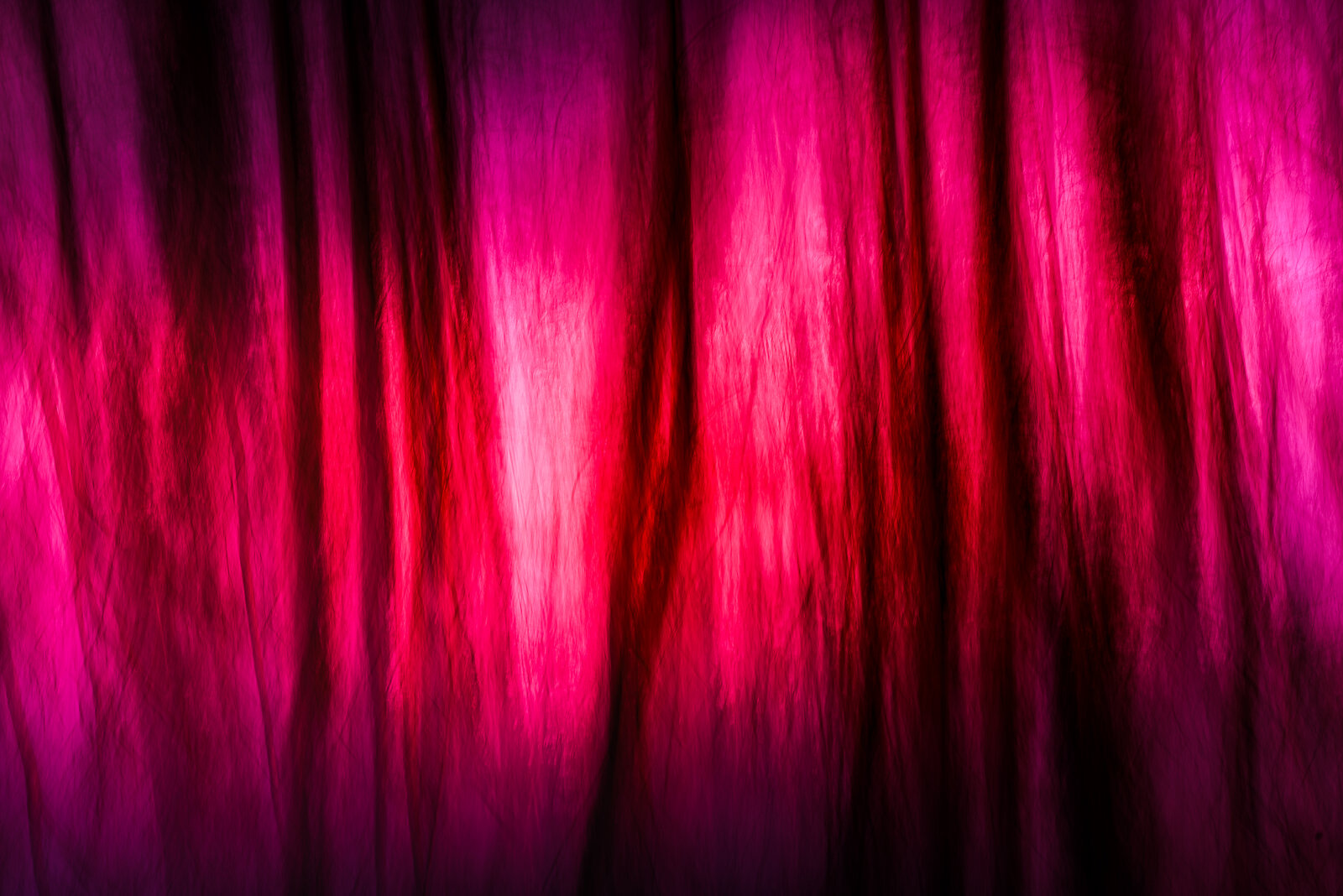
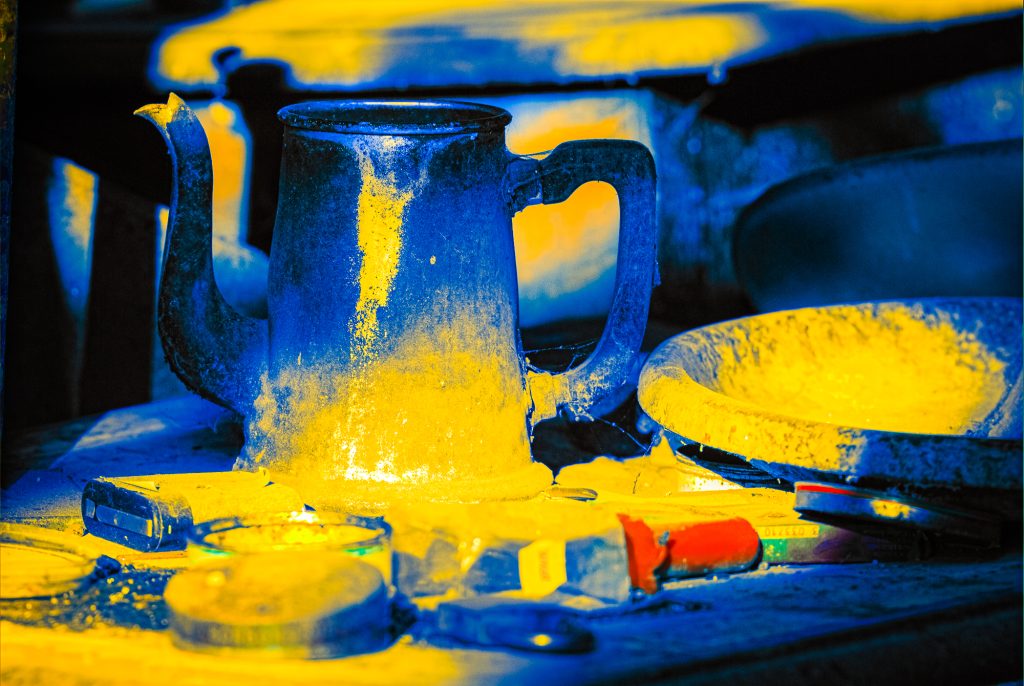
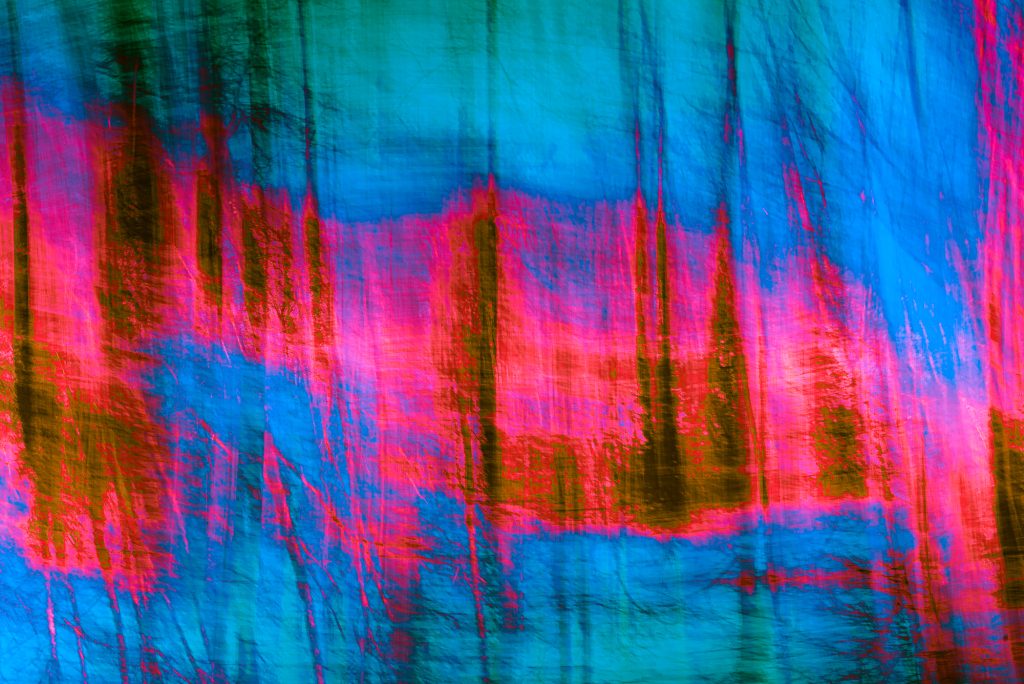
3-La cruche (REP139-7625)
Copyright: Erick Venturelli
« of 25 »

Fauvism: From Painting to Photography.

The Origins and History of Fauvism in Painting.
Fauvism emerged in France in the early 20th century; it was a Post-Impressionist movement and established itself as one of the first major movements in modern art. Its history began against a backdrop of a break with academic painting and with the naturalism inherited from the 19th-century Impressionist movement. The Fauvist artists sought to liberate color from its descriptive function and give it an autonomous expressive power.
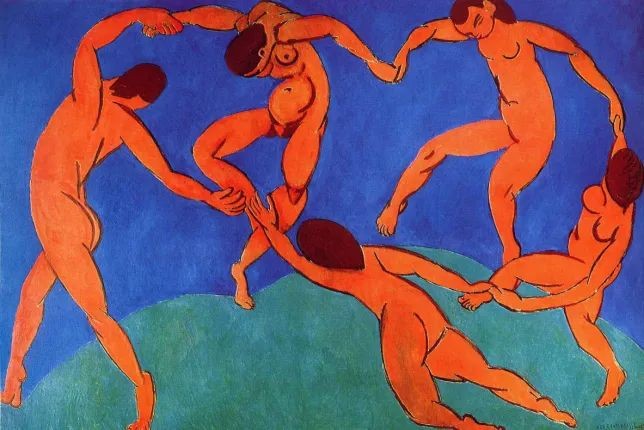
Henri Matisse. La danse.  (1910)
Henri Matisse. La danse. (1910)
The term “Fauvism” first appeared in 1905 at the Salon d’Automne in Paris, coined by the art critic Louis Vauxcelles. Standing before the vibrant, colorful paintings of young artists, he referred to them as a “cage of wild beasts”—a phrase that was initially meant to be ironic but would go on to give the movement its name. The scandal was immediate, as the public at the time was shocked by these pure, often arbitrary colors, applied in flat areas with no regard for realism.
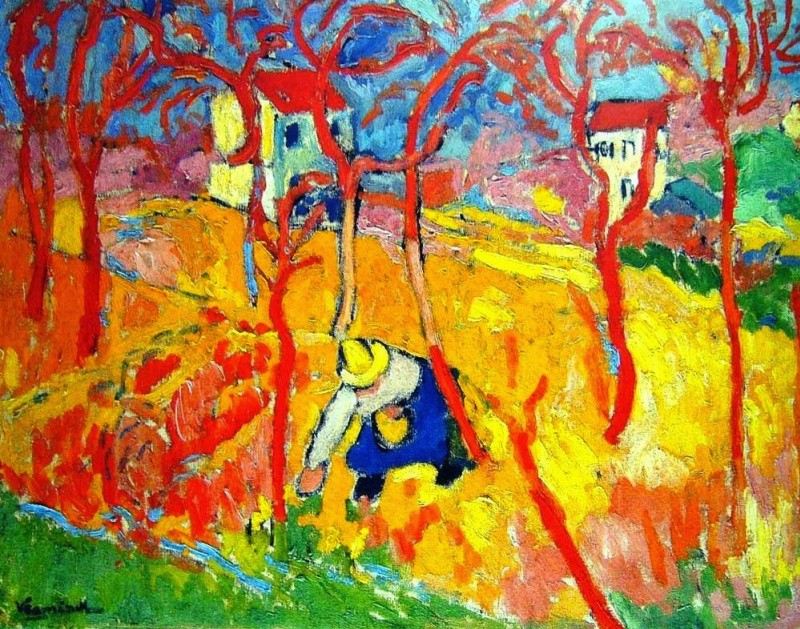
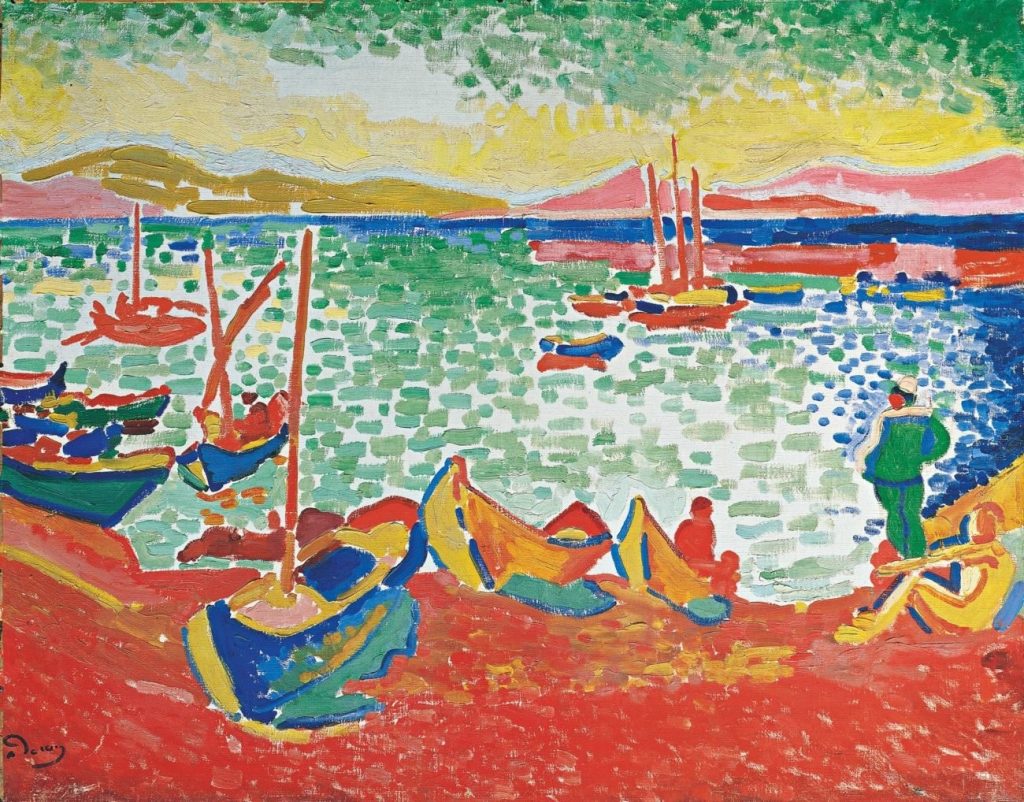
Henri Matisse was the leading figure of Fauvism. Among those who gathered around him were André Derain, Maurice de Vlaminck, Charles Camoin, Albert Marquet, and, at times, Georges Braque. Their works share several common traits: simplified forms, visible outlines, dynamic composition, and, above all, the intensive use of color as a means of expression.
Maurice Vlamick. Le jardinier. (1904)
André Derain. Bateaux à Collioure. (1905)
The movement’s origins, however, extend beyond the simple scandal of 1905. The Fauvists drew inspiration from Impressionism, as well as from Van Gogh, Gauguin, and Neo-Impressionism, while moving away from a faithful representation of reality. Influences from so-called “primitive” arts—particularly African and Oceanic sculptures—also played a role in their search for more direct and expressive forms.
Fauvism was a short-lived movement, active primarily between 1904 and 1908, although its influence extended well beyond that period. After 1906, it flourished in several exhibitions, then gradually dissolved as each artist pursued his own path. Matisse continued his personal artistic exploration, while Derain and Vlaminck moved toward other styles.
Its historical significance is immense: Fauvism paved the way for the avant-garde movements of the 20th century by asserting that painting can move beyond the visible to express a sensation, an emotion, or an inner vision. In this sense, it marked a decisive turning point between the legacy of the 19th century and the artistic revolutions to come.
Fauvism in Photography.
Translating the distinctive characteristics of Fauvism into photography is quite difficult because it requires very specific camera settings.
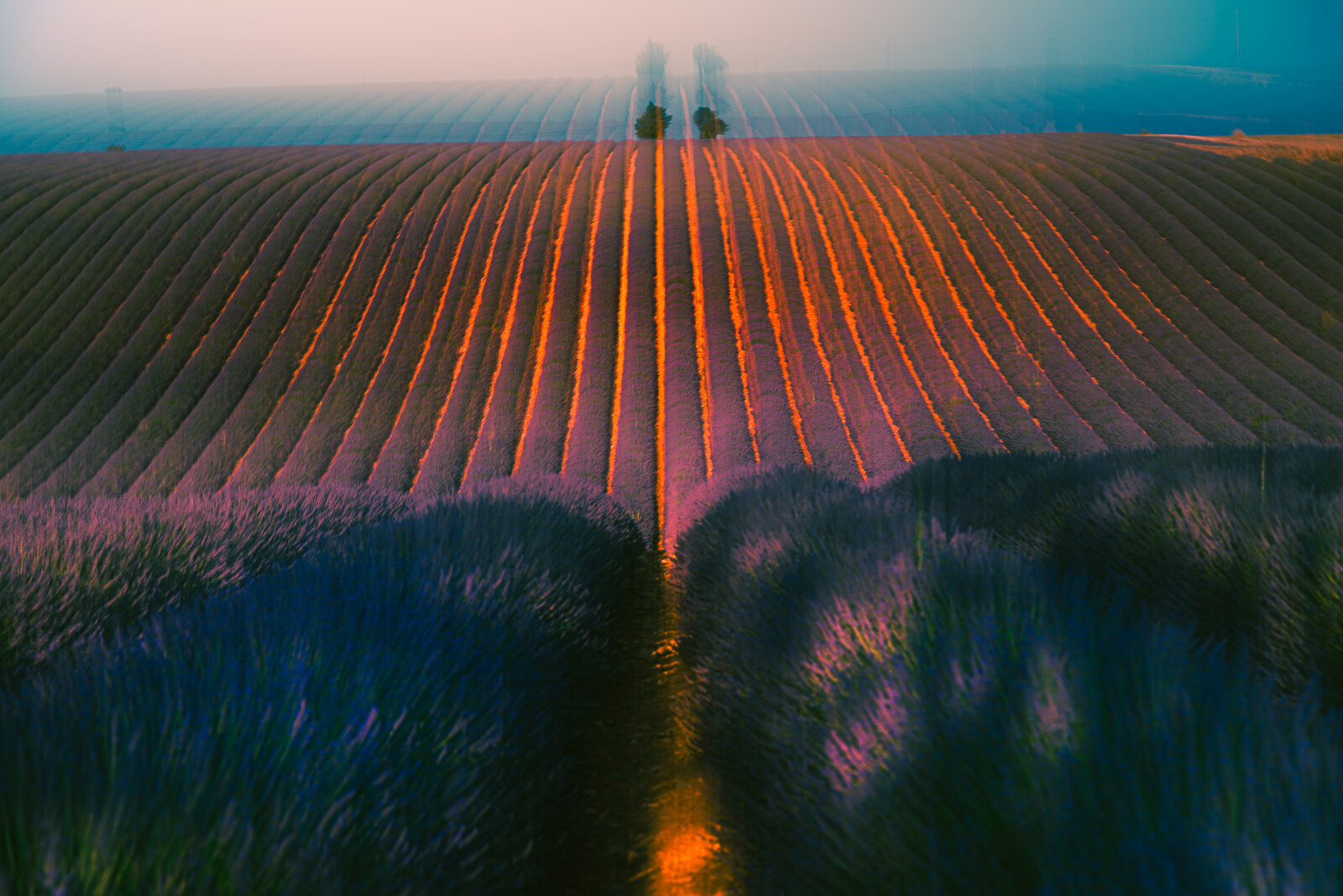
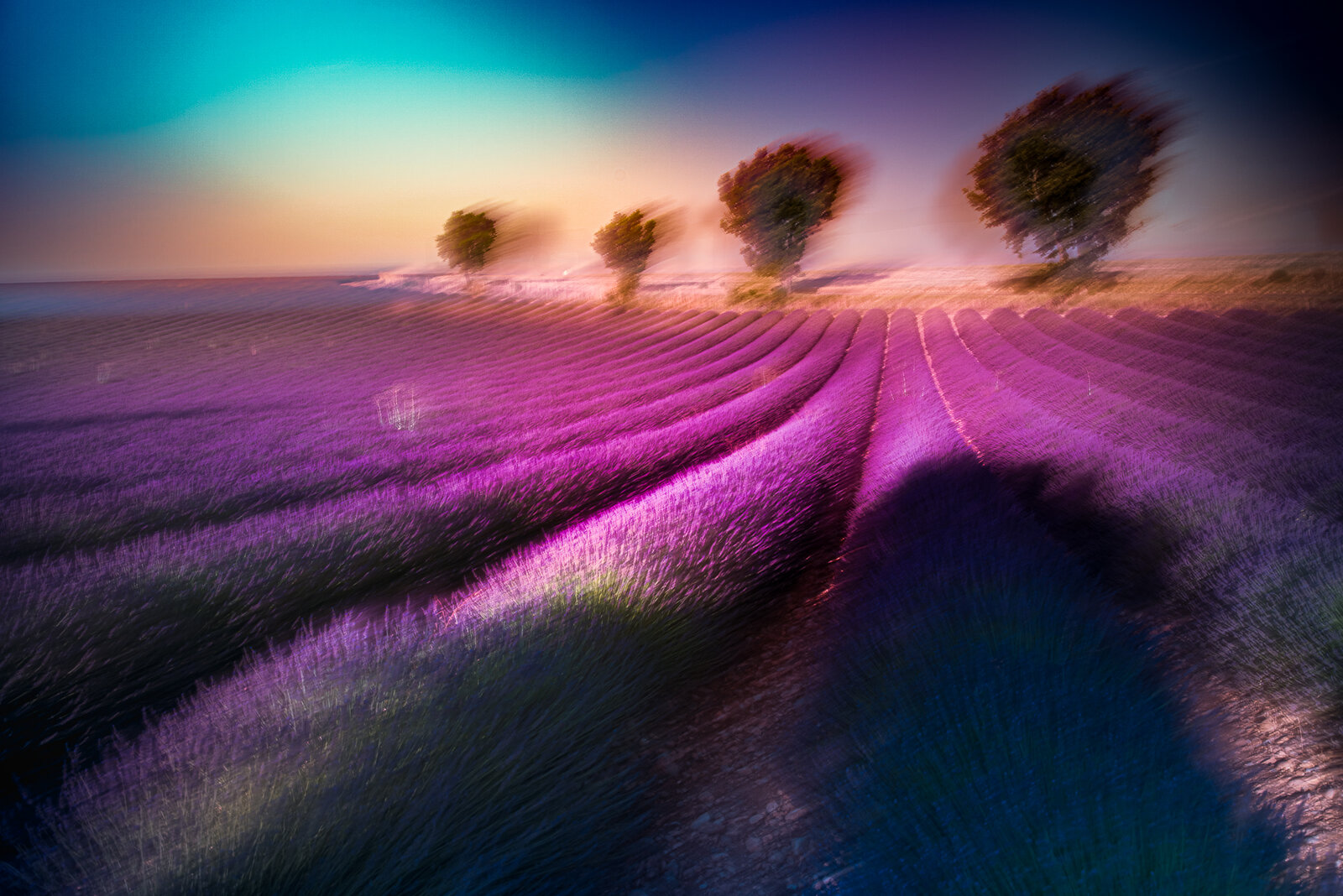
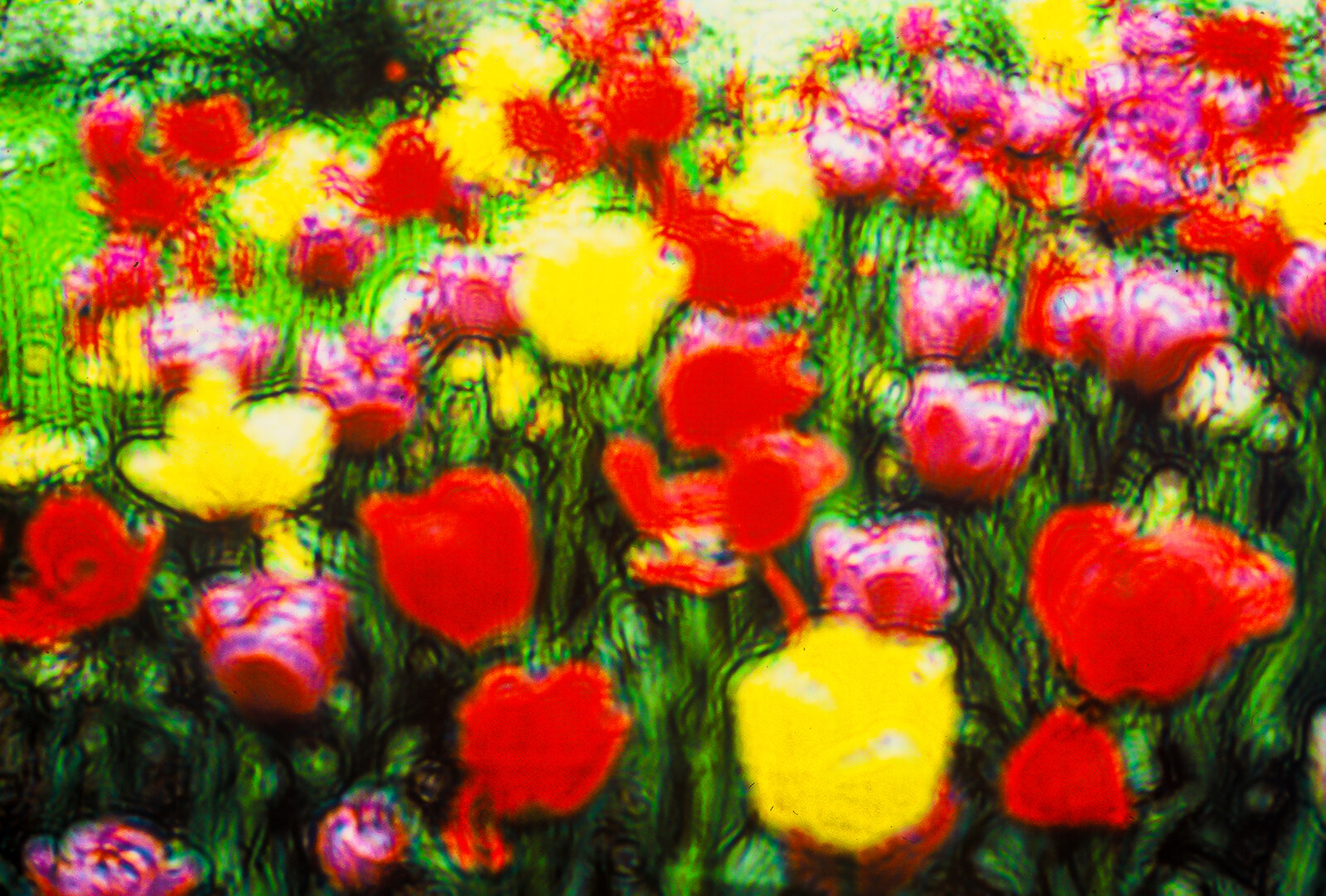
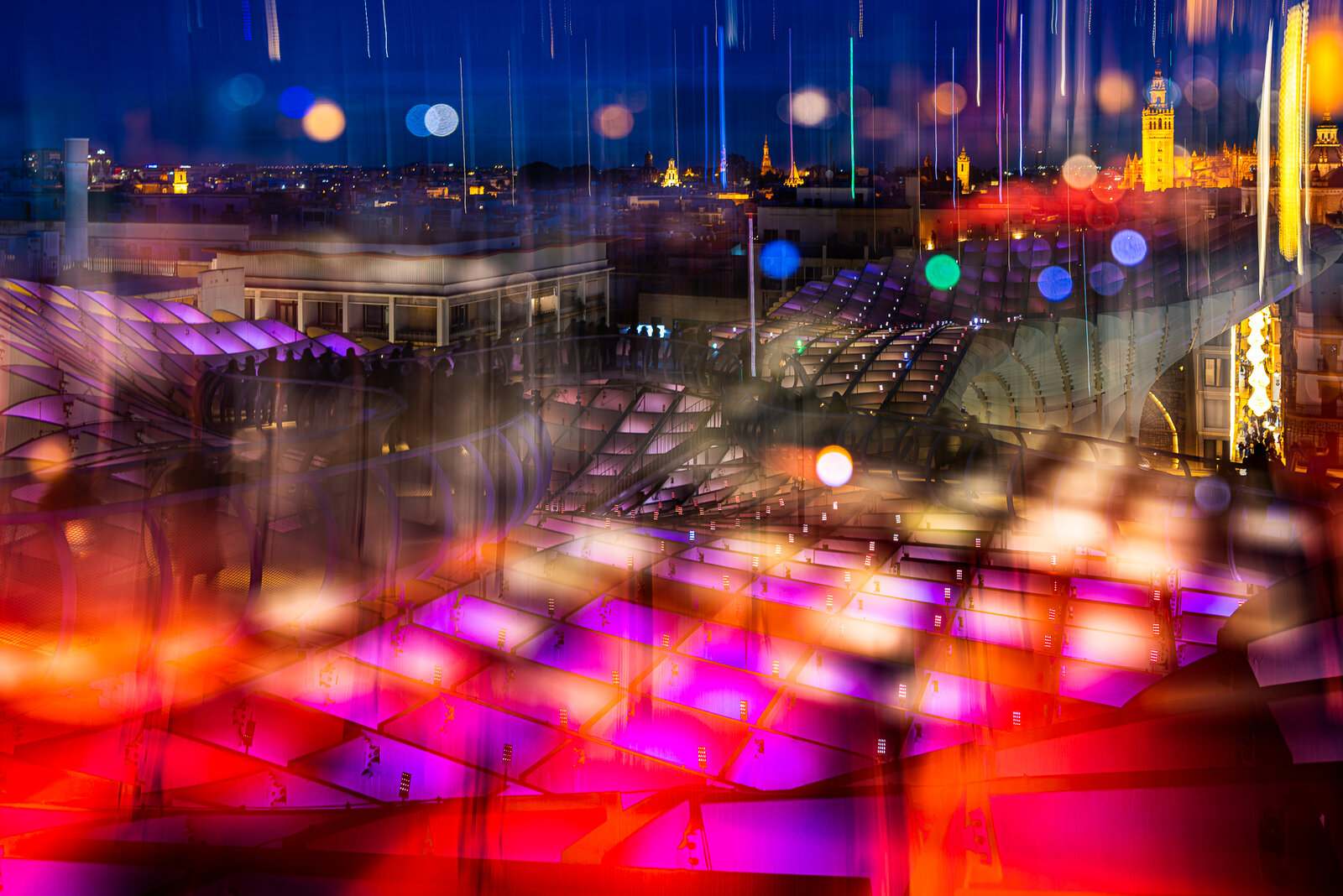
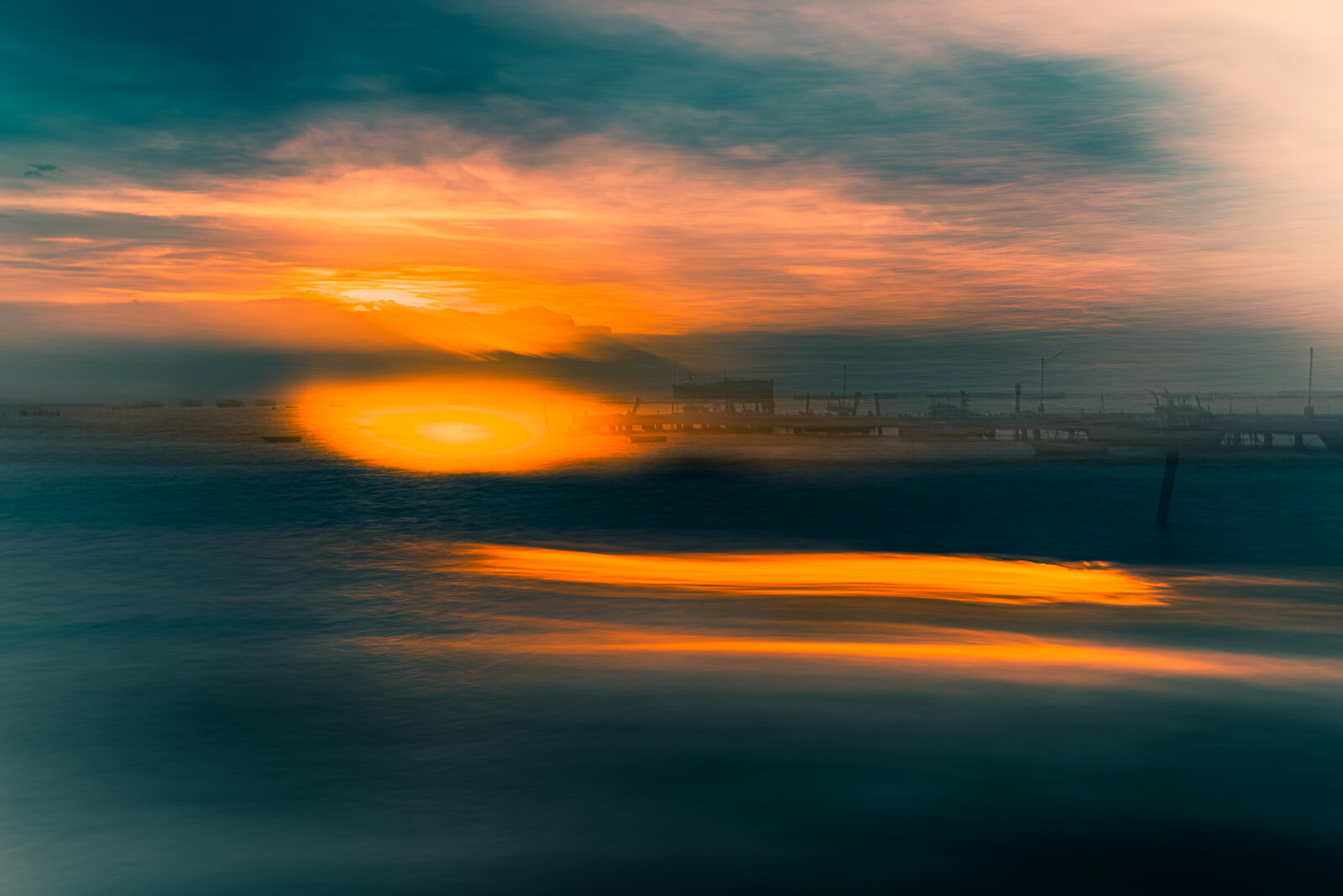
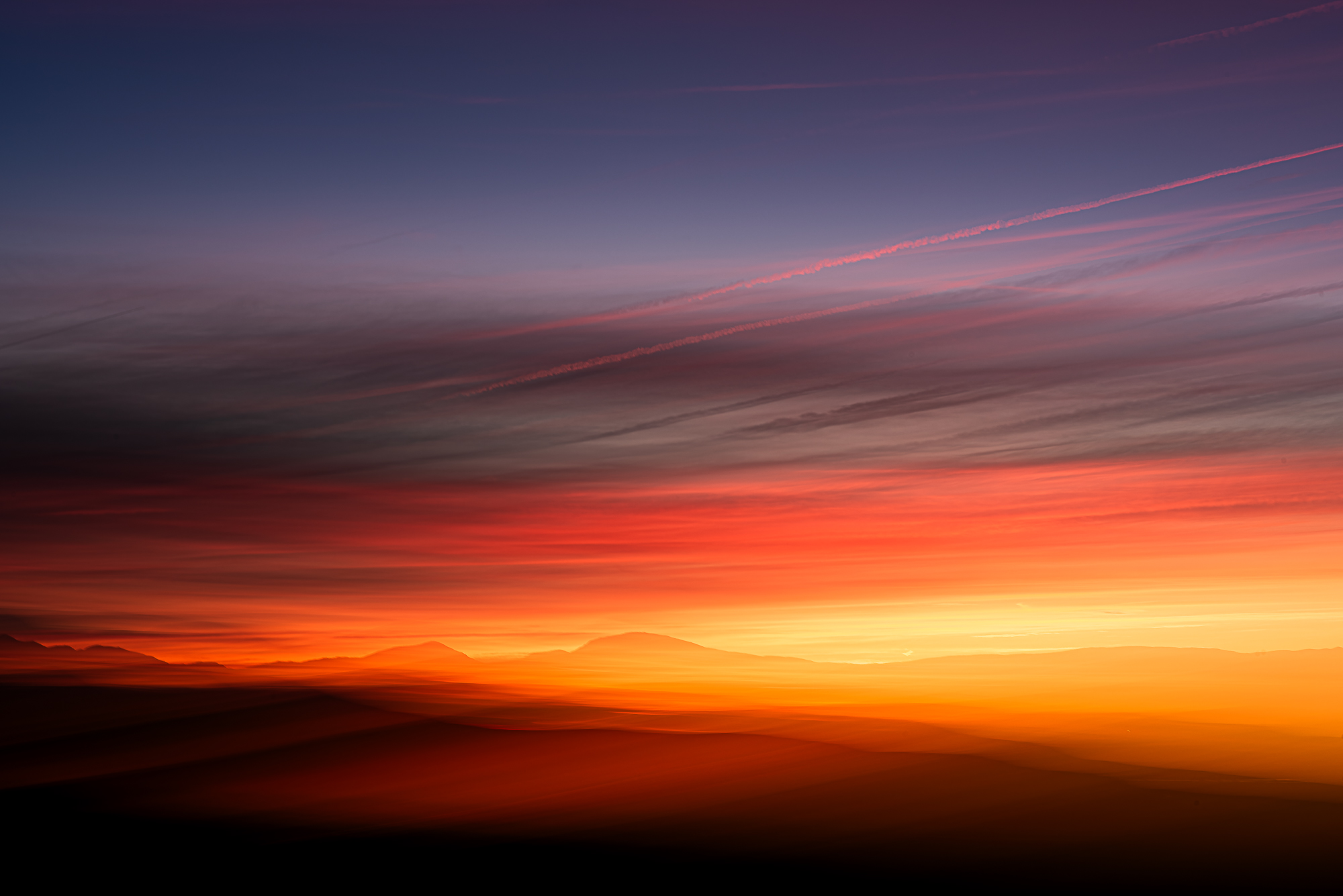
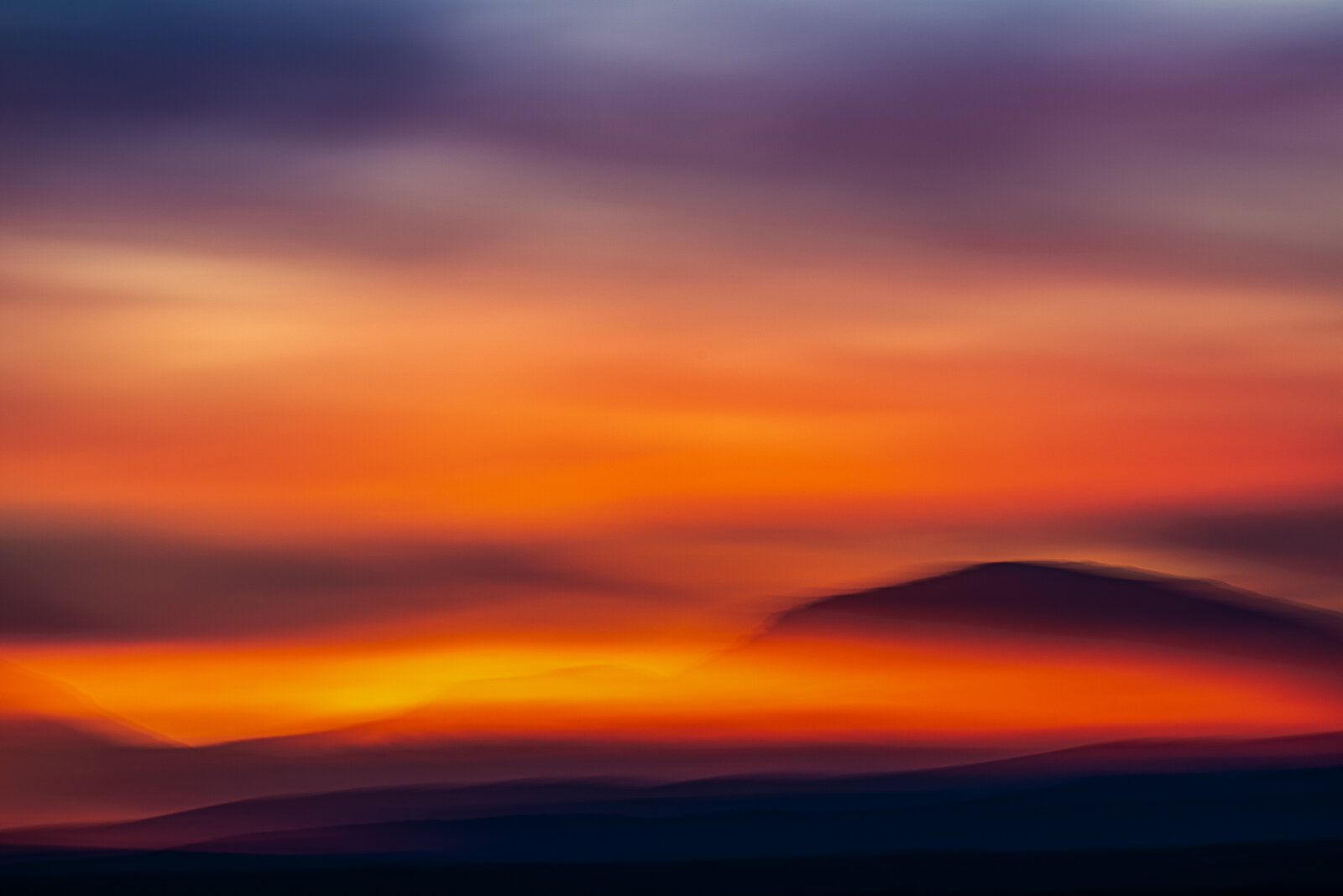
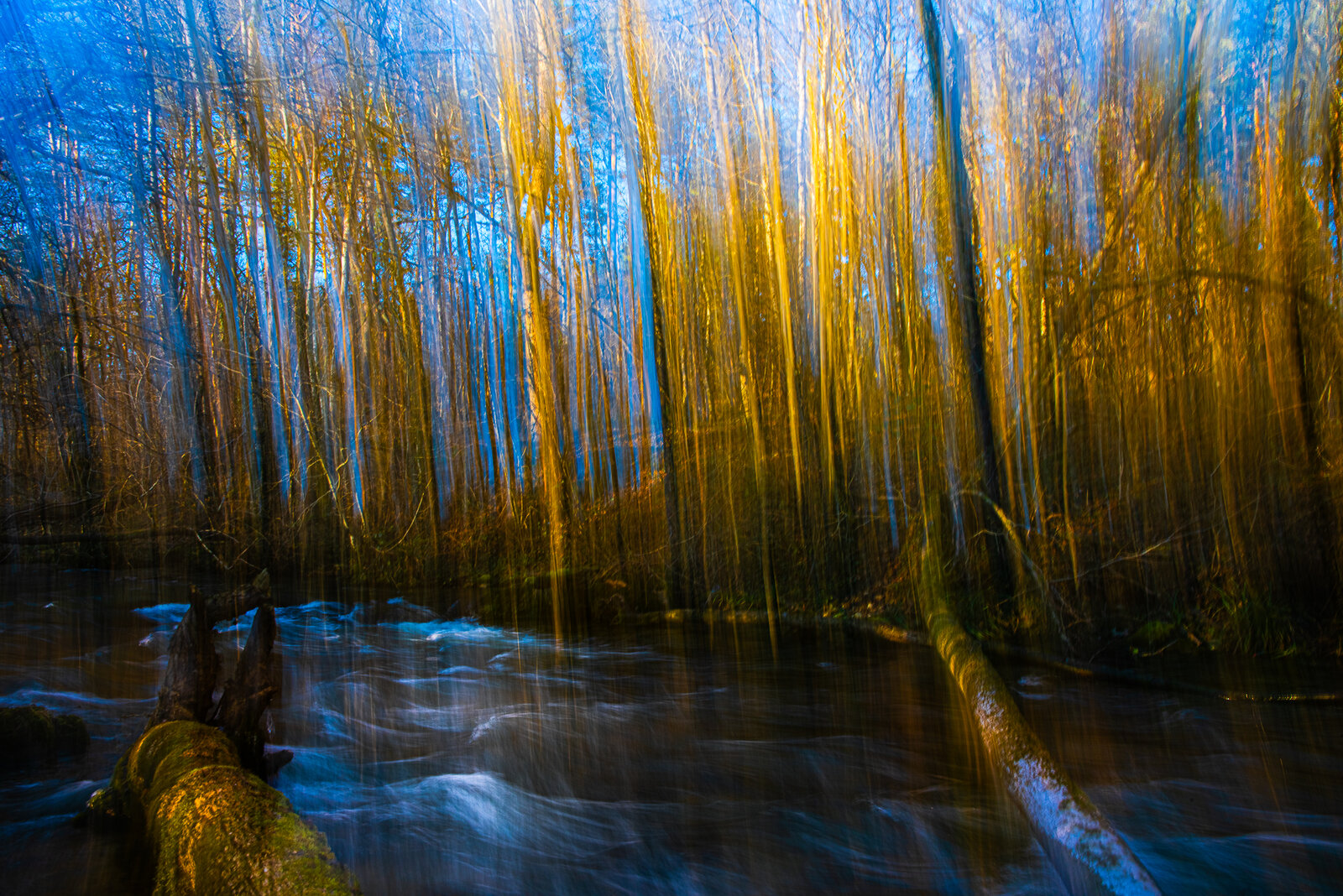
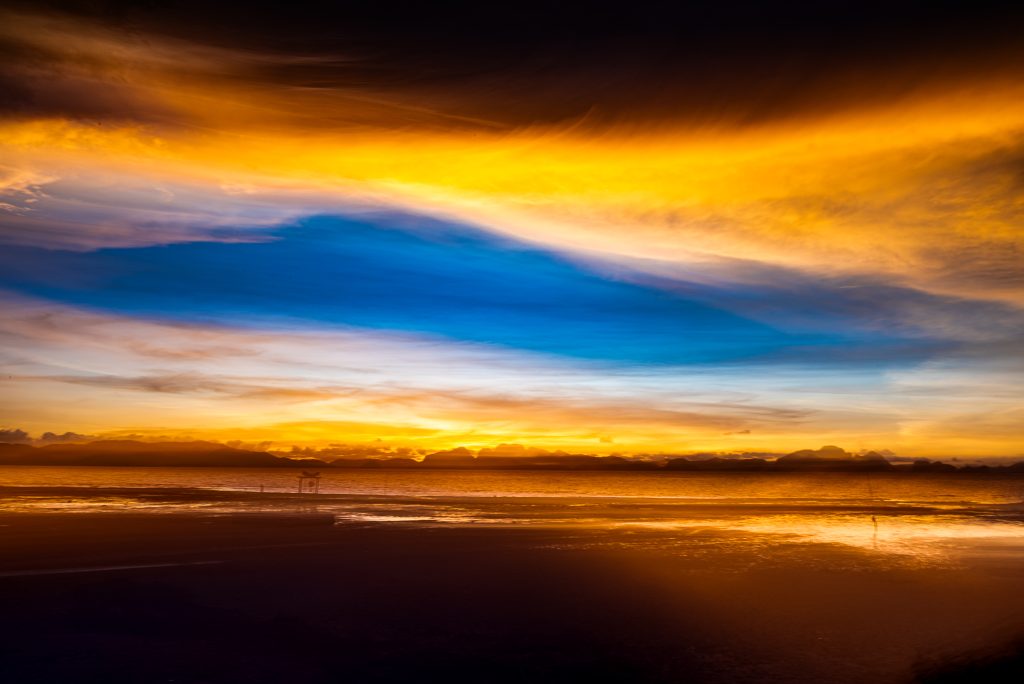
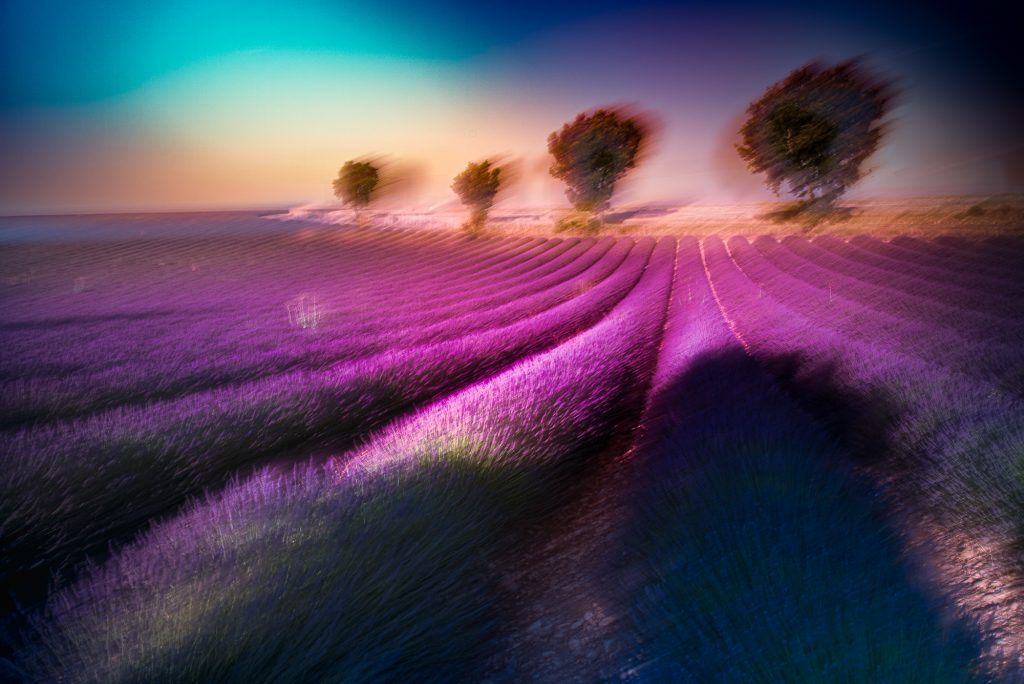
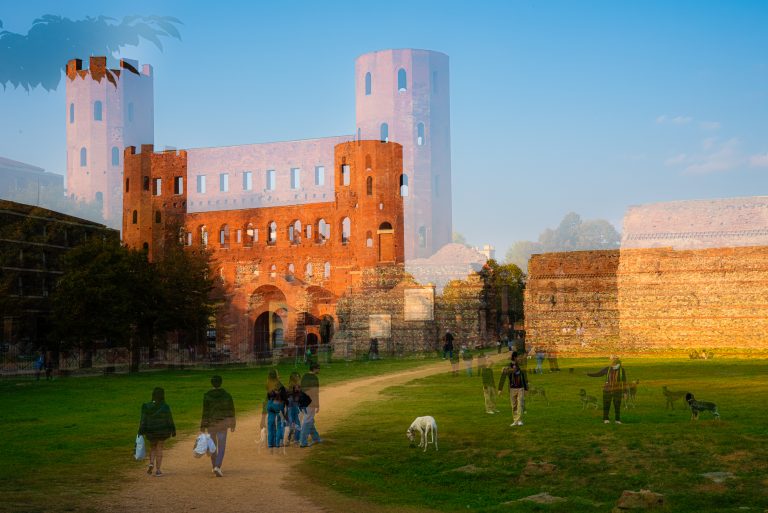
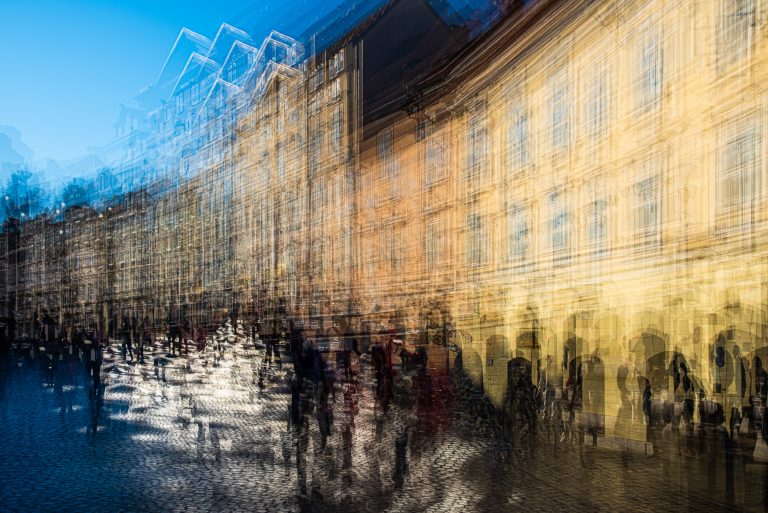
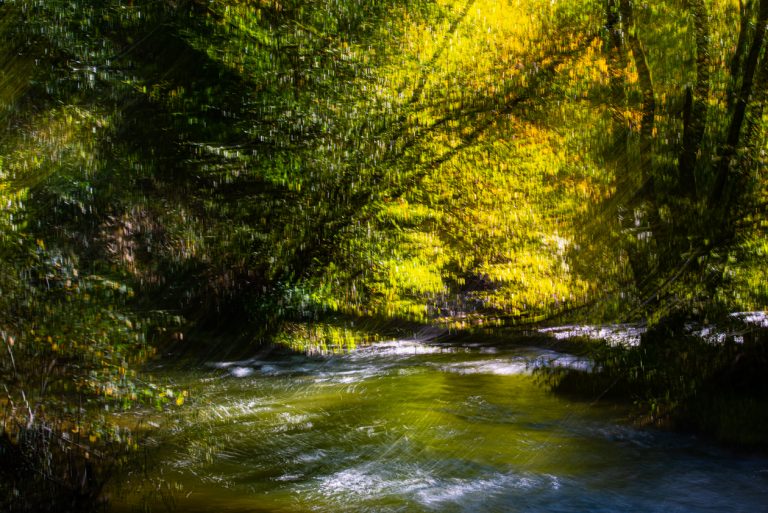
Characterized by vivid and expressive colors, Fauvism is reflected in photography through the bold and non-naturalistic use of color. Artists favor bright, often pure hues, applied in broad swaths, with simplified and expressive lines. Fauvism emphasizes emotion and spontaneity, without seeking to represent reality faithfully.

Ferney Voltaire (France) – June 2026

Similar Posts