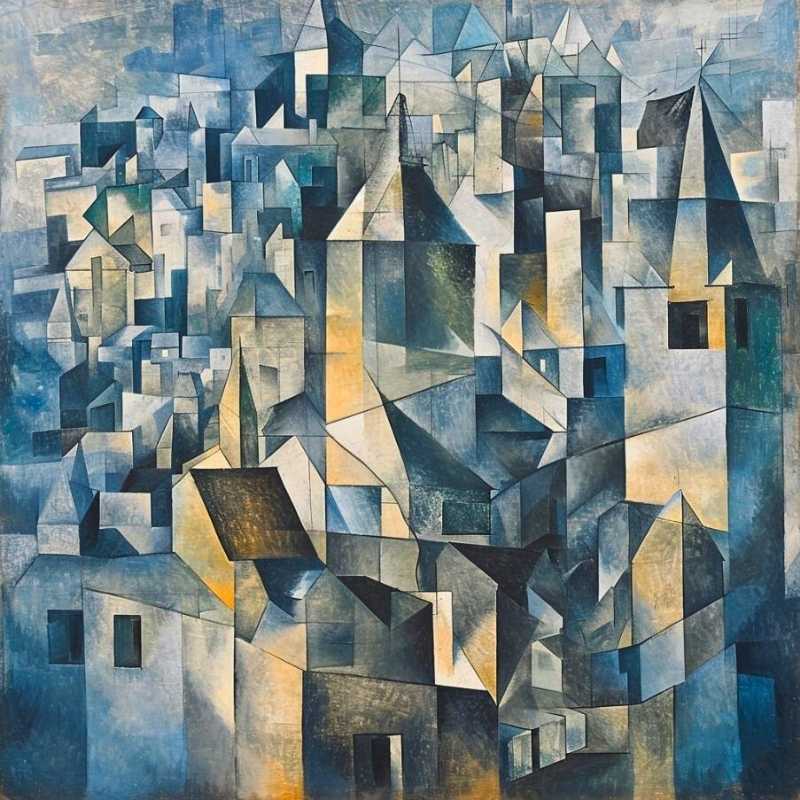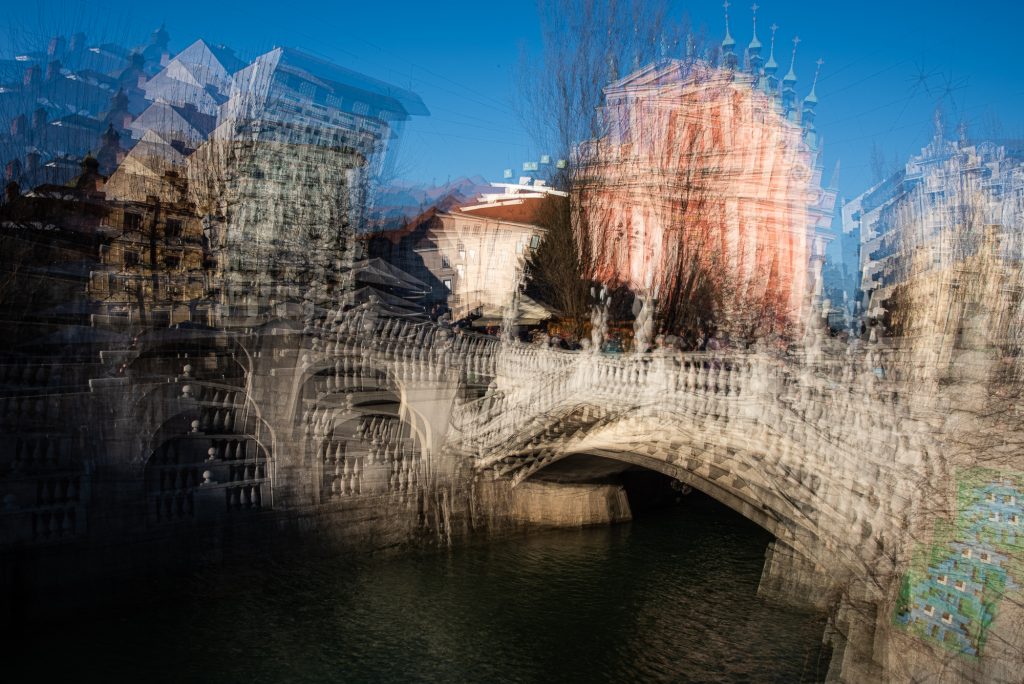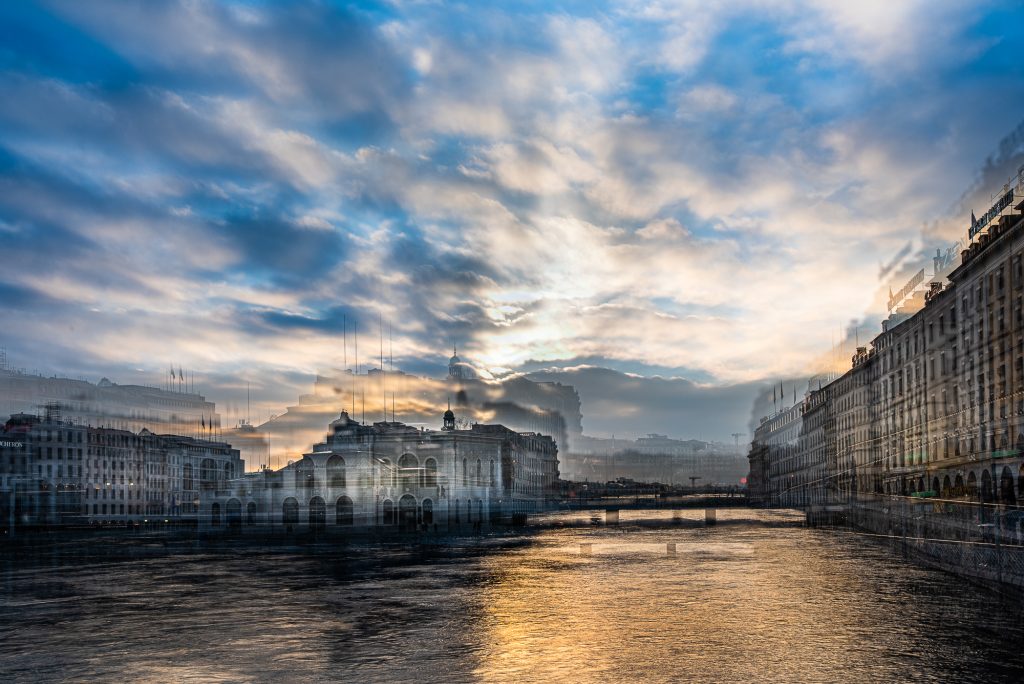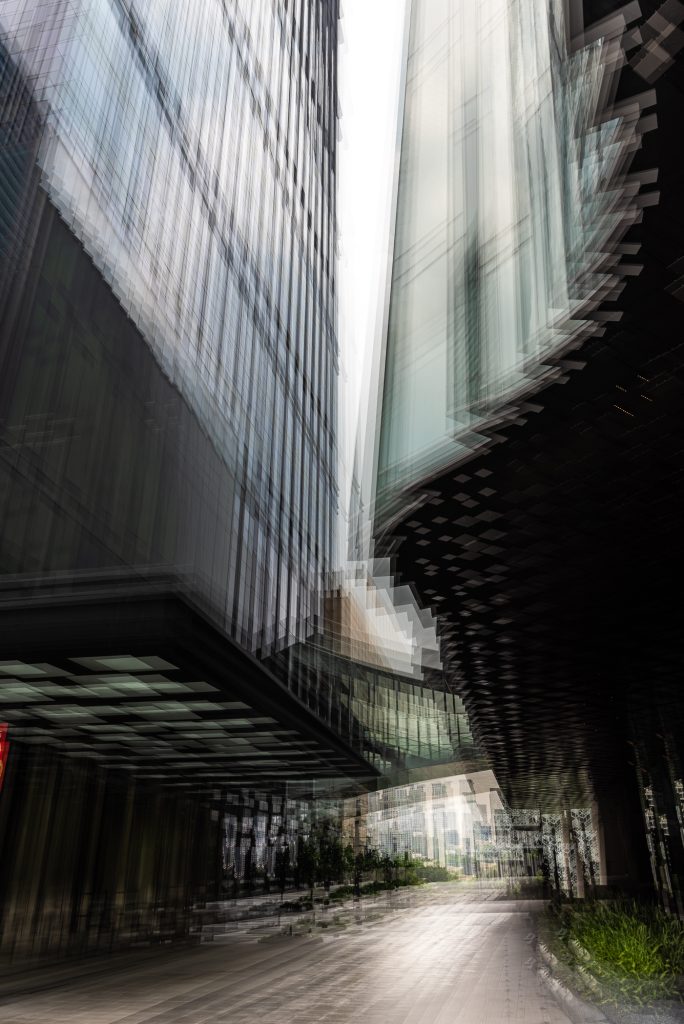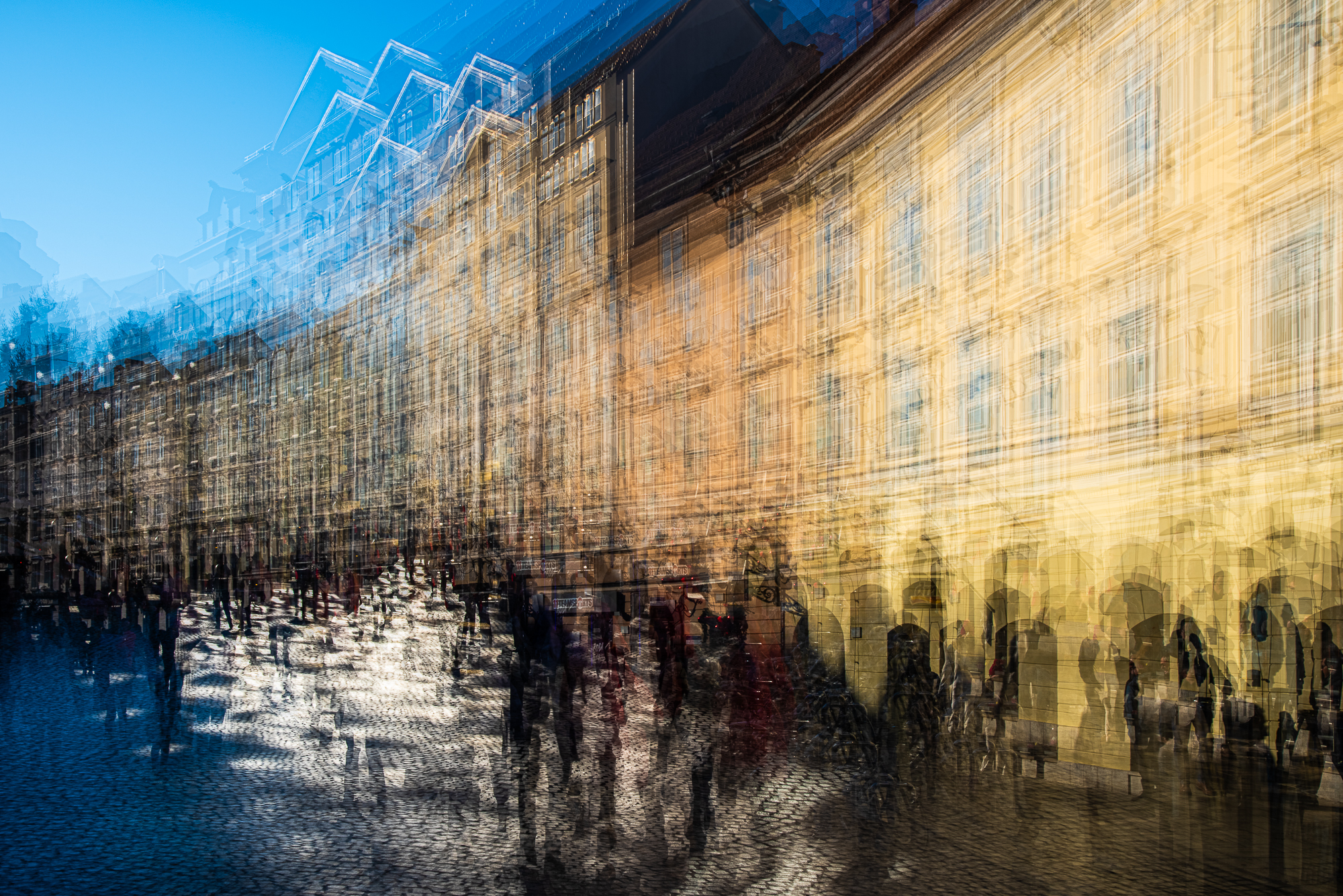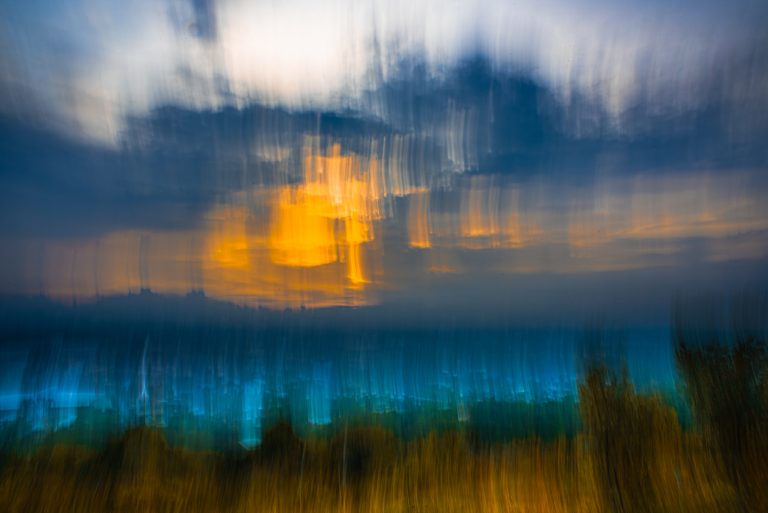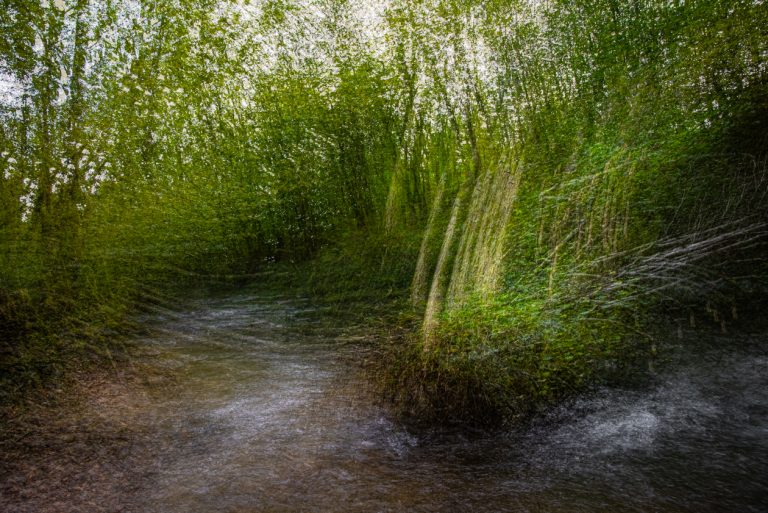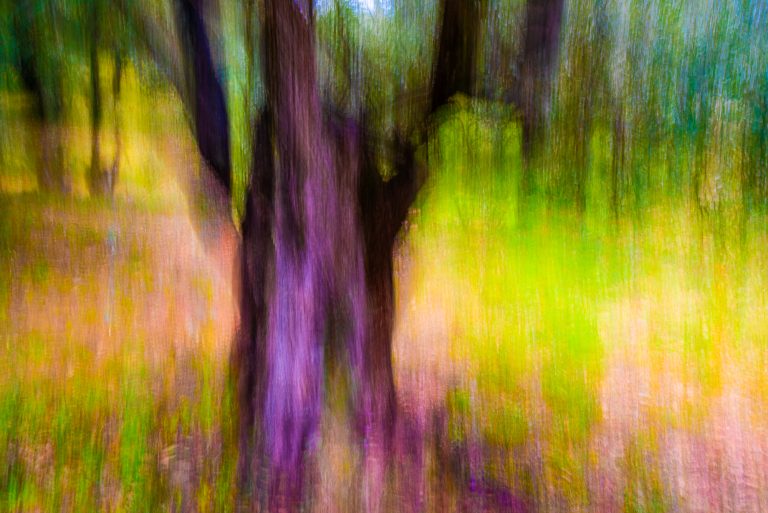
1-Ljubljana (REP140-96020

Cubism in photography 4/7
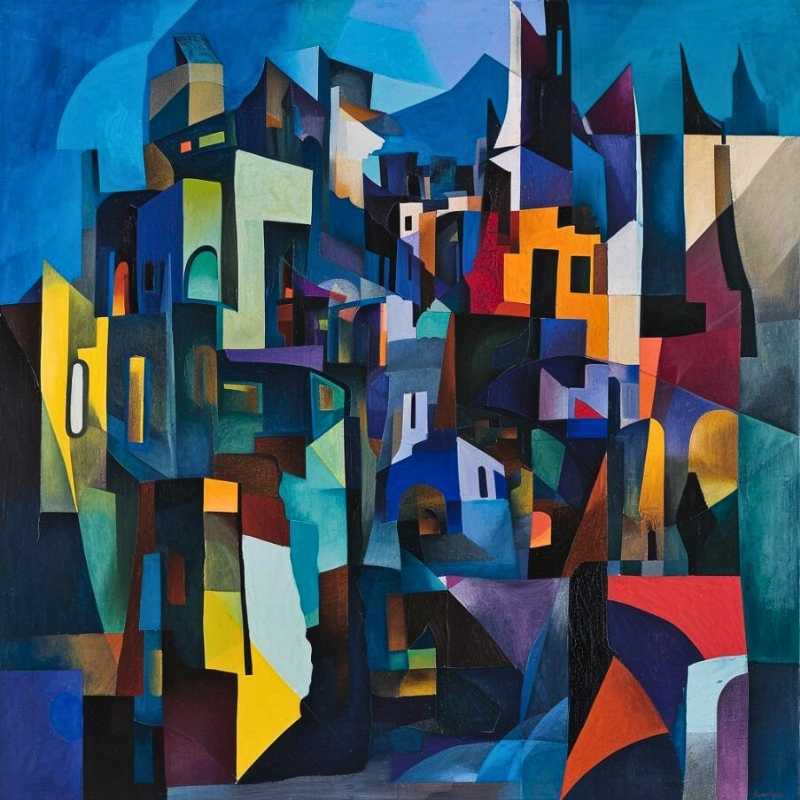
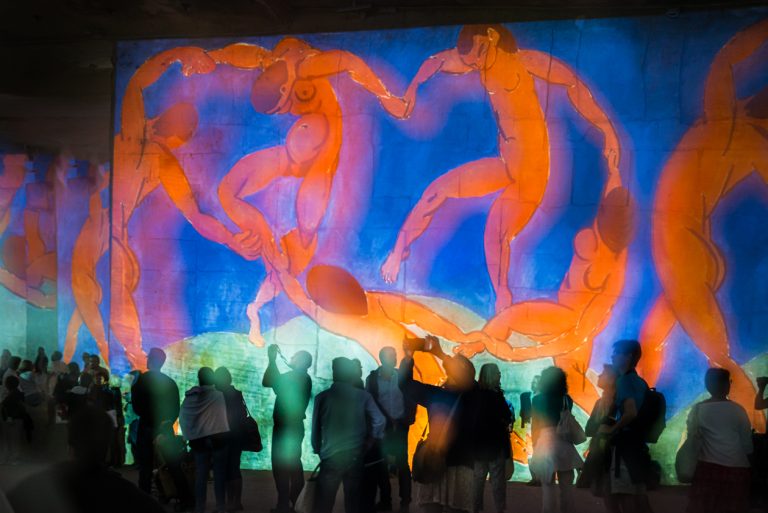
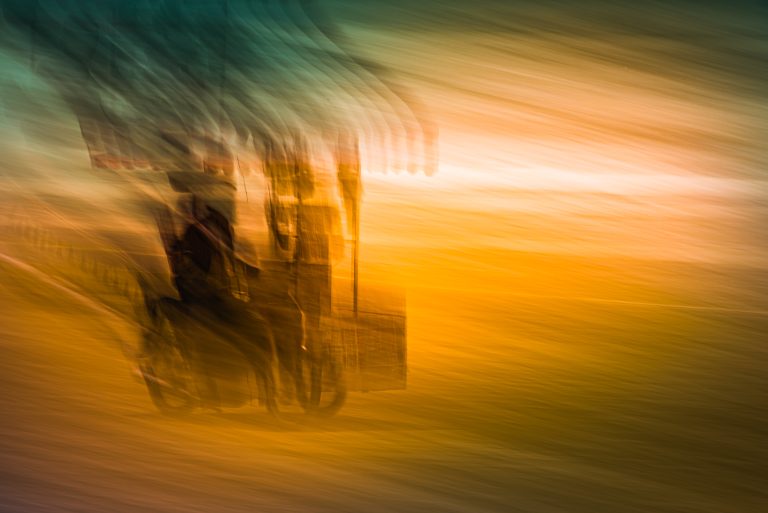
3-Martigues (REP140-83919)
Copyright: Erick Venturelli
« of 25 »
Cubism: from painting to photography.
Origins and history of Cubism in painting.
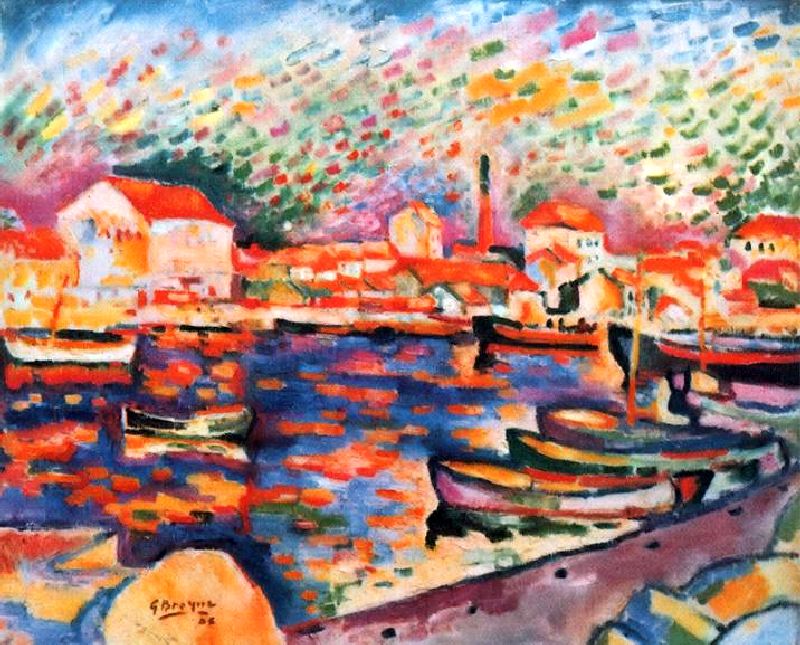
Cubism emerged in the early 20th century, mainly in Paris, through the work of Pablo Picasso and Georges Braque, against a backdrop of a challenge to the traditional rules of representation. It established itself as a visual revolution by fragmenting forms, multiplying viewpoints and abandoning classical perspective.
Georges Braque 1956
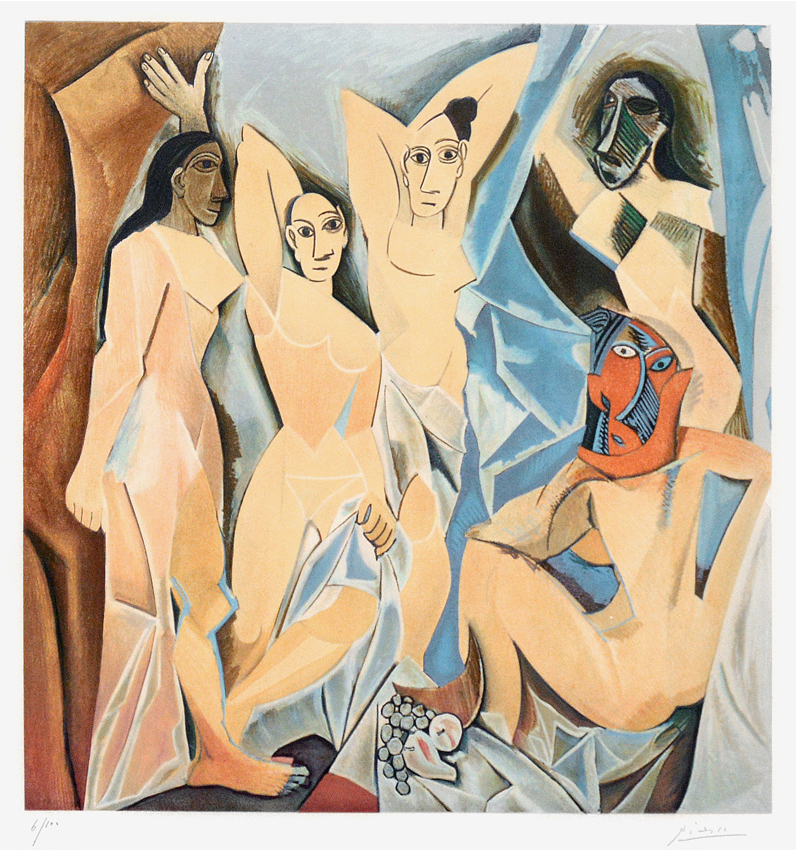
Pablo Picasso Les demoiselles d'Avignon 1907

Cubism did not emerge out of nowhere. It built on certain insights of Paul Cézanne, who simplified forms and suggested multiple relationships to space, whilst also drawing on other influences such as African and Oceanic art, which featured prominently in the Parisian avant-garde. This combination of formal experimentation and cultural shock paved the way for a style of painting that was more intellectual than descriptive.

In 1907, Picasso painted *Les Demoiselles d’Avignon*, often regarded as a seminal work, whilst Braque went on to produce landscapes and still lifes shortly afterwards that took the trend towards geometric abstraction a step further. The term ‘Cubism’ was subsequently coined by the art critic Louis Vauxcelles in reference to Braque’s paintings, initially in a derisive sense.

Georges Braque 1967
Pablo Picasso
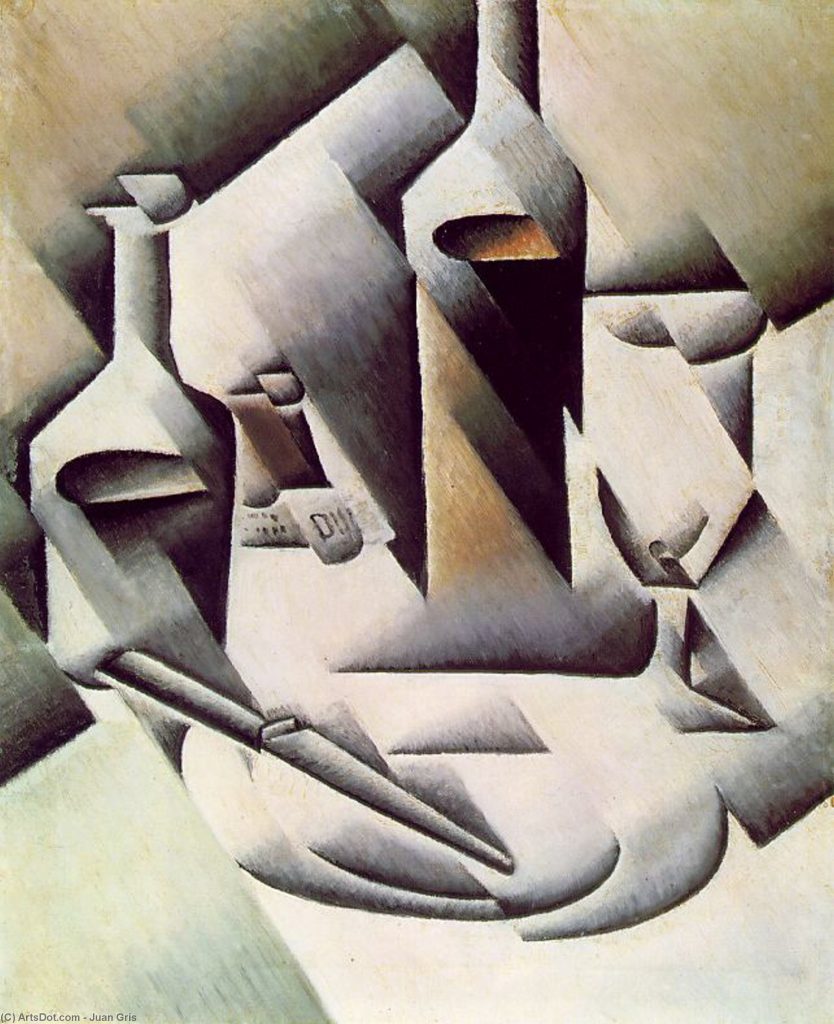
The history of Cubism is generally divided into three phases. Cézanne-inspired Cubism, or Pre-Cubism, paved the way around 1907–1908, followed by Analytical Cubism between 1909 and 1912, in which objects were broken down into facets, with a colour palette often limited to browns, greys and ochres. From 1912 onwards, Synthetic Cubism introduced more colour and, above all, collage, incorporating pieces of paper, letters, newspapers and various other materials into the artwork. This phase further expanded the possibilities of painting and blurred the boundaries between representation and material reality. The movement then spread beyond Picasso and Braque, notably to include Juan Gris and Fernand Léger. The First World War brought this momentum to an abrupt halt, scattering the artists and bringing an end to the most inventive period of historical Cubism.
Juan Gris 1912
Cubism in photography.
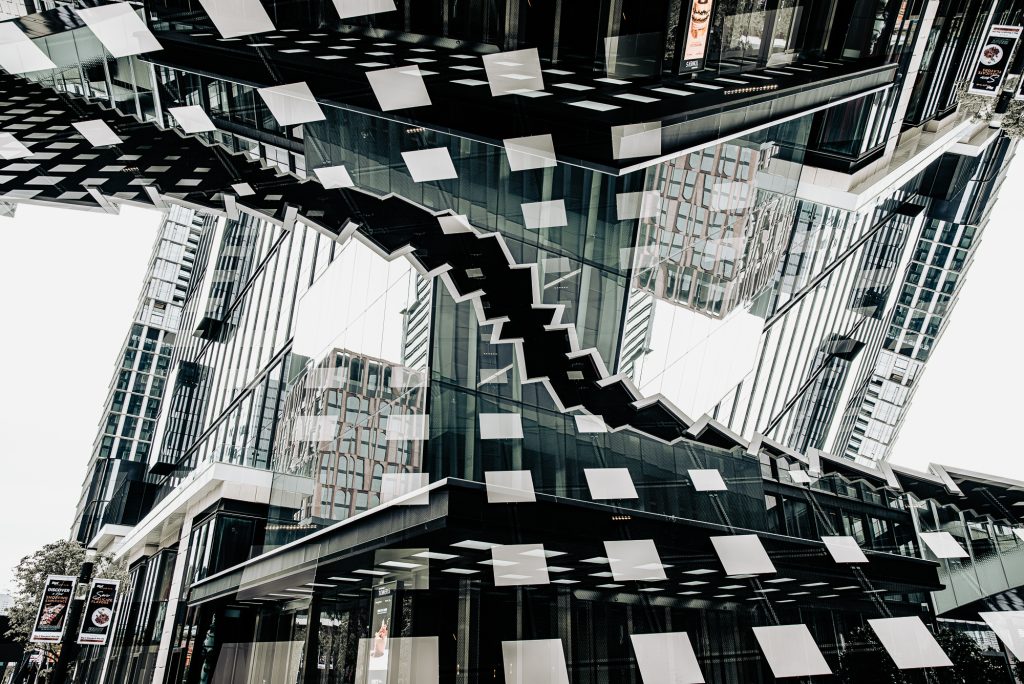
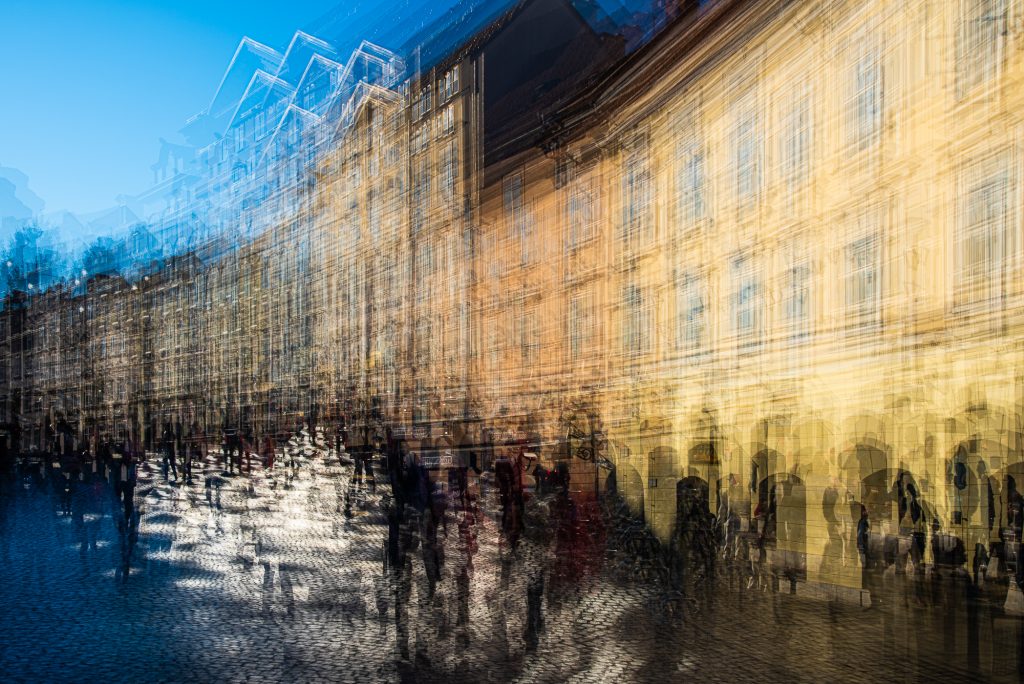
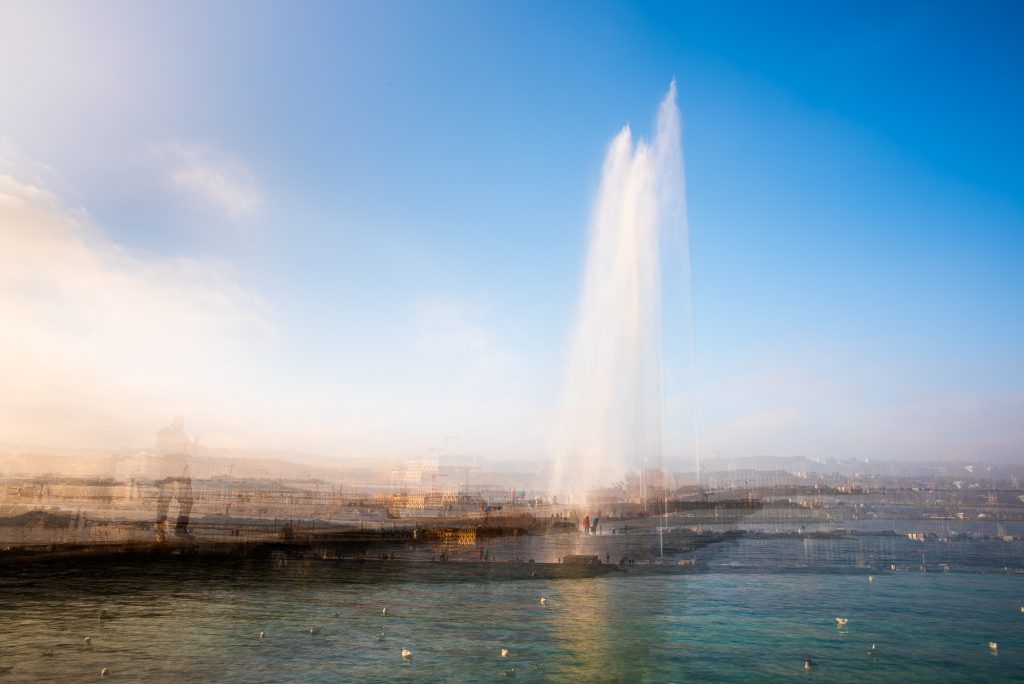
Strong parallels can be drawn with photography, though not in the sense of a simple, direct influence. Cubism and photography share the same crisis of the single viewpoint: one seeks to show several sides of an object at once, whilst the other captures a moment from a specific angle but can also, through framing or a series of images, fragment reality.
This comparison becomes particularly relevant when we consider serial photography, montage, superimposition or multiple shots of the same subject. In this sense, certain photographic practices align with the Cubist intention: not to reproduce what is visible faithfully, but to construct a vision.
1-Ljubljana (REP140-96020

Ferney Voltaire (France) – June 2026

Similar Posts