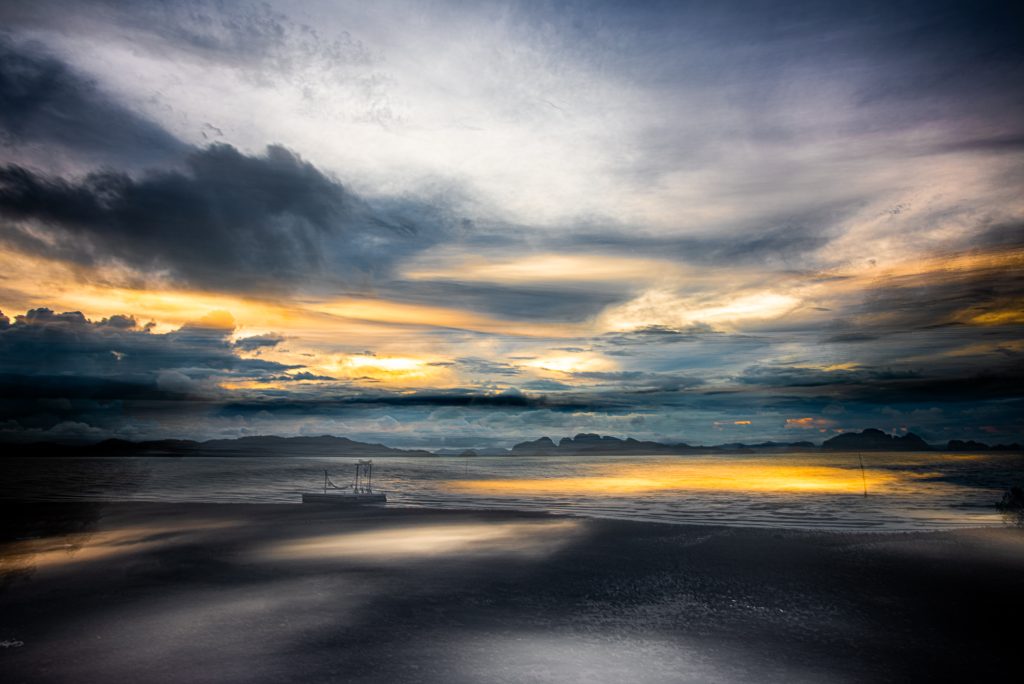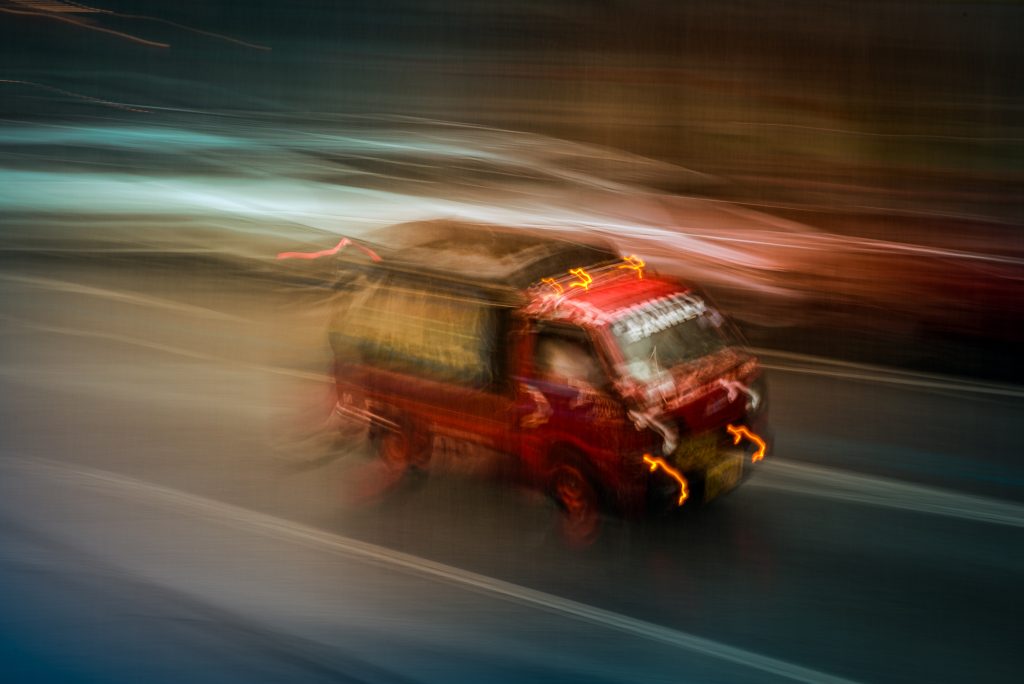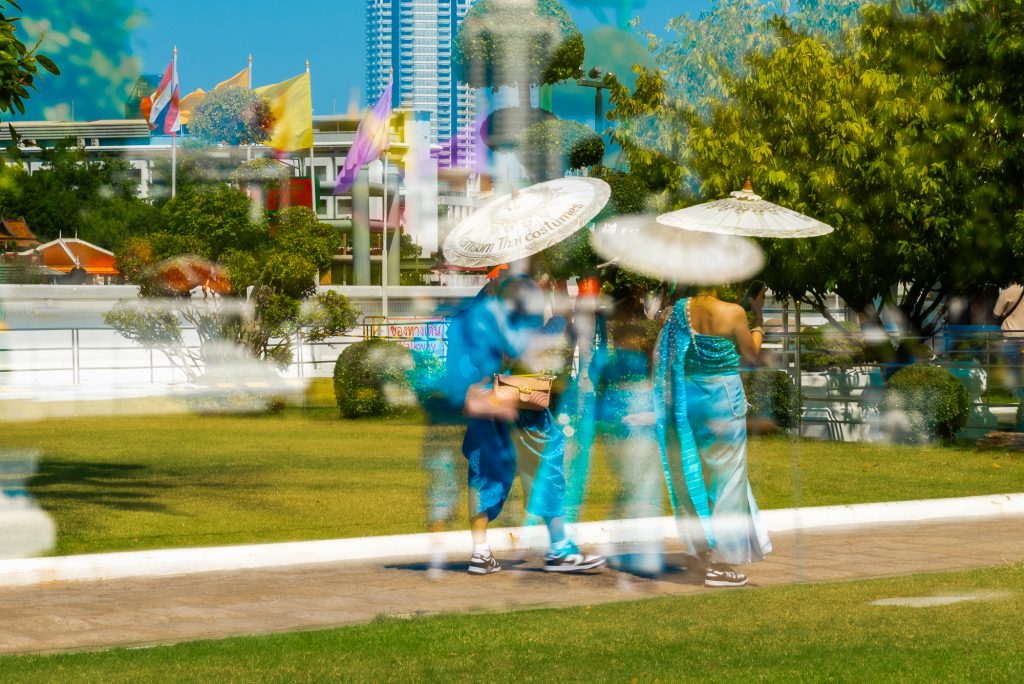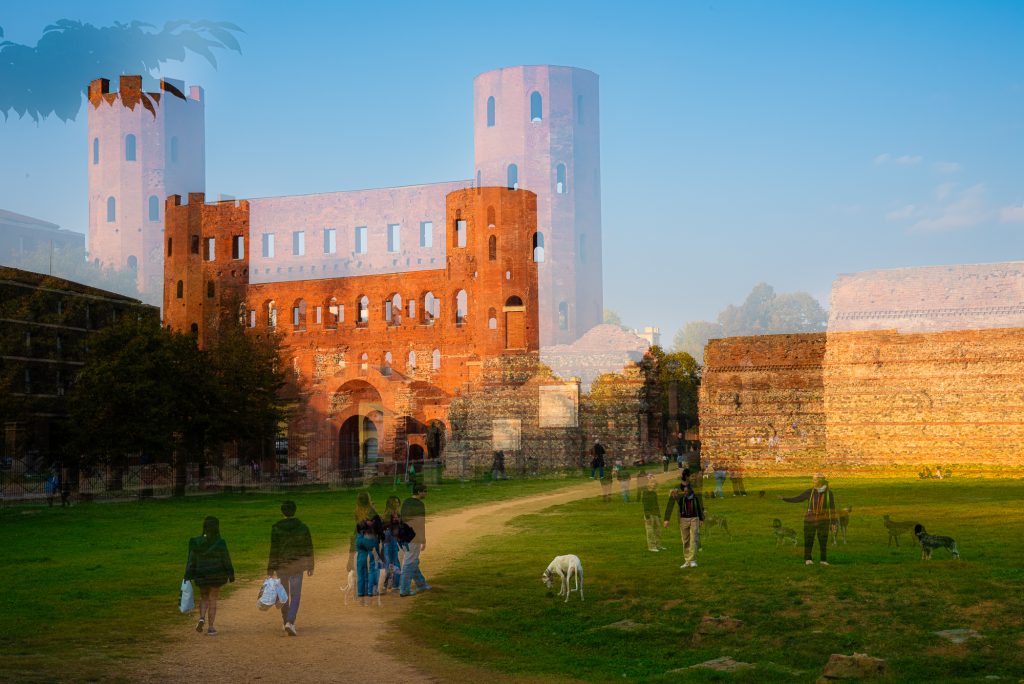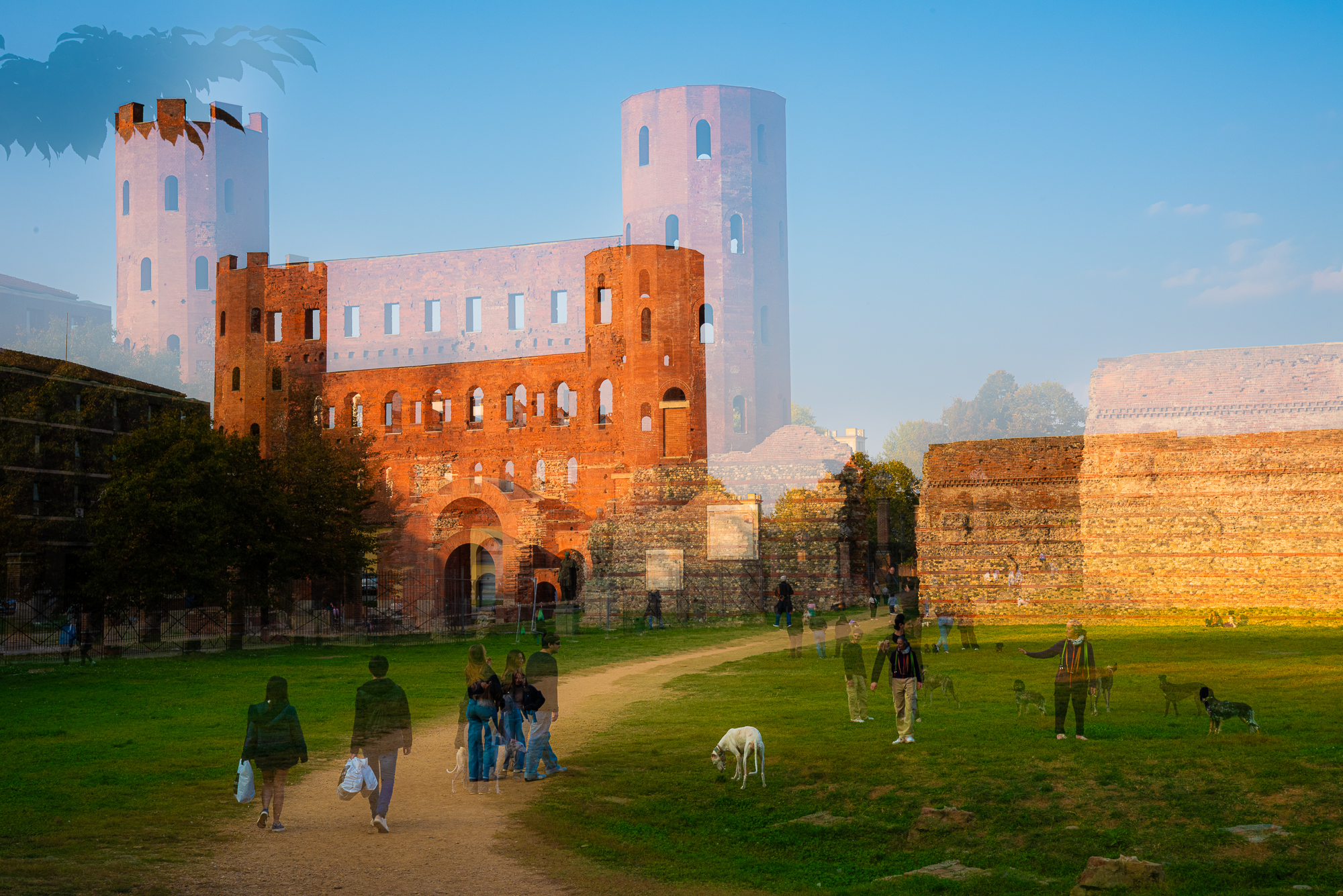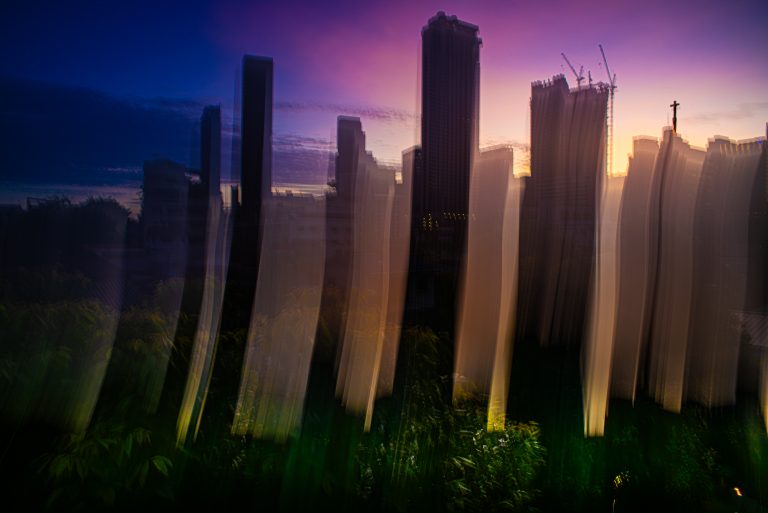
1-Turin Italie (REP144-103426)

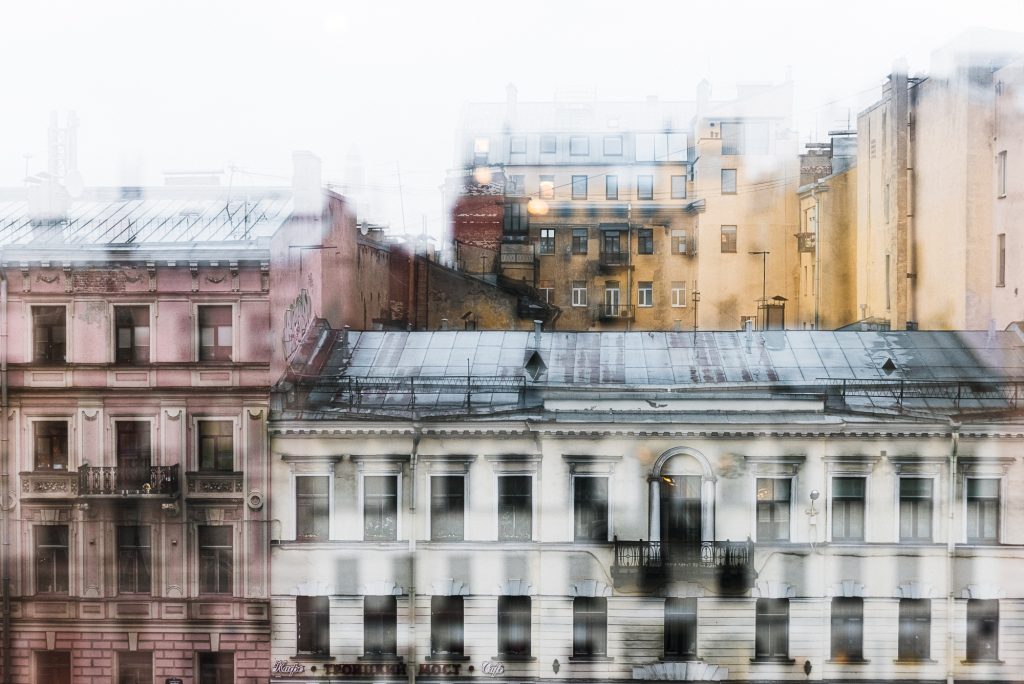
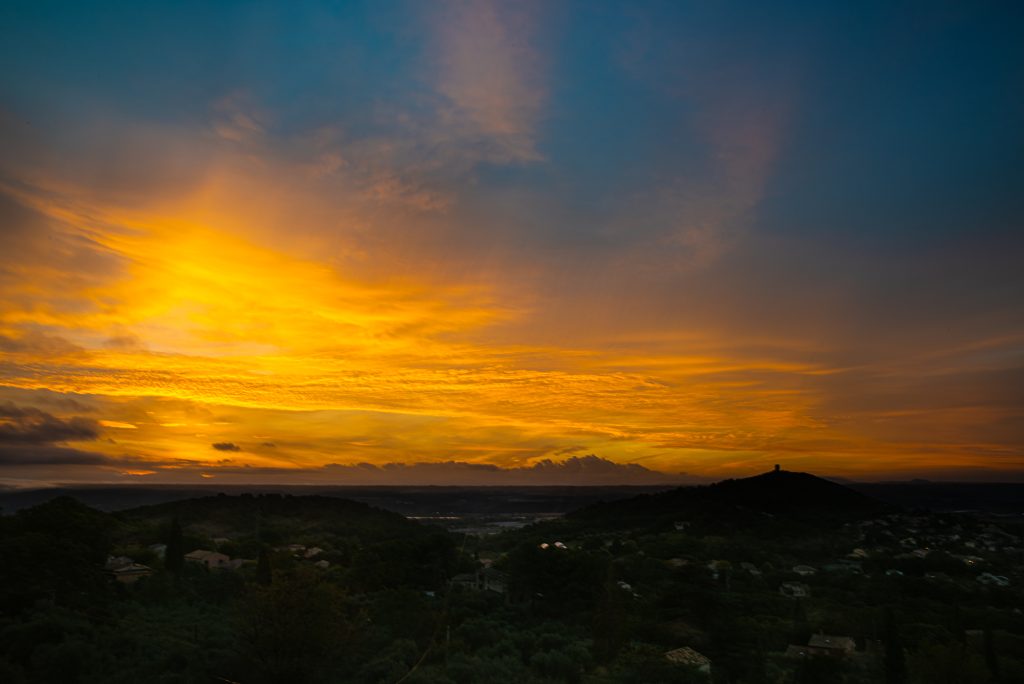
Impressionism in Photography 1/7
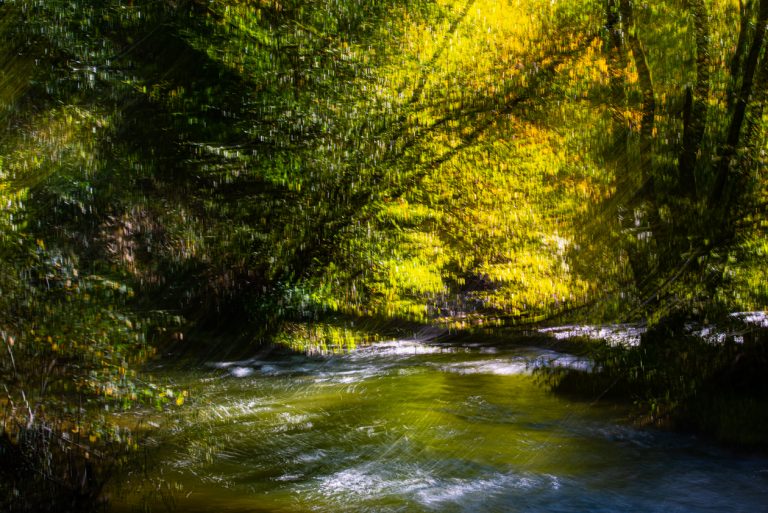
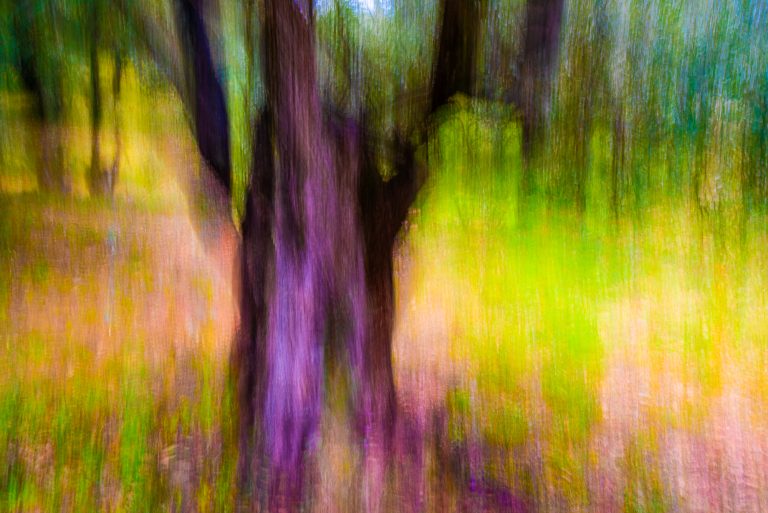
3-Ferney Voltaire France(REP144-91969)
Copyright: Erick Venturelli
« of 30 »

Pre-Impressionism and Impressionism: From Painting to Photography.

The Origins and History of Impressionism in Painting.
Pre-Impressionism refers to a group of 19th-century painters and artistic trends that, without forming an organized movement, paved the way for the advent of Impressionism. It was not a formal school at the time, but rather a useful concept for grouping together artists who gradually shifted the focus of painting toward light, modern life, landscape, and visual sensation. Among its most important precursors are Romanticism, Realism, and, above all, the Barbizon School, with painters such as Corot, Rousseau, Daubigny, and Millet, who helped make landscape a major subject.
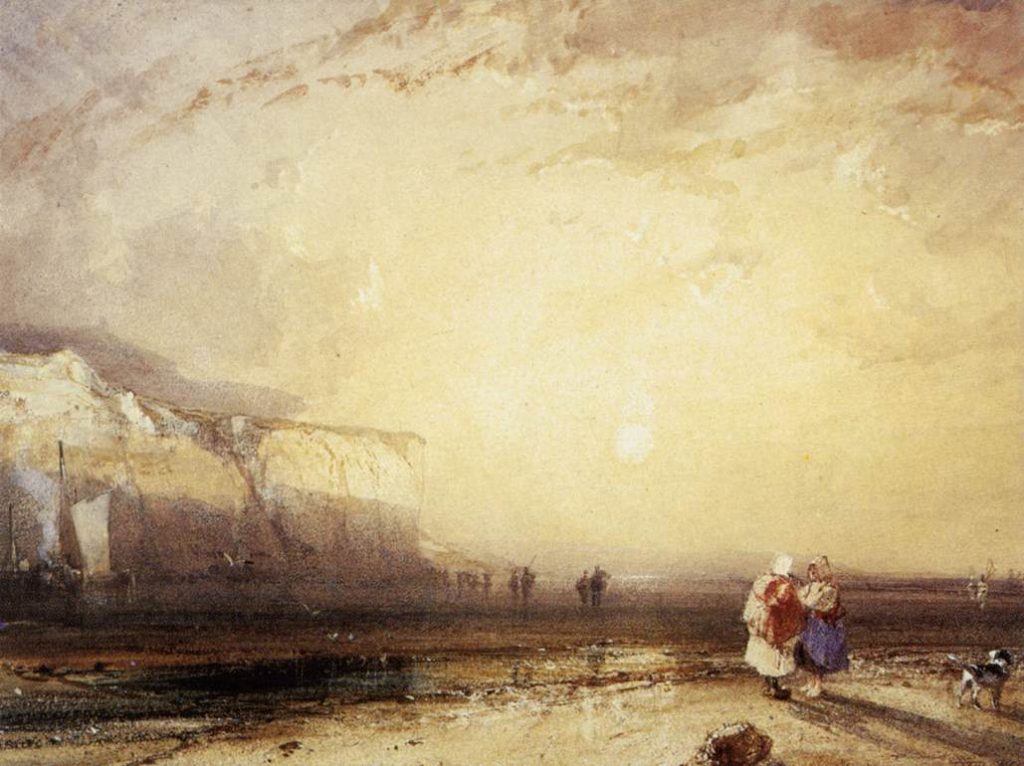
A Seaside View, Richard Parkes Bonington. 1828
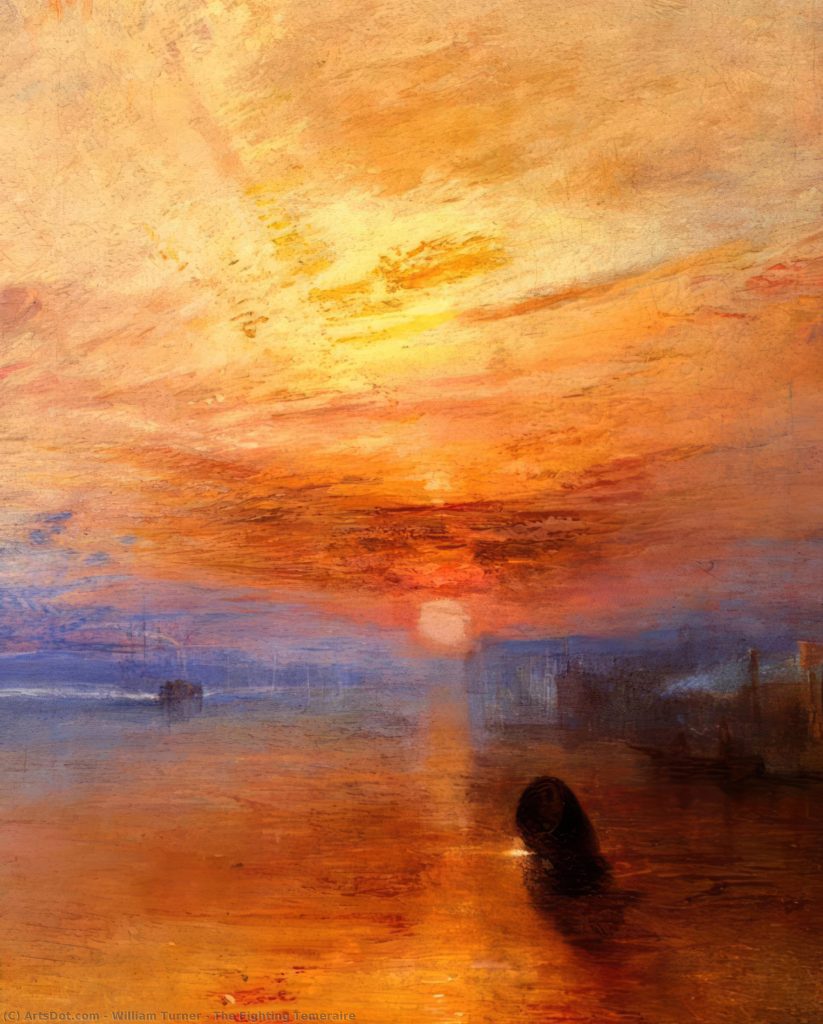
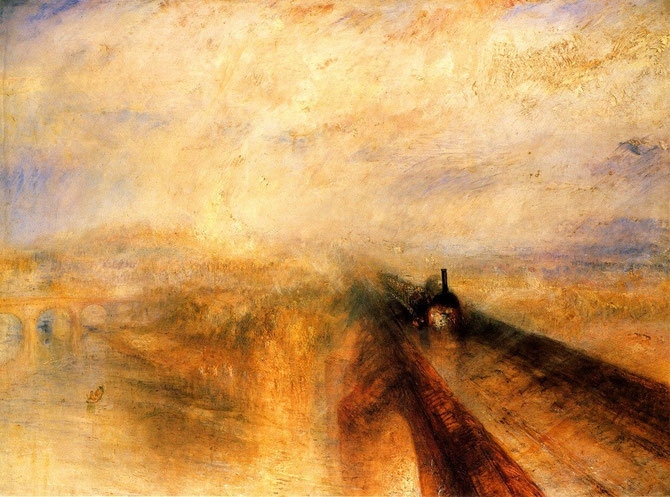
The transition to Pre-Impressionism can be explained by several developments. First, painters began to leave their studios more often to work outdoors, which transformed the way they viewed nature and captured atmospheric effects. Second, the invention of paint tubes facilitated this practice and made painting from life more practical. Finally, photography altered the relationship to the faithful representation of reality, compelling painting to seek something other than the mere exact imitation of the world. Gradually, some artists began to simplify forms, fragment their brushstrokes, and prioritize fleeting impressions over academic detail. Turner played a decisive role in this evolution. Joseph Mallord William Turner (1775–1851), an English painter known for his seascapes and atmospheric scenes, is often considered a precursor to Impressionism, even though he worked several decades before the movement’s official emergence. His innovative style, particularly in his later works, profoundly influenced the Impressionist painters of the 19th century. Turner is best known for his paintings exploring the changing effects of light, color, and atmosphere. He was interested in natural phenomena—storms, fires, fog, sunbeams—which he managed to depict in a new and almost abstract way for his time.
Fighting Temeraire, JMW Turner. 1838
Pluie, vapeur et vitesse, J.M.W Turner. 1884
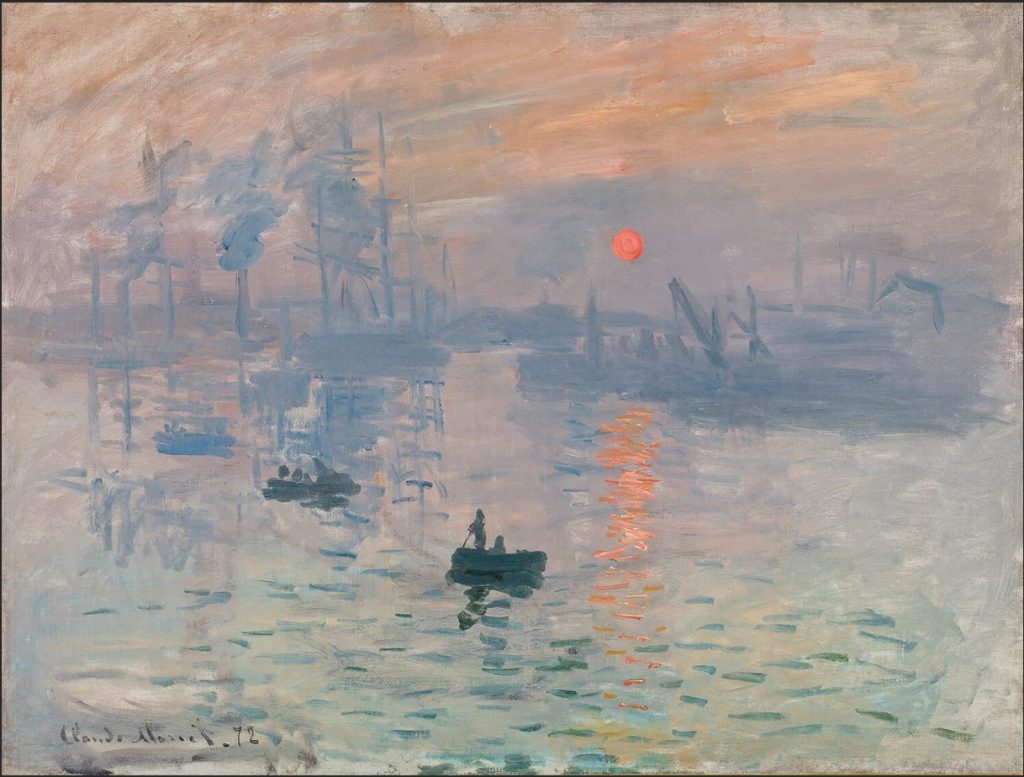
Impressionism emerged in France in the 1870s and coalesced around artists such as Monet, Renoir, Degas, Pissarro, and Sisley. The movement is distinguished by its desire to paint light as it appears at a given moment, using light colors, visible brushstrokes, and subjects drawn from contemporary life. The 1874 exhibition, where Monet’s painting *Impression, Sunrise* gave the movement its name, marked a break with the established art world.
Impression, soleil levant, Claude Monet. 1872
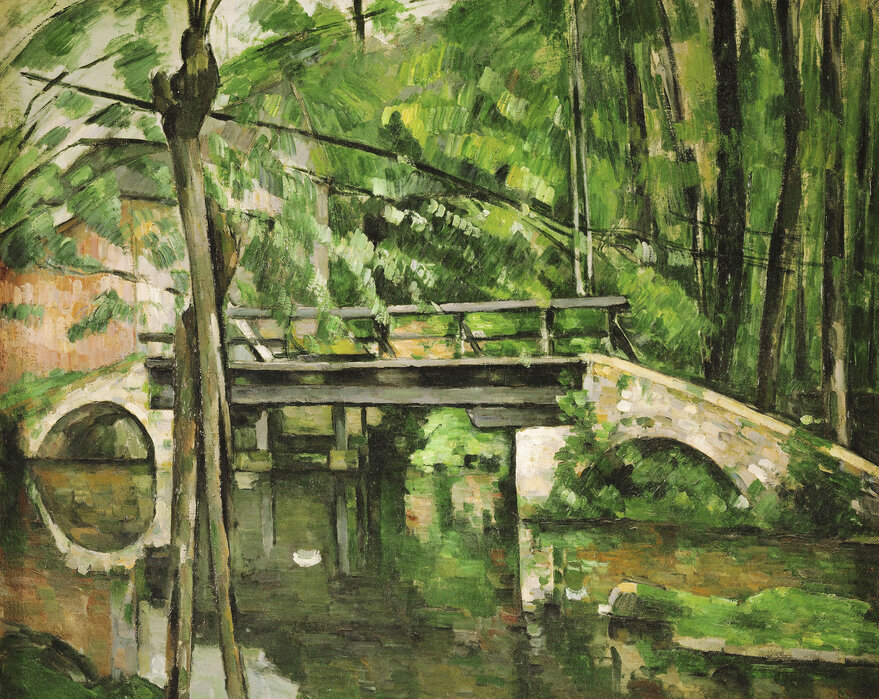
Pont de Maincy, Paul Cezanne. 1879
The transition from Pre-Impressionism to Impressionism was therefore not an abrupt break, but a gradual evolution. The precursors paved the way by placing greater emphasis on nature, the moment, and personal perception. The Impressionists built on these achievements and took them further by asserting that painting was less about describing than about capturing a visual sensation, making Impressionism the culmination of a long shift in the artistic gaze.
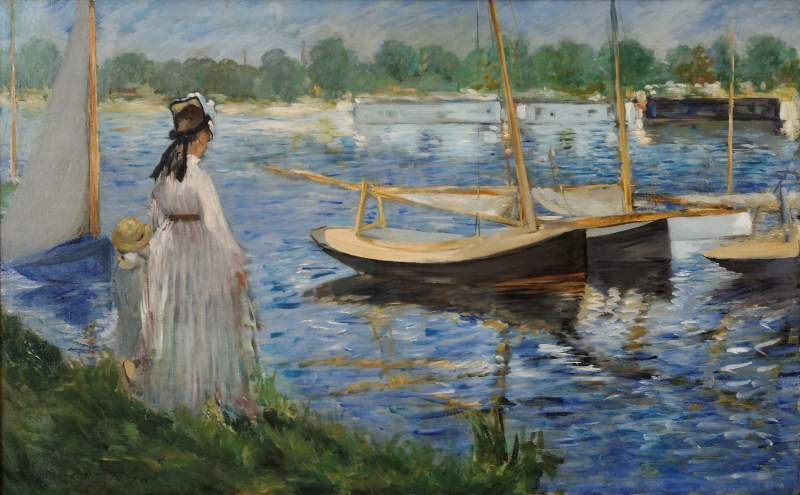
Les Bords de la Seine à Argenteuil, Édouard Manet. 1874
Impressionism in Photography.
Impressionism and photography are two forms of expression that emerged in the 19th century and share a close and complex relationship. Photography, which appeared in 1839, profoundly changed painting by relieving it of part of its function as a faithful reproduction of reality. The Impressionists responded to this change by seeking not absolute precision, but rather the capture of an immediate impression, as if the painting were capturing a visual moment.
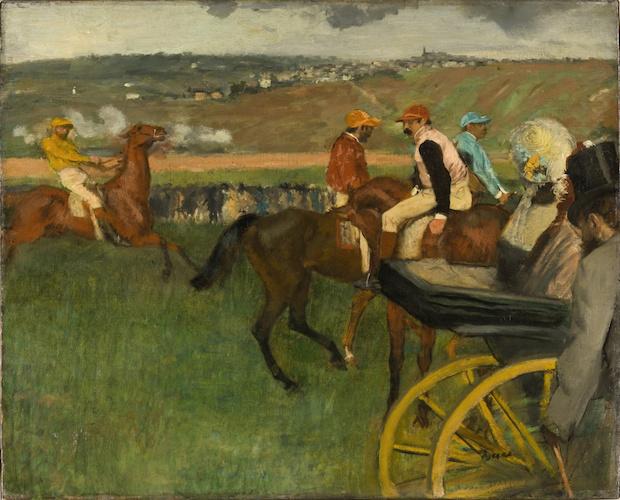
Their similarity stems first and foremost from their relationship to time. Photography captures a fleeting moment; Impressionism, too, seeks to capture the ephemeral—the light at a specific hour, a passing atmosphere, or a gesture caught in the act. Both art forms also emphasize framing—sometimes unexpected—and compositions that seem to have been captured on the fly. In Degas’s work, for example, certain scenes evoke a photographic viewpoint through their cropping and framing effects.
Le Champ de courses, Edgar Degas. 1876
Another similarity lies in the interest in modern life. Like photography, Impressionism moves away from grand historical or mythological subjects to focus on ordinary scenes, streets, train stations, cafés, leisure activities, and contemporary landscapes. Light, movement, and spontaneity become central to both fields, even though their methods differ. Photography mechanically records reality, while Impressionism reconstructs it through sensation, color, and painterly brushwork.
In this sense, photography and Impressionism are not merely similar because they emerged during the same era: they are both part of the same transformation in the way we see the world. One captures reality through a camera, the other translates it through painting, but both emphasize the moment, composition, and subjective perception.

Ferney Voltaire (France) – June 2026
Similar Posts