La baie de Phang Nga

Phang Nga, the pearl of southern Thailand.
Phang Nga Bay.

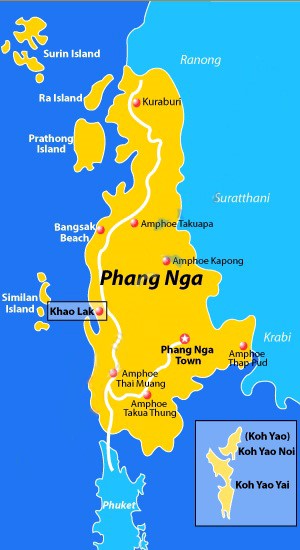
Phang-Nga province.
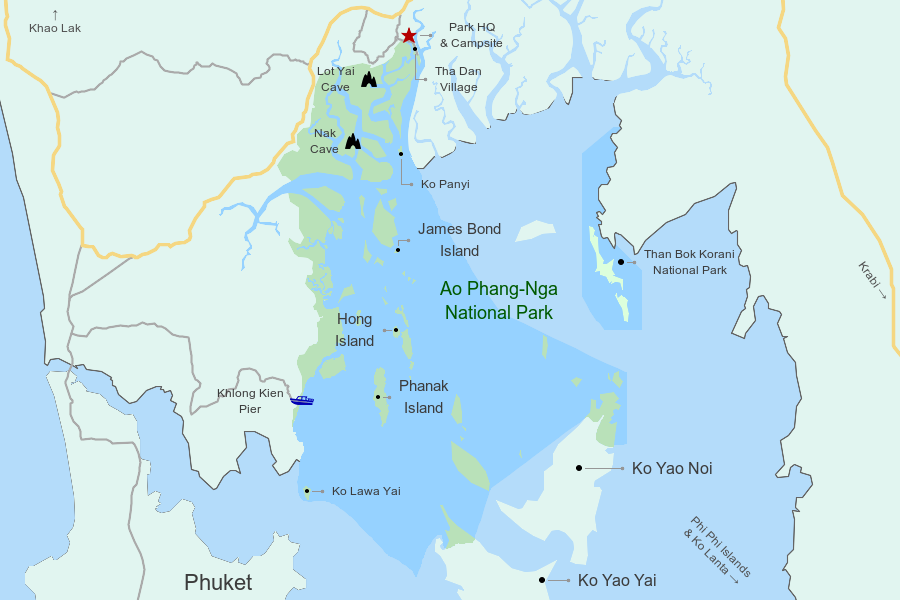
Phang-Nga National Park map (Phang-Nga Bay).
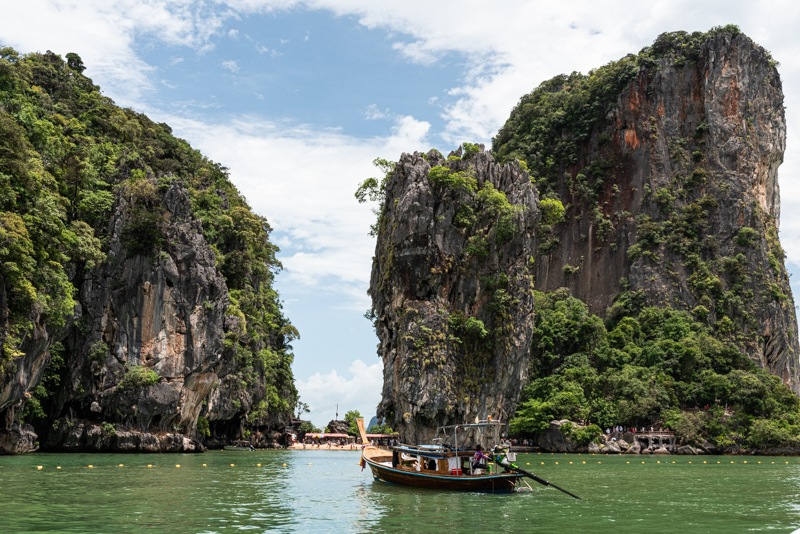
Nestled between the island of Phuket and the Thai mainland, Phang Nga Bay is one of the most spectacular natural gems in southern Thailand. This bay, famous for its spectacular karst formations emerging from the emerald waters, also has a rich cultural history. Once a refuge for pirates and nomadic fishermen, it is now inhabited by Muslim communities such as that of Koh Panyee, a floating village built on stilts, symbol of resilience and tradition. Phang Nga is also and especially known for the island of Khao Phing Kan, made famous under the name of “James Bond Island” after the filming of the movie The Man with the Golden Gun in 1974. This cinematic setting attracts thousands of visitors every year.

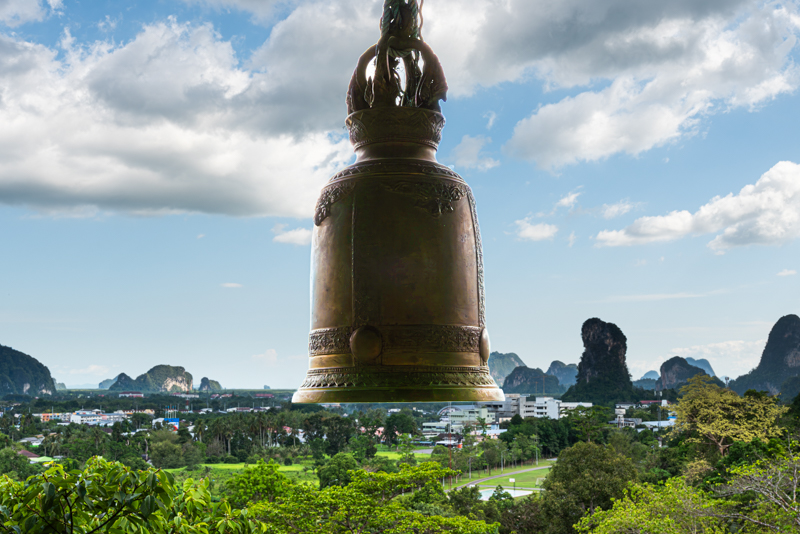
The city of Phang Nga and the temple of Tham Tapan.

The small town of Phang Nga is often overshadowed by the fame of its neighbouring bay and by Phuket, which is the ultimate tourist destination. However, it deserves attention for its rich history, authentic culture and hidden treasures. Nestled between limestone mountains and tropical forests, the town is an ideal starting point for exploring the region, while offering a peaceful atmosphere away from the tourist crowds.
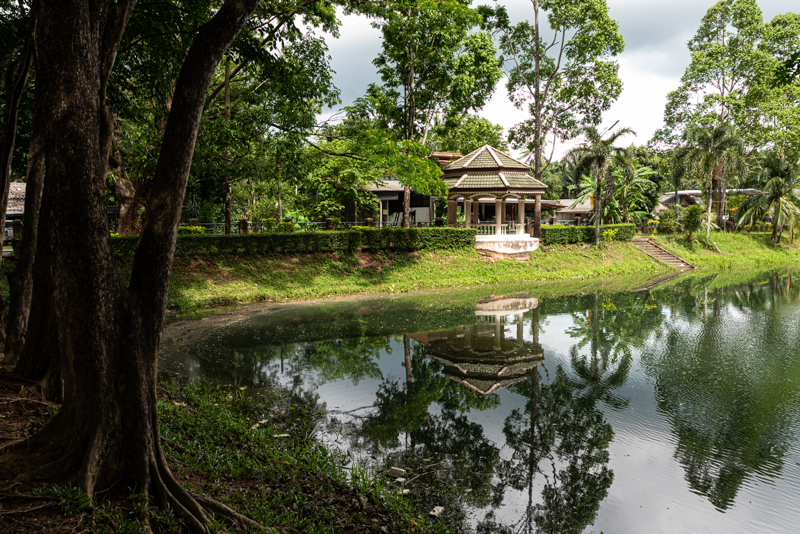
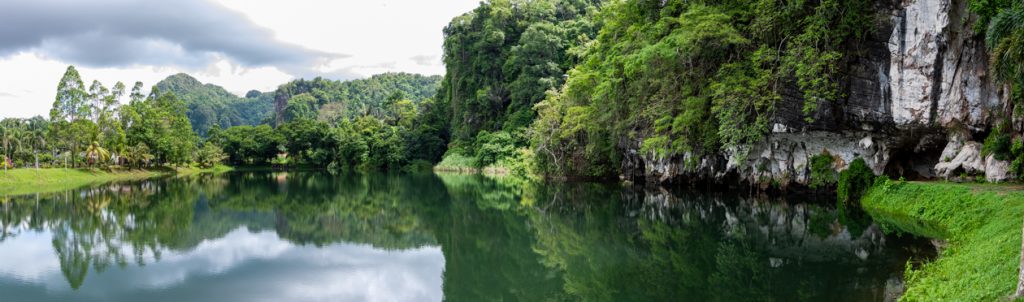
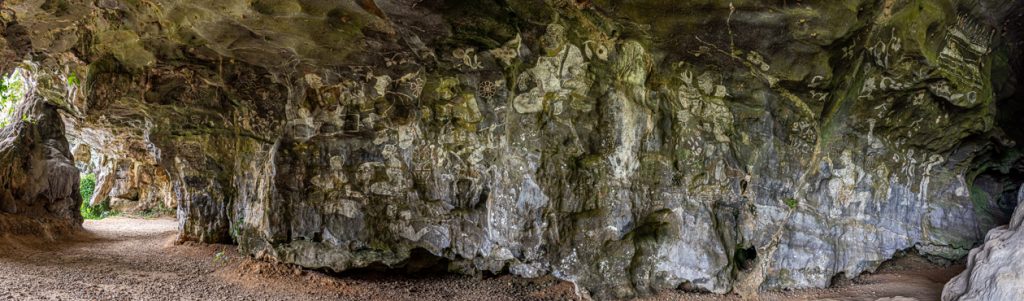
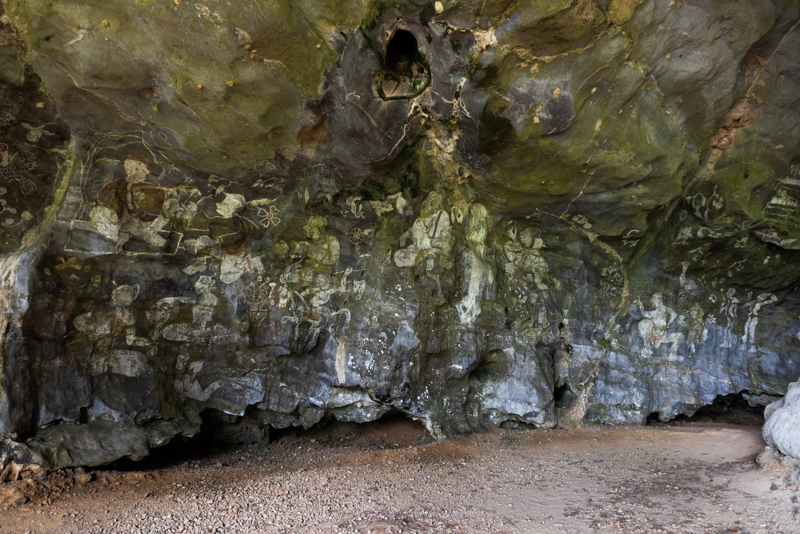
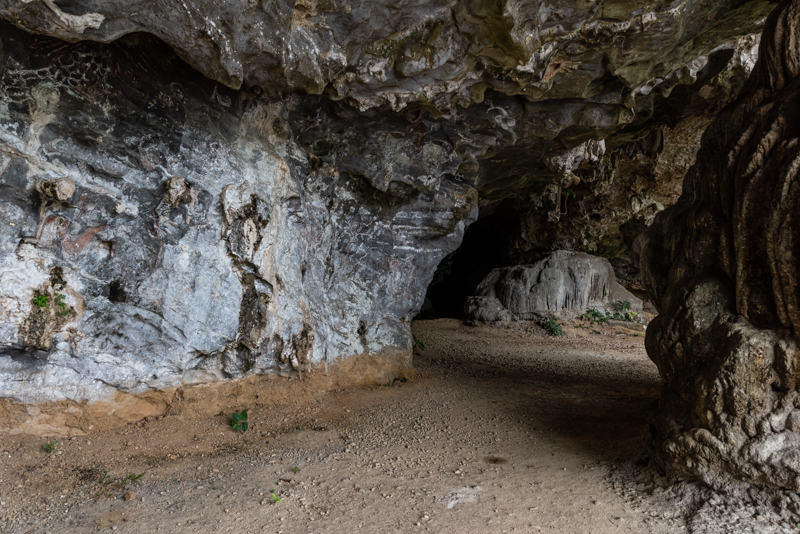
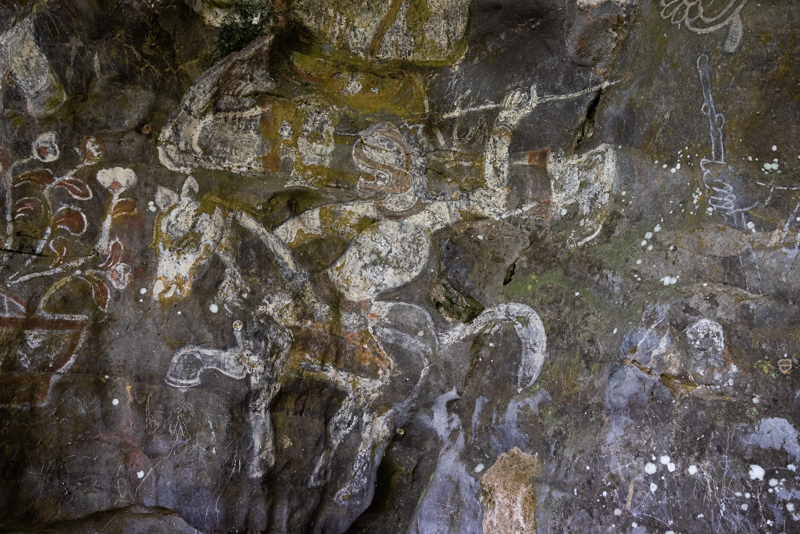
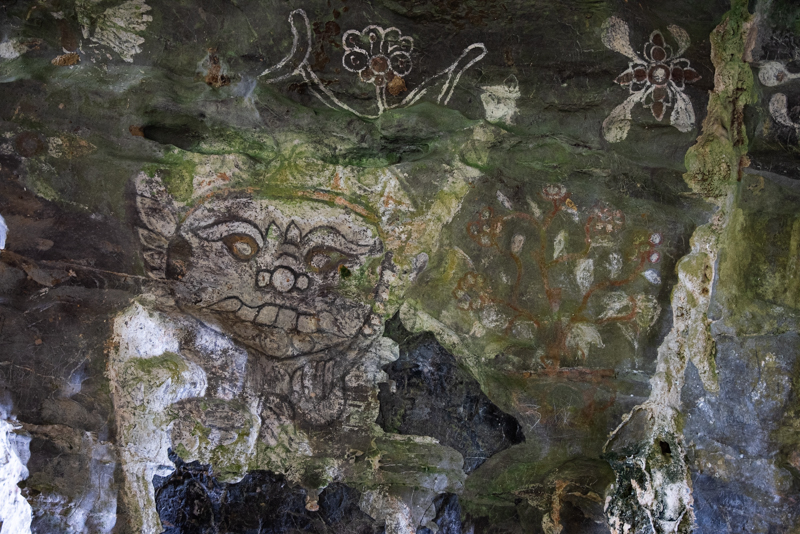
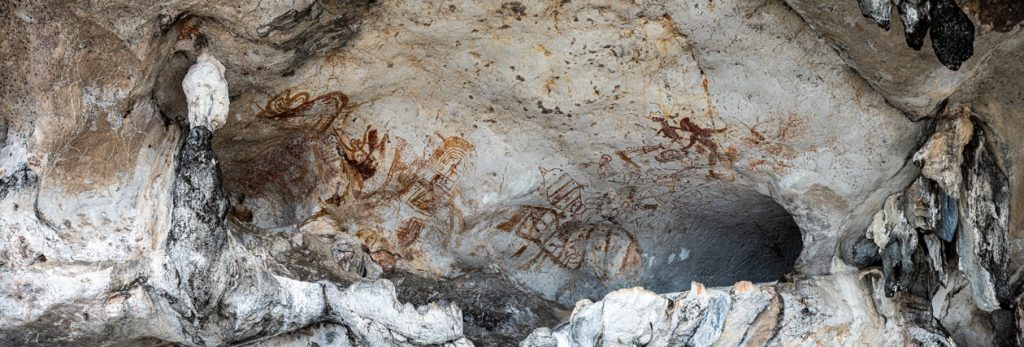
One of Phang Nga’s historical gems is the famous Tham Lod Cave, sometimes called Tham Phung Chang. This cave, located on the outskirts of the city and on the edge of a peaceful stretch of water, is home to ancient rock paintings, fascinating evidence of human presence in the region for thousands of years.
On the walls of the cave, you can still see red paintings depicting animals, hunting scenes and human figures, probably dating back more than 3,000 years. These prehistoric works constitute a true cultural heritage, rarely highlighted in traditional tourist circuits. No entrance fee, no restrictions—this first visit, which can be done by scooter, is very pleasant, especially since there is a small café along the way where I was finally able to drink real coffee, which is rare in Thailand.
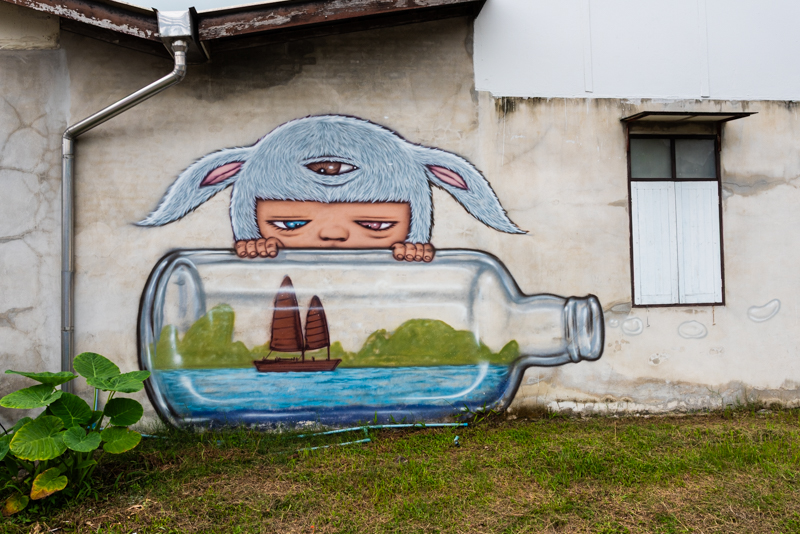
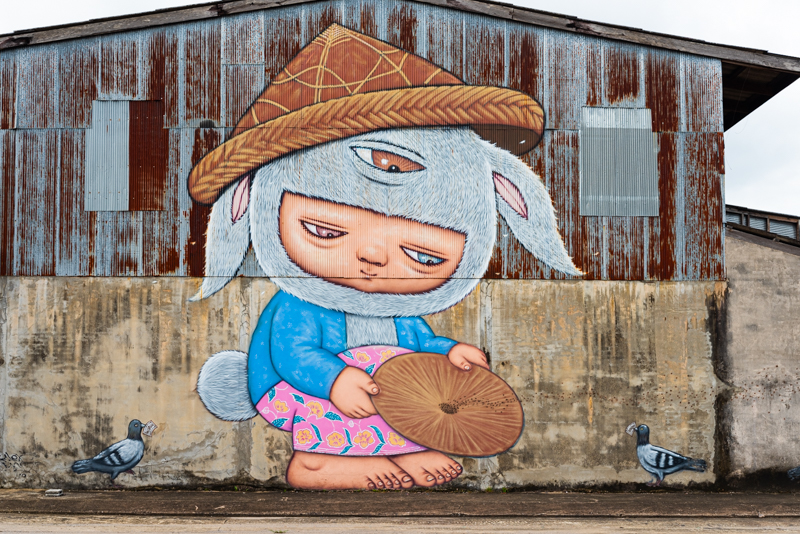
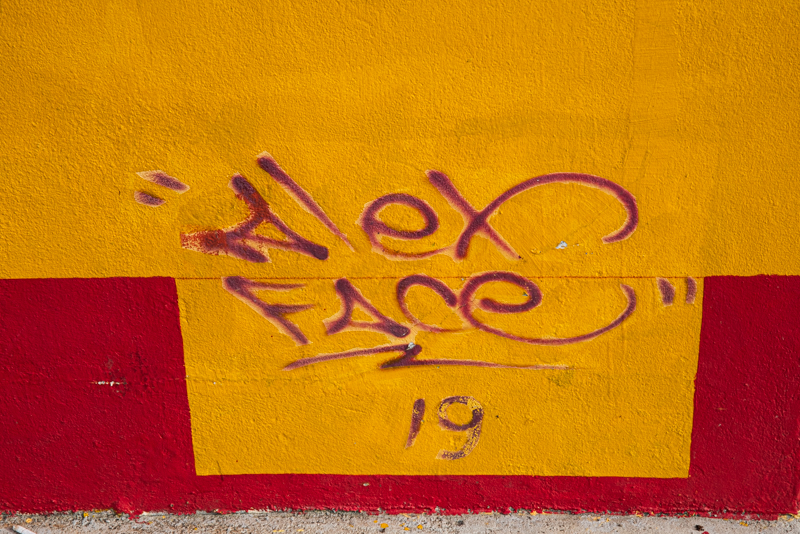
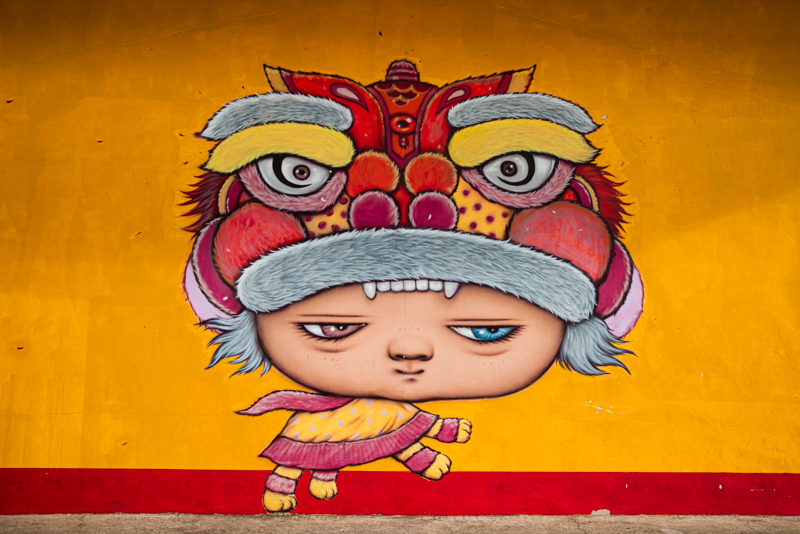
Beyond its historical significance, the city of Phang Nga plays an important role in regional tourism. It serves as a strategic hub between Phuket, Krabi, and Phang Nga Bay. Phang Nga is a low-key city deeply rooted in Thai history, blending ancient heritage with modern tourist attractions. In fact, there are magnificent murals by the artist Alex Face, who is well known and influential in Thailand and studied architecture at the King Mongkut Institute of Technology in Bangkok. He also draws babies with a third eye: ‘I believe in the spirit, that’s how I grew up, I feel the spirit,’ he says. The third eye in his drawings represents another dimension: ‘It’s something we can feel but can’t see with two eyes, so I add the third eye that can see what we can’t.’
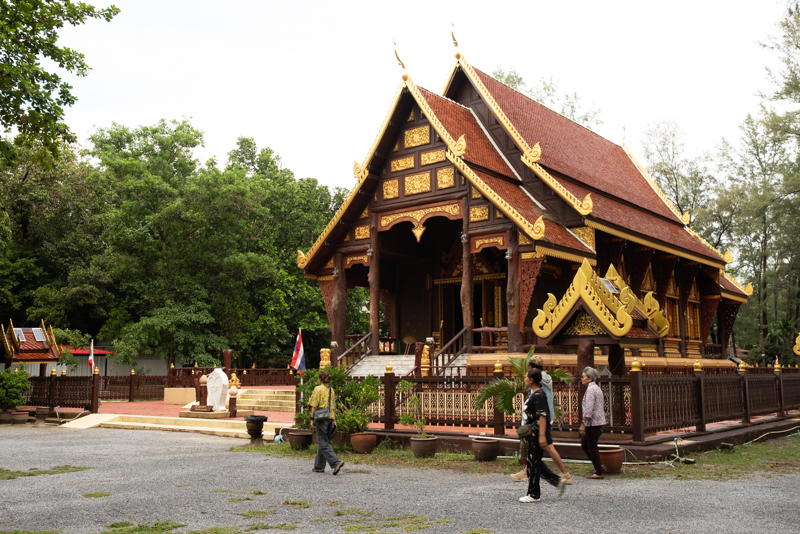
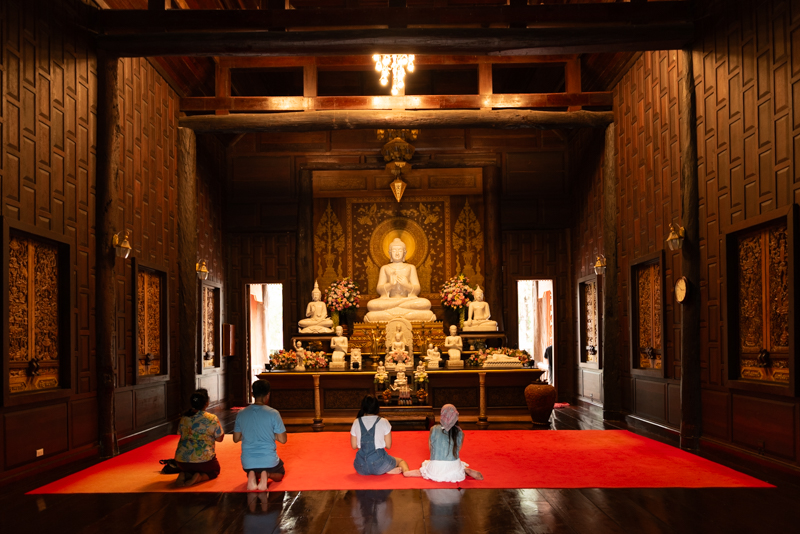
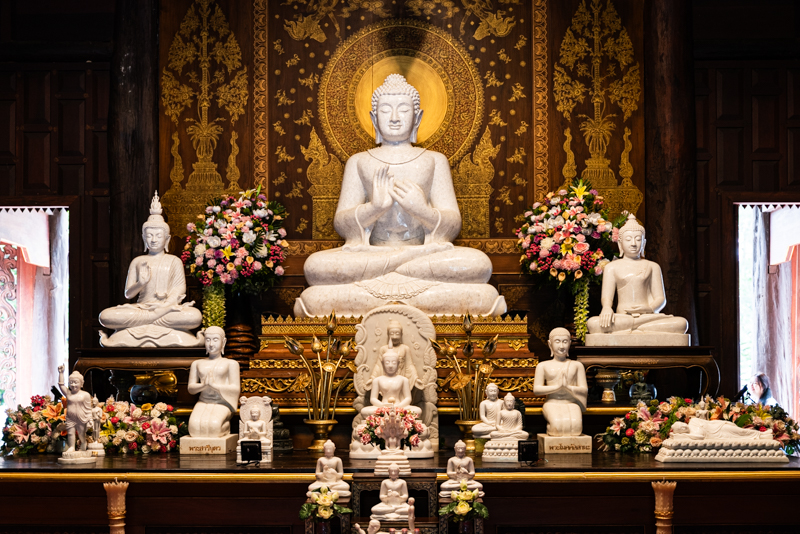
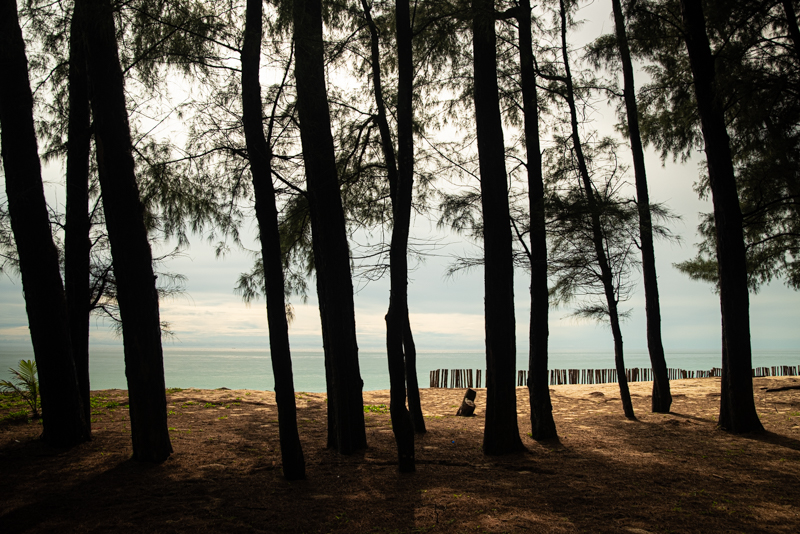
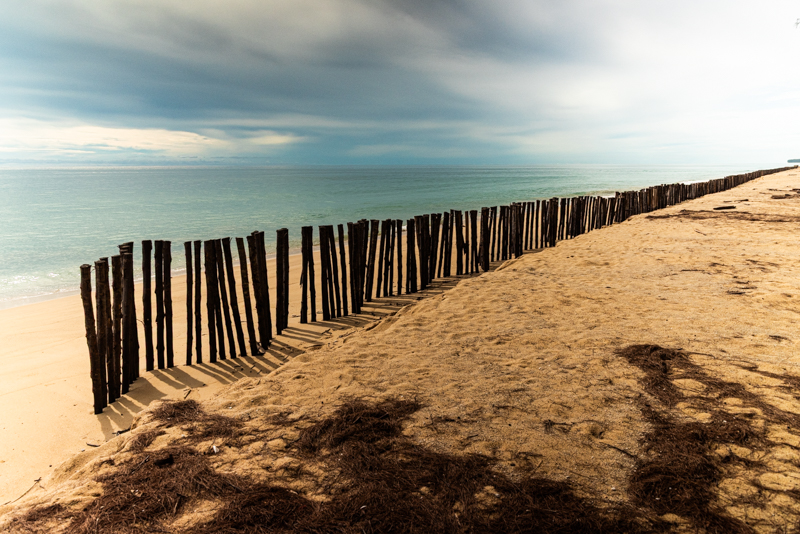
Close to Phang Nga is Wat Tha Sai Temple (วัดท่าไทร). This Buddhist temple is located 7 km from Phang Nga. It is particularly known for its architectural beauty and peaceful seaside setting near Bangsak Beach. The temple is constructed from teak wood. Simple yet majestic, as soon as you enter, you immediately feel the calm and serenity that emanates from this building.
Although it is not an ancient temple like those in Sukhothai or Ayutthaya, it has an interesting history and spiritual significance.

• Wat Tha Sai was founded in the second half of the 20th century. It is therefore not an ancient temple, but rather a relatively modern place of worship built to meet the spiritual needs of the local community.
• The name Tha Sai literally means ‘ironwood pier’ (sai being a type of very hard tree), probably in reference to the local vegetation or the region’s history linked to logging.
• The main Viharn (assembly hall) is remarkably constructed entirely of teak wood, which is quite rare and impressive in Thailand today.
• The interior is decorated with traditional murals depicting the life of the Buddha, the teachings of the Dhamma and various scenes from Buddhist cosmology.
• The overall atmosphere of the temple is calm and contemplative, enhanced by its proximity to the beach and the Andaman Sea.

The floating village of Ko Panyi.

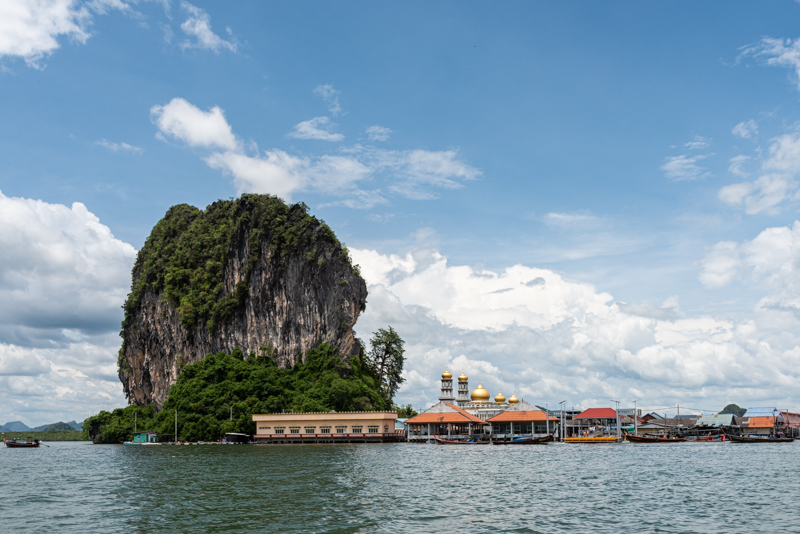
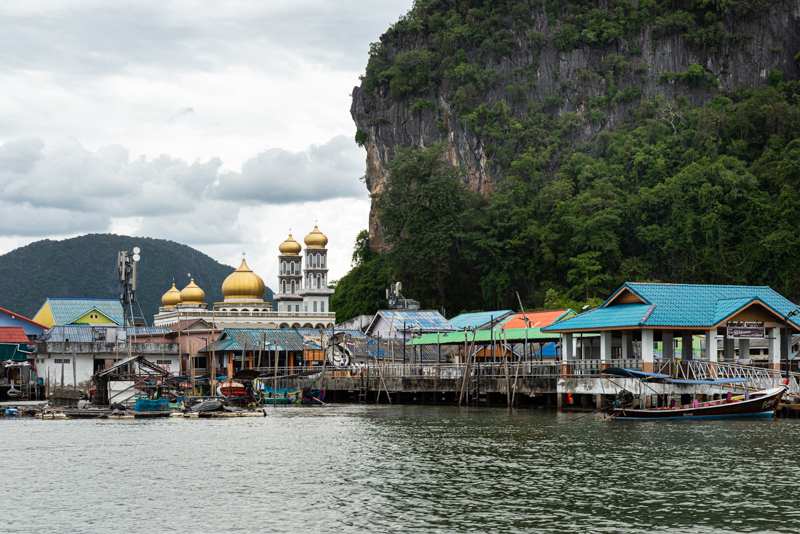
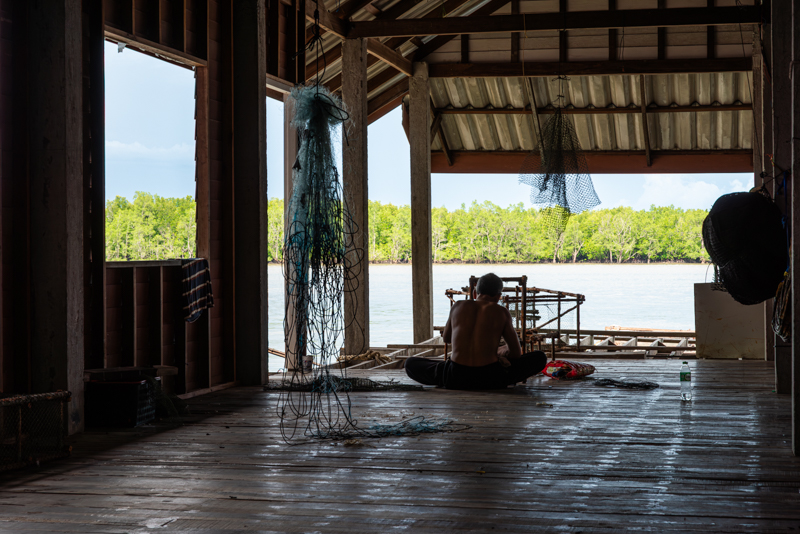
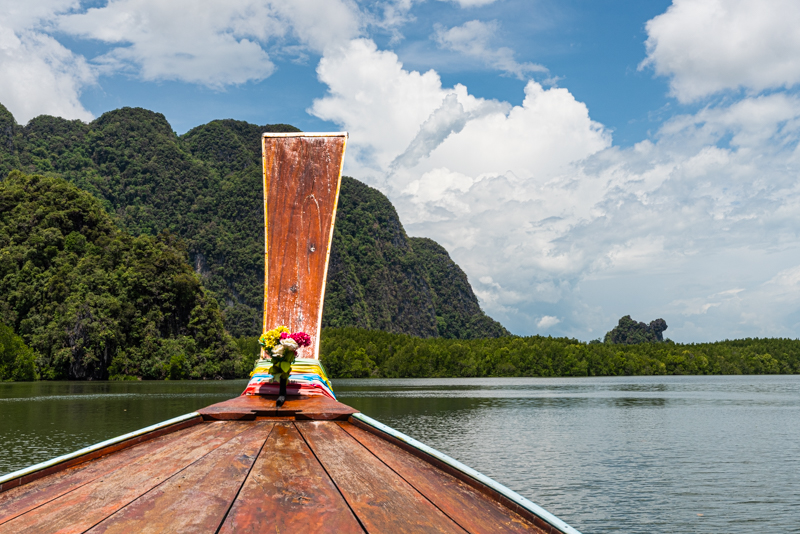
To explore this region further, it is necessary to take a canoe, as there are more than 100 islands, each one more beautiful than the last. Among these islands, the floating village of Ko Panyi is one of the most unique and iconic places in the bay. Founded over 200 years ago by Muslim fishermen from Indonesia, this village was built on the water due to land restrictions imposed on foreigners at the time. Even today, the community lives according to its traditions, striking an astonishing balance between modernity and ancestral heritage.
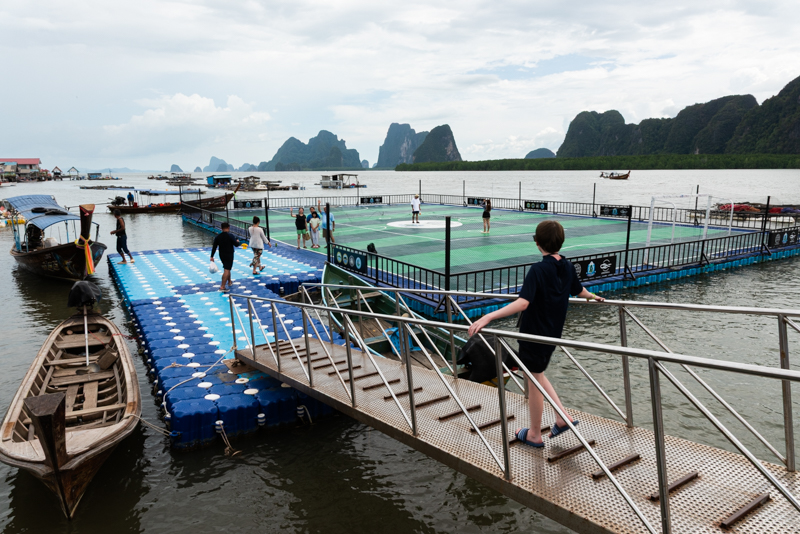
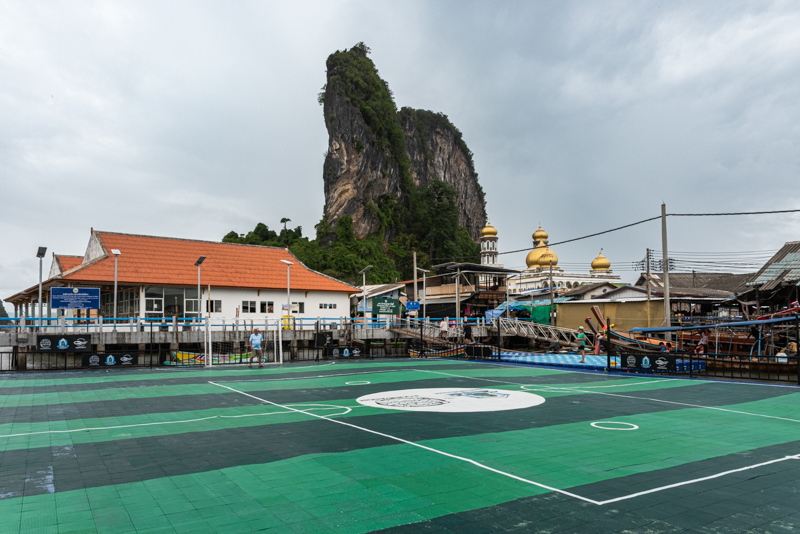
It is clear that traditional fishing activities have largely given way to tourism; as soon as we set foot on land, we find ourselves in a maze of narrow streets lined with souvenir shops, almost all of which lead to the foot of the mosque, whose golden domes serve as a landmark. Nevertheless, Ko Panyi is world-famous for its floating football pitch, the brainchild of its young residents. In the 1980s, children who were passionate about football but had no space on land decided to build their own pitch on the water using old materials. This unusual pitch has since gained international renown and symbolises the village’s spirit of initiative.
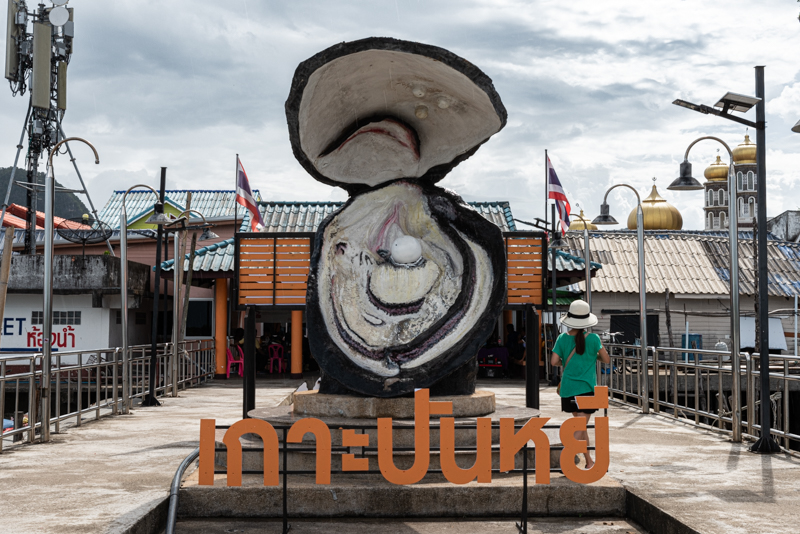
More traditionally, Ko Panyi is also known as a centre for pearl farming. Several families continue to farm pearls in the peaceful waters of the bay, passing down this expertise from generation to generation.
Not far from the village on the way back, discreet caves house fascinating rock paintings, evidence of ancient human presence in the region. These paintings, often red or brown in colour, depict marine animals, human figures and mysterious symbols, inviting contemplation and reflection on the thousand-year history of this bay.
Ko Panyi embodies a harmony between culture, history and ingenuity, offering visitors a unique human and heritage experience.

Caves hidden among the winding paths of the mangrove swamp.

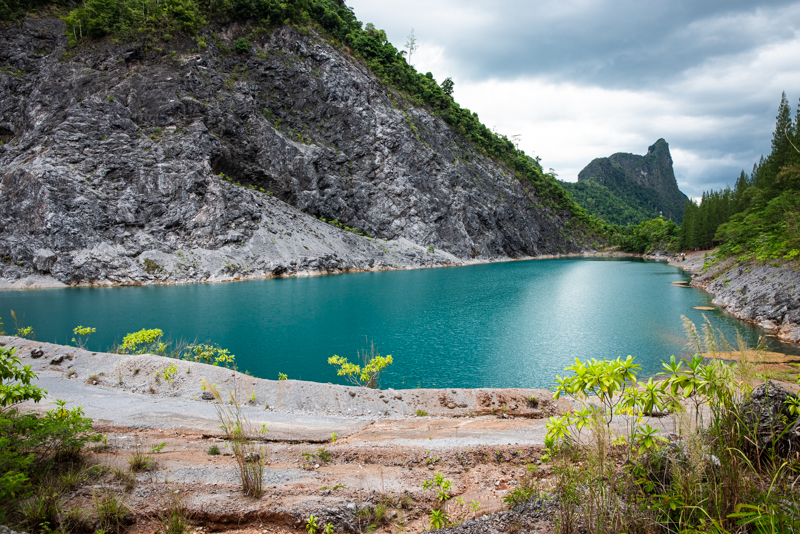
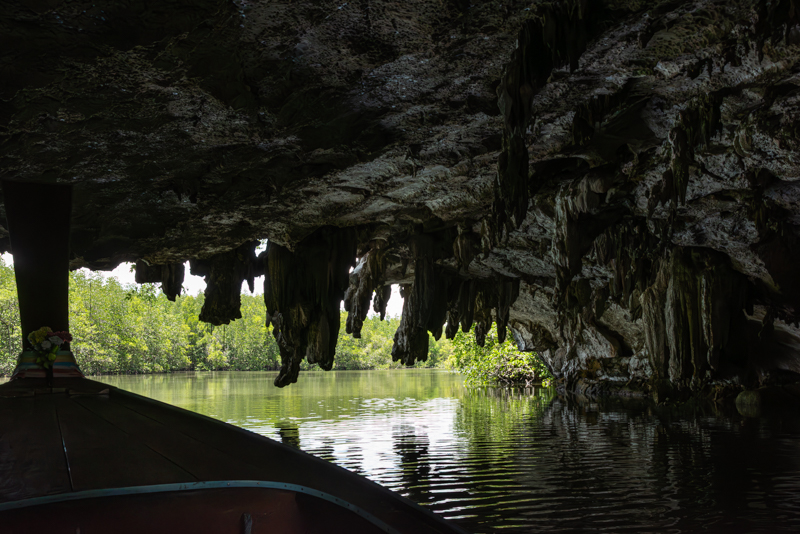
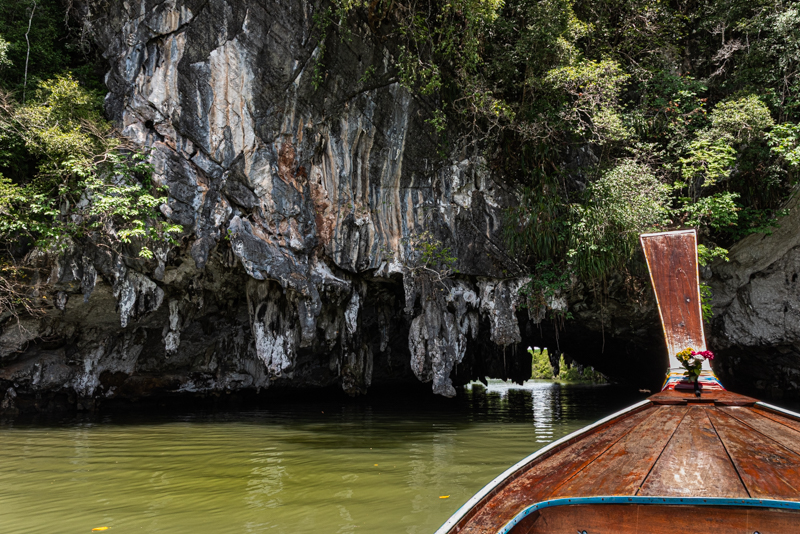
Still in our pirogue and nestled in the heart of Phang Nga Bay, we continue along the narrow waterways that wind between dense mangroves when suddenly, the mangroves open up onto what could be described as a lake at the foot of a very high limestone massif. As we approach, we discover a cave with stalactites that offer a striking natural spectacle. The rock, water and vegetation blend into an almost unreal landscape, accessible through a labyrinth of mangrove-lined canals. This unspoilt site reveals a fascinating underground world, sculpted by time and the tides.
Among these limestone karst formations, Mount Kao Ma Chu, literally ‘the head of the chewing horse,’ dominates the horizon with its intriguing silhouette. This limestone massif is known for its distinctive shape, reminiscent of an animal’s head in the act of chewing, adding a mystical touch to the landscape.
Exploring these caves is a true sensory journey, between mineral silence, tropical birdsong and the murmur of water. It is an immersive experience that illustrates the ecological and geological richness of this unique region of southern Thailand.
The islands of the national park.

Phang Nga Bay National Park covers an area of over 400 km². It encompasses some 40 spectacular karst islands, rising out of the emerald waters like limestone arrows. This unique landscape, sculpted by erosion over thousands of years, is not only an ecological paradise, but also a place steeped in history.
In the past, this remote and difficult-to-access region served as a hideout for Malay and Chinese pirates. Some local legends still speak of treasures hidden in the most inaccessible caves.
Today, the most famous islands, such as Khao Phing Kan – nicknamed ‘James Bond Island’ – attract travellers from all over the world. But beyond the cinematic clichés, the park remains a protected area of great richness.
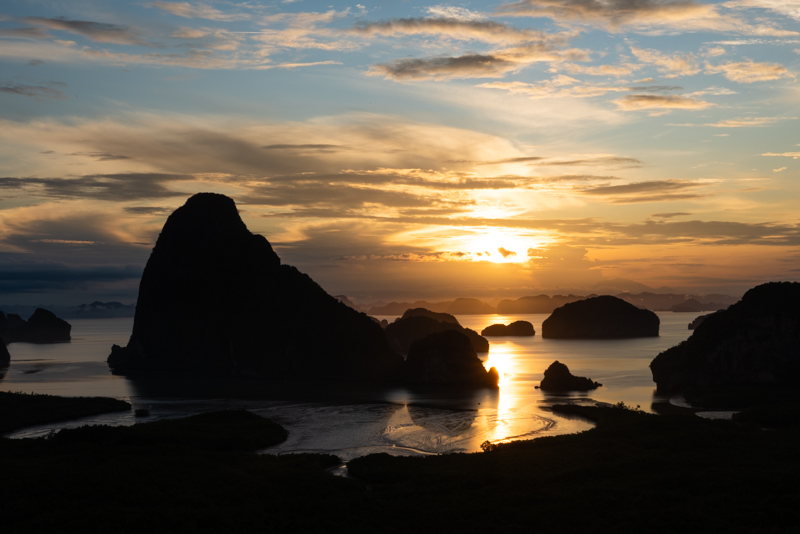
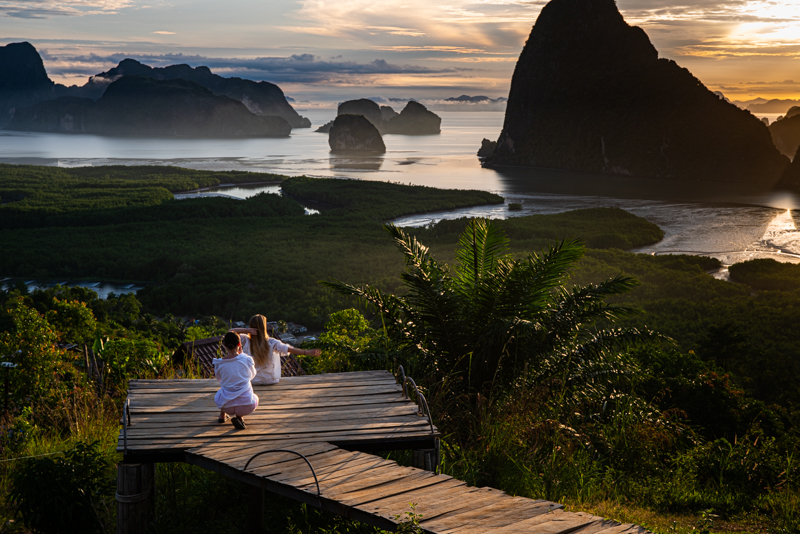
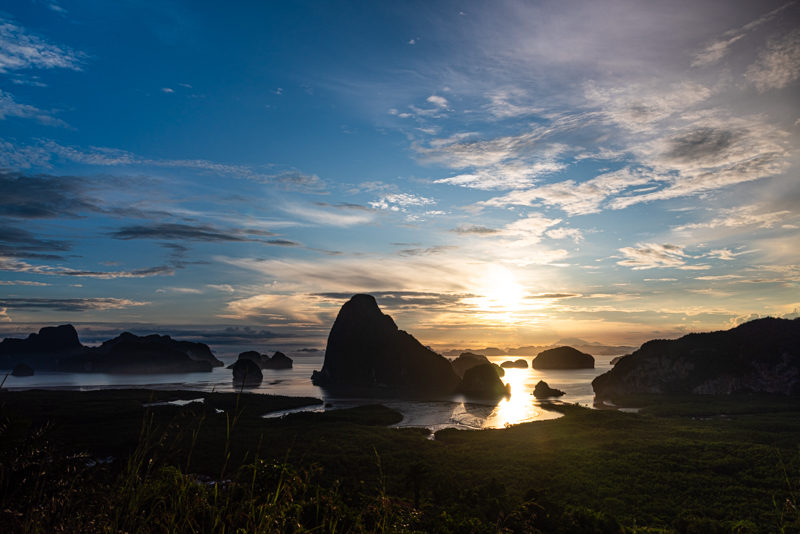
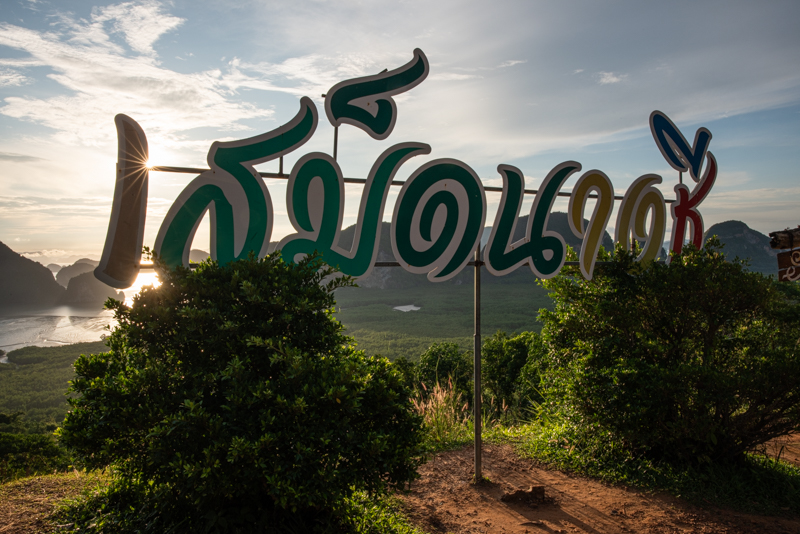
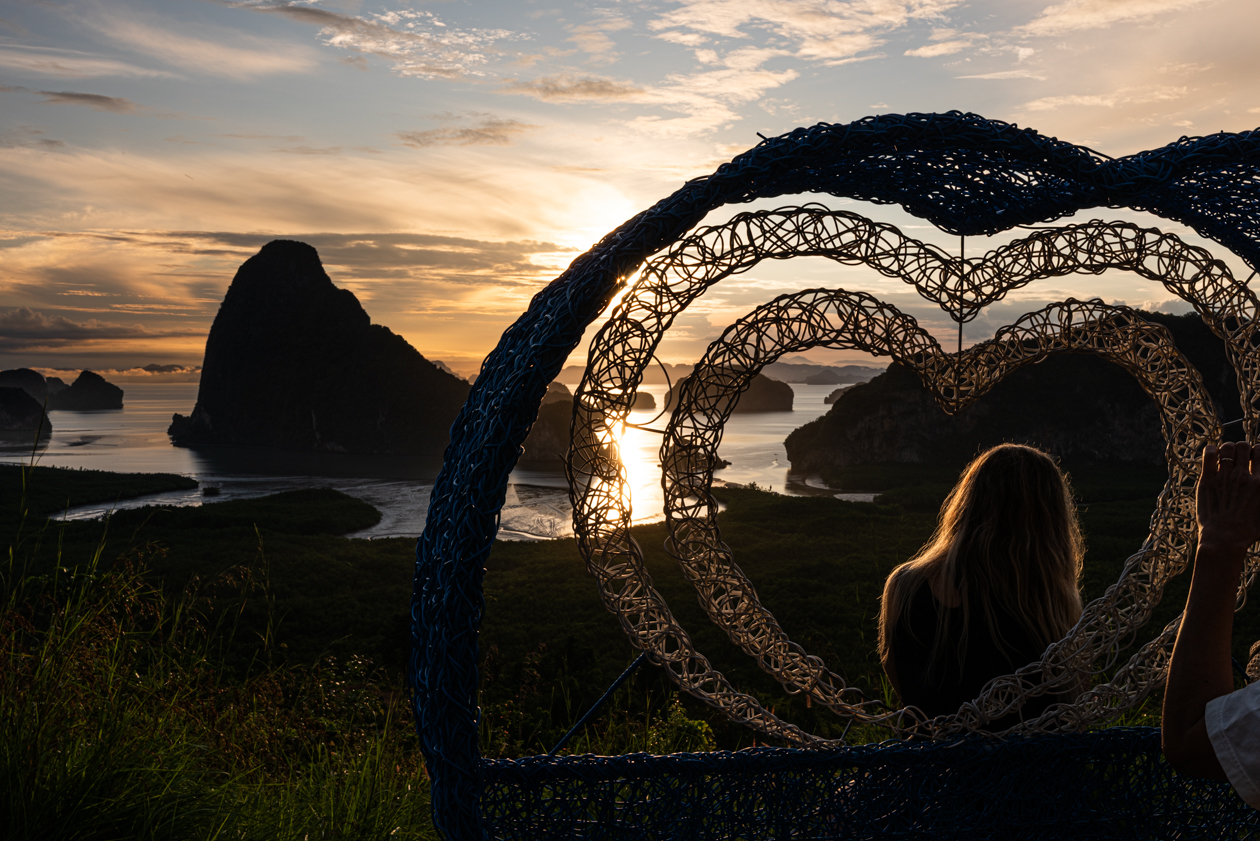
Samet Nangshe Viewpoint: where dawn kisses the sea.

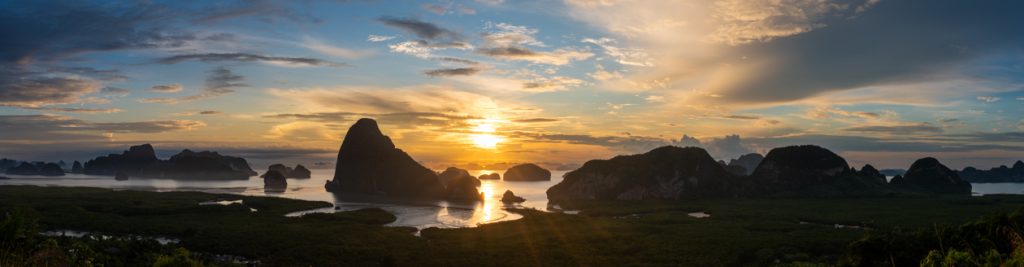
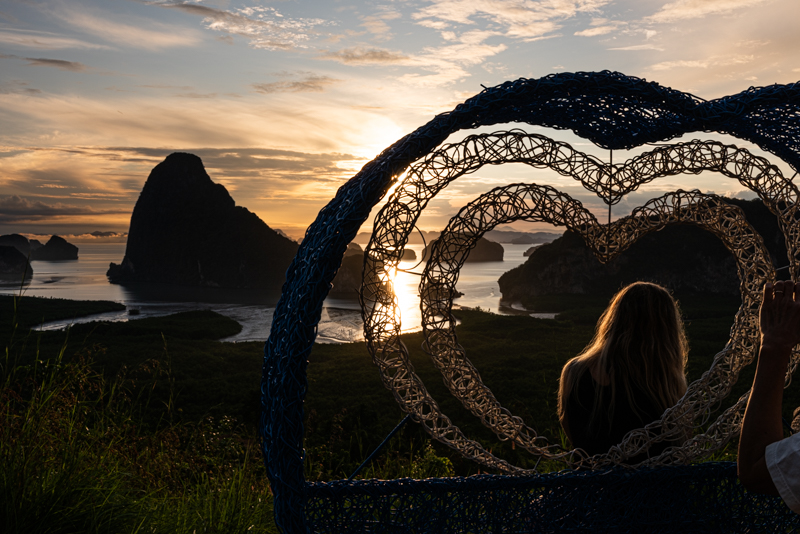
At the break of dawn, when the world is still holding its breath, Samet Nangshe reveals itself like a secret whispered by the mountains. Perched between sky and sea, this sublime promontory overlooking Phang Nga Bay is a suspended jewel, where the rising light touches the waters with a veil of gold and pink. The karstic islets, like sleeping giants, pierce the mist like dreams frozen in eternity.
Here, silence speaks. It tells of the slow dance of the sun over the hills, the whisper of the wind in the leaves, the gentle awakening of the world. Every glance at the horizon becomes a meditation, an offering to wild, untouched beauty.When night falls, another spectacle unfolds: myriads of stars flood the sky, forming constellations above a motionless world. Samet Nangshe then becomes a celestial theatre, a place where infinity seems within reach. This viewpoint is not just a place: it is an emotion, a breath of fresh air, a timeless interlude. A living poem that Thailand offers to those who know how to look with their heart and soul.
Ferney Voltaire (France) – July 2025

Gallery

« of 2 »

Similar Posts