

Ping Yao, the return to the Ming and Qing dynasties .
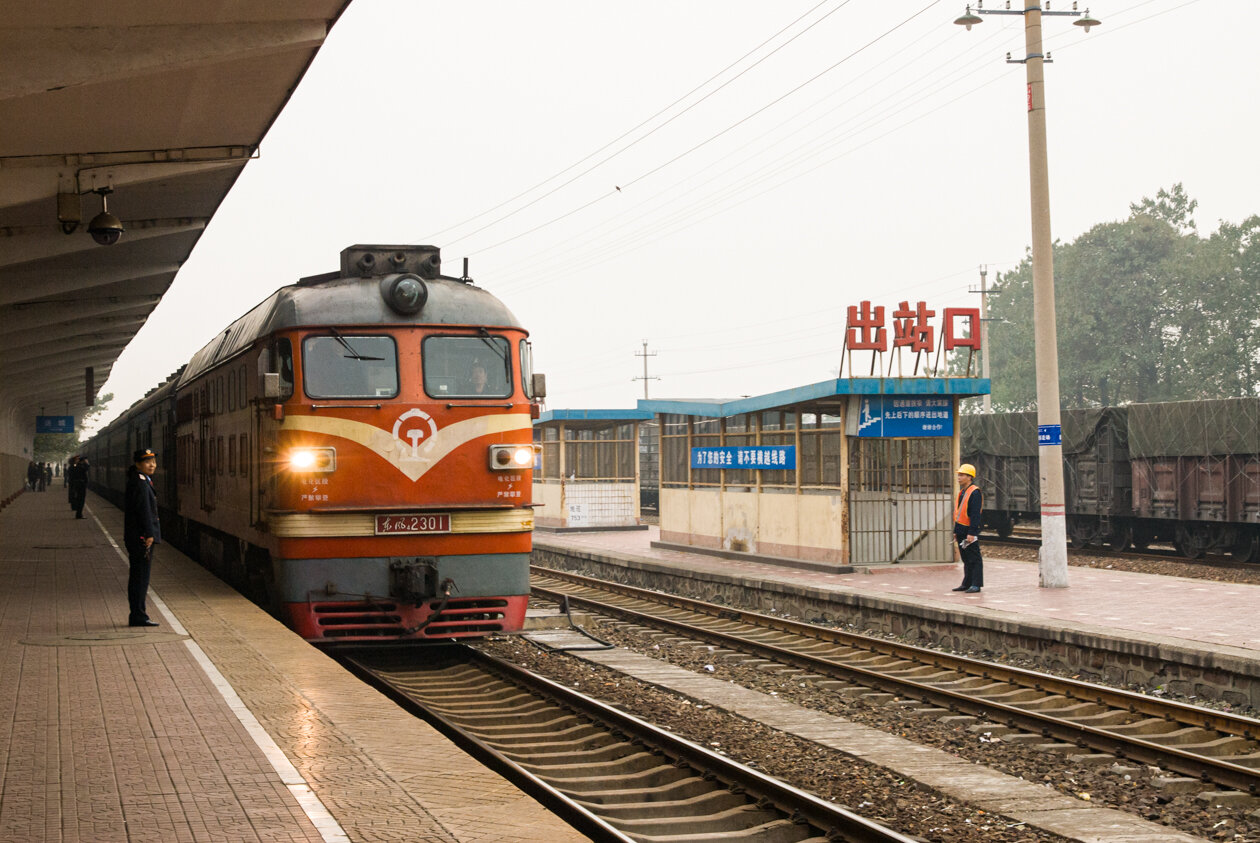
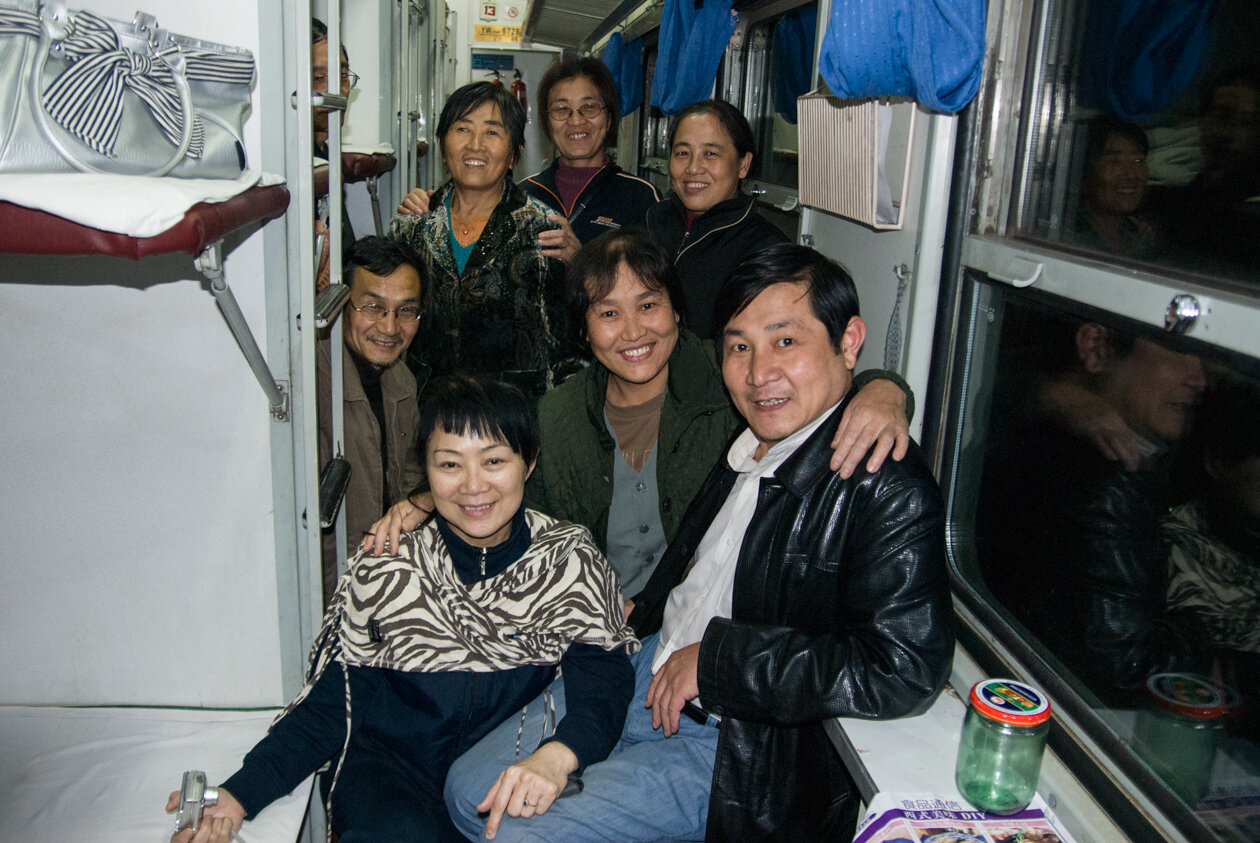
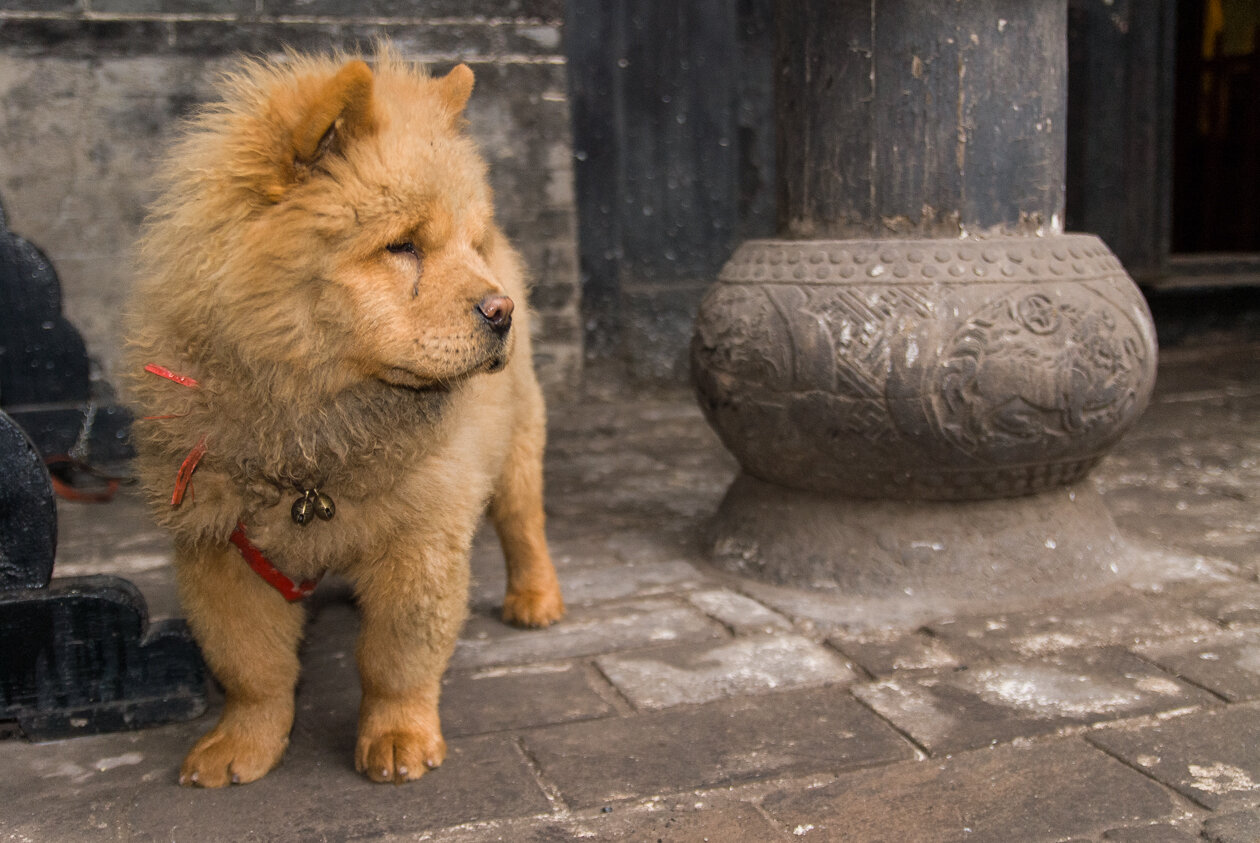
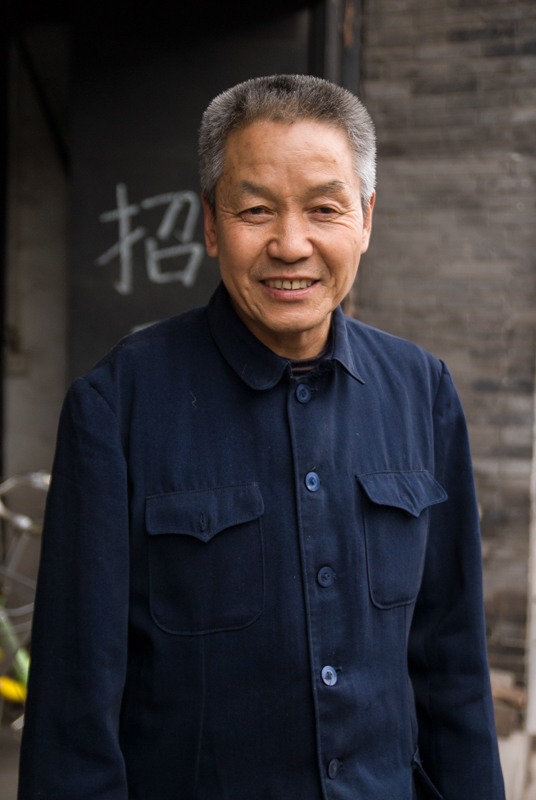
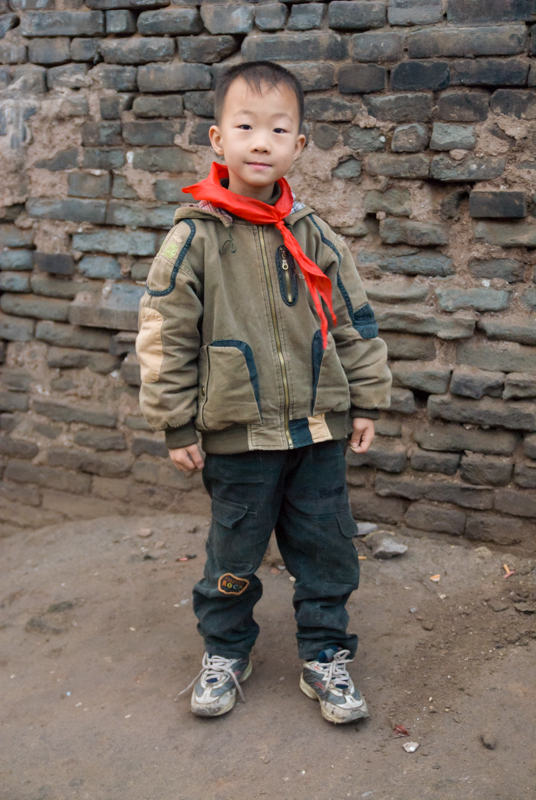
To get to Ping Yao (in Shanxi Province, China), it’s best to take the train. Located 450 km southwest of Beijing, it’s a very short trip during which you can admire the fields, which are still very often cultivated the old-fashioned way—that is, with oxen and by hand. It’s easy to strike up conversations on the trains, as Chinese people in remote provinces are happy to talk to foreigners. Outside the major cities, very few Chinese people speak English, so my friend Ji Min, who is accompanying me on this trip, strikes up conversations with our friendly neighbors, who are more than happy to pose for photos.
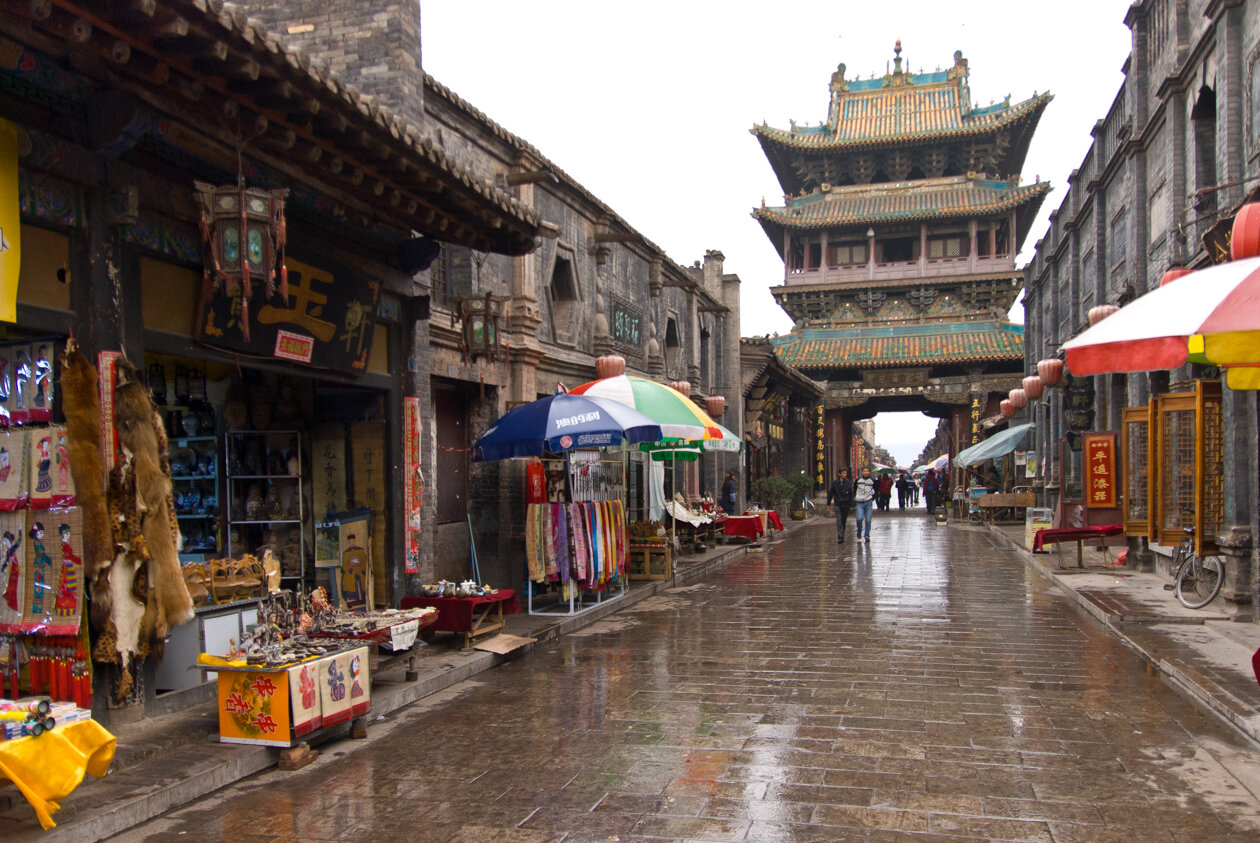
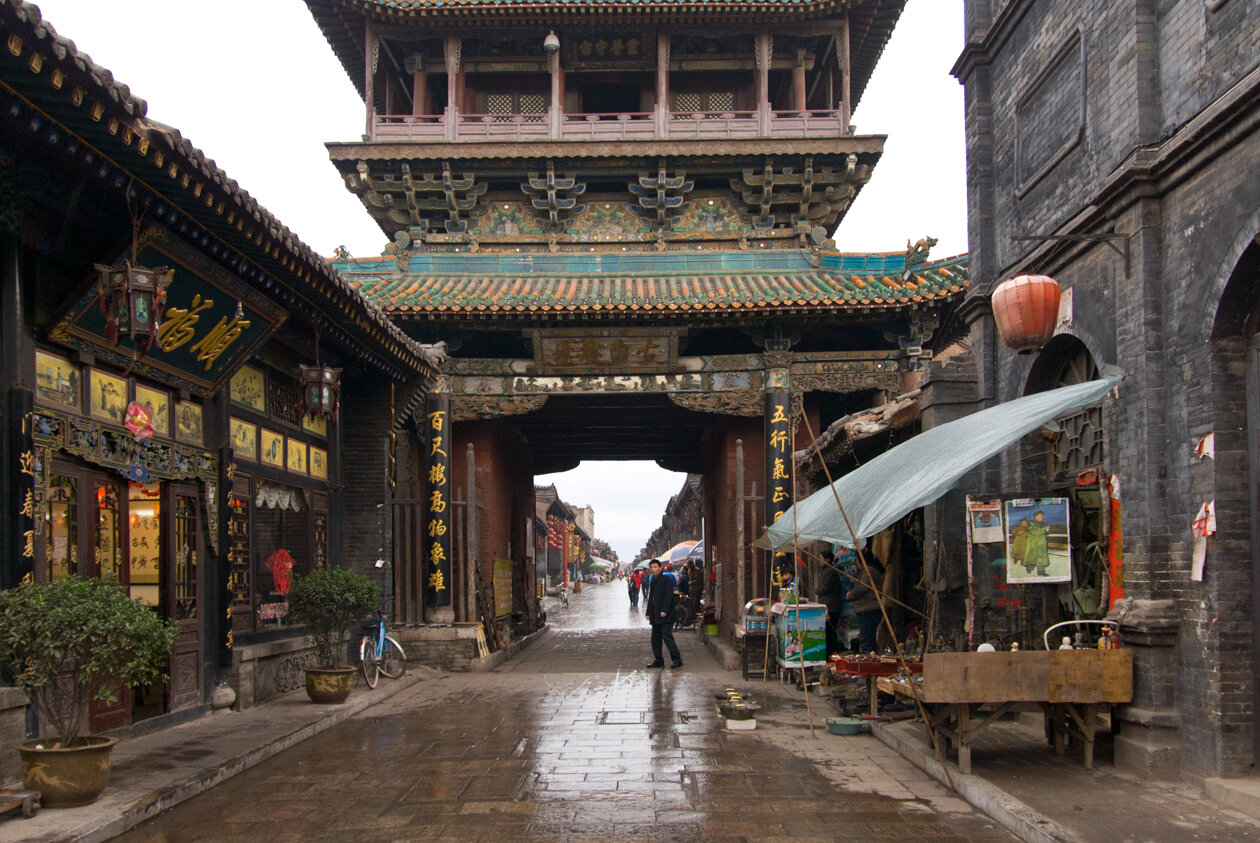
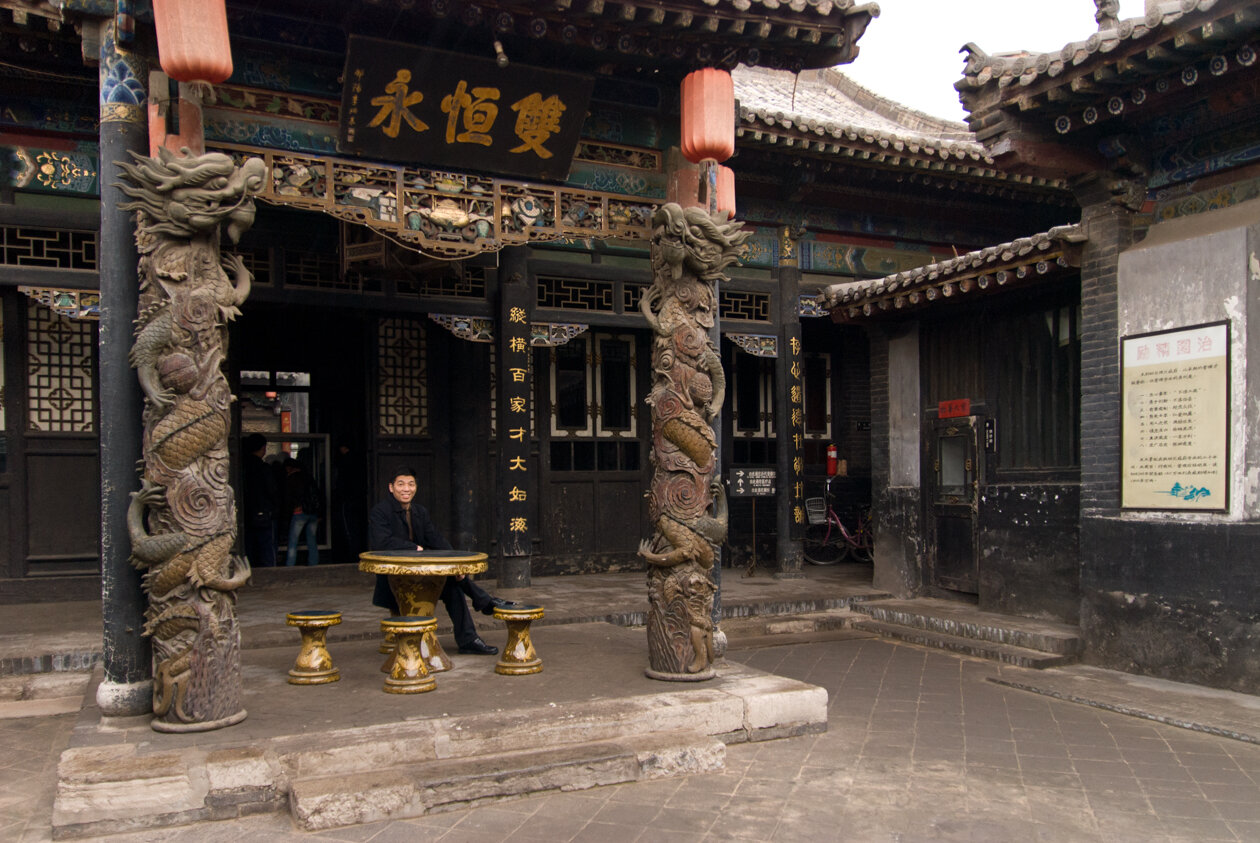
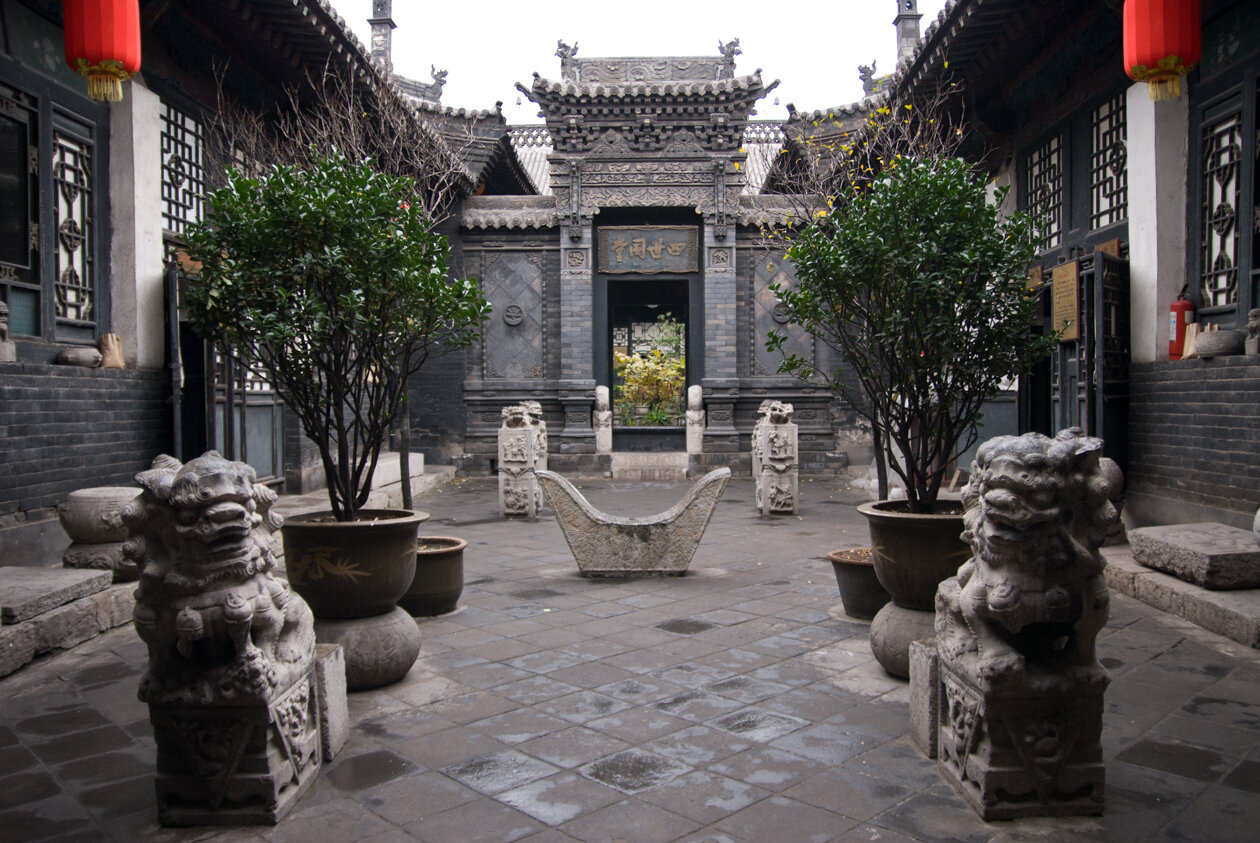
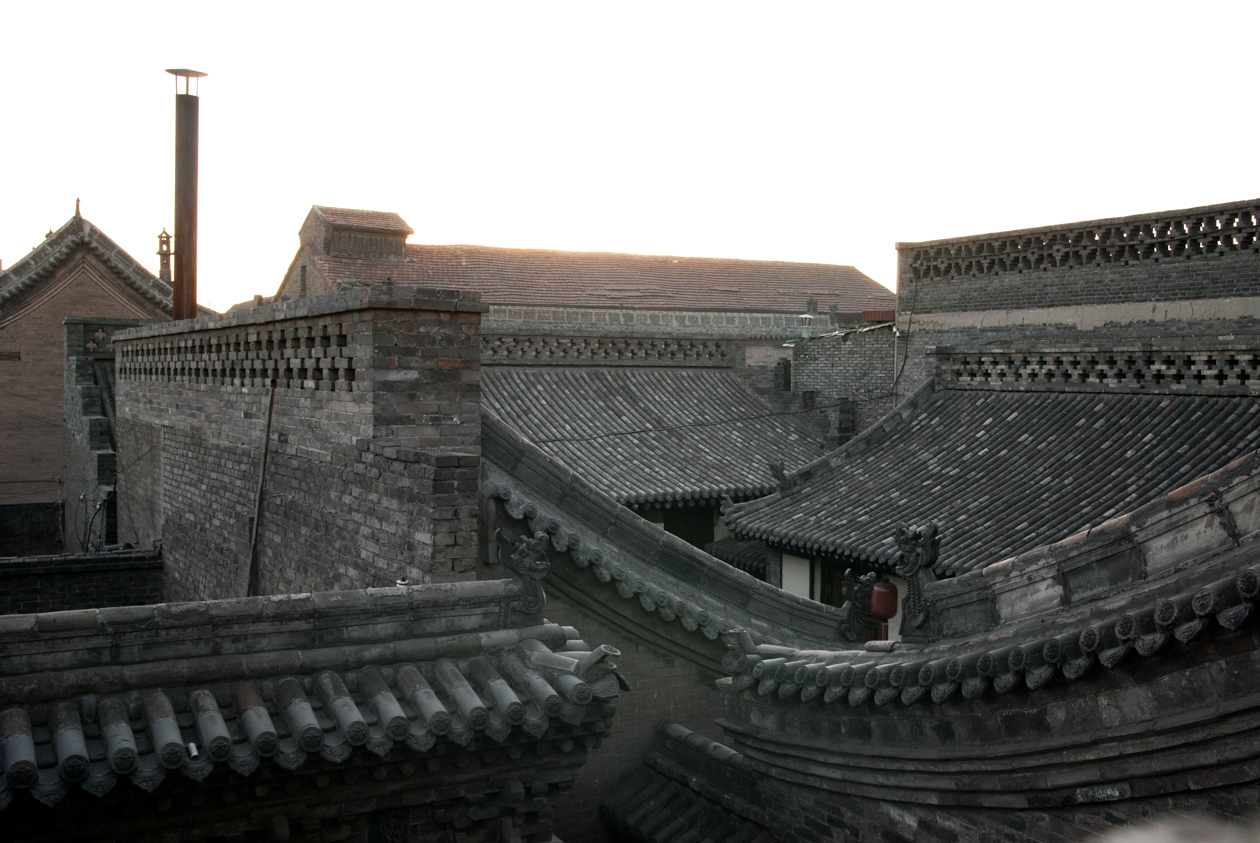
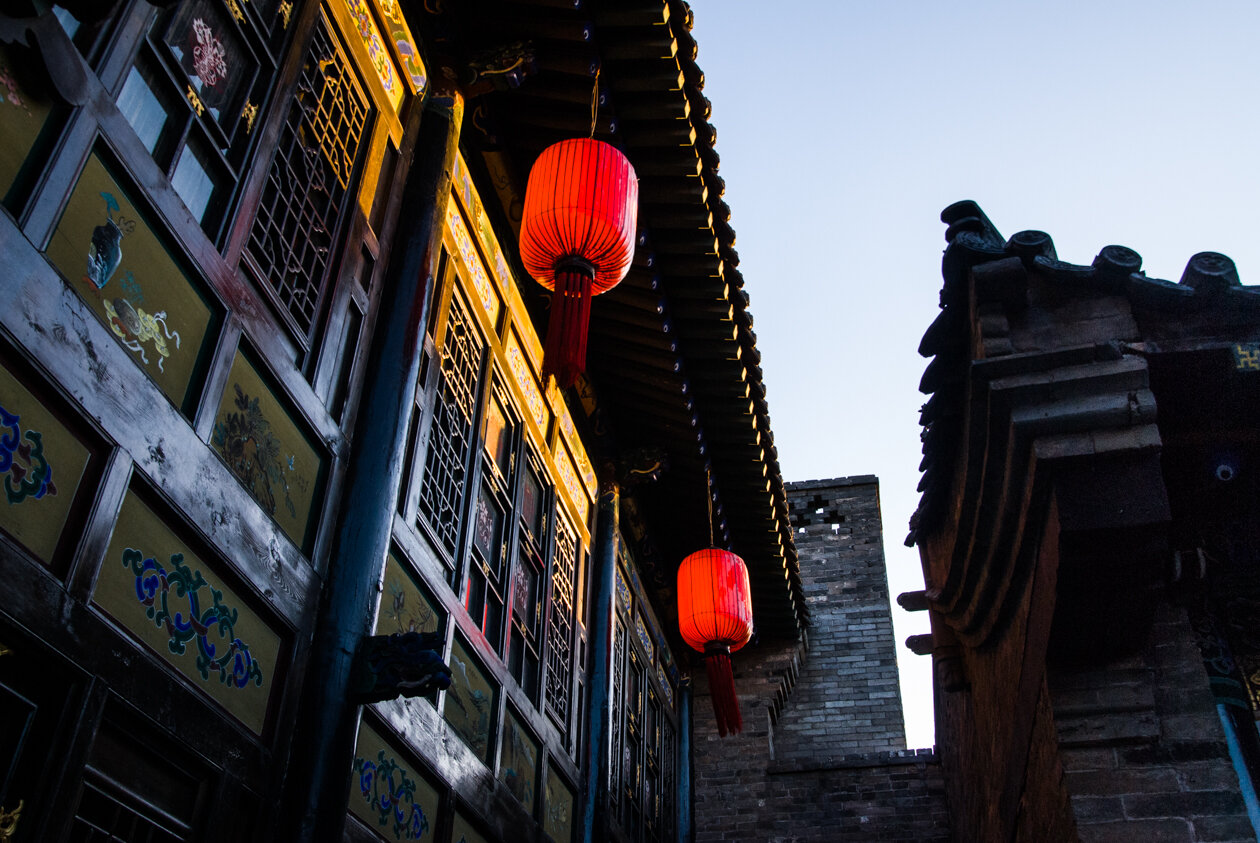
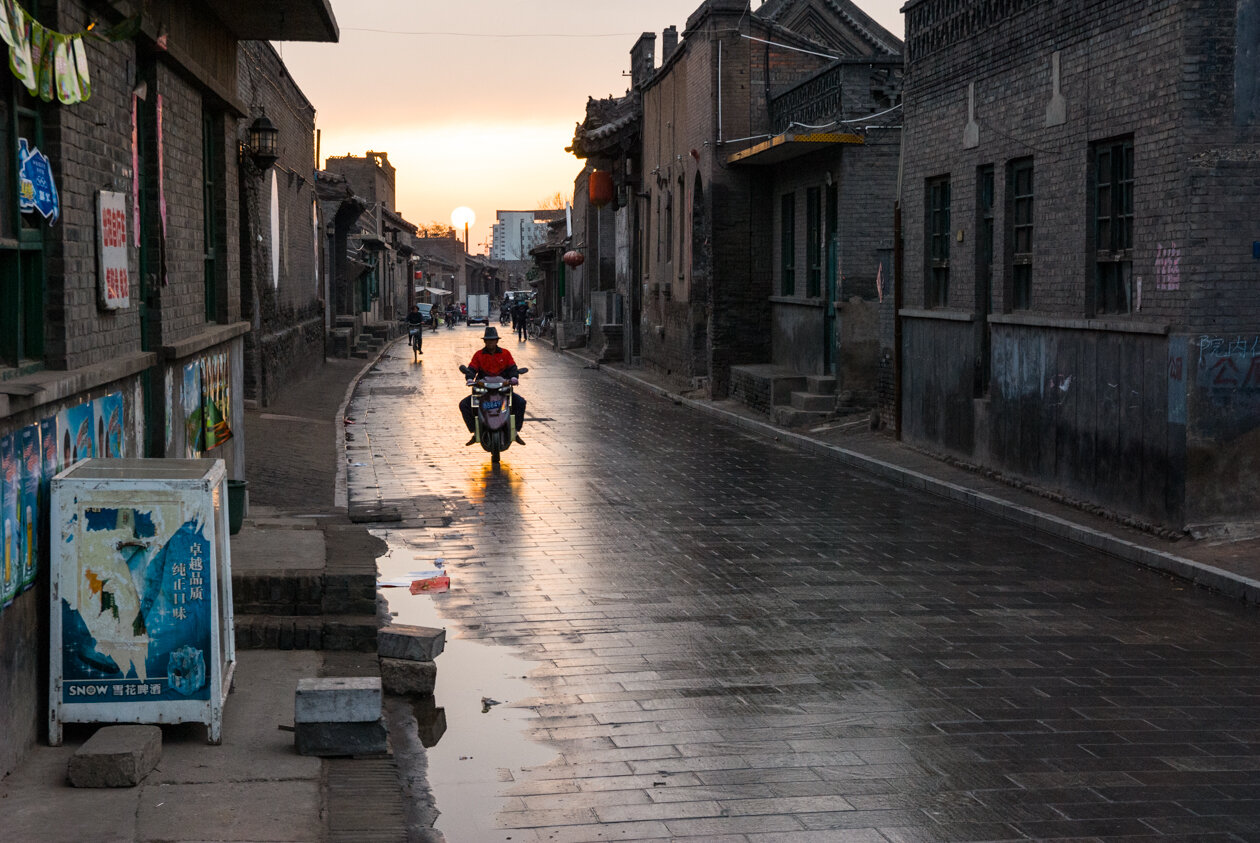
Ping Yao is an exceptional city, a typical traditional Han Chinese town founded in the 14th century. Located in the central province of Shanxi, the city features three remarkable areas: the ancient area within the city walls, the Shuanglin Temple 6 kilometers southwest of the county seat, and the Zhenguo Temple 12 kilometers northeast of the county seat. The old town of Ping Yao has well preserved its historic layout as a Han county seat in central China between the 14th and 20th centuries. Founded in the 14th century and covering an area of 225 hectares, the Old Town of Pingyao is a complex comprising ancient walls, streets and alleys, shops, residences, and temples. Its layout perfectly reflects the evolution of architectural styles and urban planning in Han cities over more than five centuries.
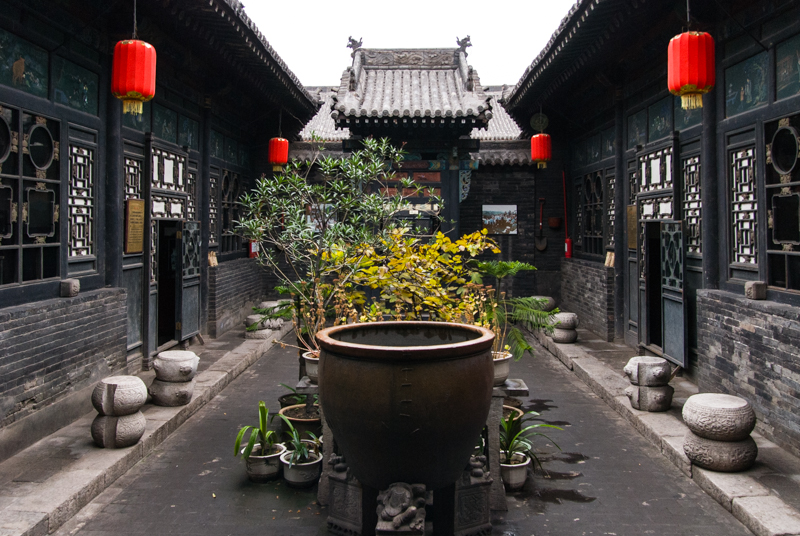
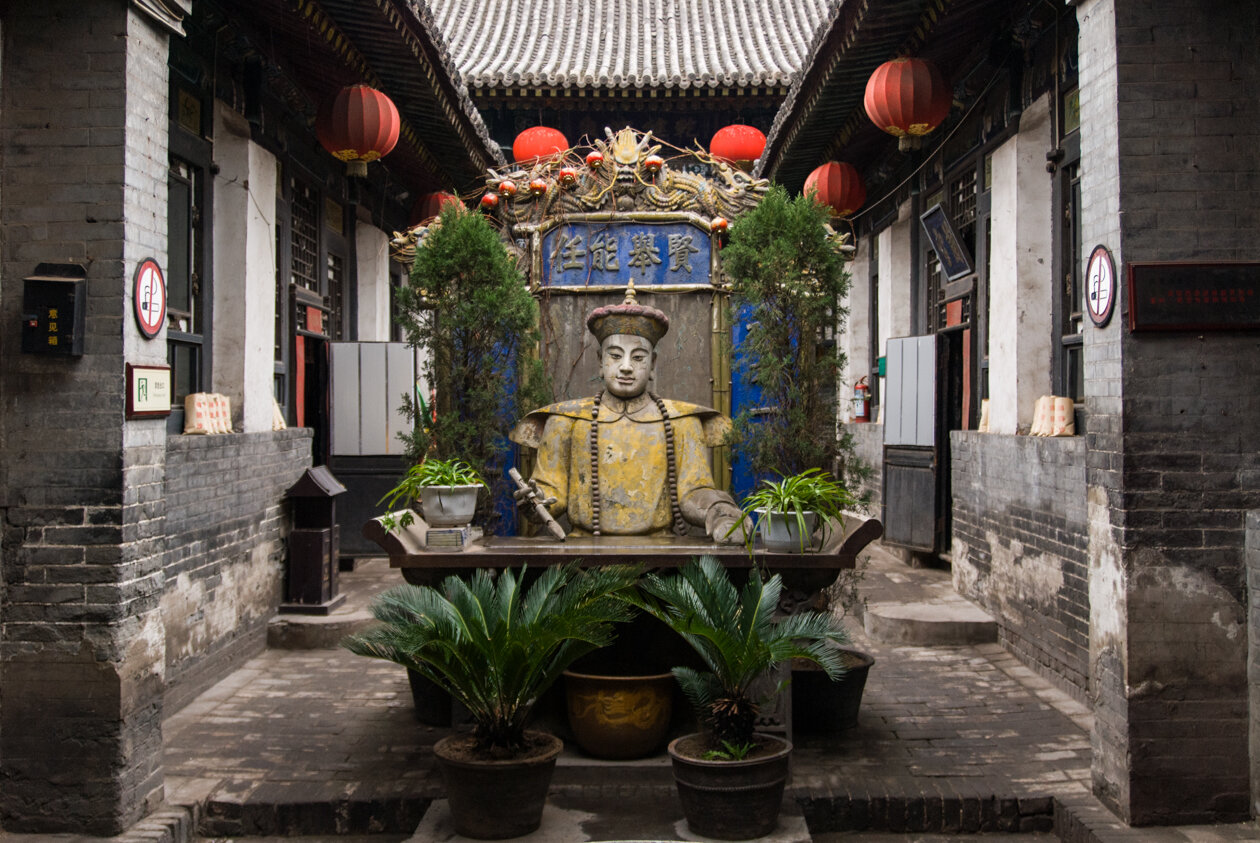
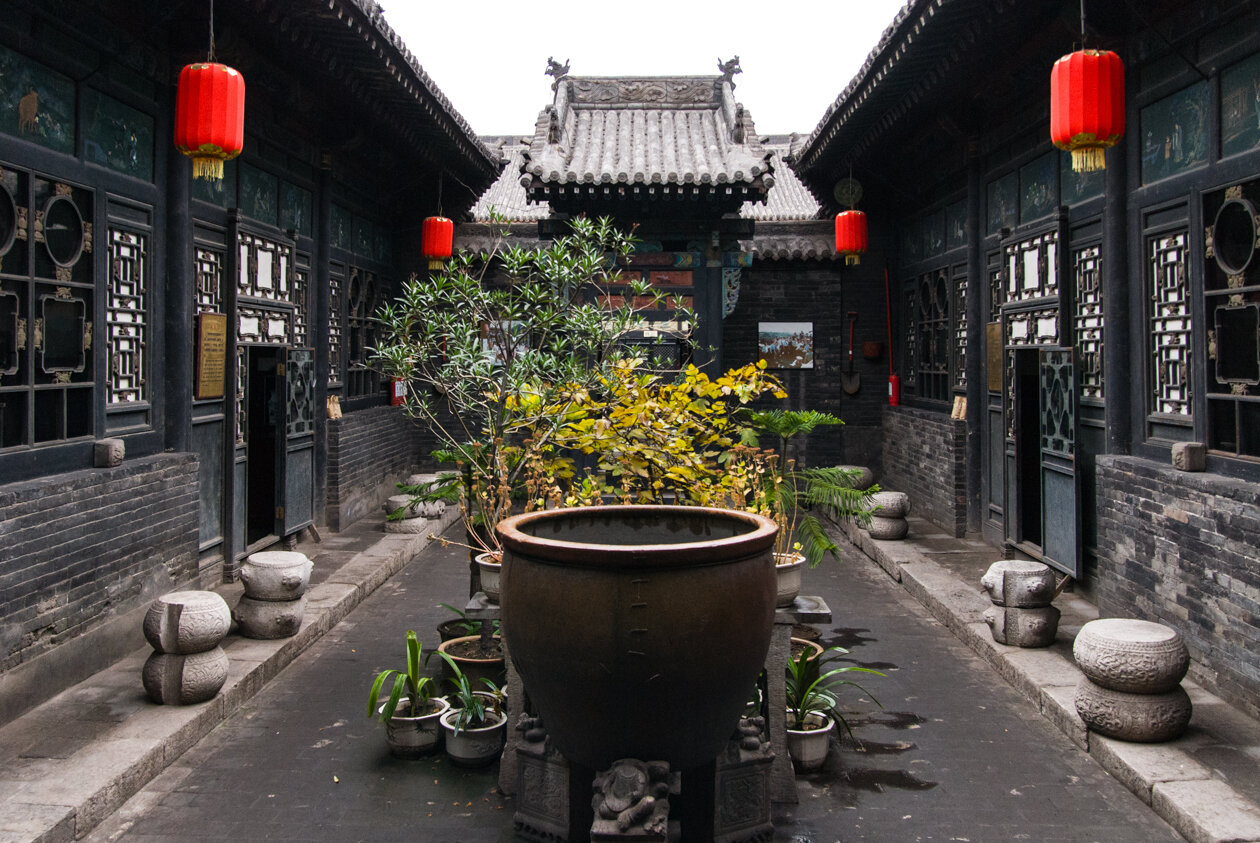
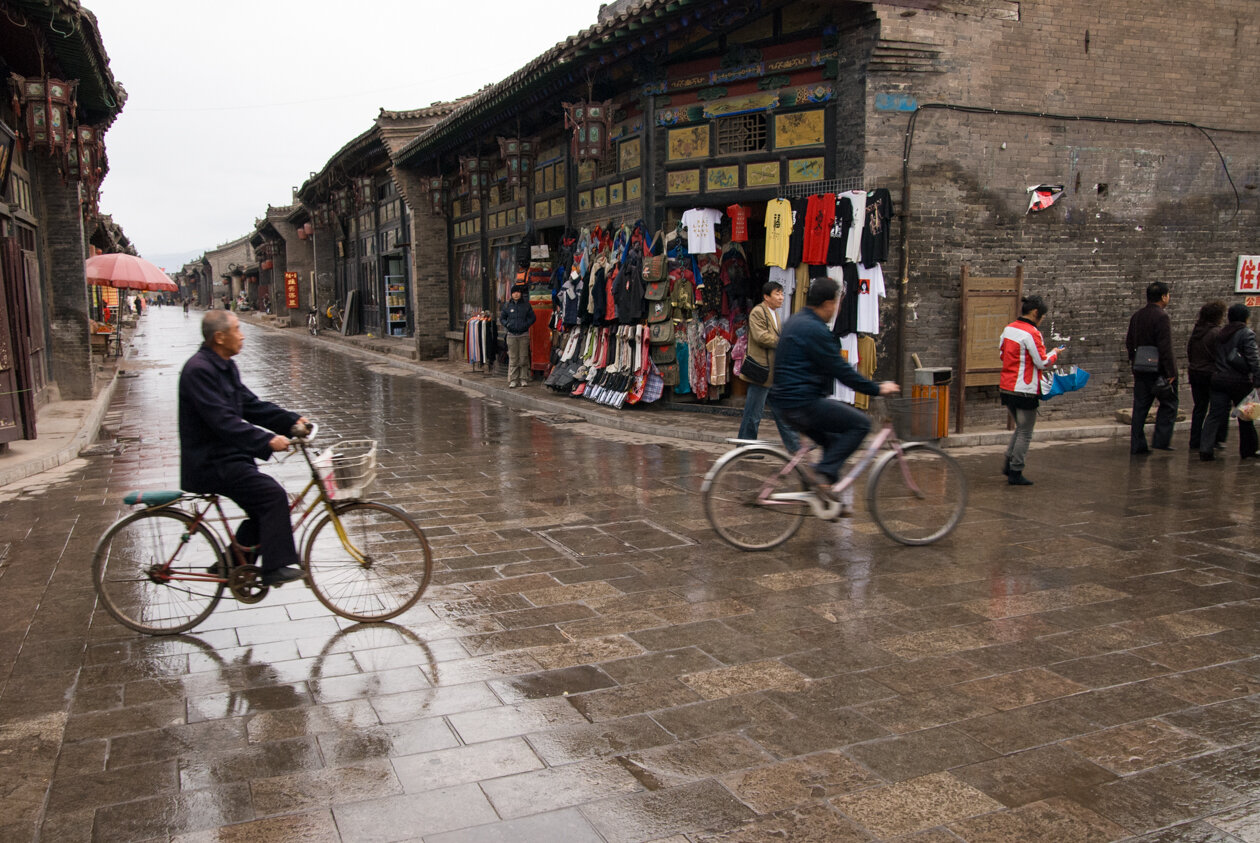
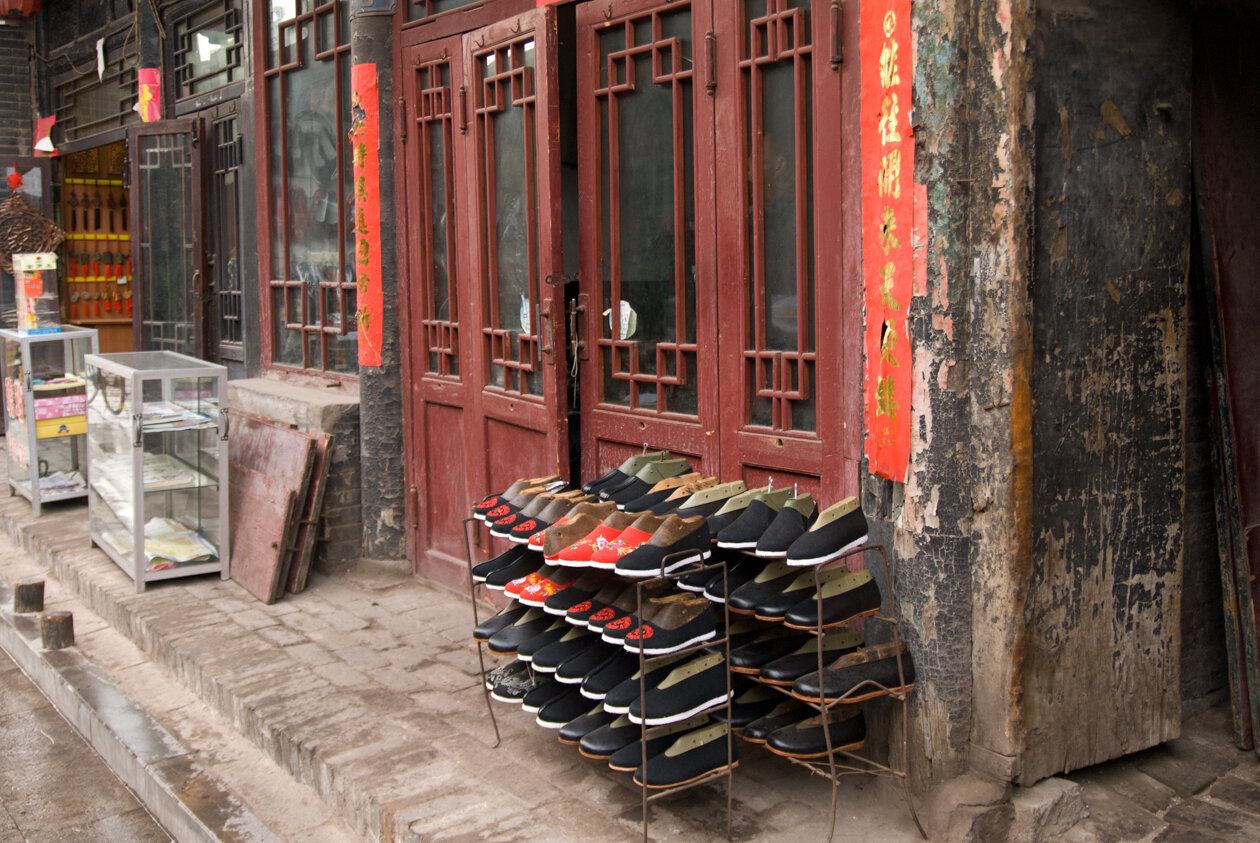
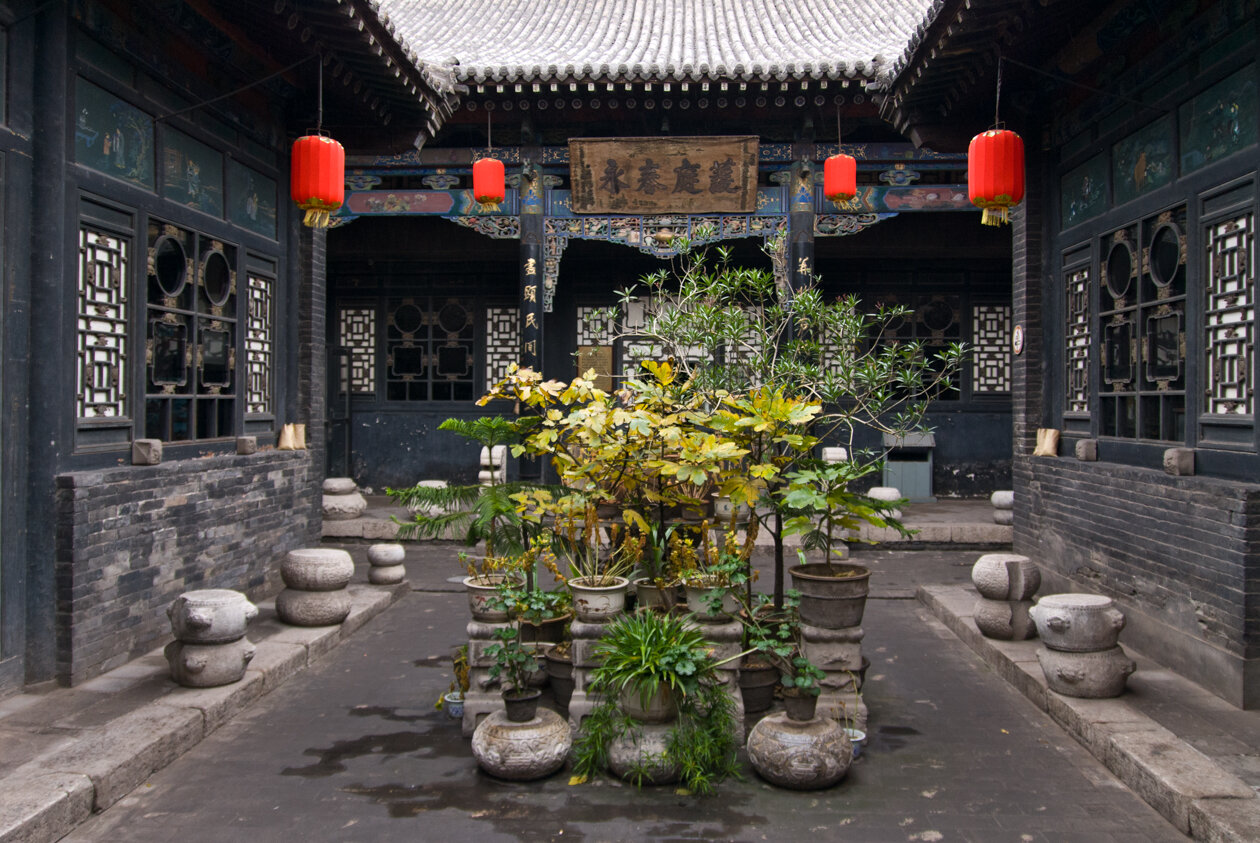
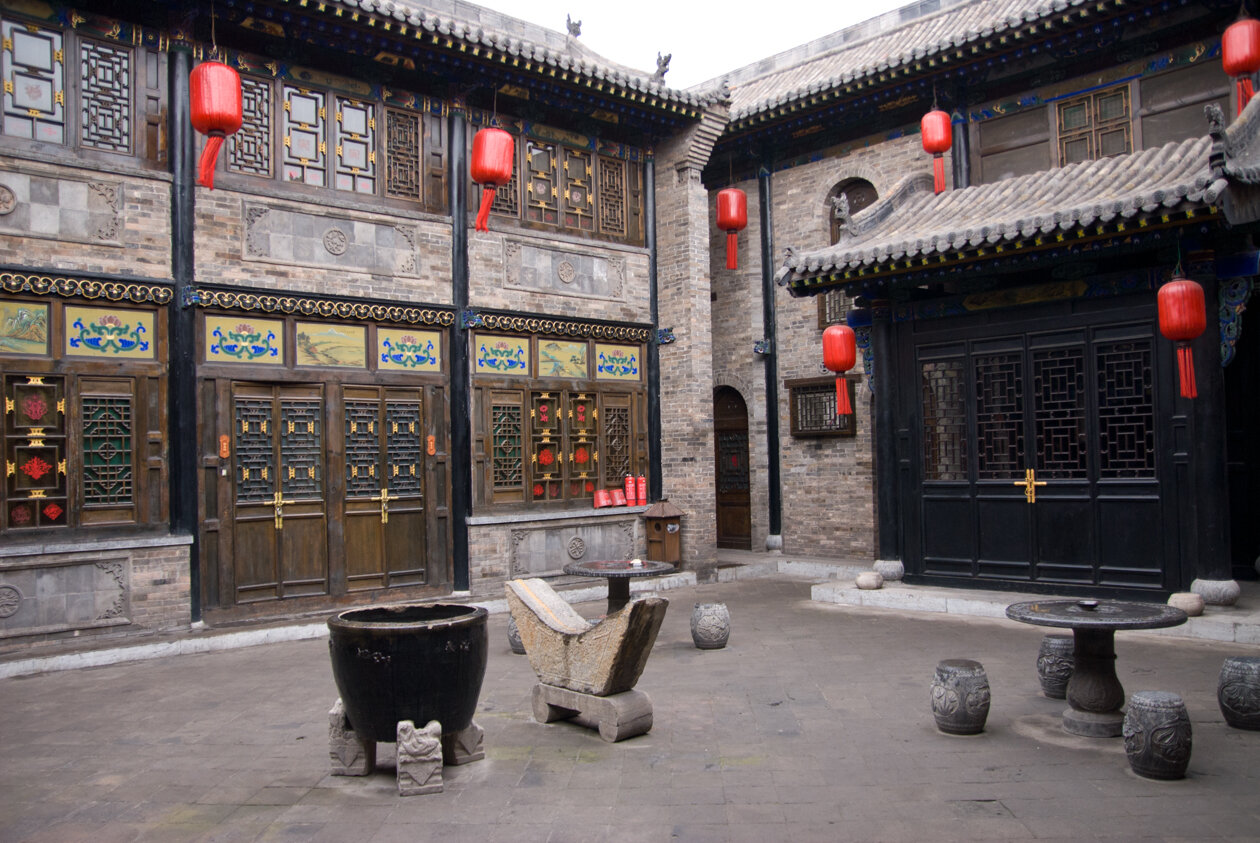
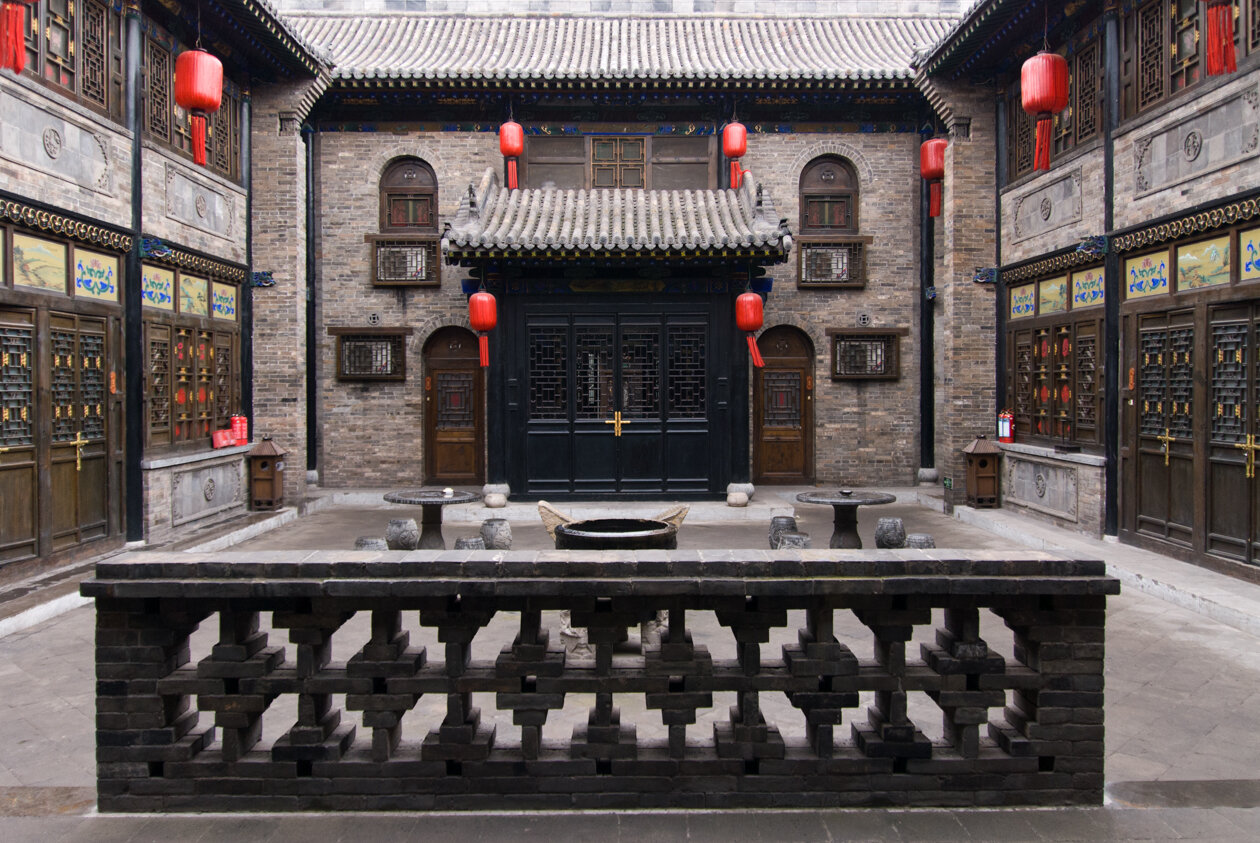
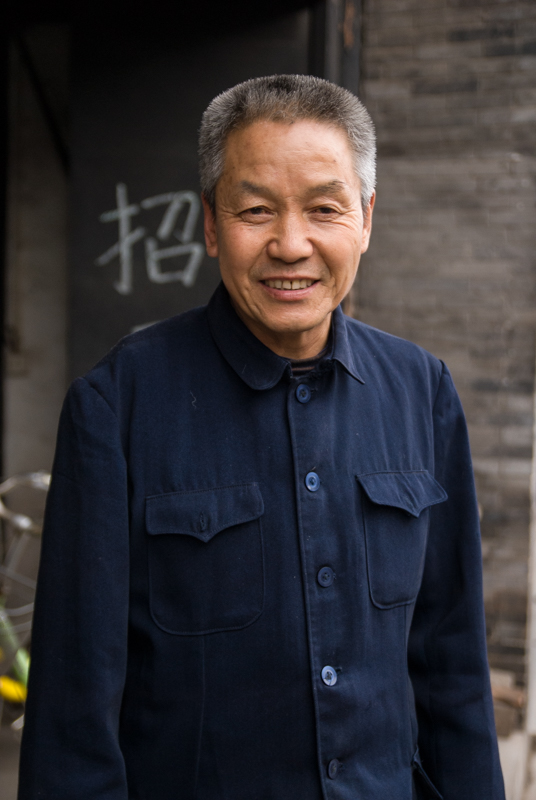
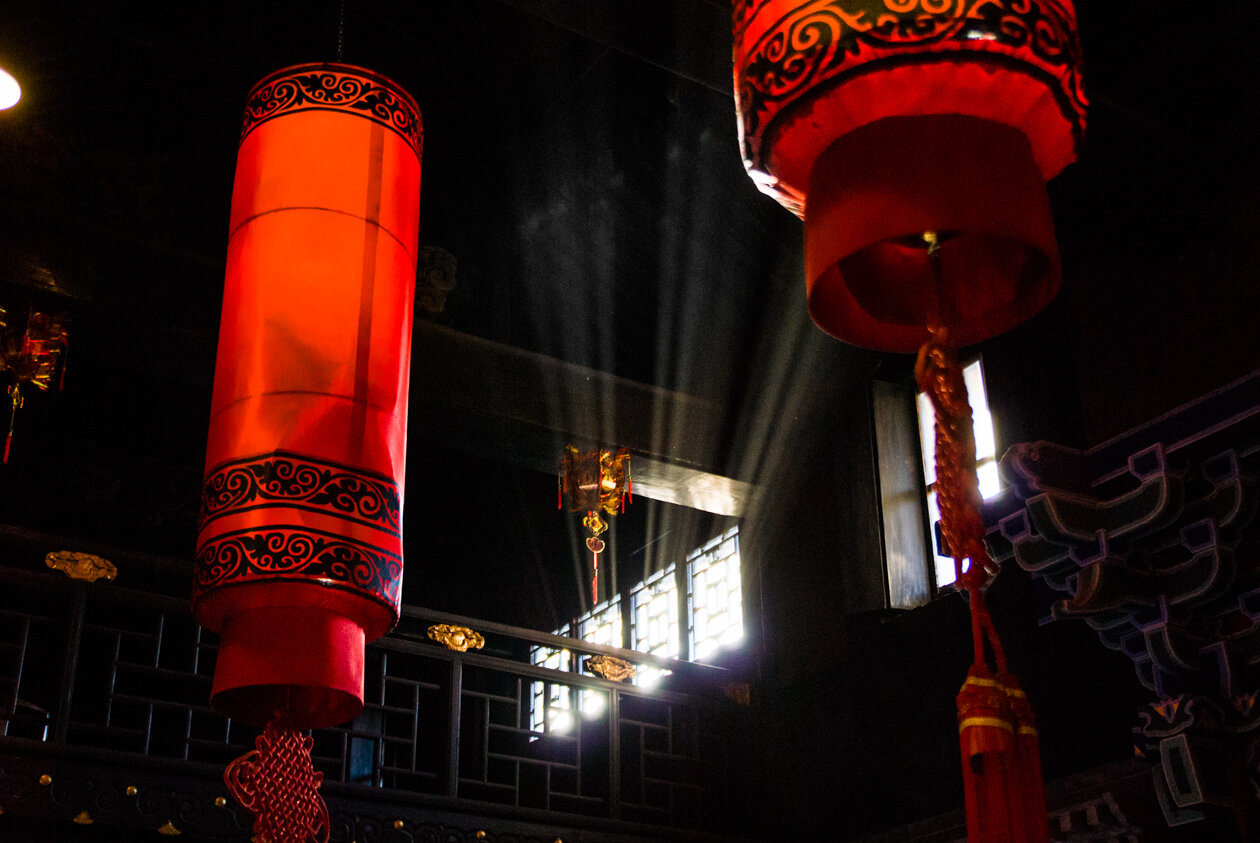
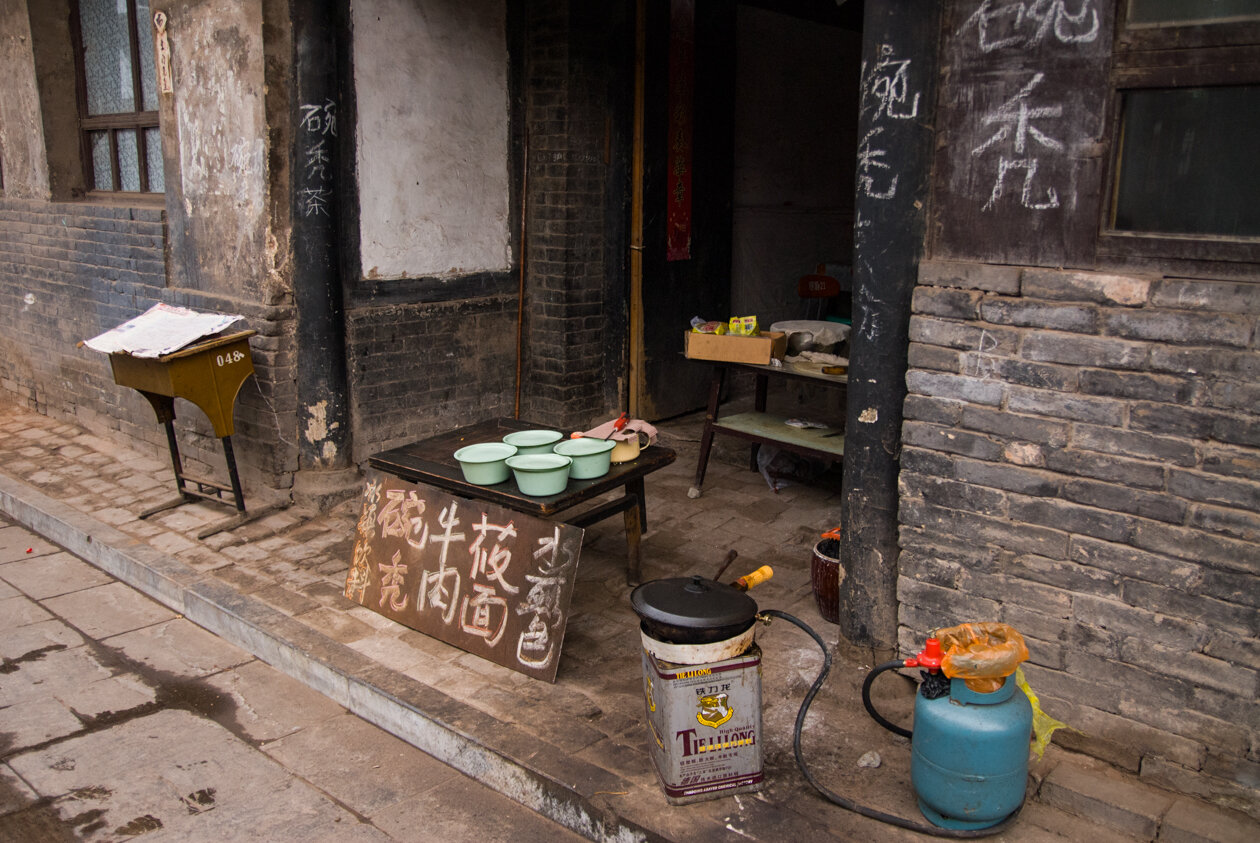
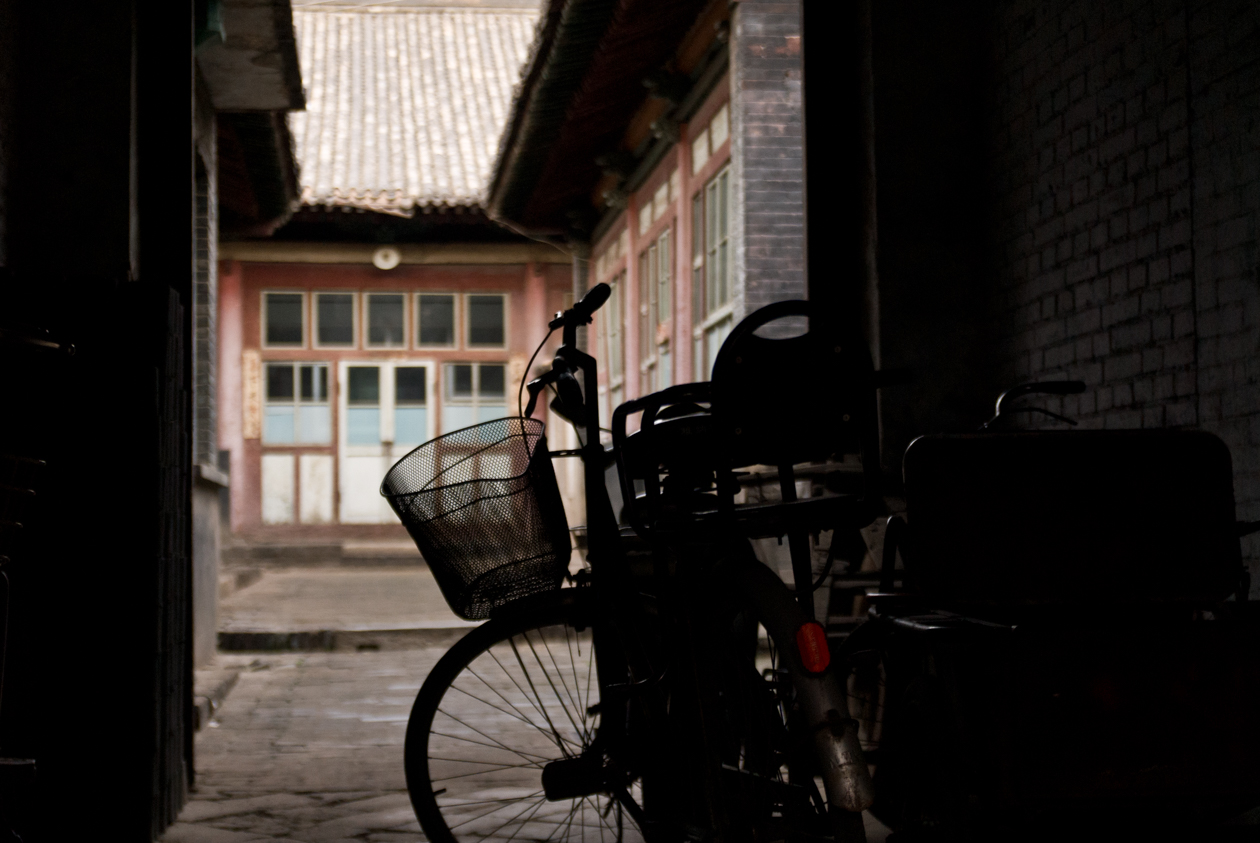
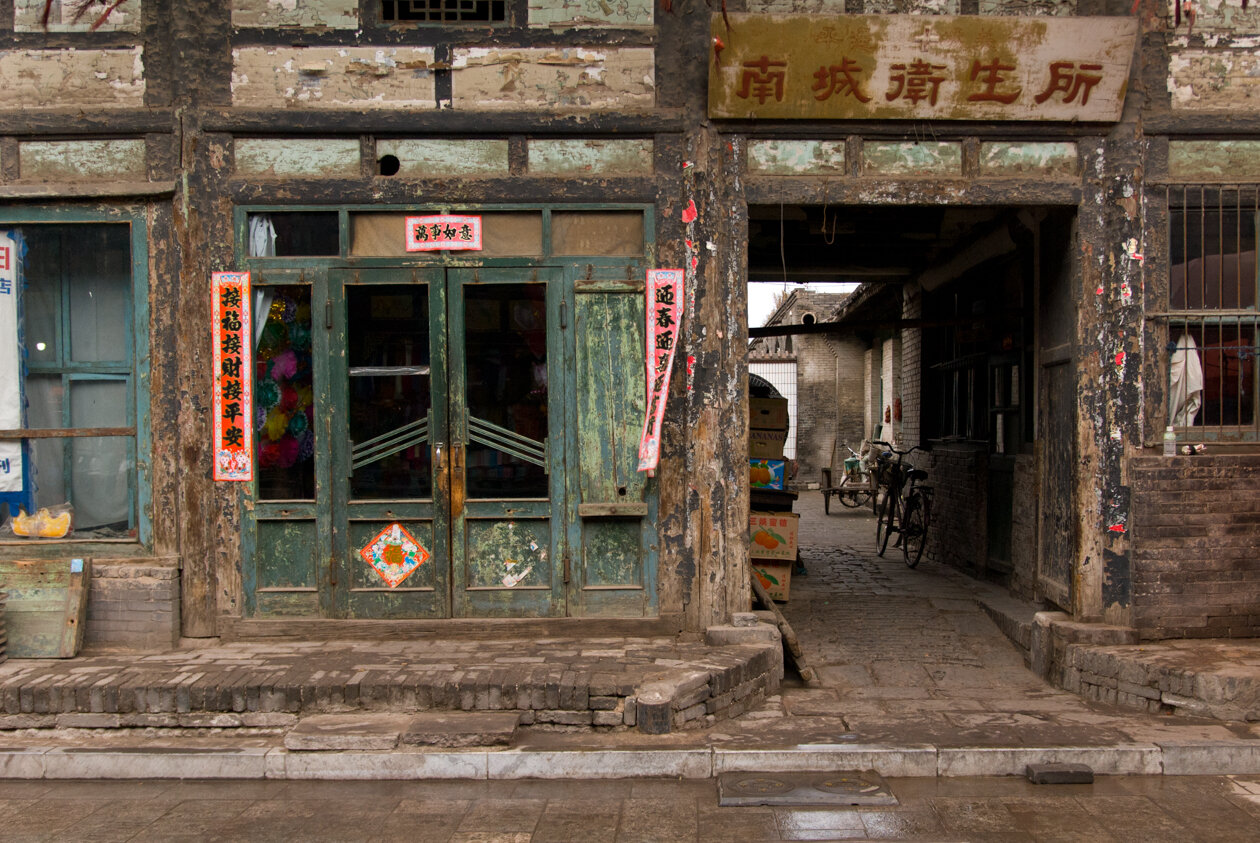
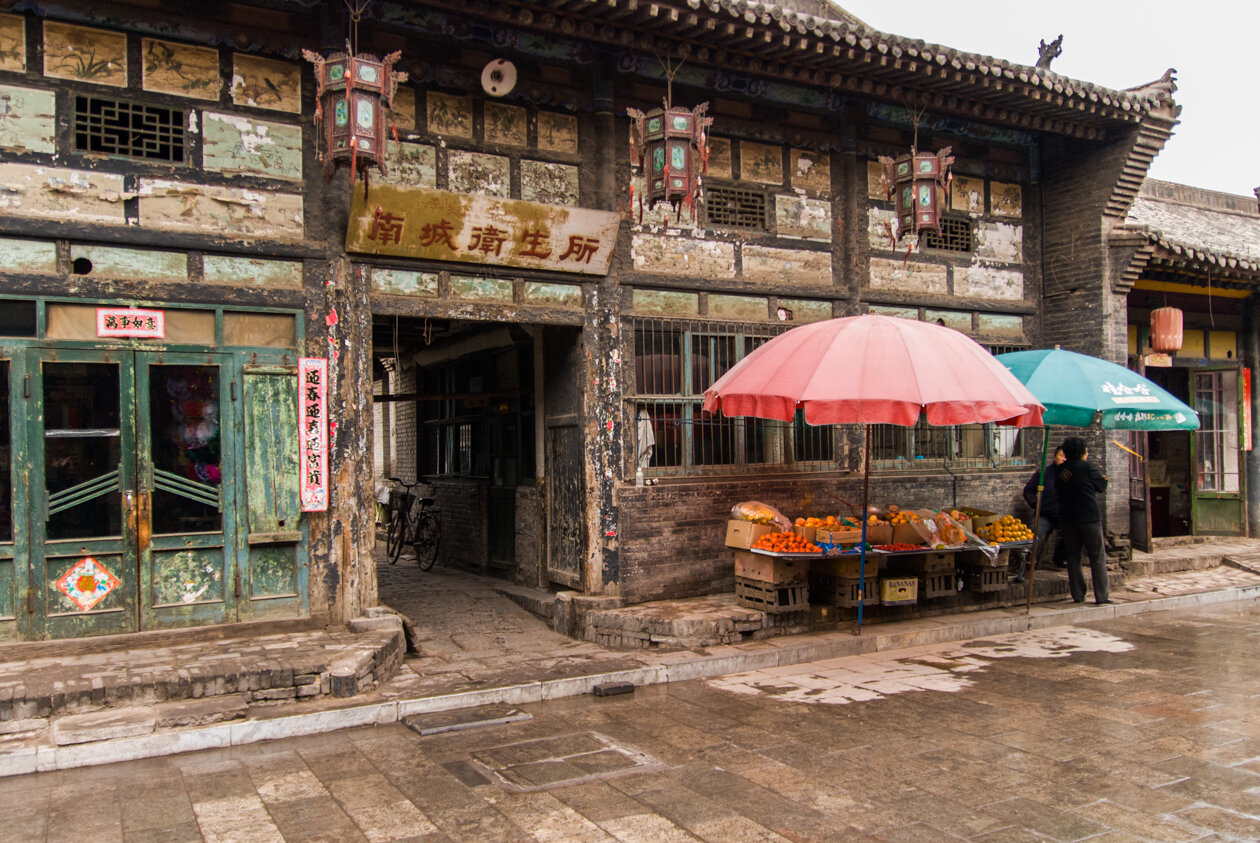
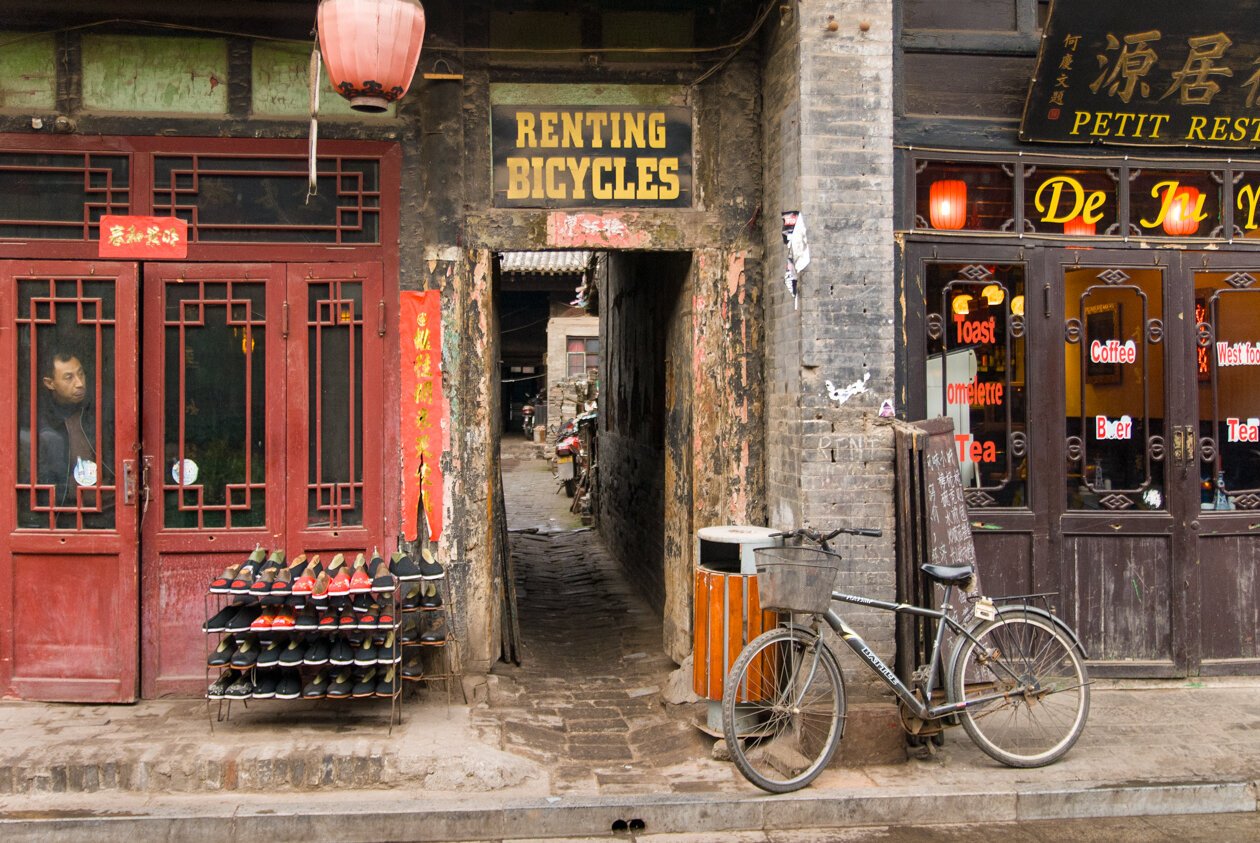
We enter the old town through the gates and head straight into the shopping streets in the center. October isn’t the peak tourist season, but that’s fine by me, since people are more relaxed. Almost all of the historic houses are set back from the street, behind an entrance that opens onto an inner courtyard. The buildings are made of traditional gray brick, and the window and door frames are wooden. It’s a constant source of wonder that inevitably leads one to imagine what life must have been like back then. Everything has remained virtually intact; the best way to get around the old town is still by bike, though a few signs are there to disrupt this immersion in ancient China.
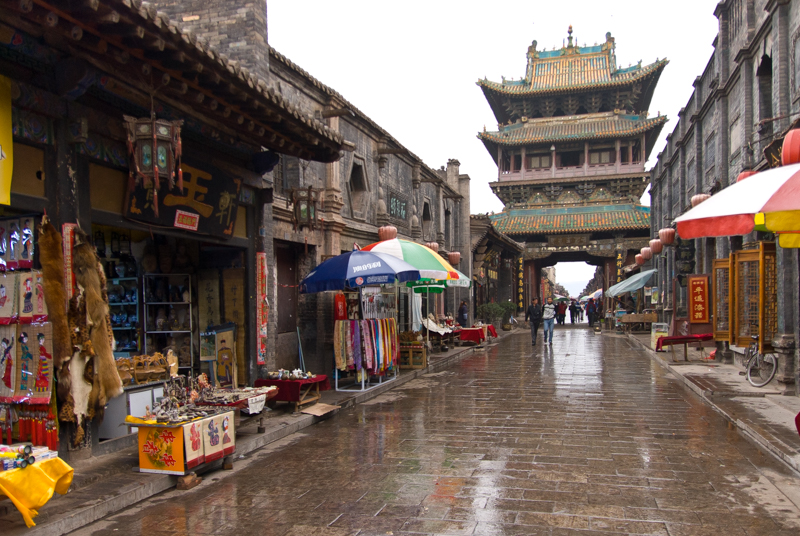
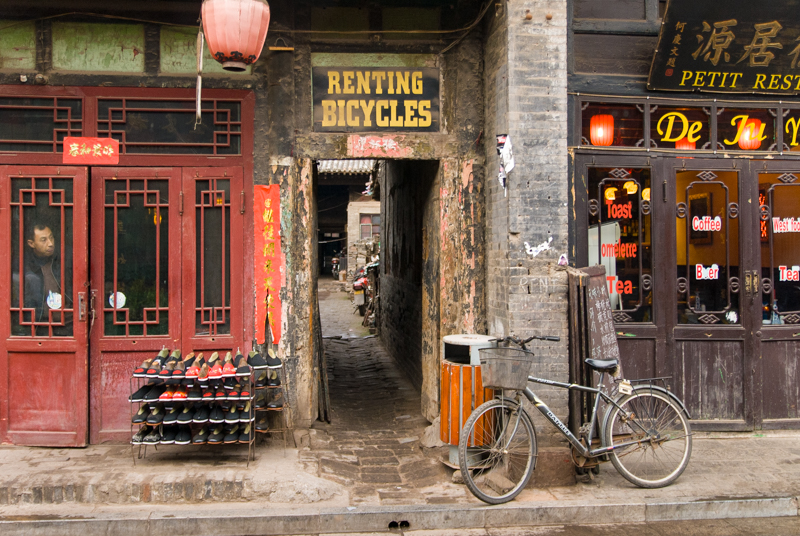
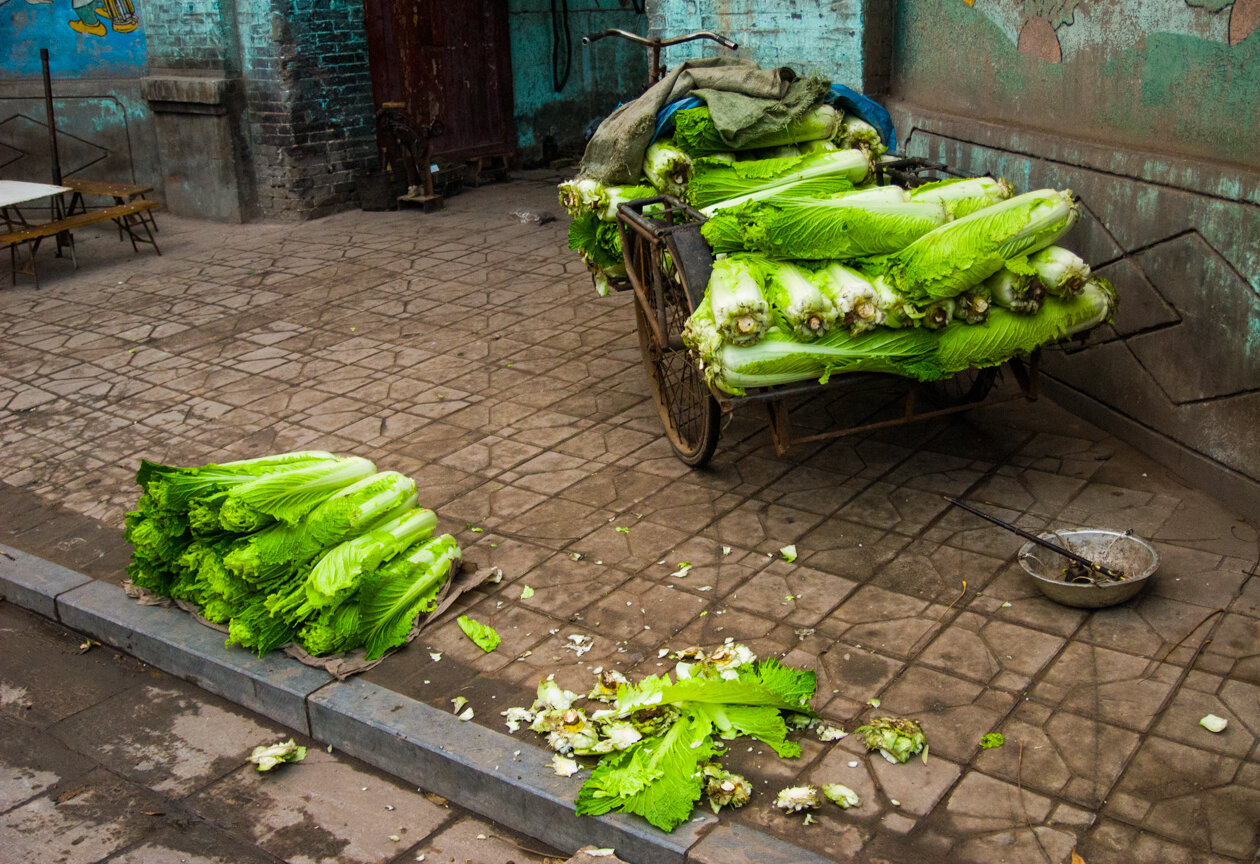
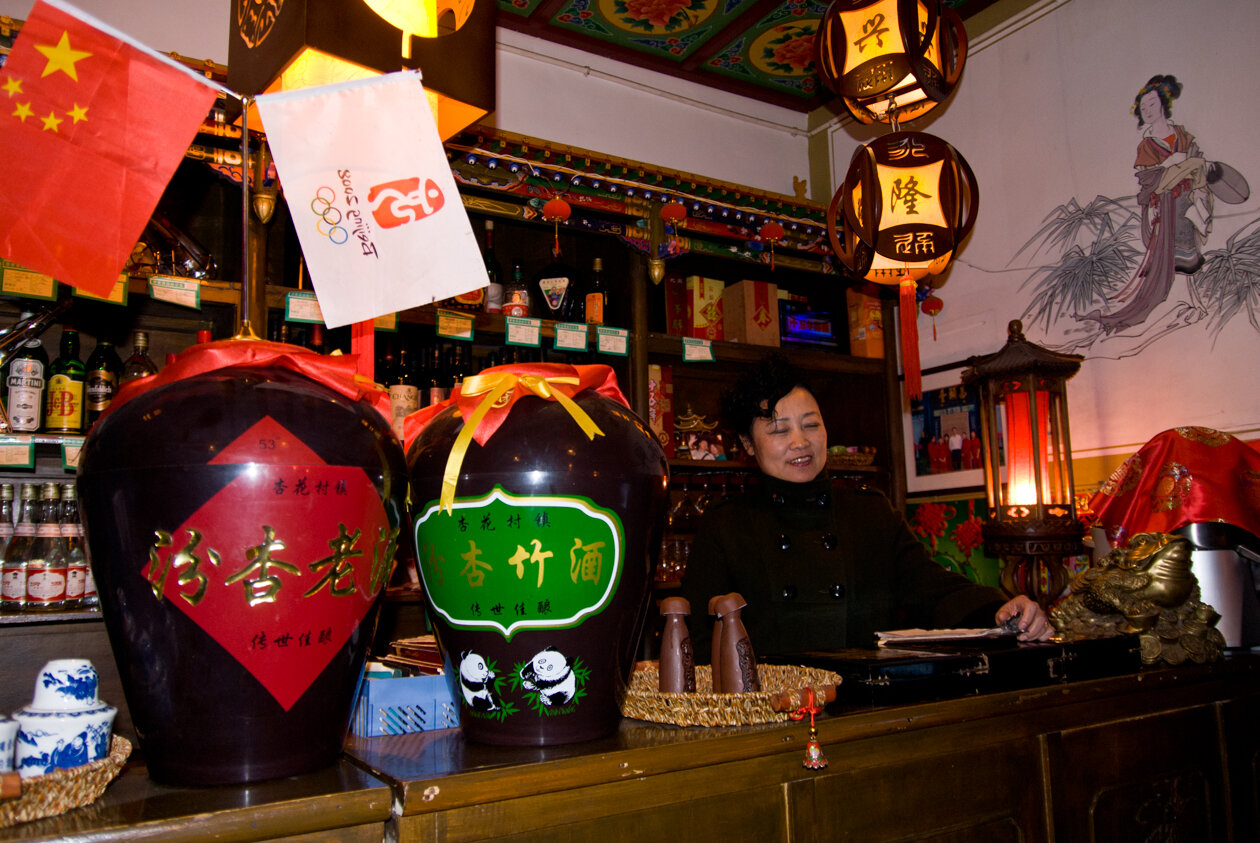
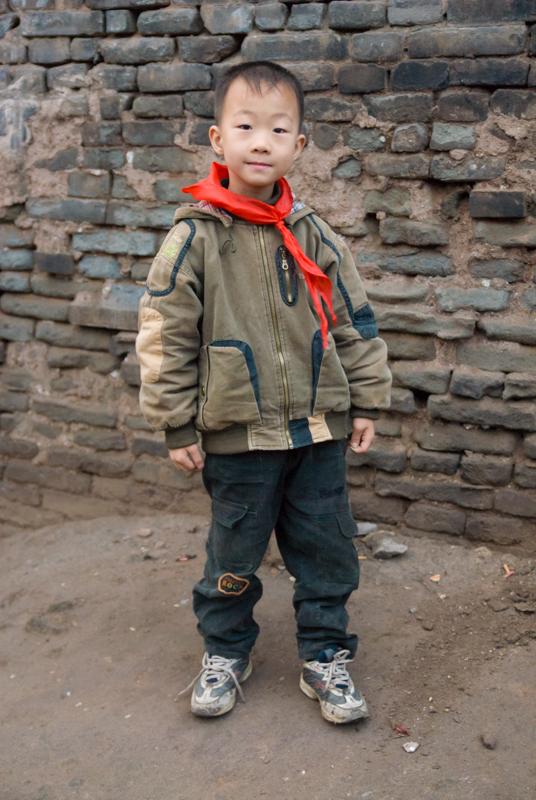
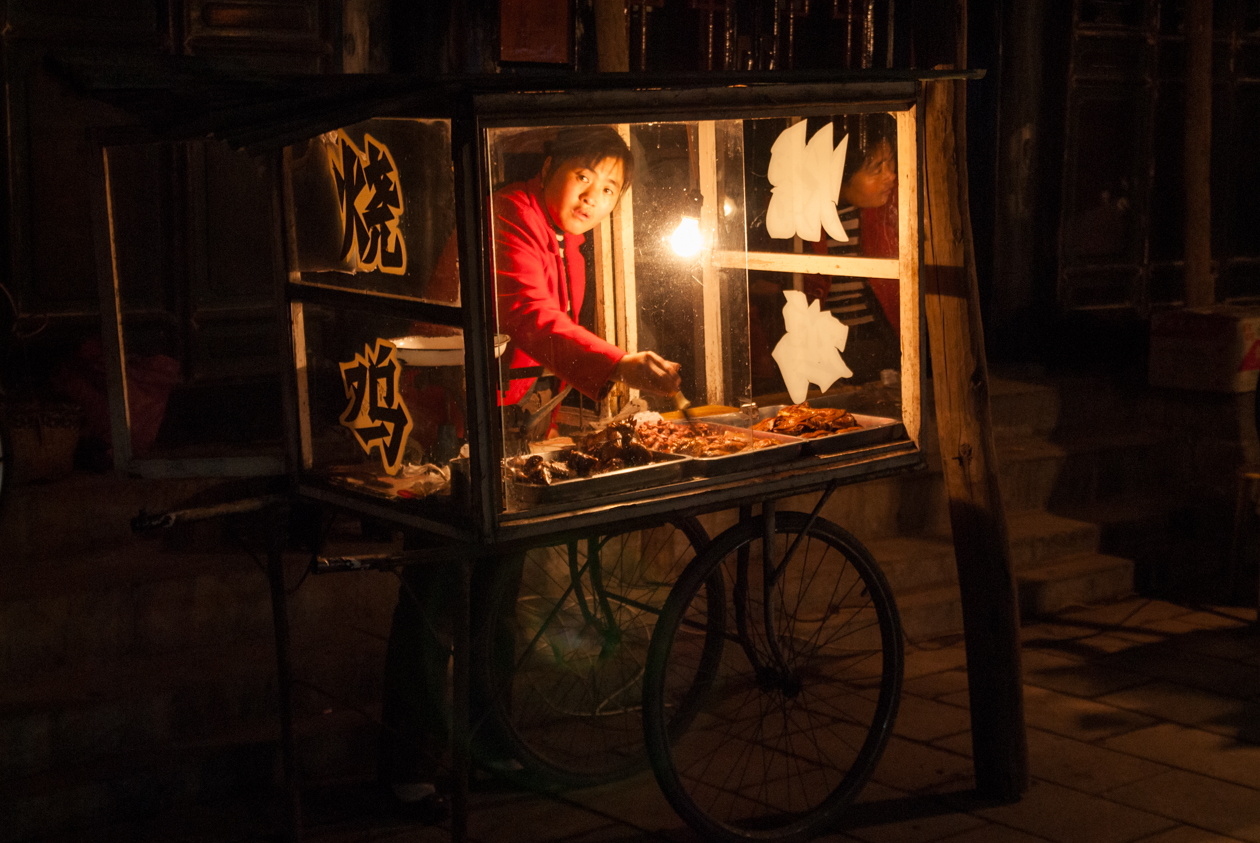
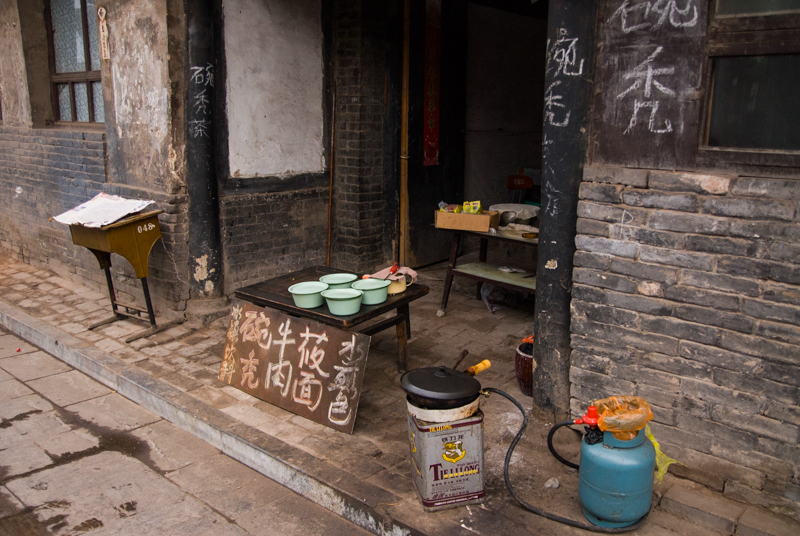
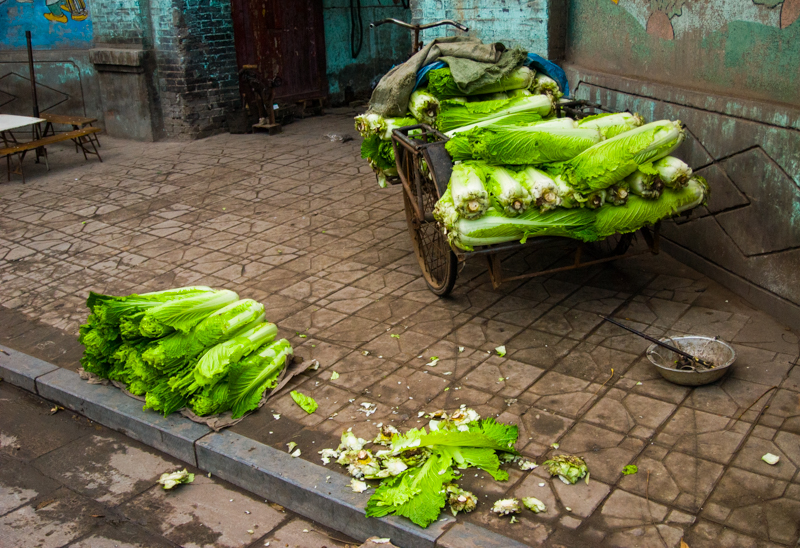
As for meals, no problem—street food is everywhere, and vegetables are plentiful. Here, too, it’s easy to meet people; we chat with a museum guard who tells us about the city’s history, and we run into kids coming home from school before heading back to have some hot tea and get ready for the night.
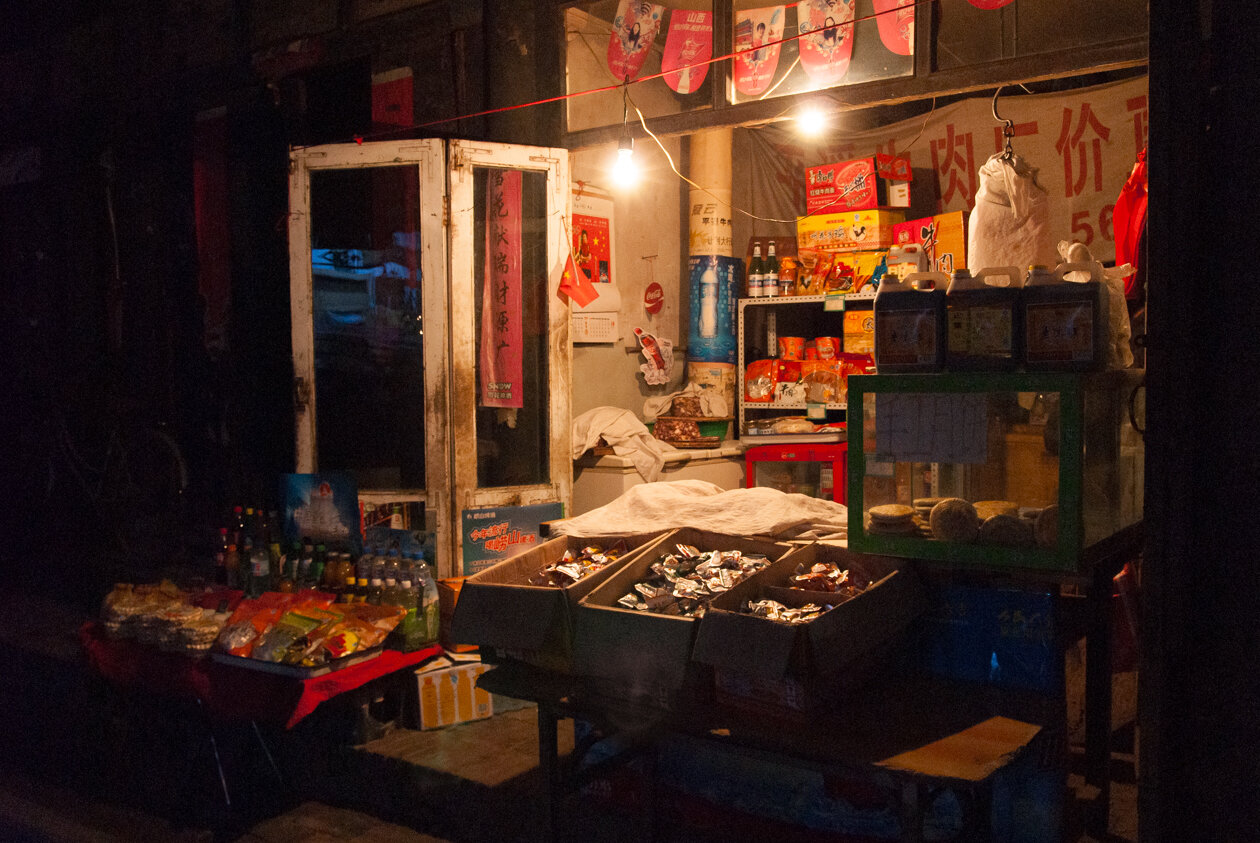
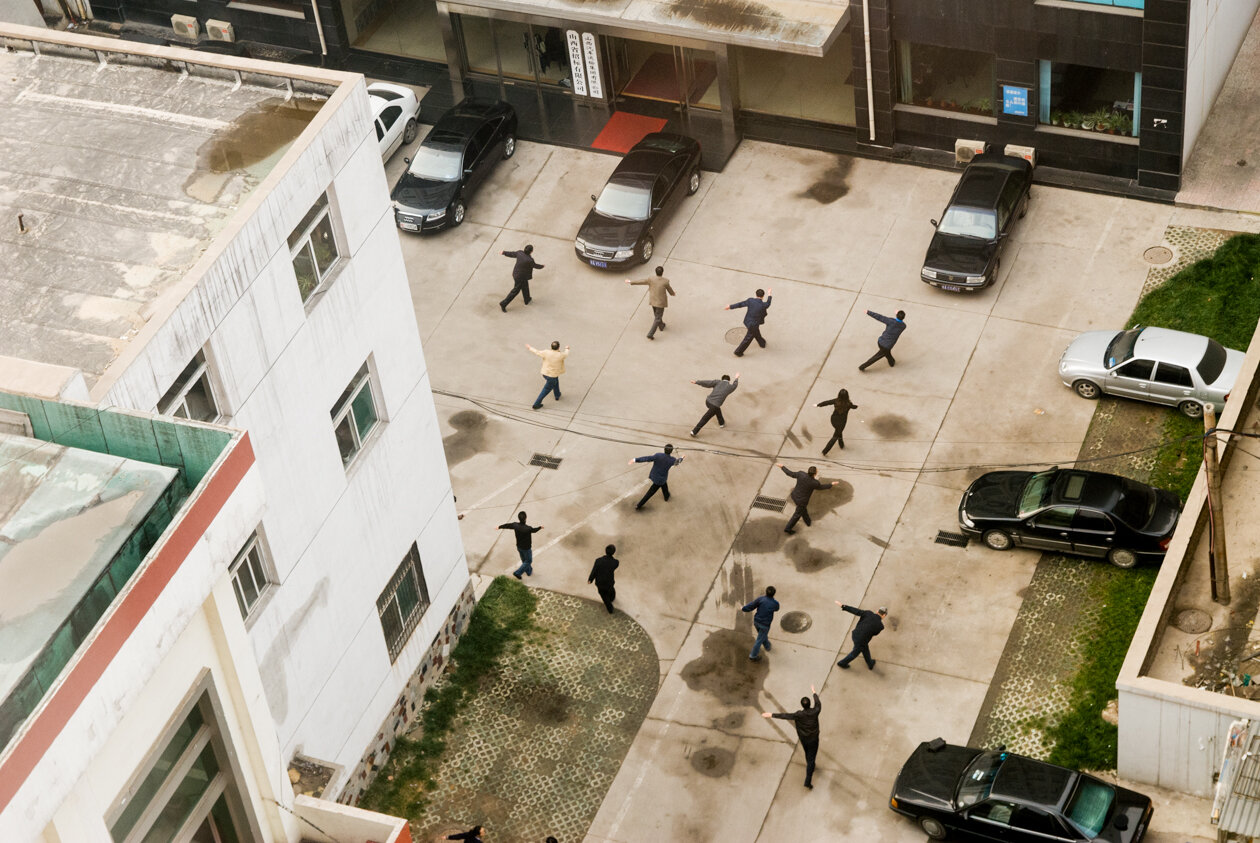
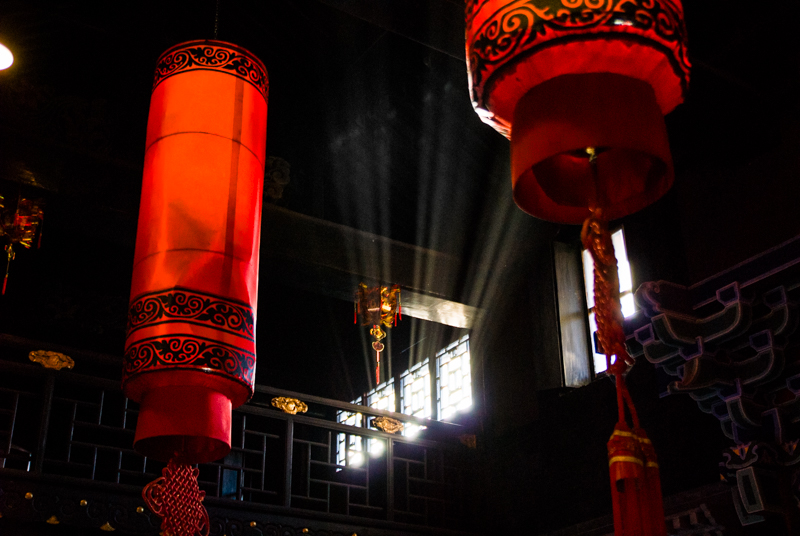
The next morning, I woke up fairly early, but not early enough to take part in the traditional exercise routine. Our tour continued into the evening, taking in old houses, a cozy atmosphere, and the play of light and shadow.
Ping Yao (China) – October 22, 2008