Granada, the jewel of the Sierra Nevada.
Ecrit parVenturelli Erick
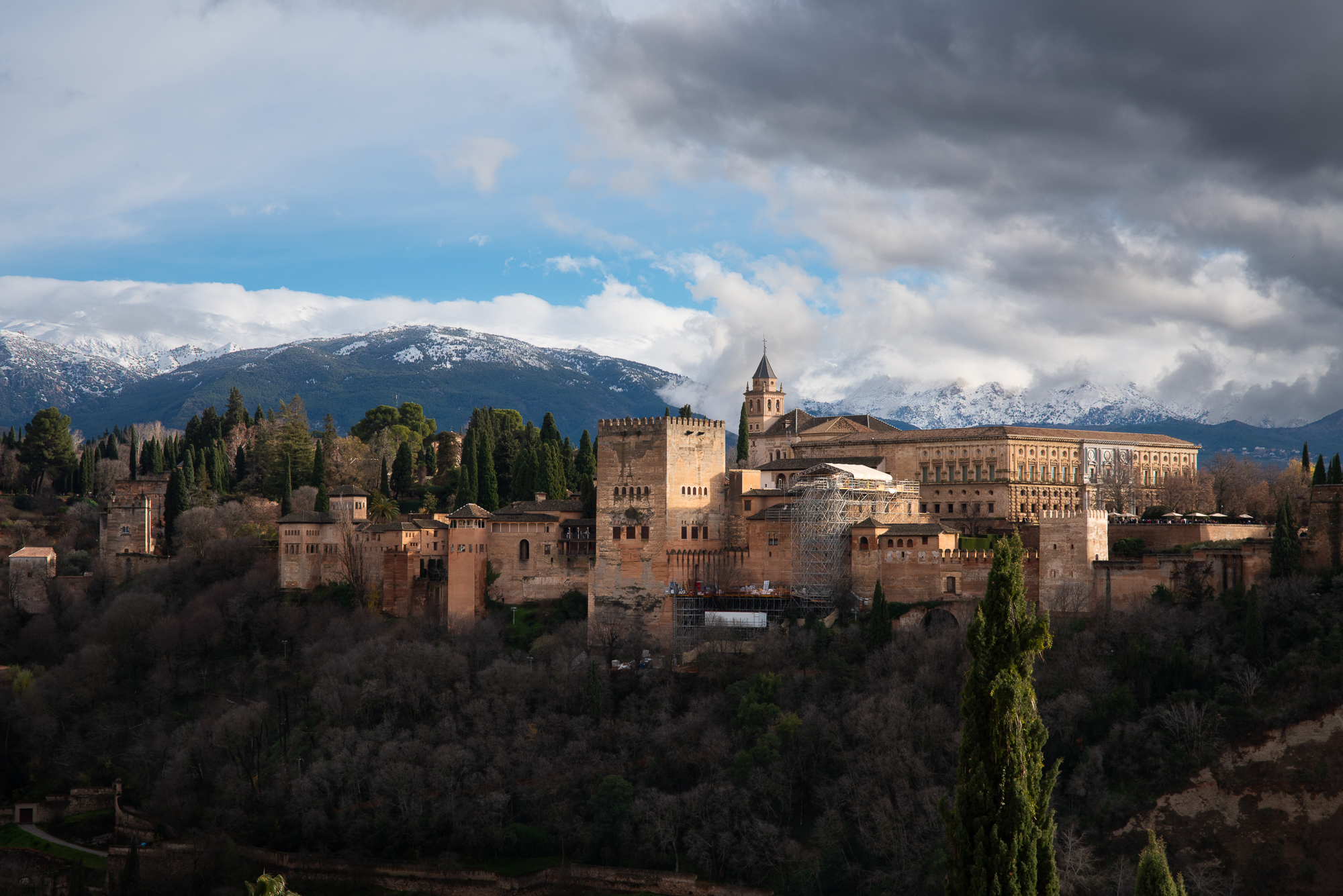
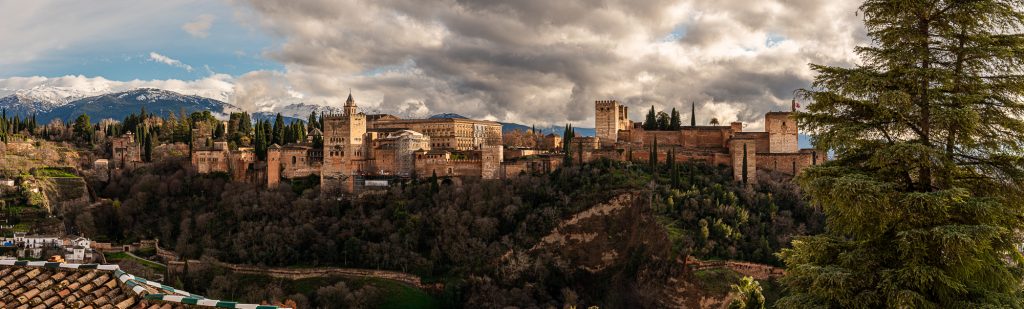
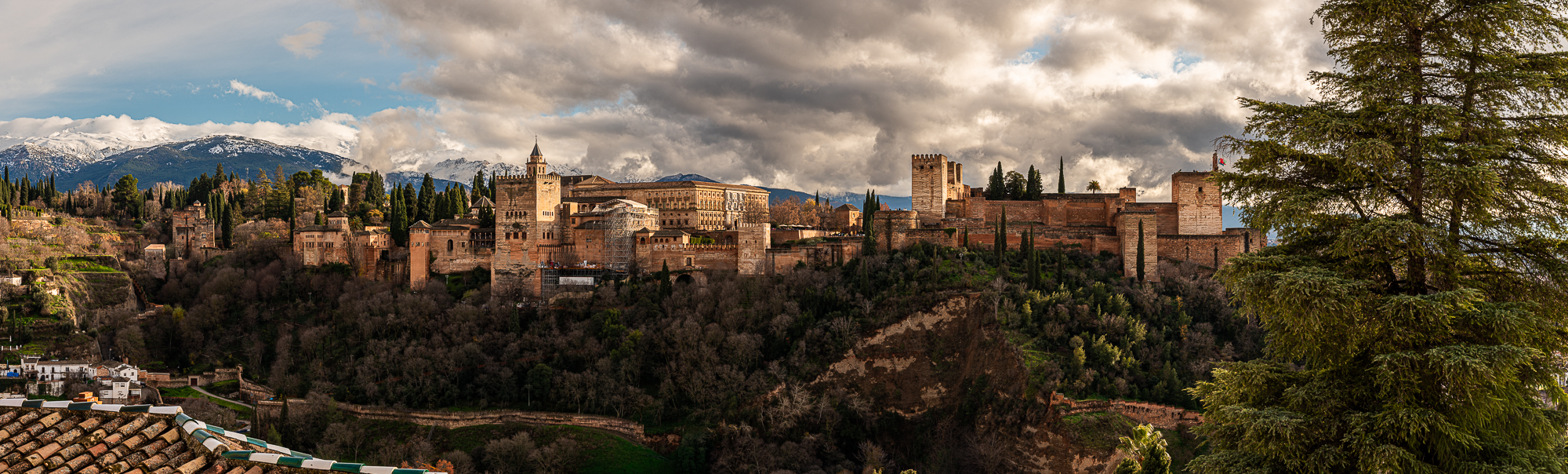
Granada, the eternal snows of the Sierra Nevada and the fragrant gardens of the Alhambra.
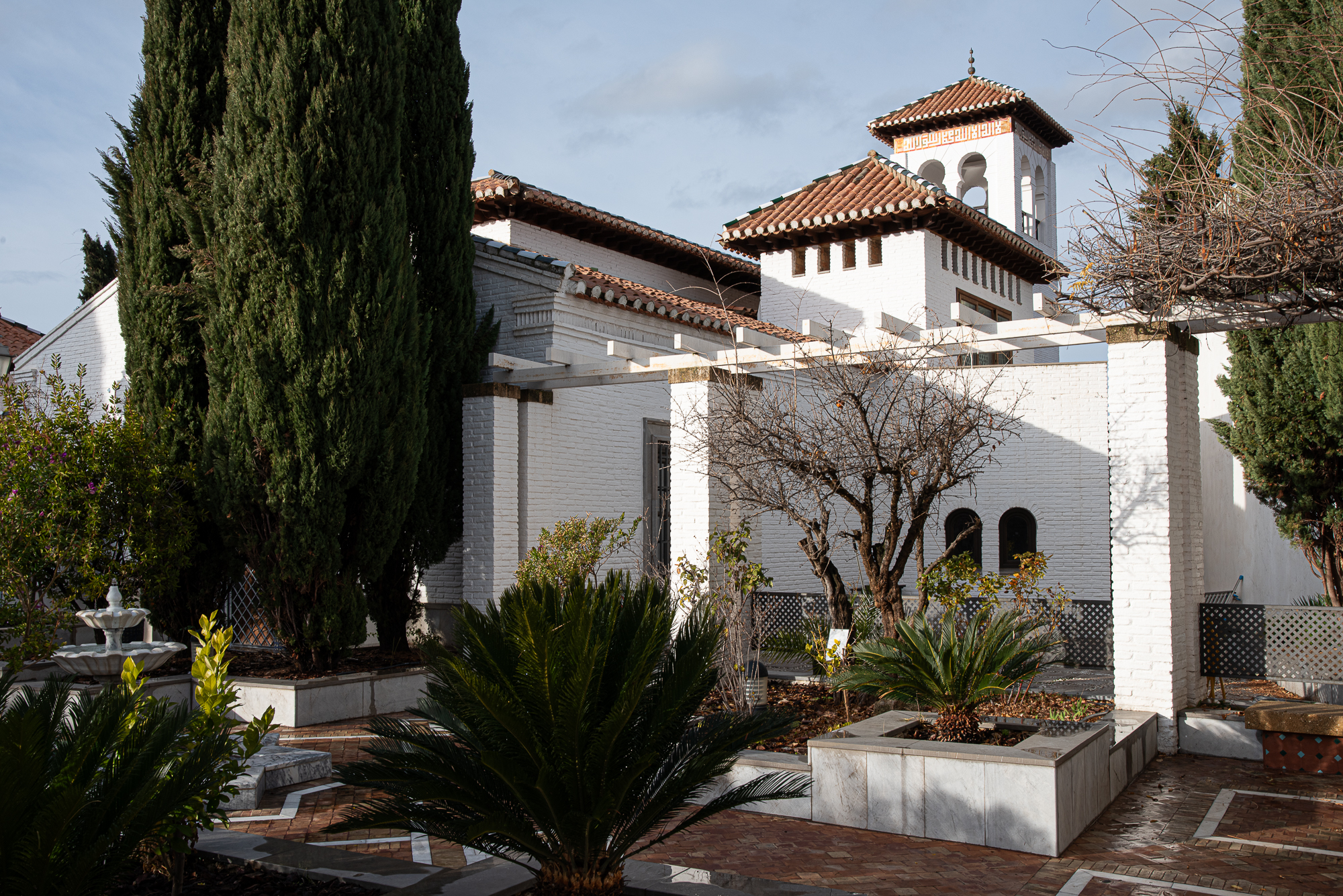
Granada boasts a history stretching back a millennium in which there is a blend of Iberian, Roman, Muslim, Jewish and Christian heritages, and it is above all the city that was home to the last kingdom of Al Andalus before the Reconquista by the Christians.
Origins and the ancient period.
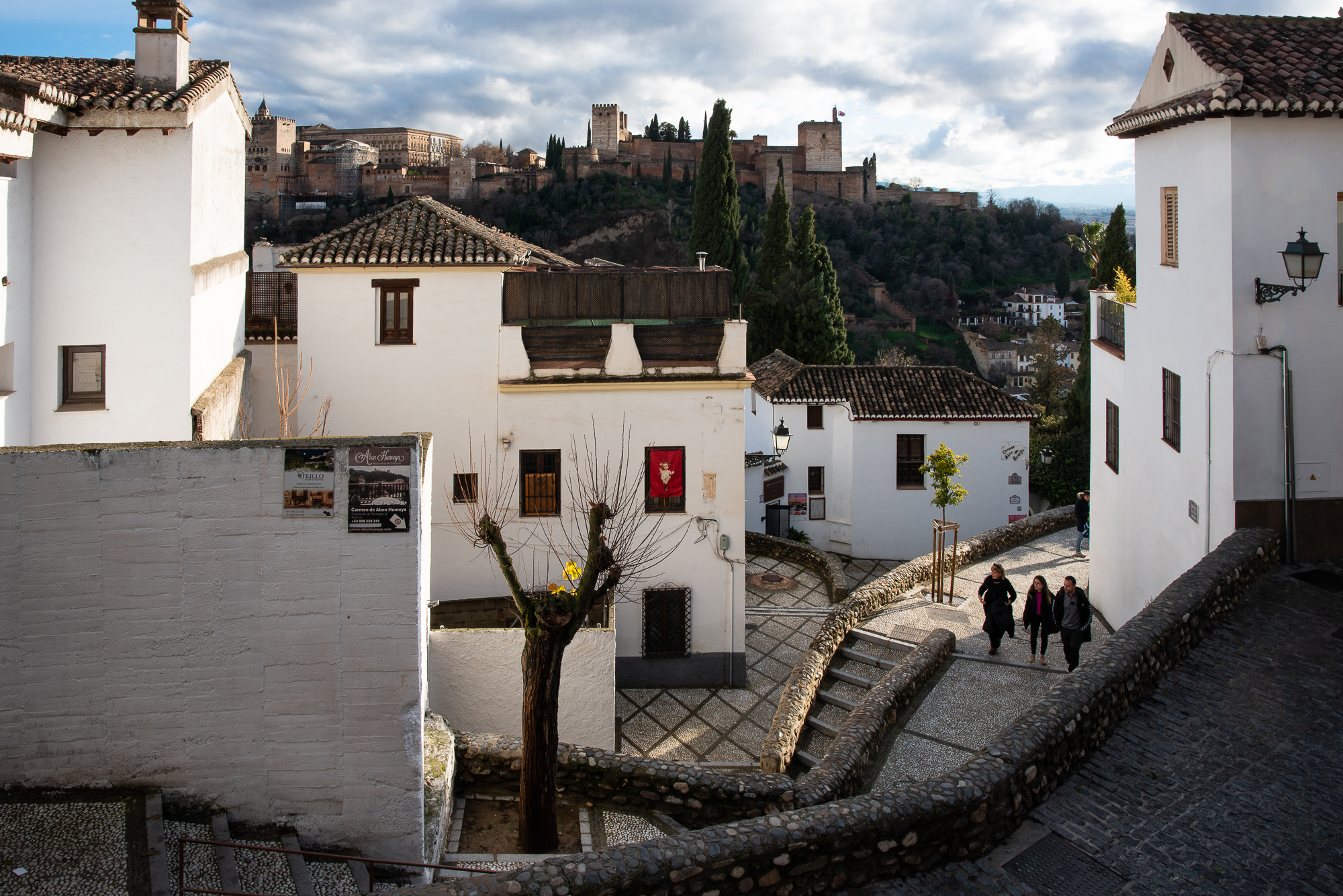
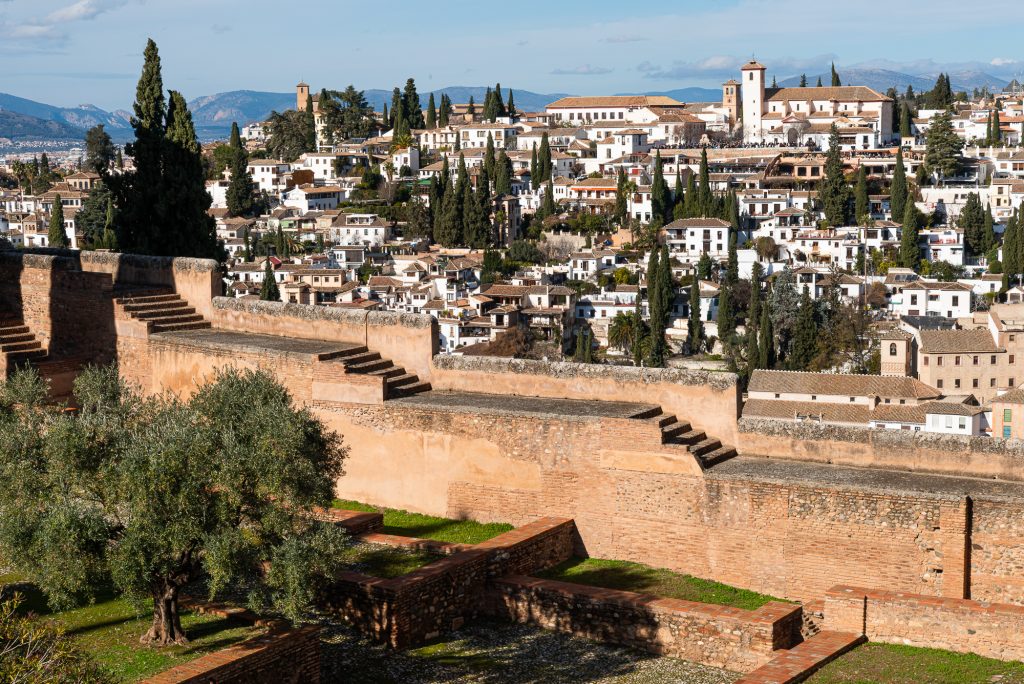
The origins of Granada can be traced back to Iberian settlements on the Albaicín hill, followed by Carthaginian and Roman settlements which gave it the names Iliberis or Florentia; these successive layers laid the foundations for a site that was both strategic and fertile at the foot of the Sierra Nevada. After the fall of the Roman Empire, the region came under Visigothic control before the arrival of the Muslims in the early 8th century, a process which profoundly transformed the urban structure and local demographics.
The Muslim golden age and the Nasrid golden age.
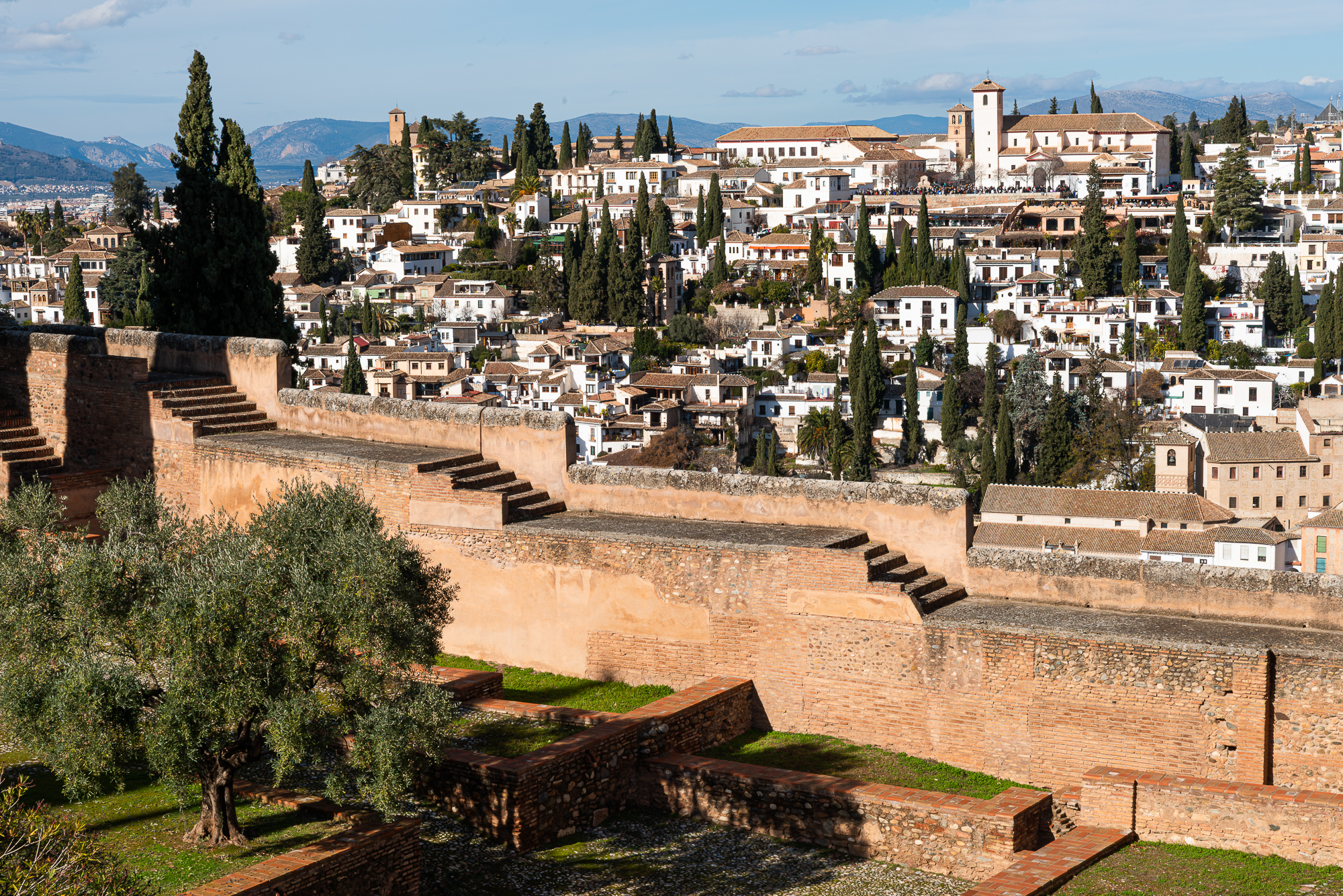
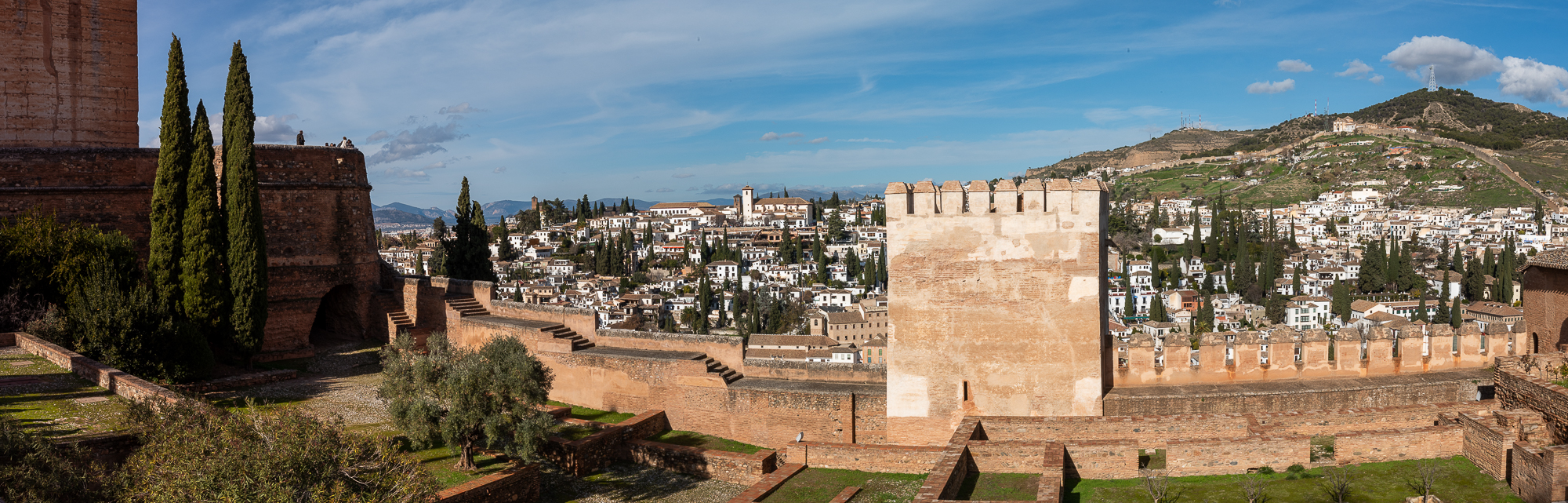
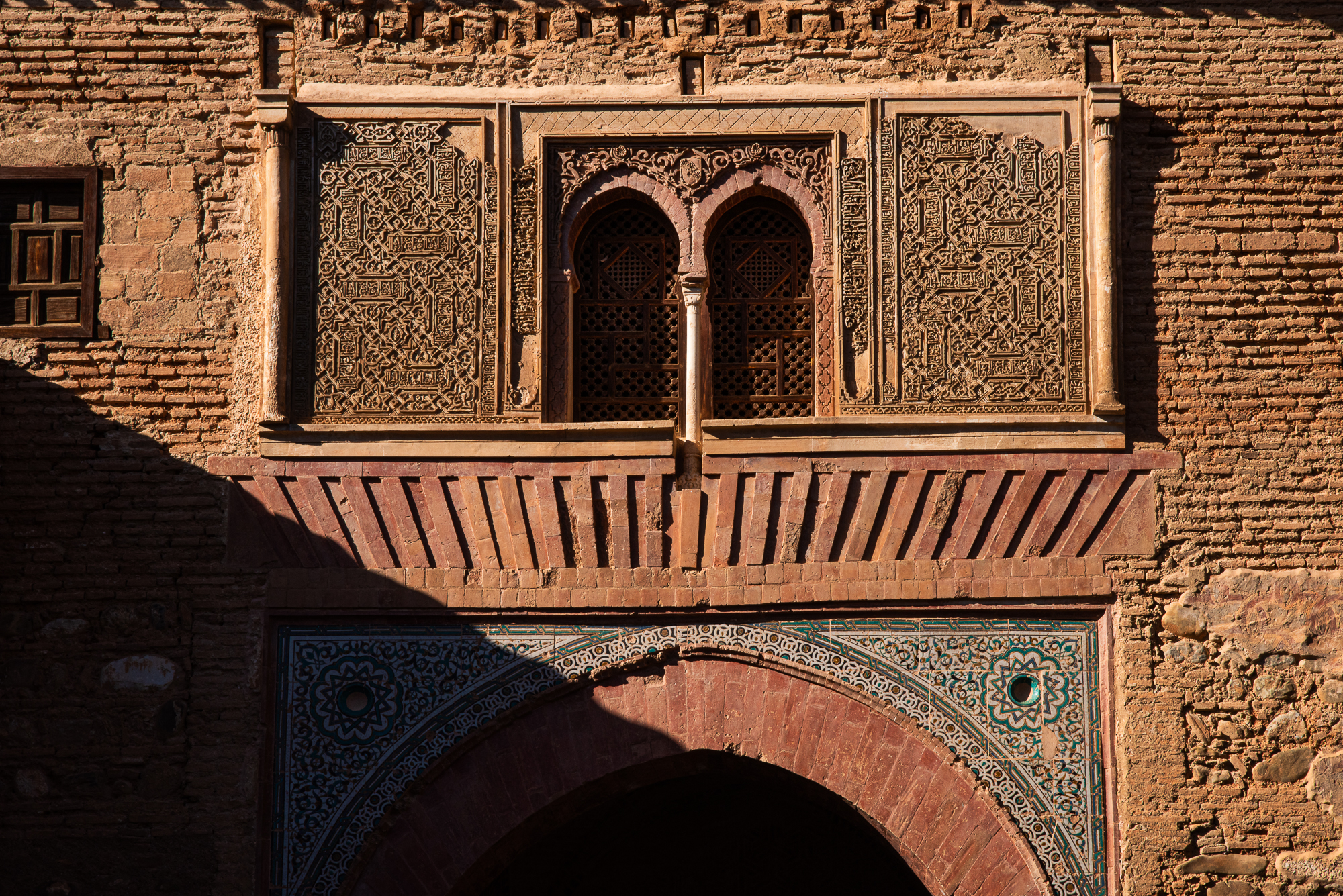
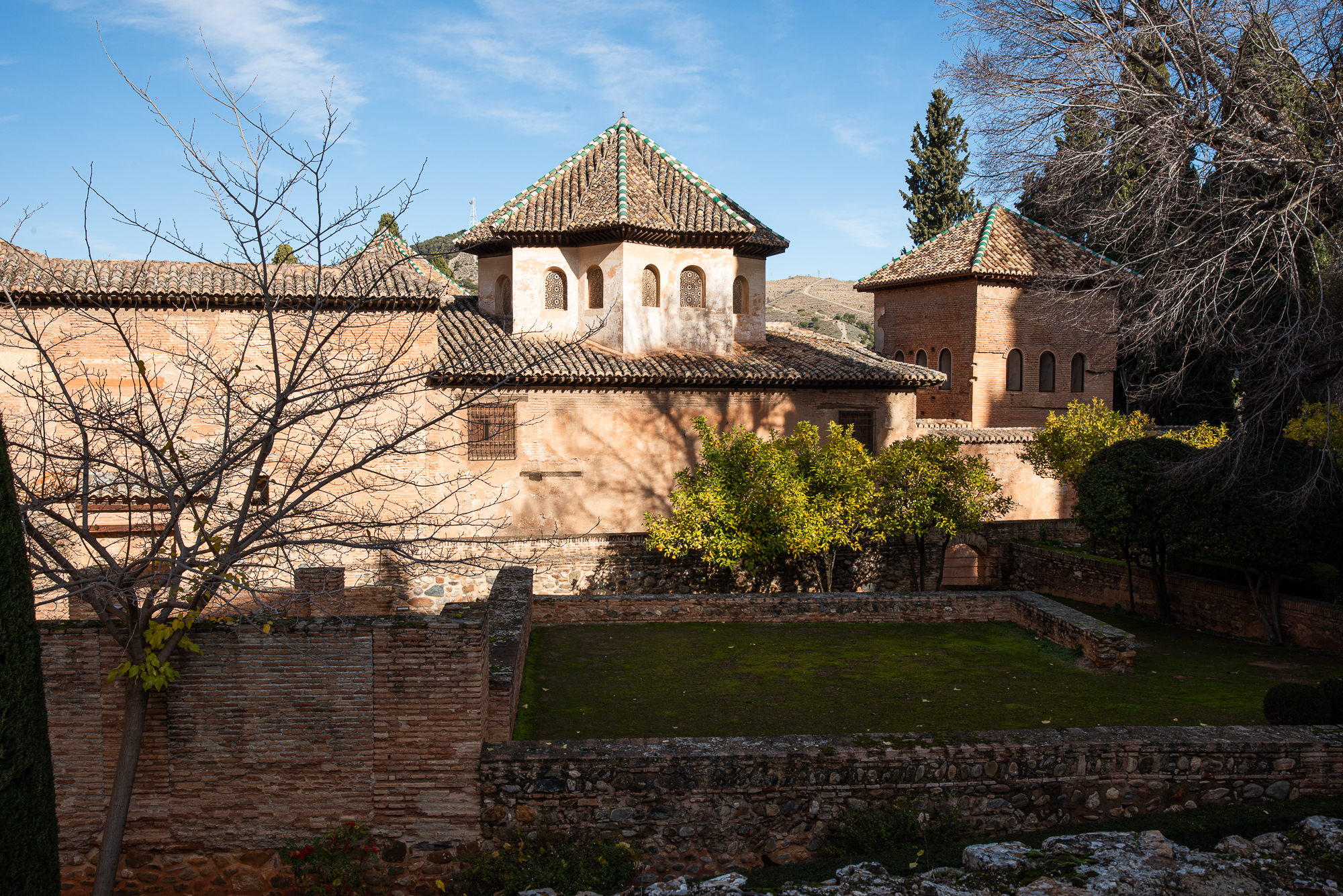
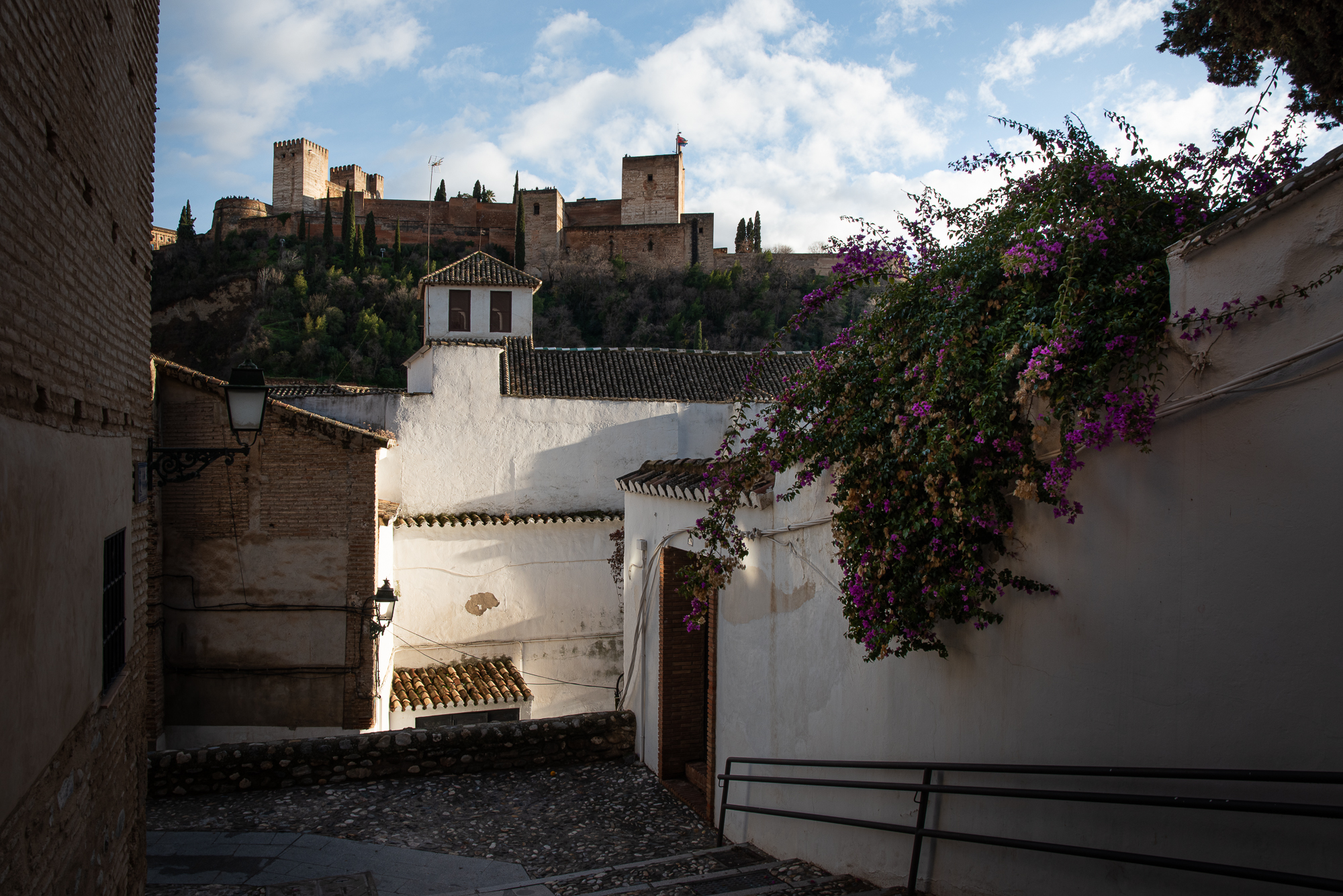
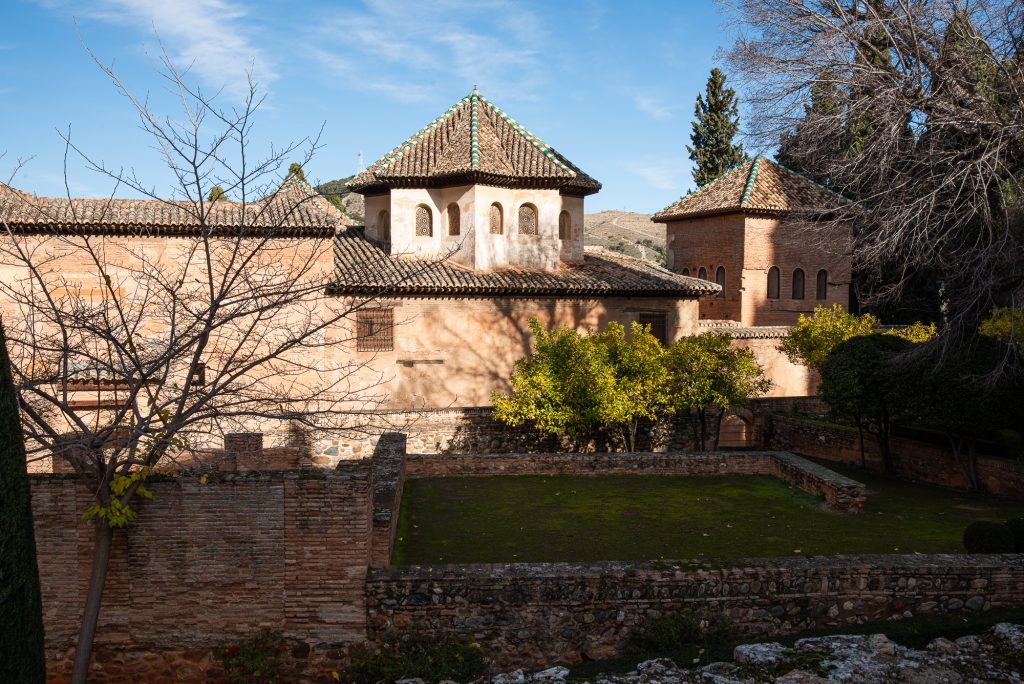
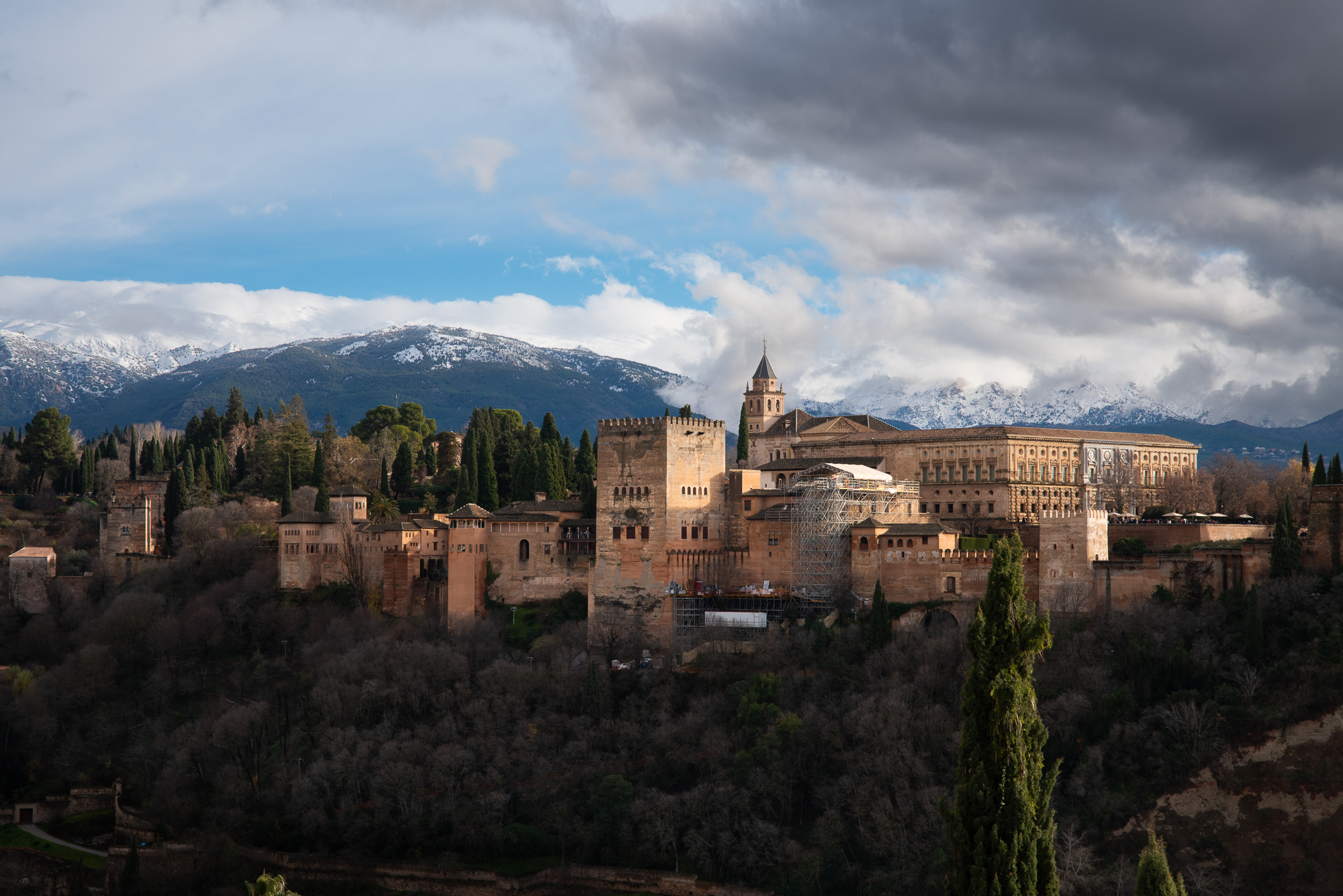
Granada did not truly become a regional capital until the 11th century, when the Zirid dynasty founded a new settlement and, later, in the 13th century, the Nasrid dynasty (Ibn al-Ahmar) established the Emirate of Granada. During the Nasrid period, the city experienced a remarkable cultural, artistic and architectural boom — the Alhambra, with its palaces, gardens and water systems, is the most powerful symbol of this — and Granada became a centre of intellectual and artistic production within Al-Andalus.
The role in the Reconquista and the fall of 1492.
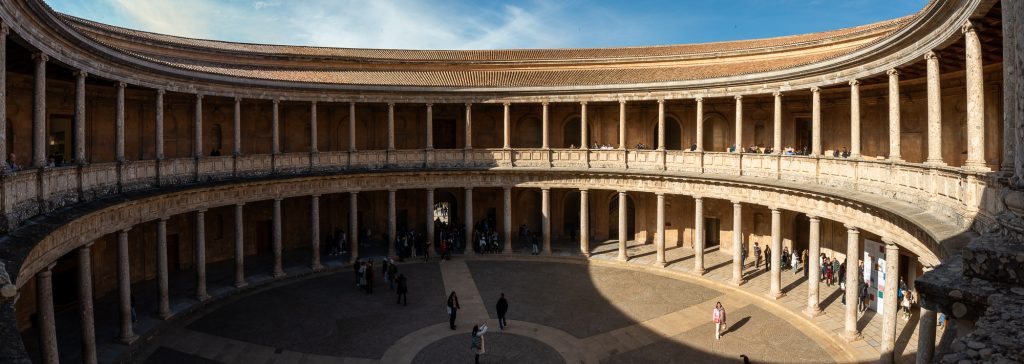
Granada’s place in Spanish history is crucial because it was the last Muslim state on the Iberian Peninsula. Following the Battle of Las Navas de Tolosa (1212) and the gradual collapse of the major taifas, the Nasrids maintained their political survival by establishing vassal and tributary relations with Castile, until the Catholic Monarchs, Isabella and Ferdinand, laid siege to the city and secured the surrender of the last king, Boabdil, in January 1492. The capture of Granada marked the official end of the Reconquista and ushered in a new political and religious era for the Iberian Peninsula.
Reform under the Crown of Castile.
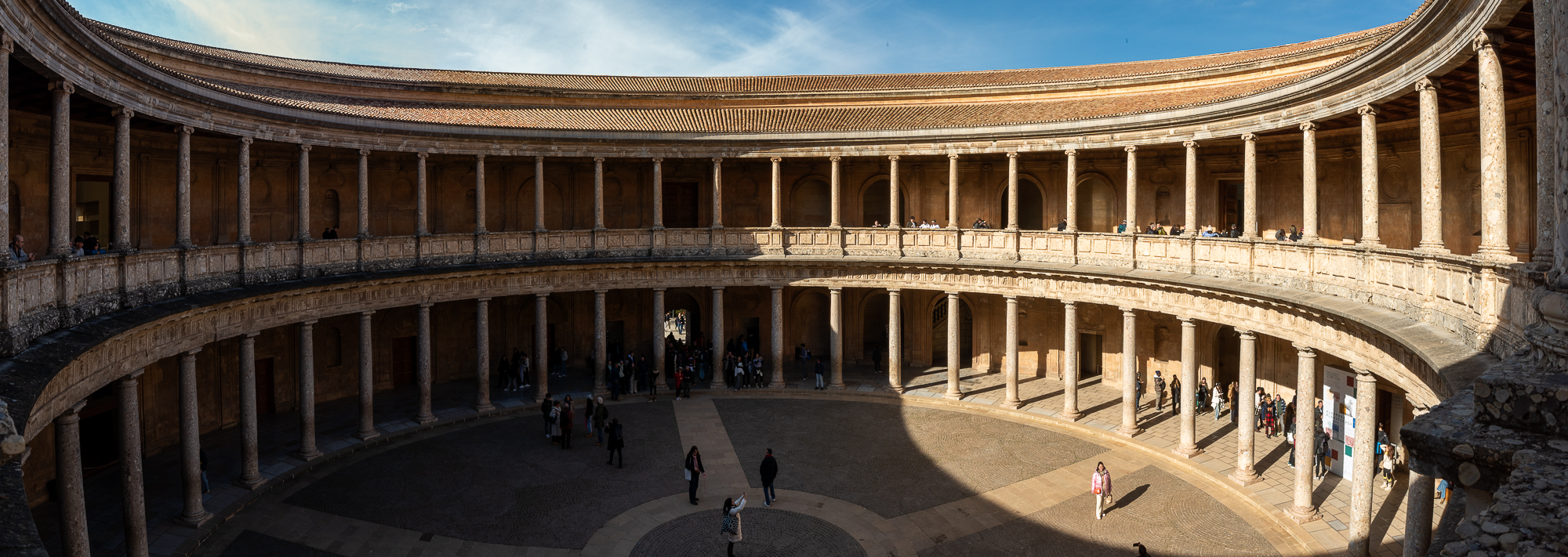
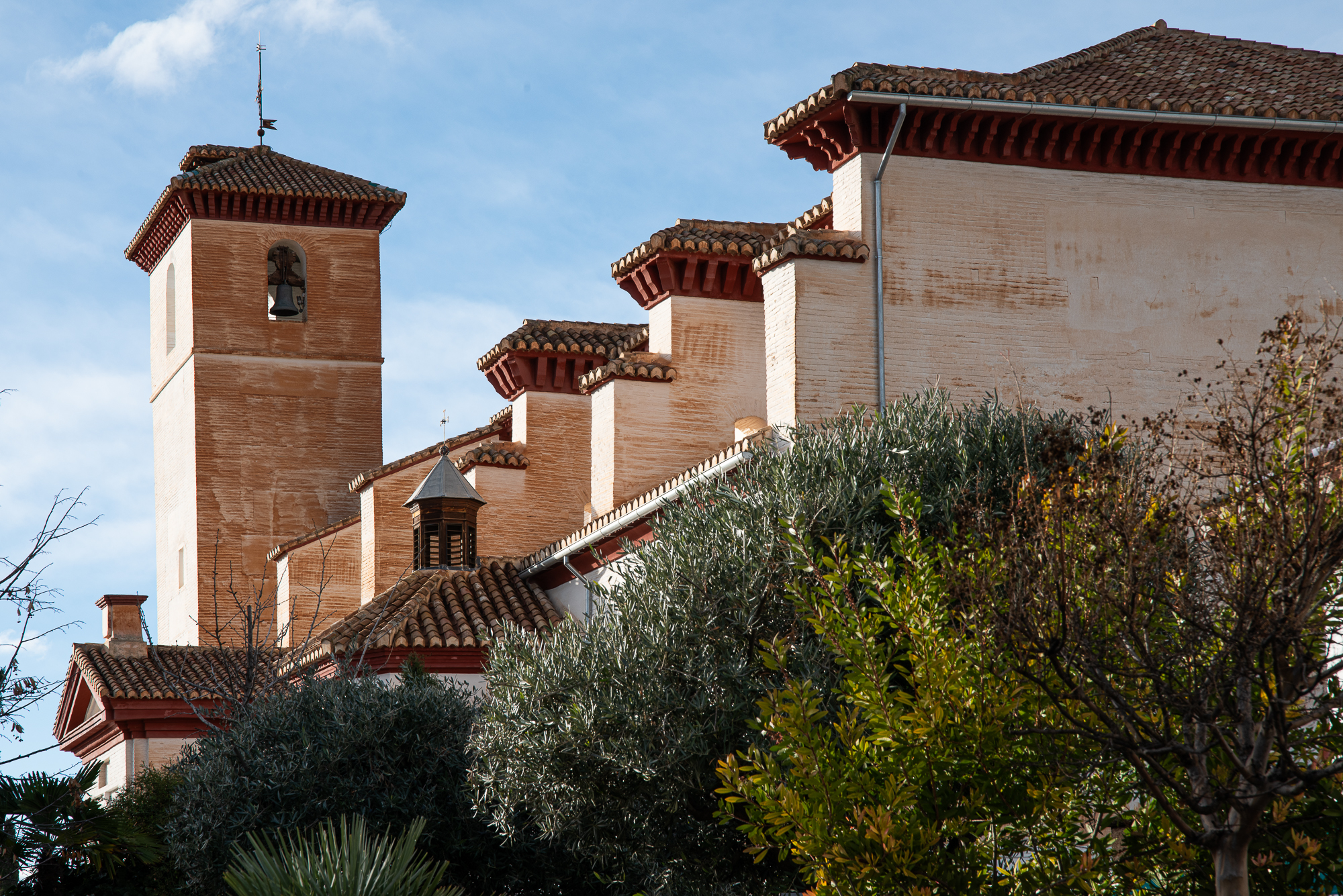
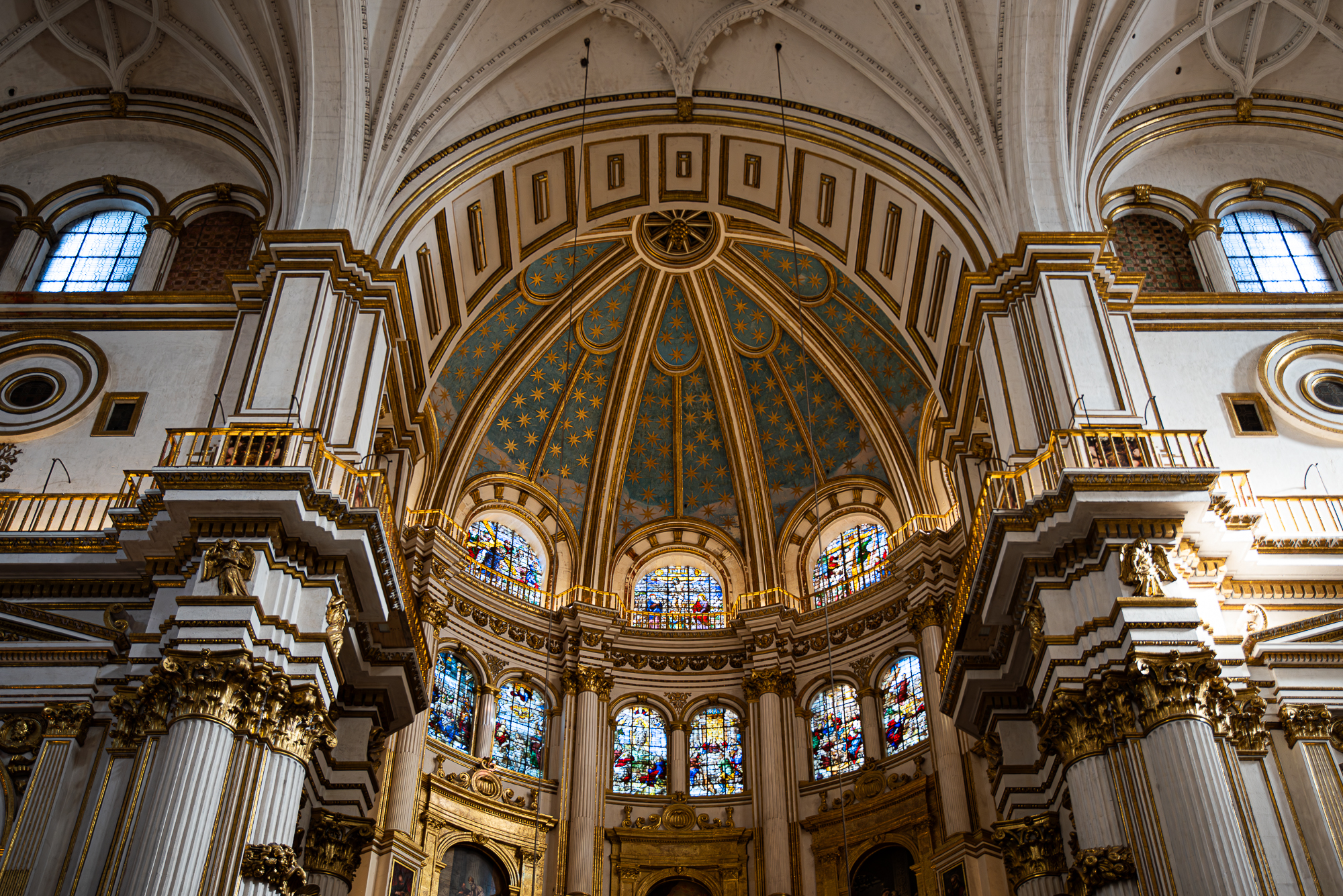
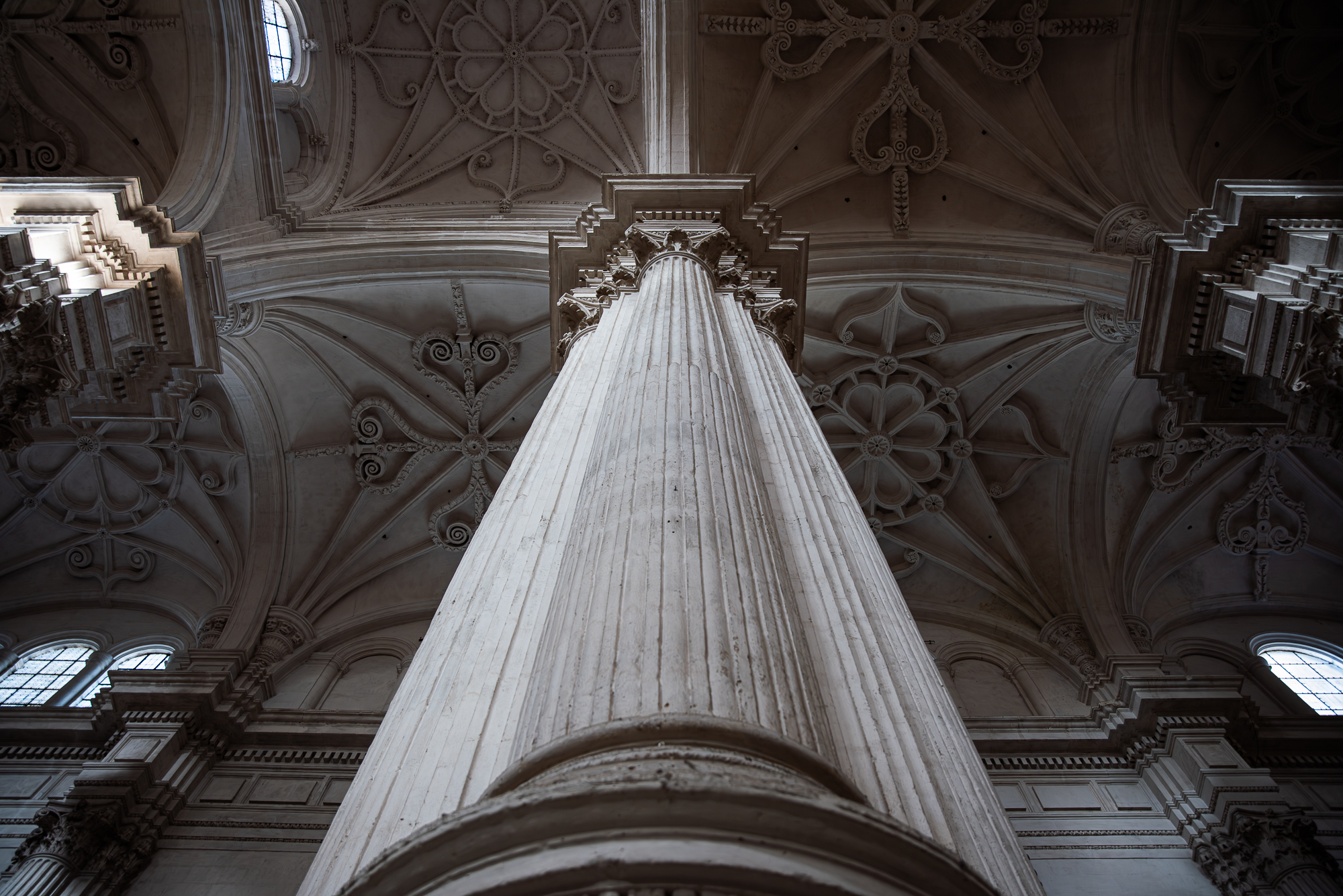
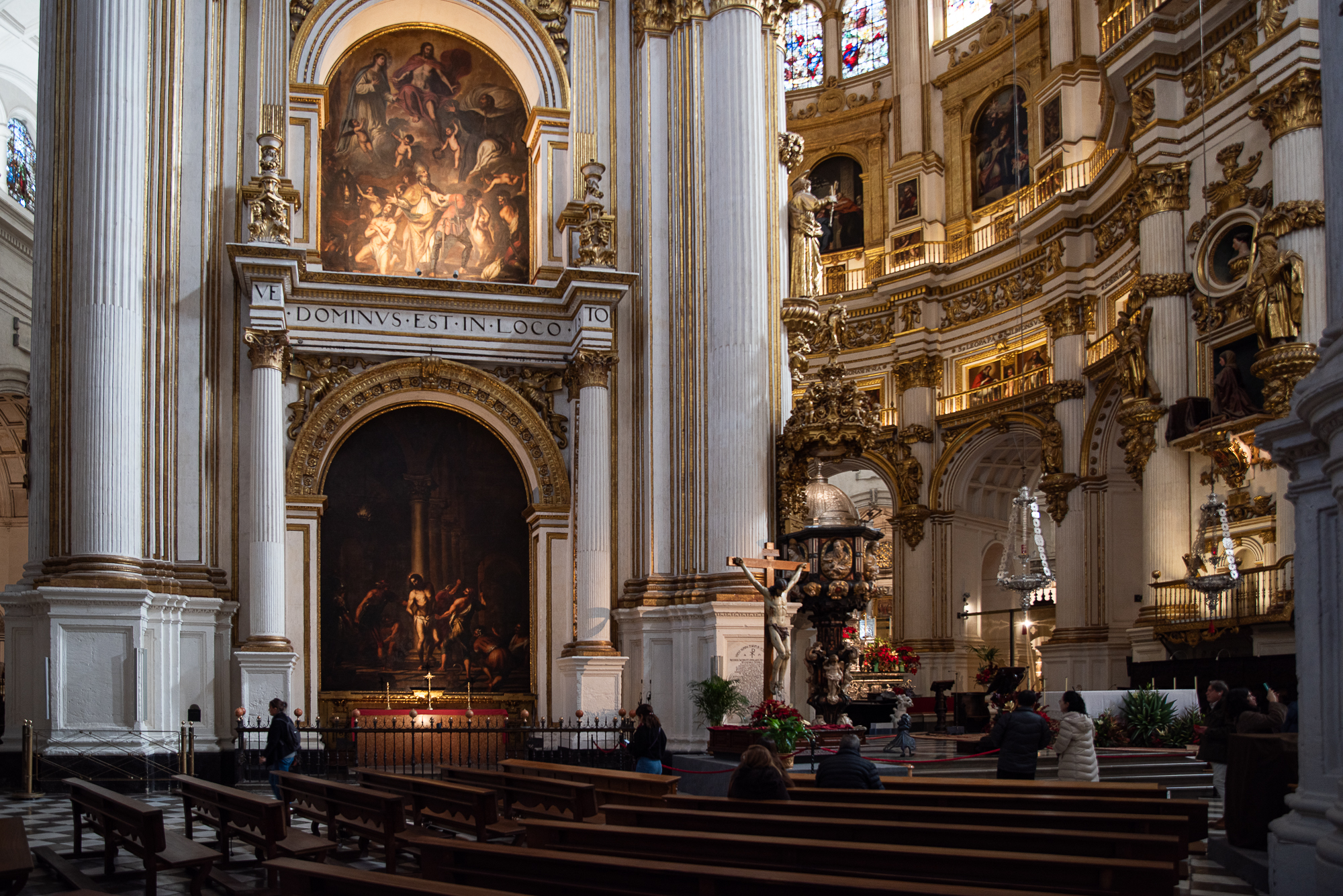
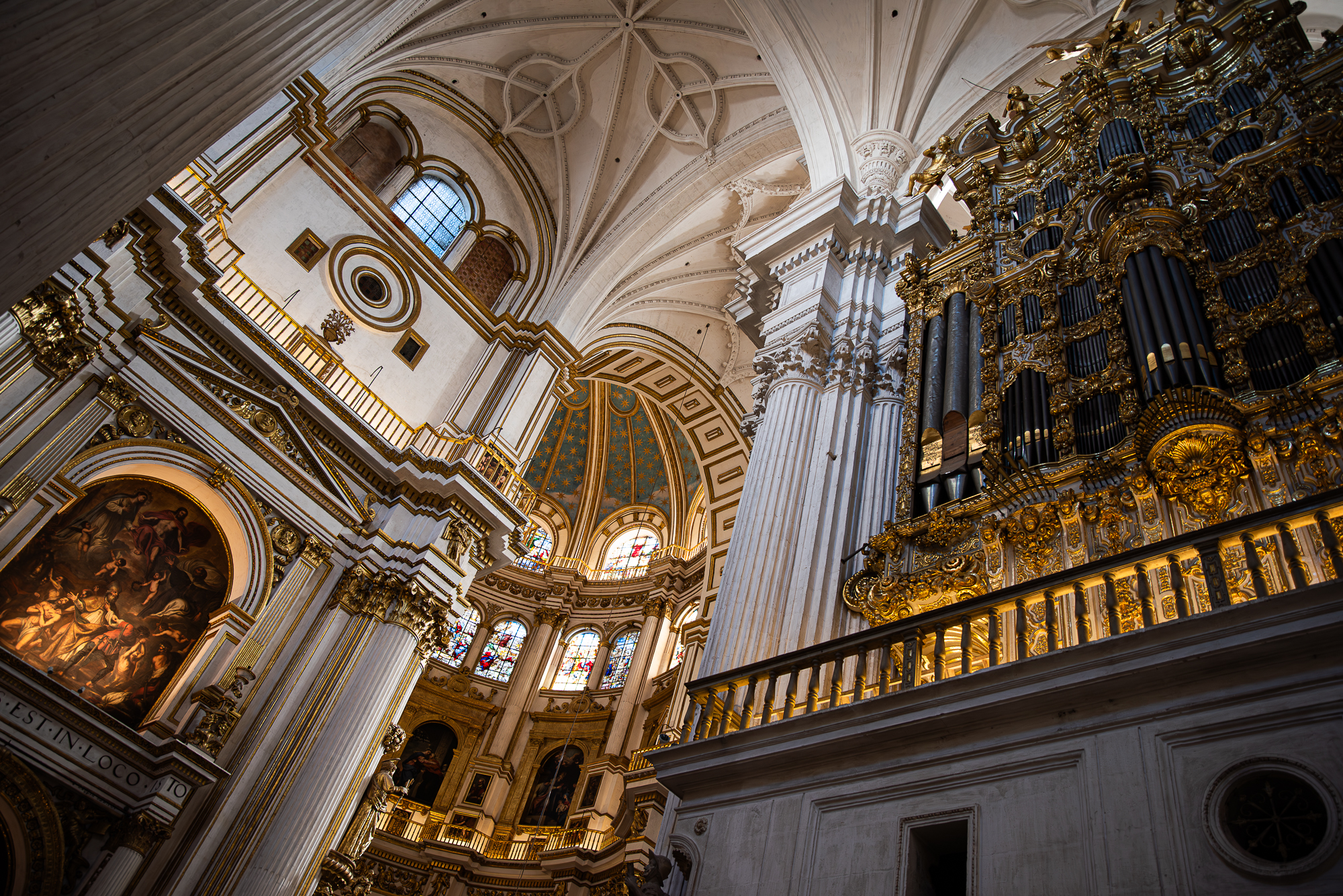
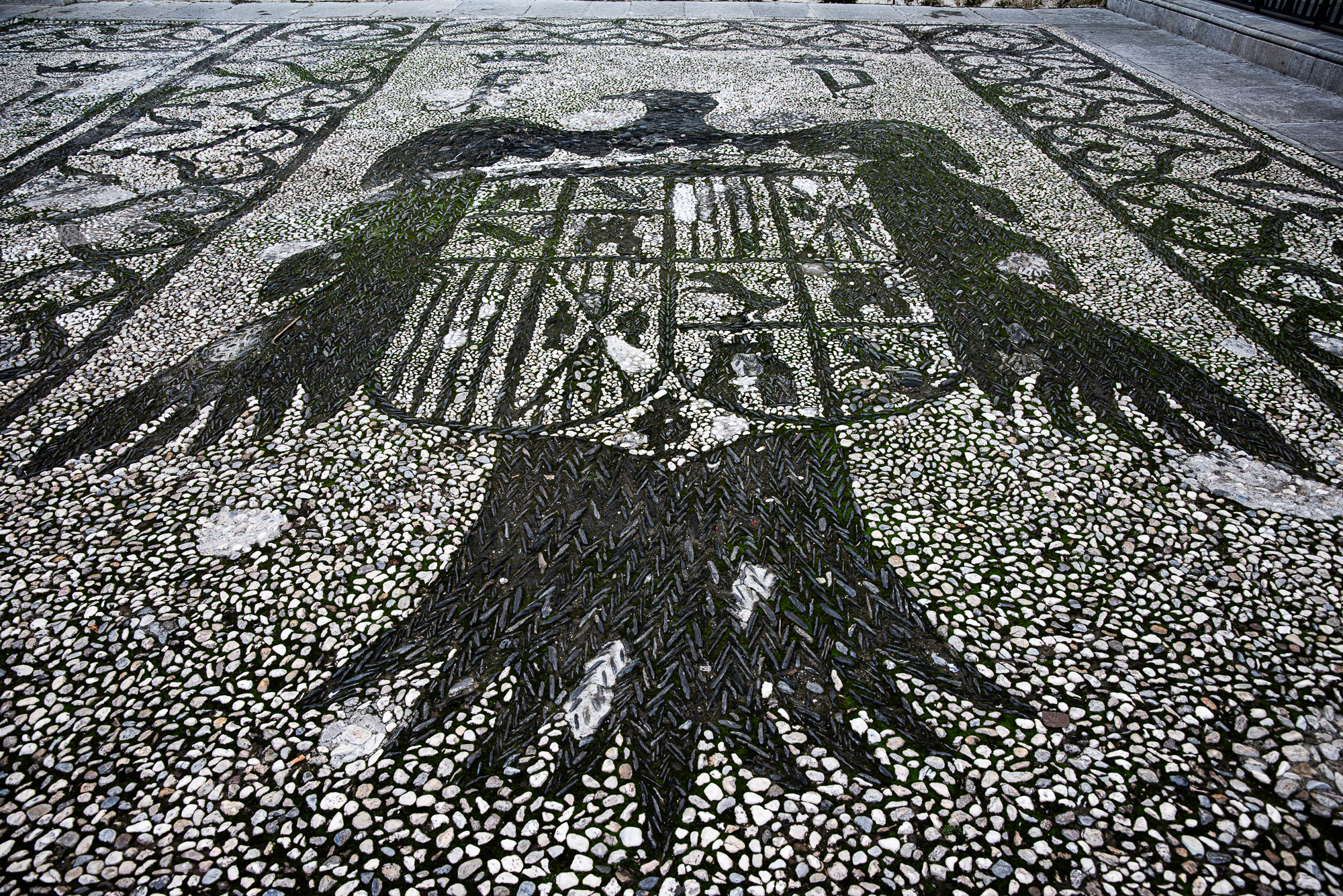
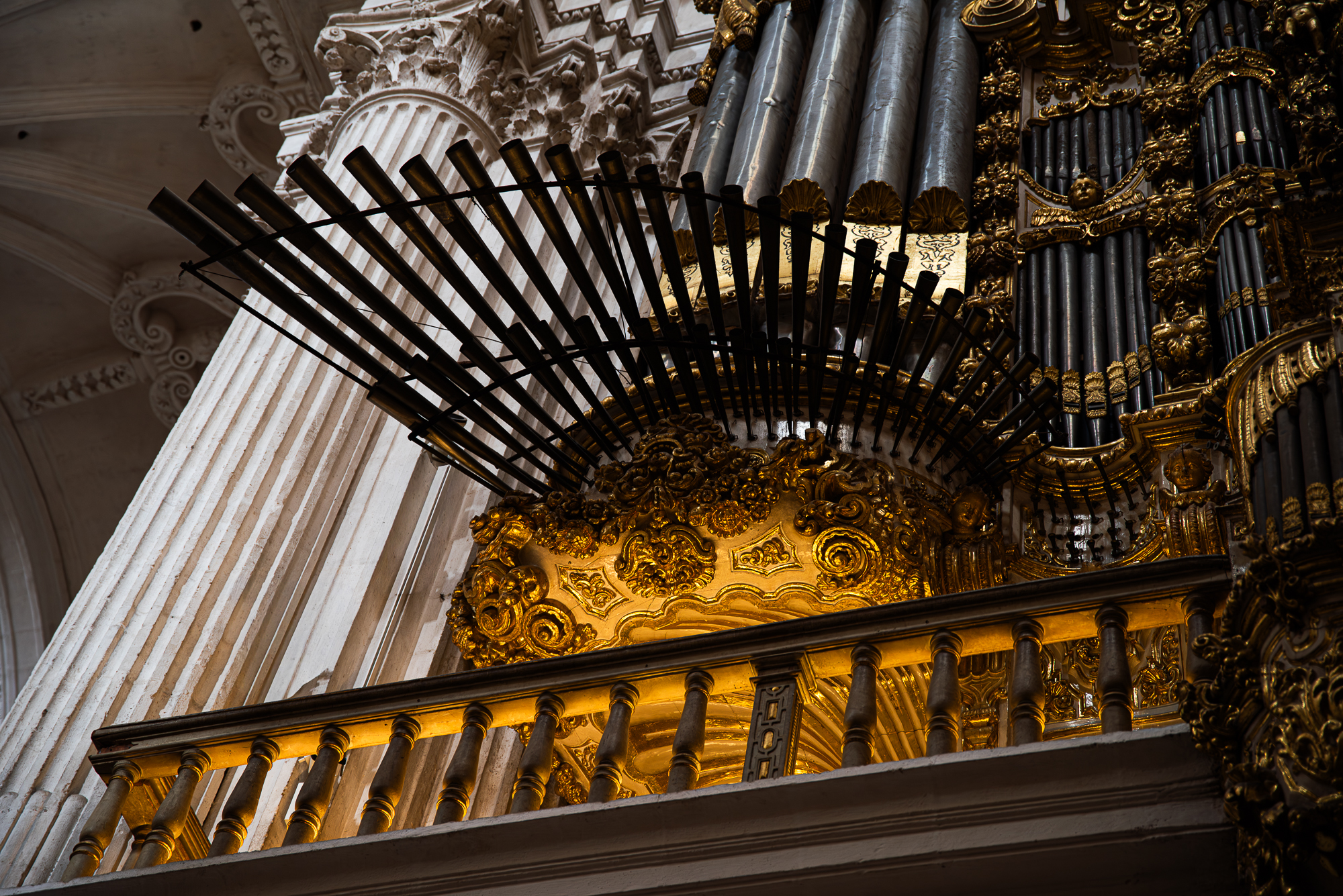
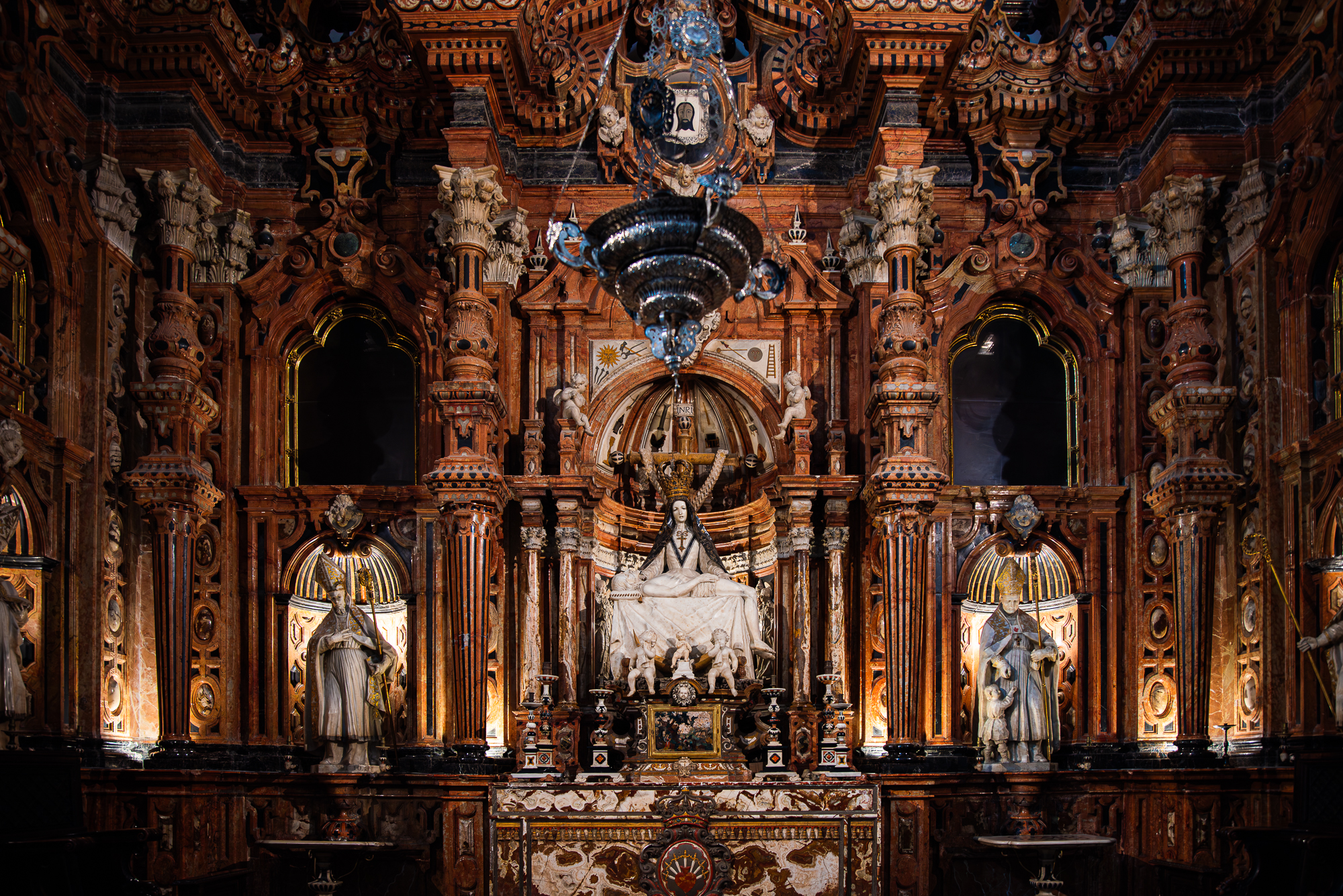
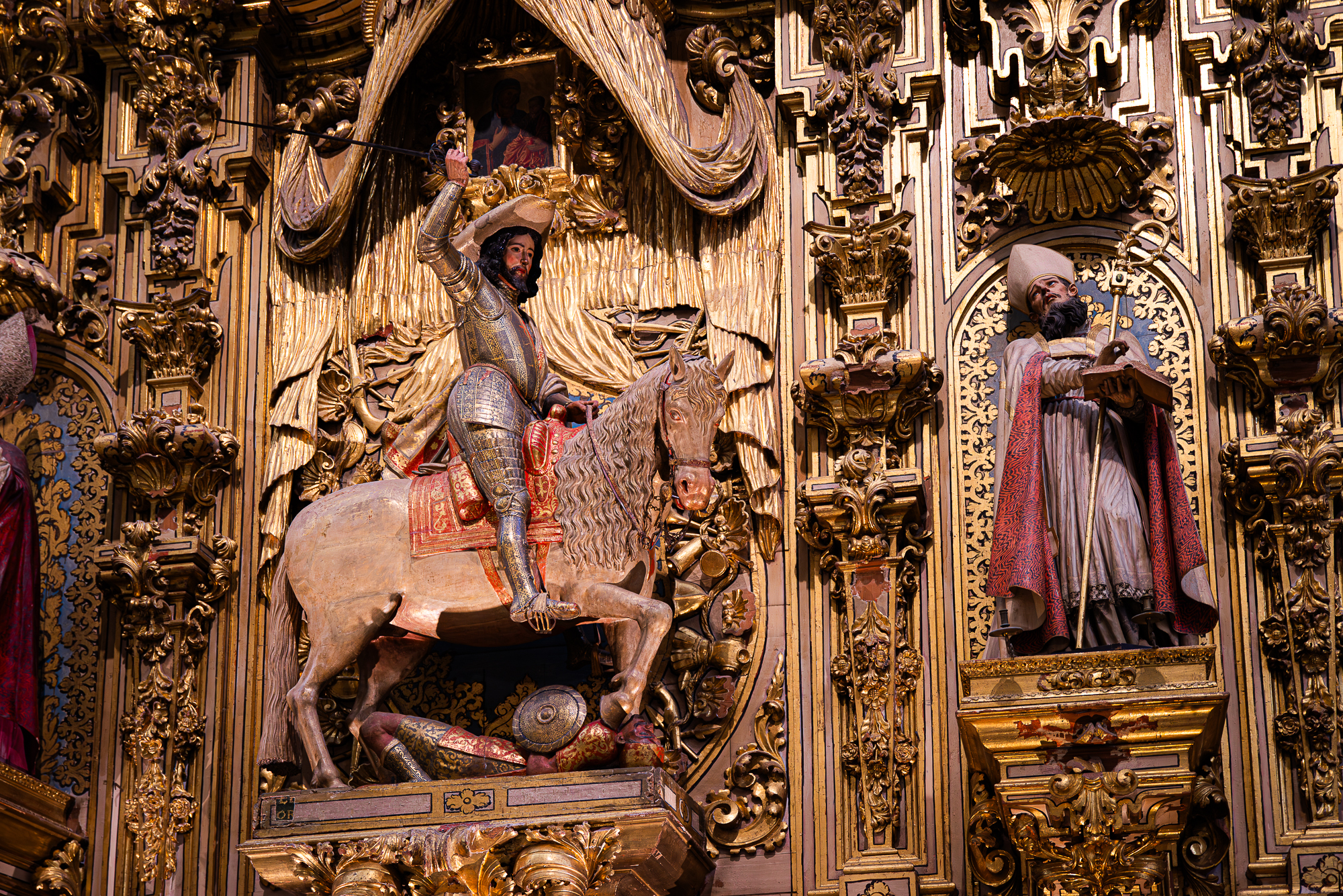
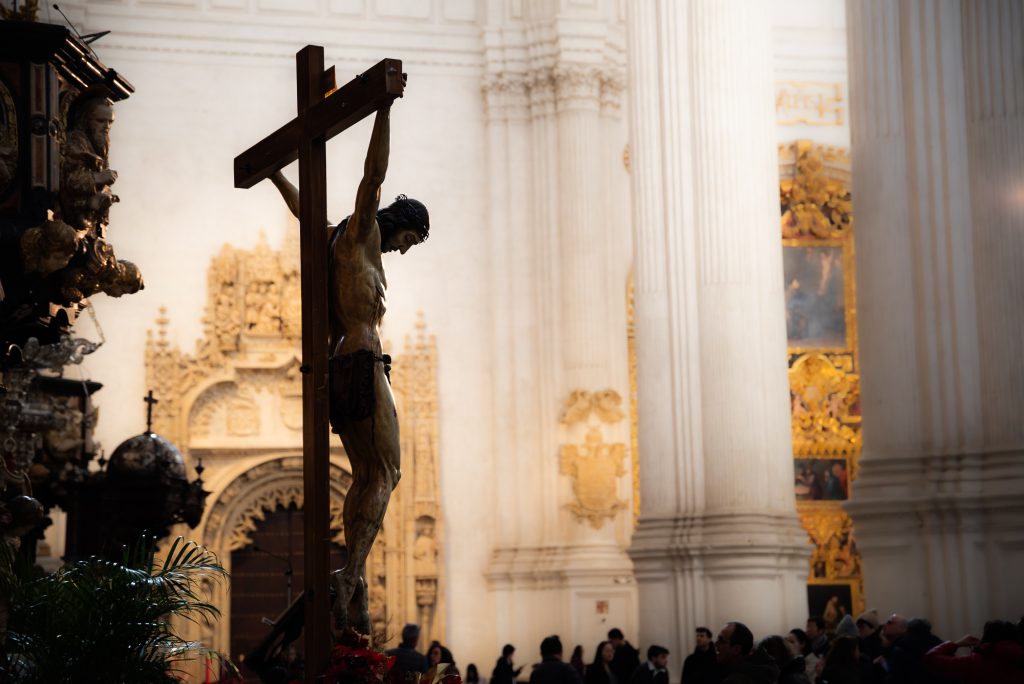
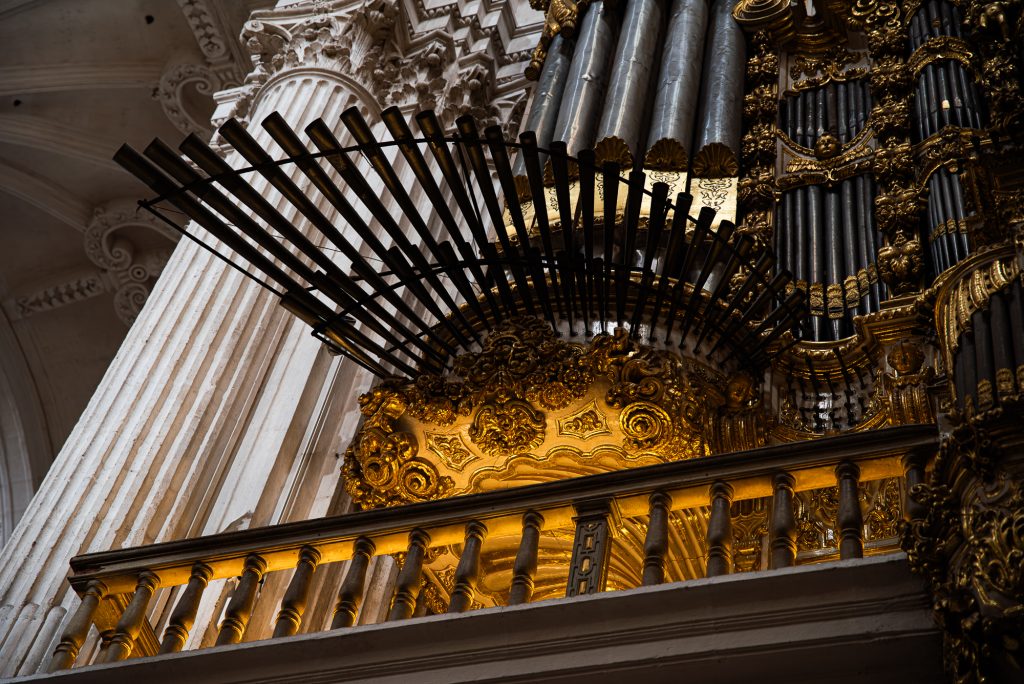
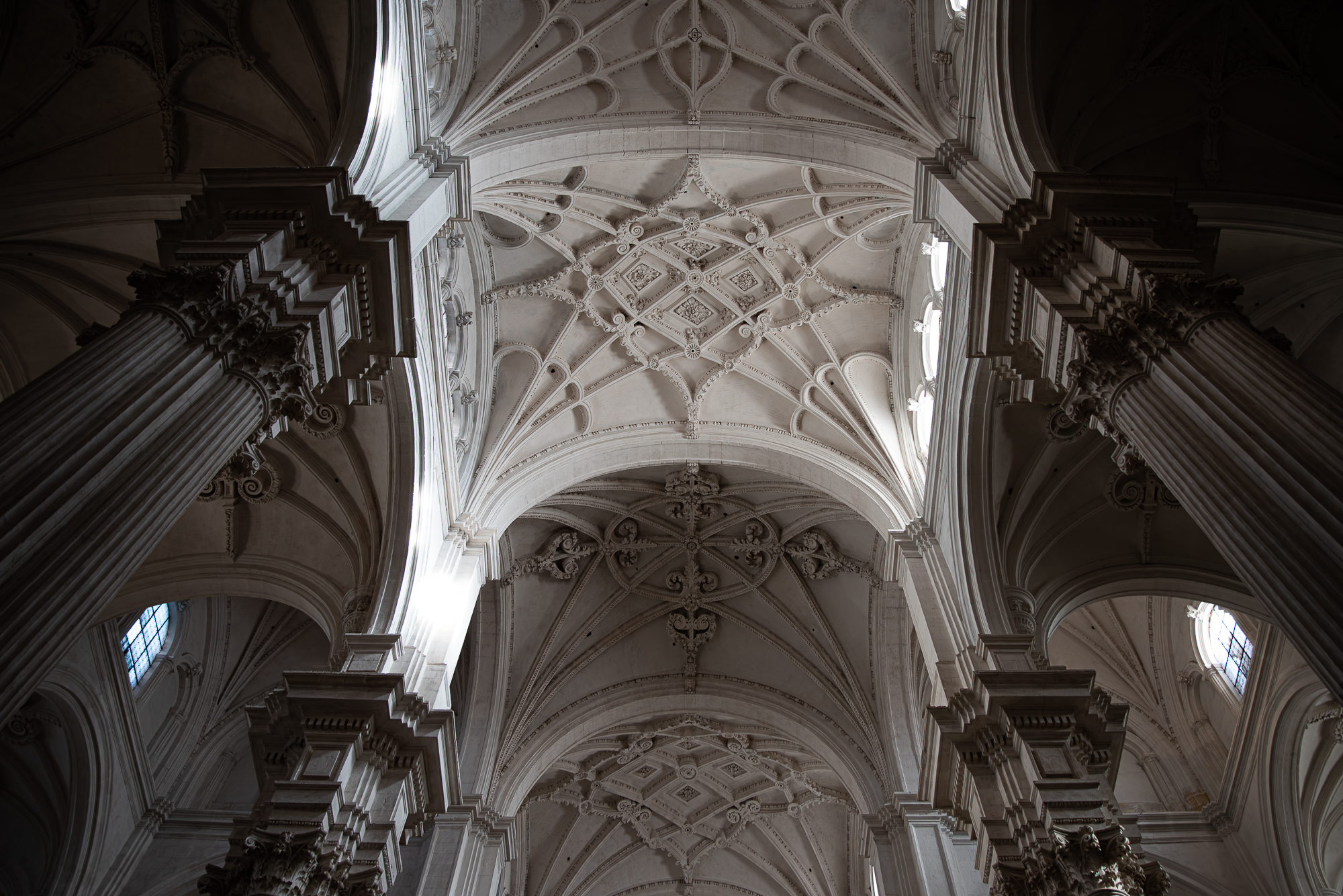
After 1492, Granada became part of the Crown of Castile and the centre of a former administrative “Kingdom of Granada”, which would gradually lose its political and economic importance to cities such as Seville, particularly following the discovery of the Americas. The Christian authorities reorganised the urban landscape (with the construction of the cathedral and the royal chapel) and imposed religious and social changes, including the expulsion or forced conversion of large Muslim and Jewish communities, which permanently altered the city’s social composition.
Culture and heritage alive.
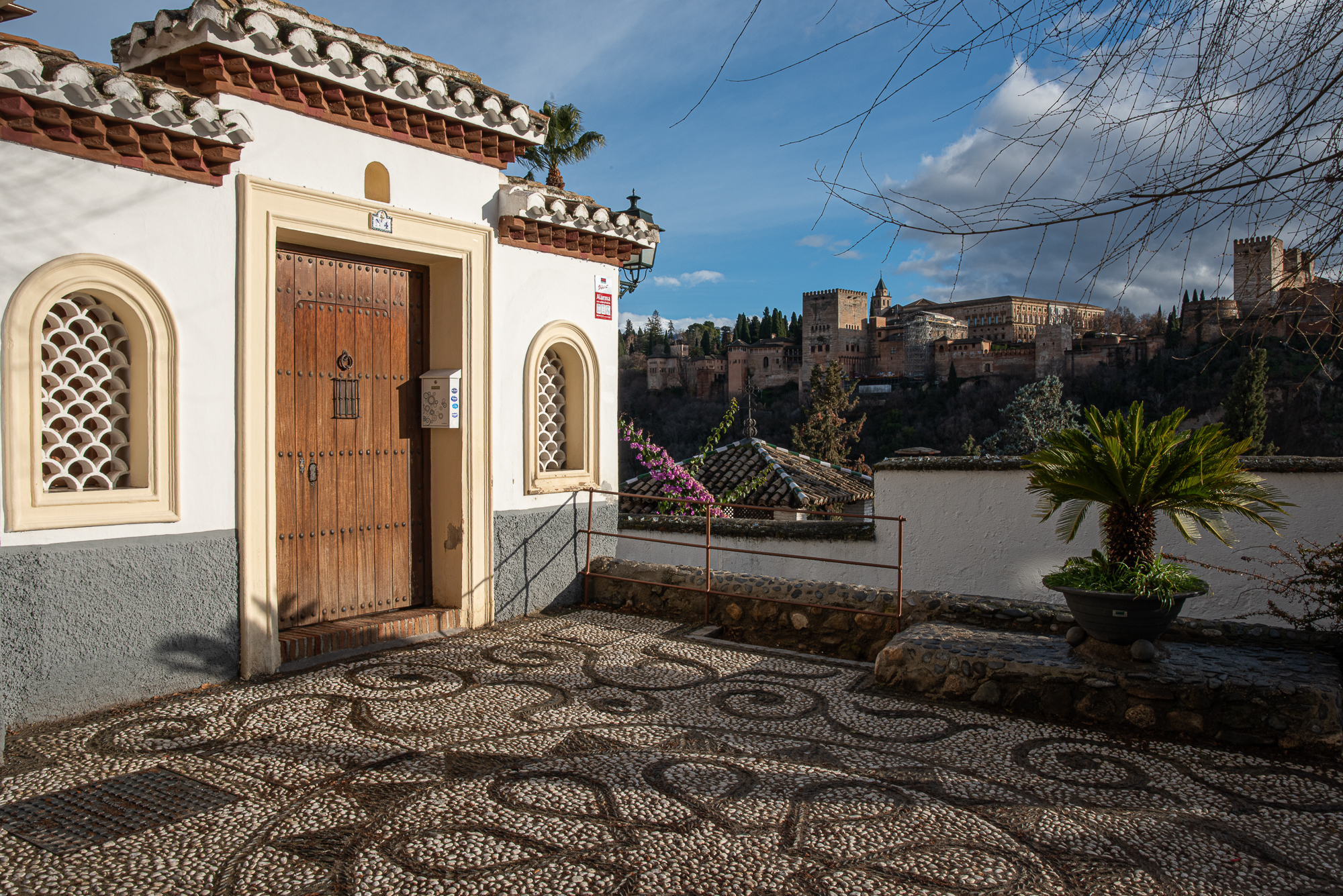
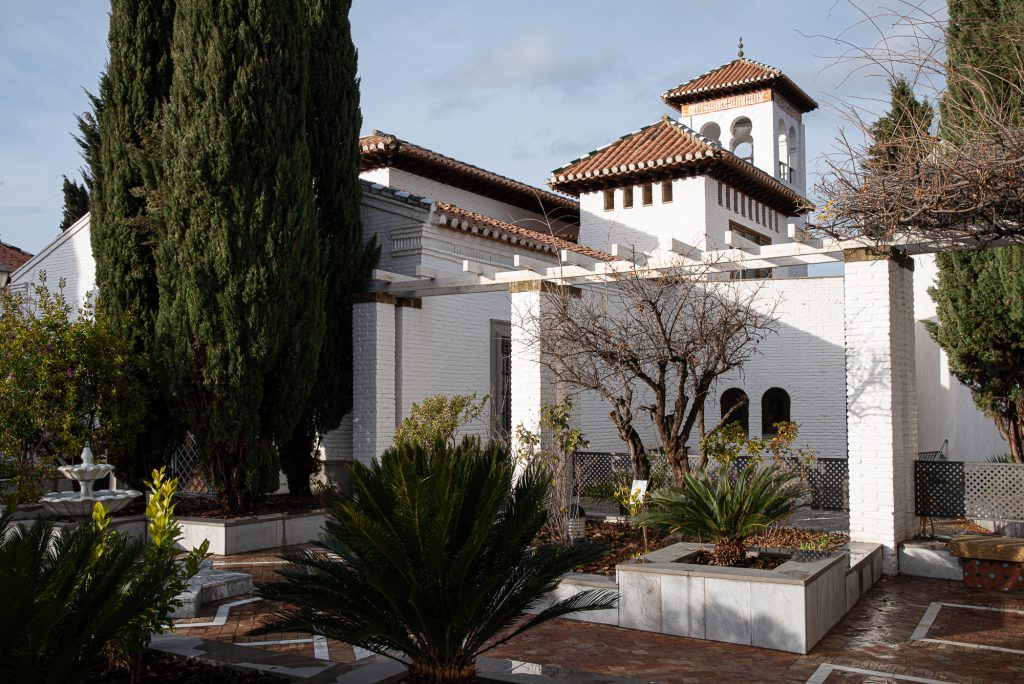
Granada’s culture is the result of centuries of cultural exchange: Nasrid architecture, Hispano-Muslim motifs, the Andalusian culinary tradition and the modern academic presence all combine to create a strong local identity. The Albaicín and Sacromonte districts retain visible traces of medieval life and folk traditions — flamenco music, local festivals and crafts — whilst the Alhambra attracts historical research.
Contemporary space and memory.
Today, Granada is a university and tourist city whose economy relies heavily on the promotion of its heritage — the Alhambra, its gardens and the historic districts — and on an active cultural life linked to students and artistic events. The reappropriation romantic and the restorations of the 19th and 20th centuries have contributed to shaping the modern image of Granada as as well as a key site for understanding coexistence and the conflicts in Spanish history.
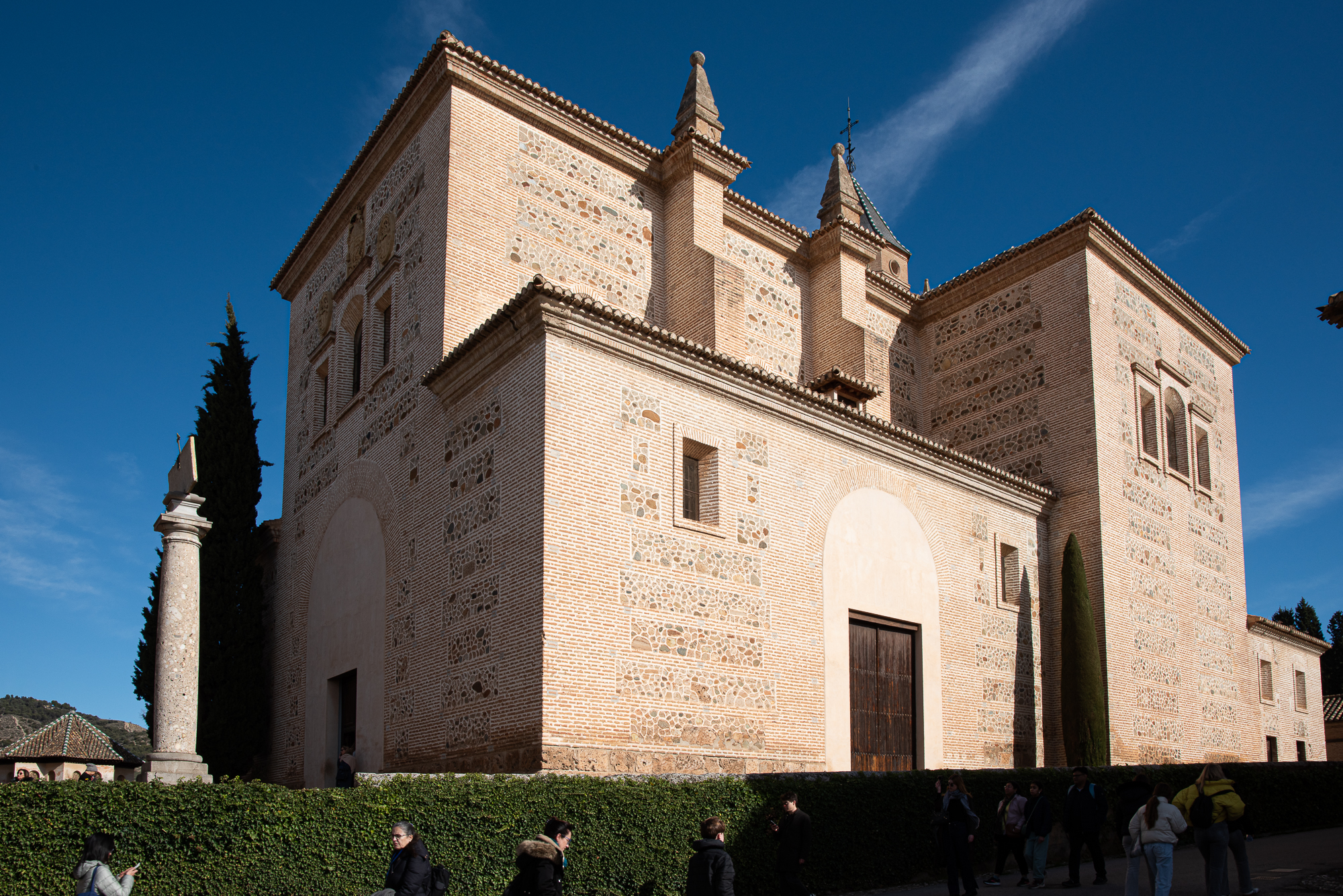
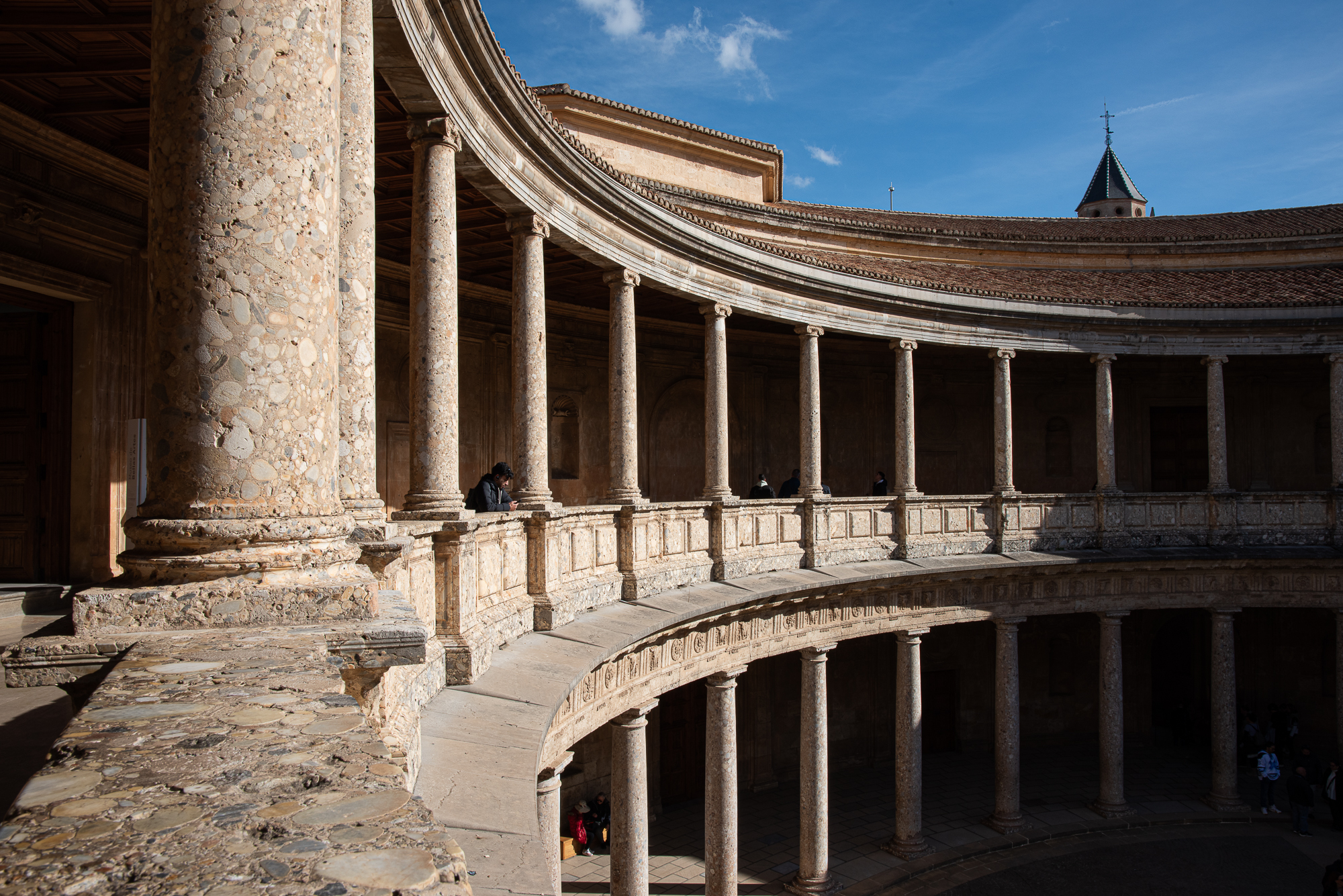
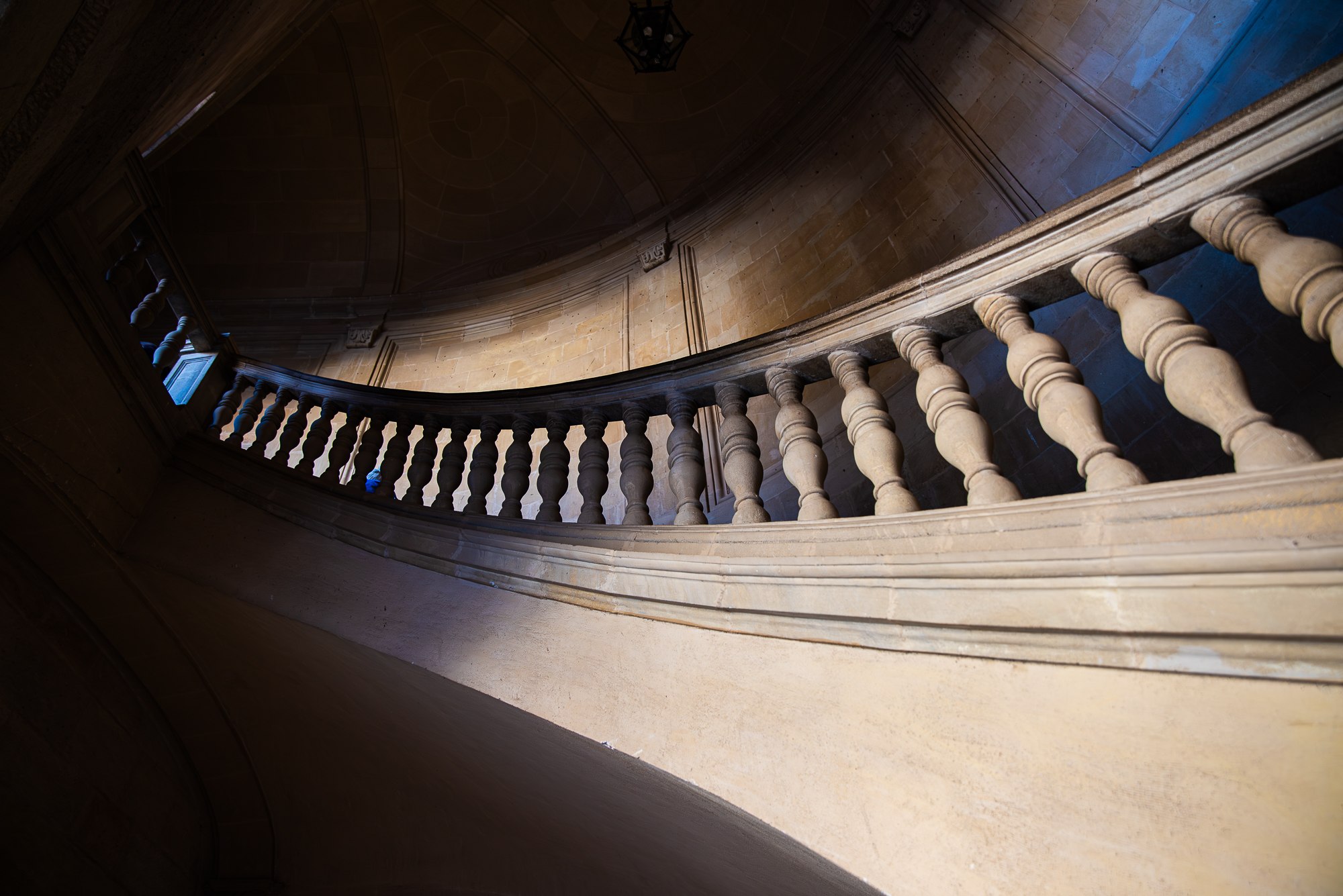
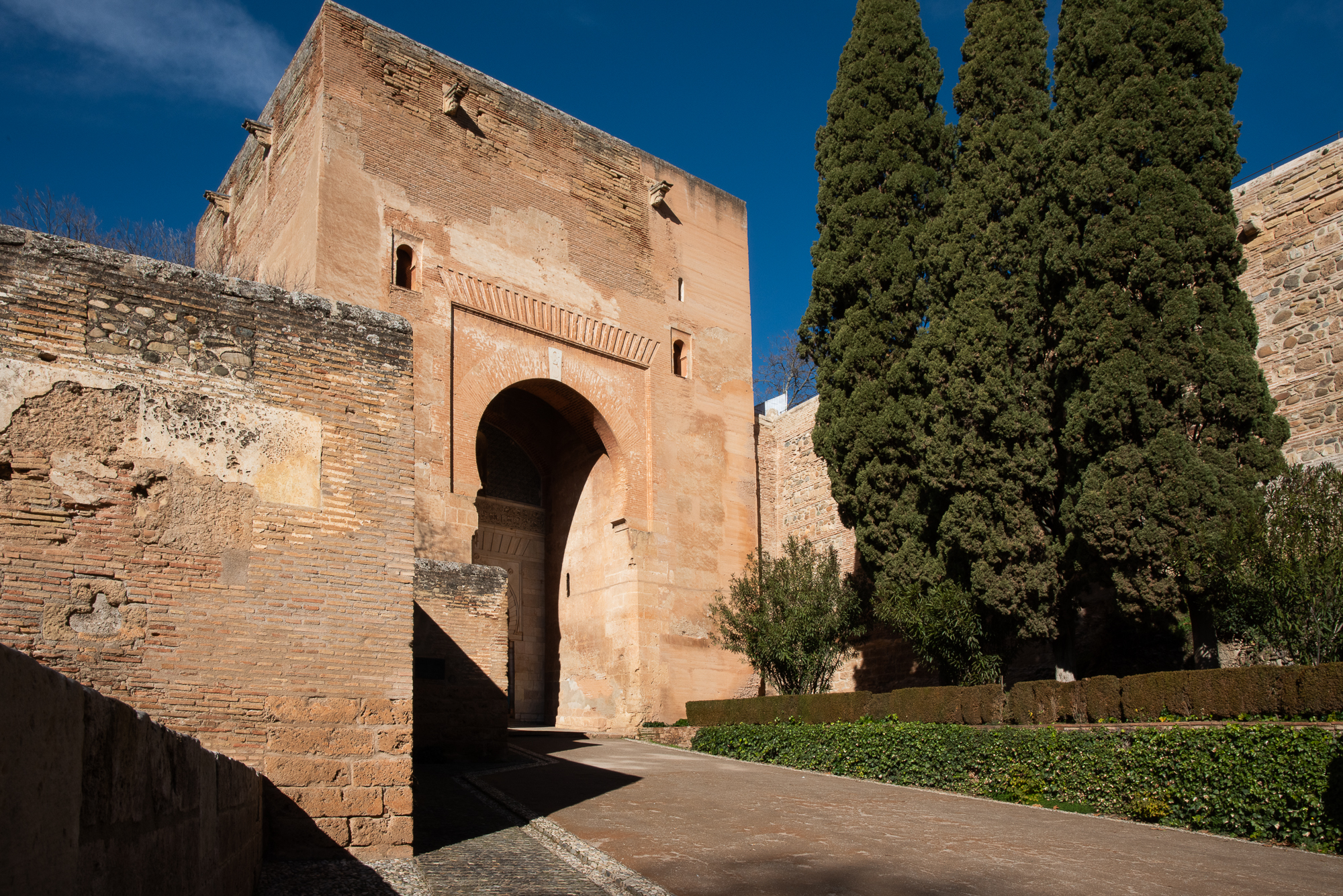
The Alhambra illustrates in a concise way the history of Granada: a Nasrid palatial monument, transformed symbolically after 1492 into a site of national heritage and today listed and studied as world heritage, it embodies the transition between civilisation Muslim and the modern Spanish state.
Ferney Voltaire (France) – July 2026